Japan: From Kyoto’s Temples to Tokyo’s Neon
Kyoto, Himeji, Kamakura and Tokyo, August 2008
6–14 August 2008
- days
- 9
- km
- 698
- country
- 1Japan
- photos
- 64
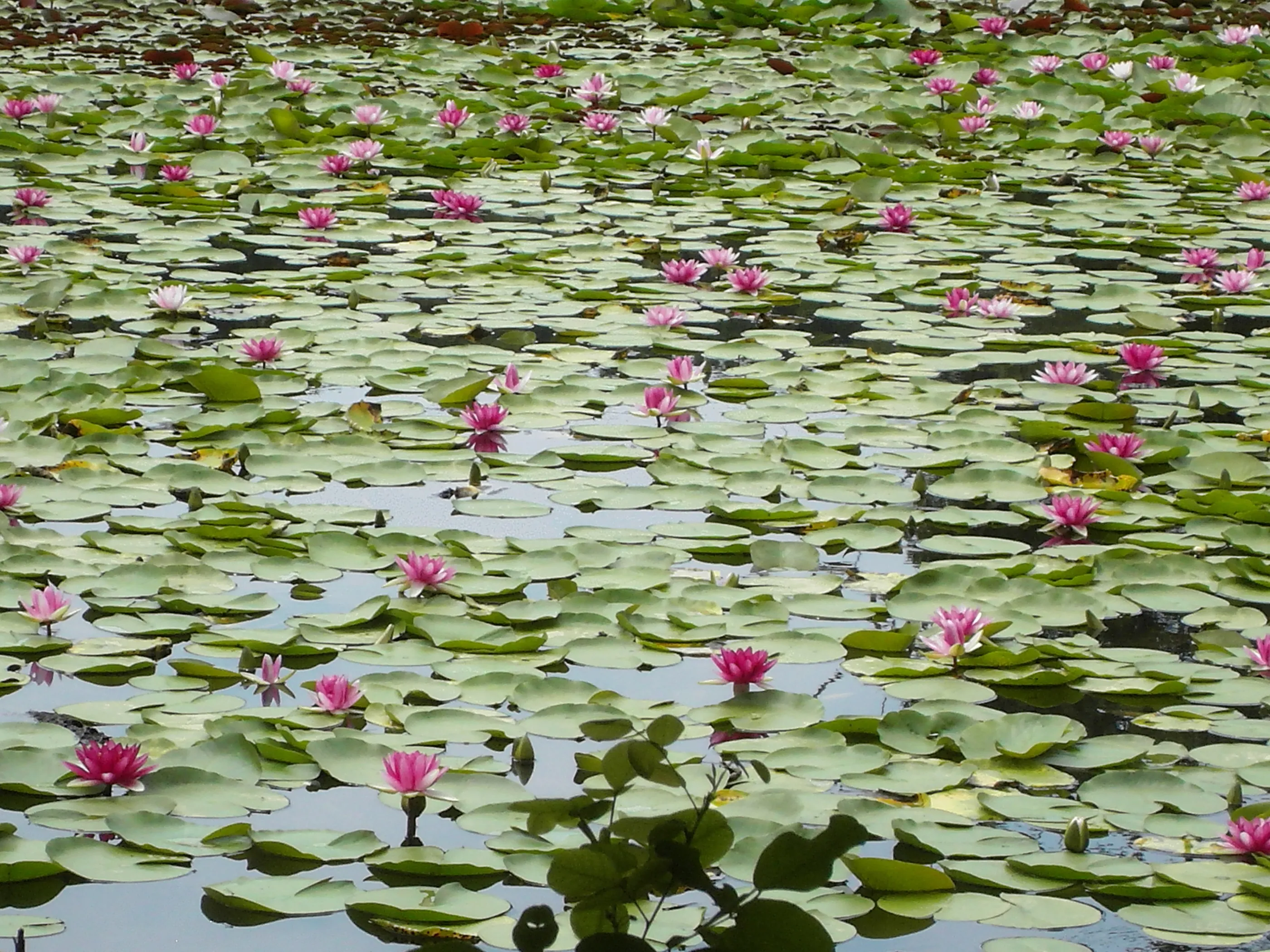
Nine days in Japan in the heart of summer 2008. First four days in Kyoto, the old imperial capital: its wooden temples, its gardens of moss and raked sand, the Golden Pavilion on its pond, and in the evening the lanes of Gion where maiko still pass by. A trip to Himeji castle, then the Shinkansen to Tokyo.
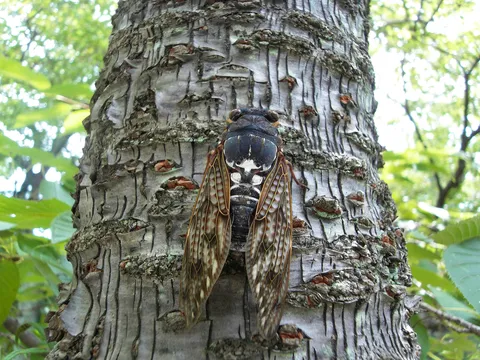
August in Japan means humid heat, the deafening song of cicadas and storms at the end of the day. In Tokyo the contrast is striking: the neon of Ginza, the crowds of Shibuya and the bustle of Tsukiji market, yet, a few steps away, the calm of the shrines and, an hour away by train, the Great Buddha of Kamakura.
Kyoto: the Hongan-ji temples
Japan
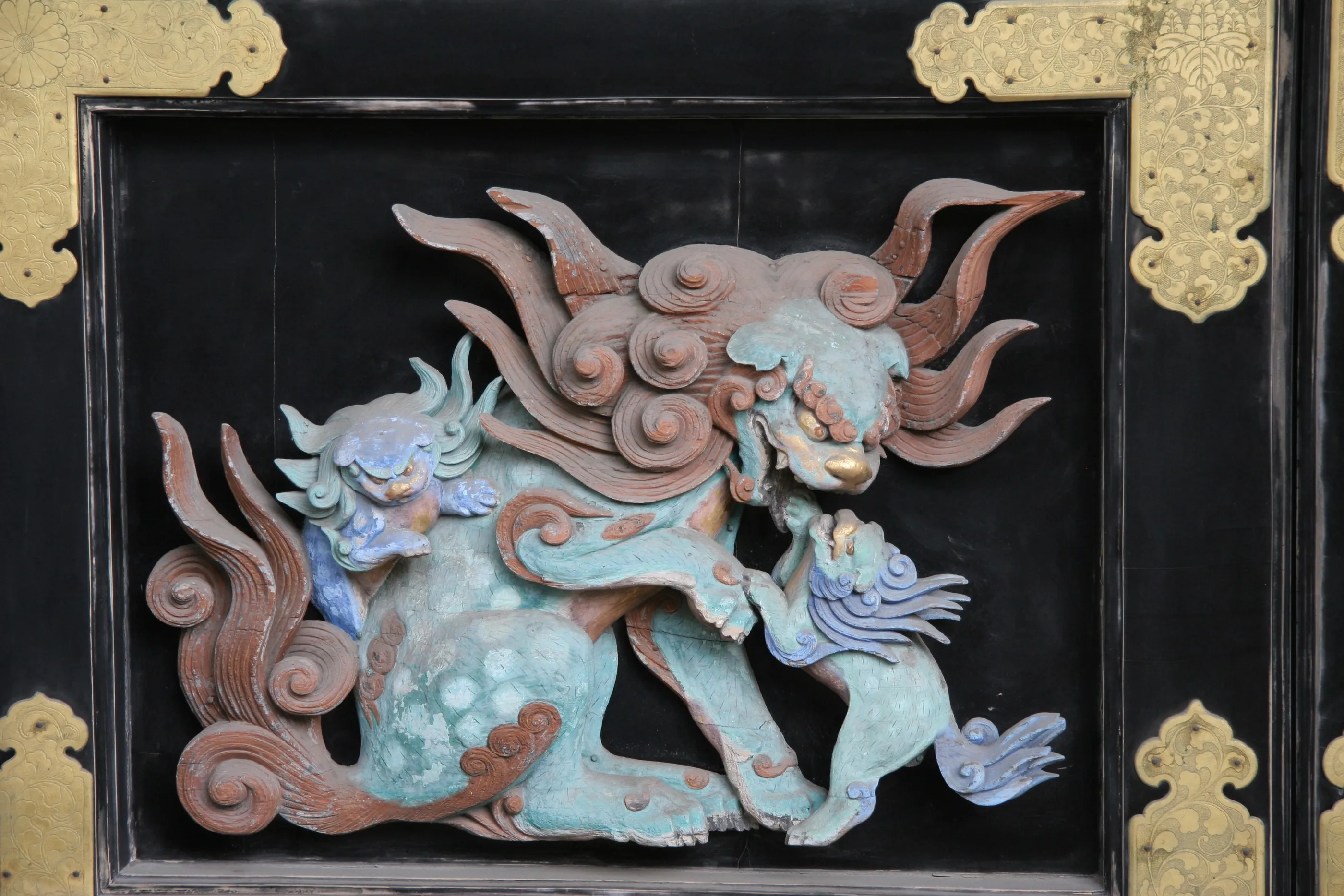
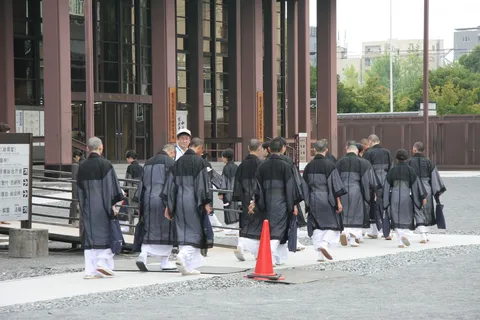
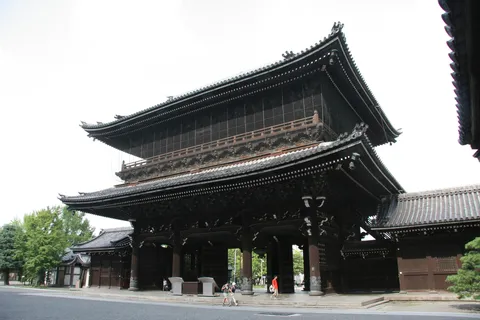
We landed at Kansai airport and took the train to Kyoto. First steps right by the station, in the two great temples of the Jōdo Shinshū Buddhist school: Higashi and Nishi Hongan-ji, huge wooden halls among the largest in Japan. At Nishi Hongan-ji, gates carved with lions and peonies already hint at the refinement of the whole trip.

By road↗ 5 km
Higashiyama: from the Silver Pavilion to Nanzen-ji
Japan
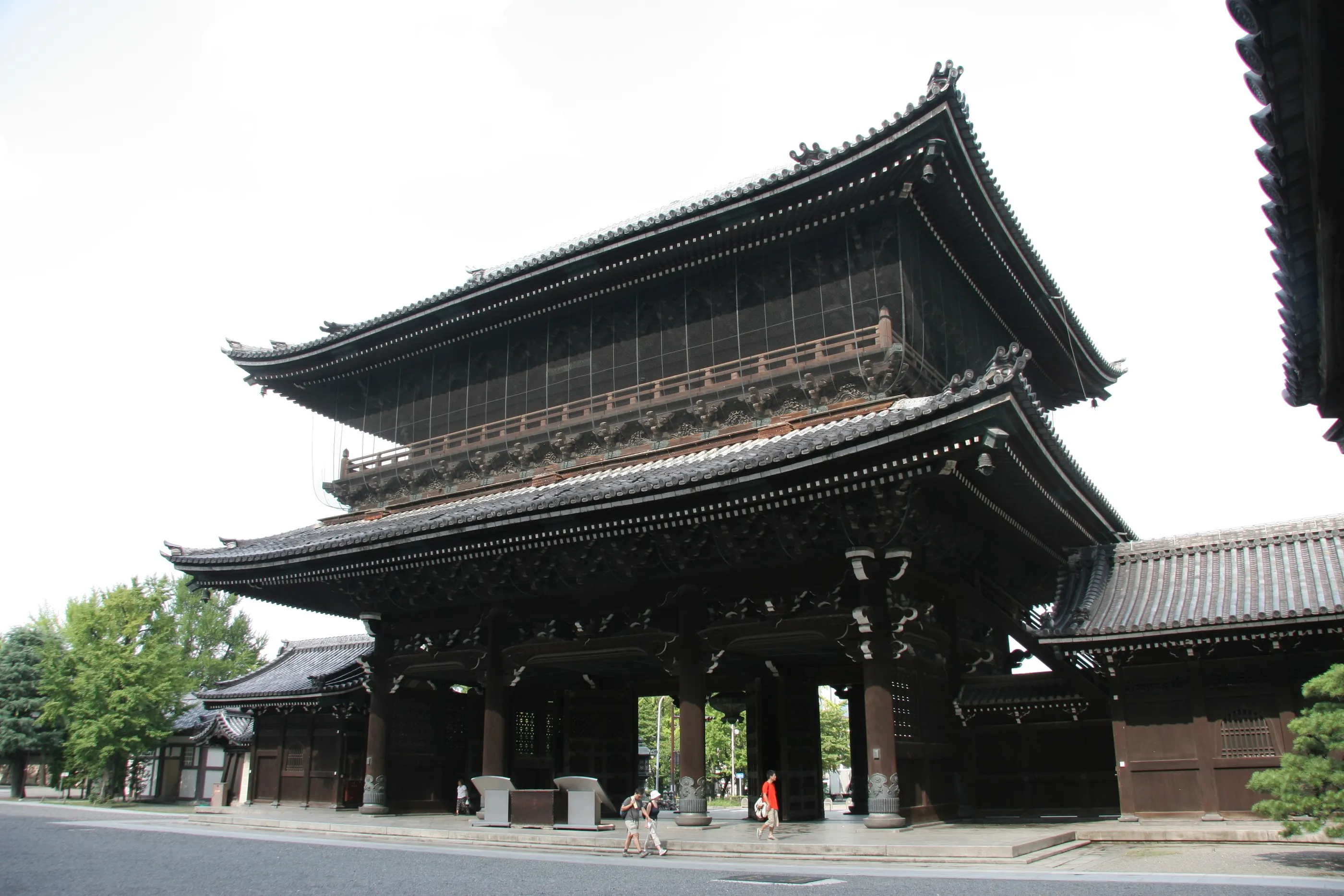
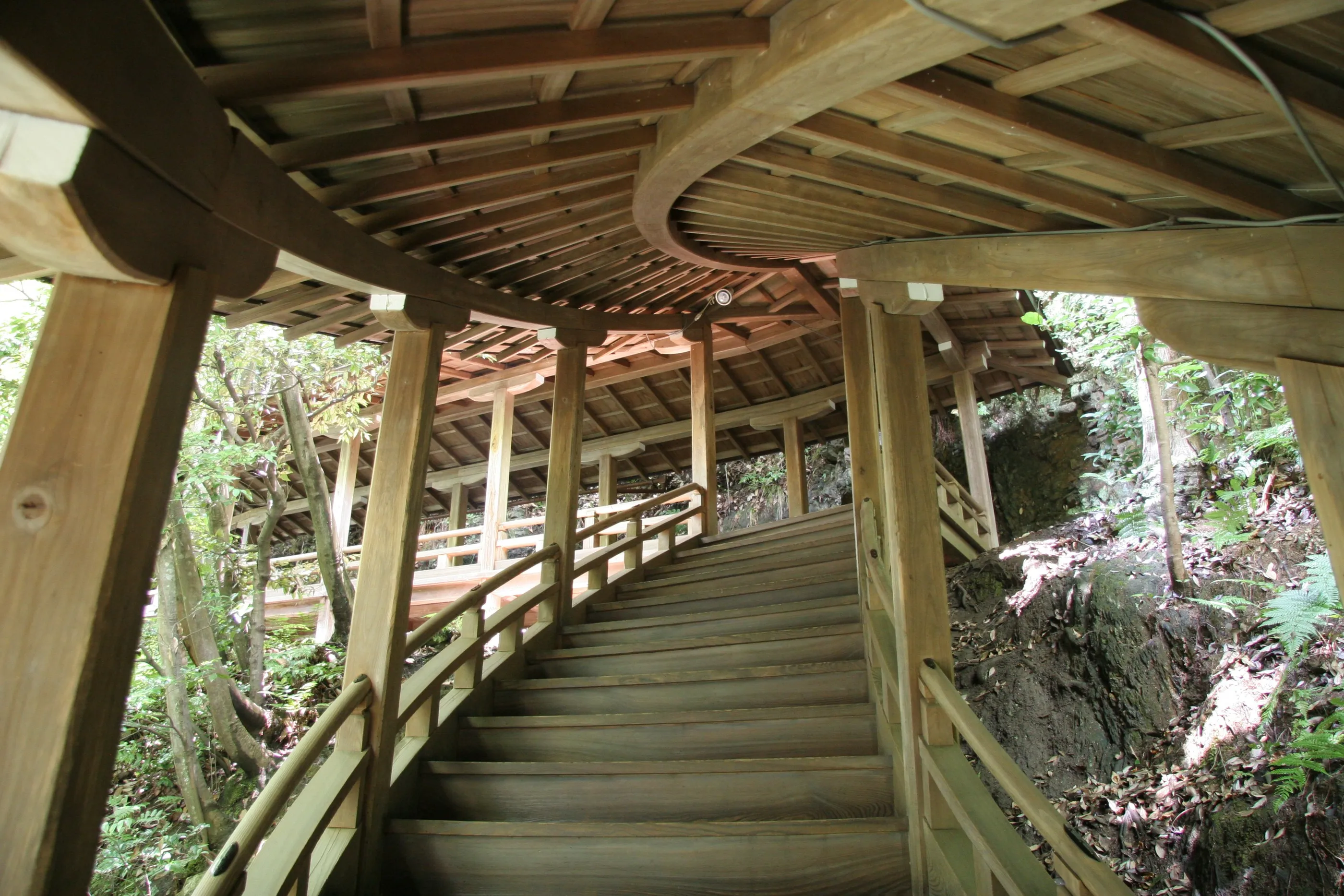
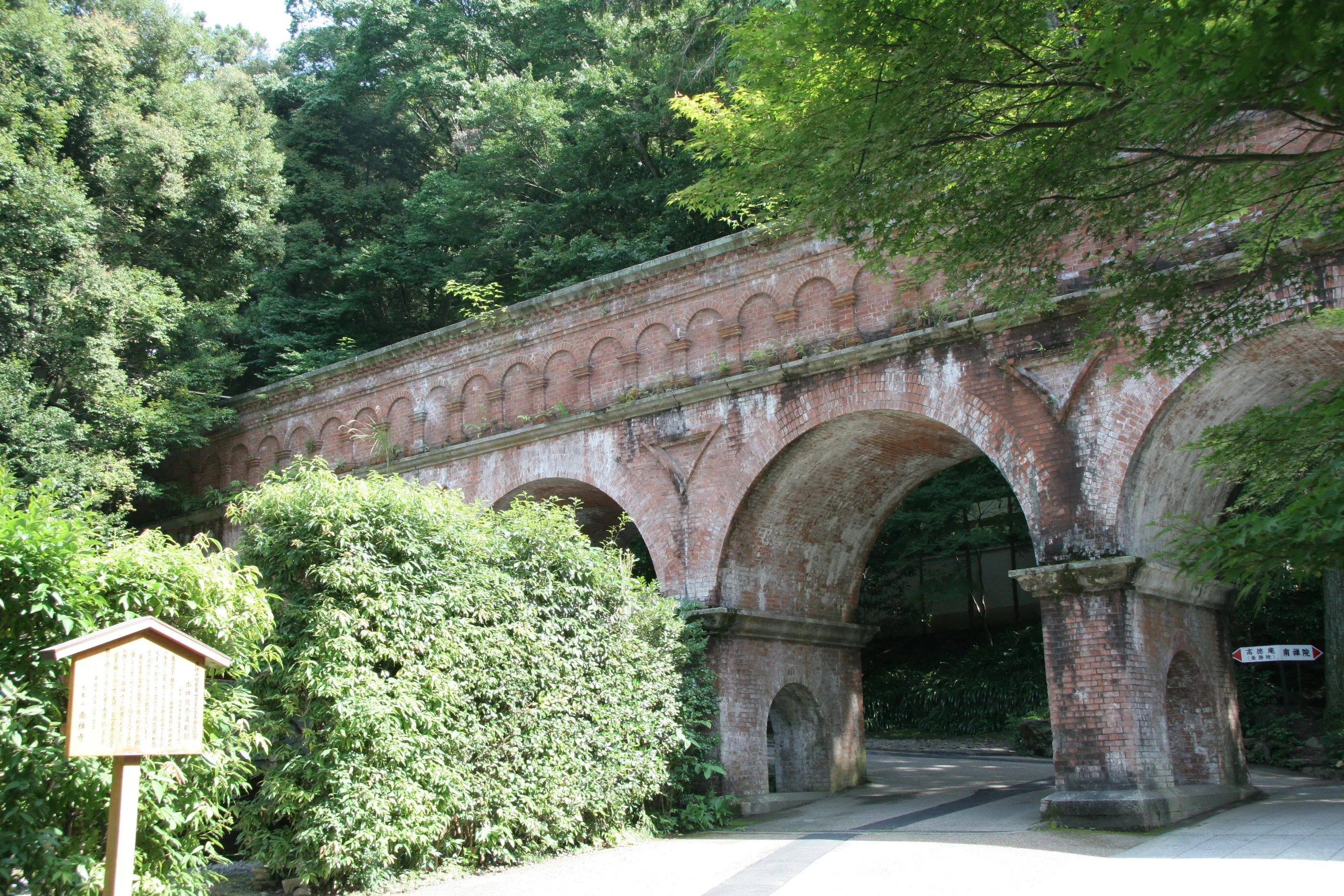
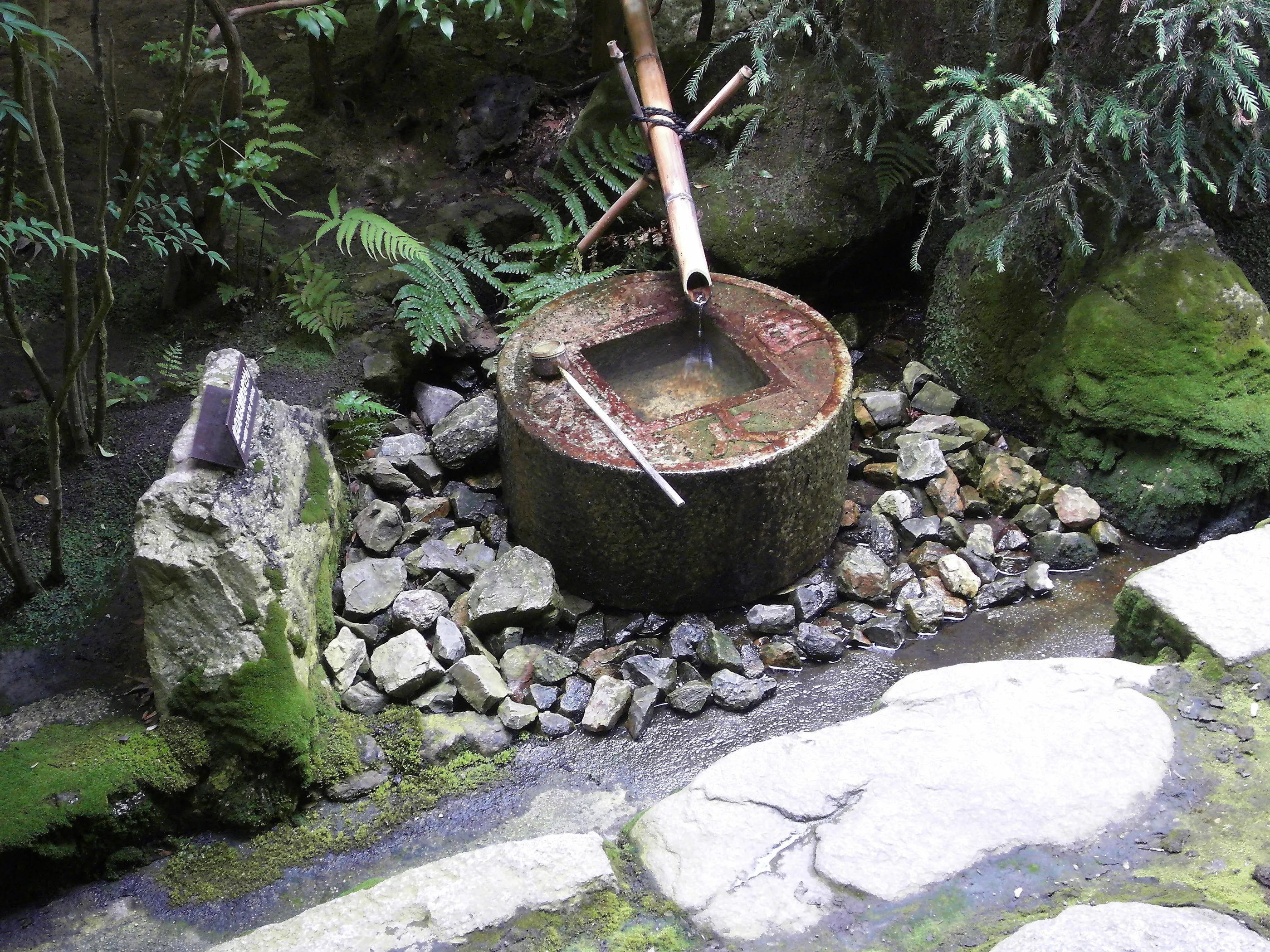
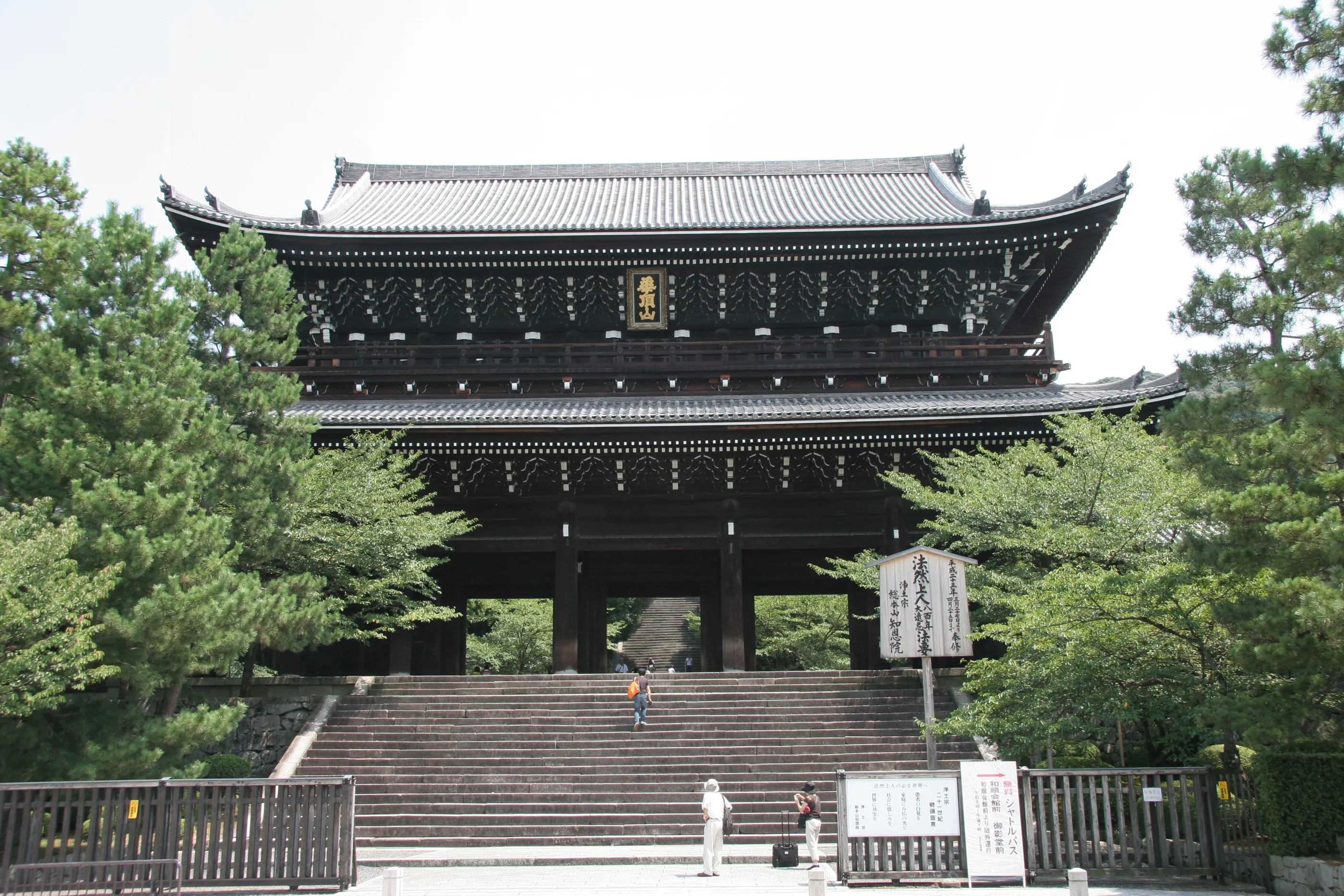
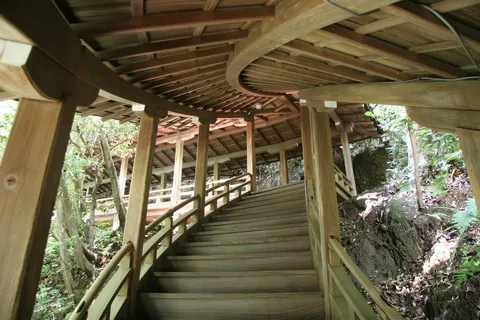
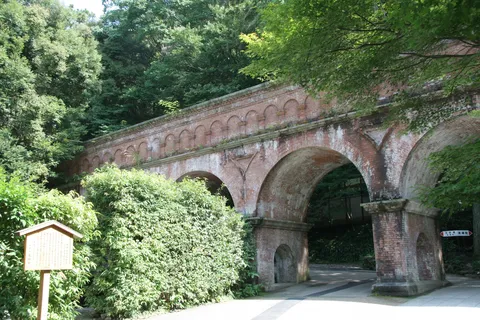
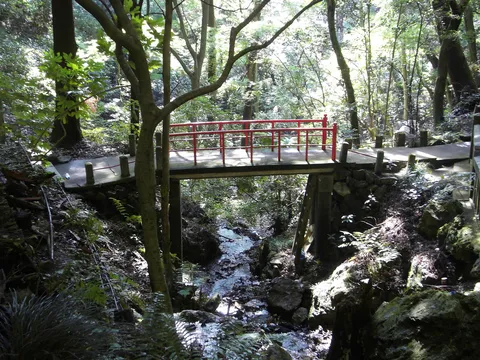
A day on foot along the eastern hills. Ginkaku-ji and its raked sand garden, then the Philosopher’s Path, lined with canals and deafening with cicadas. Further down, Eikan-dō and its covered stairway curling like a dragon, the great Sanmon gate of Nanzen-ji and the Meiji-era brick aqueduct.


On foot↗ 2 km
Yasaka and Nishiki Market
Japan
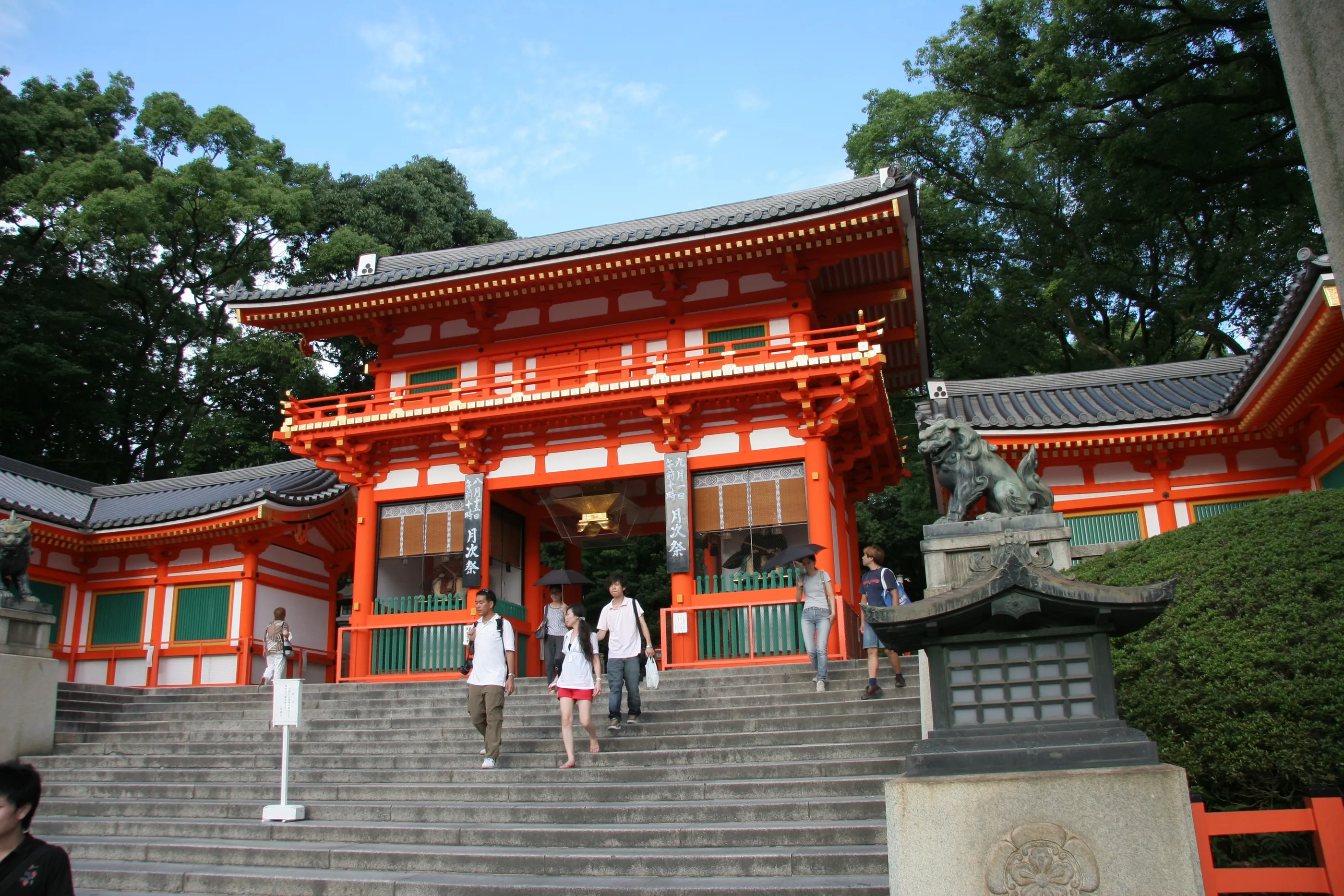
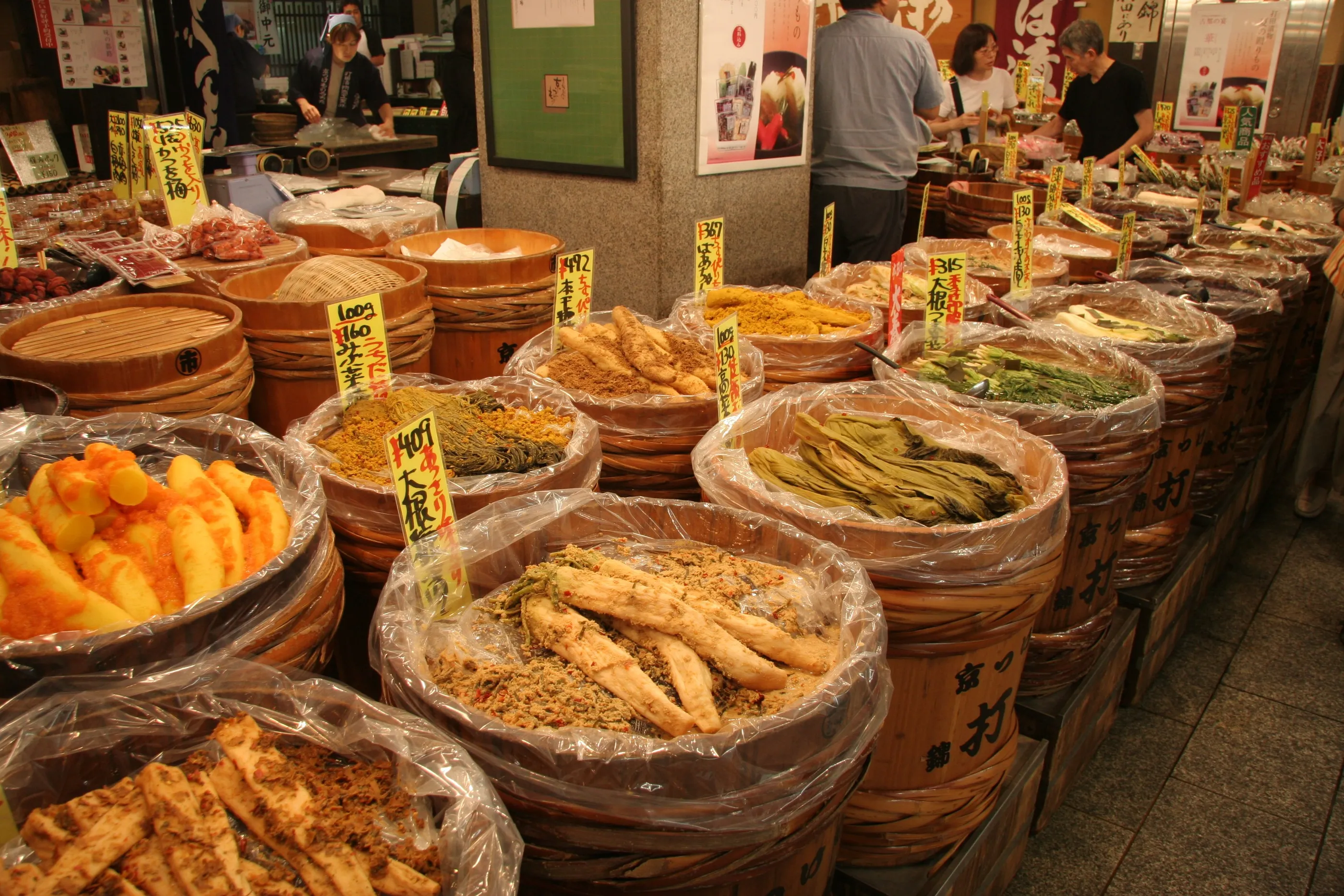
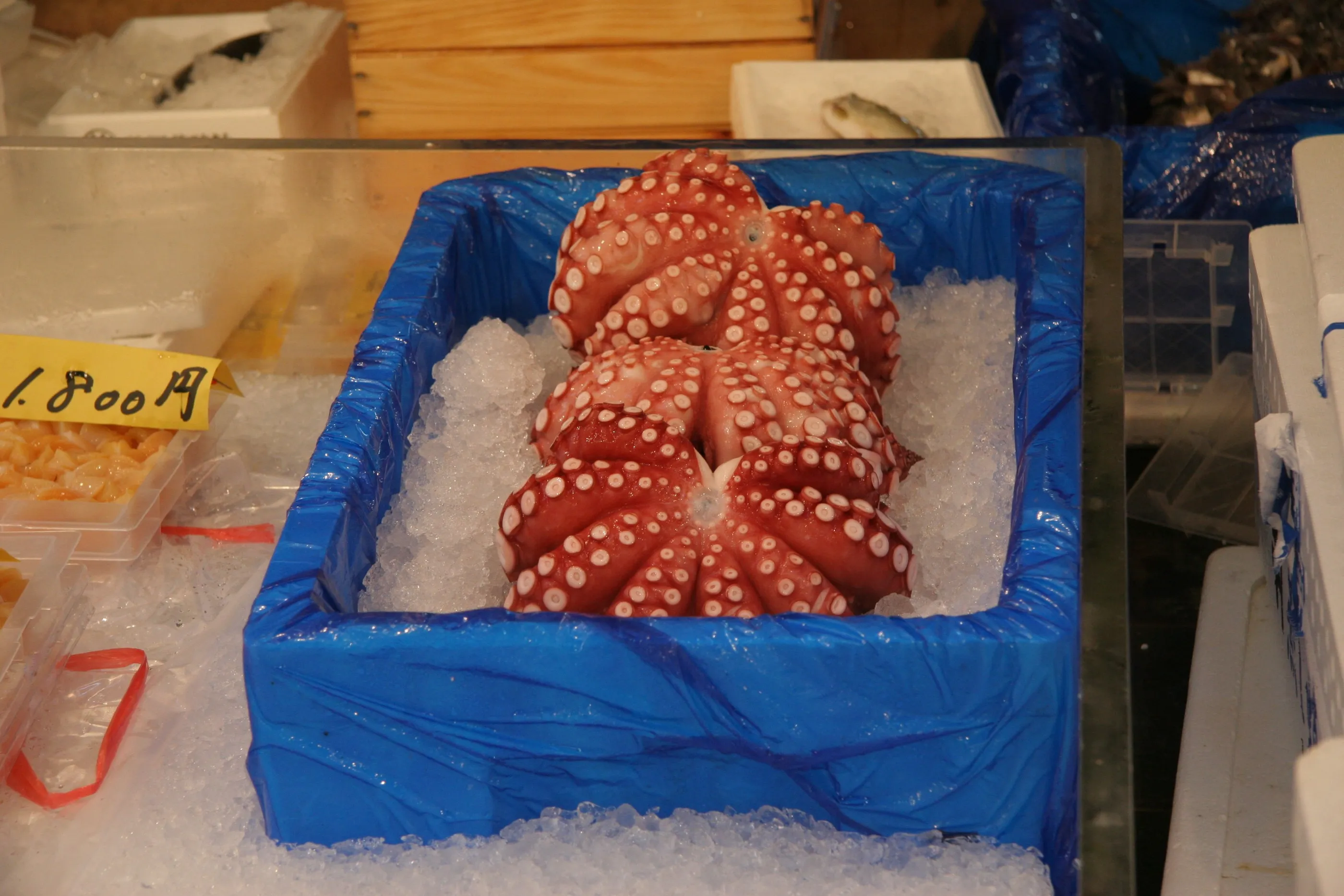
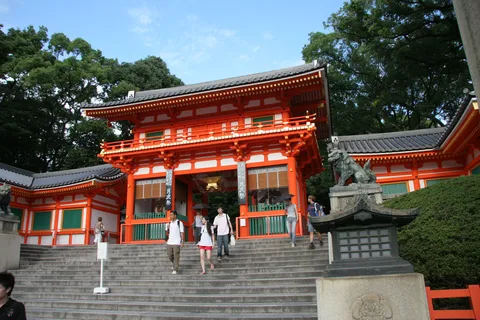
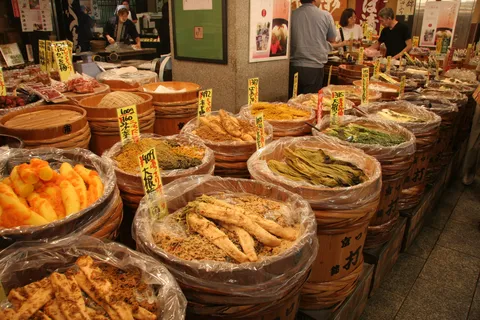
At the end of the day, Yasaka shrine and its paper lanterns, then Maruyama park where a heron waits by the pond. Back to the centre through the covered Nishiki market, ‘Kyoto’s kitchen’, with its pickled vegetables and seafood stalls.
By train↗ 101 km
Himeji Castle
Japan
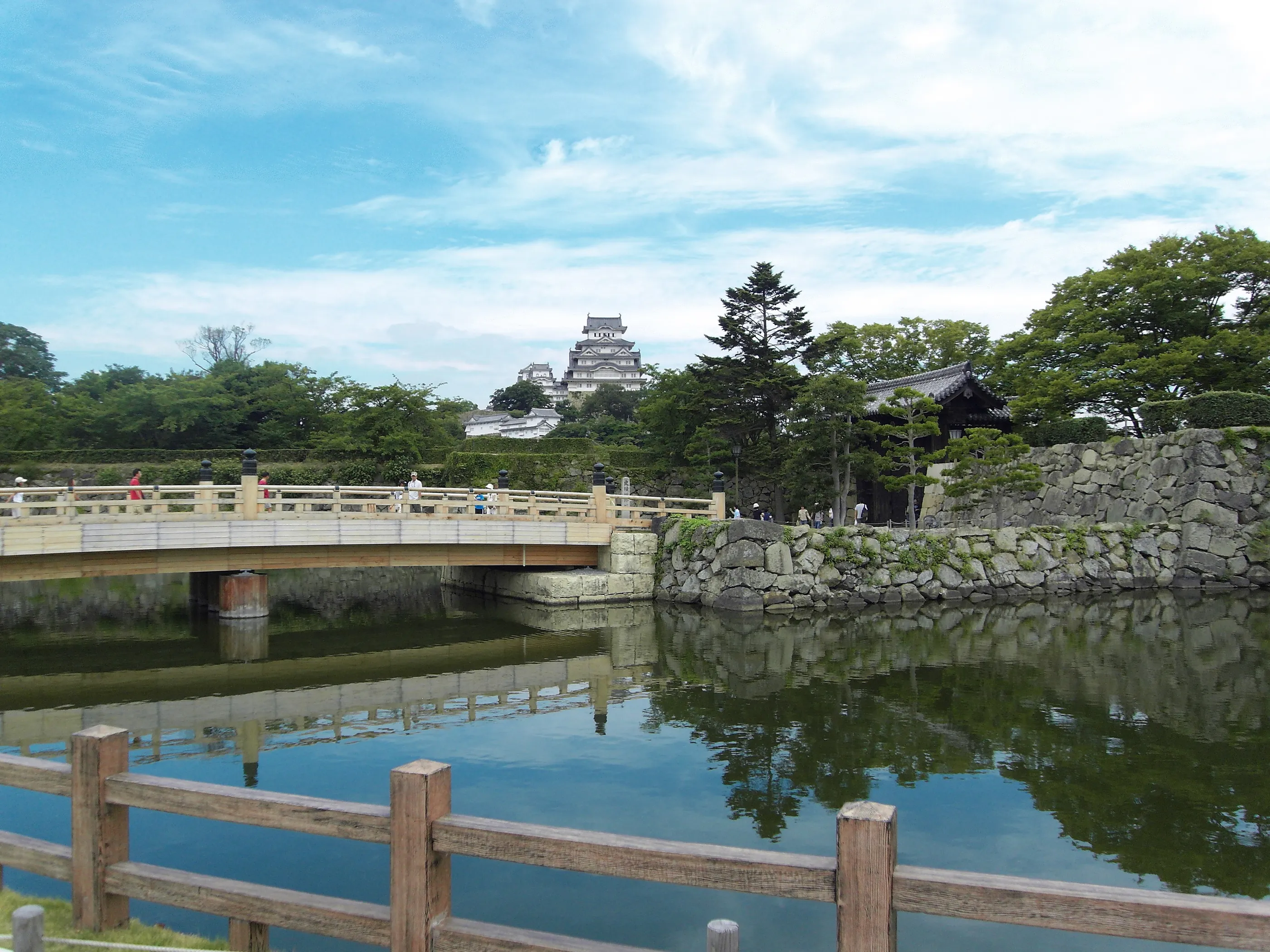
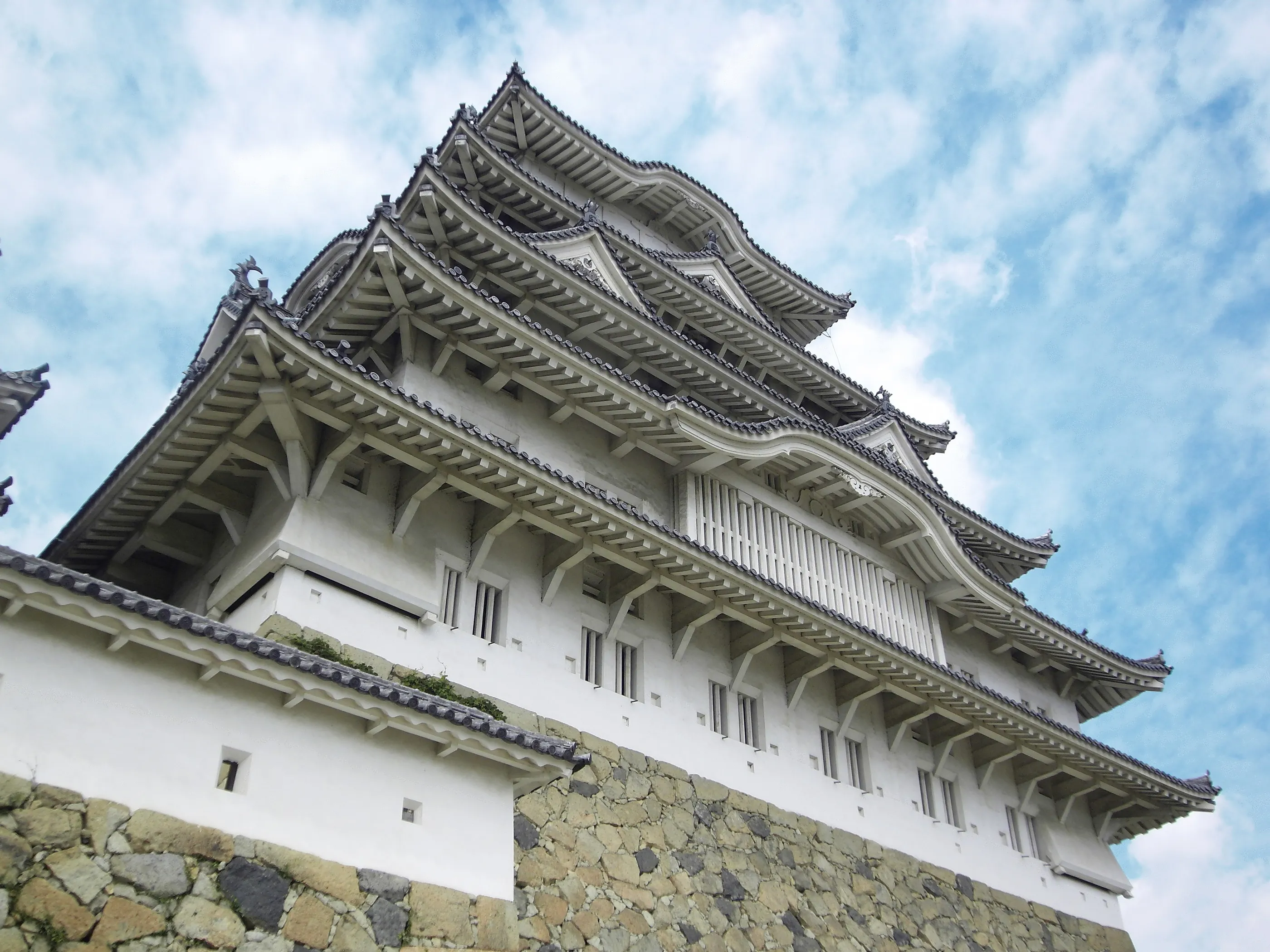
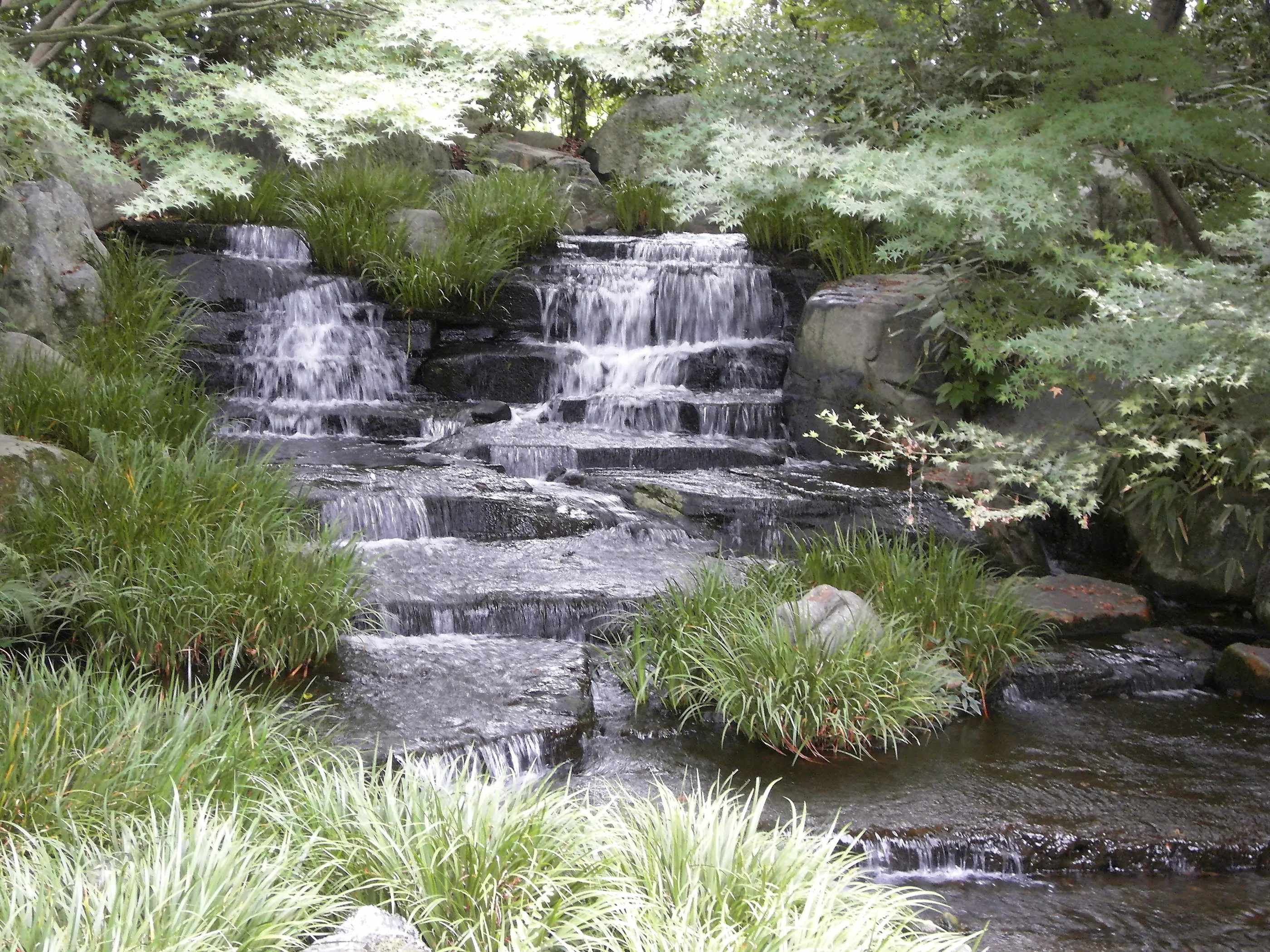
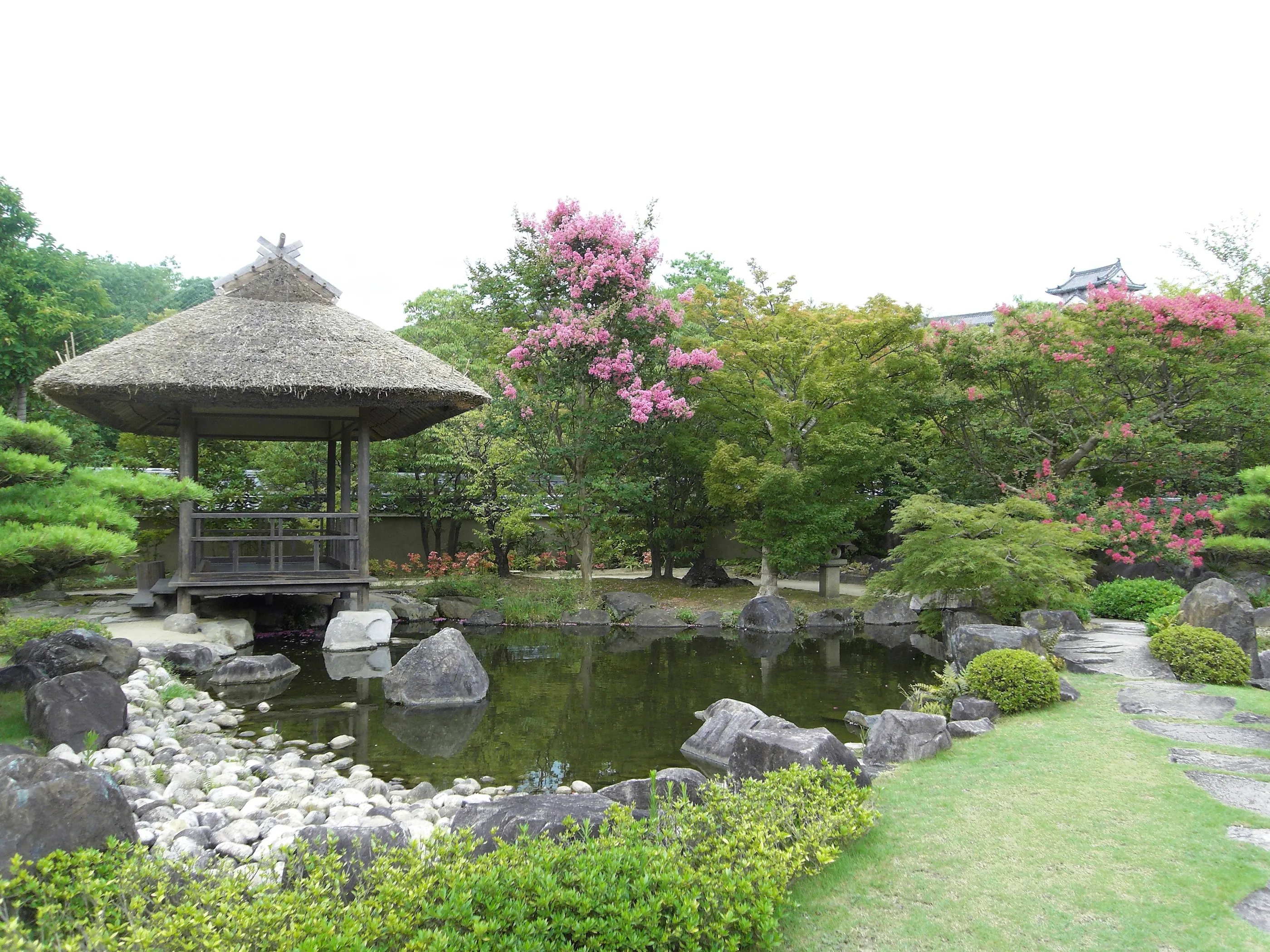
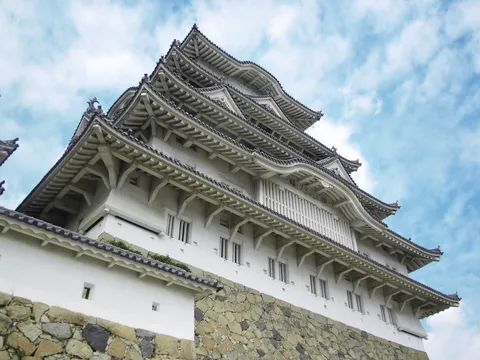
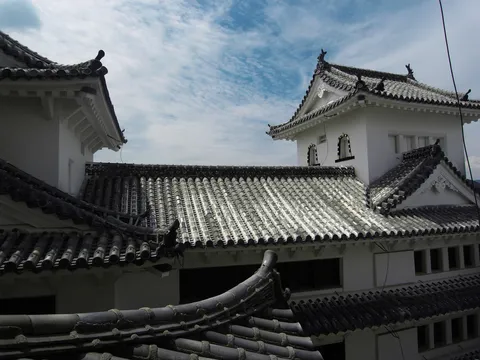
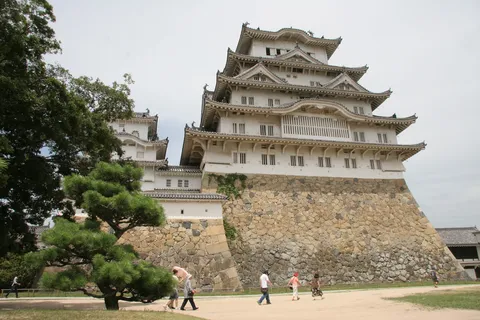
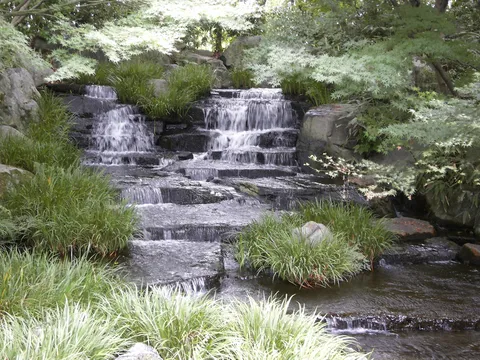
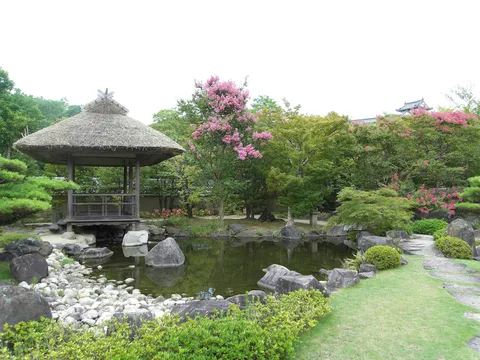
A train trip to Himeji, the ‘White Heron’, the finest of Japan’s original feudal castles and a World Heritage site. We climbed the wooden keep under a sky that had finally turned blue, then rested in Kōko-en, a group of gardens laid out at the foot of the walls, with waterfalls and koi.

By road↗ 97 km
Kinkaku-ji, Ryōan-ji and Ninna-ji
Japan
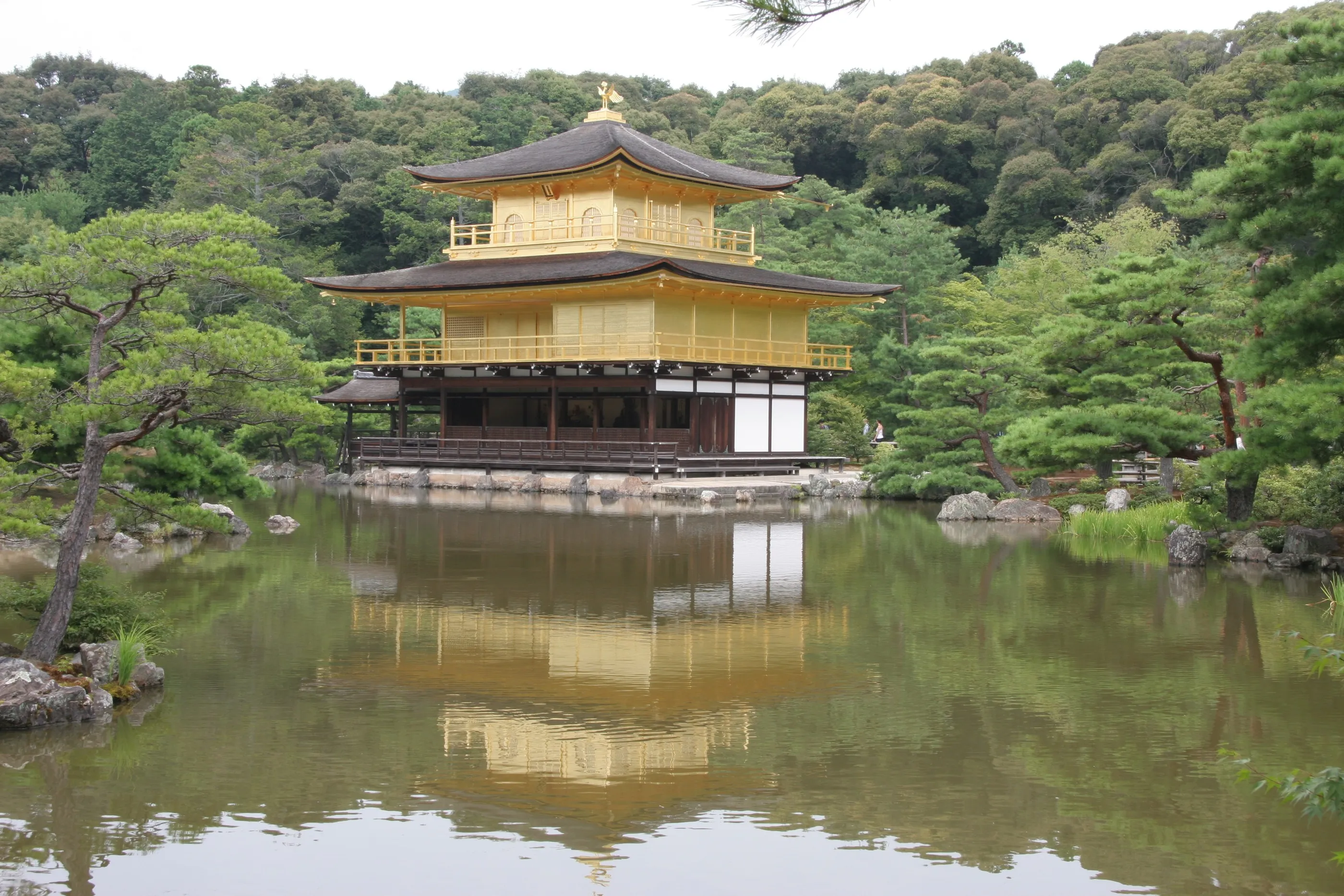
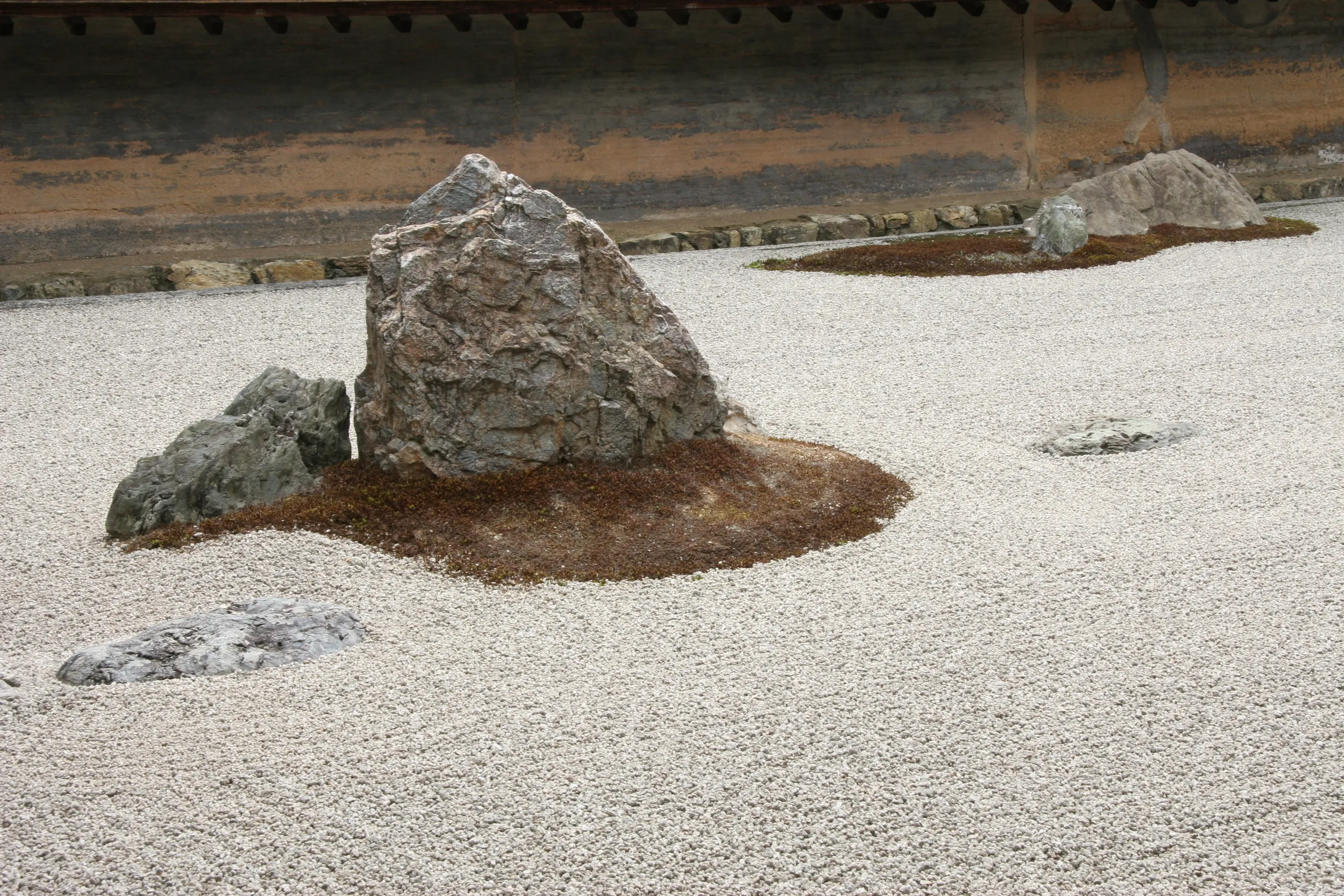
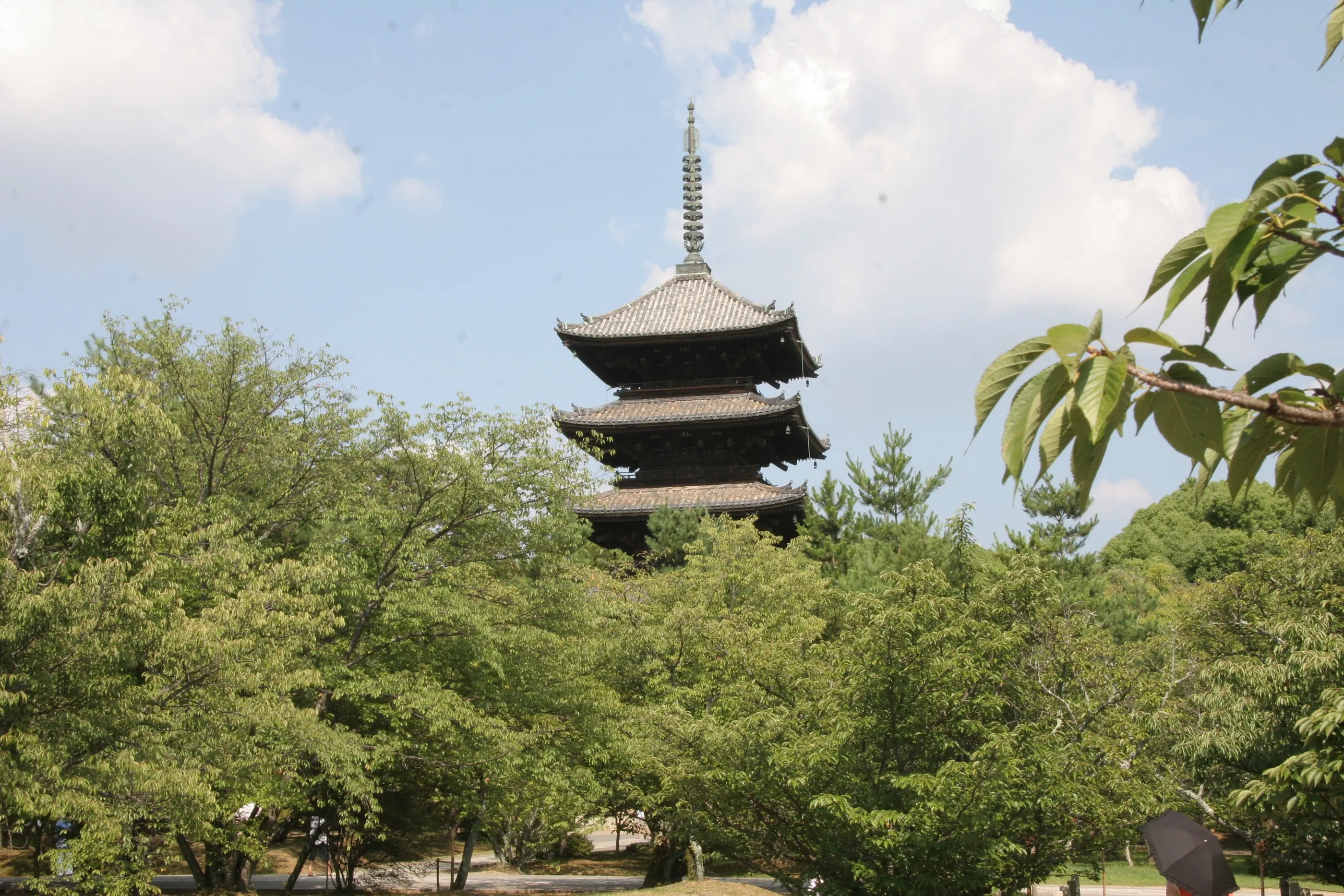
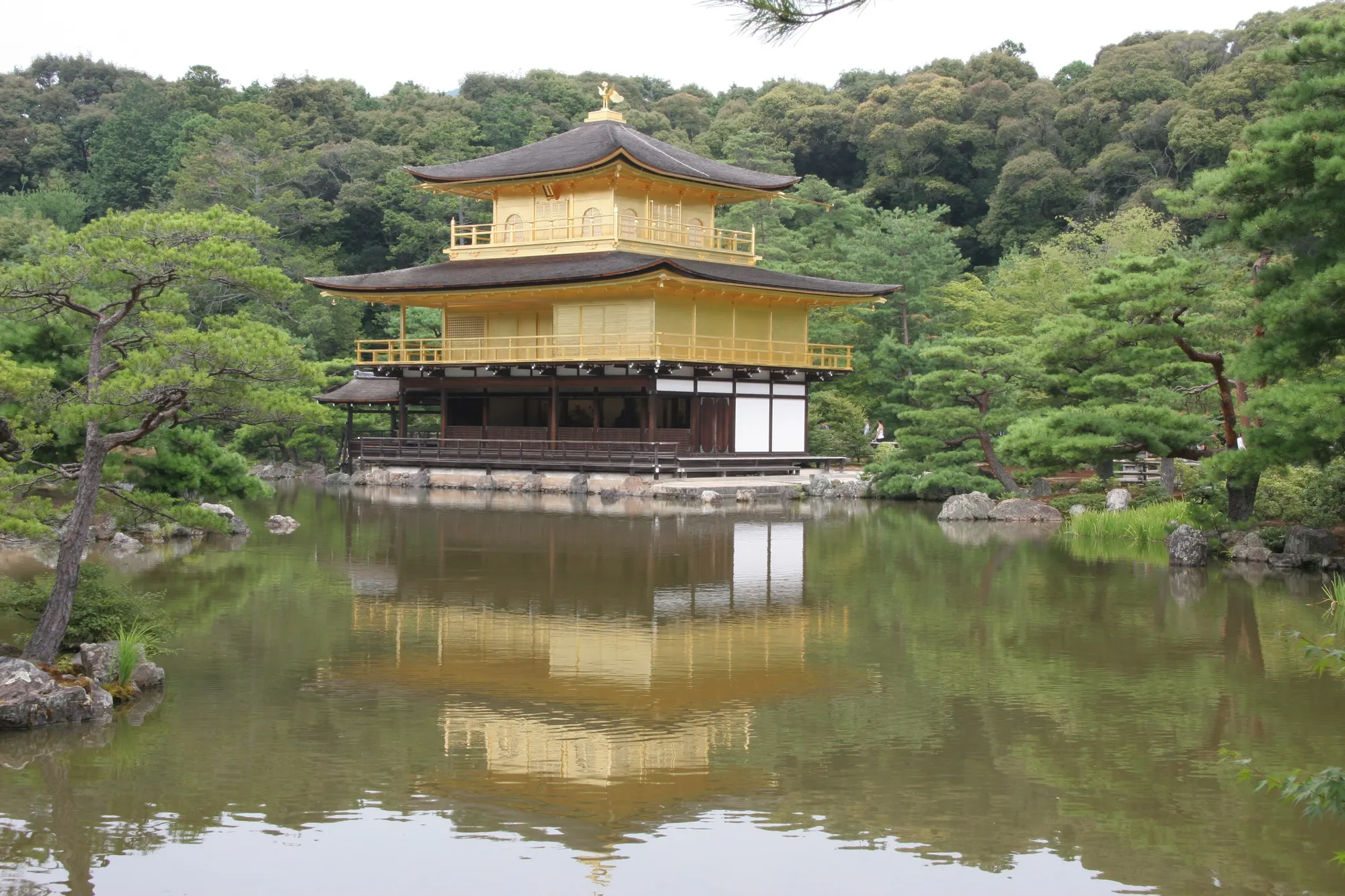
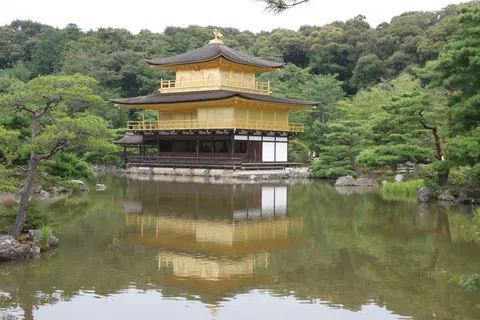
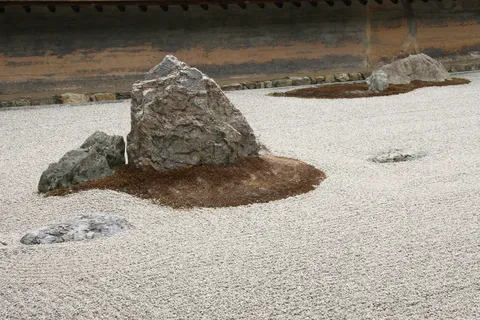
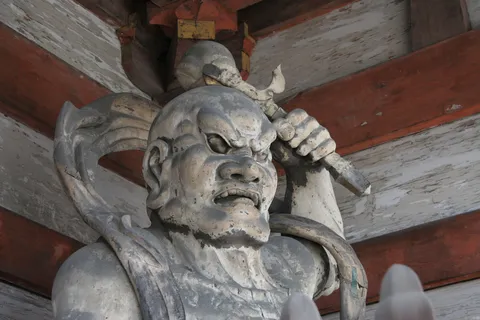
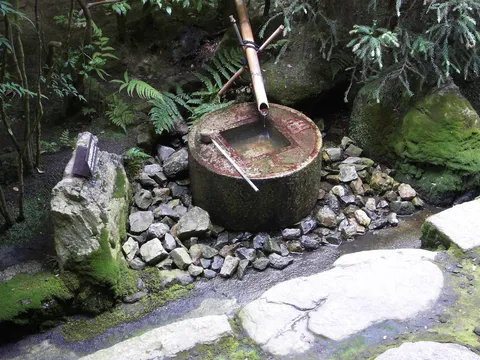
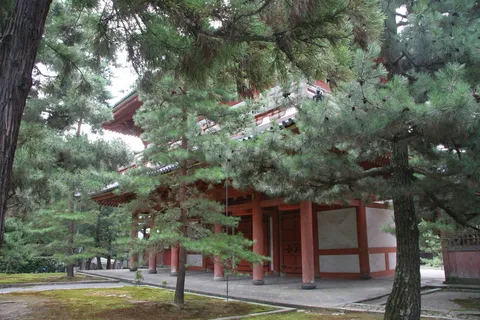
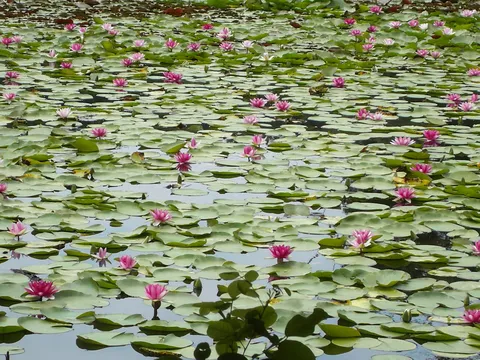
North-western Kyoto, after Daitoku-ji: the Golden Pavilion of Kinkaku-ji reflected in its pond, almost unreal. At Ryōan-ji, fifteen stones set in raked gravel, never all visible at once. Then Ninna-ji, a former imperial temple, with its five-storey pagoda and the Niō guardians of its great gate.

By road↗ 6 km
Gion and the Kamo River
Japan
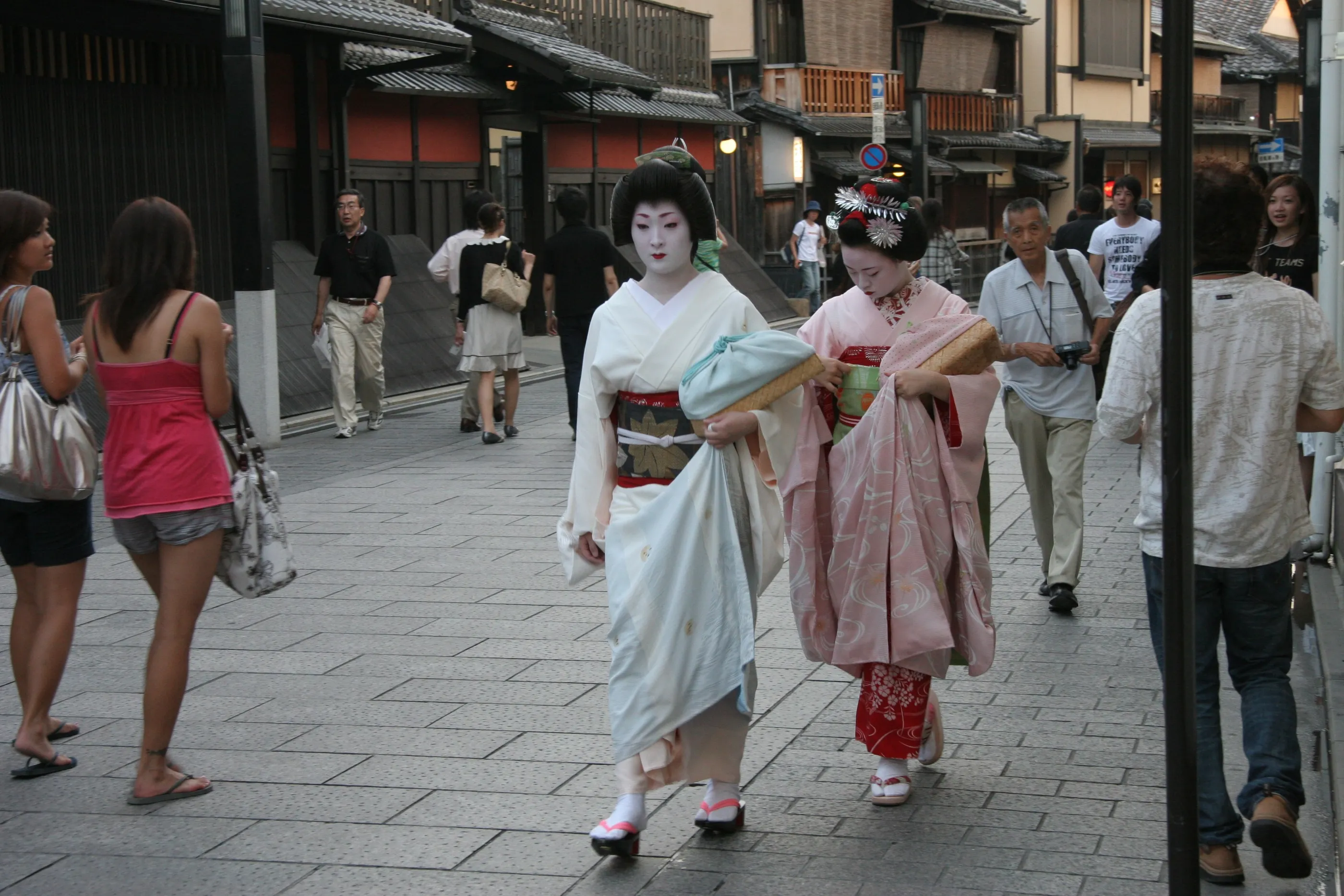
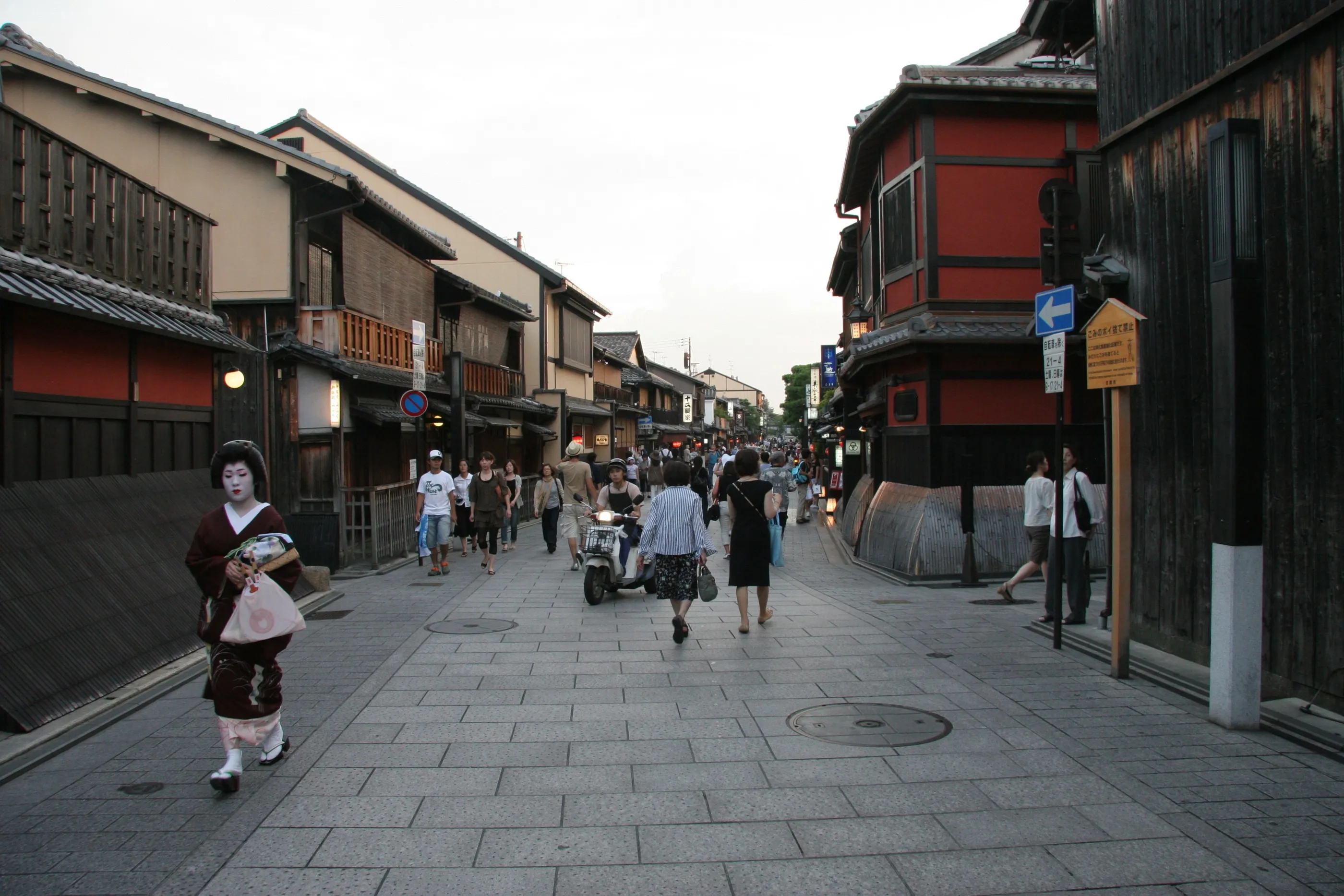
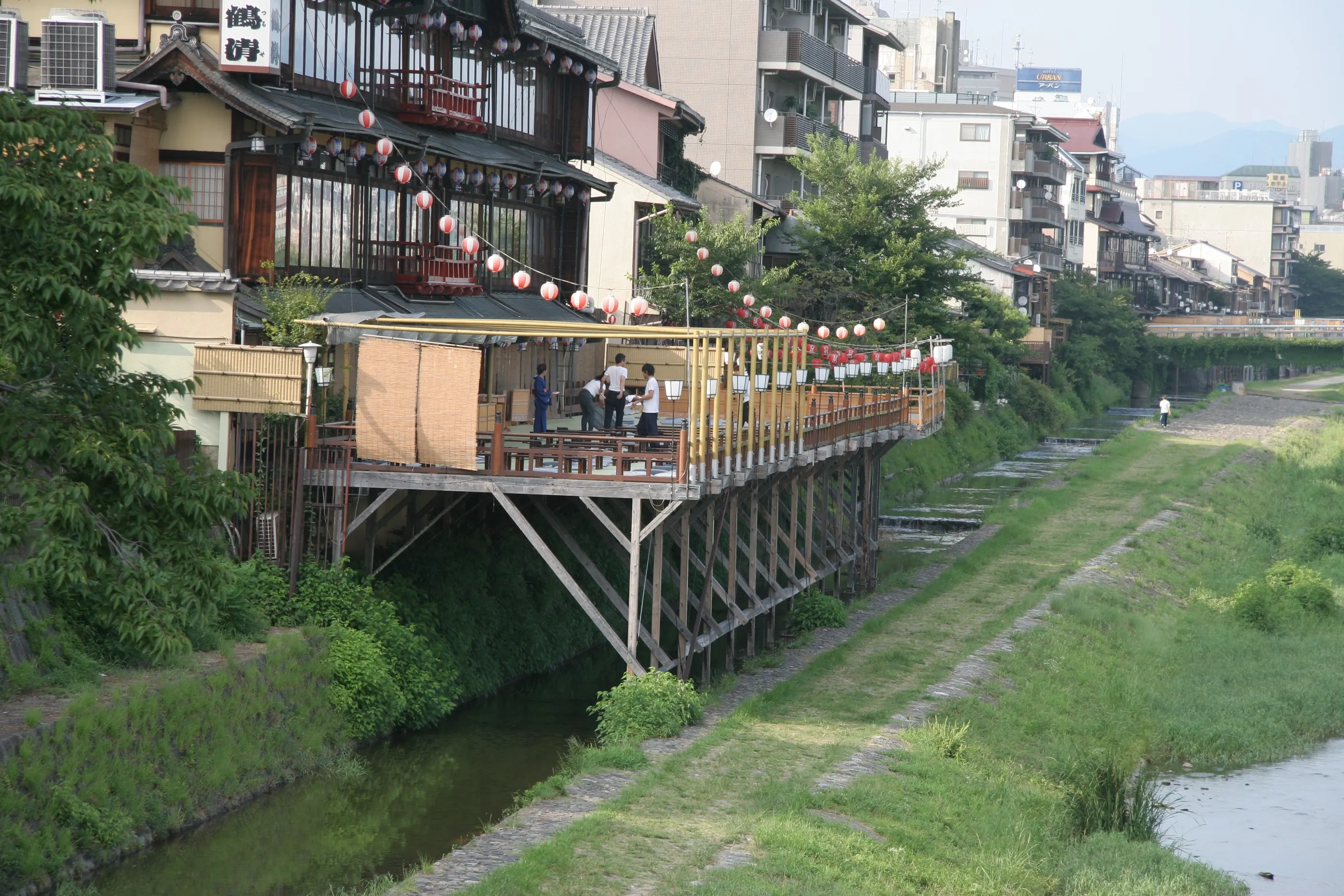
Along the Kamo river, restaurants had set up their summer terraces on stilts. In the evening in Gion, a few maiko and geiko crossed the crowd on their way to the teahouses of Hanamikoji. At nightfall, the lights of Pontochō were reflected in the river.


By road↗ 4 km
Tō-ji and Chion-in
Japan
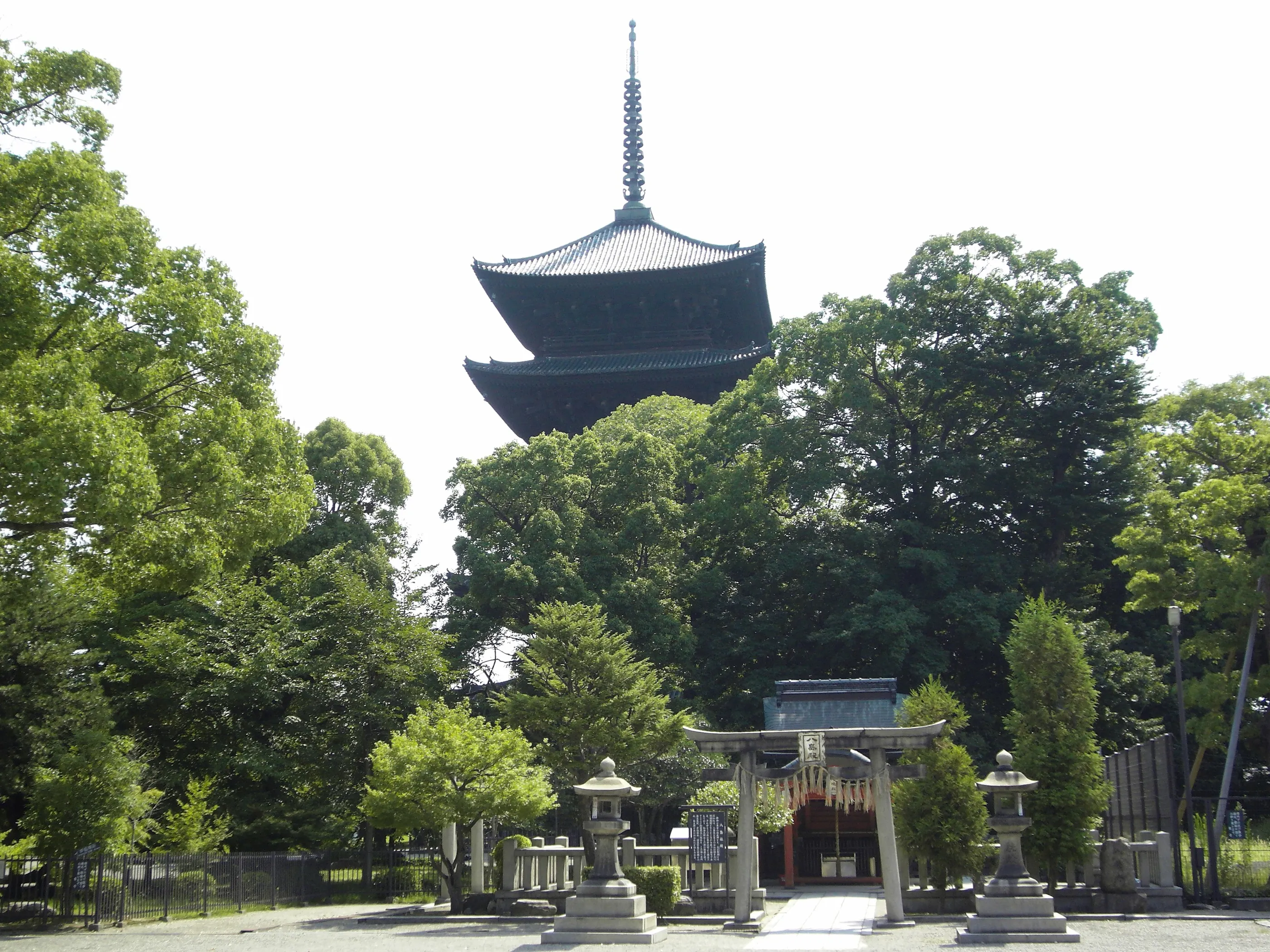
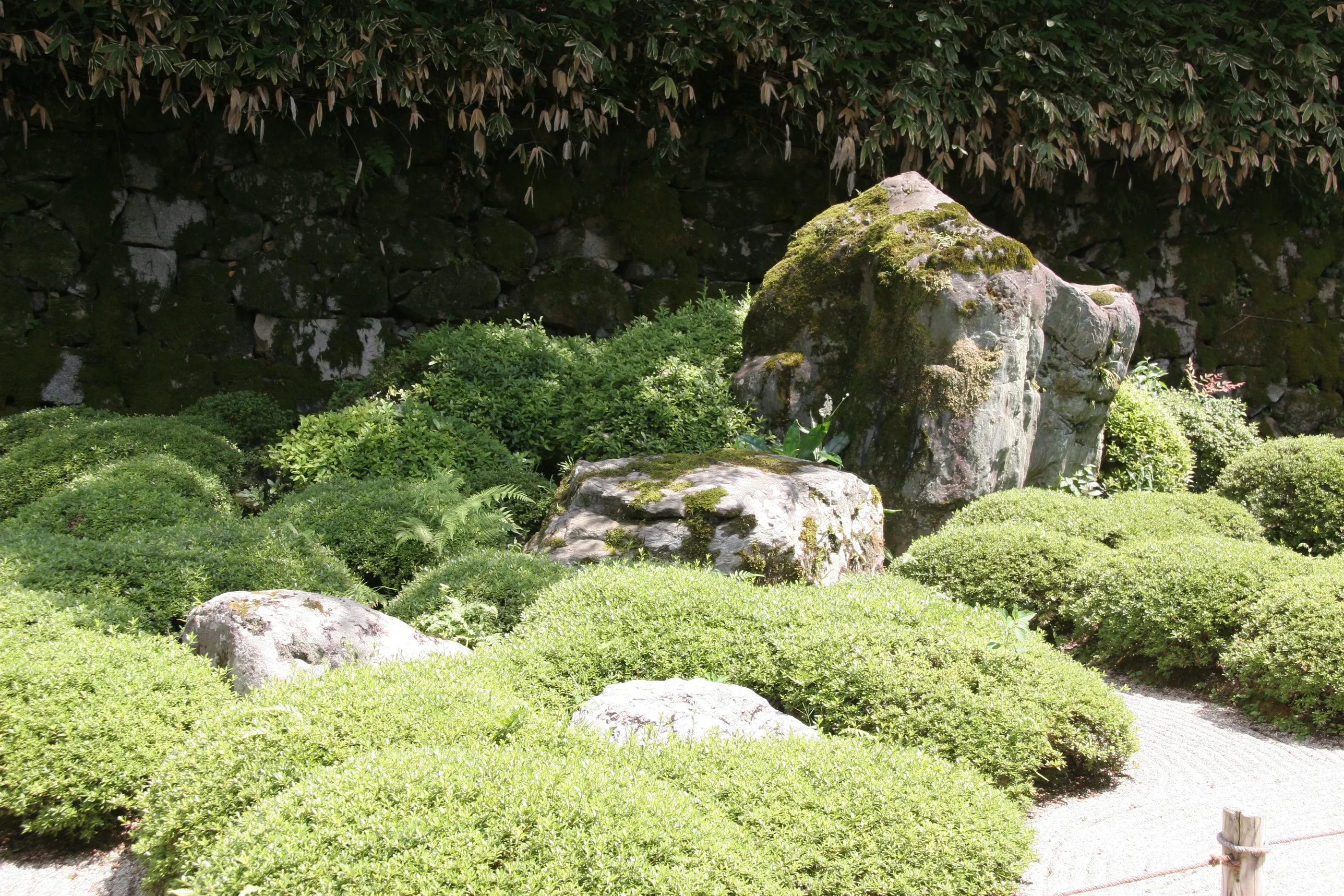
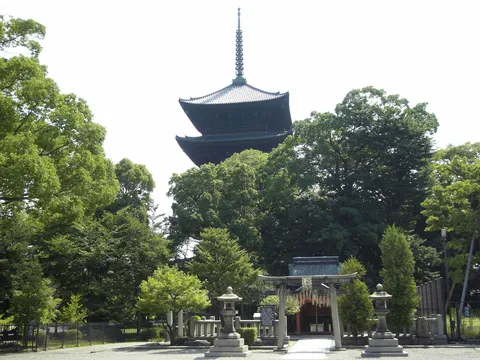
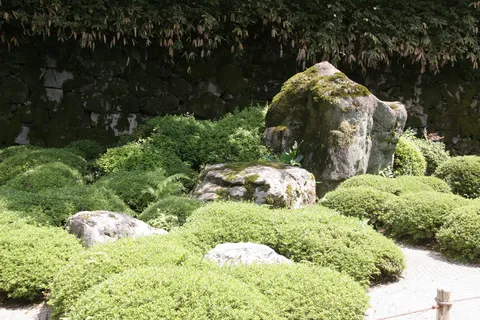
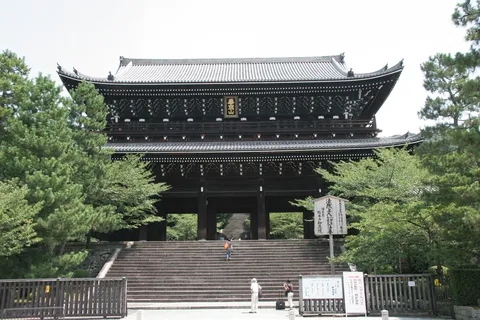
Last morning in Kyoto. The Tō-ji pagoda, 55 metres tall and the tallest wooden pagoda in Japan, has dominated the south of the city since the 17th century. Then Chion-in, head temple of the Jōdo school, and its moss gardens, before heading to the station.
By train↗ 372 km
Tokyo: the Imperial Palace
Japan
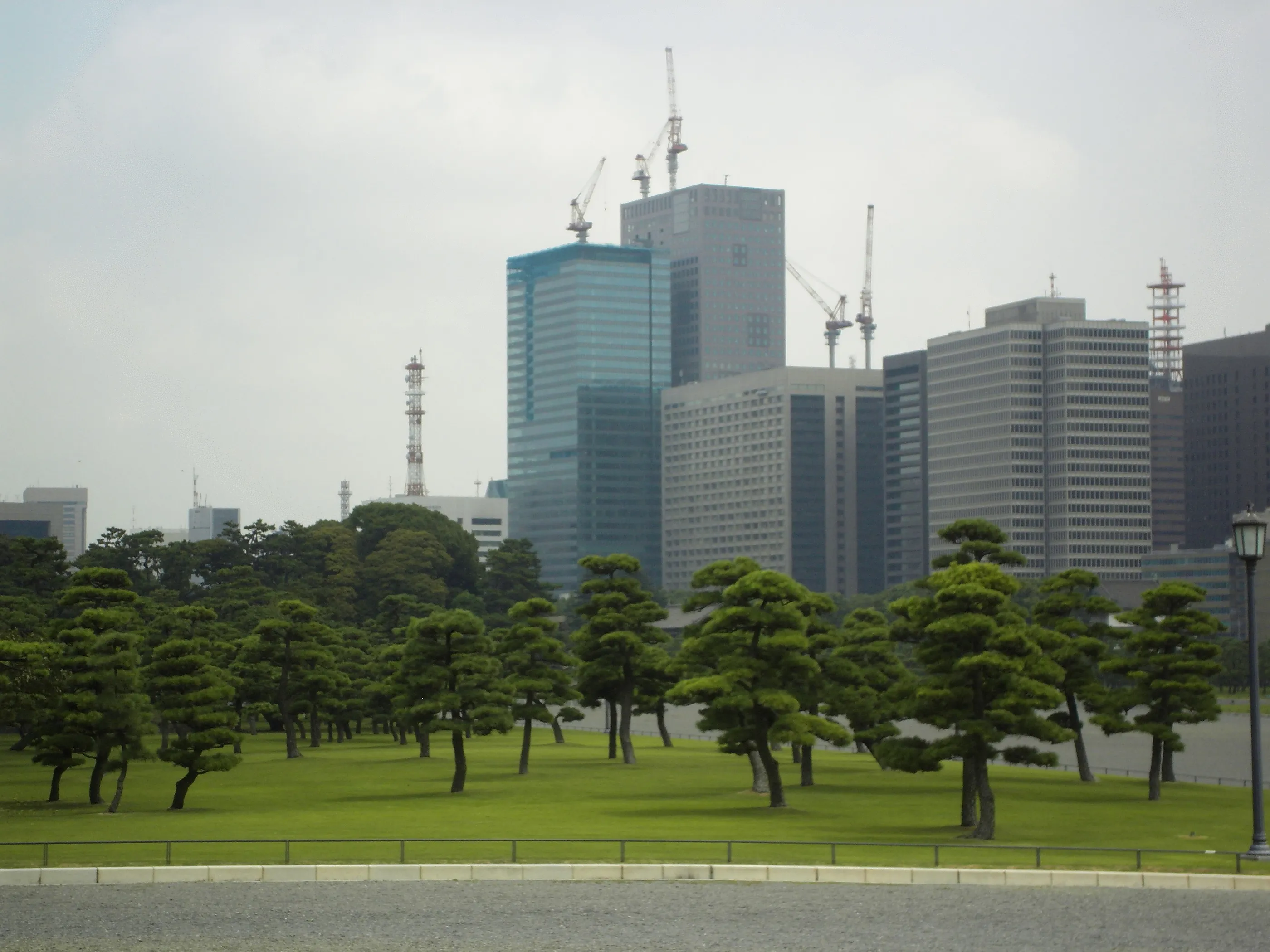
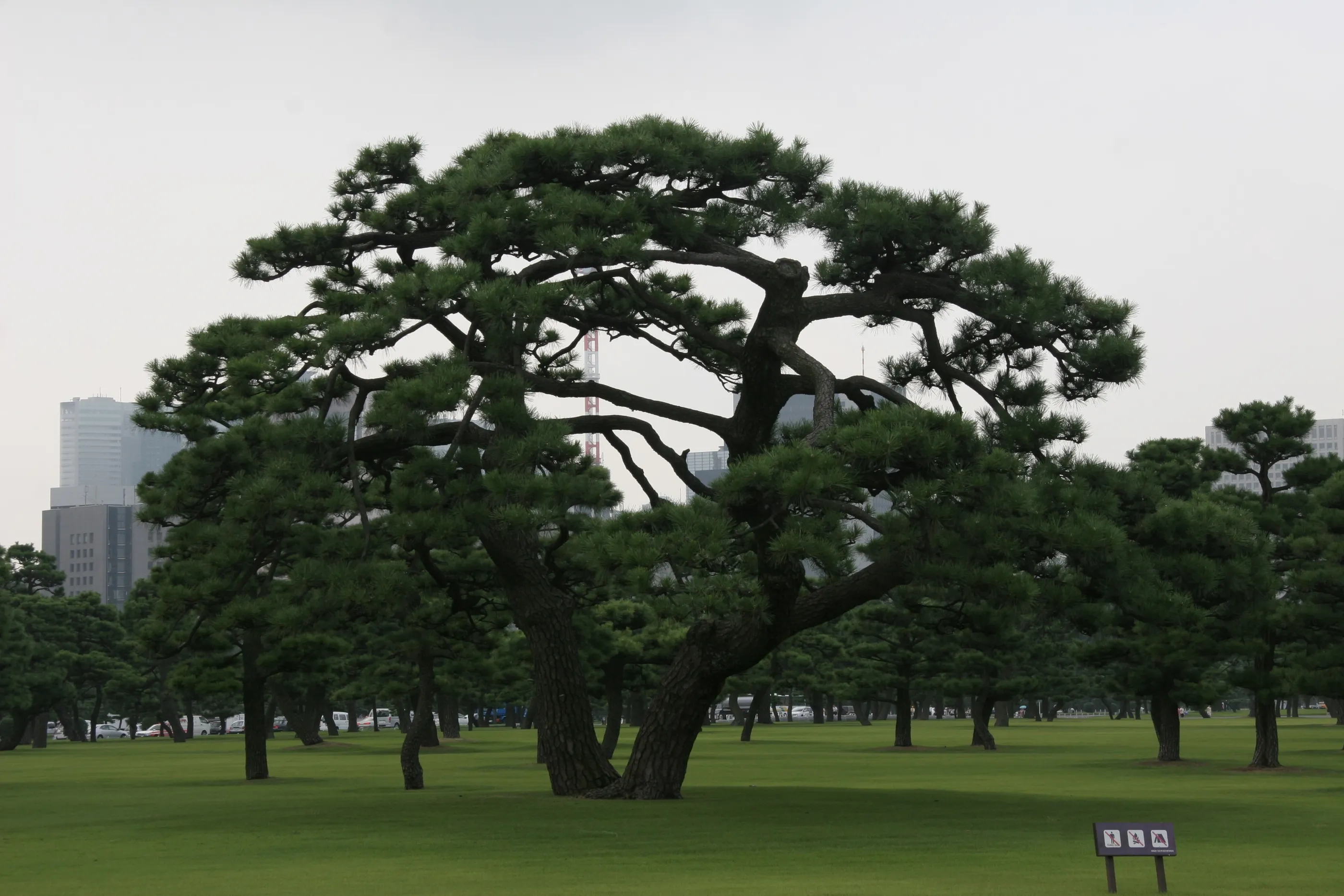
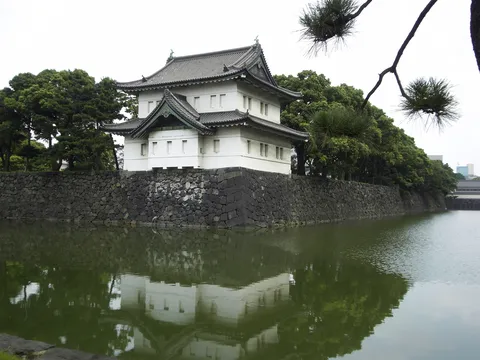
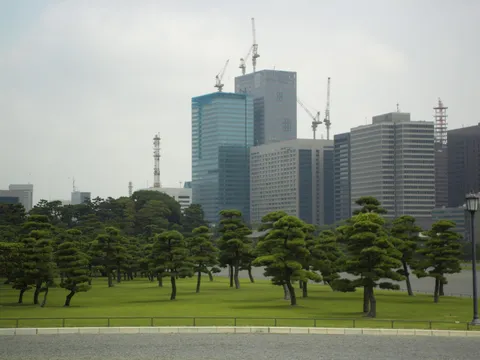
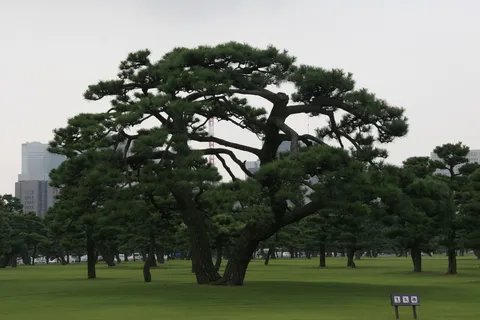
The Shinkansen links Kyoto to Tokyo in a little over two hours. In the heart of the capital, the moats and walls of the former Edo castle surround the Imperial Palace; the Nijūbashi bridge and Fushimi turret are reflected in the water, facing the glass towers of Marunouchi.
On foot↗ 3 km
Akihabara, Kanda and Ueno
Japan
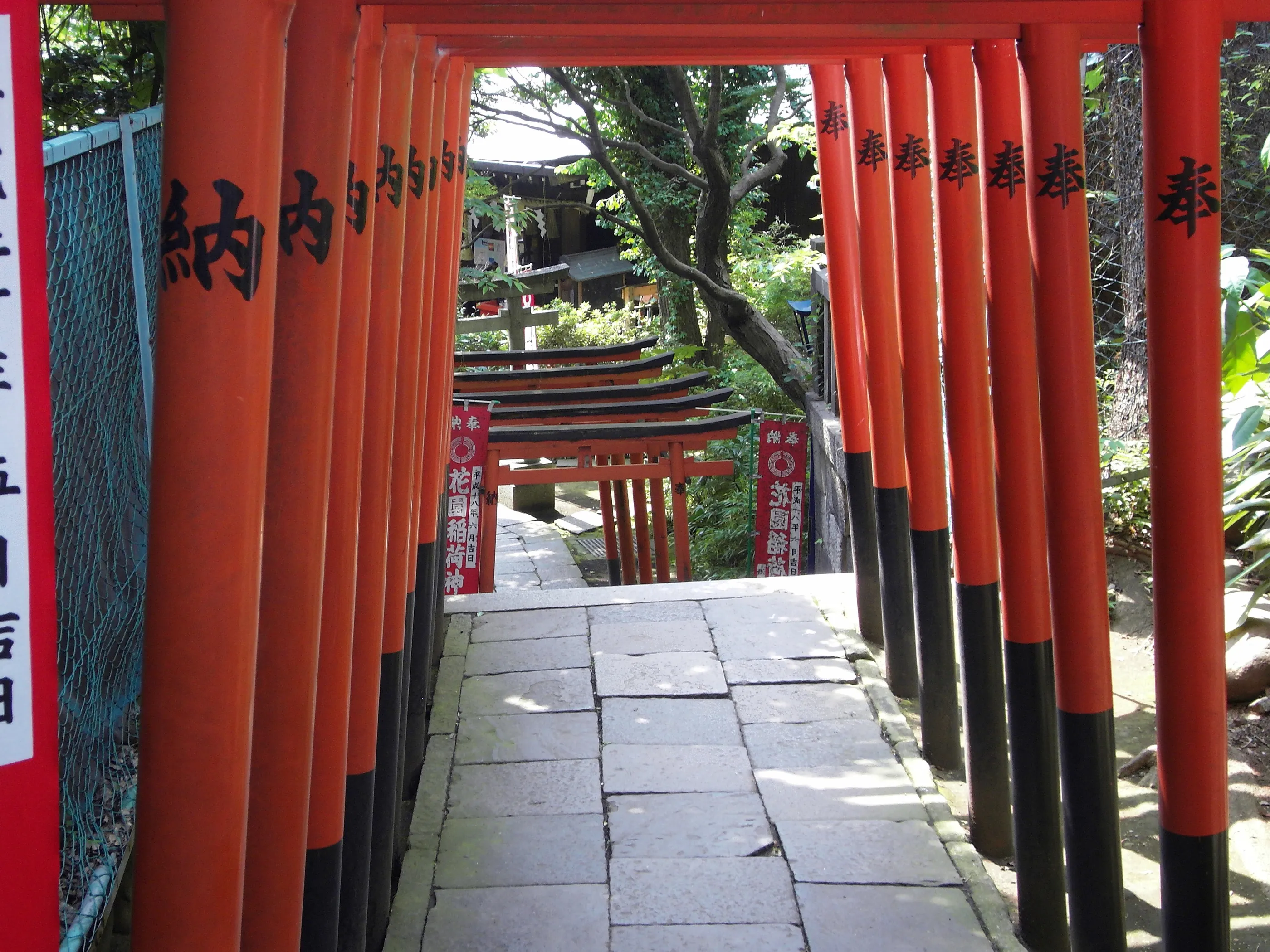
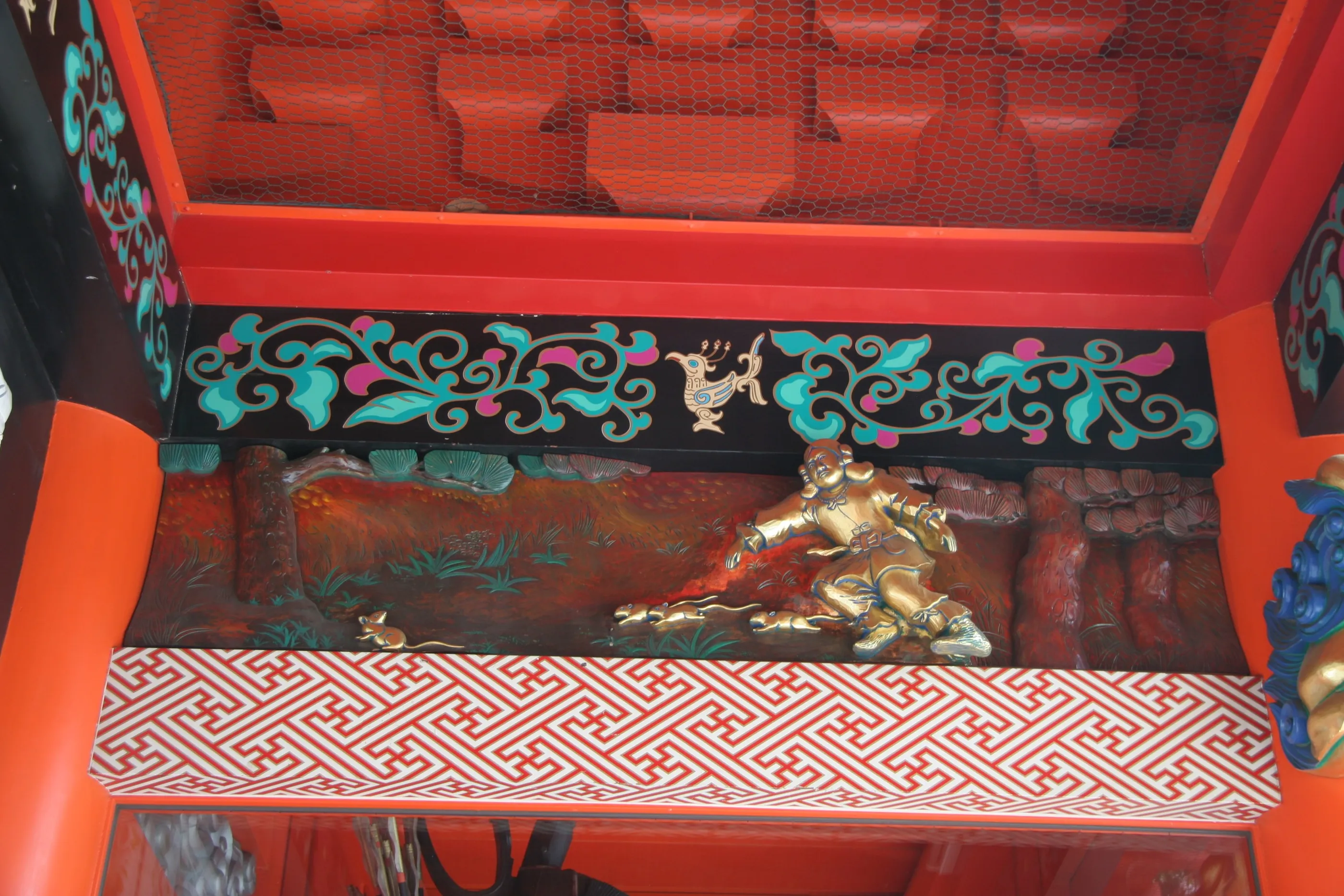
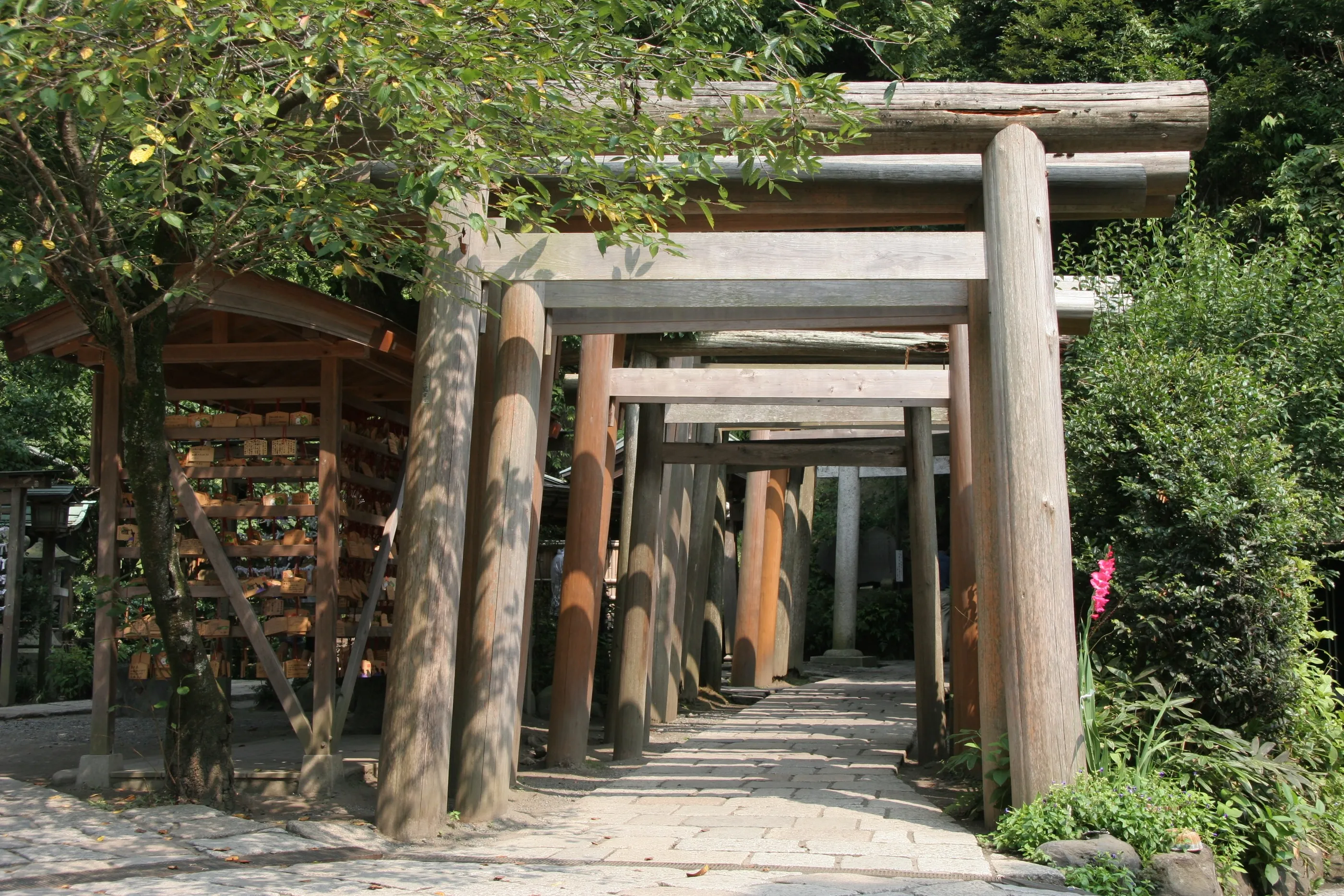
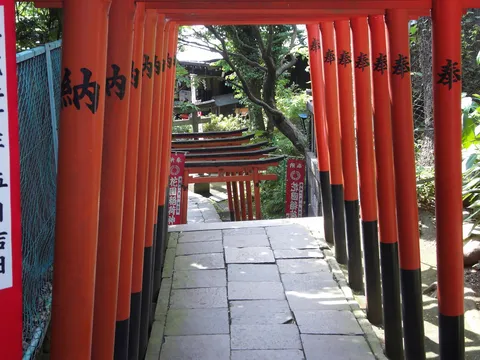
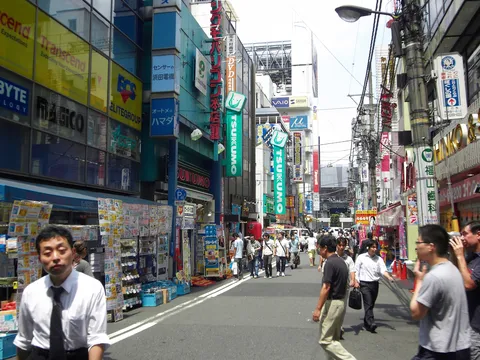
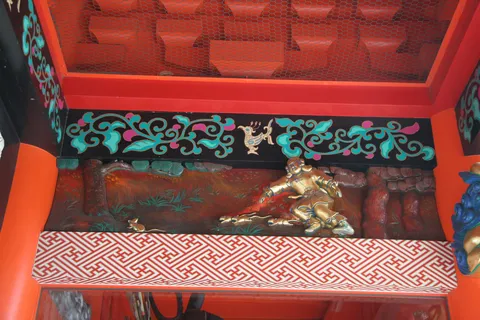
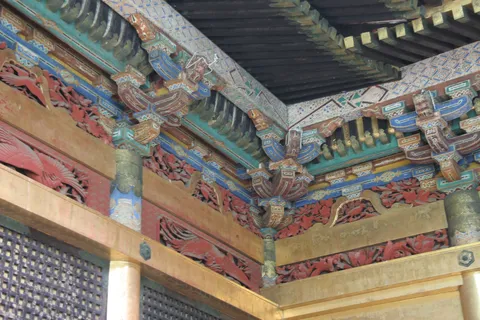
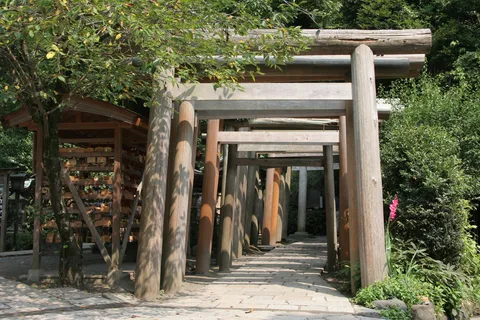
Walking north: the neon and game arcades of Akihabara, then the red-and-gold Kanda Myōjin shrine, protector of the city since the Edo period. In Ueno park, a tunnel of vermilion torii leads to the small Hanazono Inari shrine, not far from the Tōshōgū and its carved wood.

On foot↗ 3 km
Asakusa
Japan
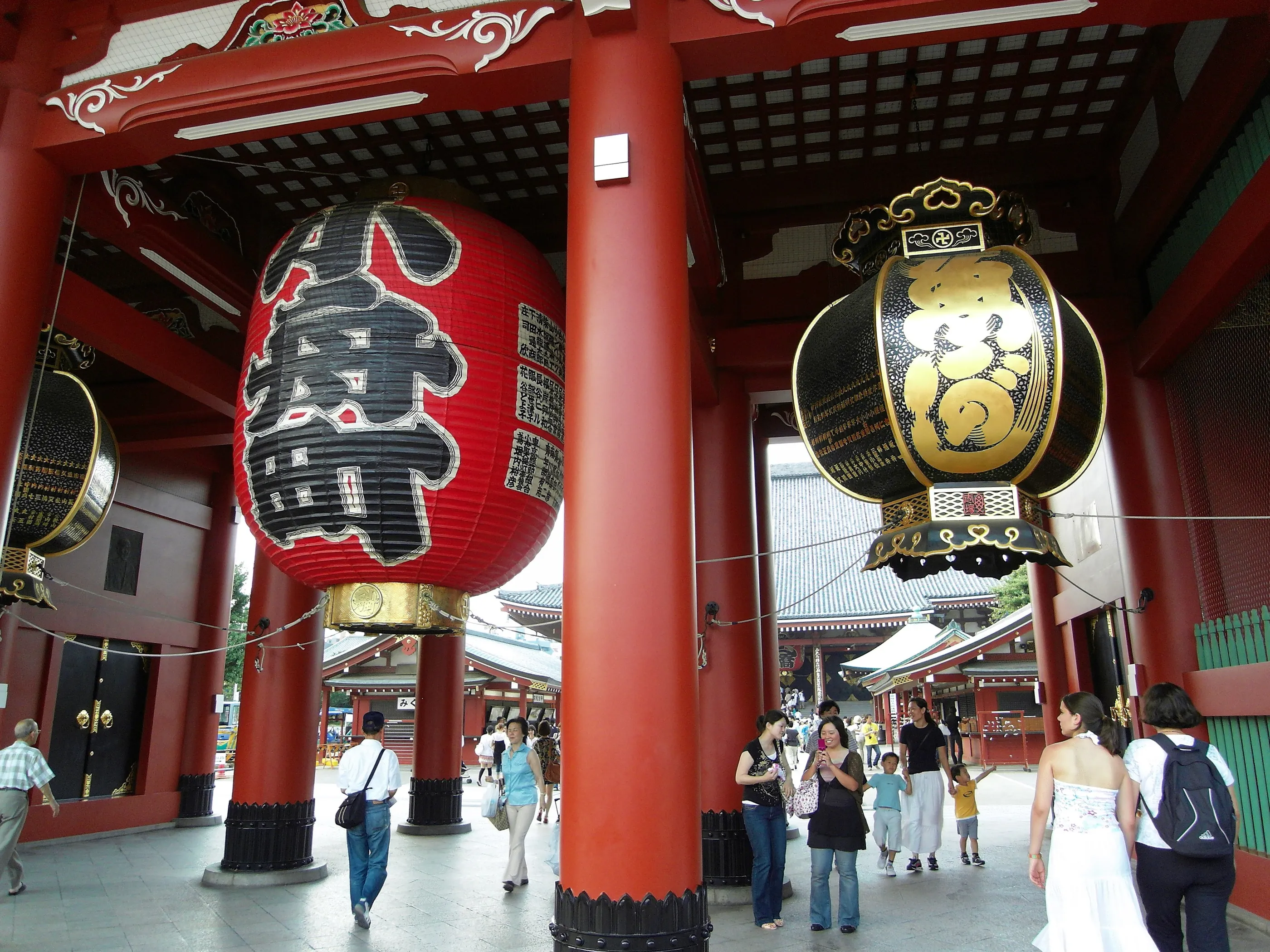
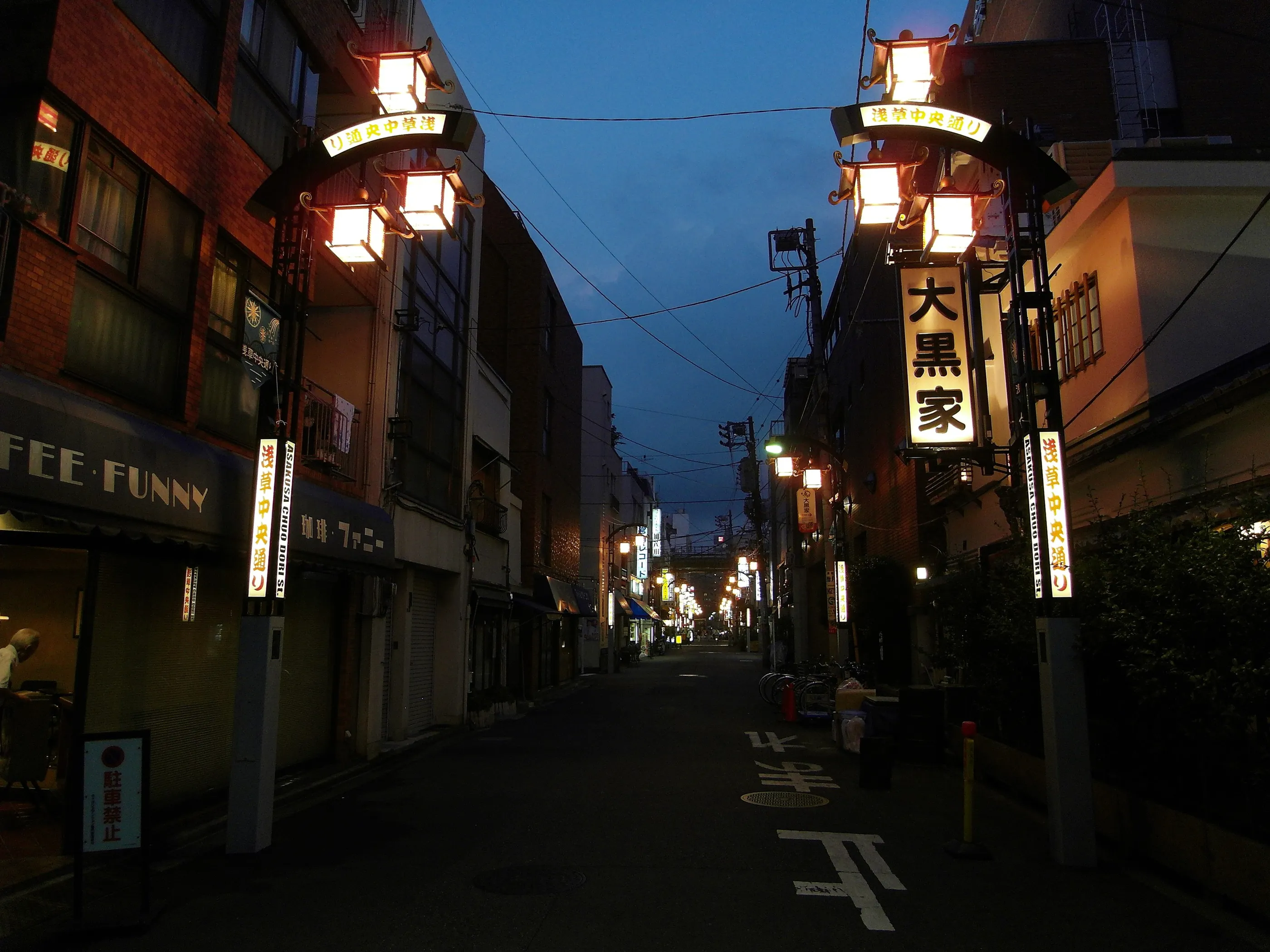
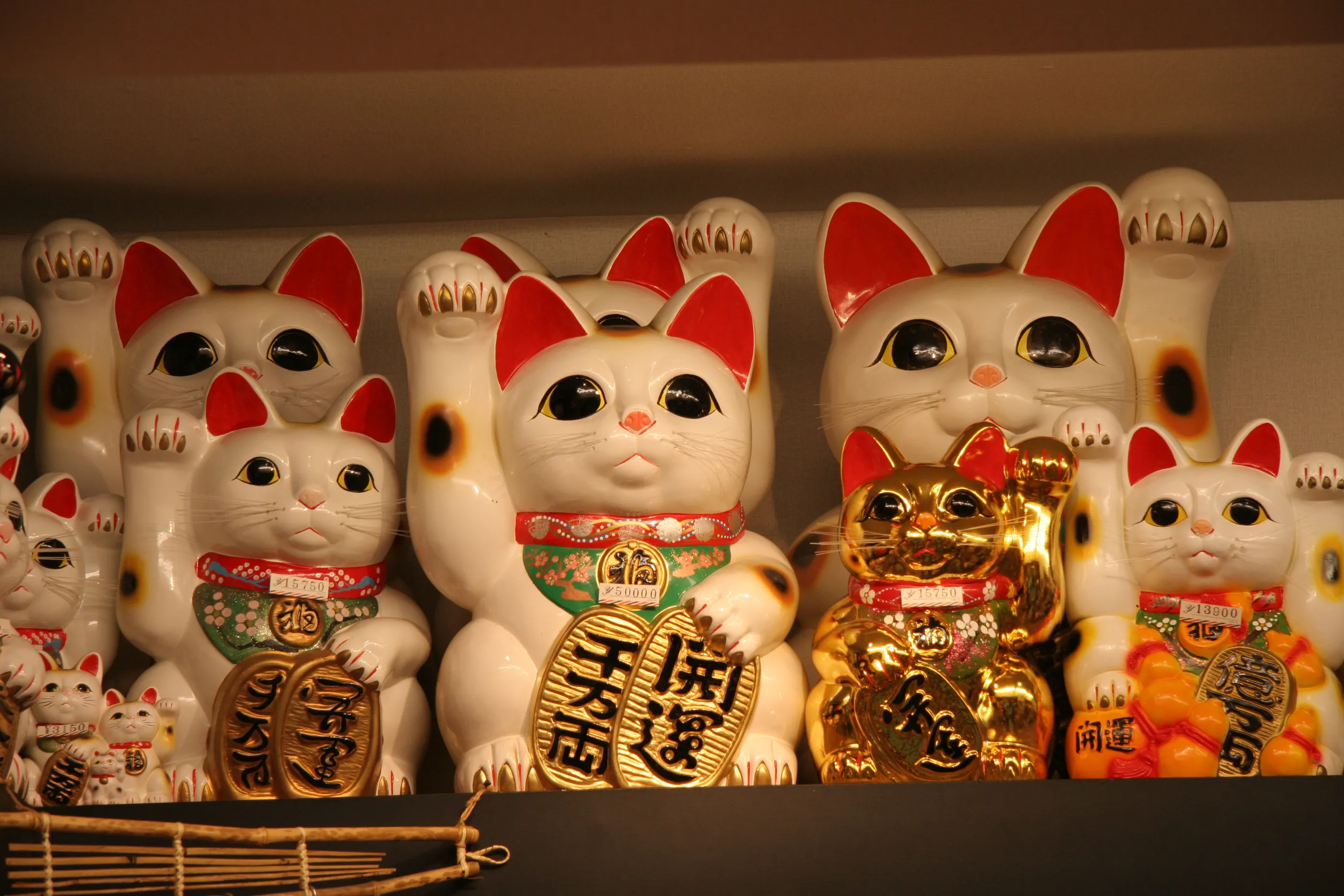
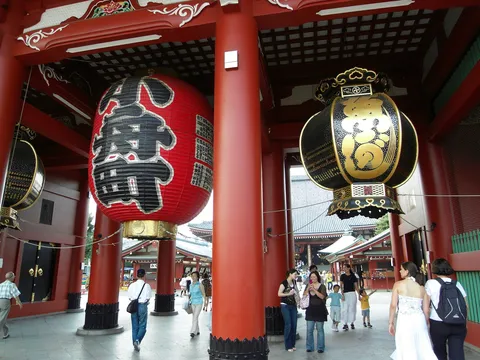
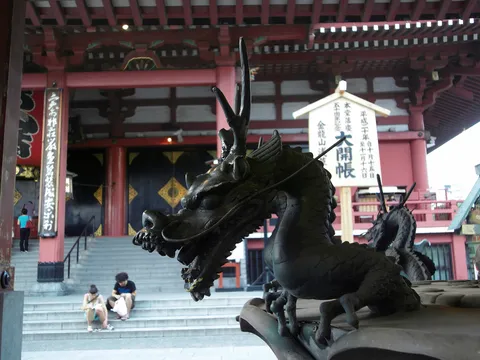
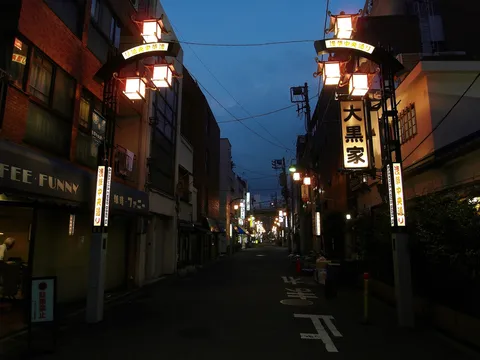
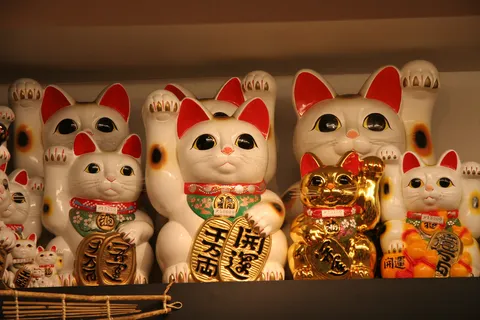
Sensō-ji, Tokyo’s oldest temple, and its Hōzōmon gate hung with a huge lantern. All around, shops overflow with lucky cats and fans. In the evening the streets of Asakusa light up, and the Kaminarimon glows in the night.
By train↗ 50 km
Kamakura
Japan
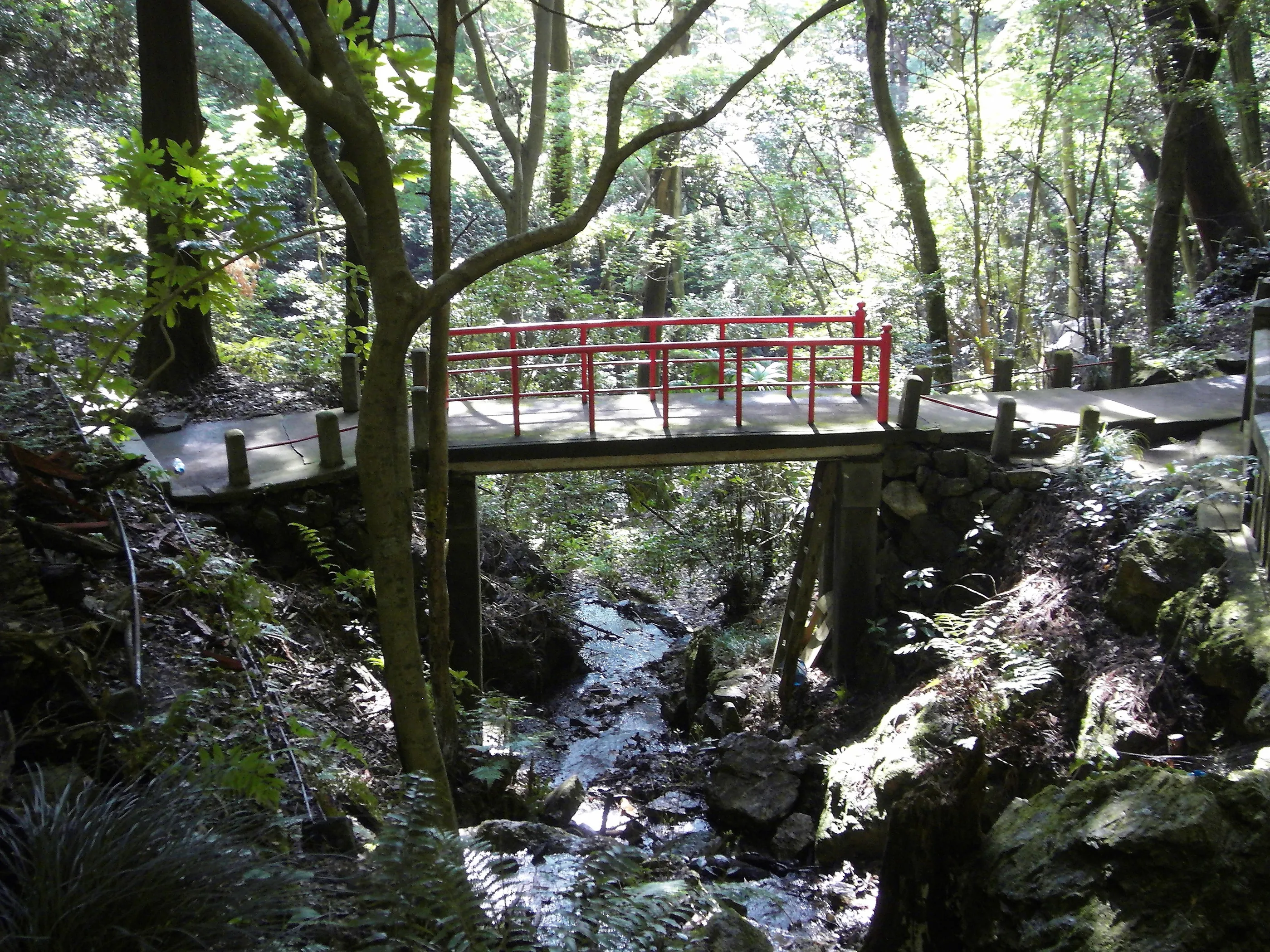
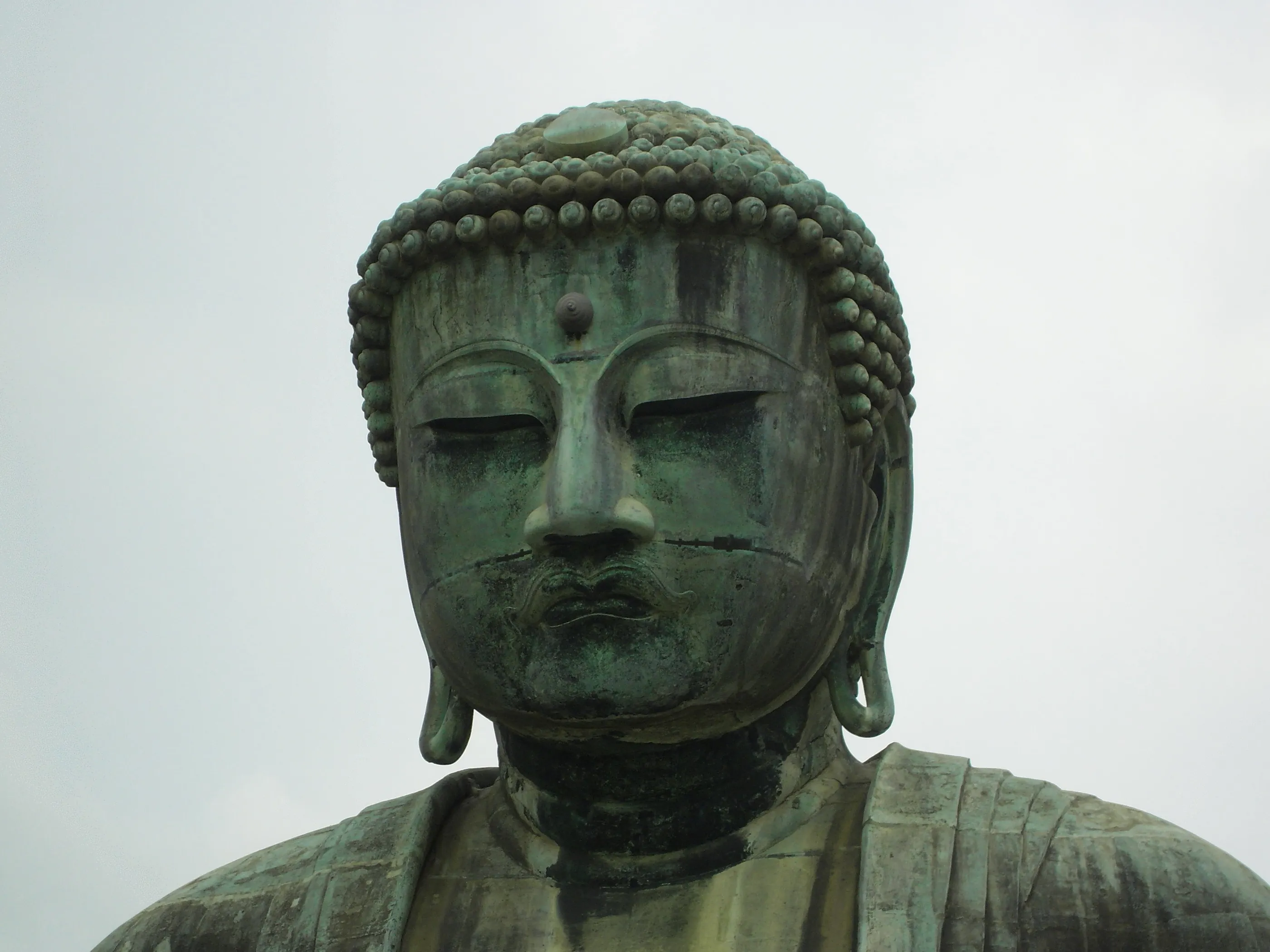
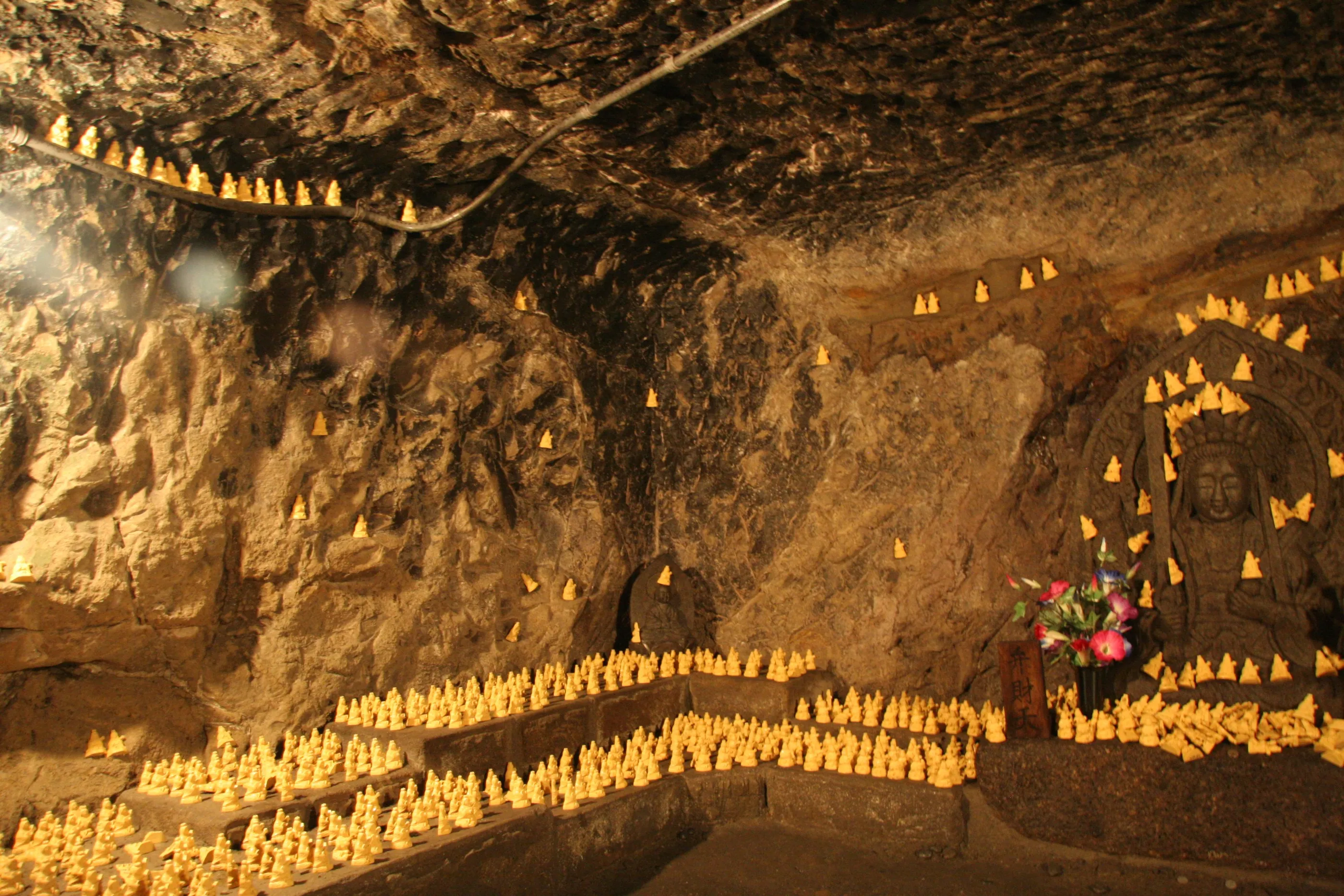
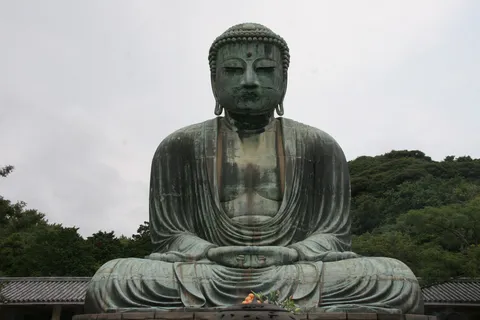
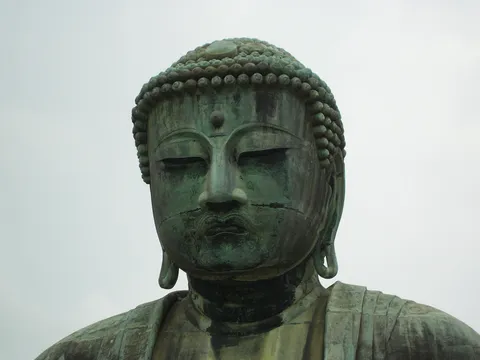
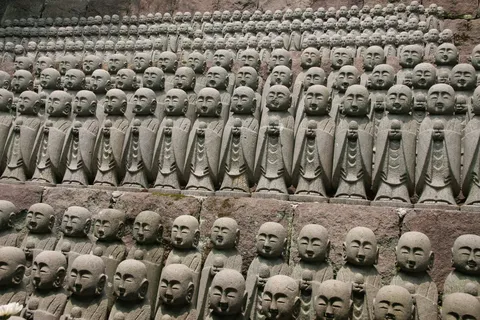
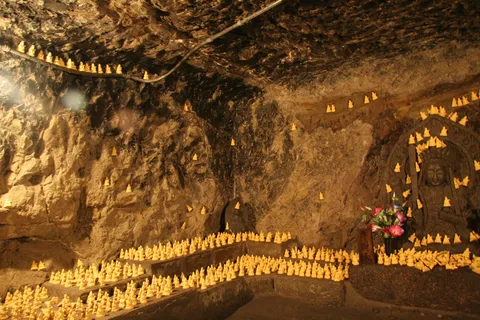
A day in Kamakura, the old shogunal capital on the Pacific. The bronze Great Buddha, sitting in the open air since the 15th century, the thousands of small jizō at Hase-dera and its candle-lit cave, then the forest trail to Zeniarai Benten shrine. The day ended at Tsurugaoka Hachimangū and in the gardens of Kenchō-ji, Japan’s oldest Zen monastery.
By train↗ 45 km
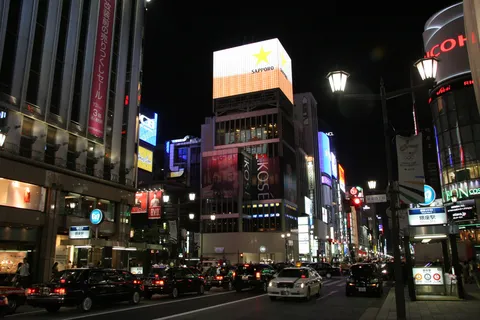
Ginza at Night
Japan
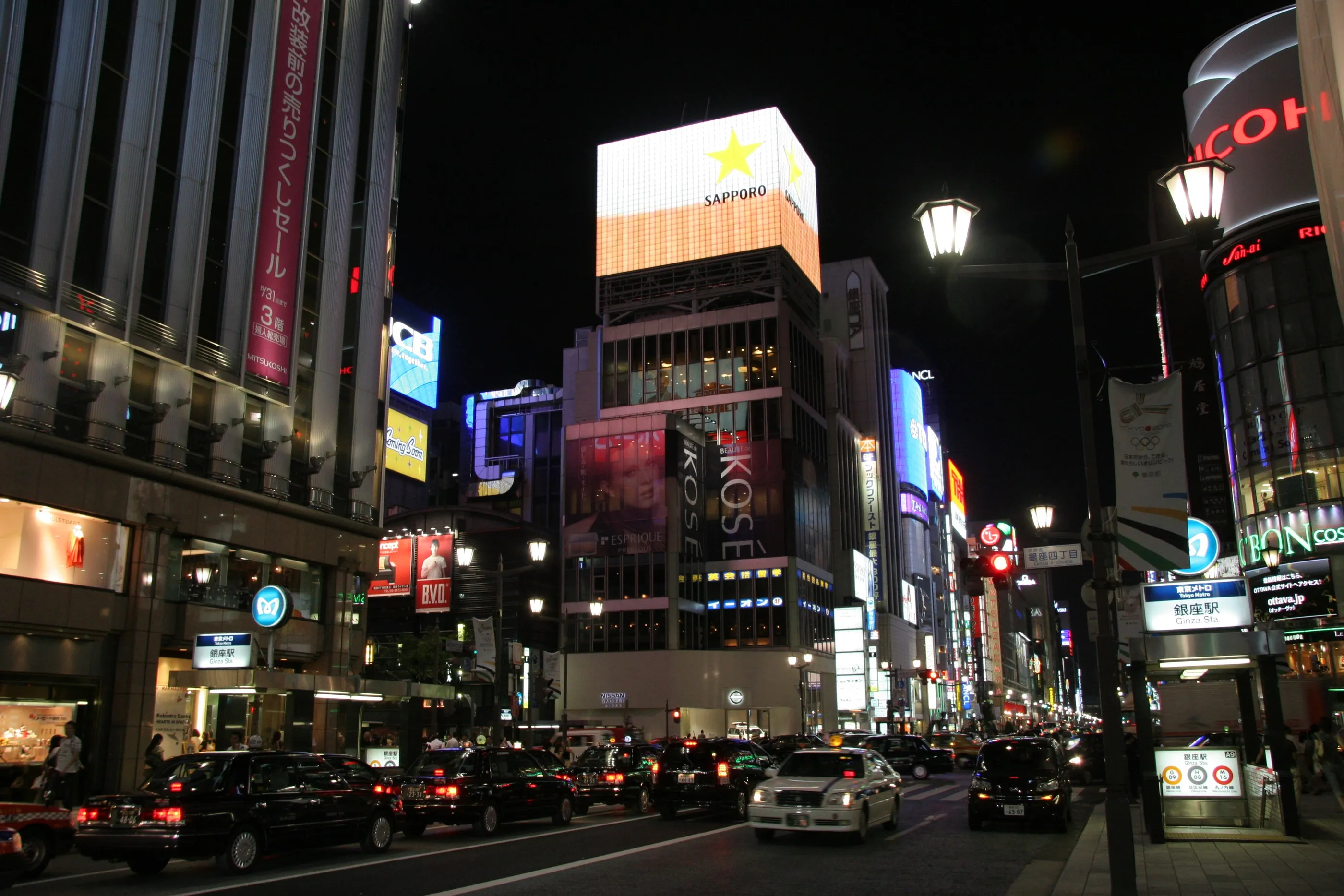
Back in Tokyo in the evening. Ginza lights up: the glass façades of department stores, the signs of luxury brands and the Wakō clock crossing, a completely different Japan from the temples of the day.


By train↗ 6 km
Shibuya, Meiji Jingū and Harajuku
Japan
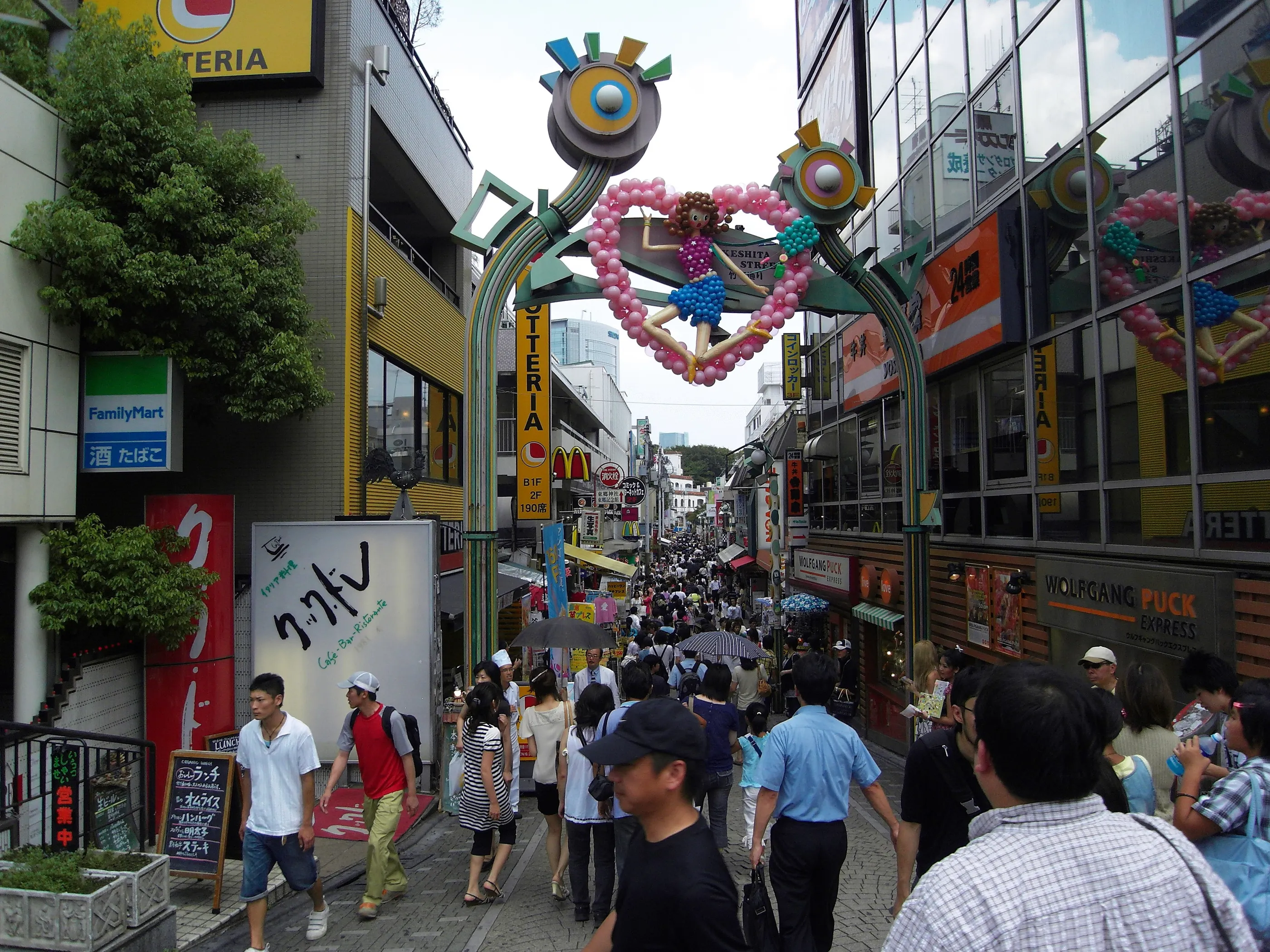
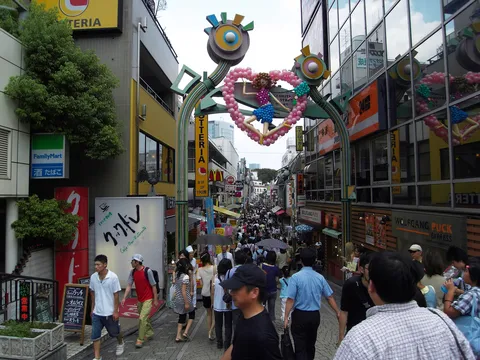
The Shibuya crossing and the statue of the dog Hachikō, then the Yoyogi Olympic gymnasium. In the forest of Meiji Jingū, a huge cypress torii opens onto the shrine dedicated to Emperor Meiji, strikingly calm. Right next door, the crowds and shops of Takeshita-dōri in Harajuku.


By train↗ 7 km
Tsukiji Fish Market
Japan
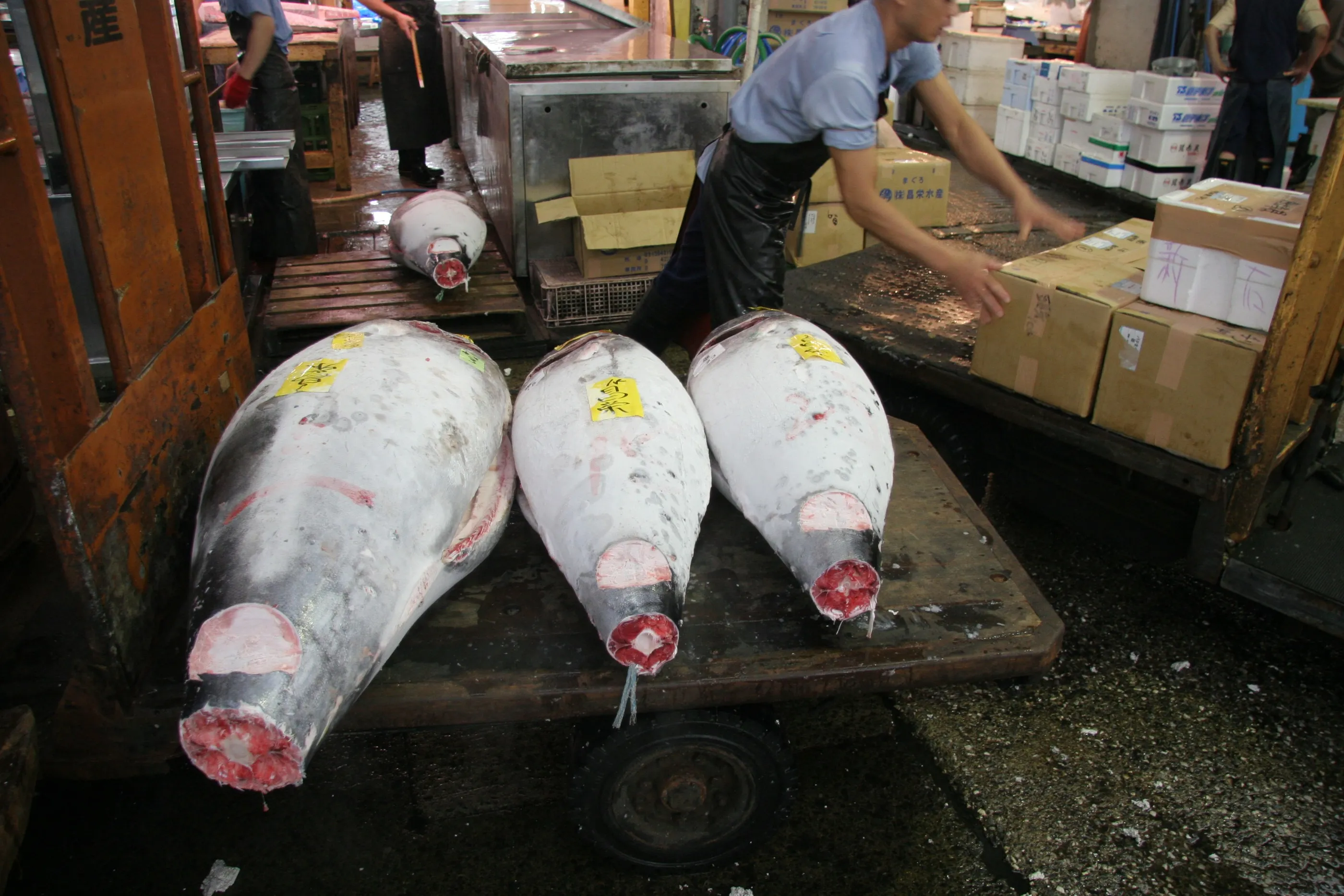
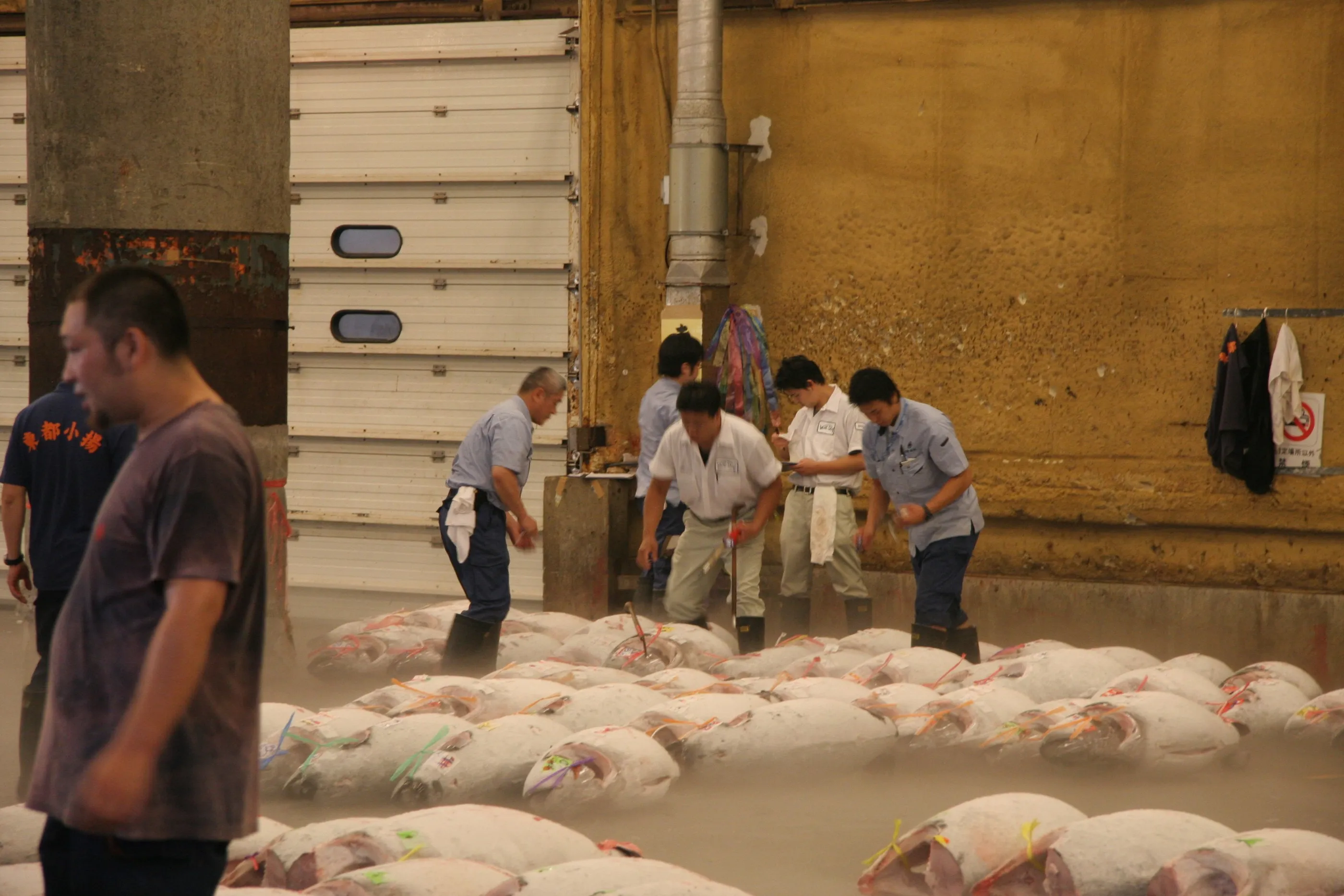
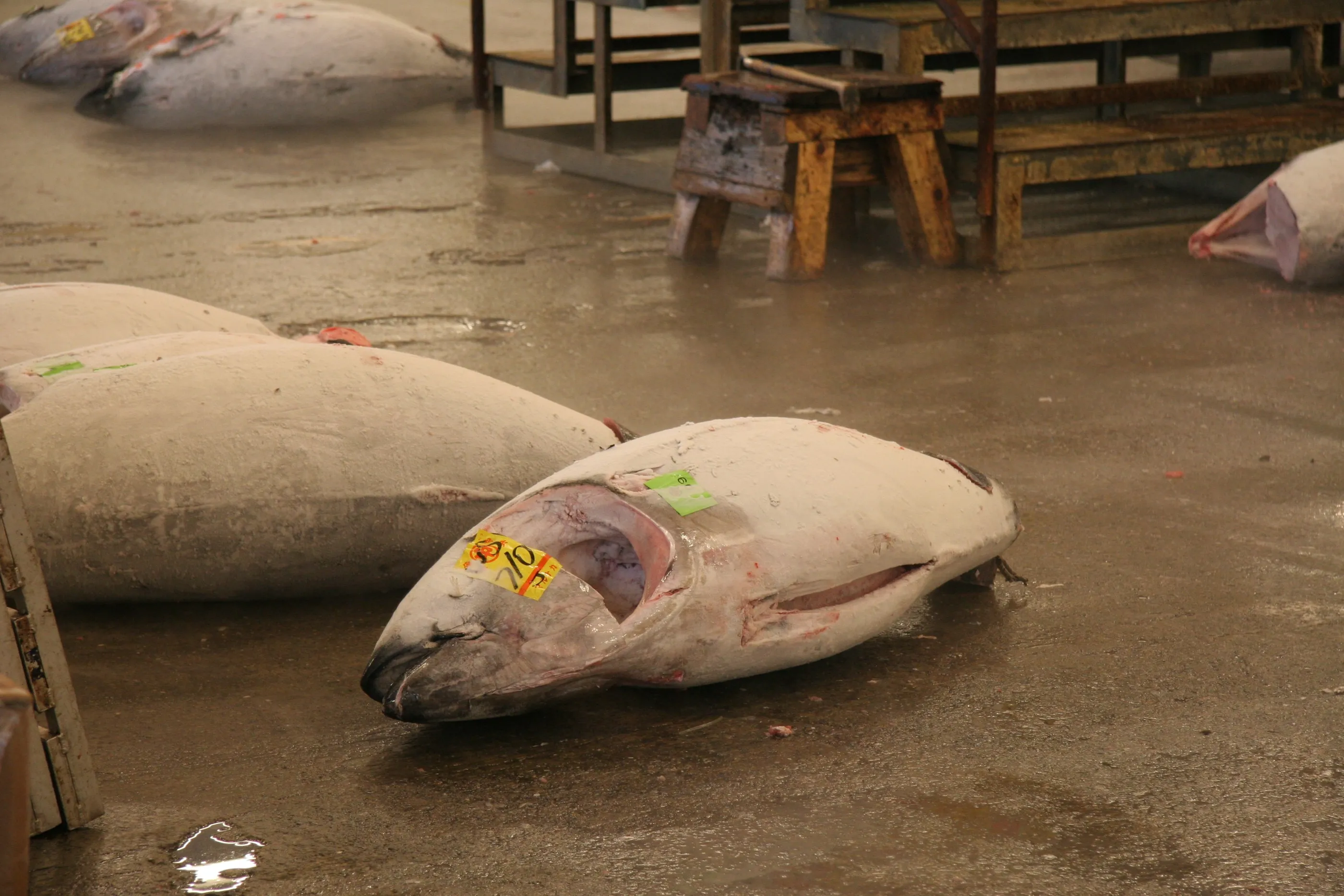
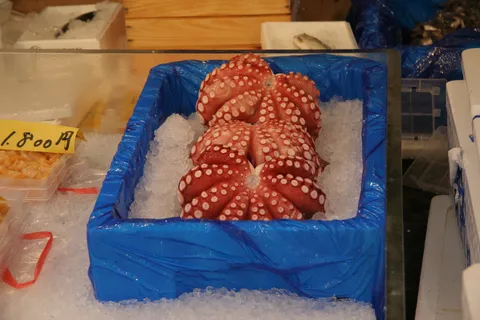
Last morning, at the largest fish market in the world. Frozen tuna lined up on the auction floor, buyers inspecting the flesh, fishmongers cutting tuna with bandsaws: a ballet of carts in the wet aisles. The market has since moved to Toyosu, in 2018.


Arrival
End of the journey
9 days · 698 km · 14 stops
Galleries of the countries crossed