- days
- 15
- km
- 3,430
- country
- 1China
- photos
- 59
This is where it all began. I was fifteen on this first great journey to East Asia: two weeks in China, in February 2004, with a small digital camera and the feeling that the world had just opened up.
From Beijing to Hong Kong, by way of the Great Wall, the Terracotta Army of Xi’an, the pandas and giant Buddhas of Sichuan, then the karst peaks of the Li River, I photographed everything I saw without really knowing why. These pictures are naive, often imperfect, but this is where the urge was born that has never left me since: to set out, to look, and to bring back what I have seen.
Beijing
China
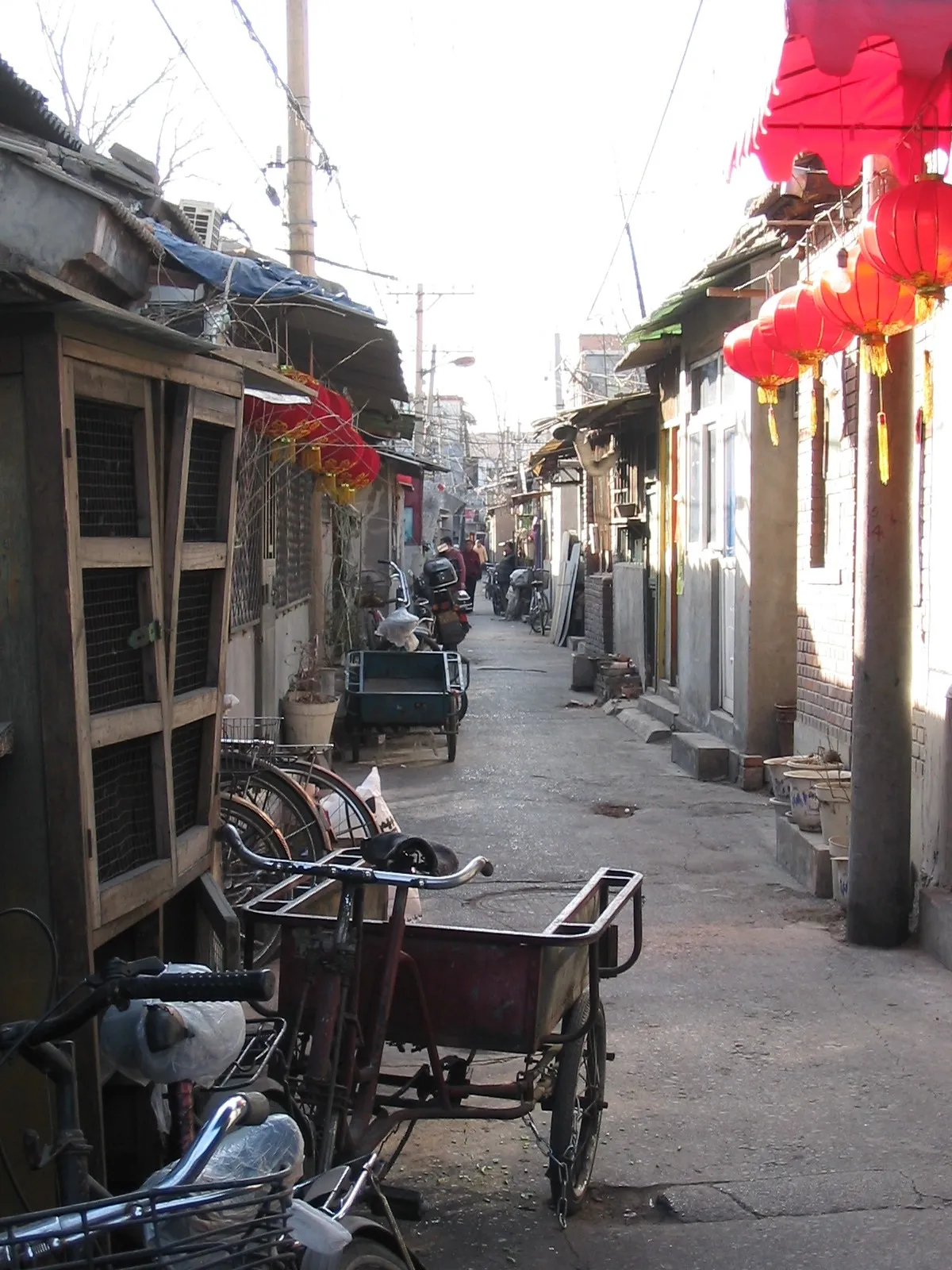
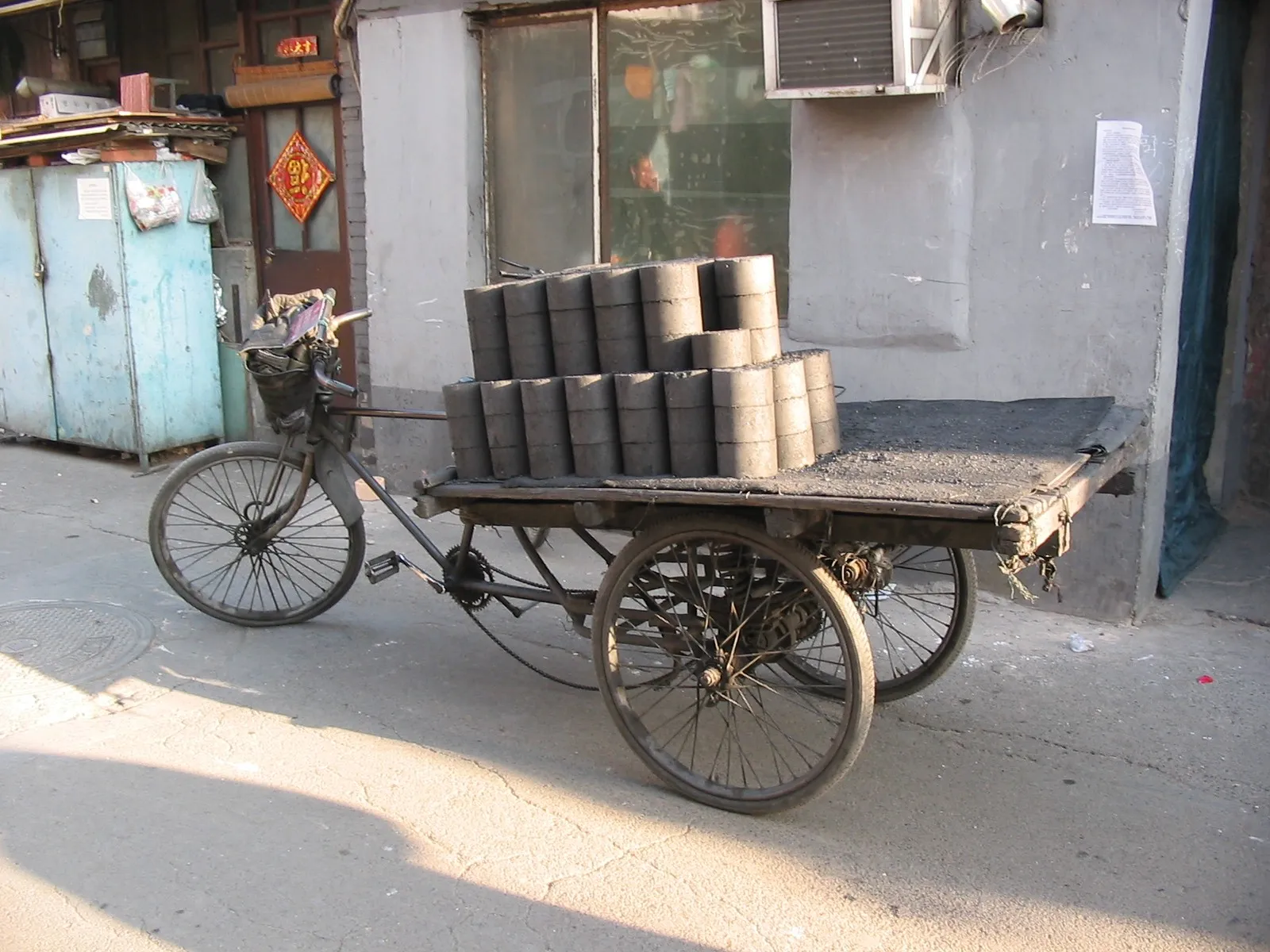
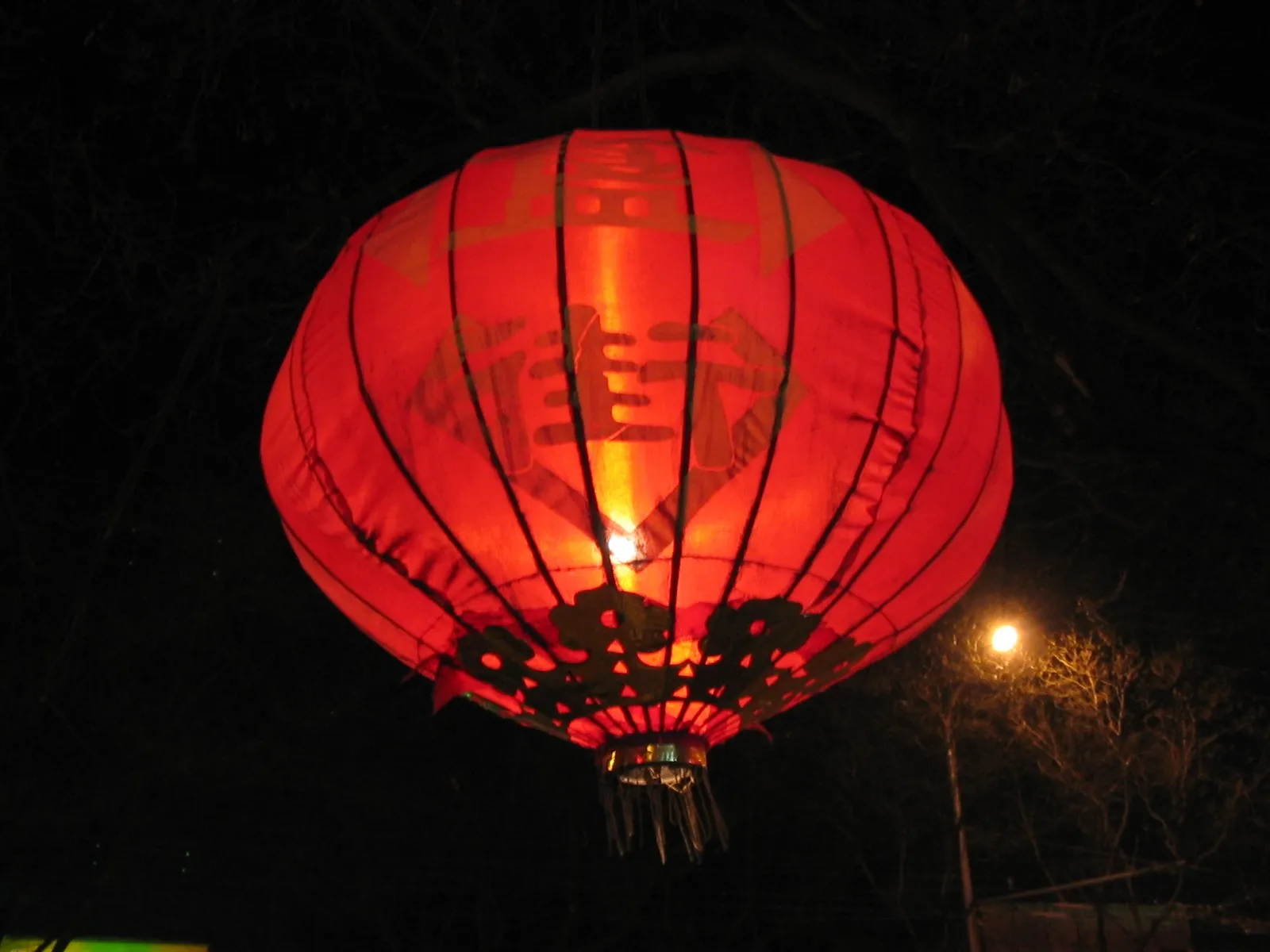
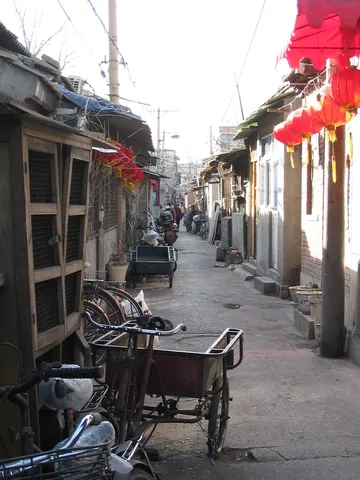
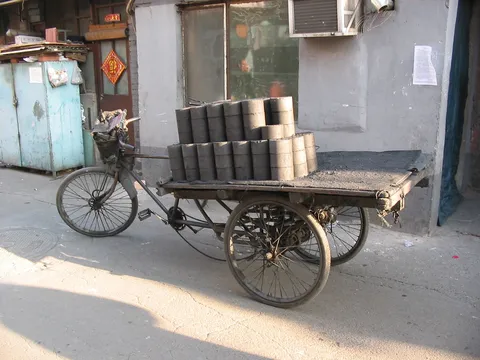
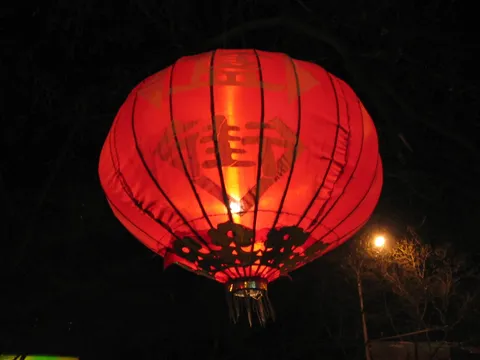
Landing in a dry, bright winter Beijing, right in the Chinese New Year season. A first walk across the vast expanse of Tiananmen Square, where kites drift in front of the gate with Mao’s portrait, then on to Qianmen and its gate towers. In the nearby hutongs coal briquettes are still delivered by tricycle beneath red lanterns, even as bulldozers are already eating into the old neighbourhoods.
On foot↗ 1 km
The Forbidden City
China
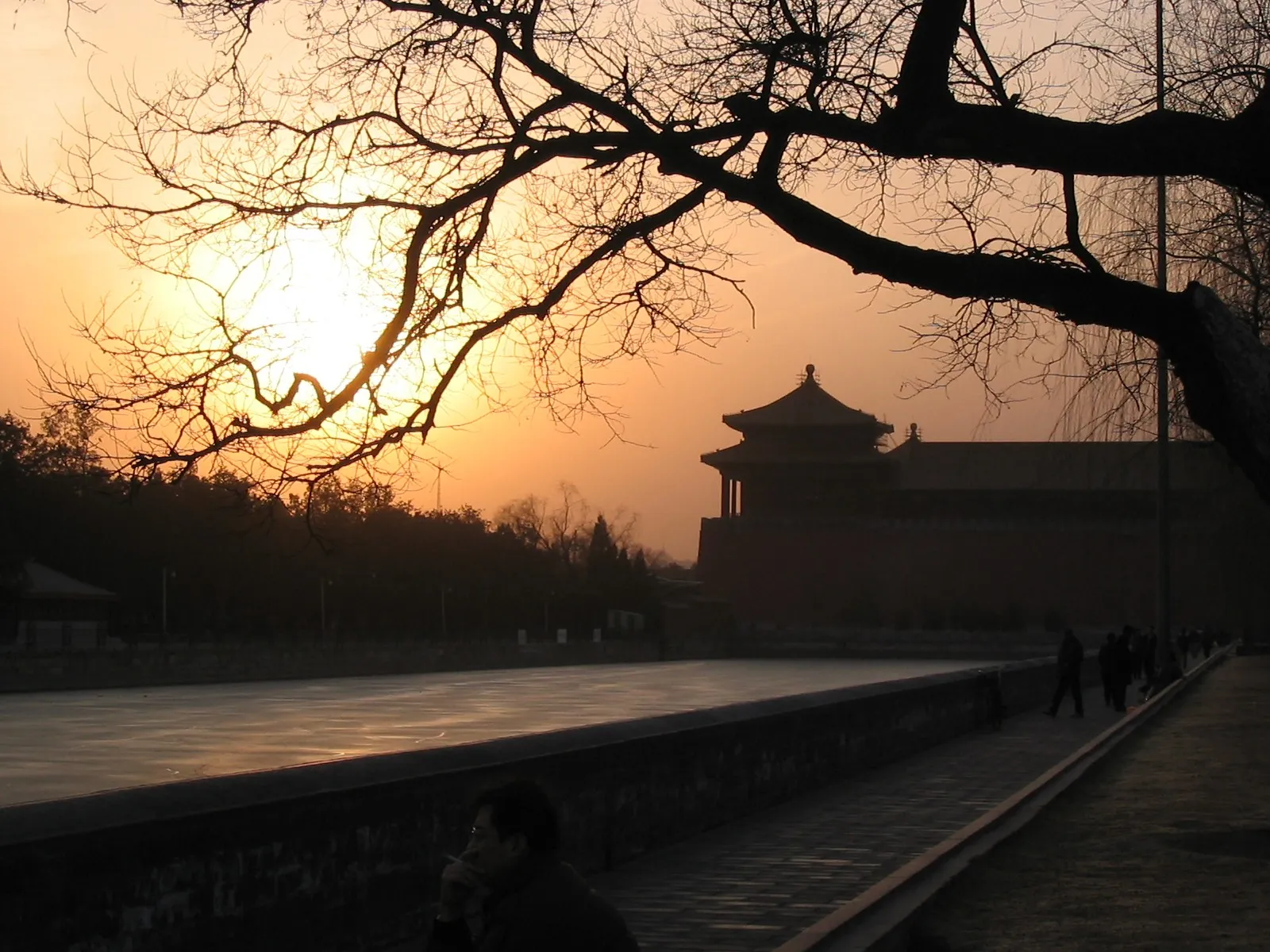
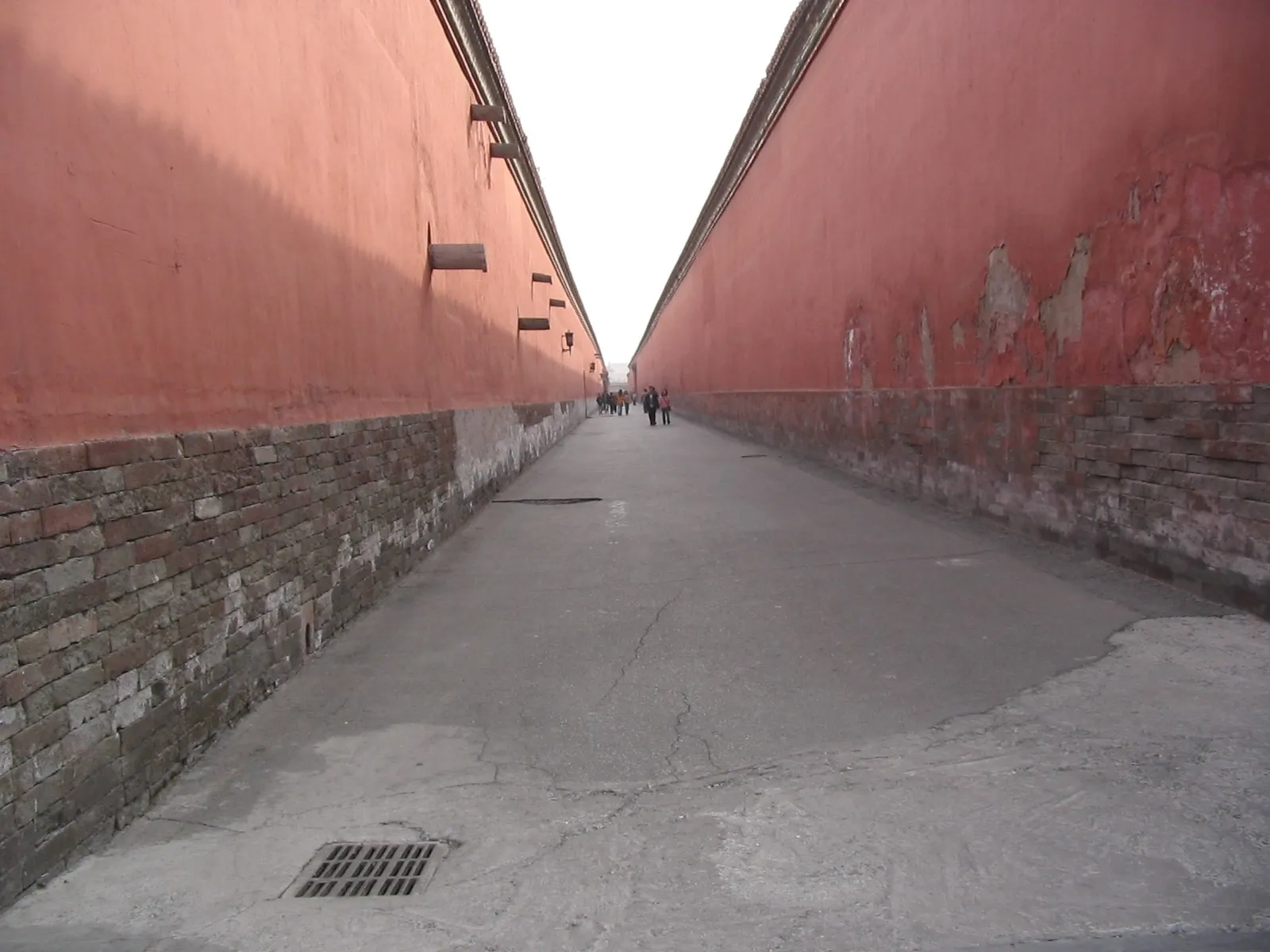
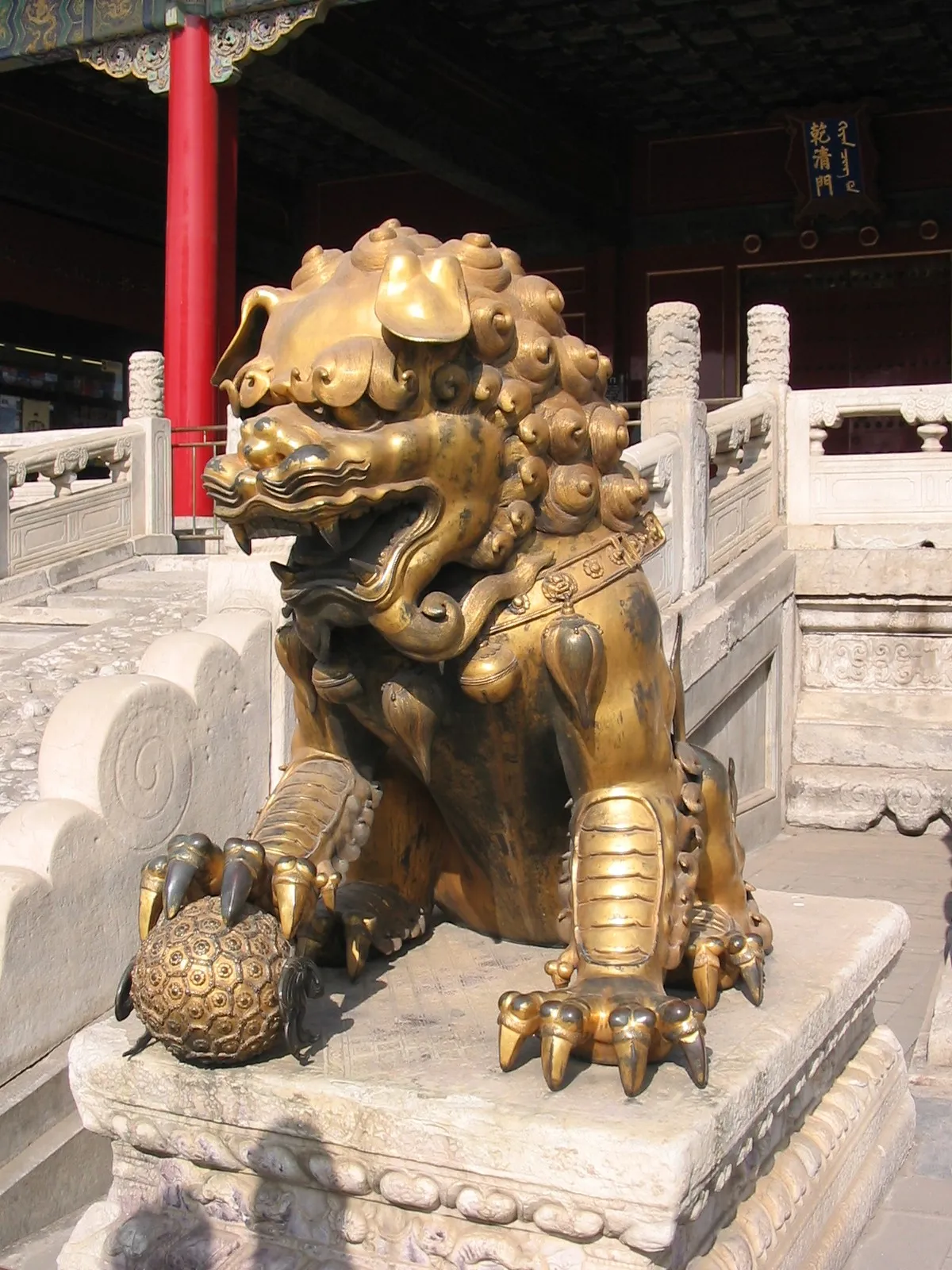
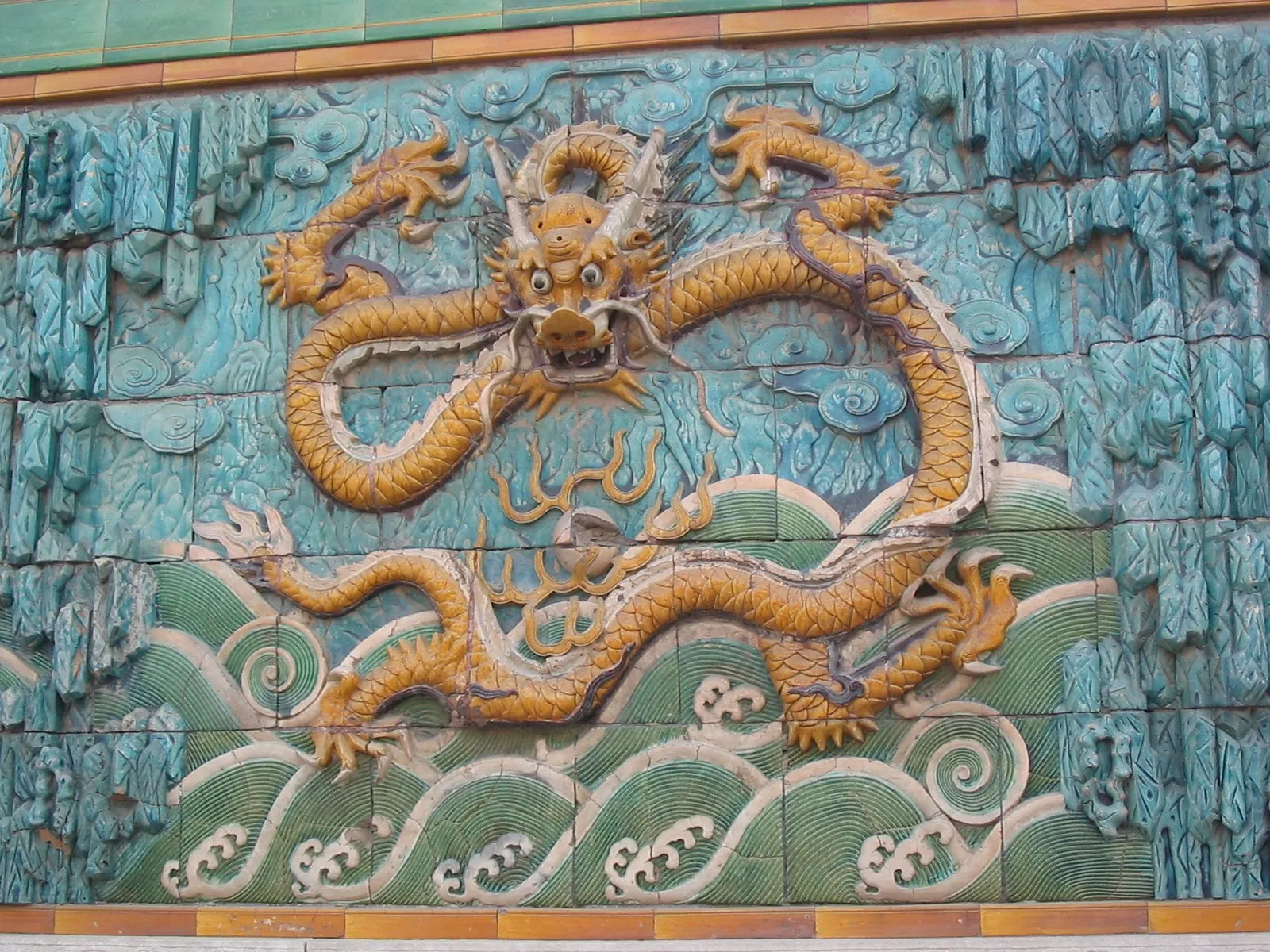
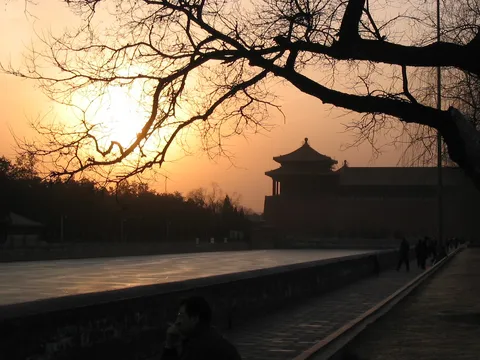
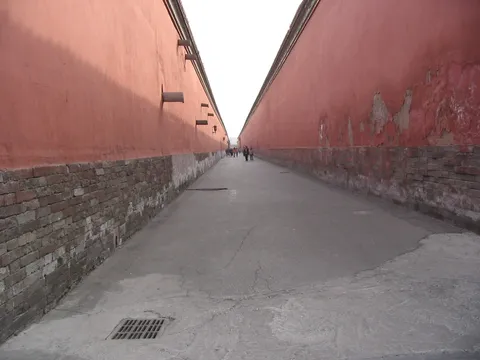
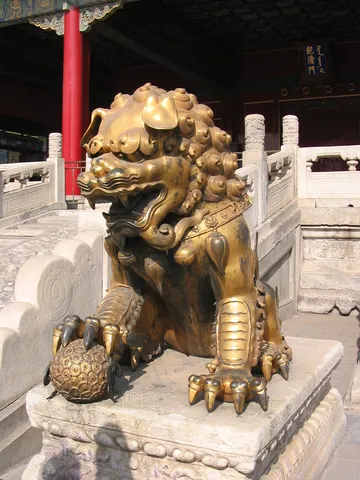
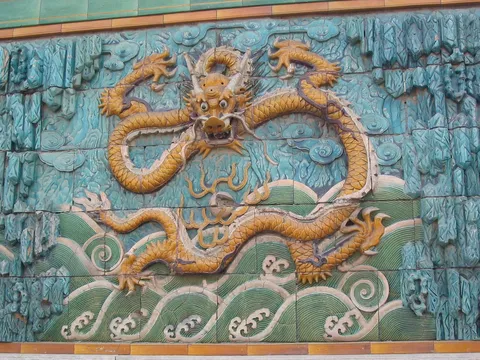
A whole day in the Forbidden City, from the Meridian Gate to the Imperial Garden: immense paved courtyards, the Hall of Supreme Harmony, gilded lions and the Nine Dragon Wall. We get lost in the red-walled alleys of the western palaces before climbing Jingshan hill, then heading on to Beihai Park and its White Dagoba. In the evening, Peking opera and acrobats at the Lao She teahouse.
By road↗ 111 km
The Great Wall at Simatai
China
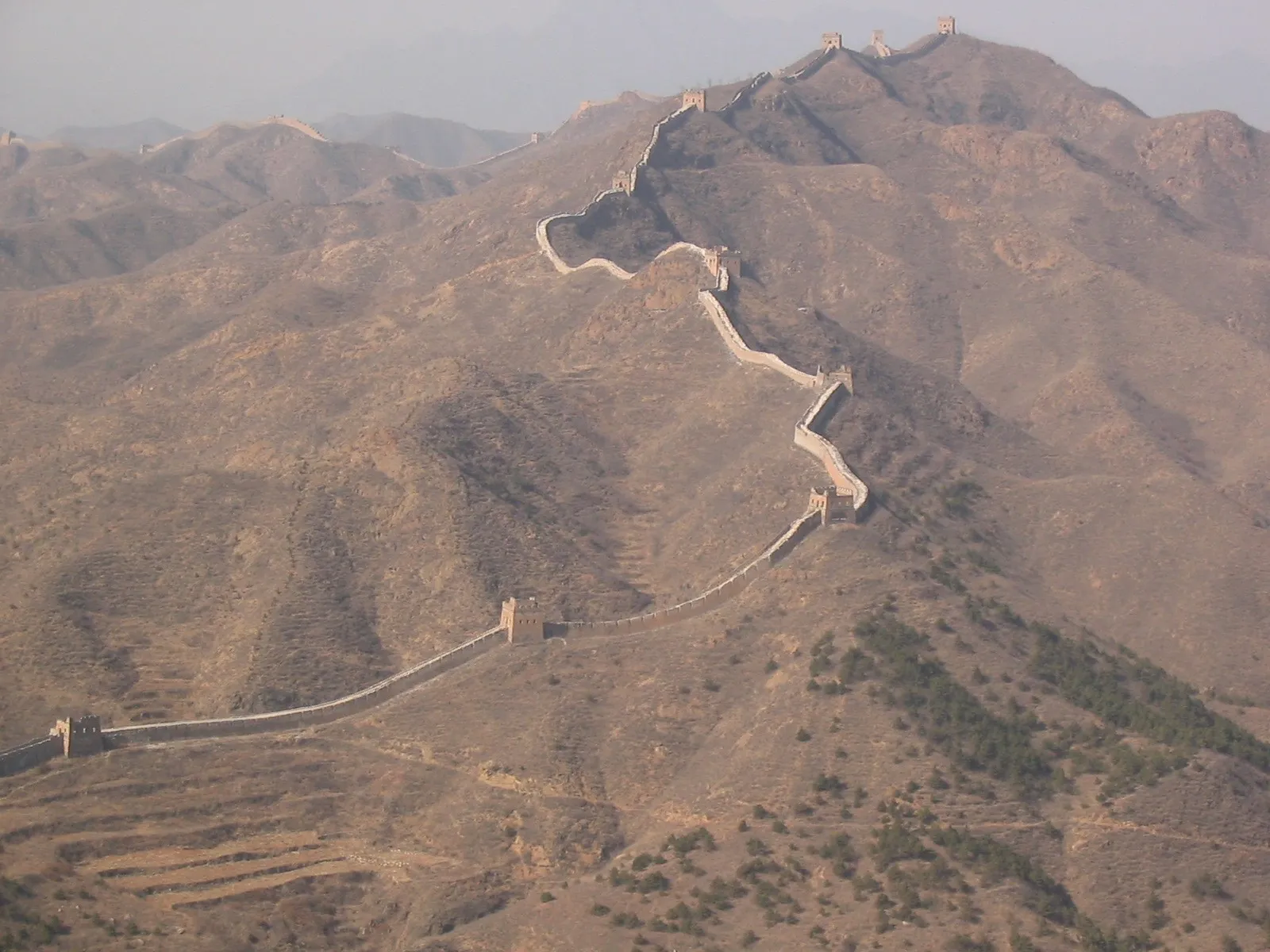
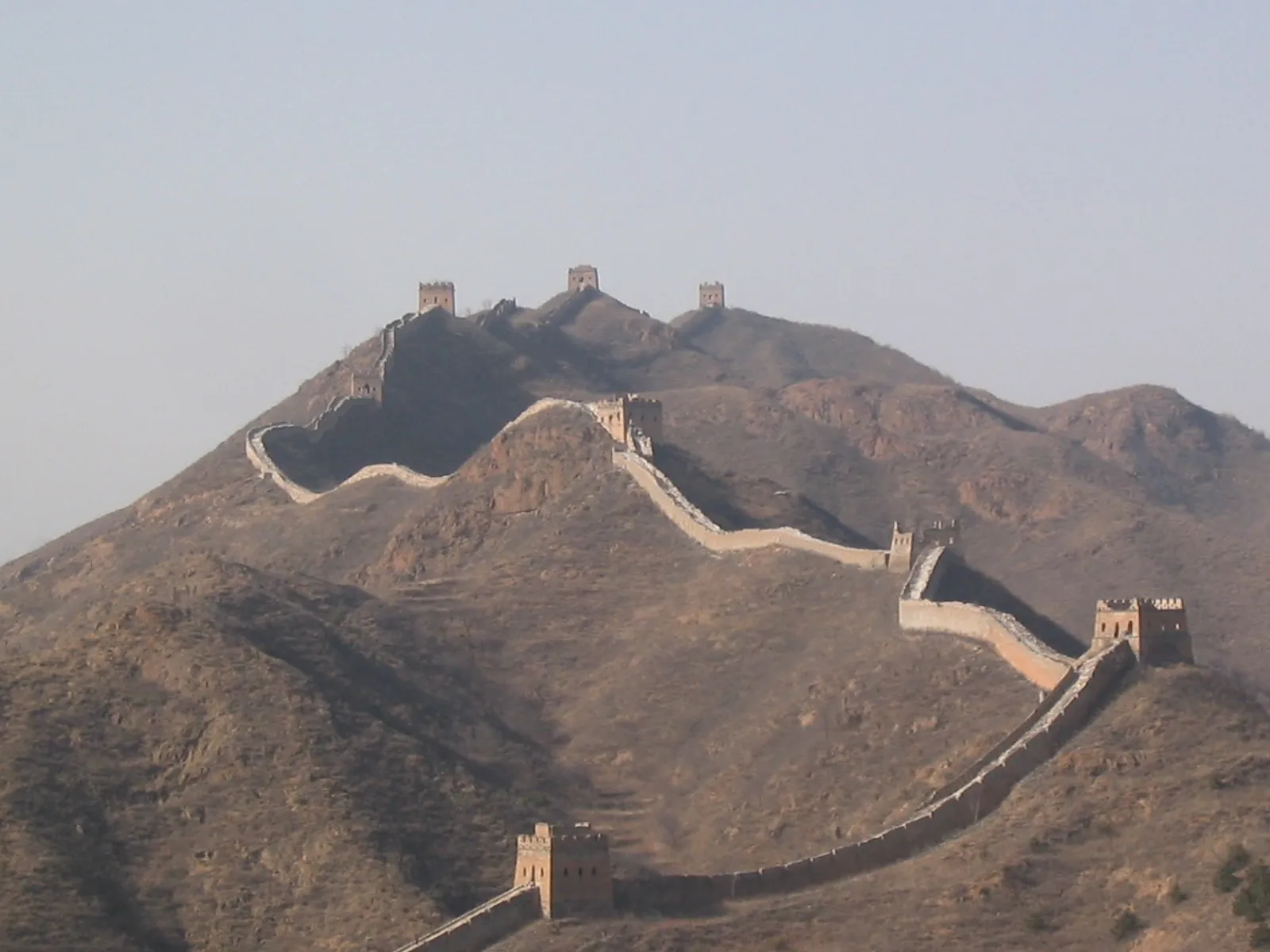
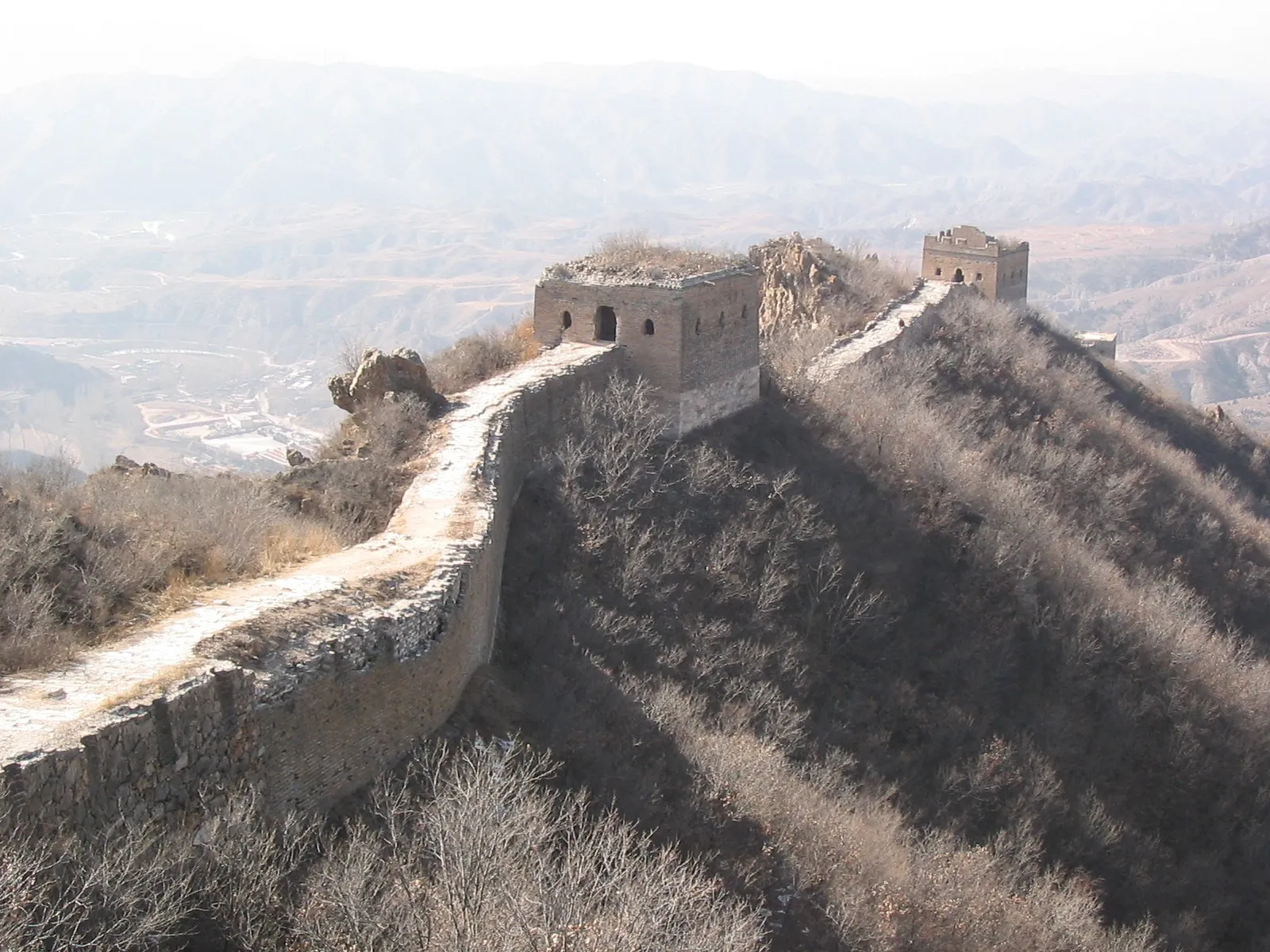
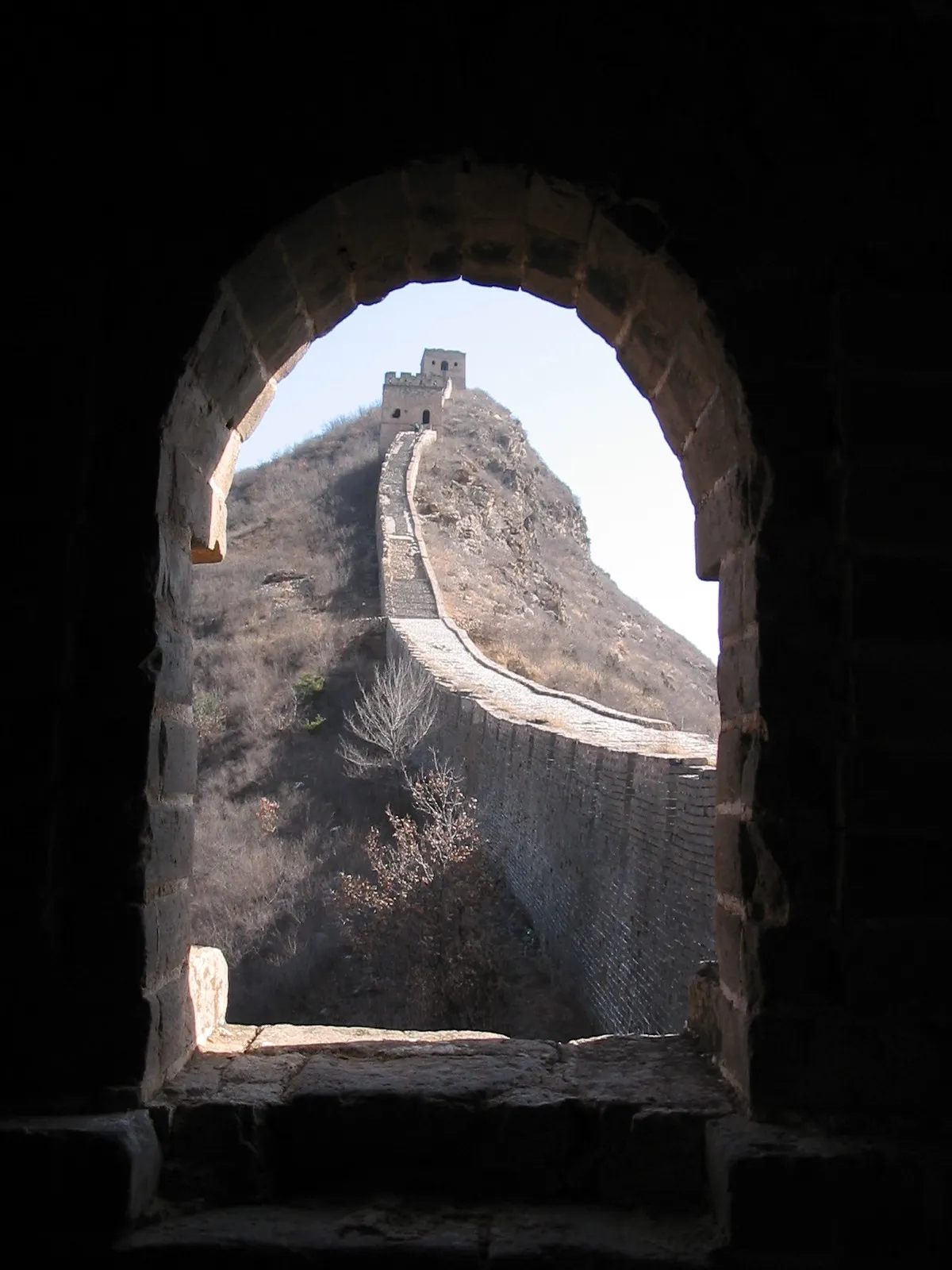
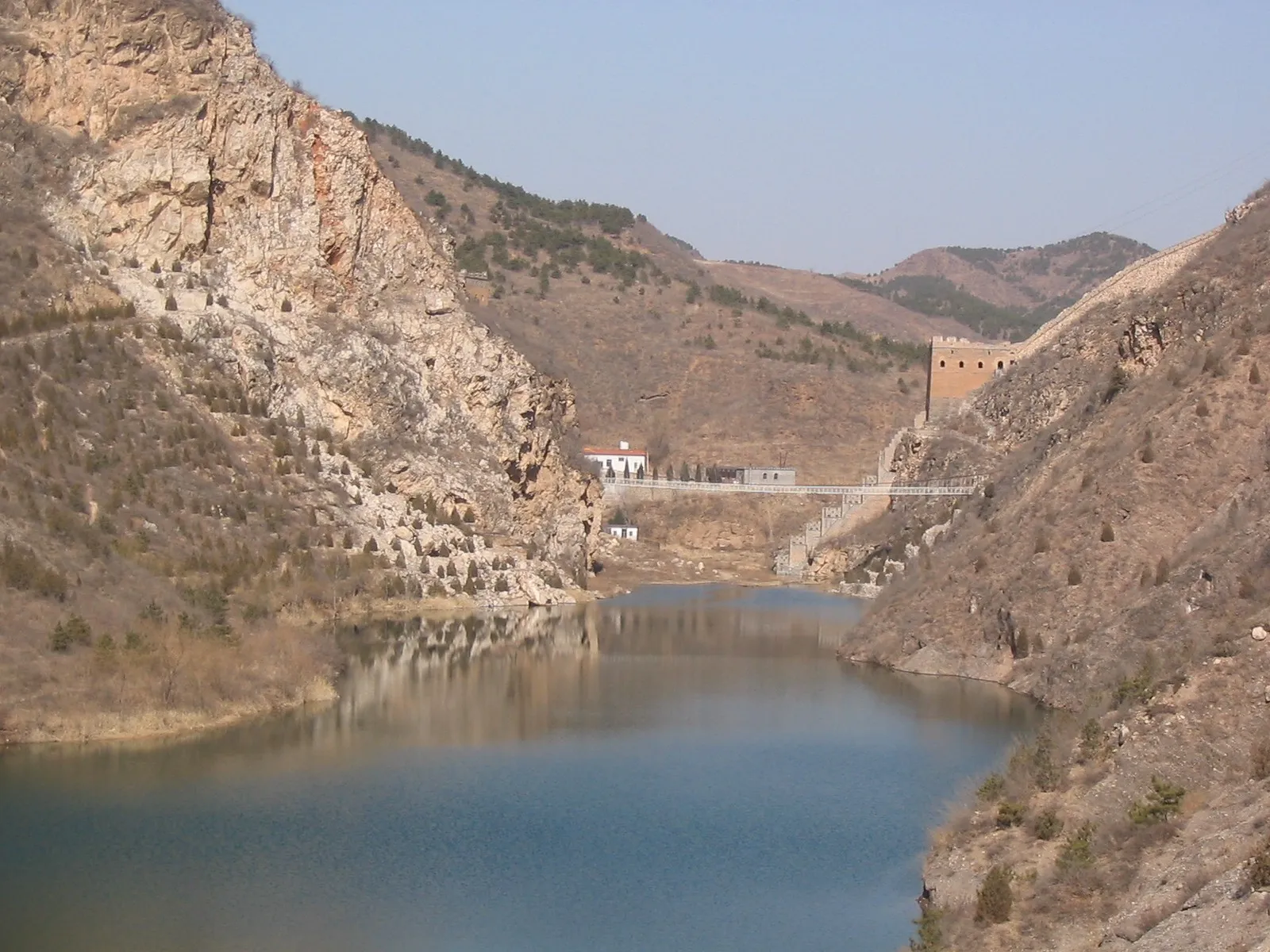
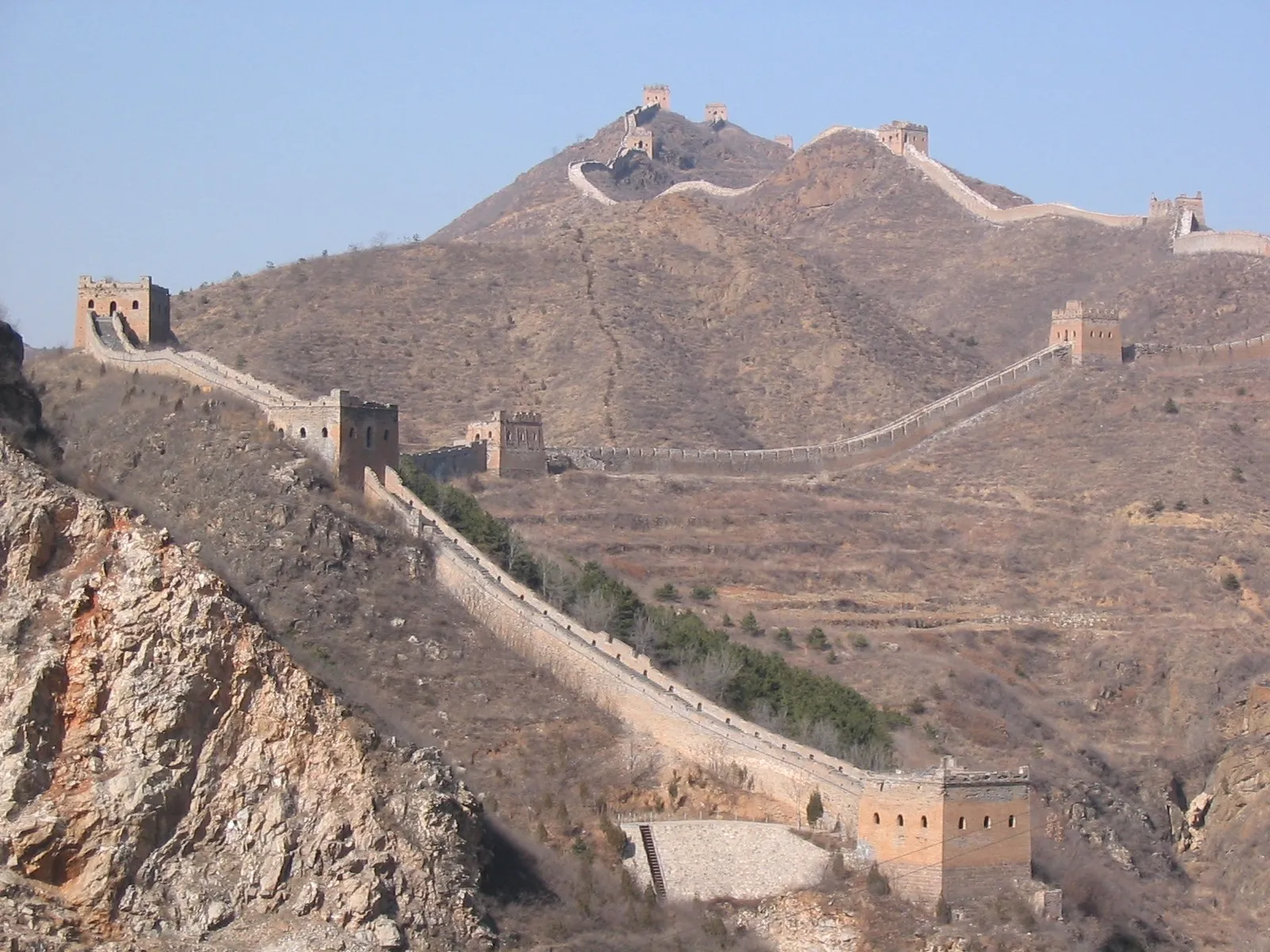
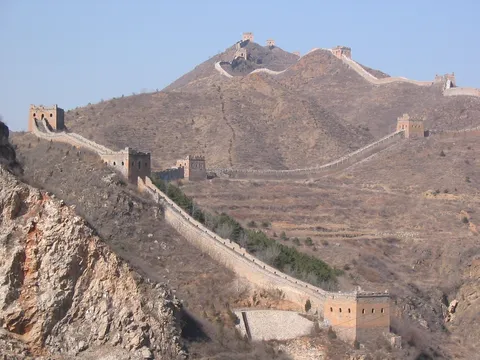
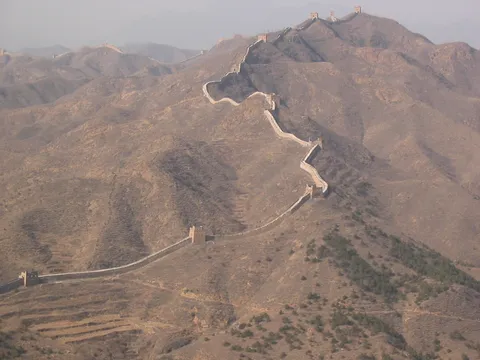
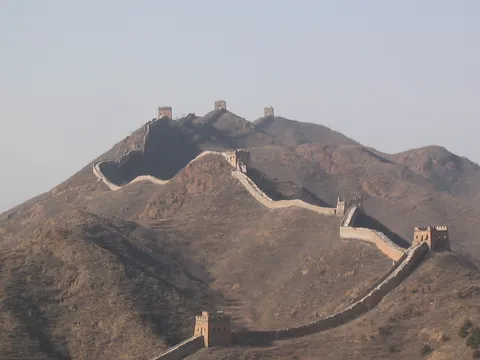
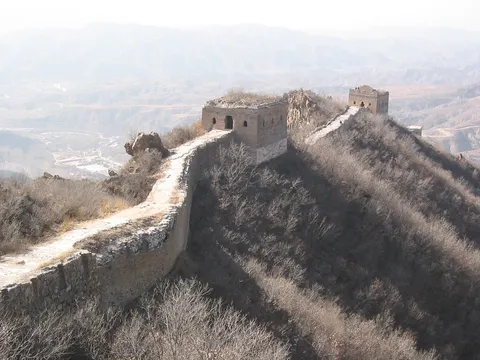
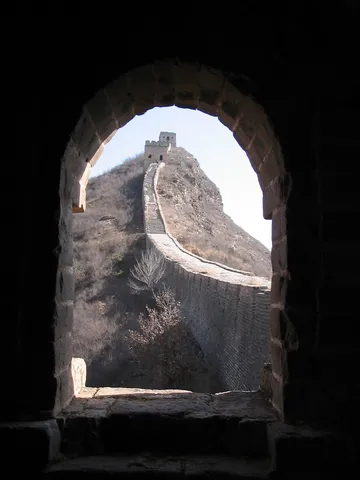
More than a hundred kilometres north-east of Beijing, the Ming wall at Simatai, then barely restored, runs along dizzying ridges from watchtower to watchtower. Crumbling steps, an icy wind, and below, a turquoise reservoir caught between the brown winter mountains. In the evening, back in Beijing, skewers of scorpions and locusts at the Donghuamen night market.

By road↗ 113 km
Temple of Heaven and Lama Temple
China
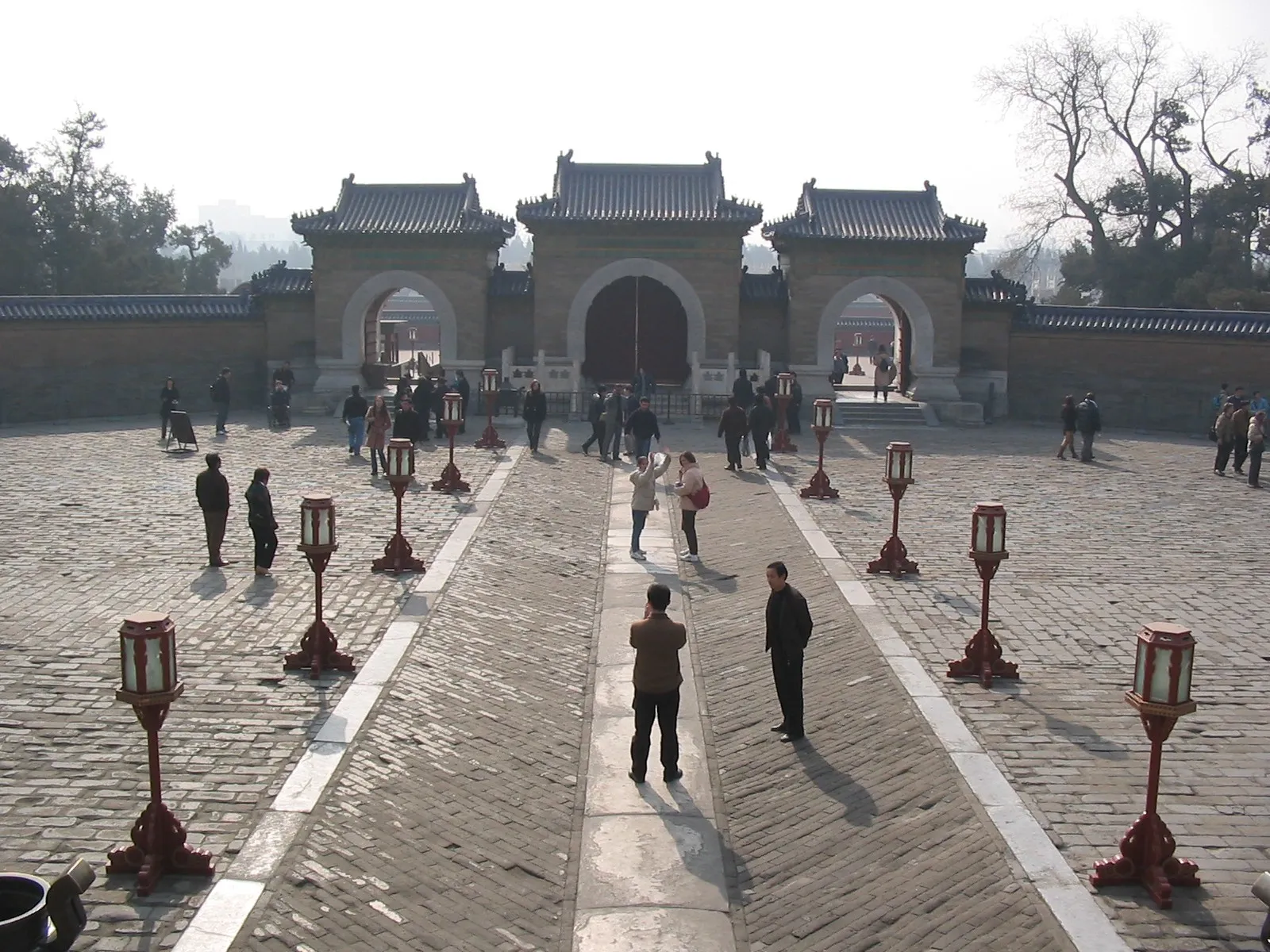
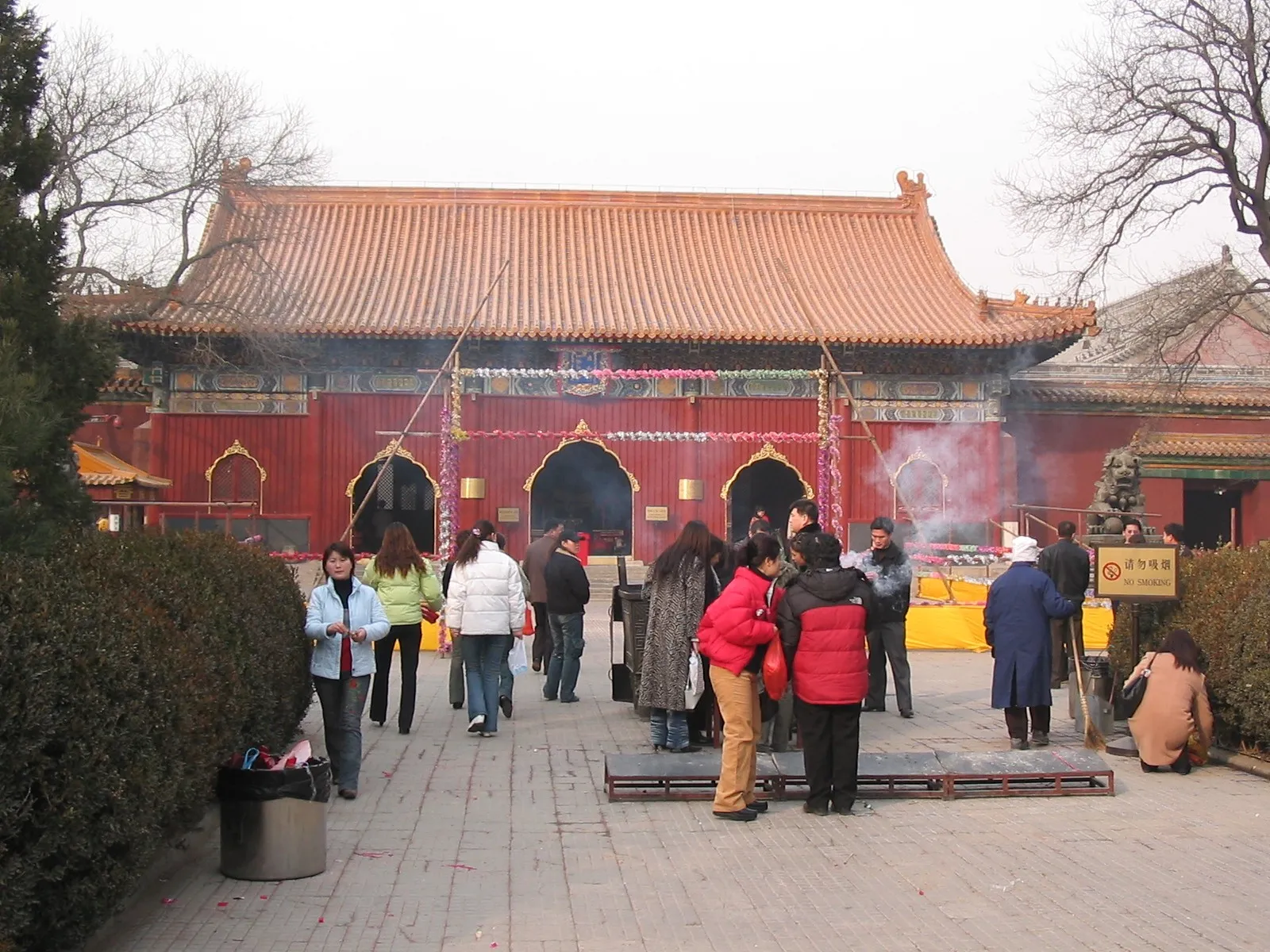
At the Temple of Heaven, the round Hall of Prayer for Good Harvests rises on its marble terrace under three blue roofs; this is where the emperor came to pray for the harvest. At the Lama Temple, a Tibetan Buddhist monastery in the heart of Beijing, worshippers burn armfuls of incense sticks in front of the halls. A last day at the Silk Market before leaving the capital.


By plane↗ 909 km
Xi’an and the Terracotta Army
China
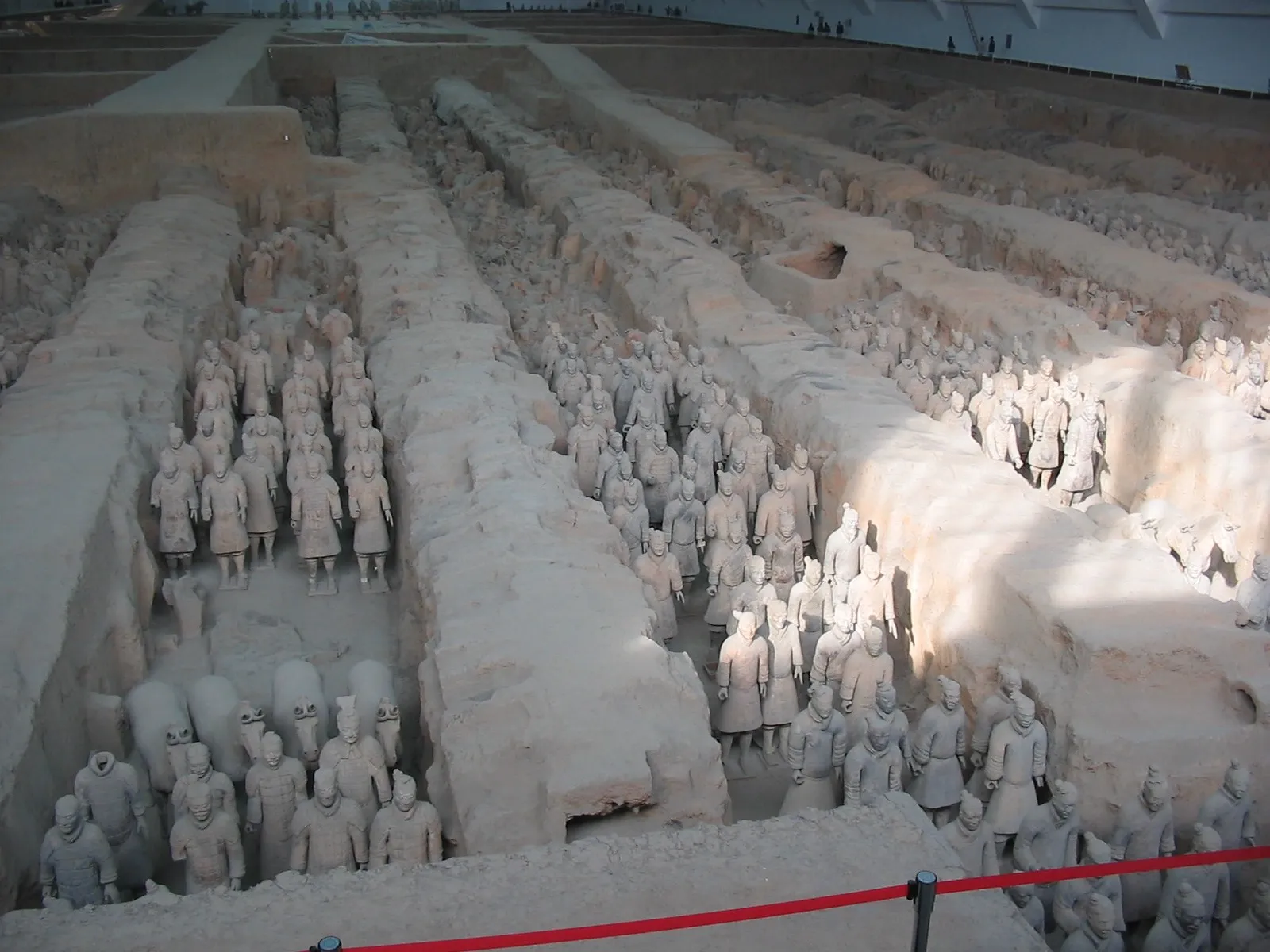
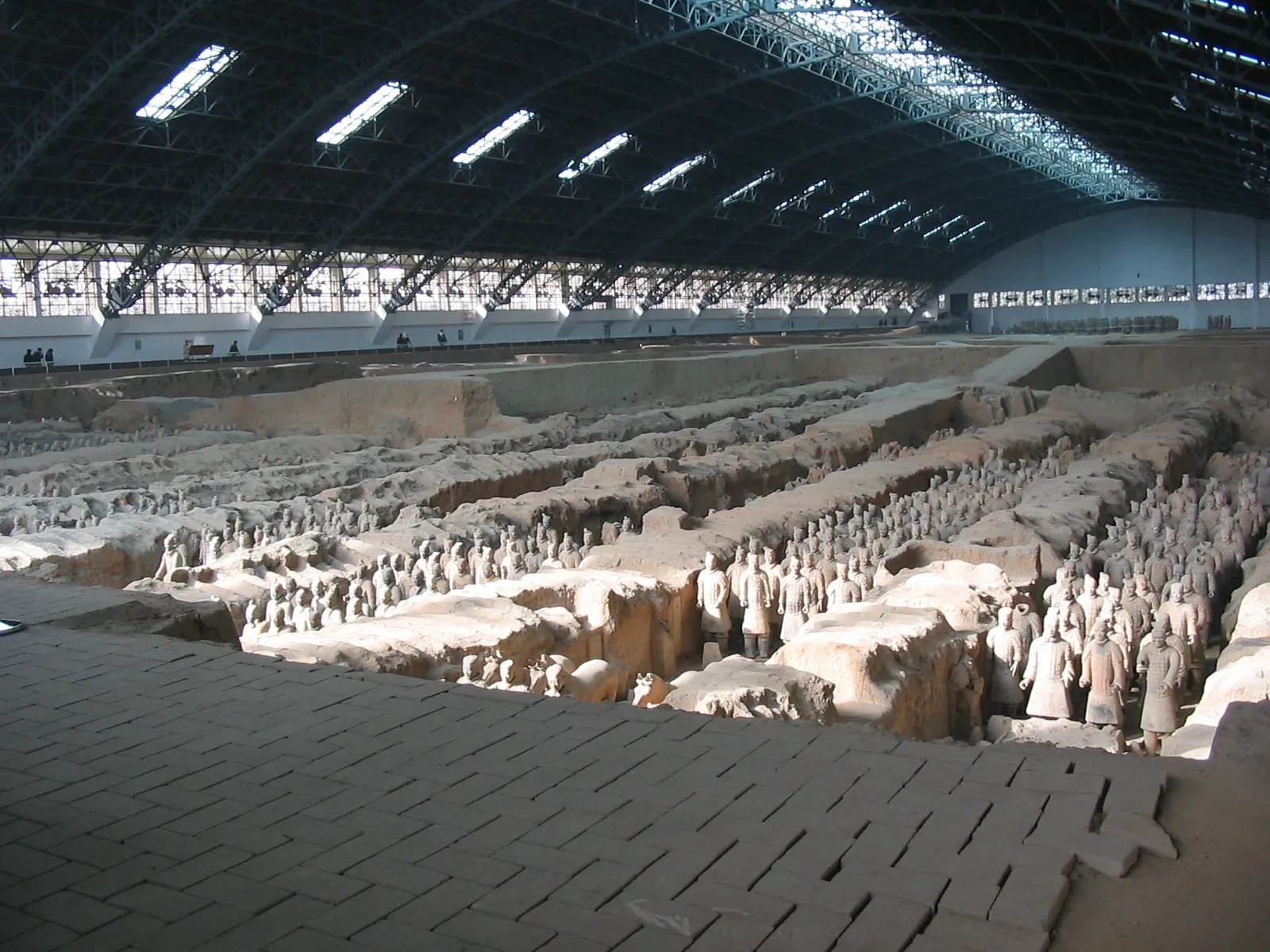
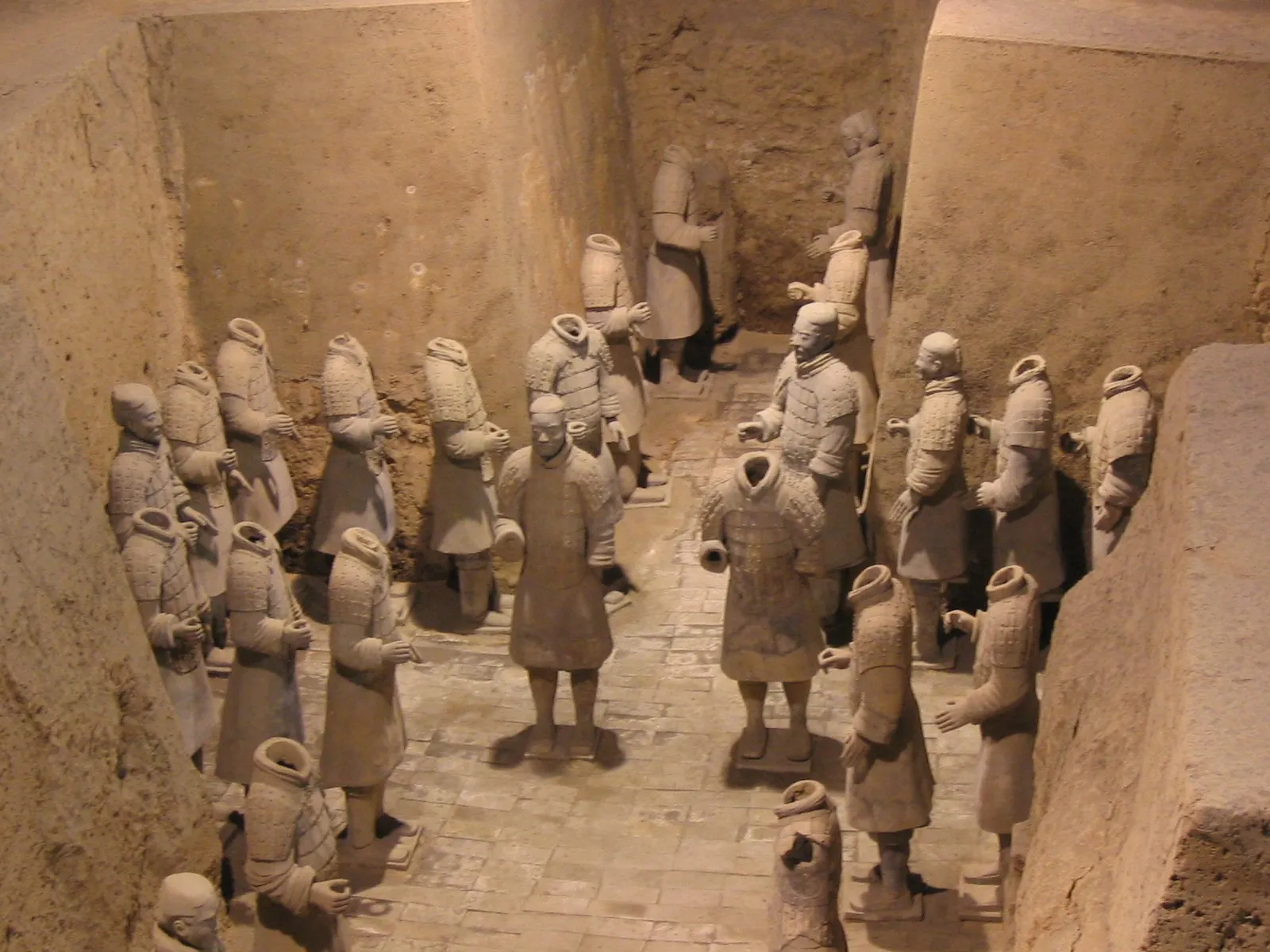
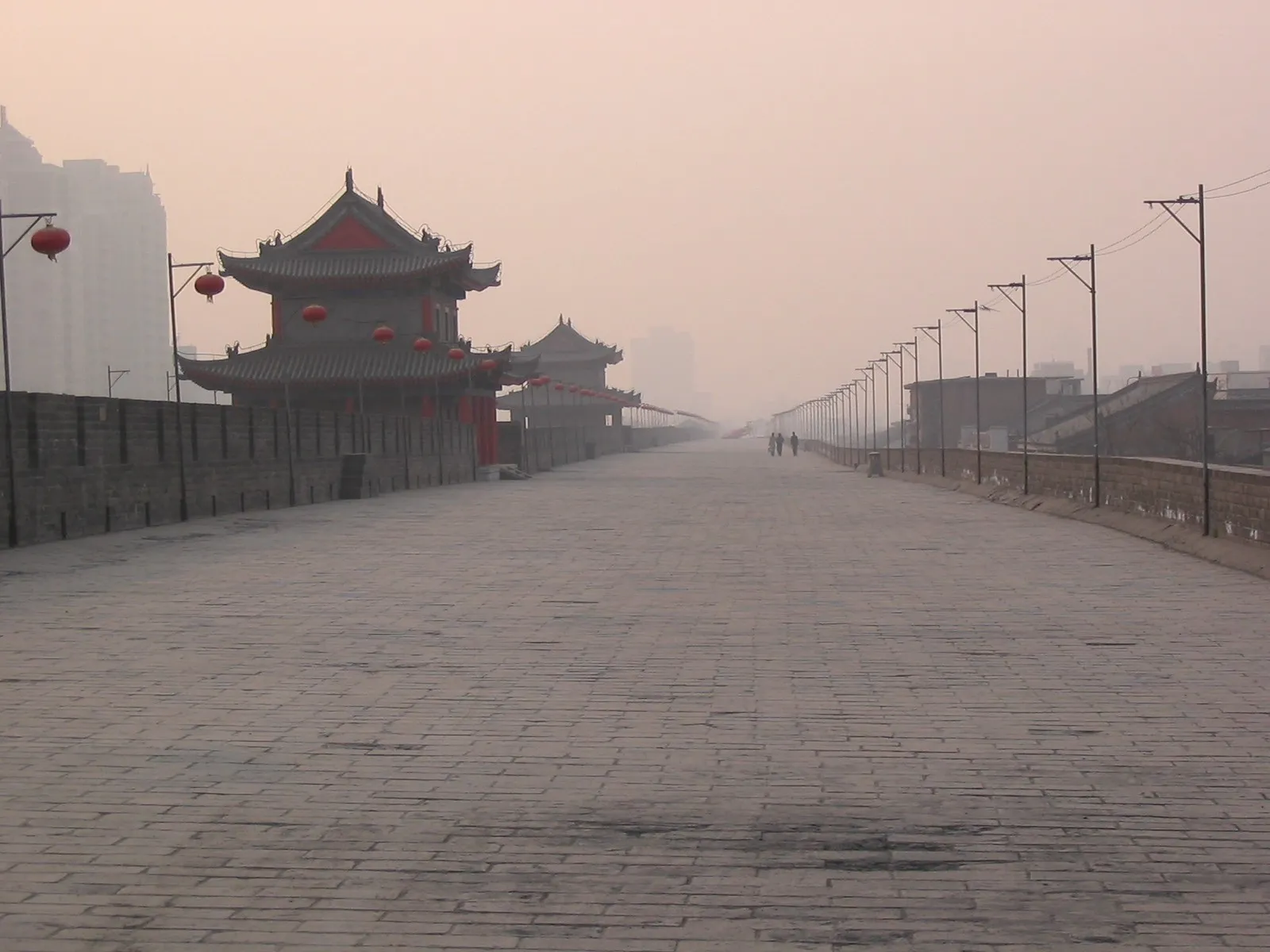
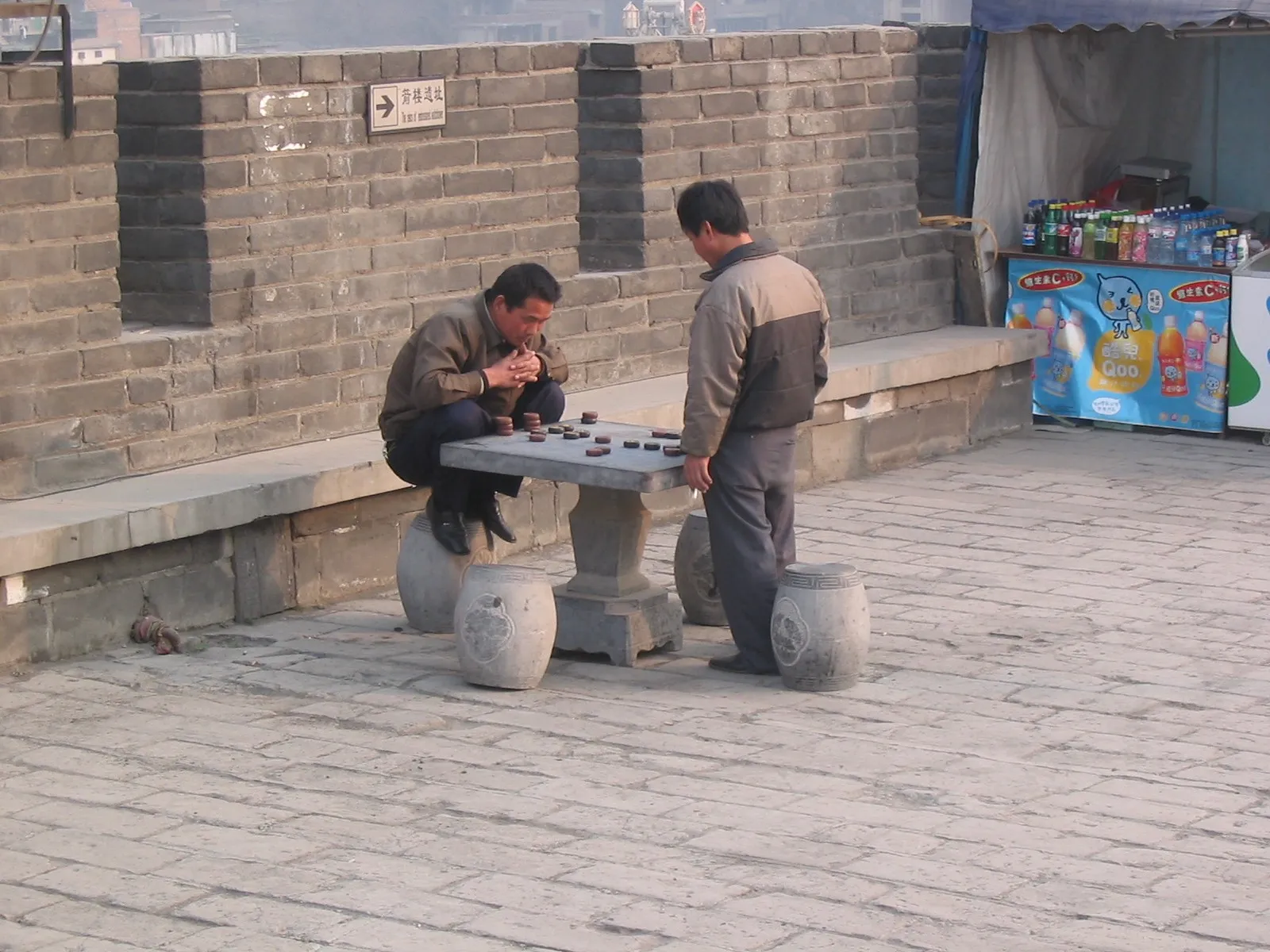
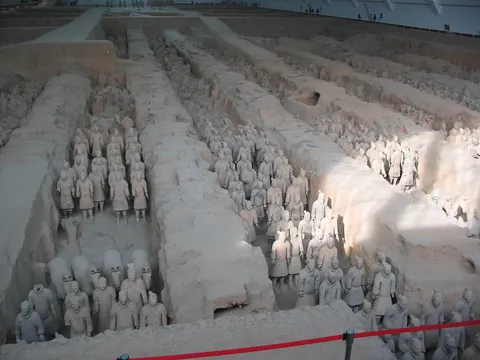
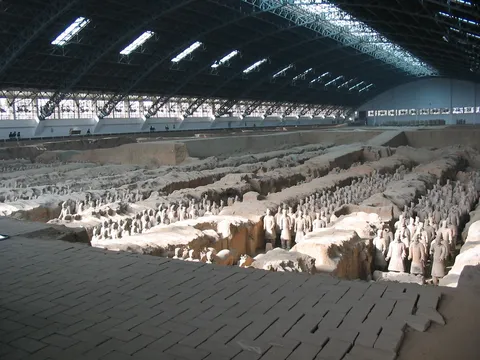
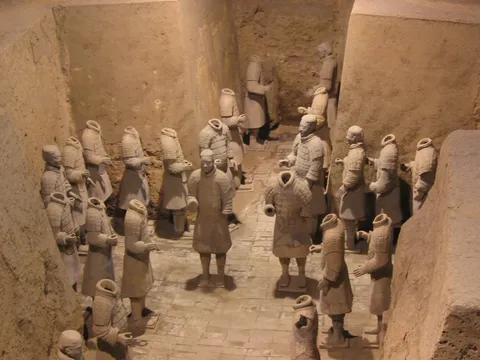
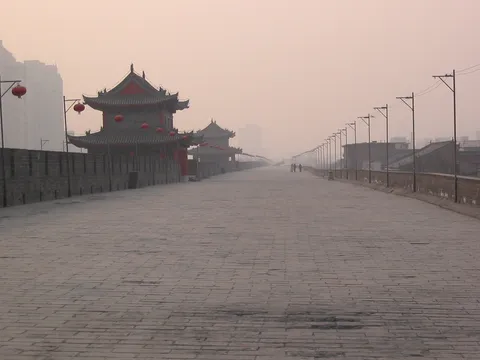
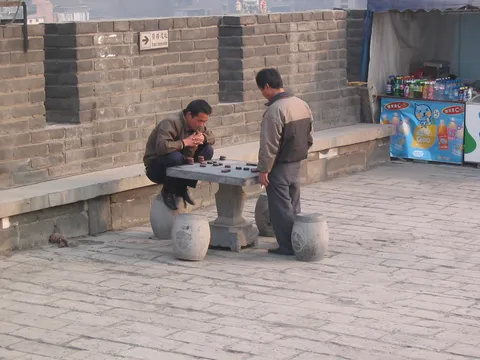
At Lintong, the Terracotta Army of Emperor Qin Shi Huang, discovered in 1974 by farmers digging a well: in Pit 1, thousands of warriors stand in rows, each with a face of its own. In town we cycle along the Ming ramparts, where men play Chinese chess, and visit the Big Wild Goose Pagoda. In the rain, the Great Mosque, built entirely in Chinese style, and the alleys of the Muslim quarter.
By plane↗ 598 km
Chengdu
China
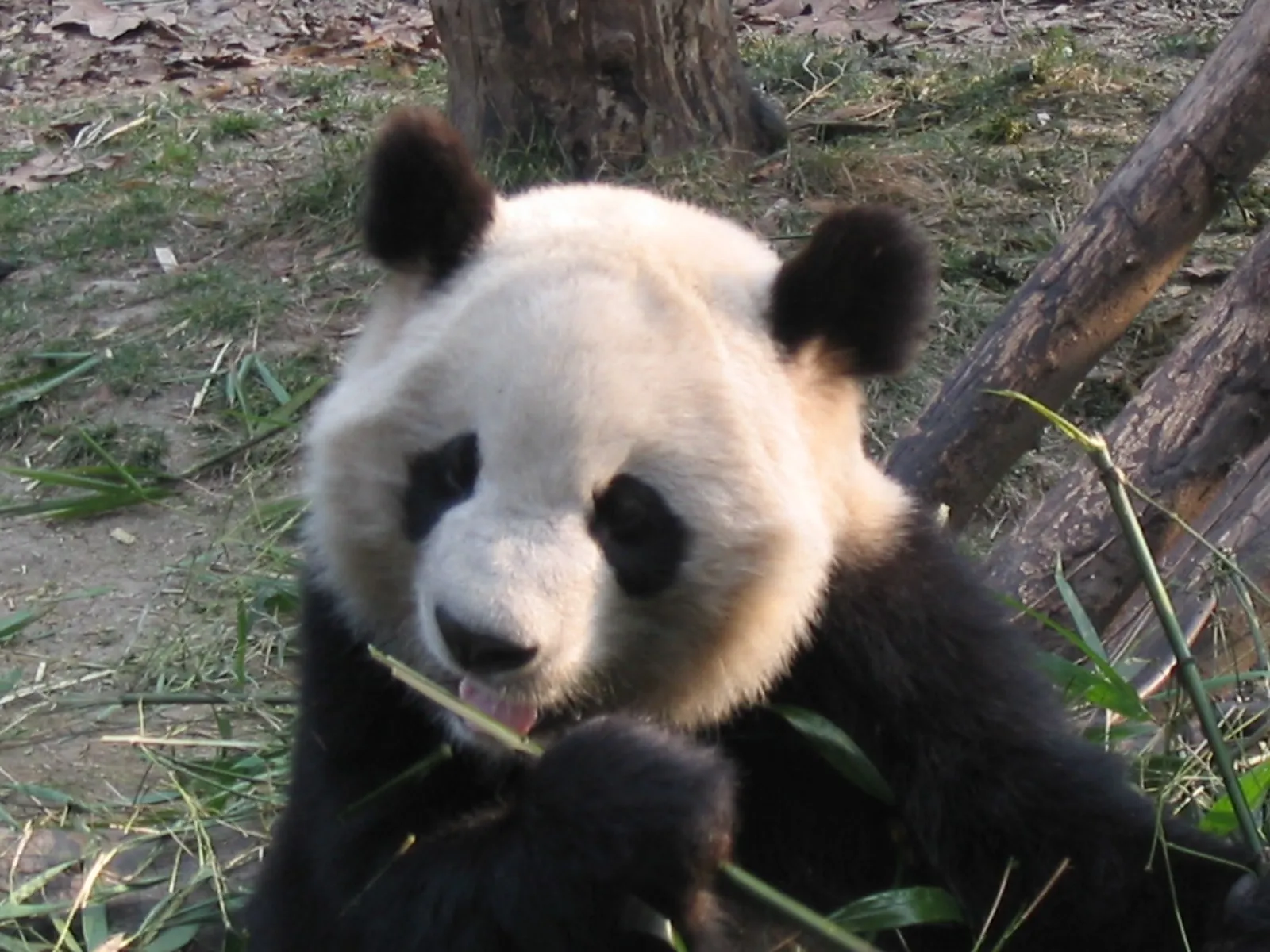
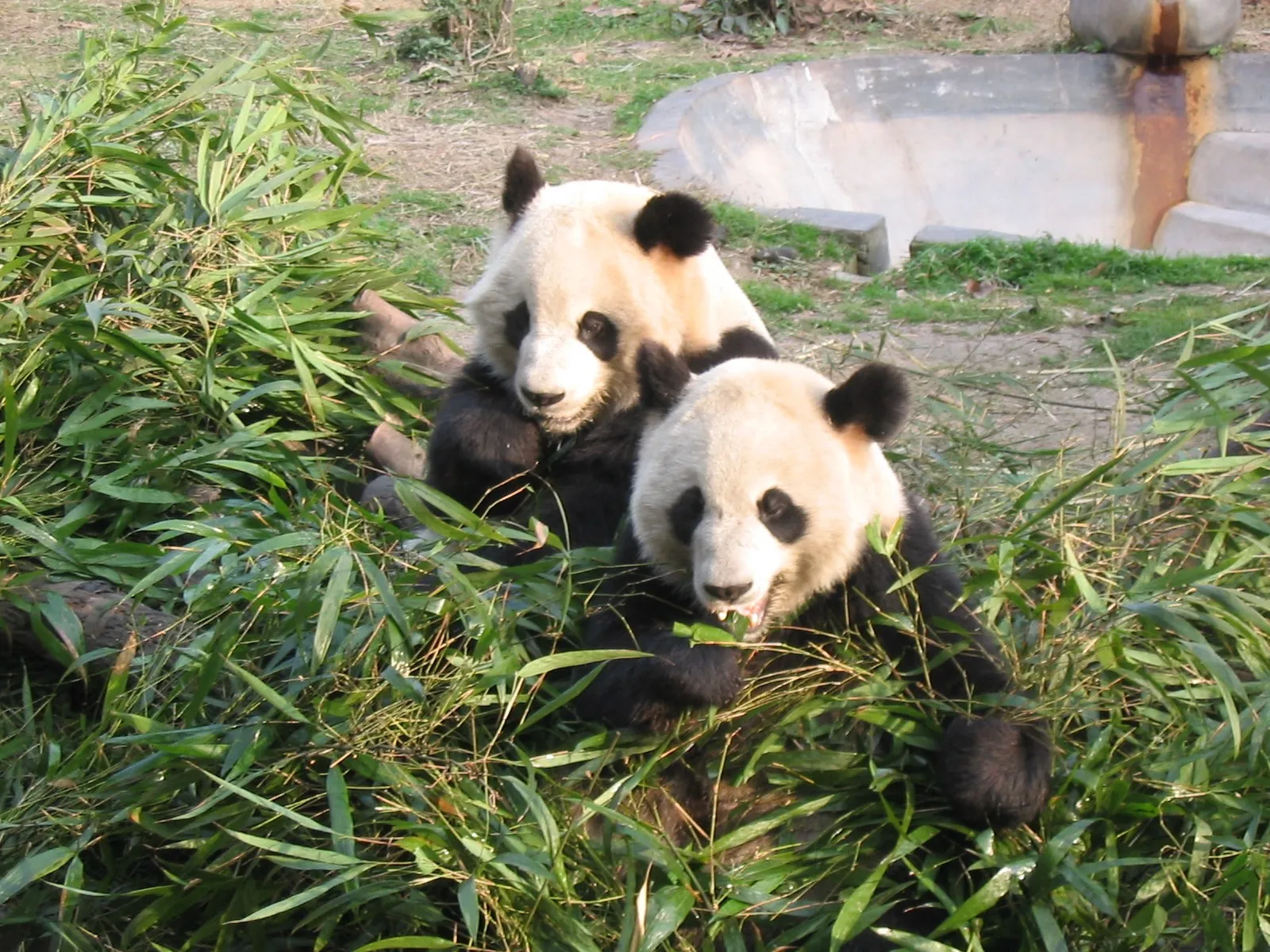
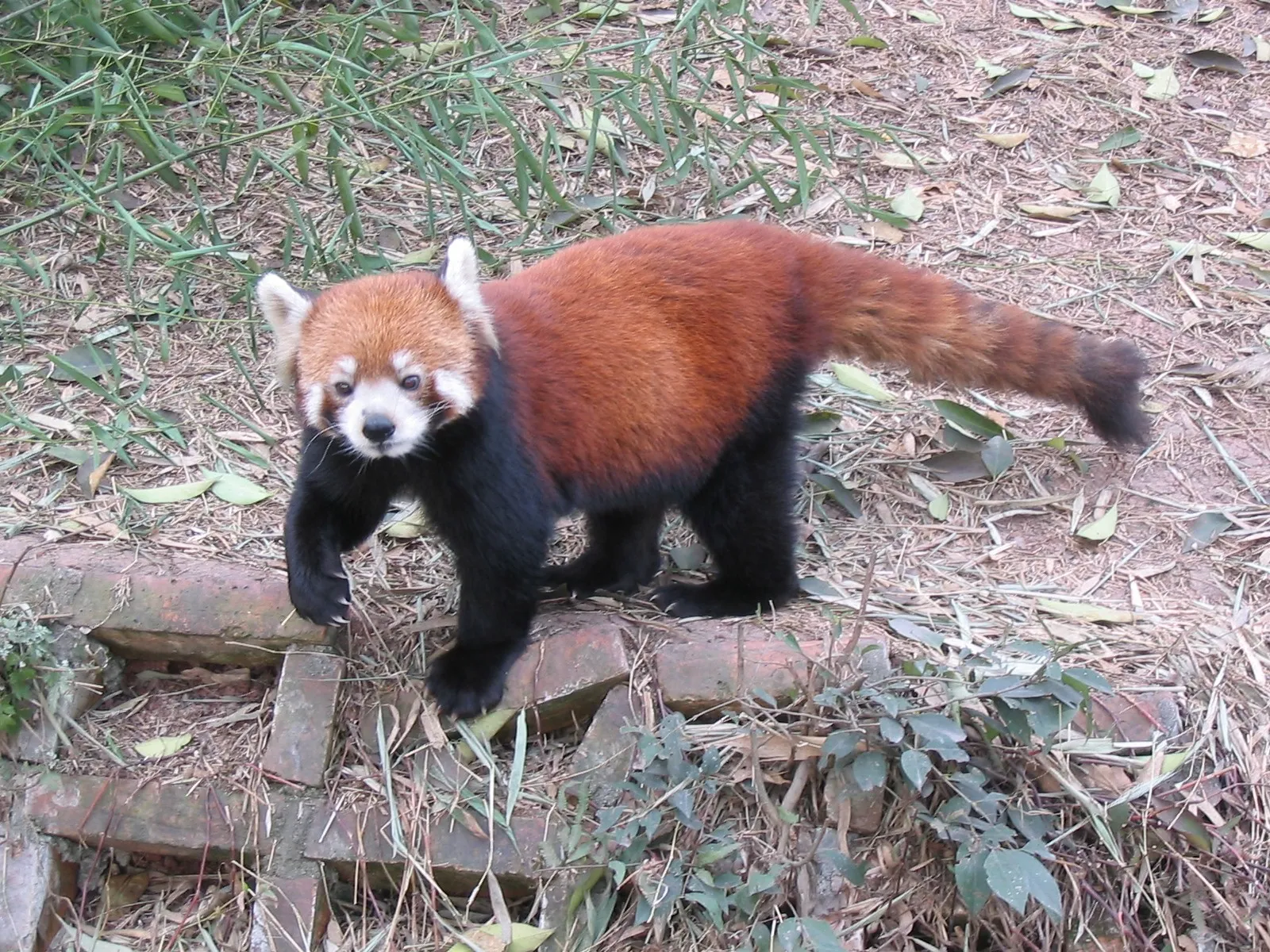
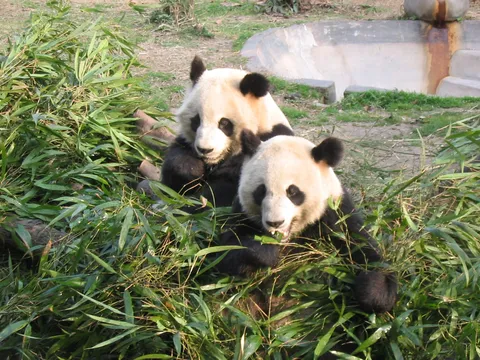
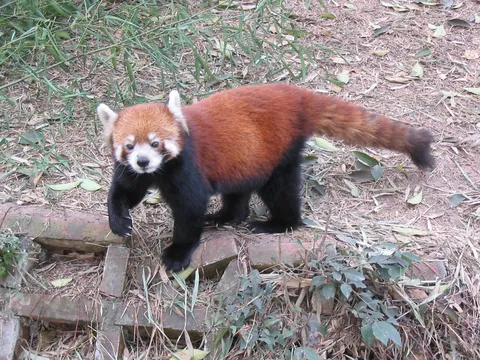
A flight to Sichuan, and the encounter I had been waiting for most: the giant pandas of the Chengdu Research Base of Giant Panda Breeding. They chew their bamboo with perfect slowness, a few metres away from us. More discreet, the red panda slips between the branches.

By road↗ 137 km
The Leshan Giant Buddha
China
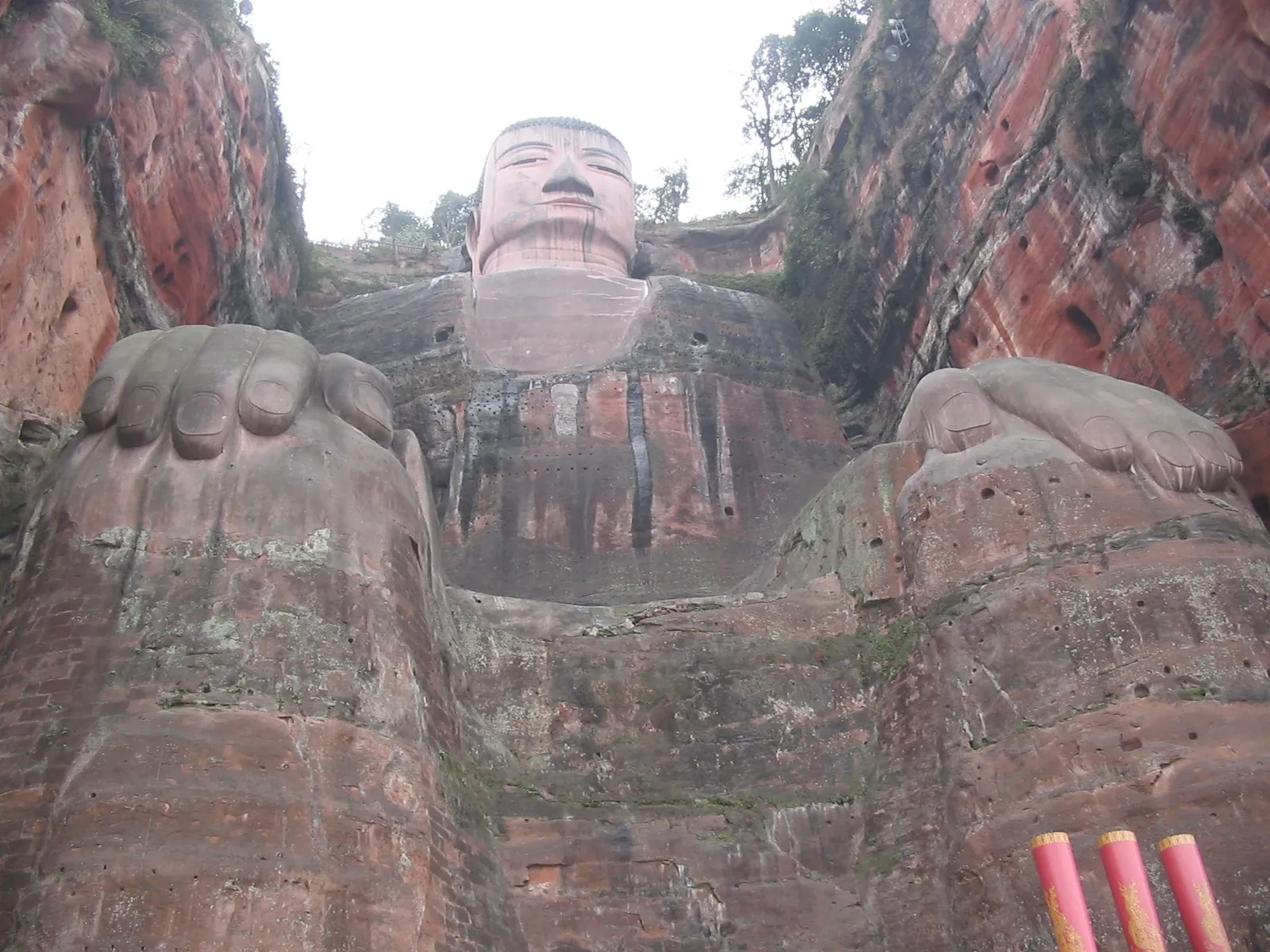
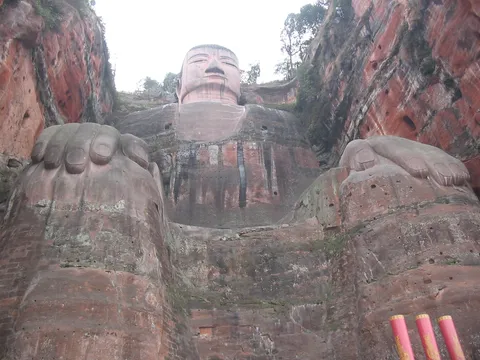
Carved into the red sandstone cliff at the confluence of three rivers, the Leshan Giant Buddha is 71 metres tall; it took almost ninety years, in the 8th century, to sculpt. A narrow stairway down the rock face leads to its feet, where a person barely fits on a single toenail.
By road↗ 32 km
Mount Emei
China
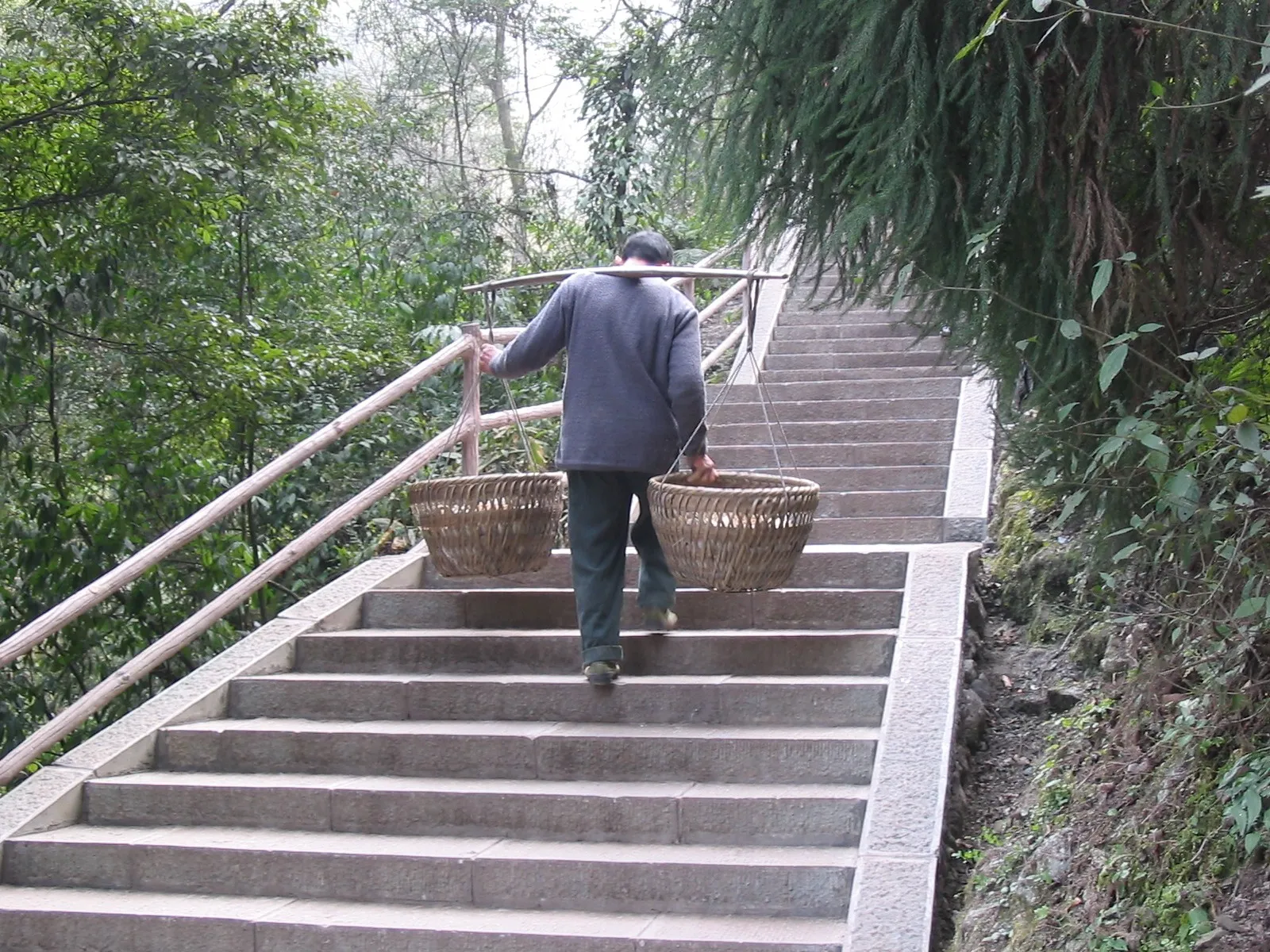
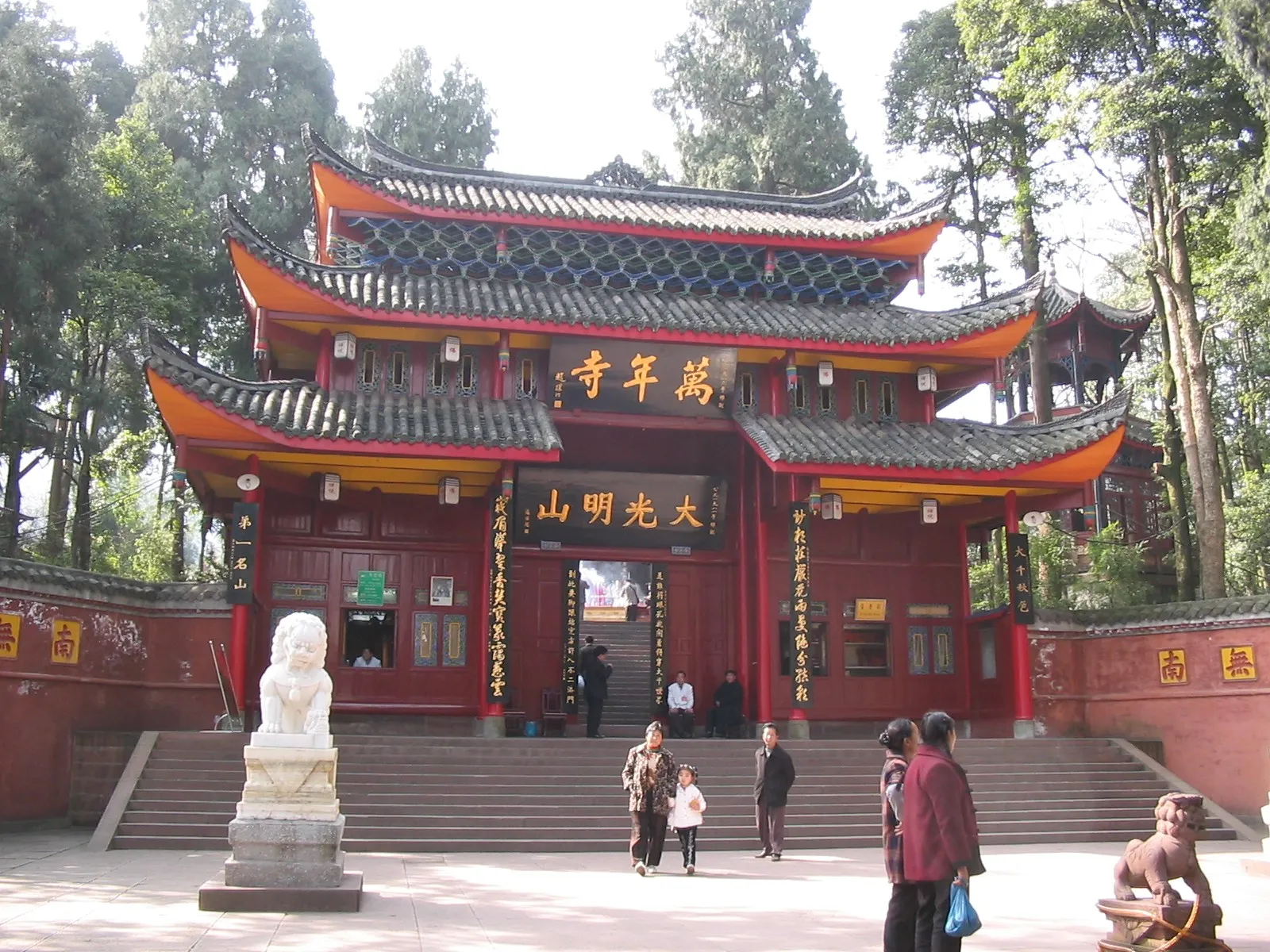
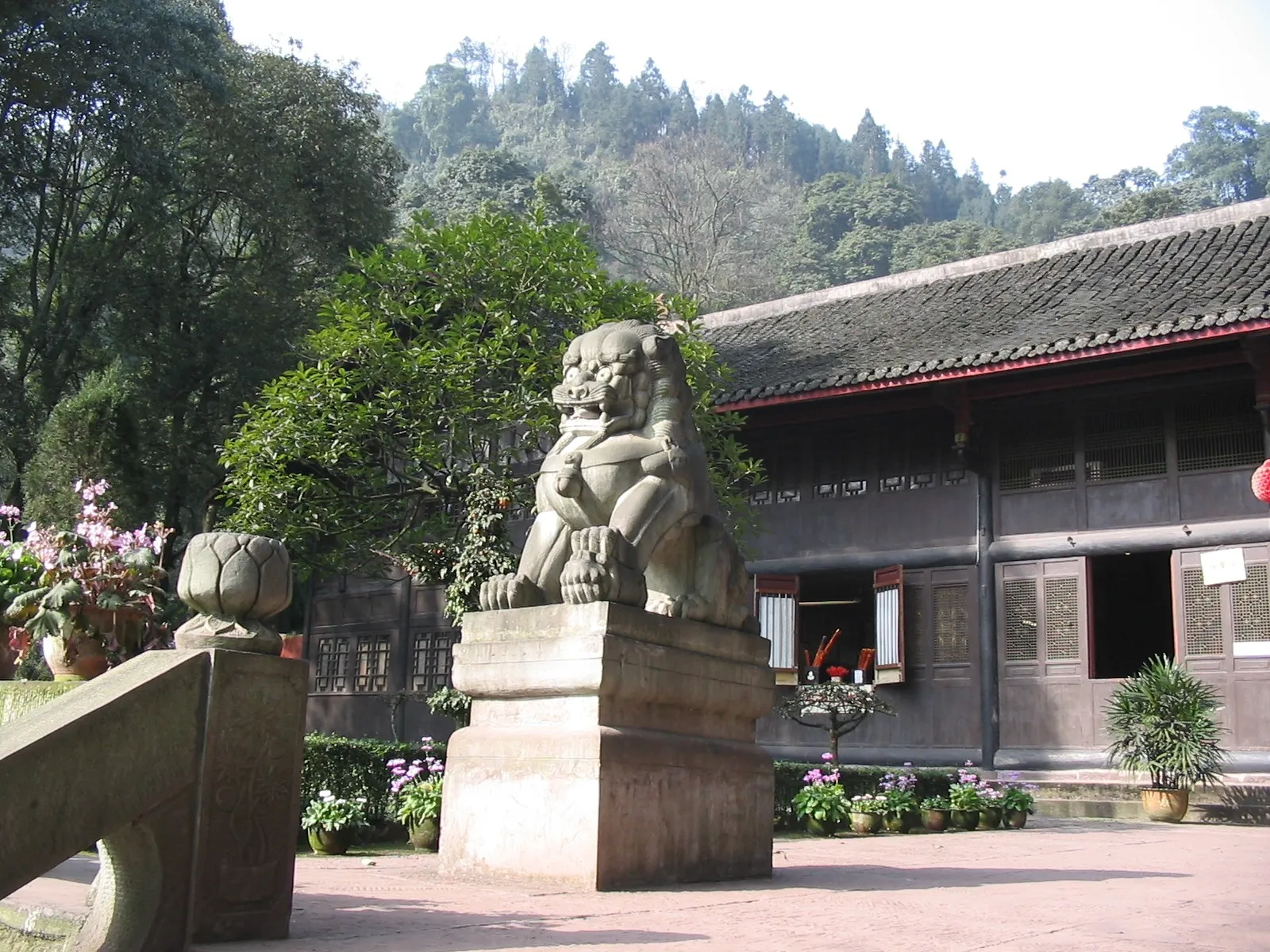
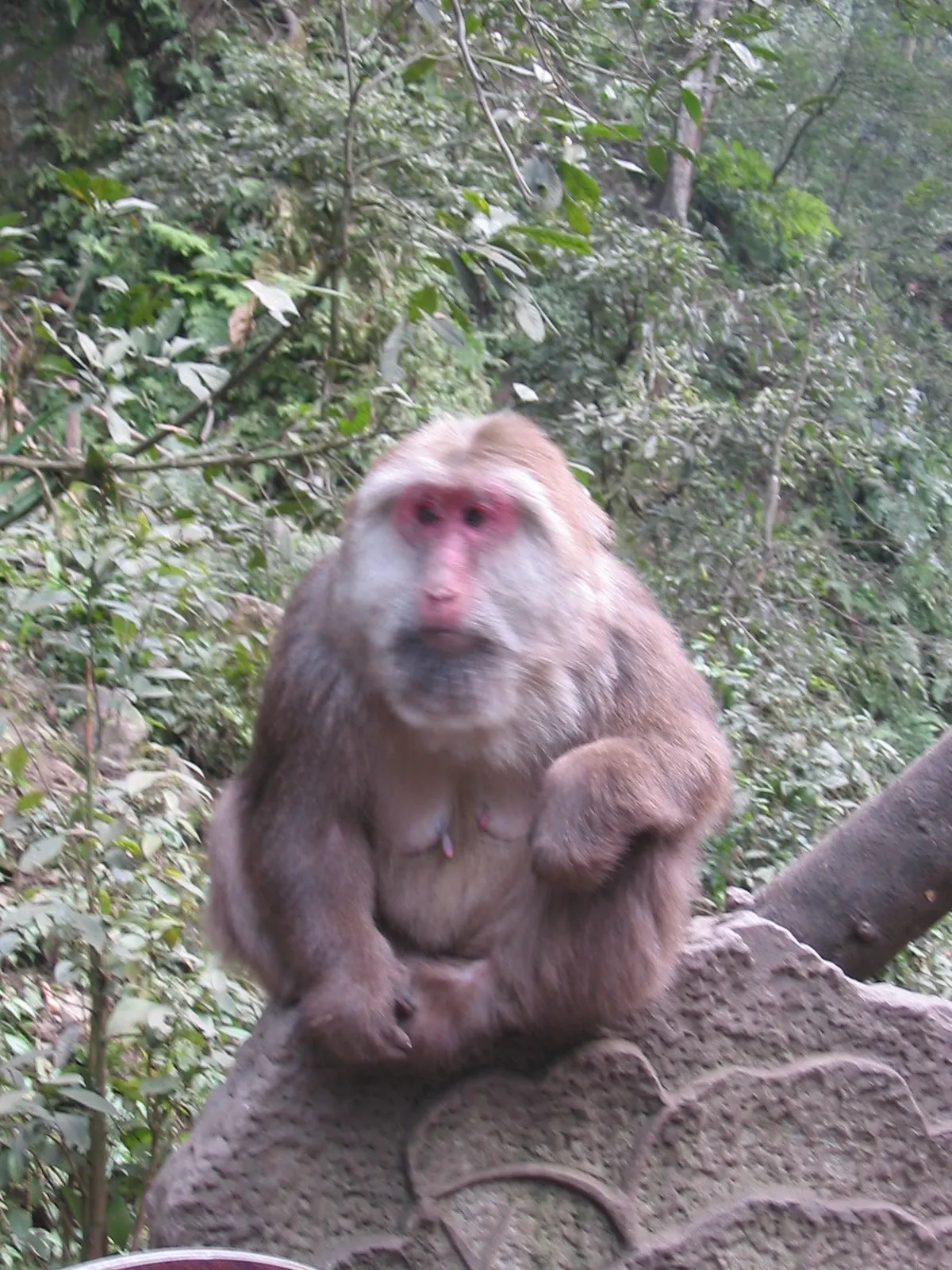
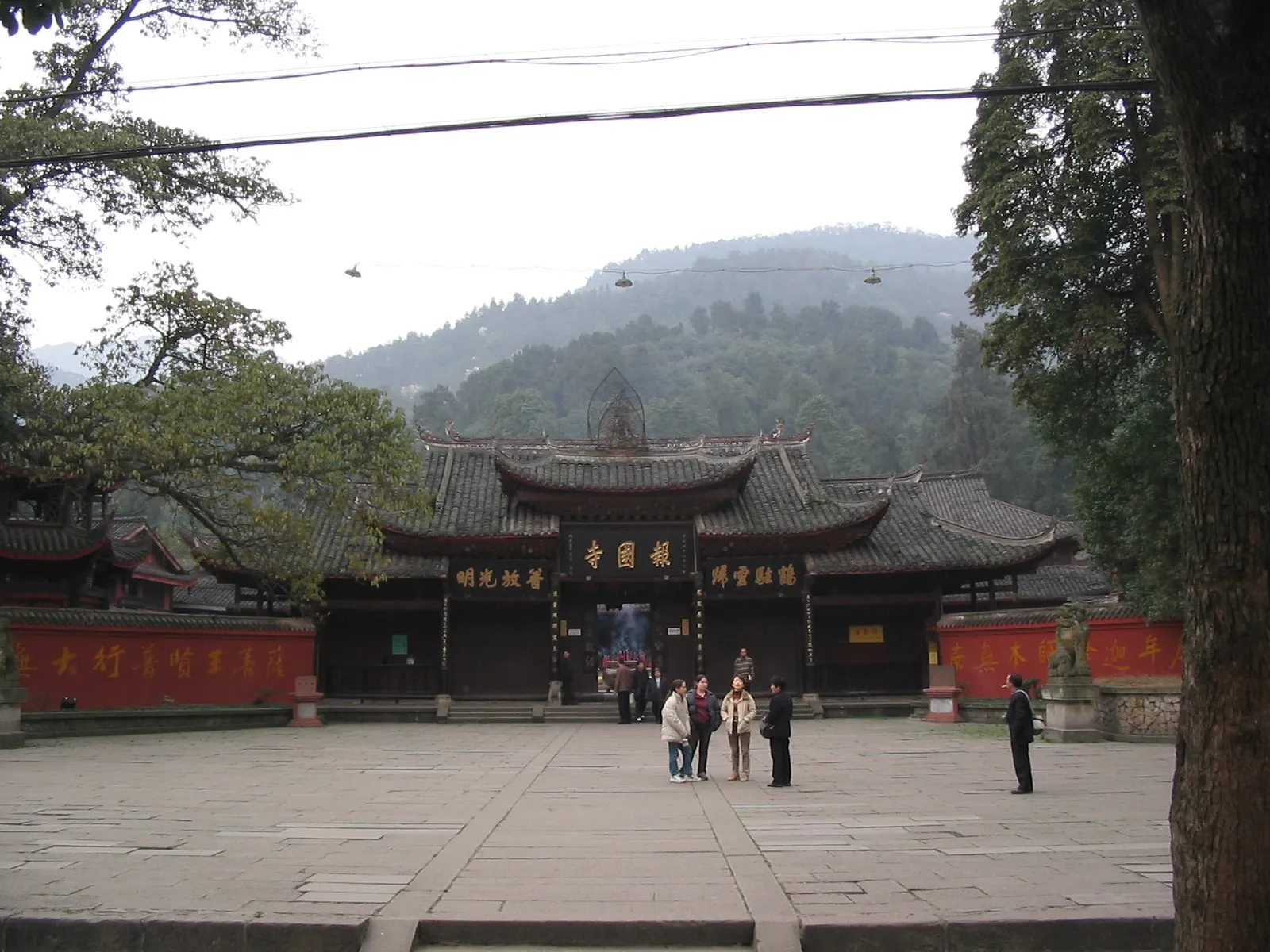
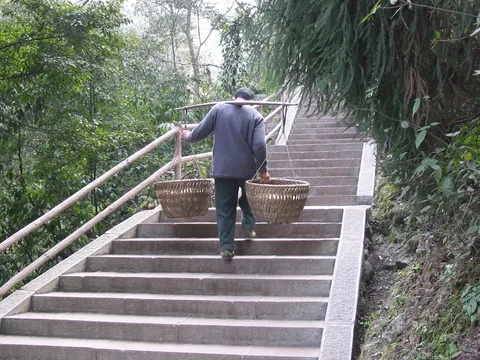
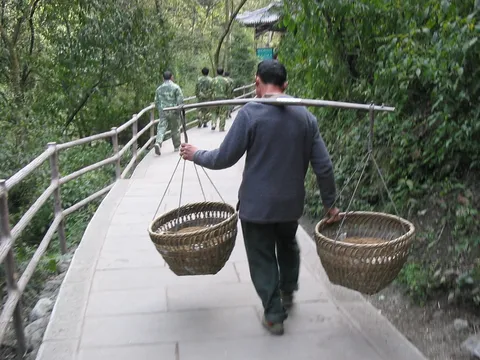
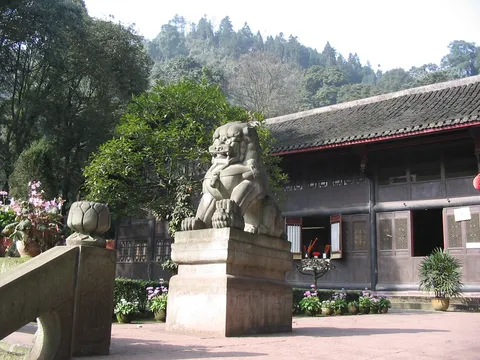
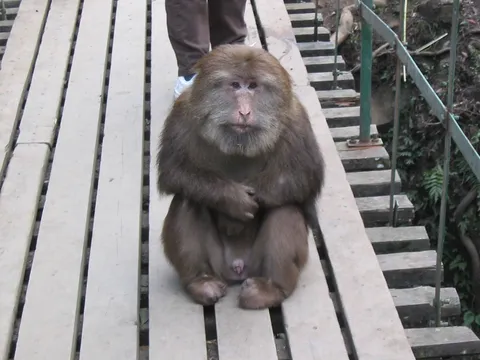
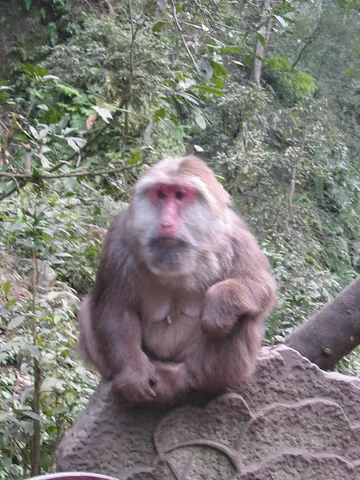
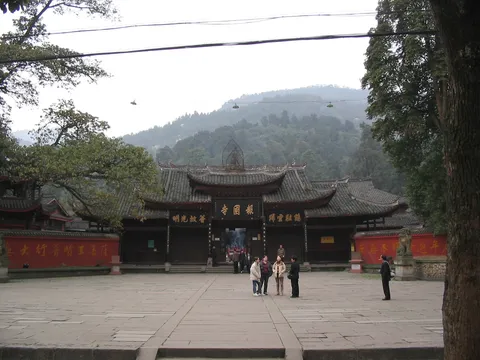
Emei Shan is one of the four sacred mountains of Chinese Buddhism. From Baoguo monastery the pilgrims’ path climbs through damp forest, from pavilions to stone bridges, past porters laden with baskets. On the steps macaques keep an eye on visitors, and mist covers the Sichuan plain.

By road↗ 228 km
The Dazu Rock Carvings
China
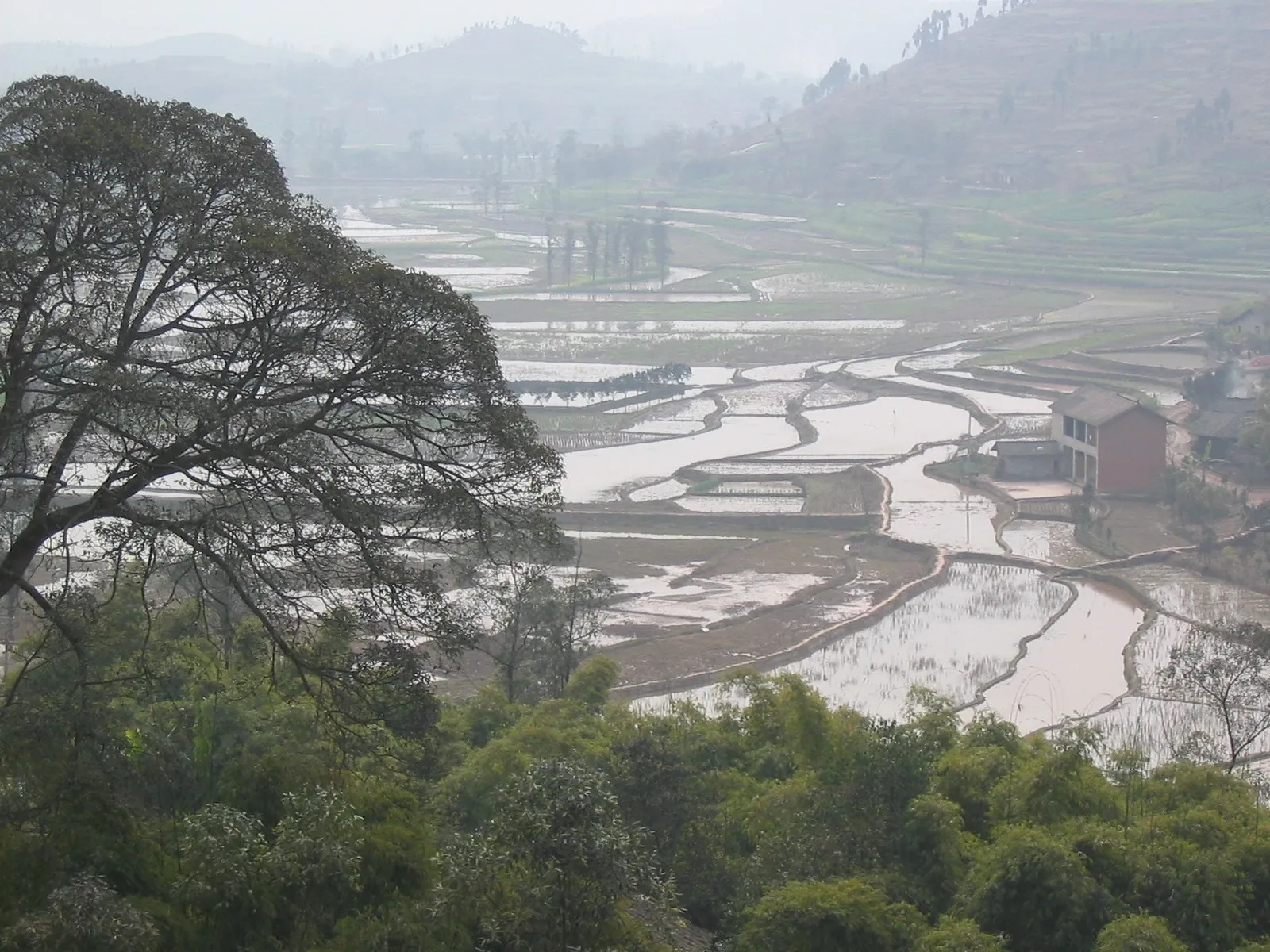
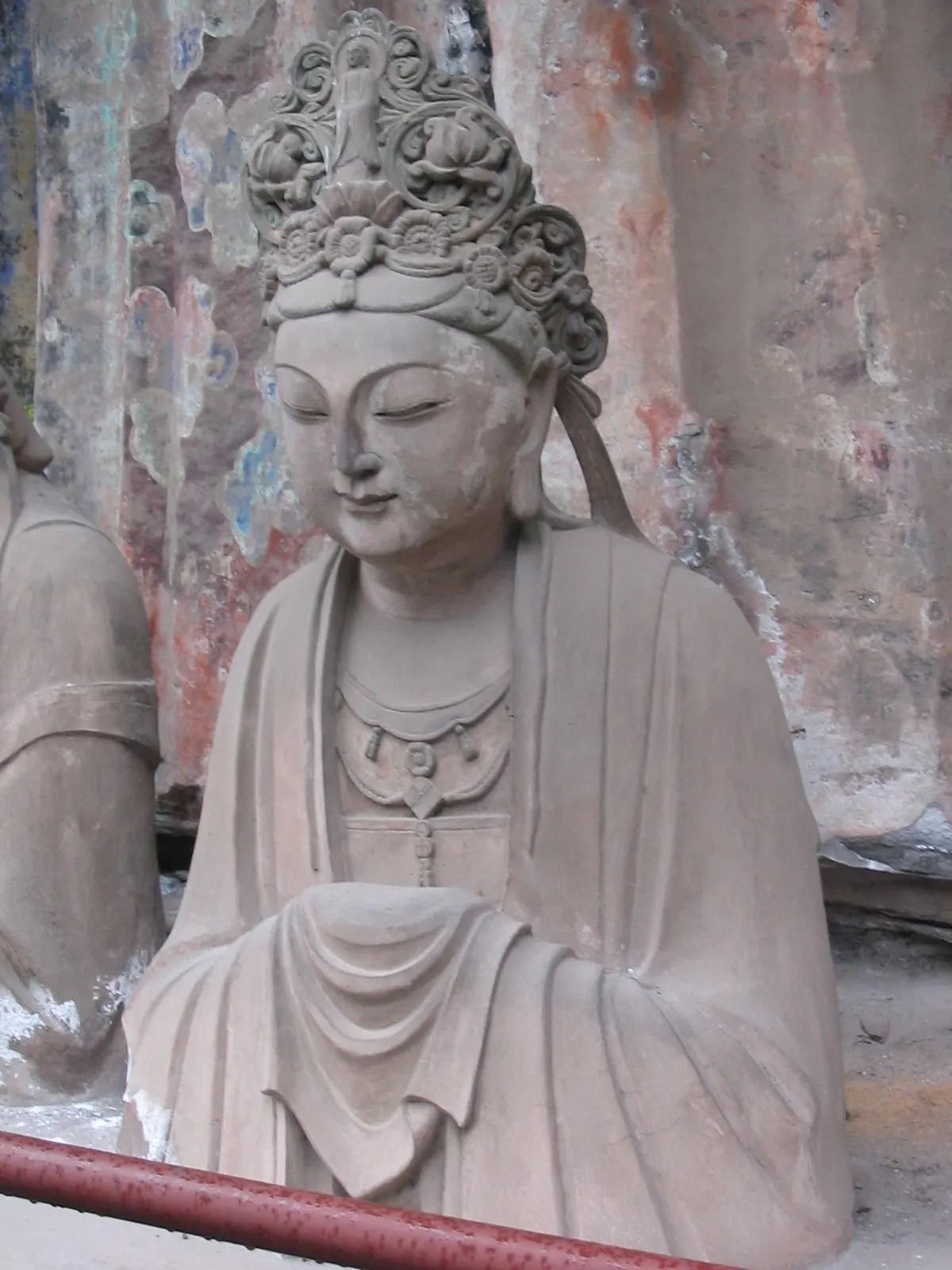
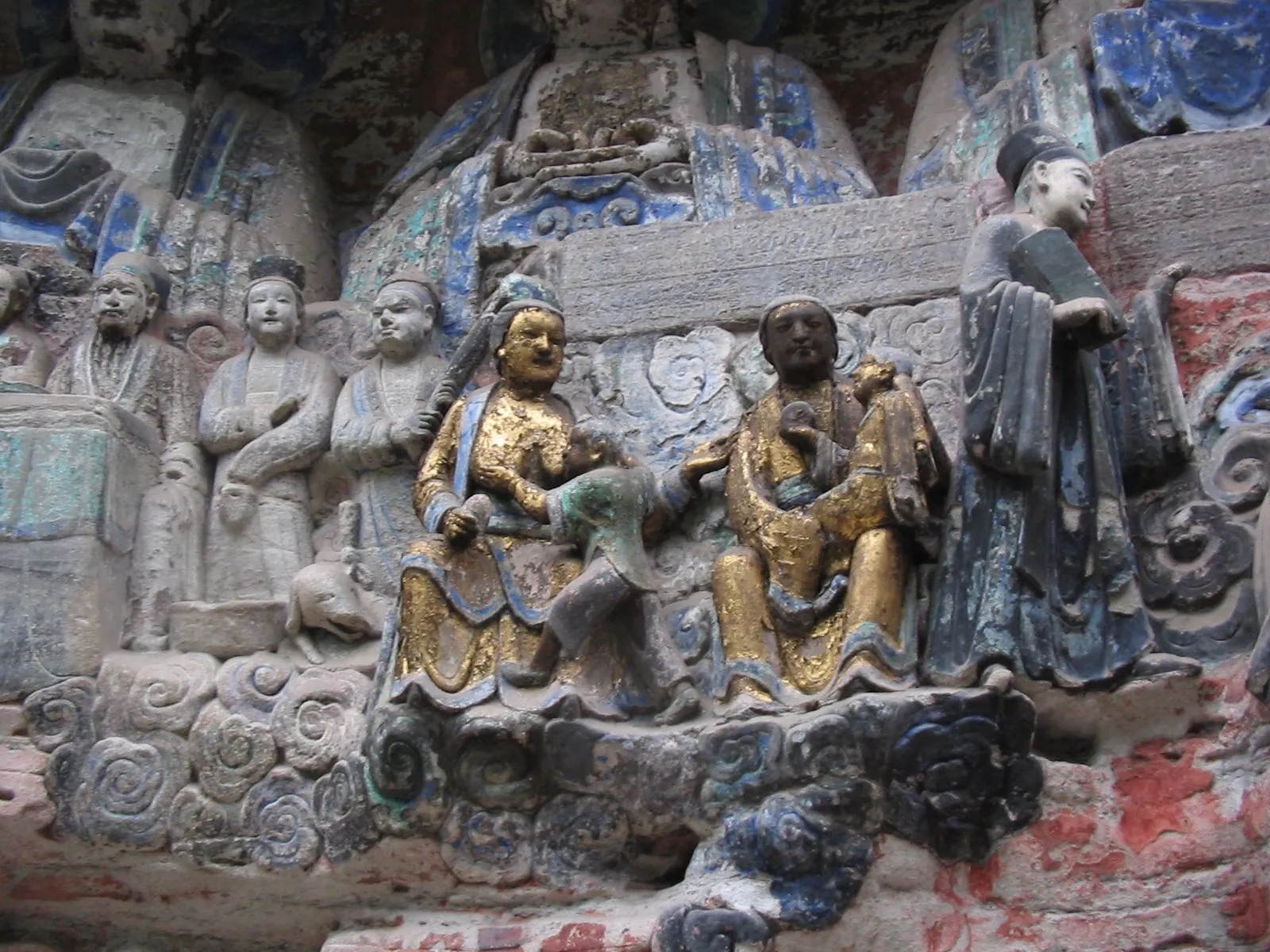
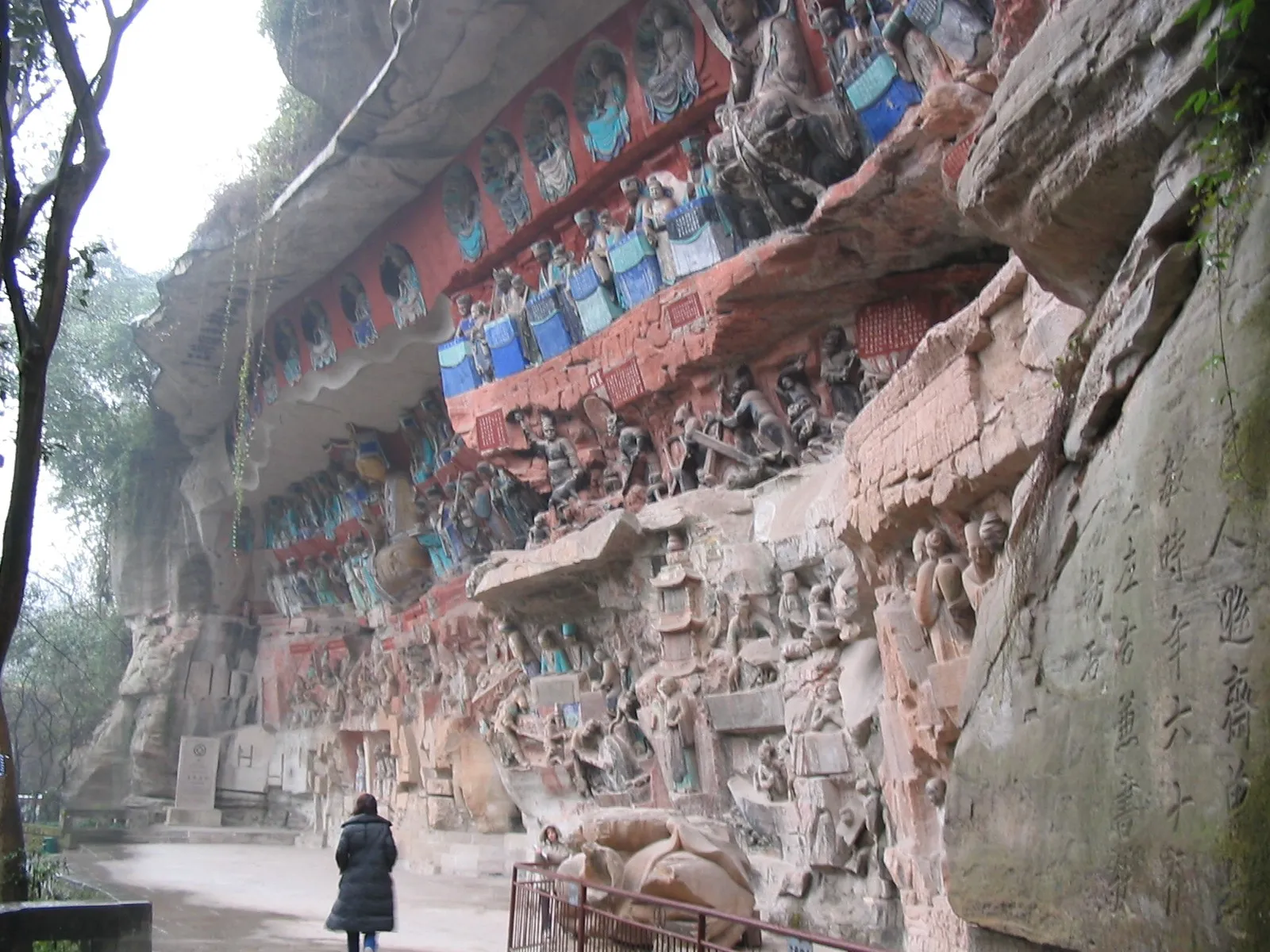
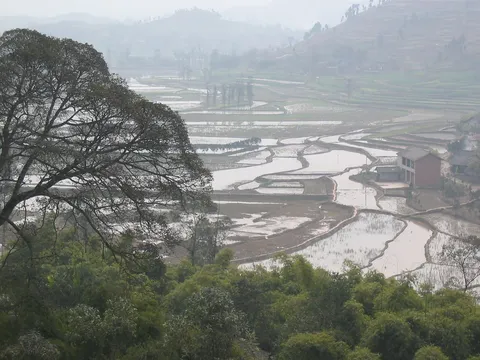
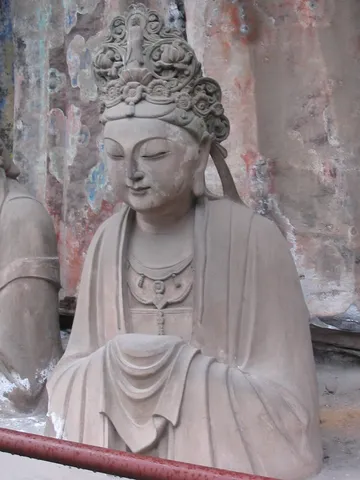
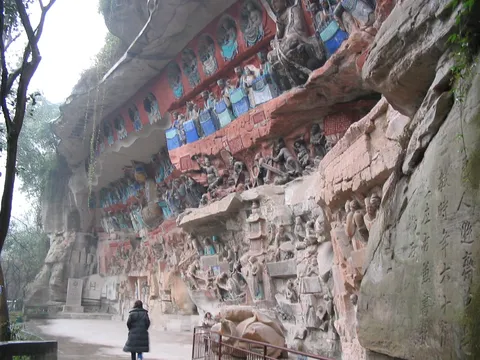
A long road through the Sichuan hills, between flooded rice terraces and farms hidden in bamboo. At Baodingshan the Dazu rock carvings, cut under the Song dynasty between the late 12th and mid-13th centuries, unfold across the cliff: the Wheel of Reincarnation, a 31-metre reclining Buddha, a gilded thousand-armed Guanyin and still-painted scenes of filial piety.

By plane↗ 666 km
Guilin
China
In the evening a flight from Chongqing drops us in Guilin, in Guangxi, the gateway to the karst landscapes of southern China.
By boat↗ 45 km
The Li River
China
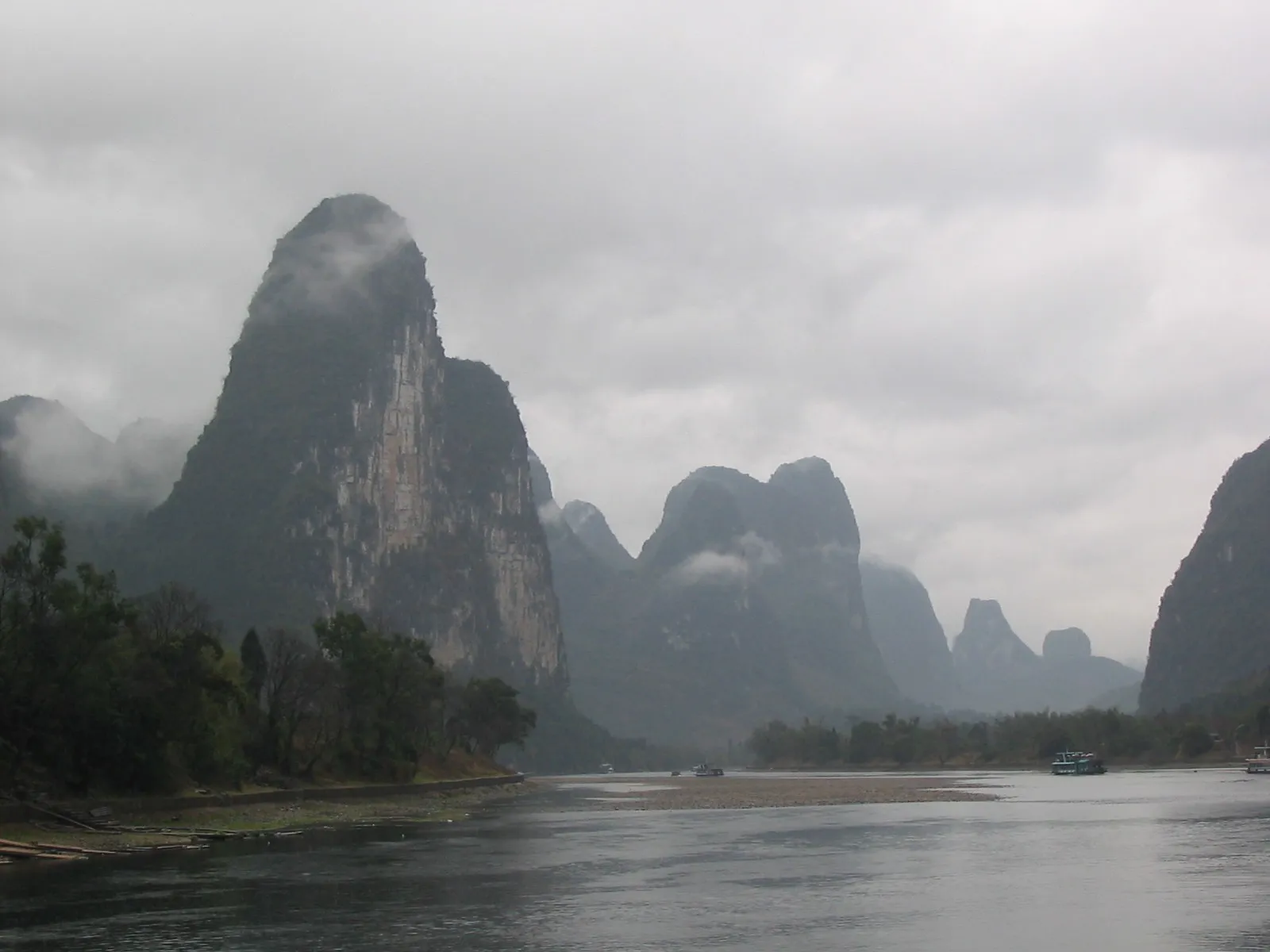
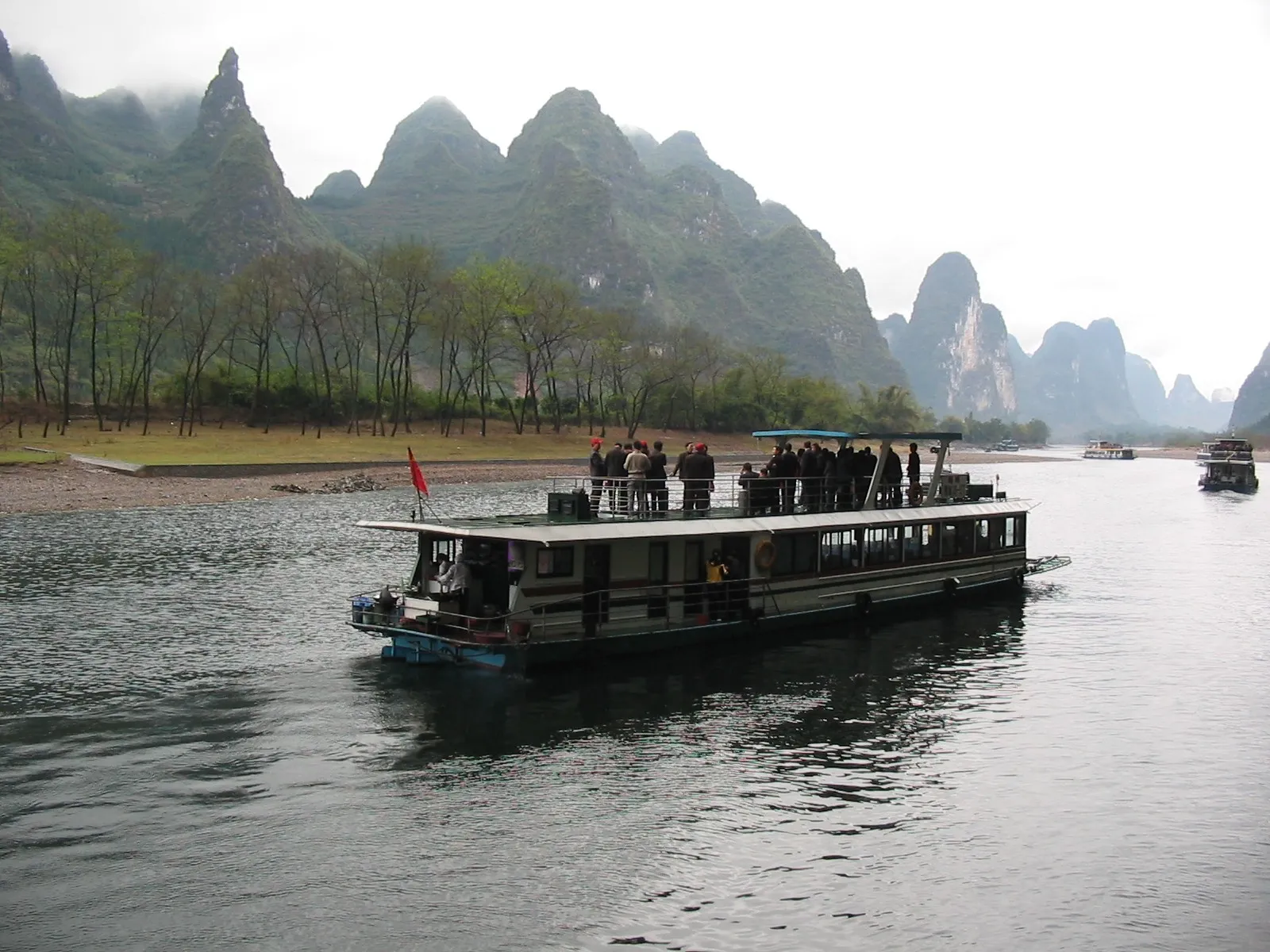
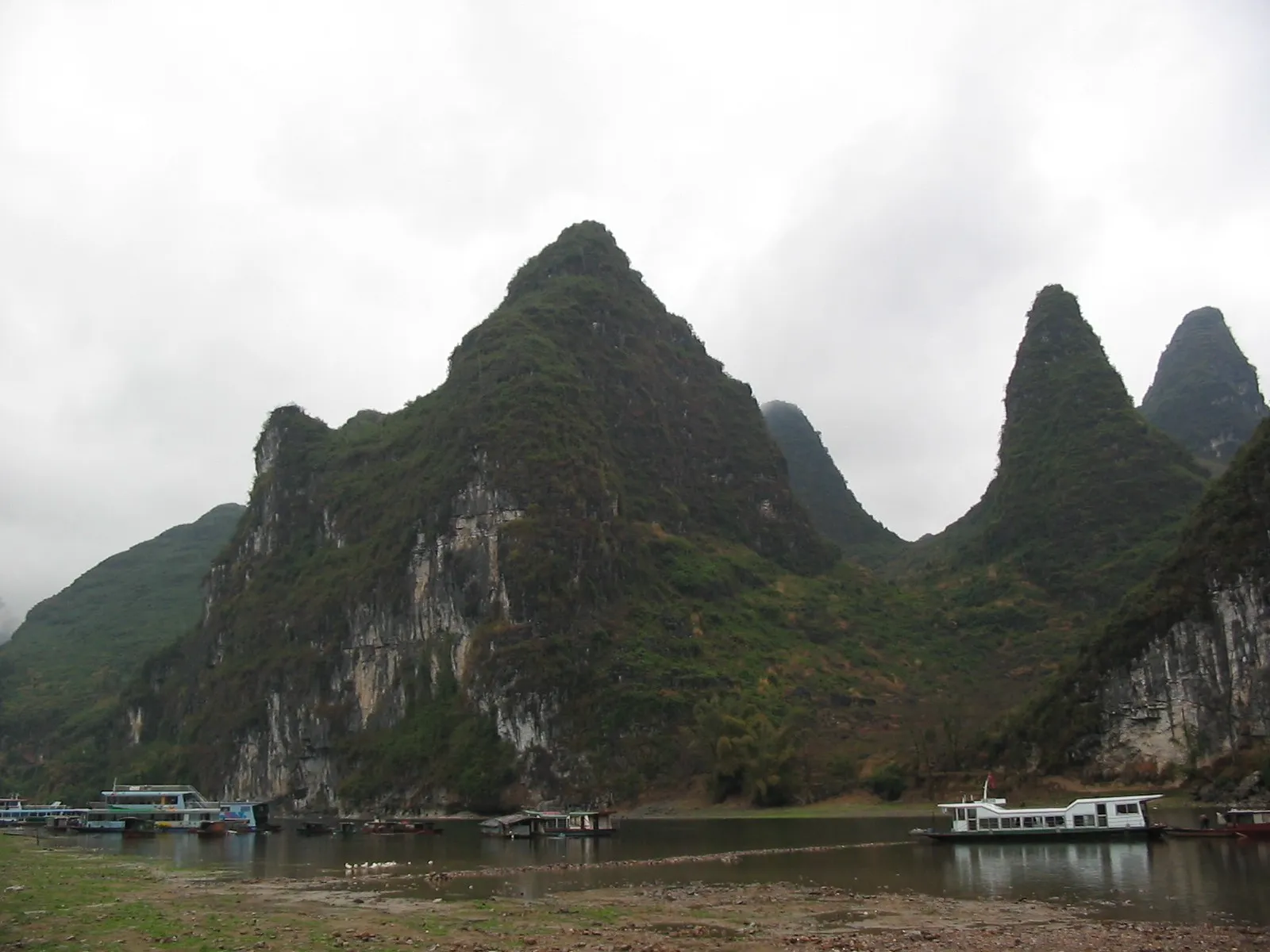
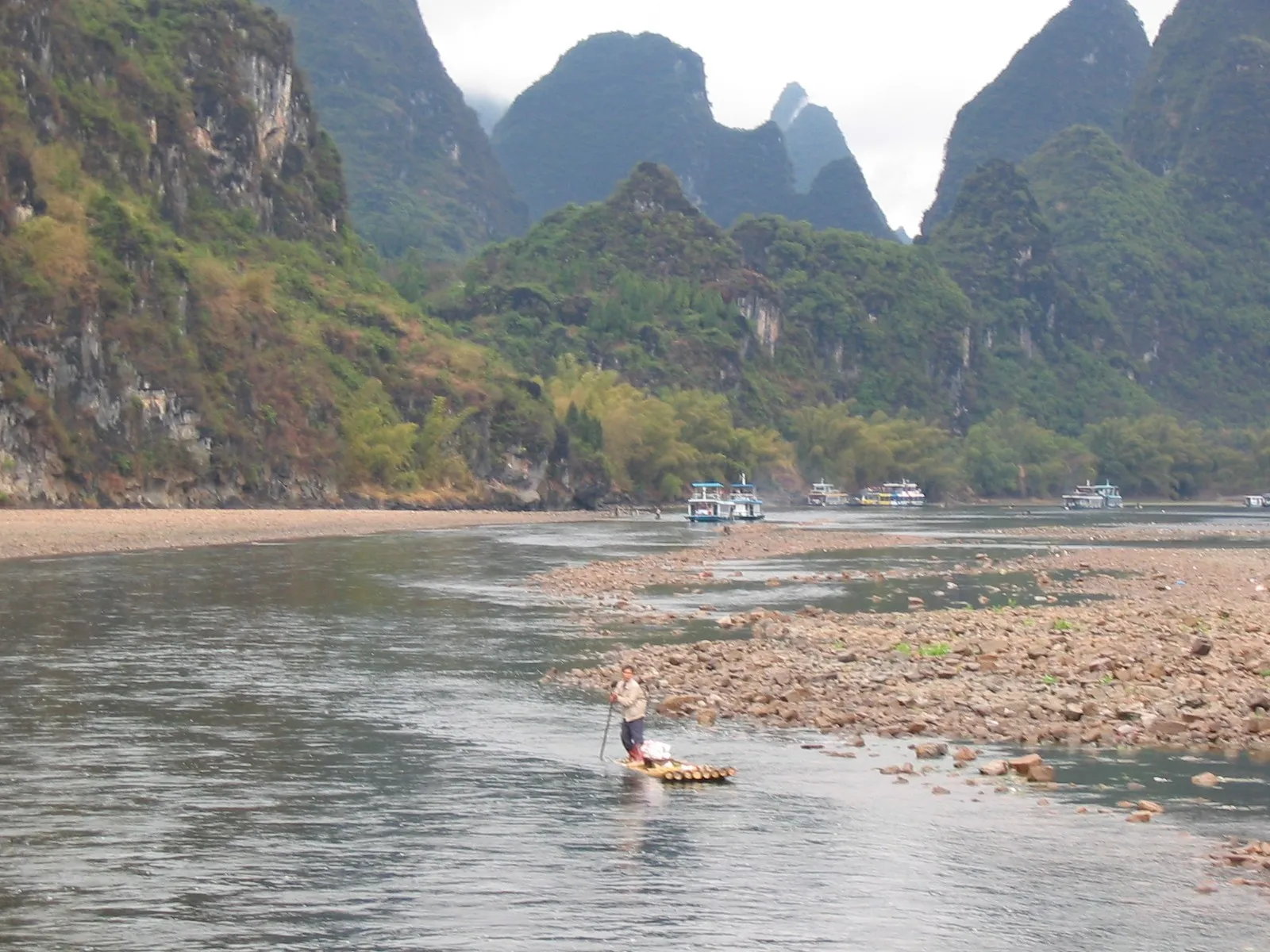
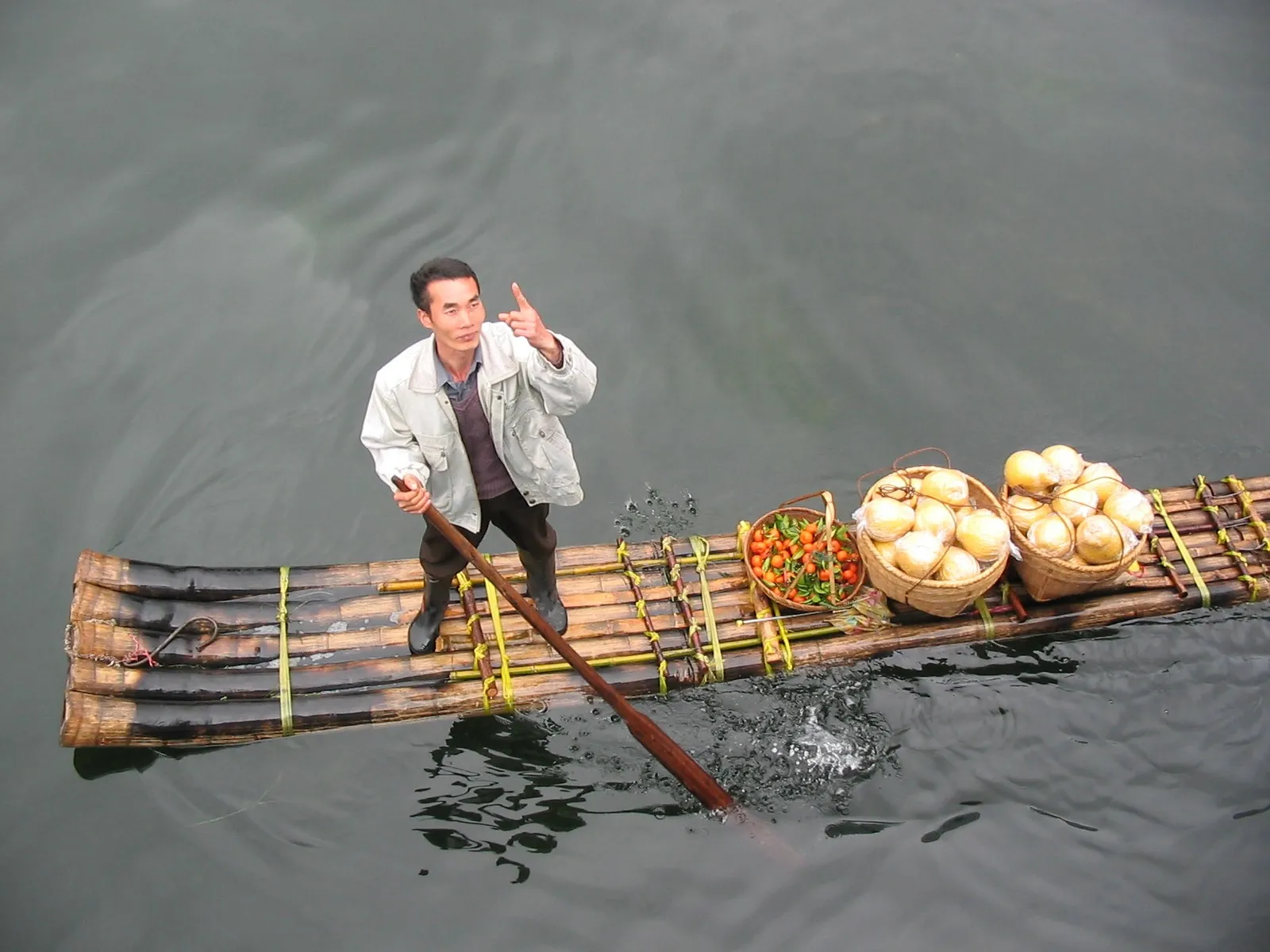
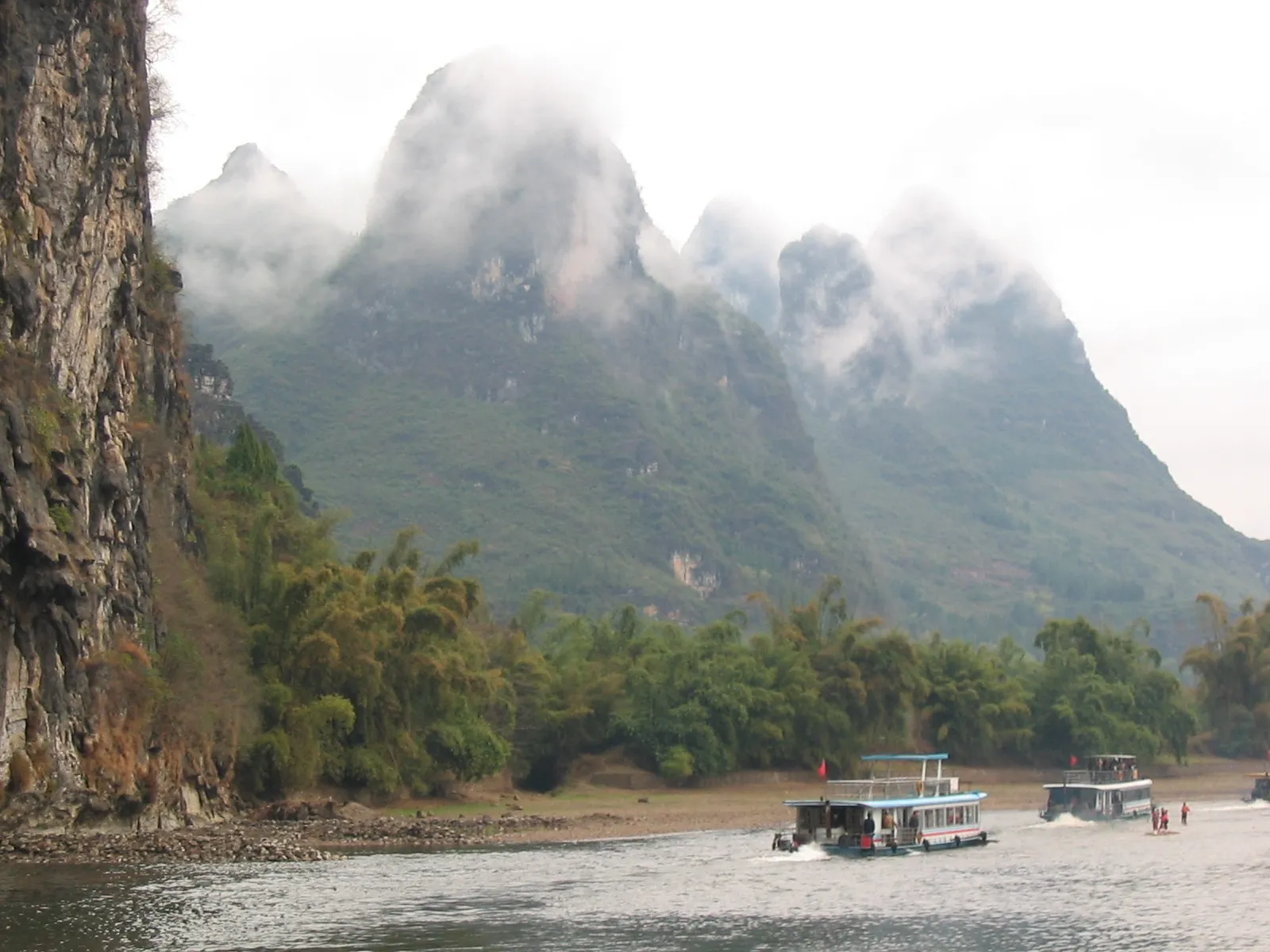
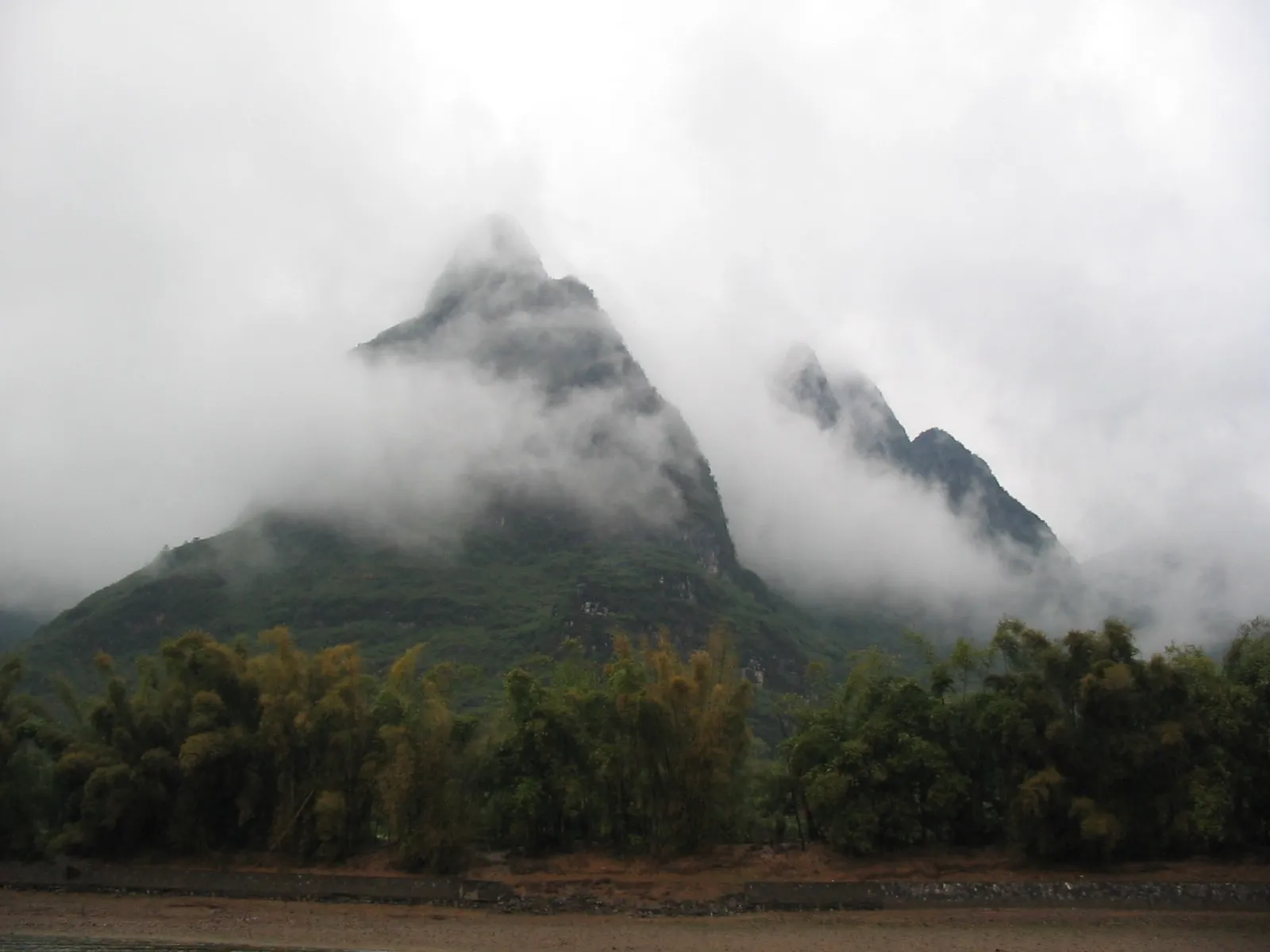
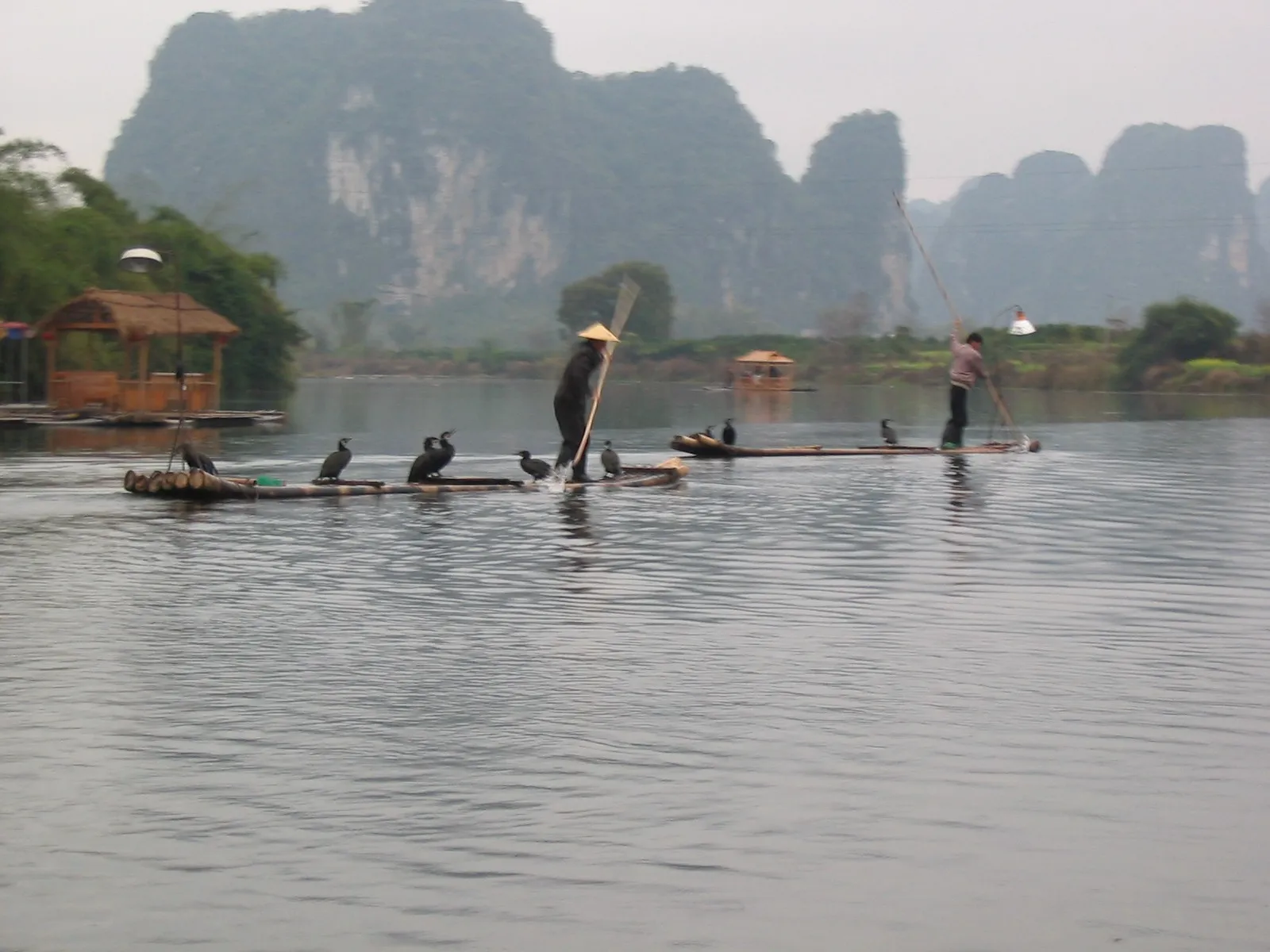
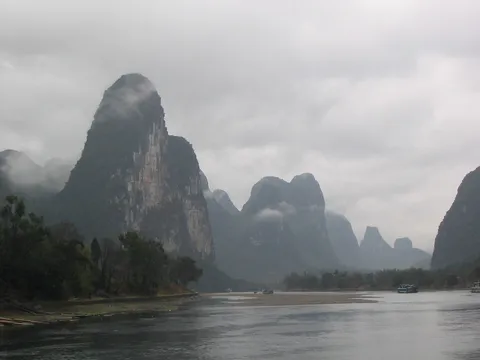
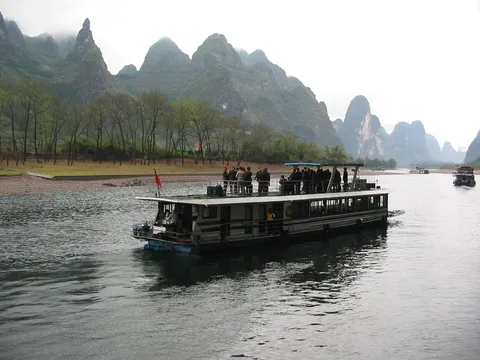
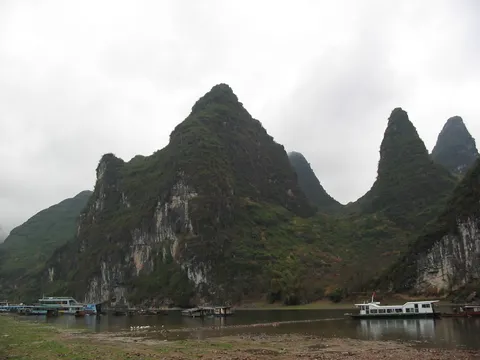
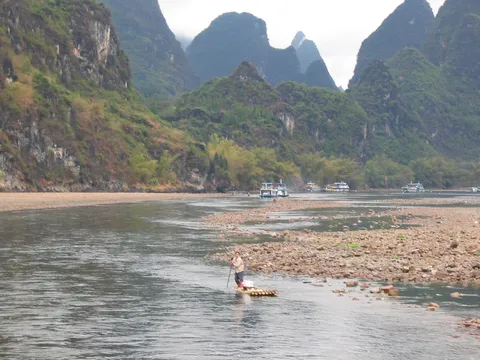
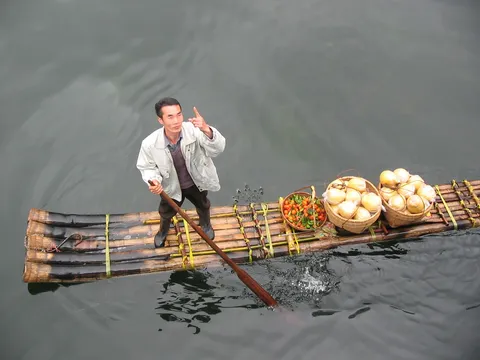
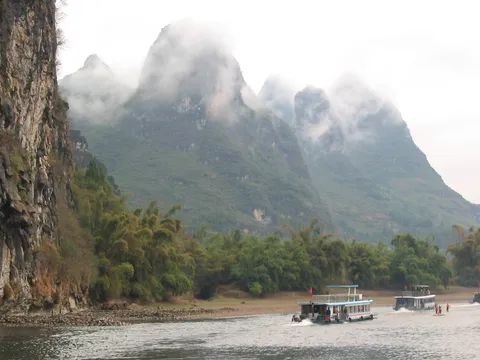
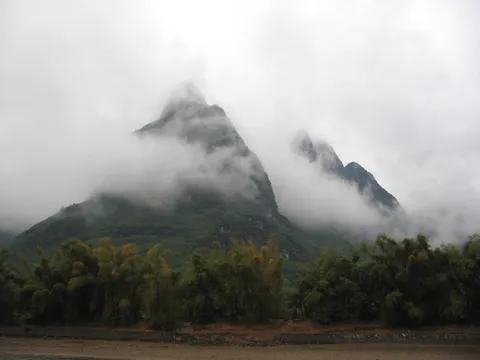
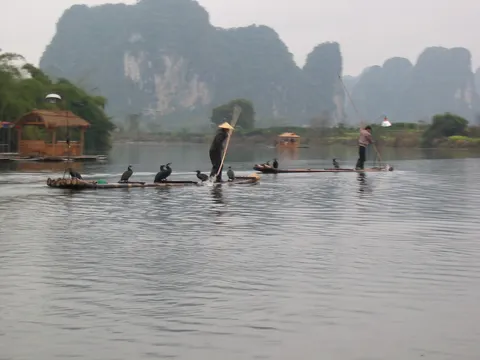
By boat from Guilin to Yangshuo, for more than eighty kilometres: limestone peaks rise one by one out of the mist, as in Chinese paintings. Fishermen on bamboo rafts glide over the shallows, and a vendor even paddles up to our boat to sell fruit. That day, without knowing it, I fell in love with landscapes.
By boat↗ 16 km
Yangshuo
China
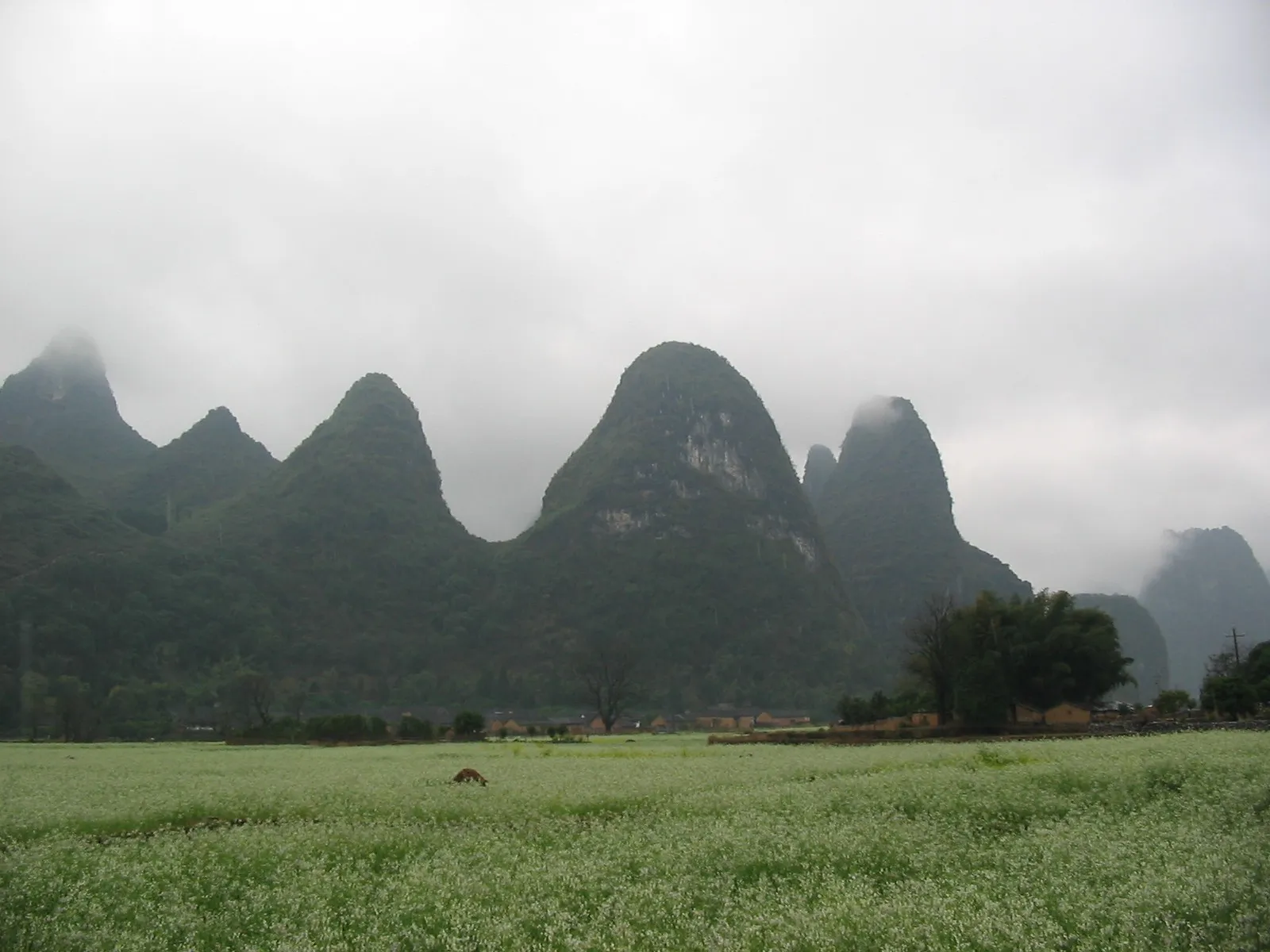
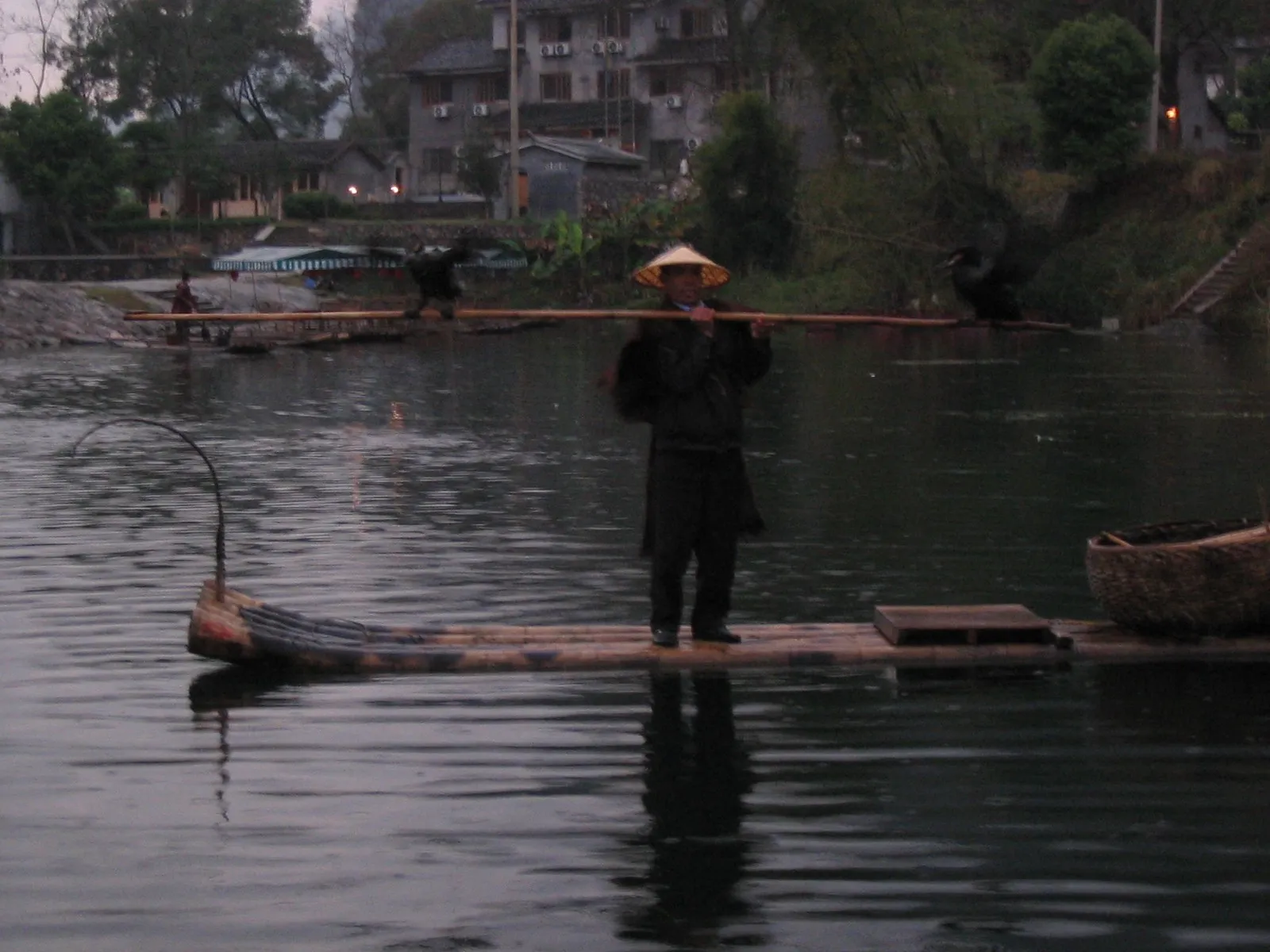
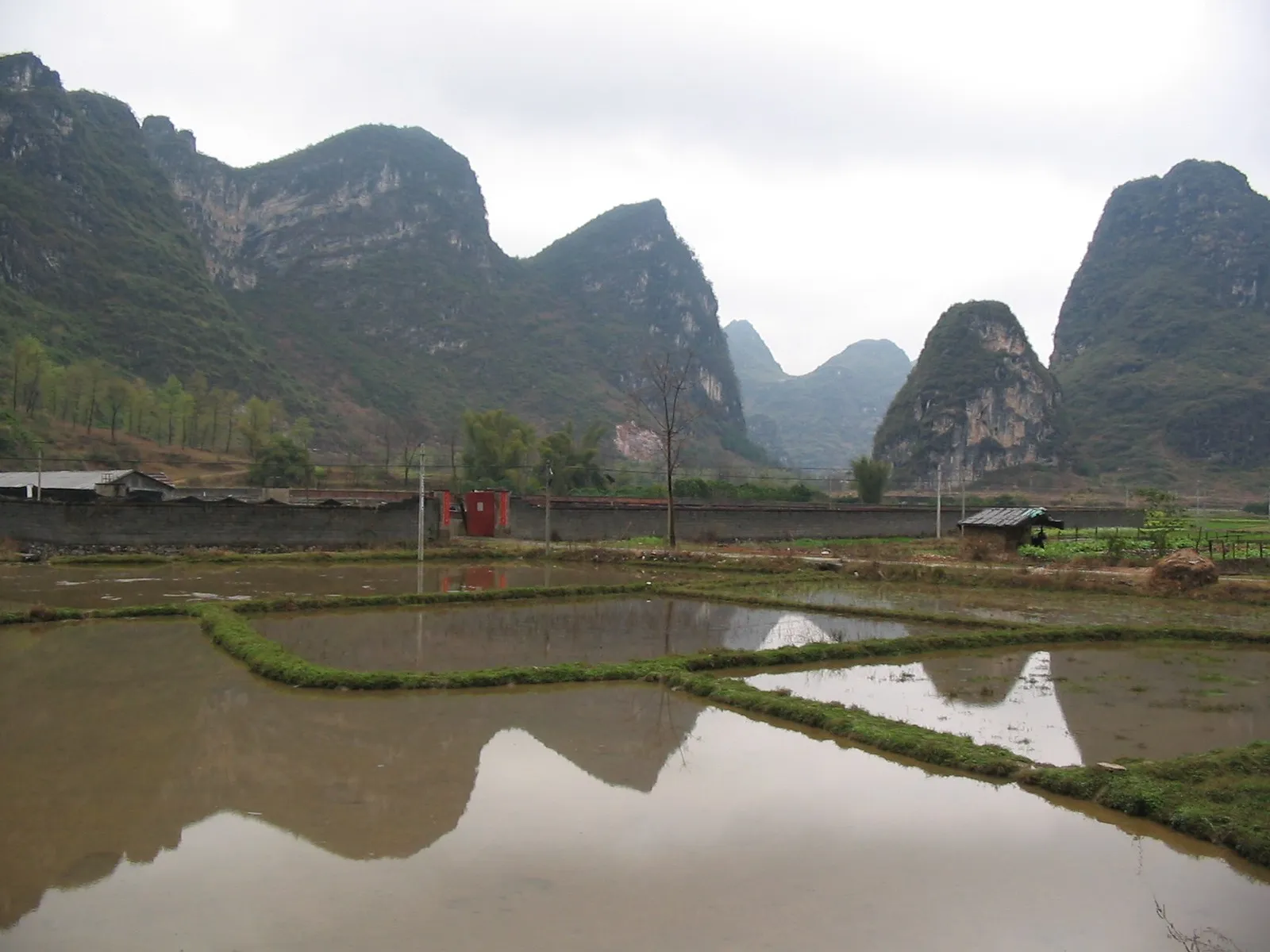
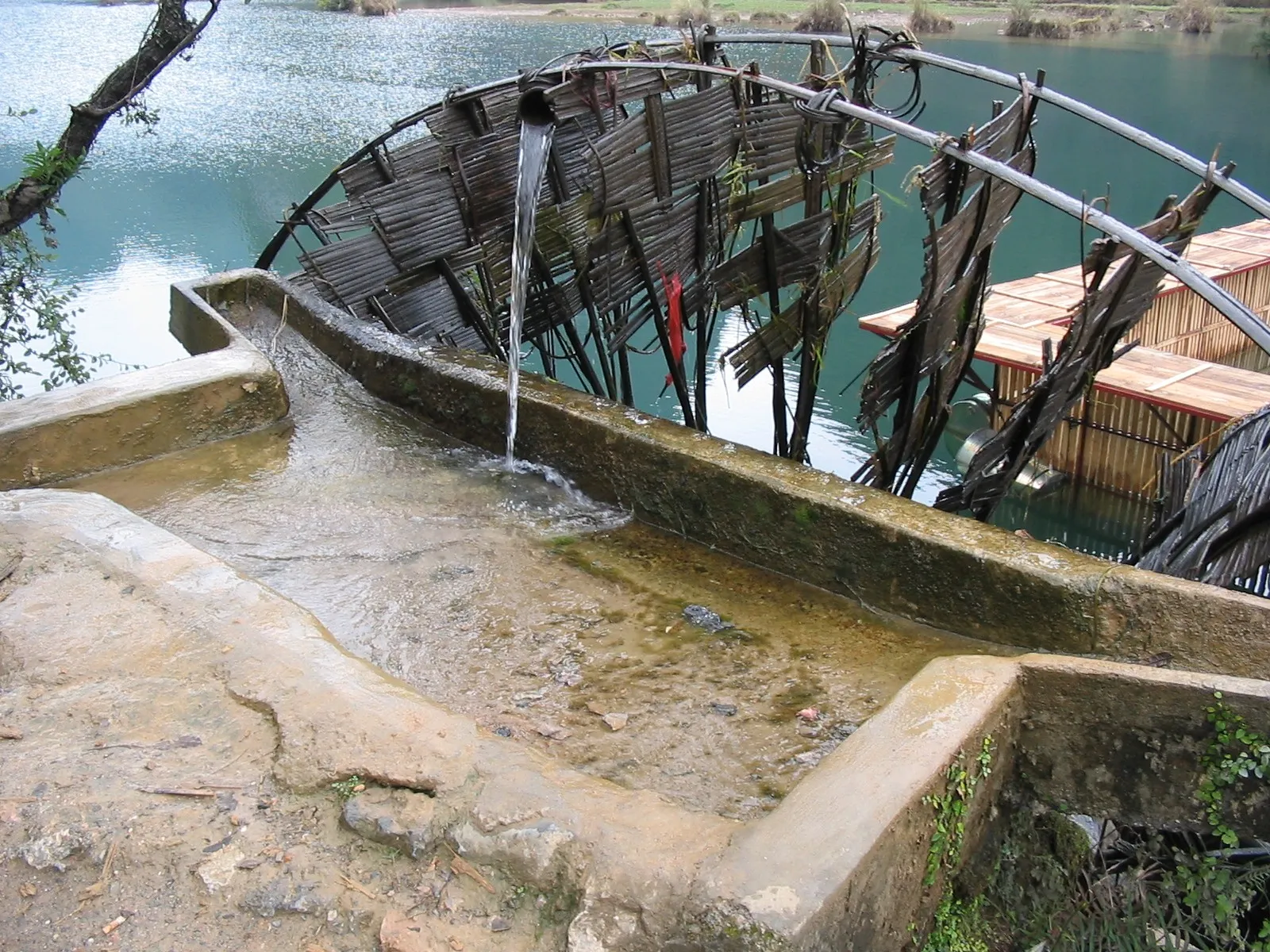
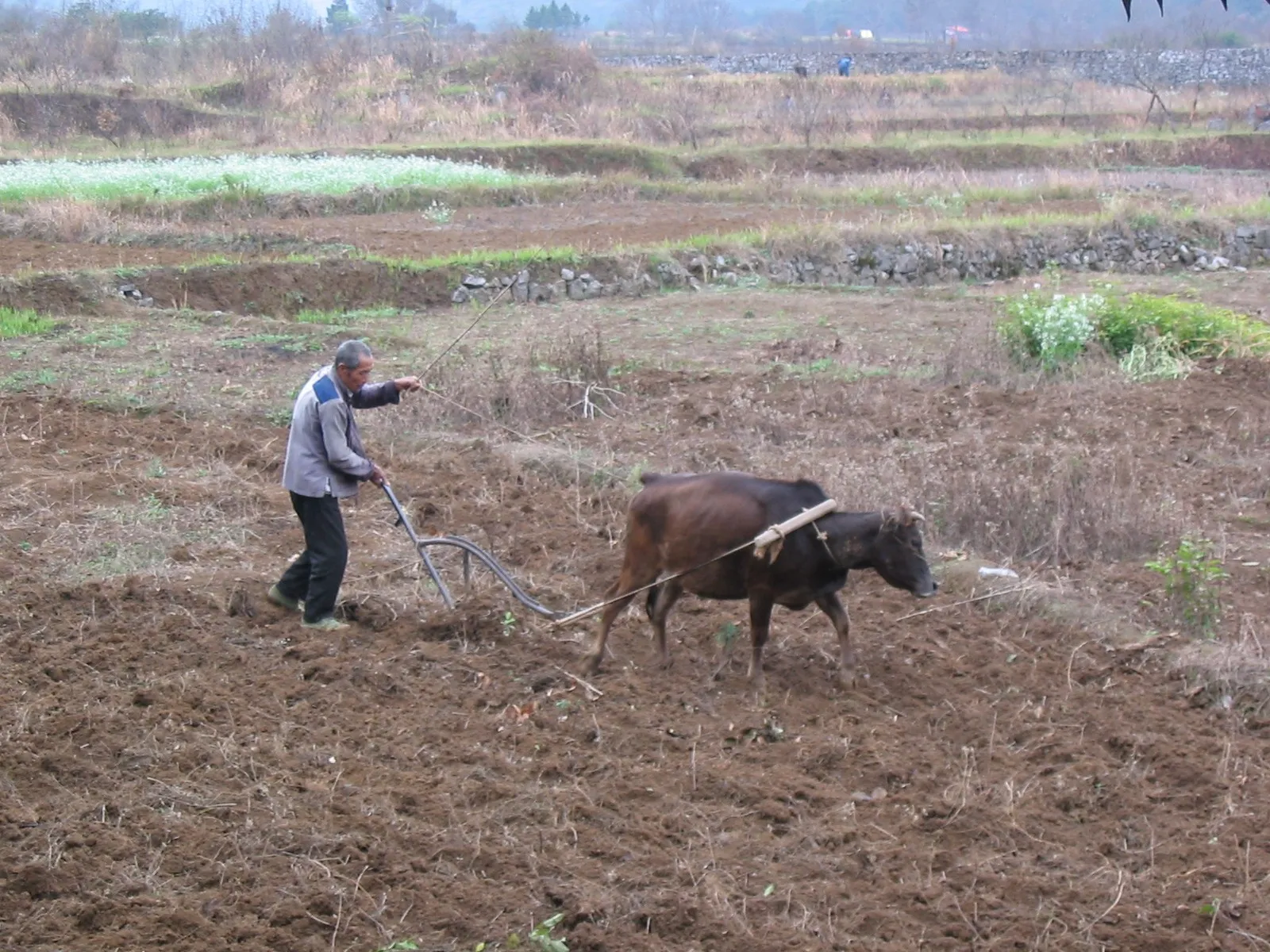
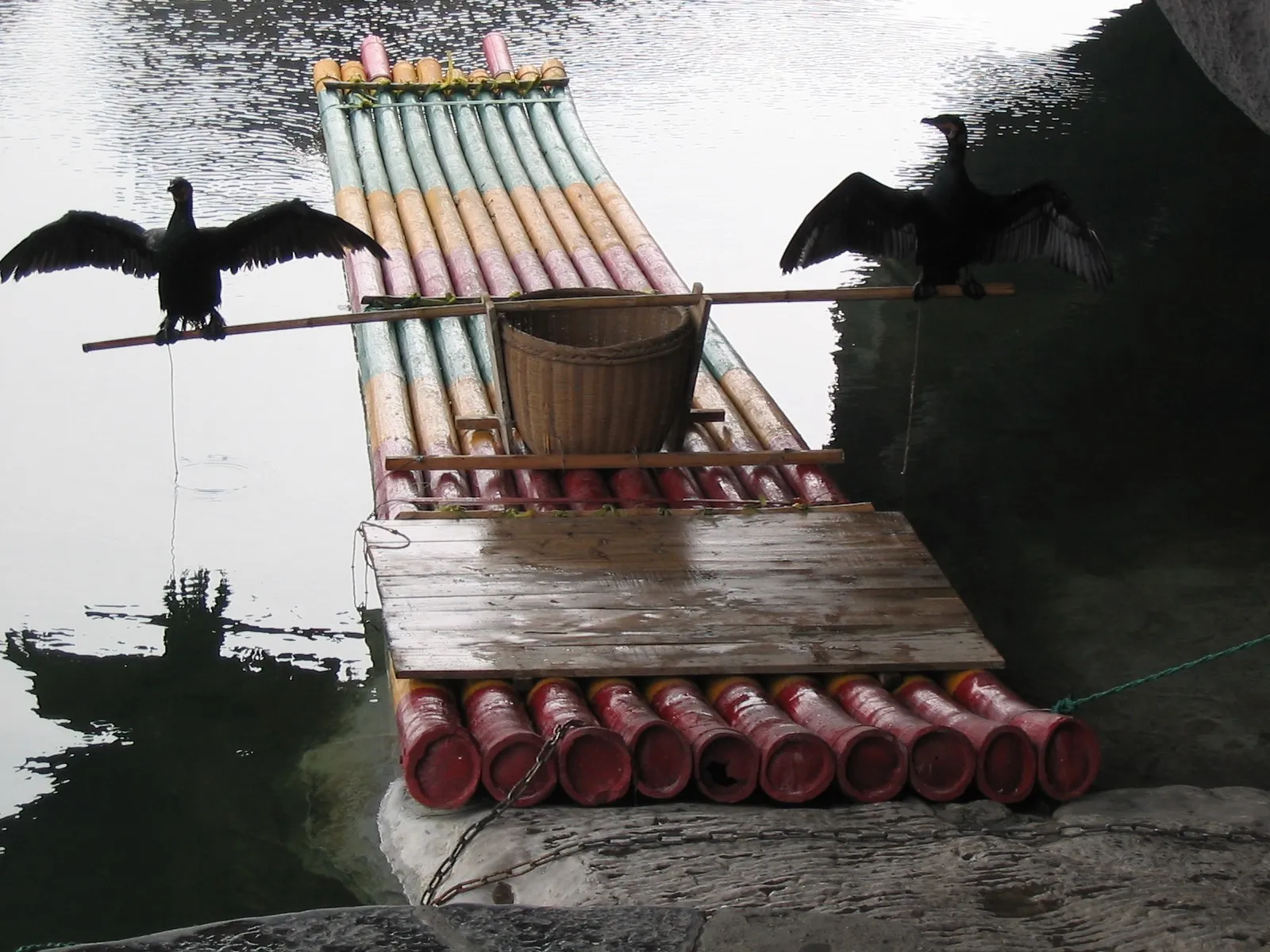
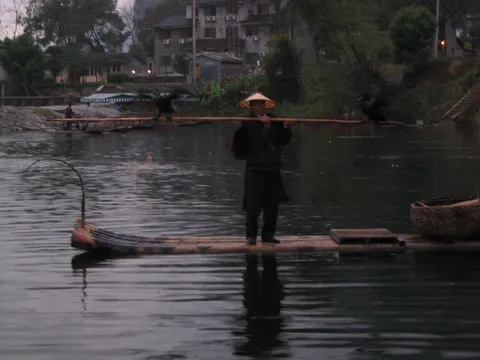
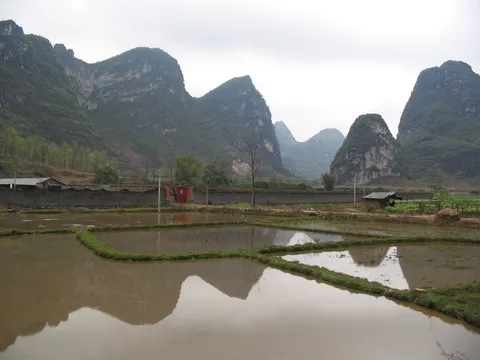
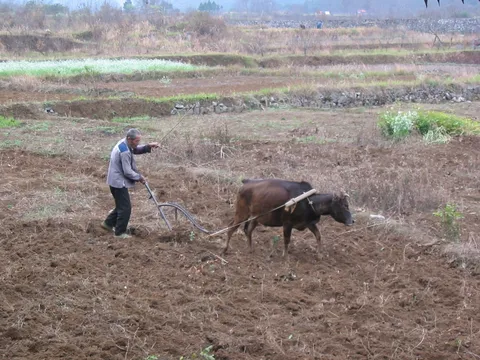
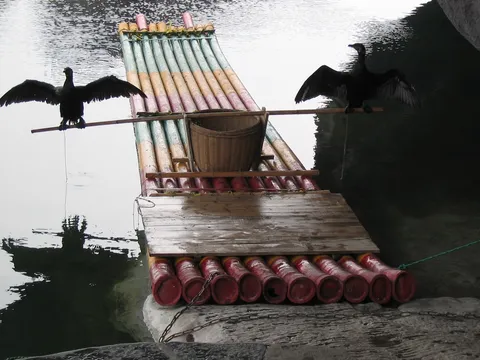
Around Yangshuo, by sidecar through the countryside: flowering fields at the foot of the karst domes, water buffalo, mud-brick villages and bamboo water wheels on the Yulong River. In the evening, on the Li River, the cormorant fishermen set out on their rafts with lamps lit, the birds perched on the pole. In the morning a farmer is still ploughing his field with an ox.


By road↗ 59 km
Guilin
China
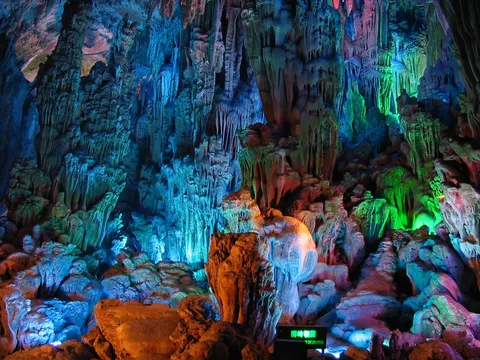
Back in Guilin, a city of limestone peaks on the banks of the Li River. From Fubo Hill, Solitary Beauty Peak towers over the rooftops, and in the Returned Pearl Cave, Buddhas carved under the Tang dynasty keep watch by the water. Reed Flute Cave displays its formations under psychedelic lighting; in the evening the Sun and Moon pagodas light up on the lake.

By road↗ 384 km
Guangzhou
China
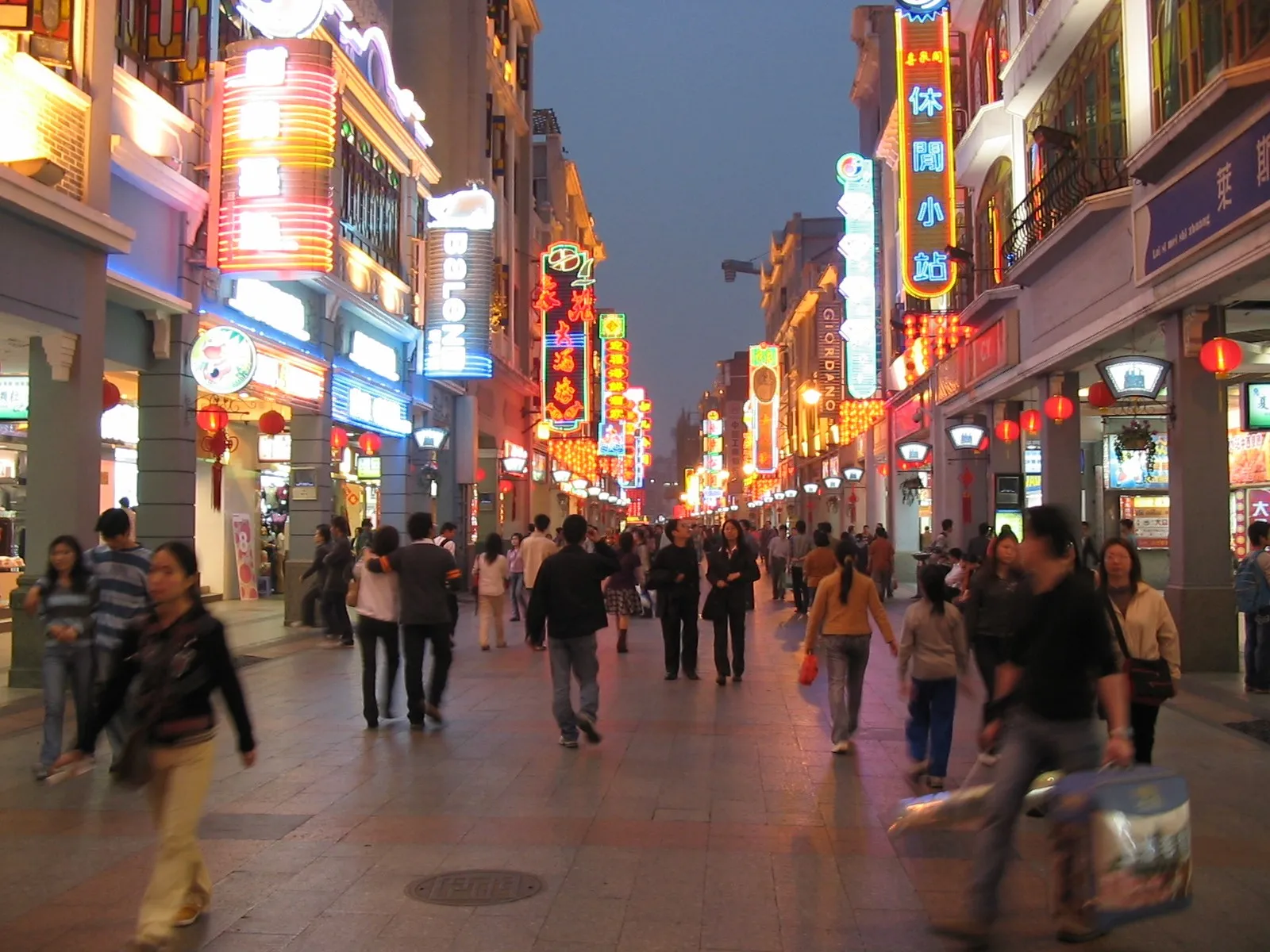
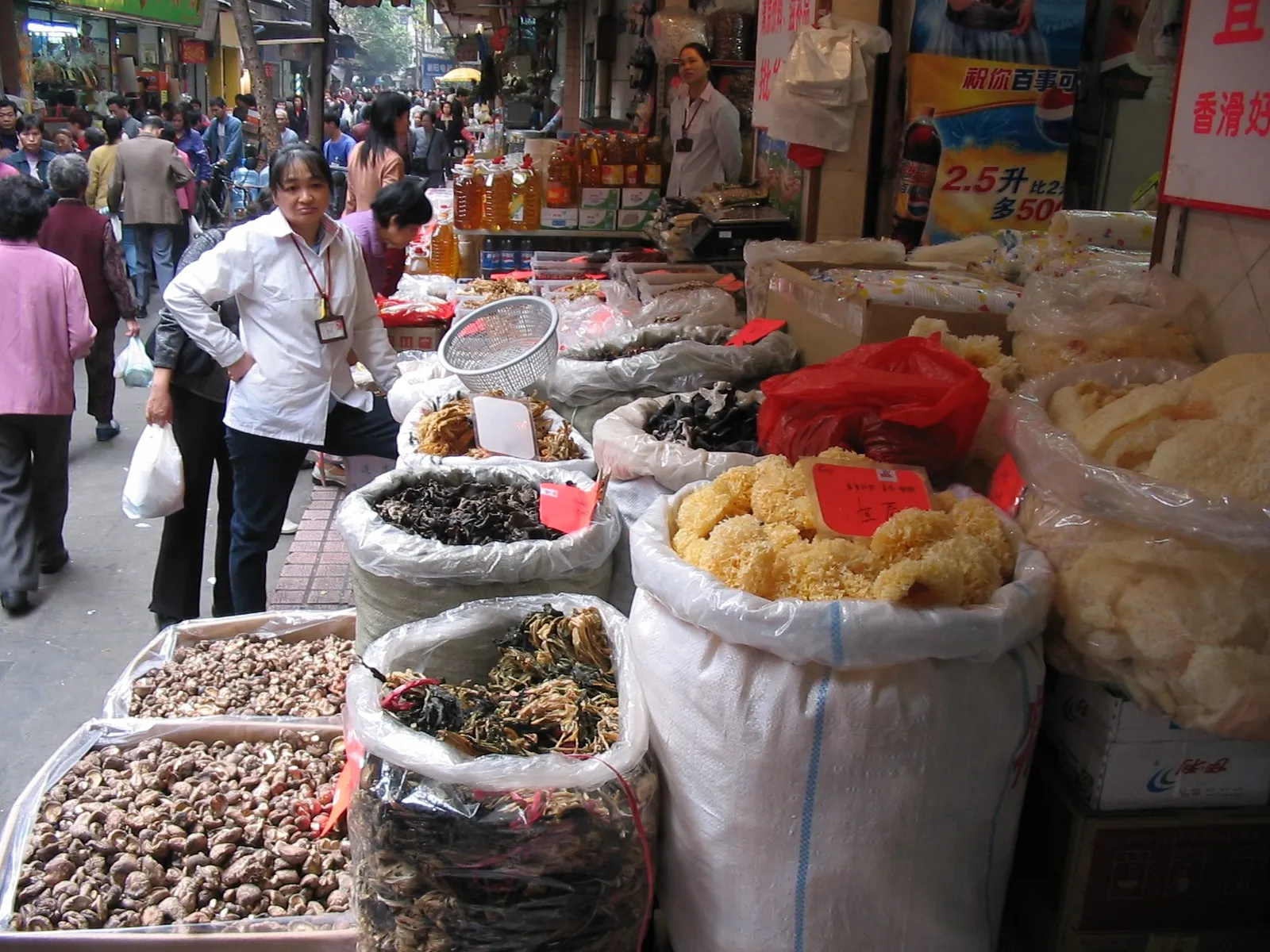
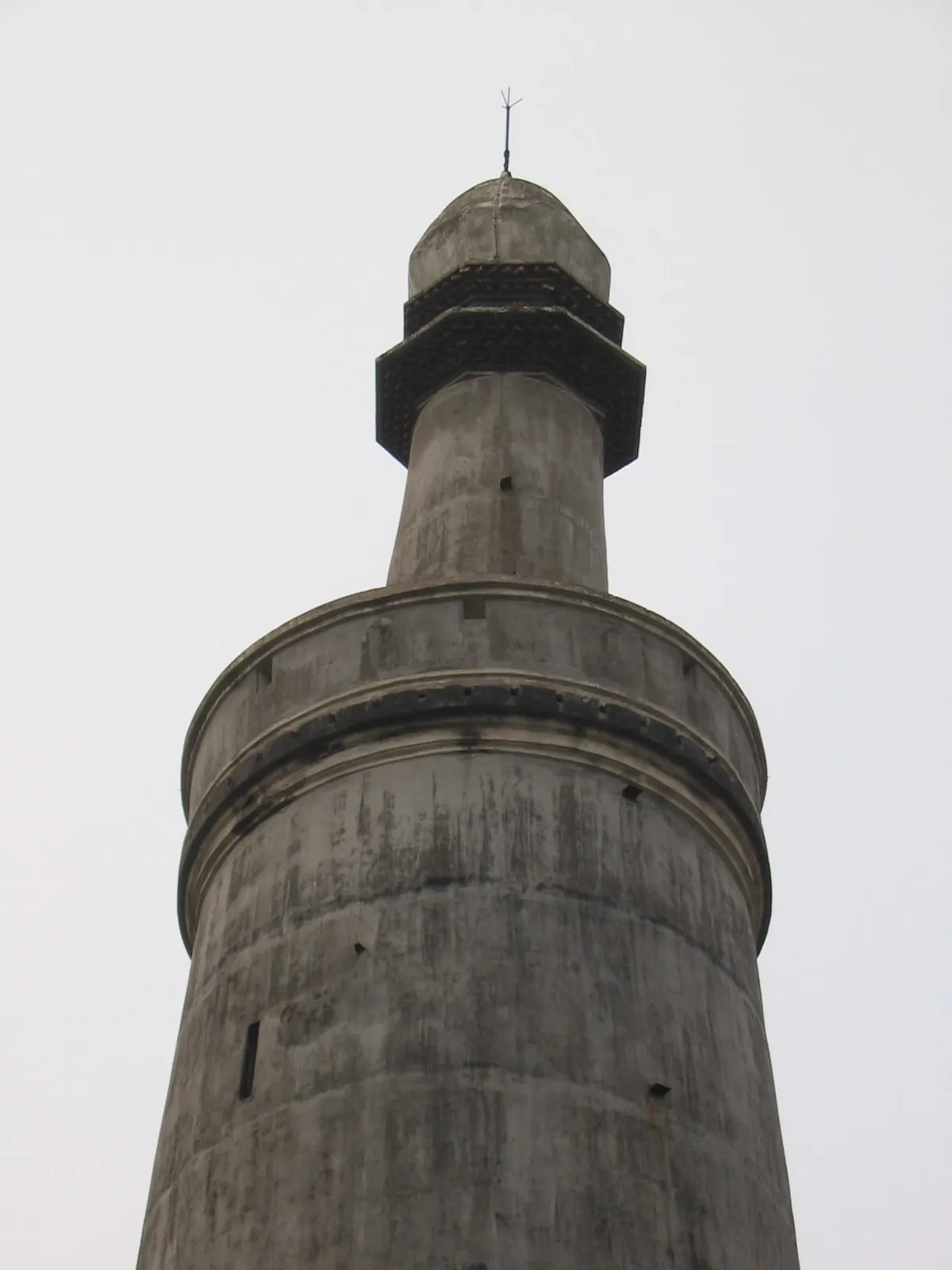
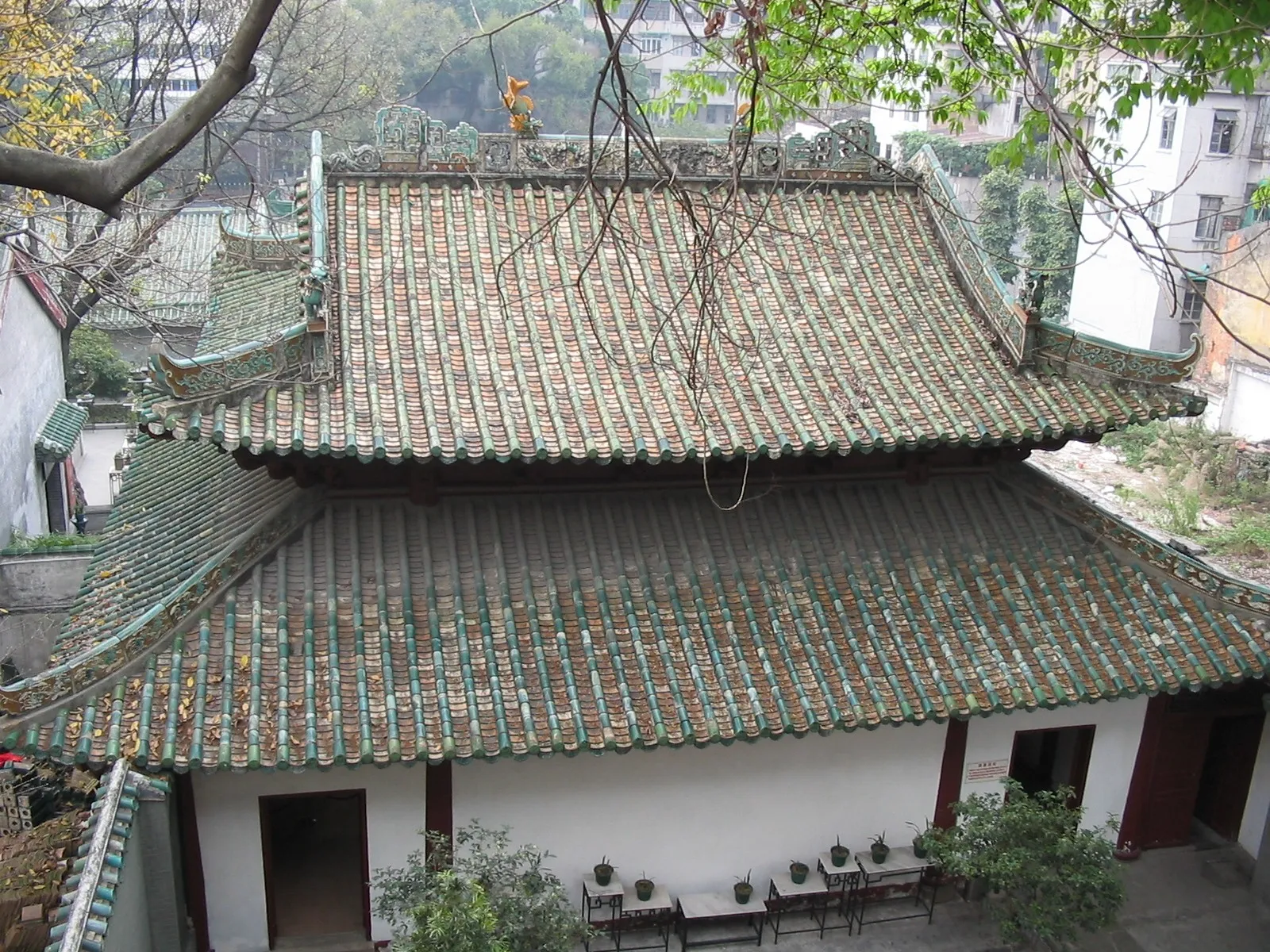
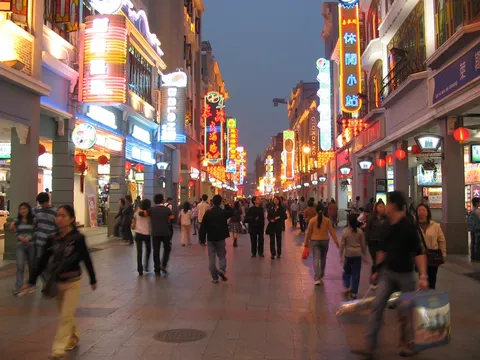
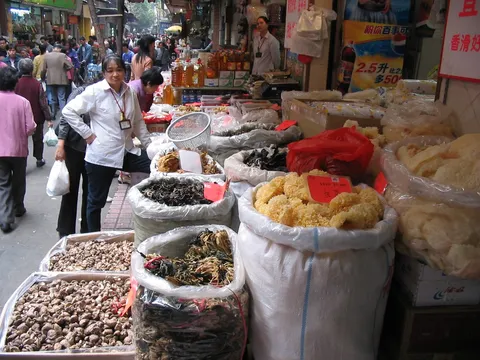
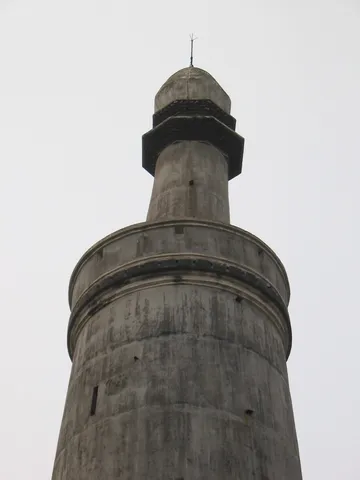
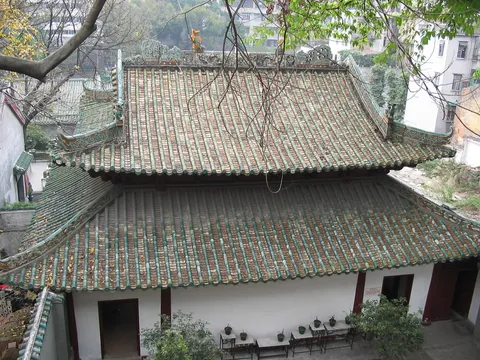
A long drive from Guilin brings us to Guangzhou. There, the colonial villas of Shamian Island doze beneath the banyans, while Shangxiajiu pedestrian street blazes with neon at nightfall. At Qingping market everything is for sale, from turtles to eels and dried herbs. Further on, the Huaisheng Mosque raises its Guangta minaret, one of the oldest in China.
By train↗ 131 km
Hong Kong
China
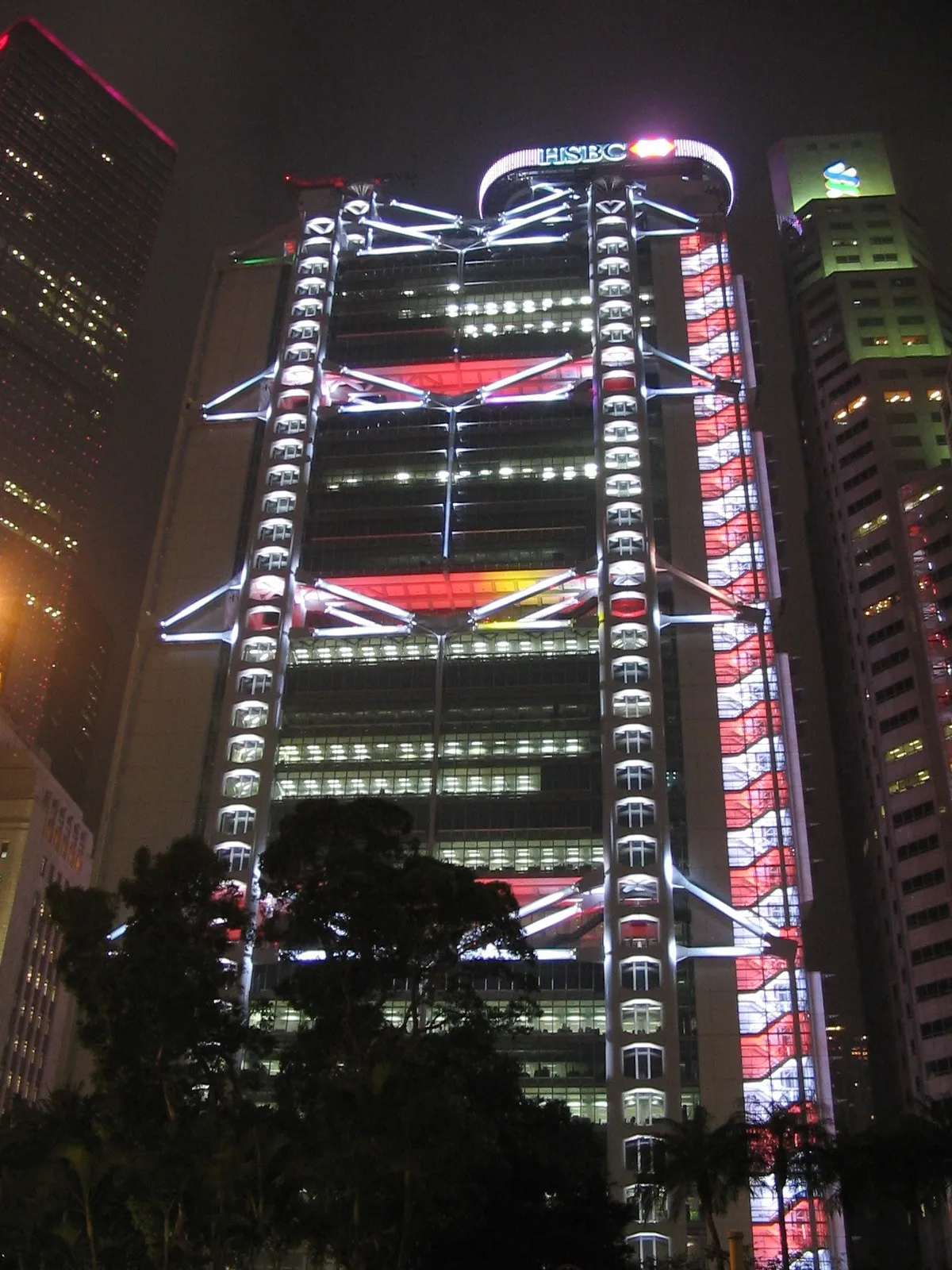
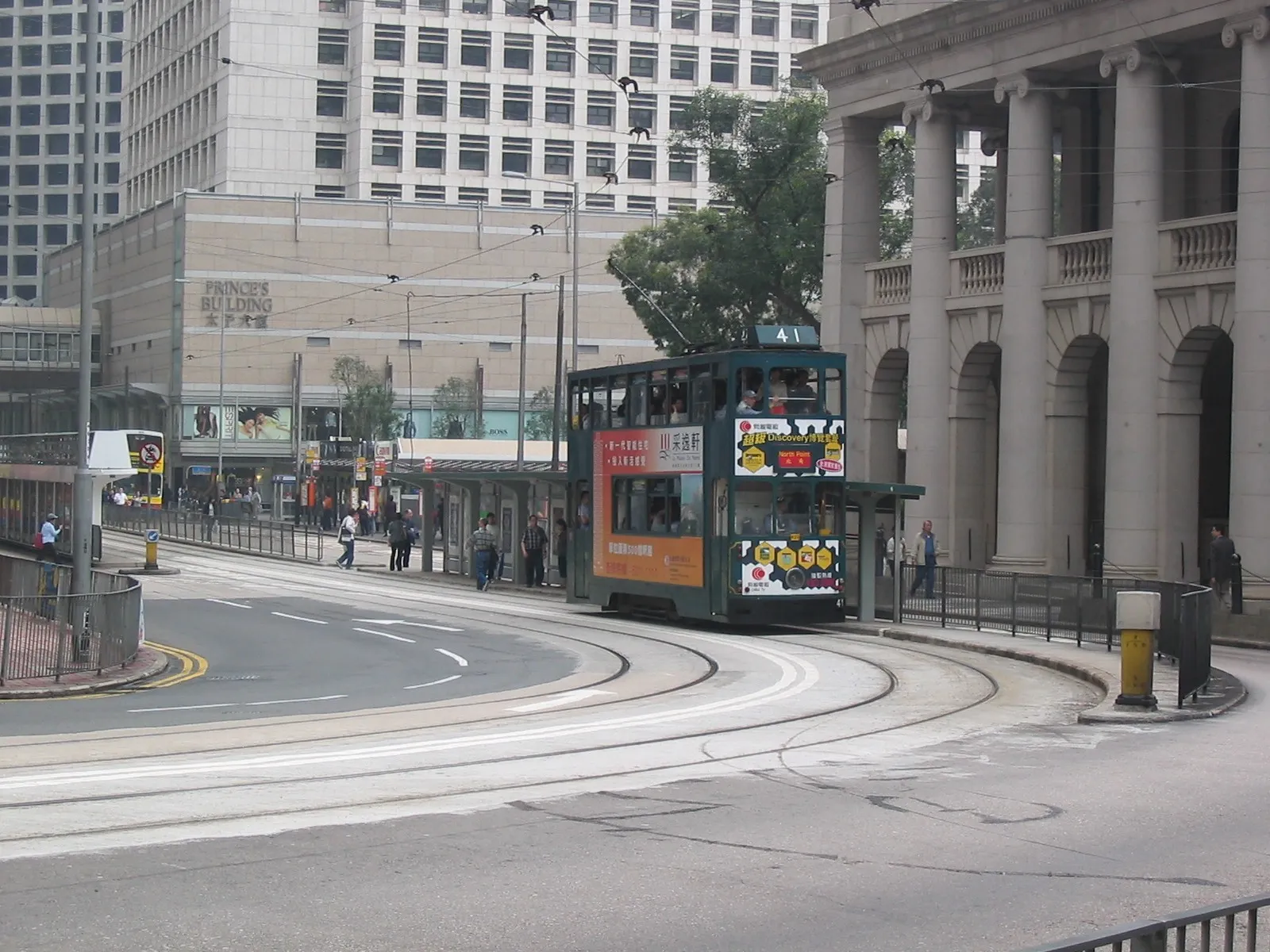
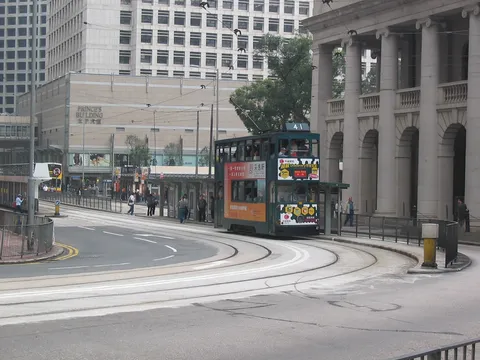
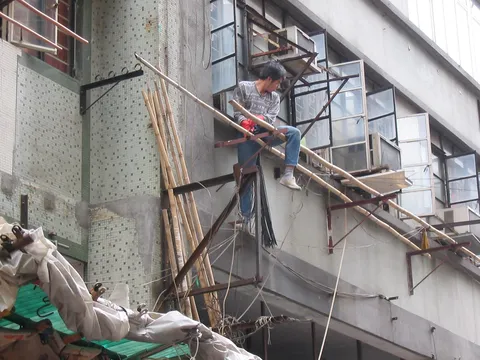
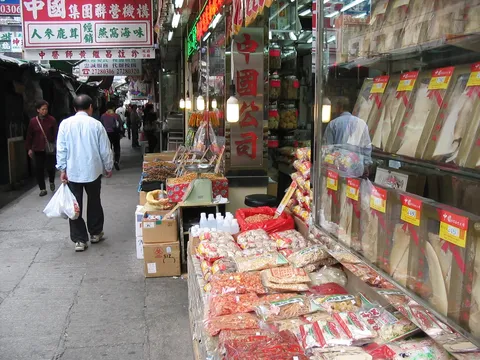
The train crosses the Pearl River Delta to Kowloon, and it is another world. Sunset over Victoria Harbour from Tsim Sha Tsui, then the island’s skyscrapers lit up, the new IFC tower foremost. The next day, double-decker trams in Central, bamboo scaffolding and dried-seafood shops in Sheung Wan: the end of a first journey that would lead to so many others.

Arrival
End of the journey
15 days · 3,430 km · 15 stops
Galleries of the countries crossed