In Malraux’s Footsteps
From Angkor to Tonkin, among lost temples and the rivers of Indochina
22 April 2023 – 23 April 2025
- days
- 25
- km
- 1,920
- countries
- 3Cambodia · Laos · Vietnam
- photos
- 142
In 1923, a twenty-two-year-old man landed in Cambodia with his wife Clara. His name was André Malraux, and he would leave Banteay Srei with bas-reliefs cut from the temple — before being arrested in Phnom Penh. From that escapade came The Royal Way, a novel of jungle, stone and obsession.
A century later, we followed that dreamed-of Indochina as a single thread, over two seasons: from the temples of Angkor to Laos, from Vientiane to Luang Prabang, along the Mekong; then overland to Tonkin — the far north of Vietnam, with its terraced rice fields and misty lakes — all the way to Hanoi.
Siem Reap
Cambodia
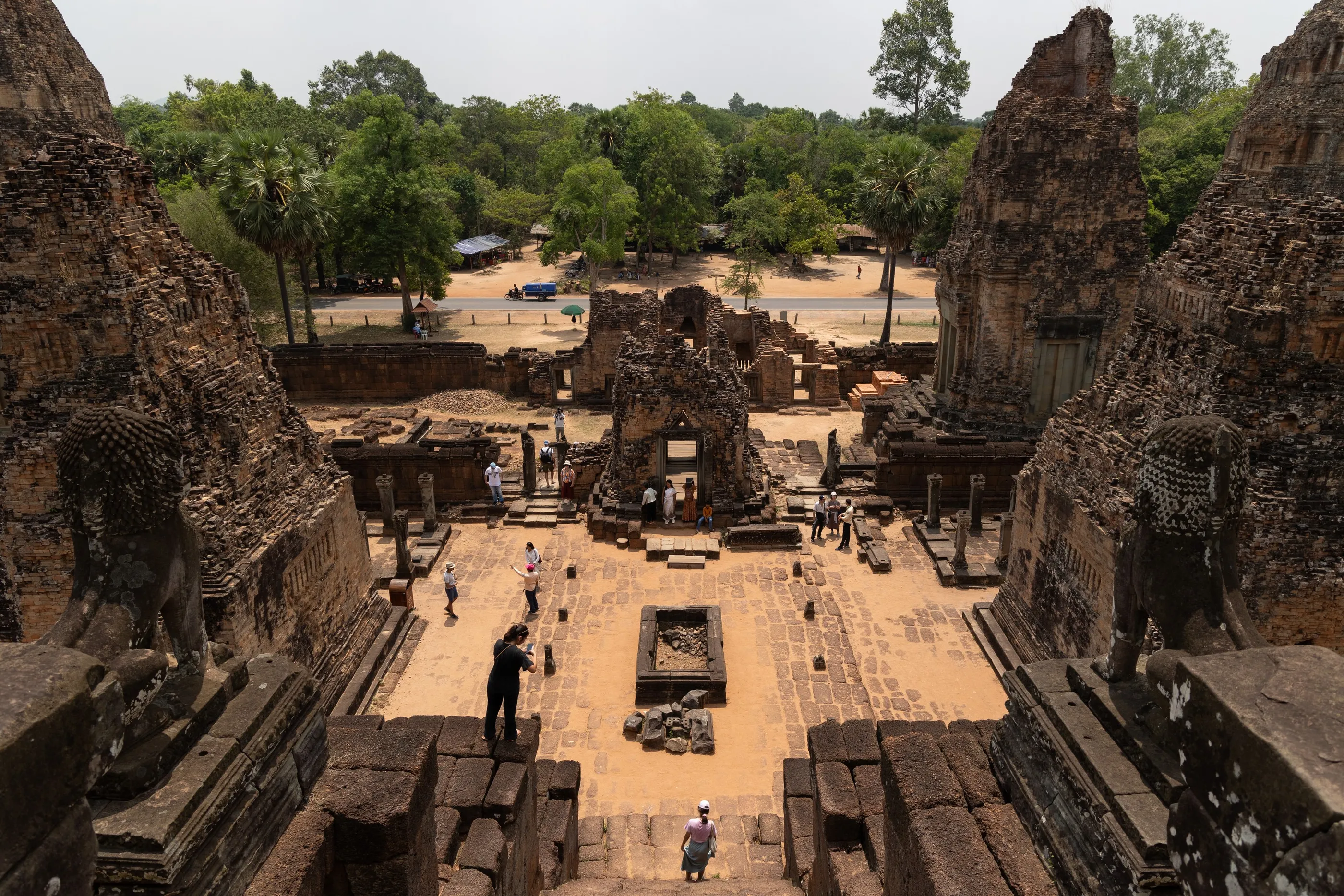
Arrival in Siem Reap, the gateway to the temples of Angkor. The very next day, we set out to meet them.
By road↗ 13 km
Pre Rup and Ta Som
Cambodia
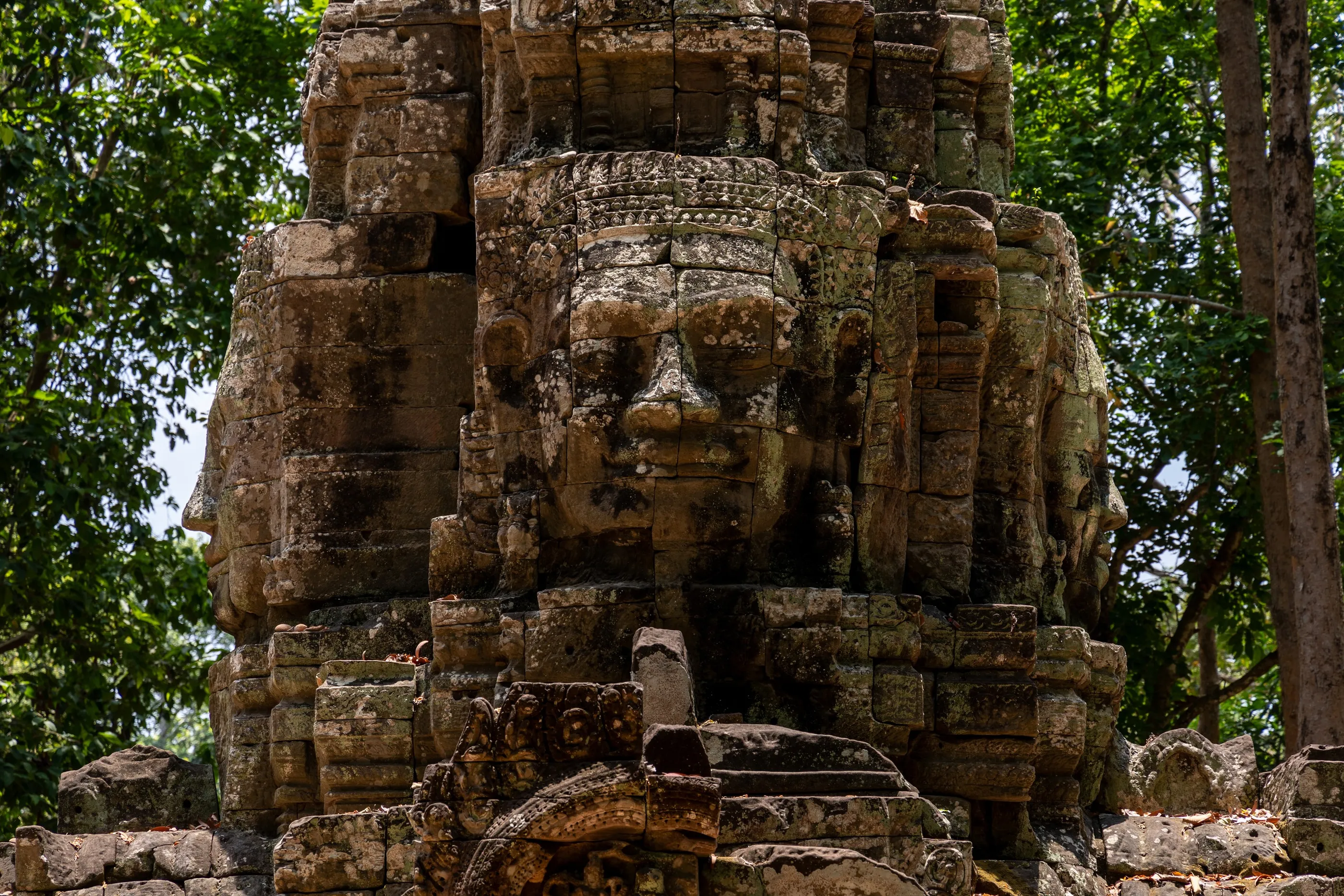
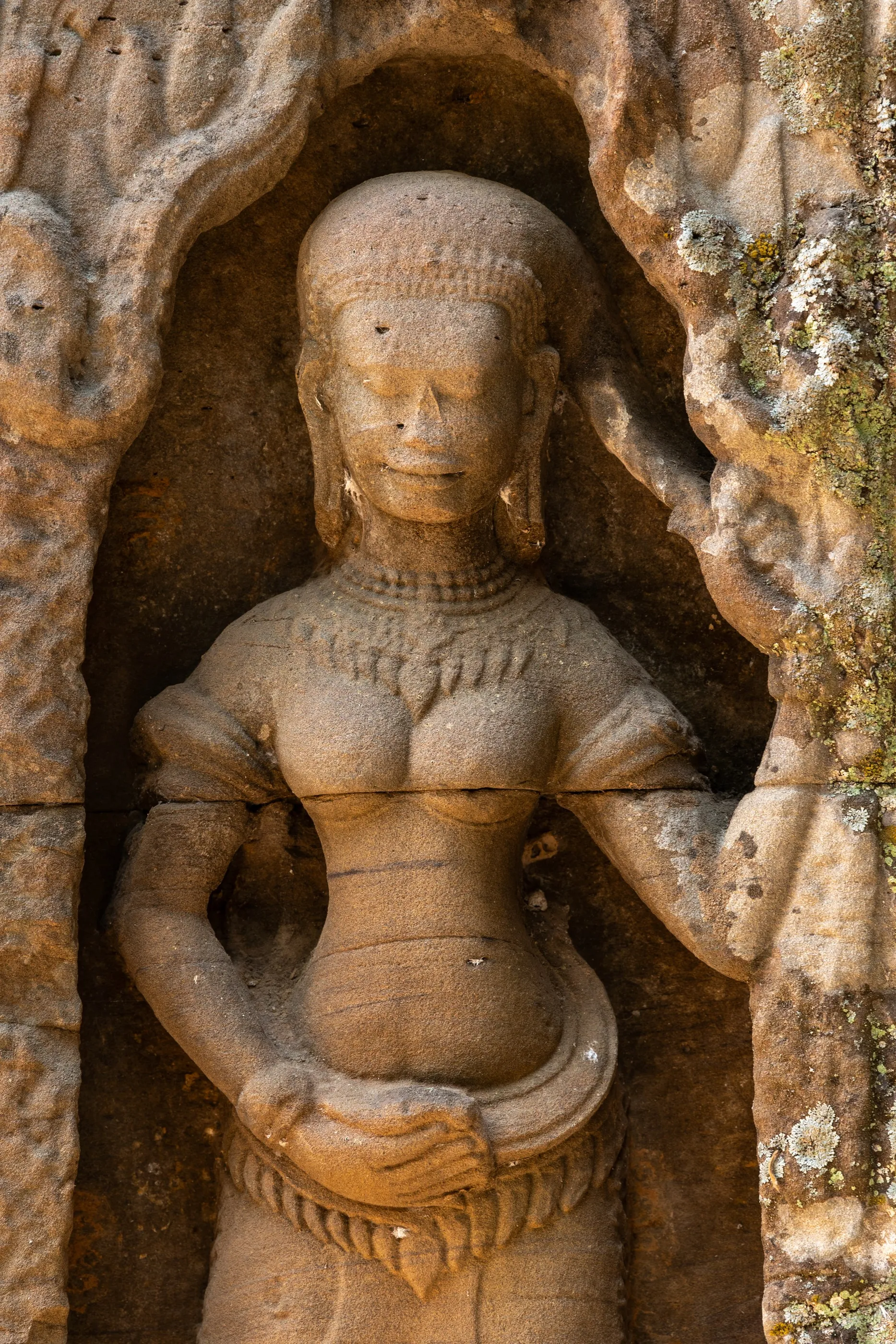
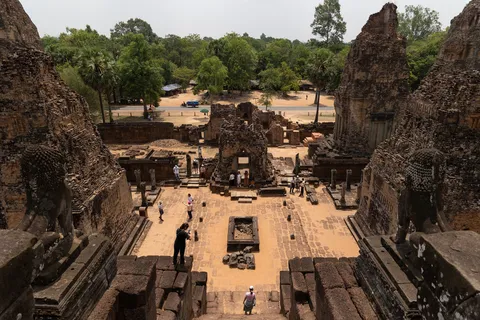
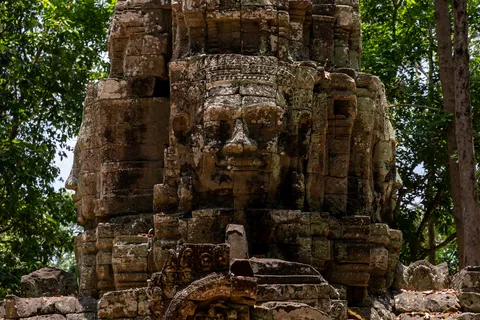
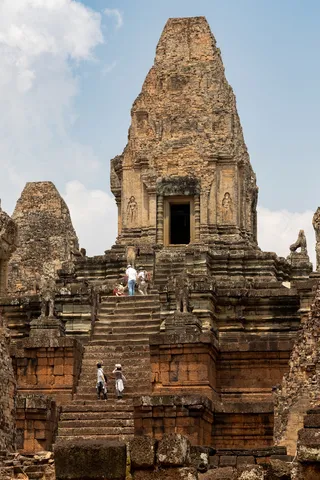
A first morning among the temples of the Grand Circuit. From the top of Pre Rup, a brick mountain raised in the tenth century, the eye plunges into courtyards where the first visitors are already walking. At Ta Som, smaller and more secret, a face tower rises out of the forest and devatas smile from the depths of their niches, in warm light.


By road↗ 4 km
Neak Pean and Preah Khan
Cambodia
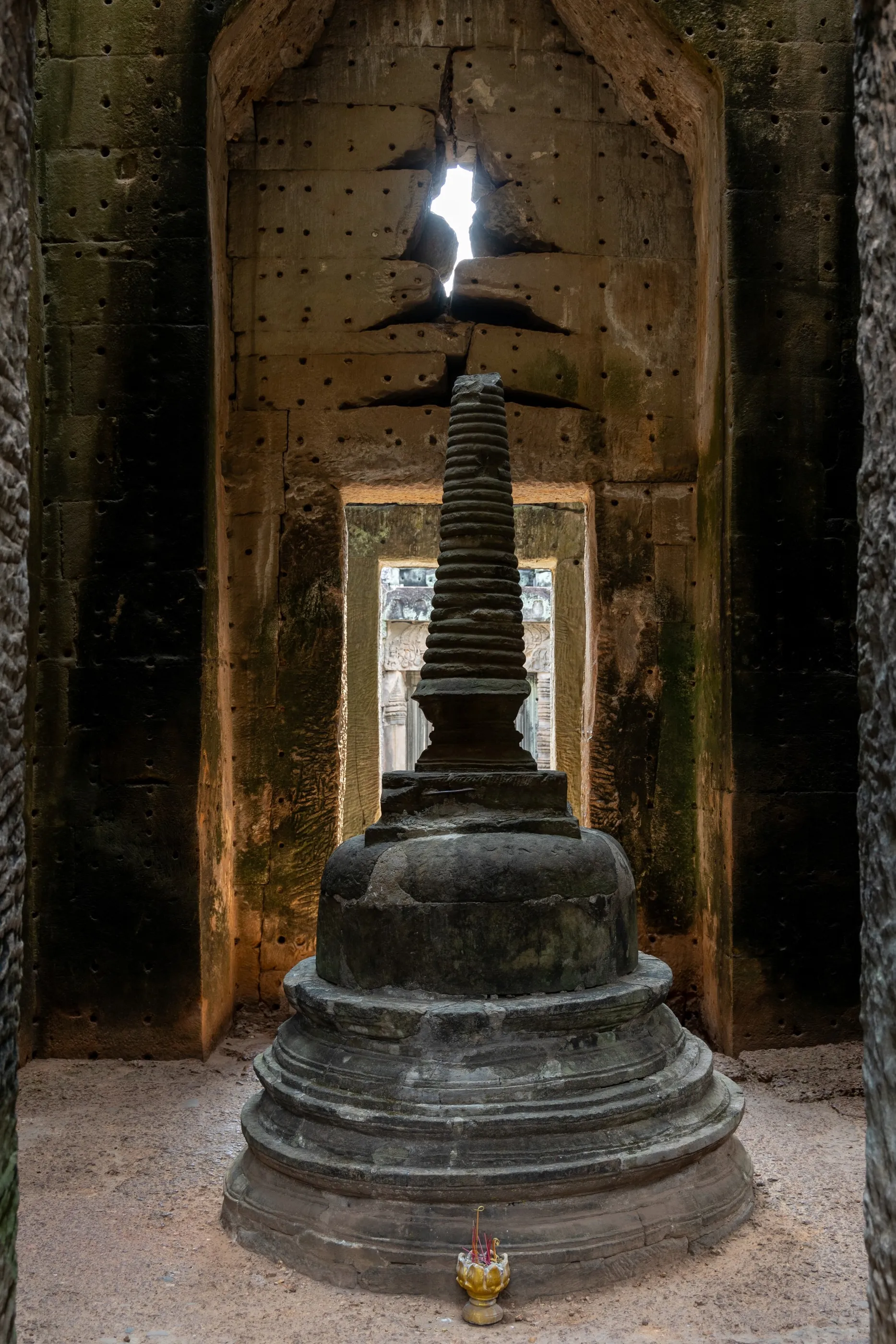
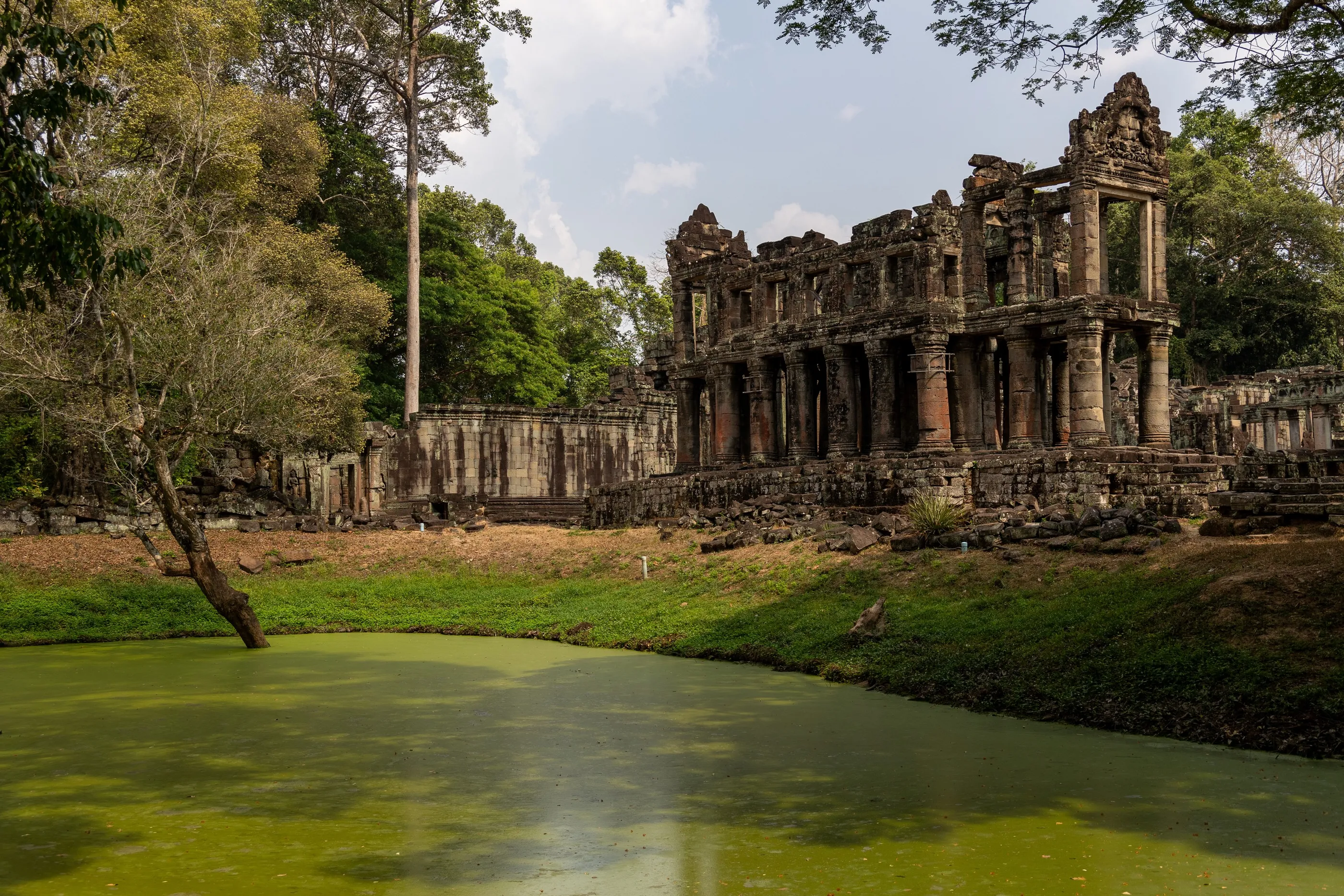
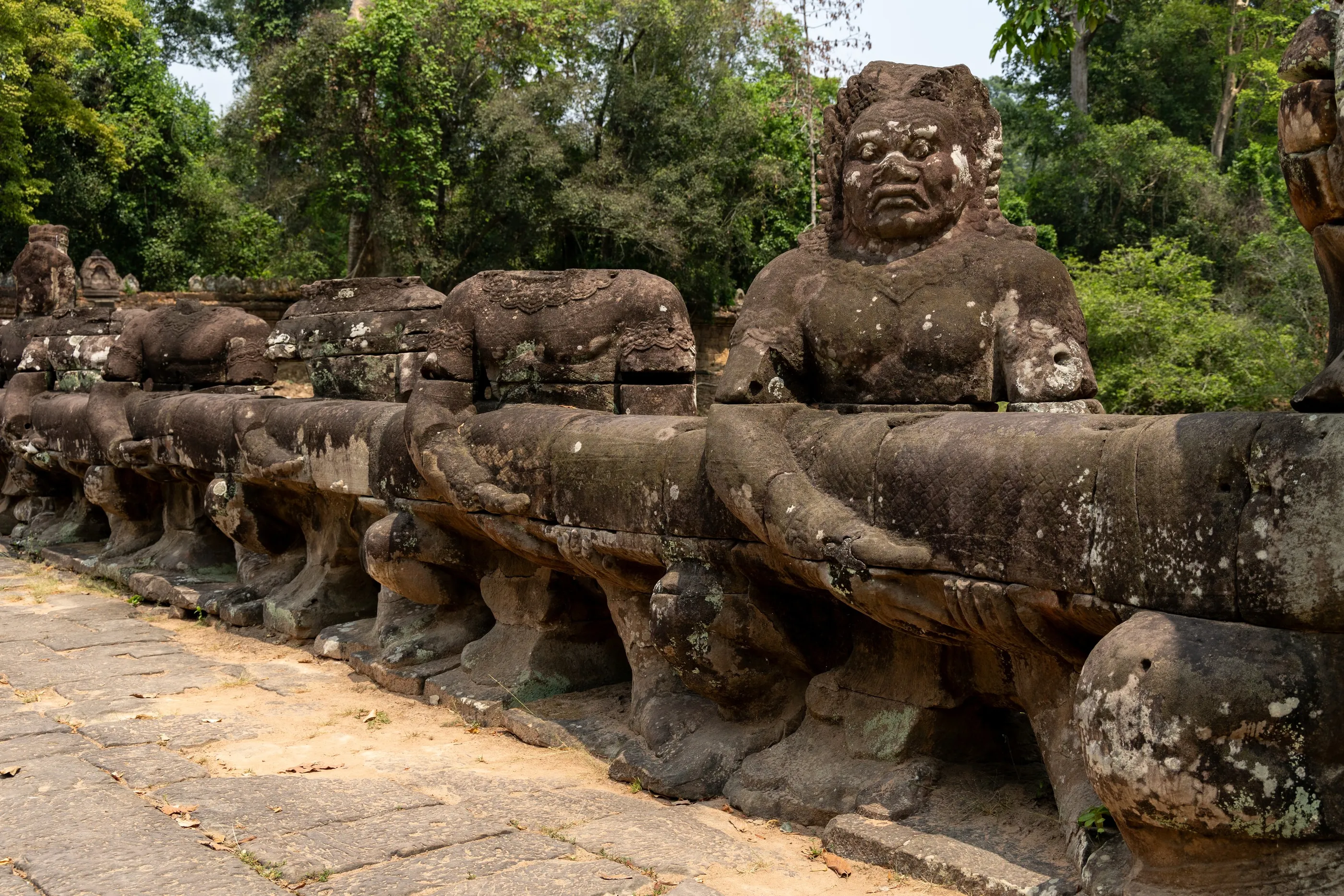
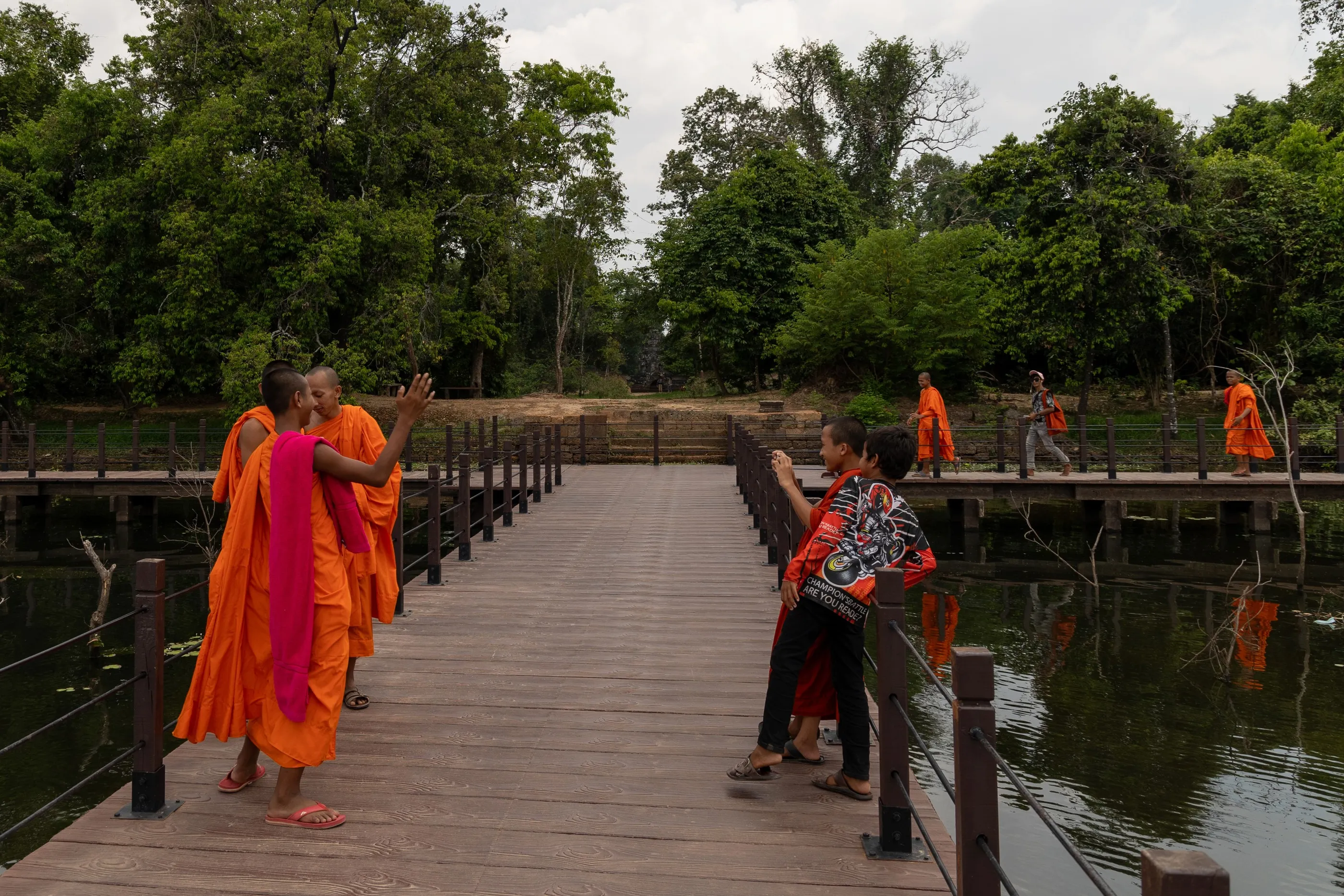
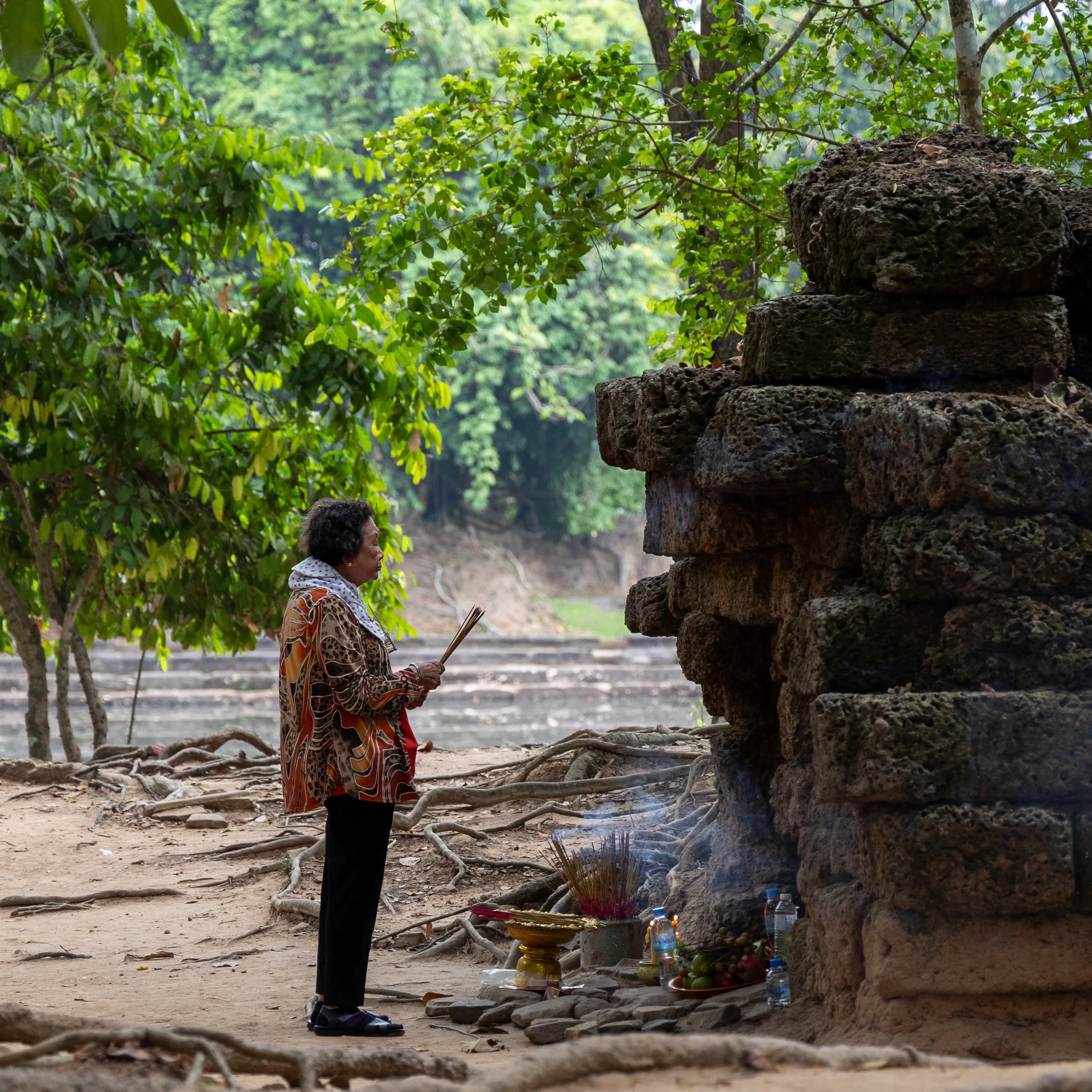
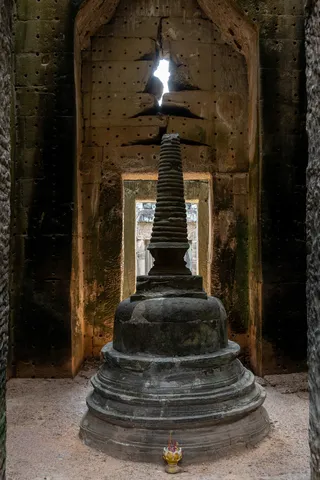
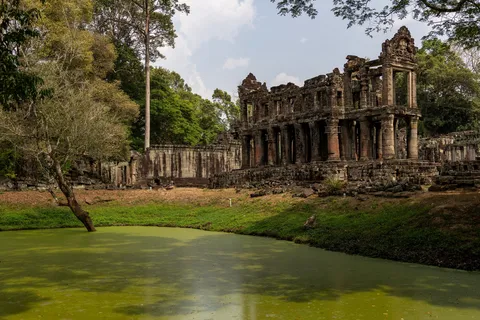
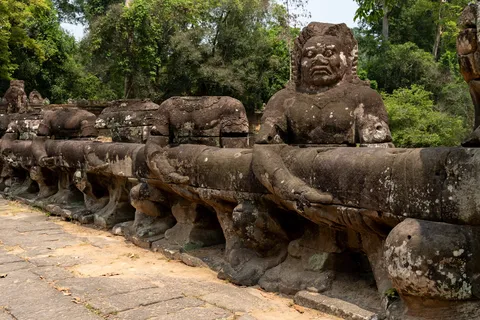
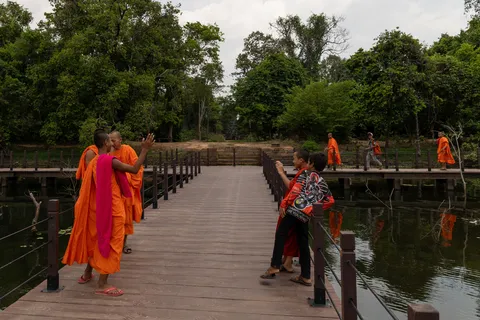
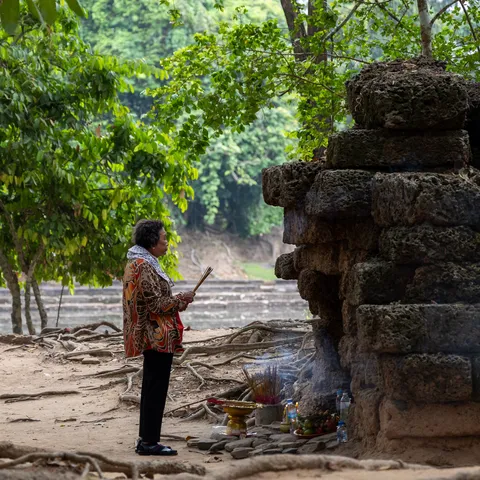
A wooden boardwalk leads to Neak Pean, a sanctuary set in the middle of an ancient reservoir, where monks in saffron robes mingle with visitors and worshippers still leave offerings at the foot of the stones. Then Preah Khan, founded in 1191 by Jayavarman VII: on the causeway, giants hold back the body of the naga; inside, a succession of low doorways leads to a stupa struck by a shaft of light. The temple is half reclaimed by the forest, just as Malraux had dreamed it.

By road↗ 5 km
Angkor Thom and Phnom Bakheng
Cambodia
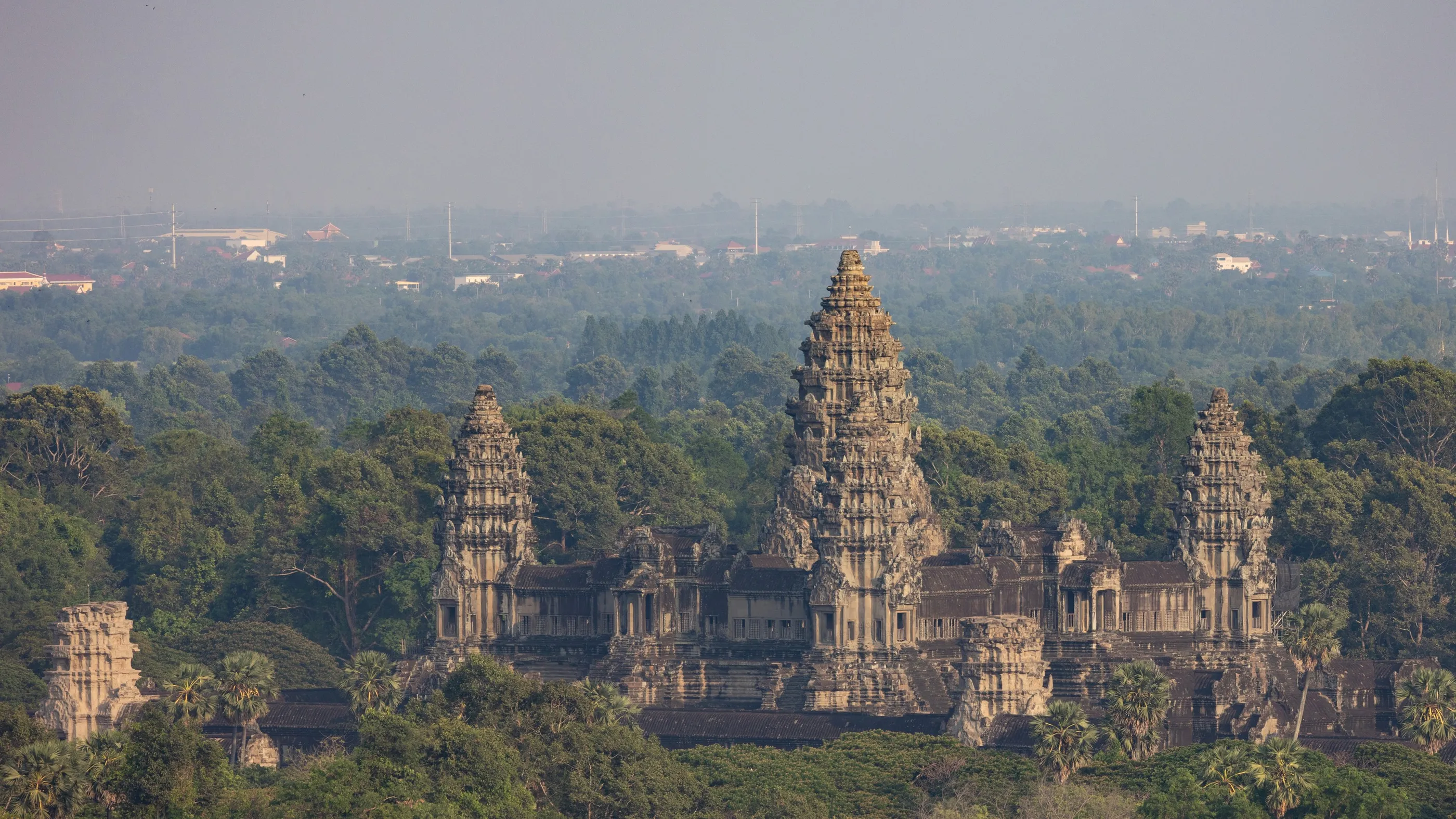
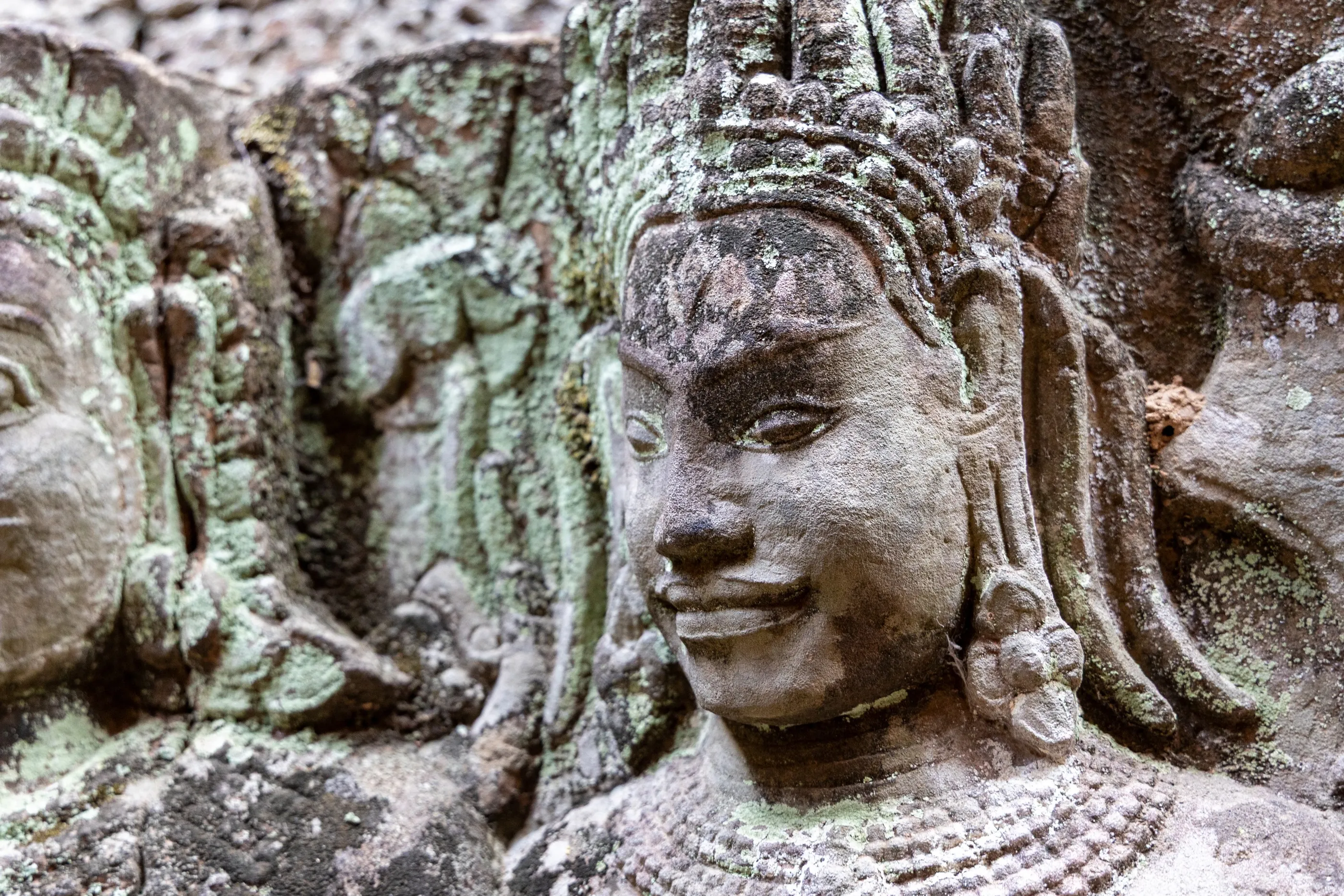
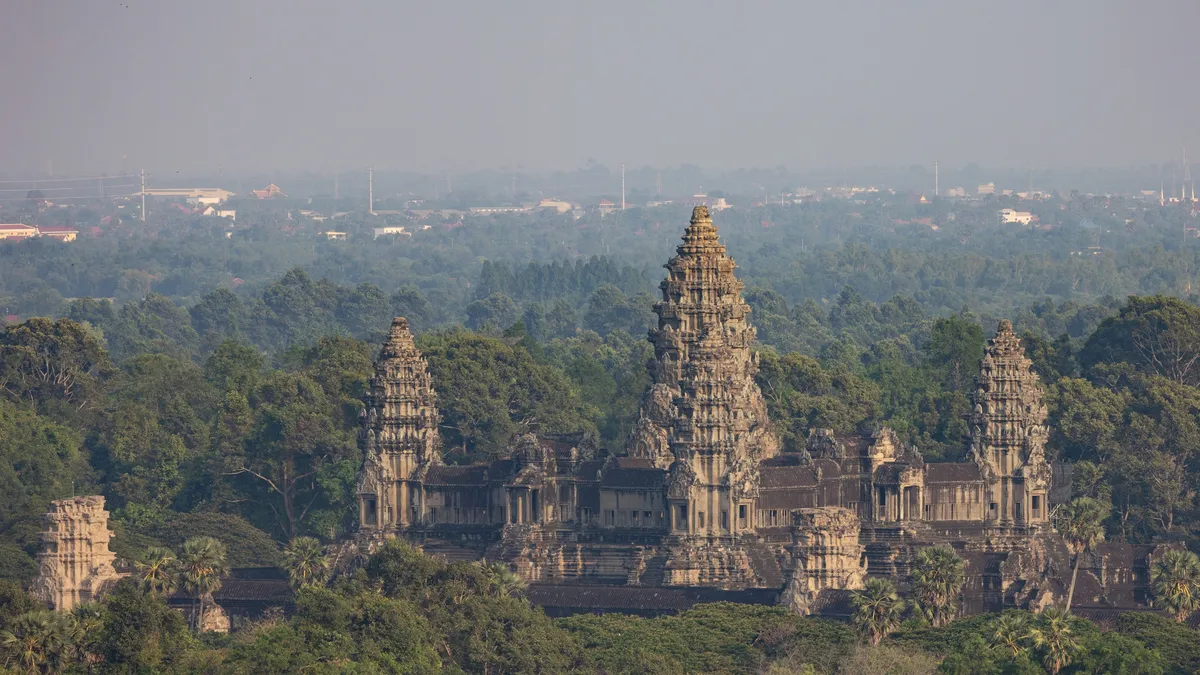
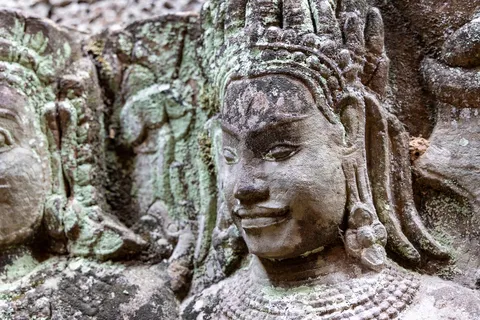
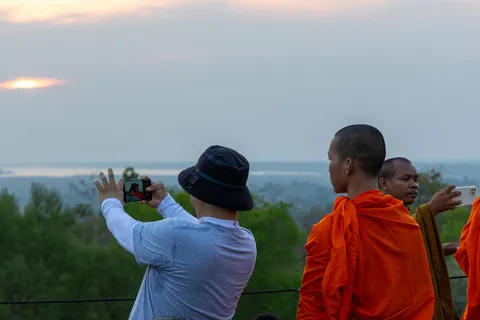
On the Terrace of the Leper King, in Angkor Thom, a carved face smiles half hidden by lichen. In the evening, from Phnom Bakheng, the oldest temple-mountain of Angkor, the five towers of Angkor Wat barely rise above the canopy, in the haze of the dry season.
By road↗ 2 km
Angkor Wat at dawn
Cambodia
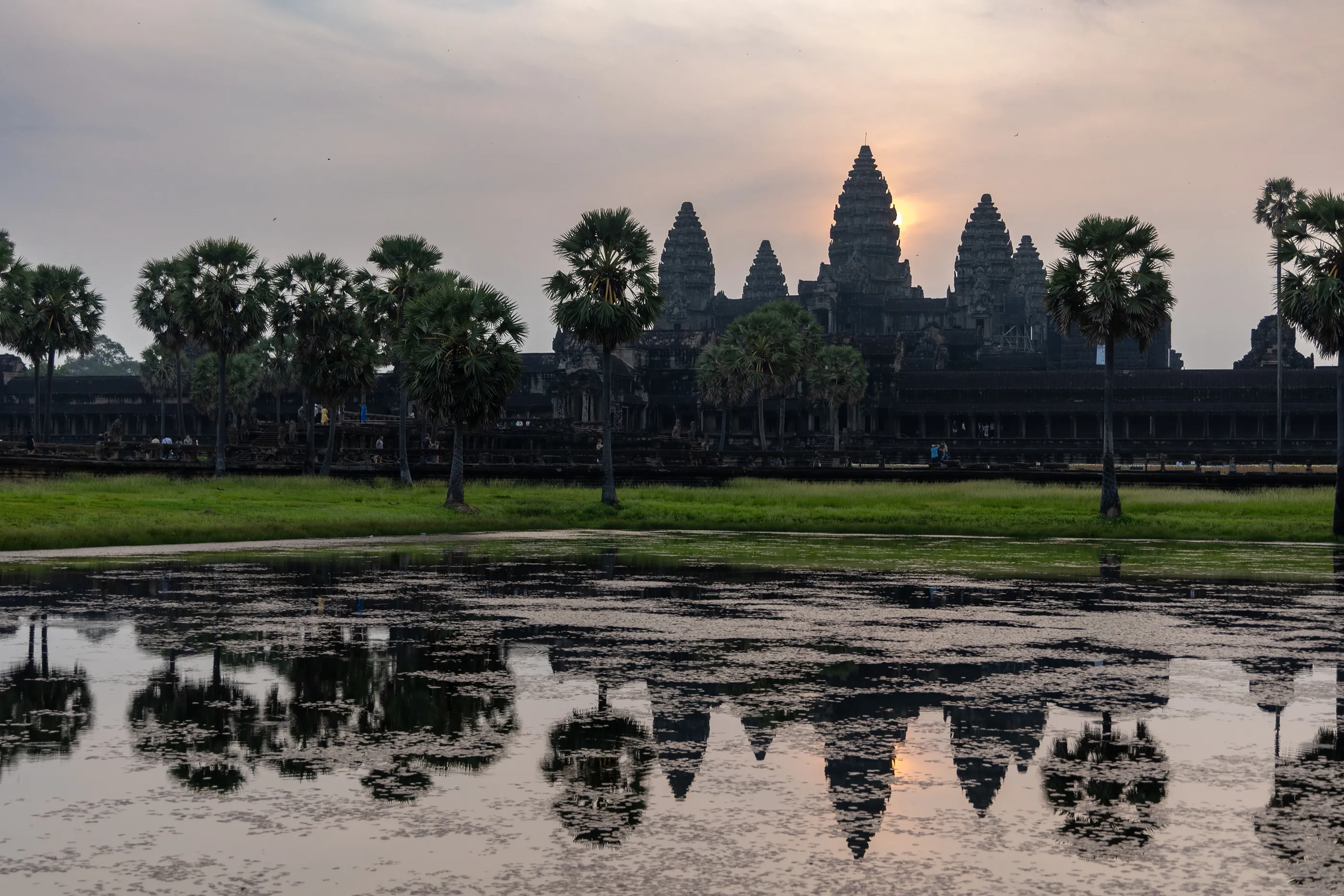
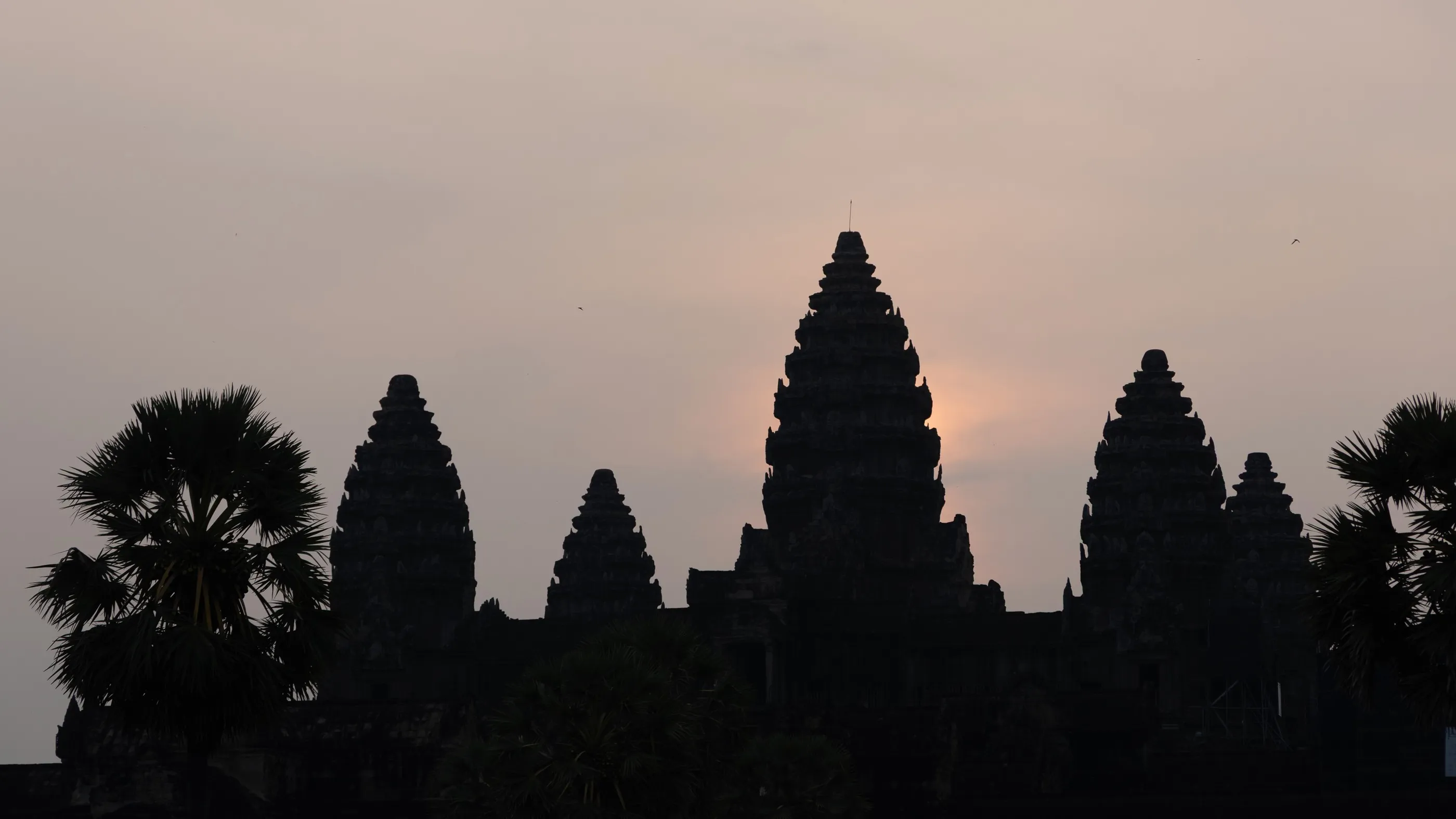
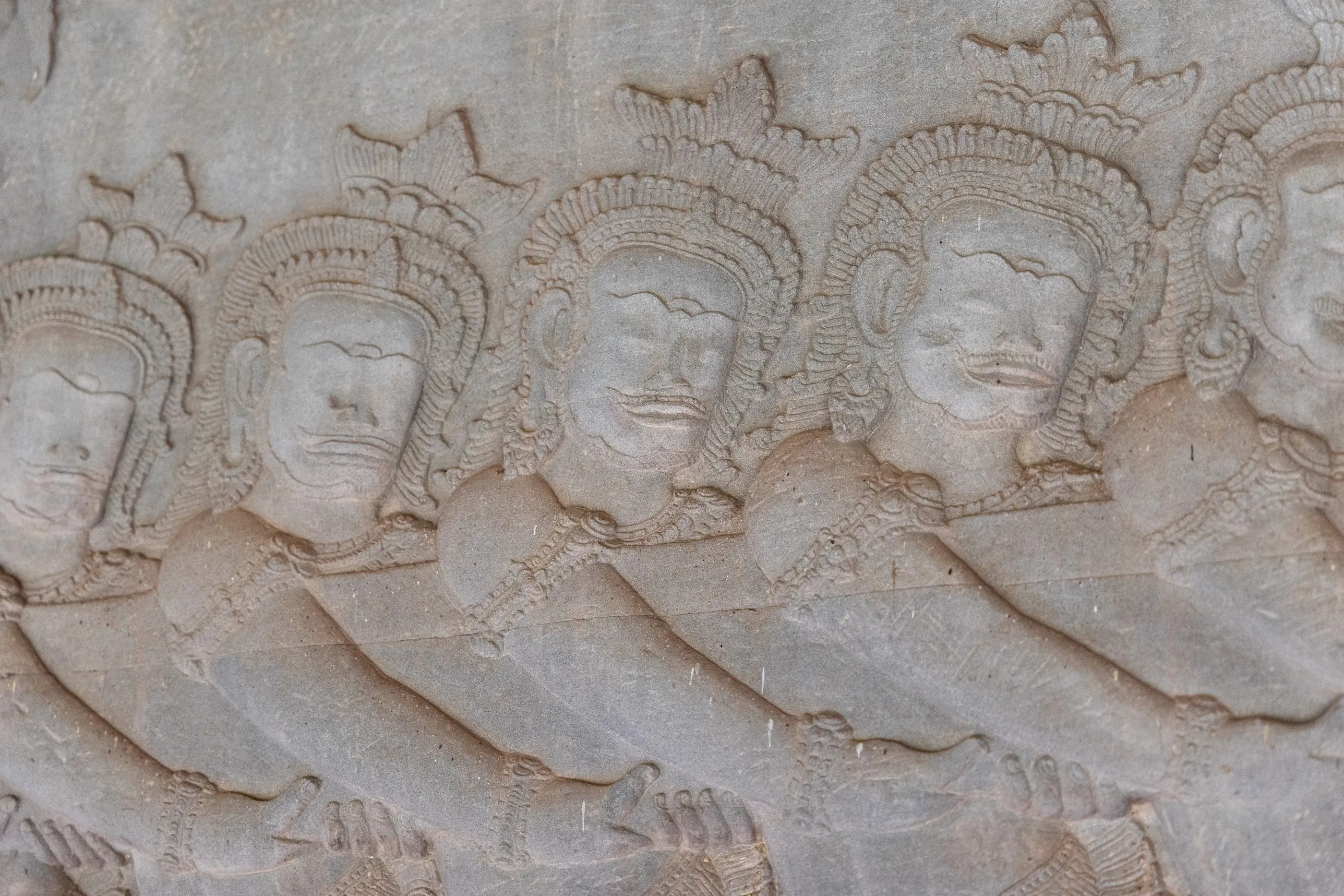
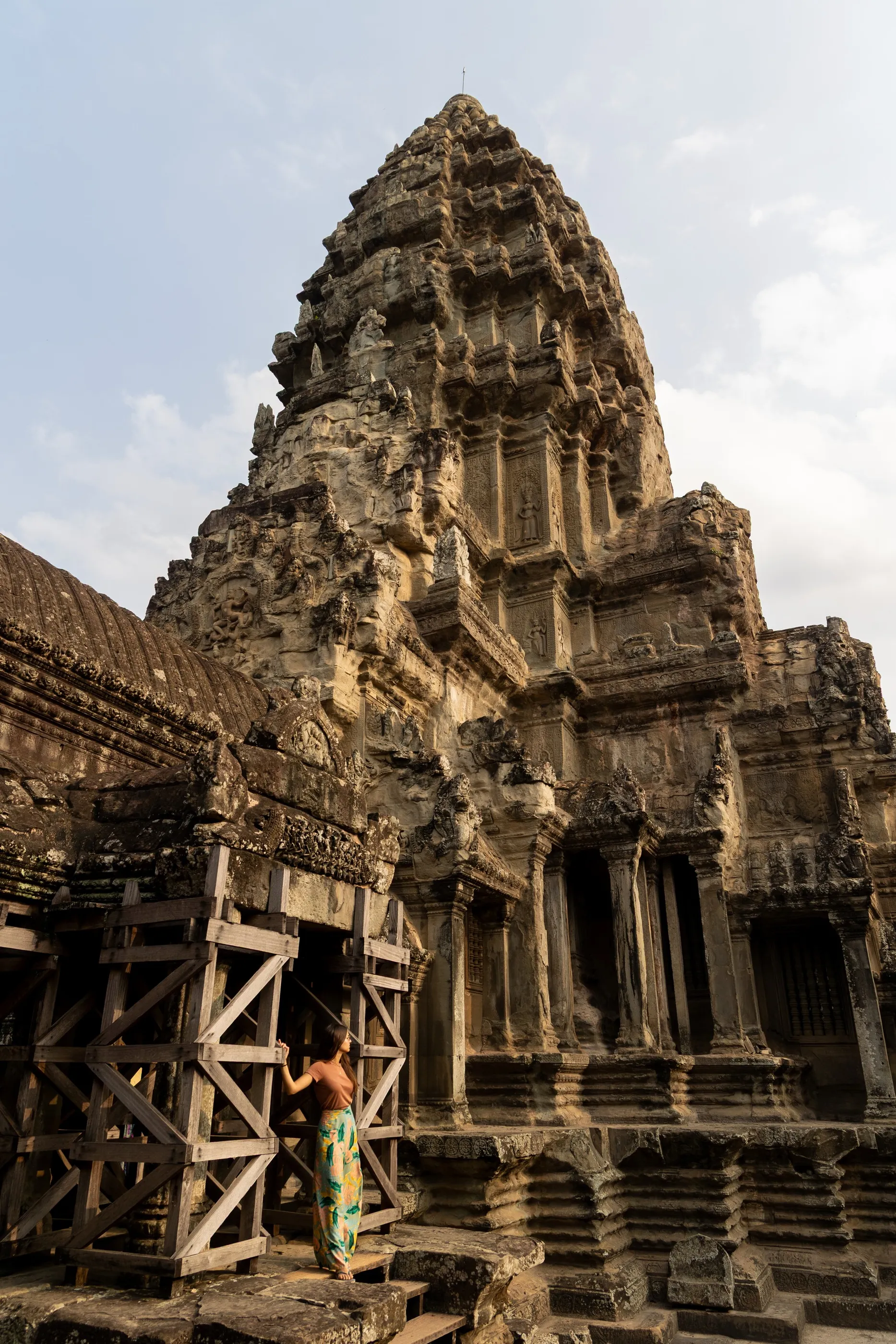
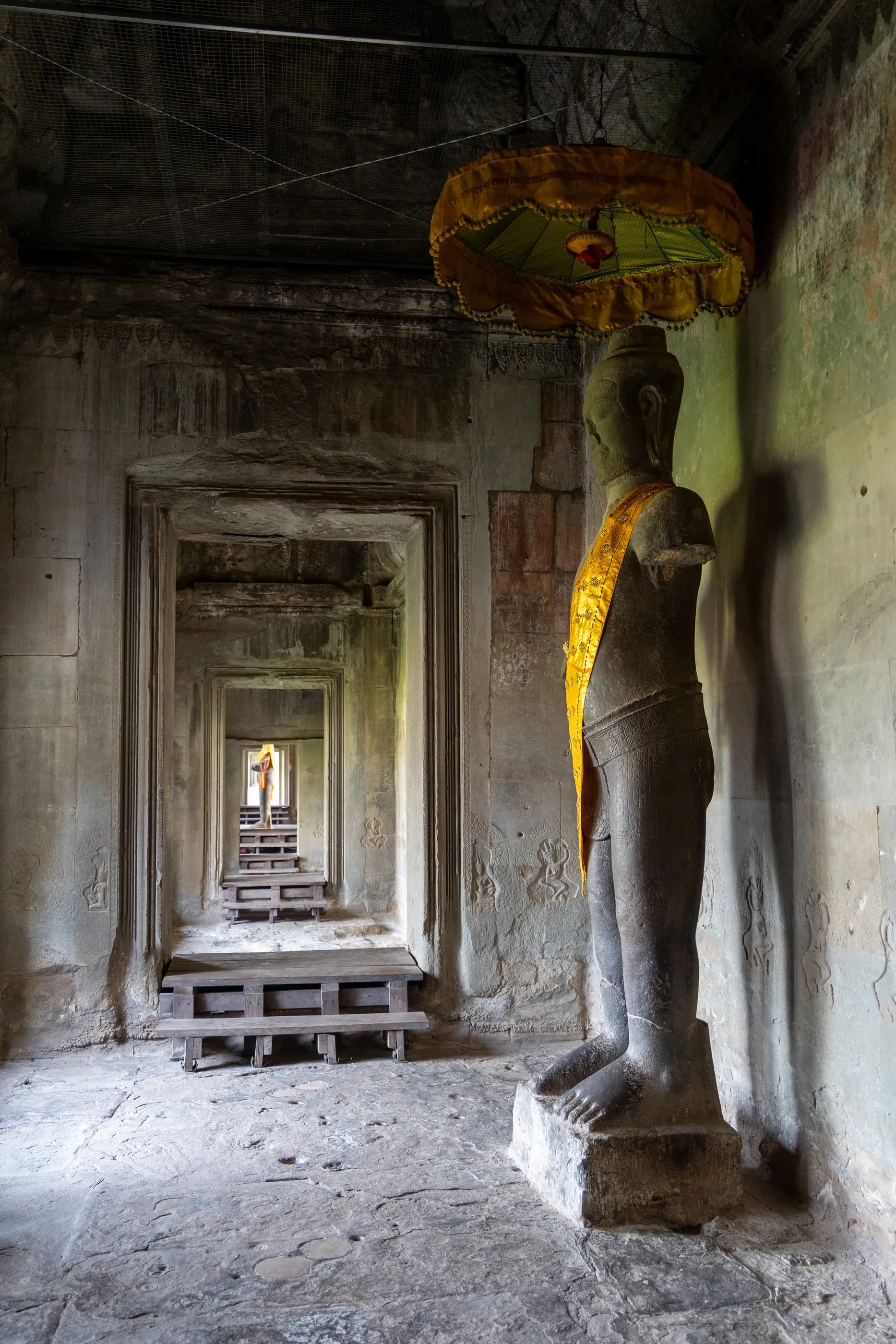
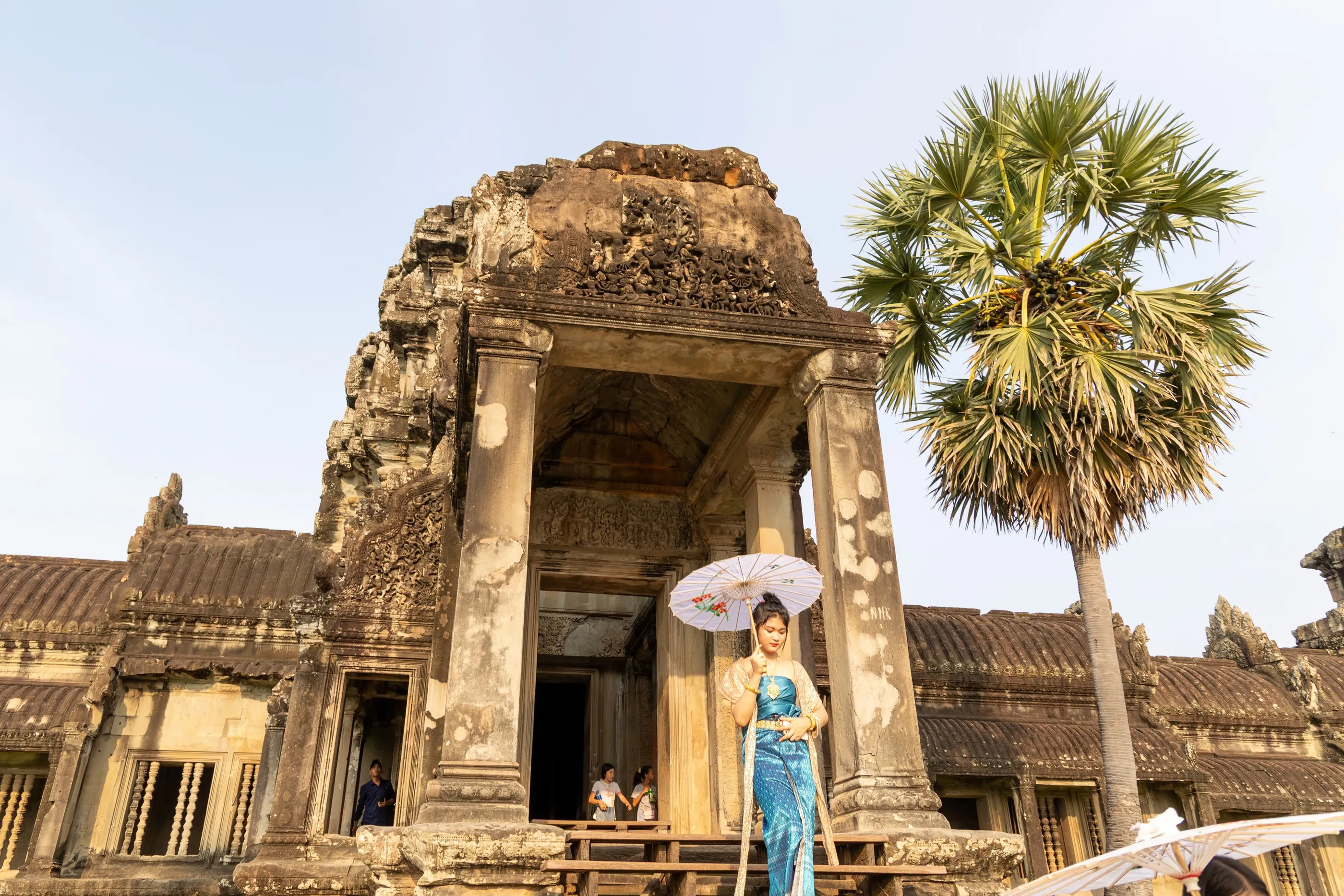
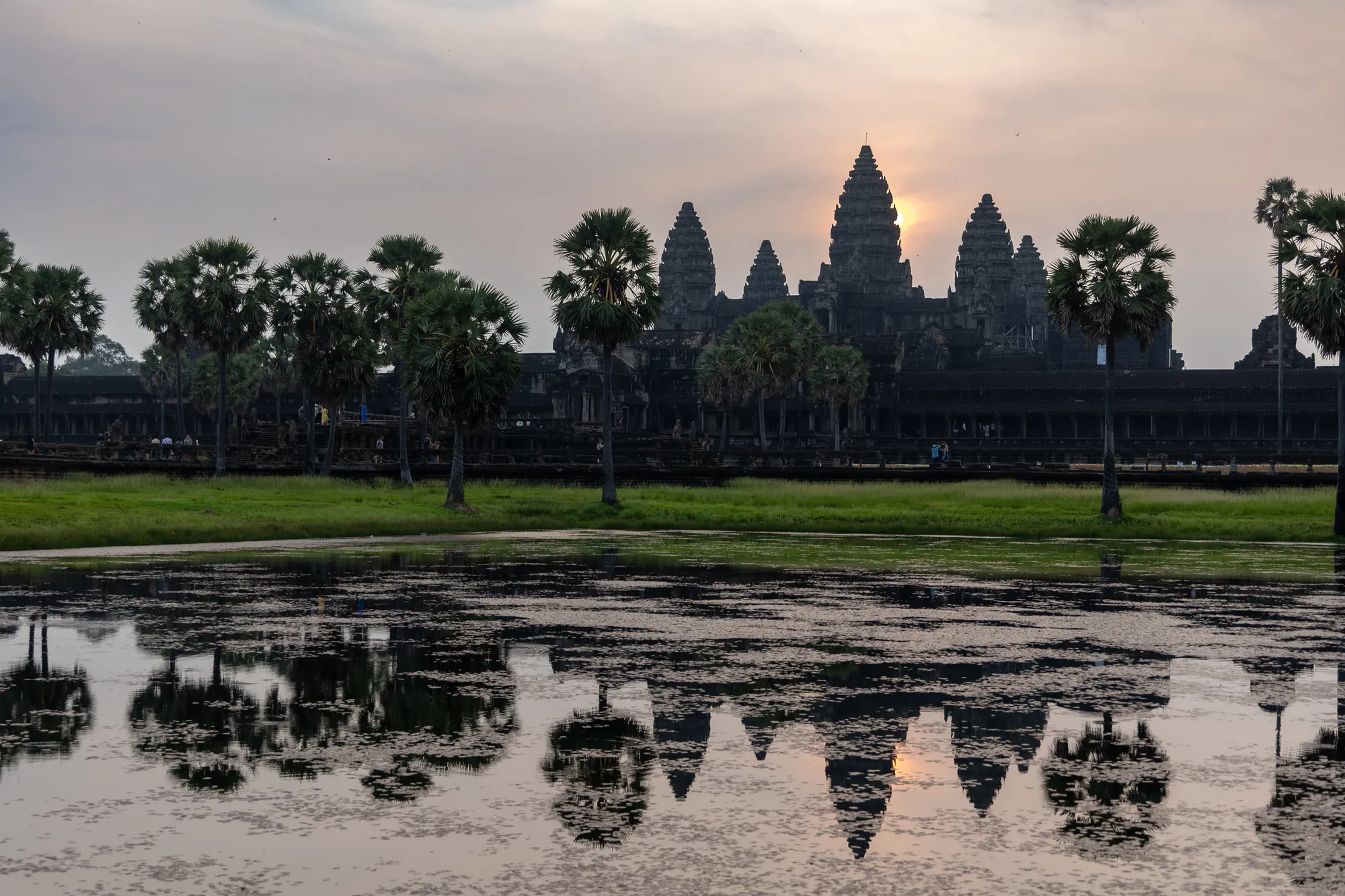
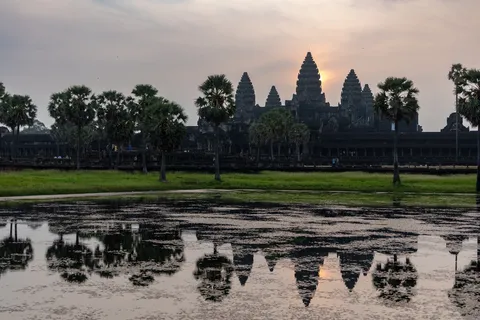
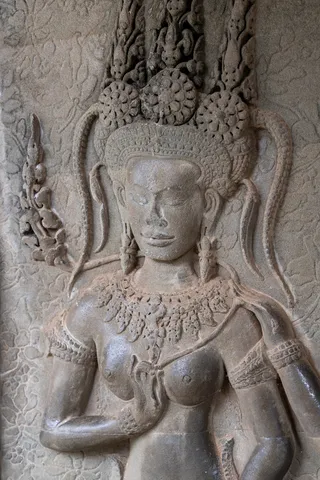
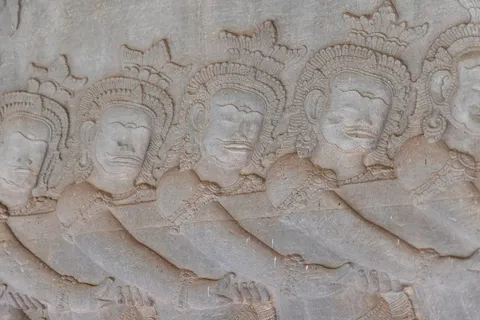
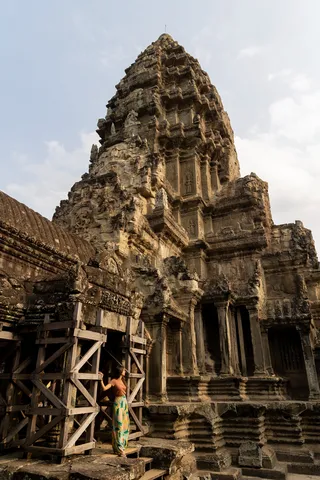
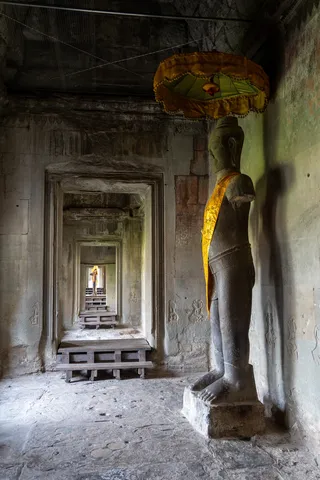
Before dawn, we waited by the reflecting pools for the five towers to emerge against the paling sky. The largest religious monument in the world then mirrors itself, whole, in the still water. Then the galleries: the Churning of the Sea of Milk unrolling over dozens of metres, apsaras by the hundred, a standing Buddha beneath his parasol at the end of a corridor.


By road↗ 34 km
Kbal Spean, River of a Thousand Lingas
Cambodia
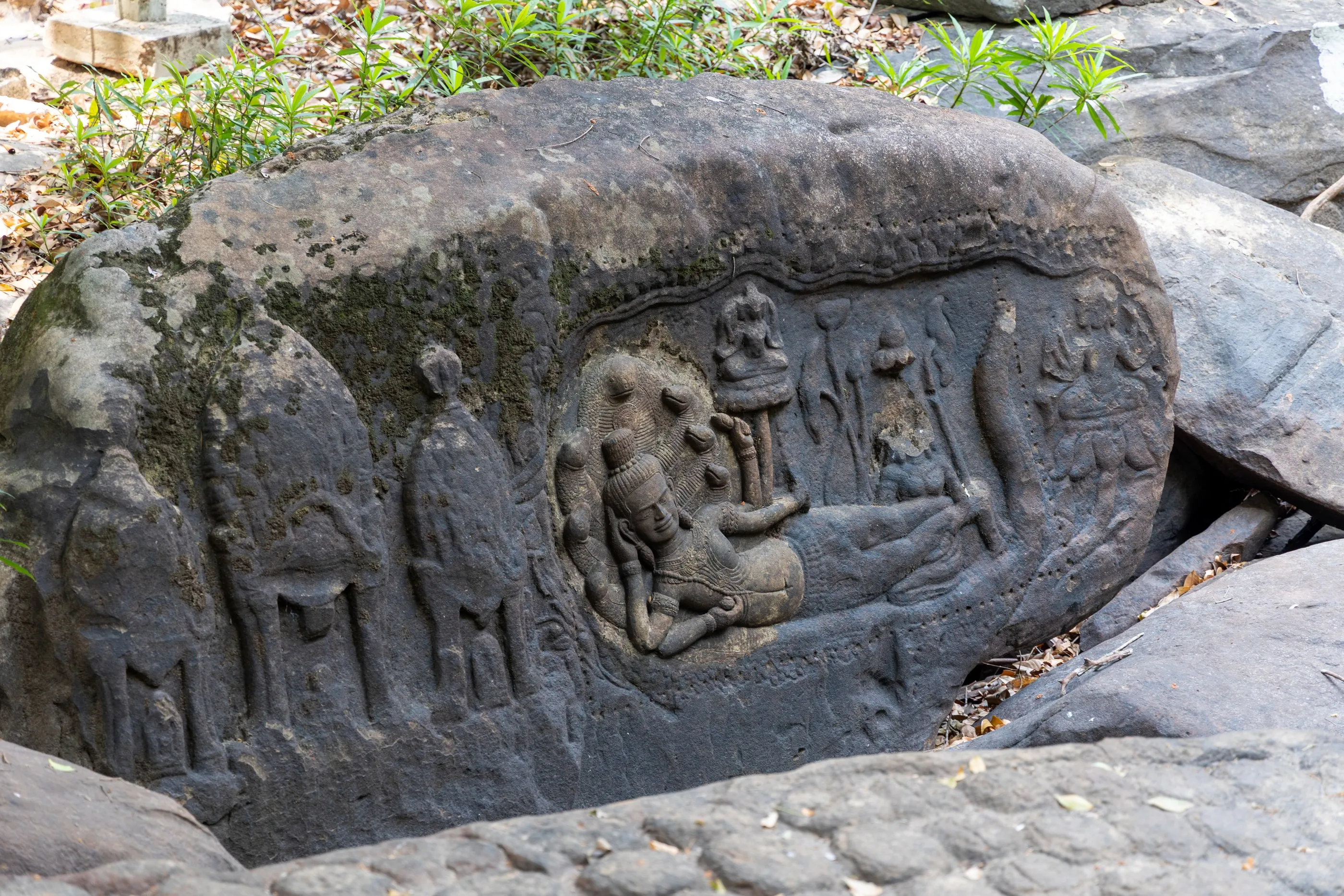
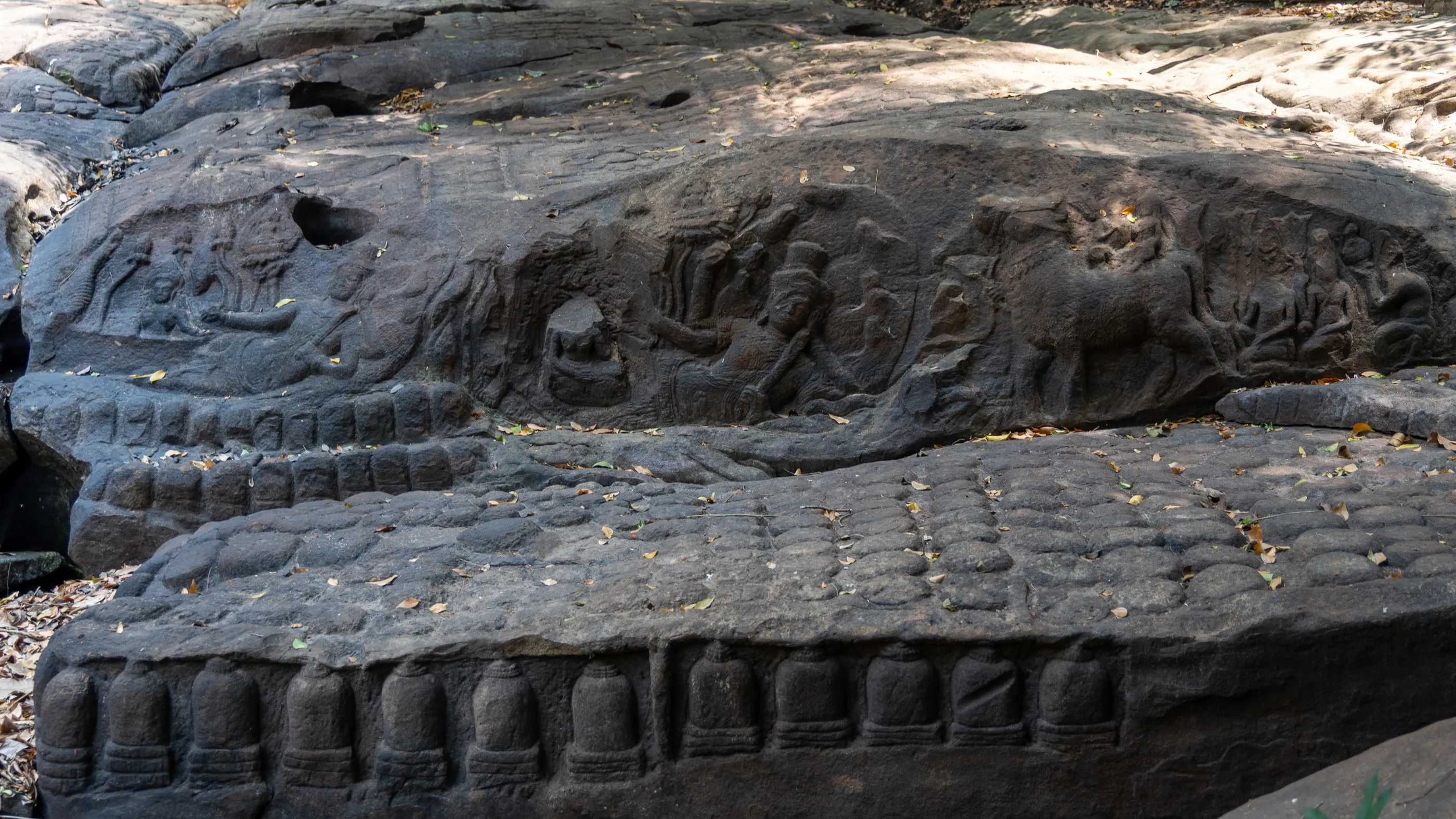
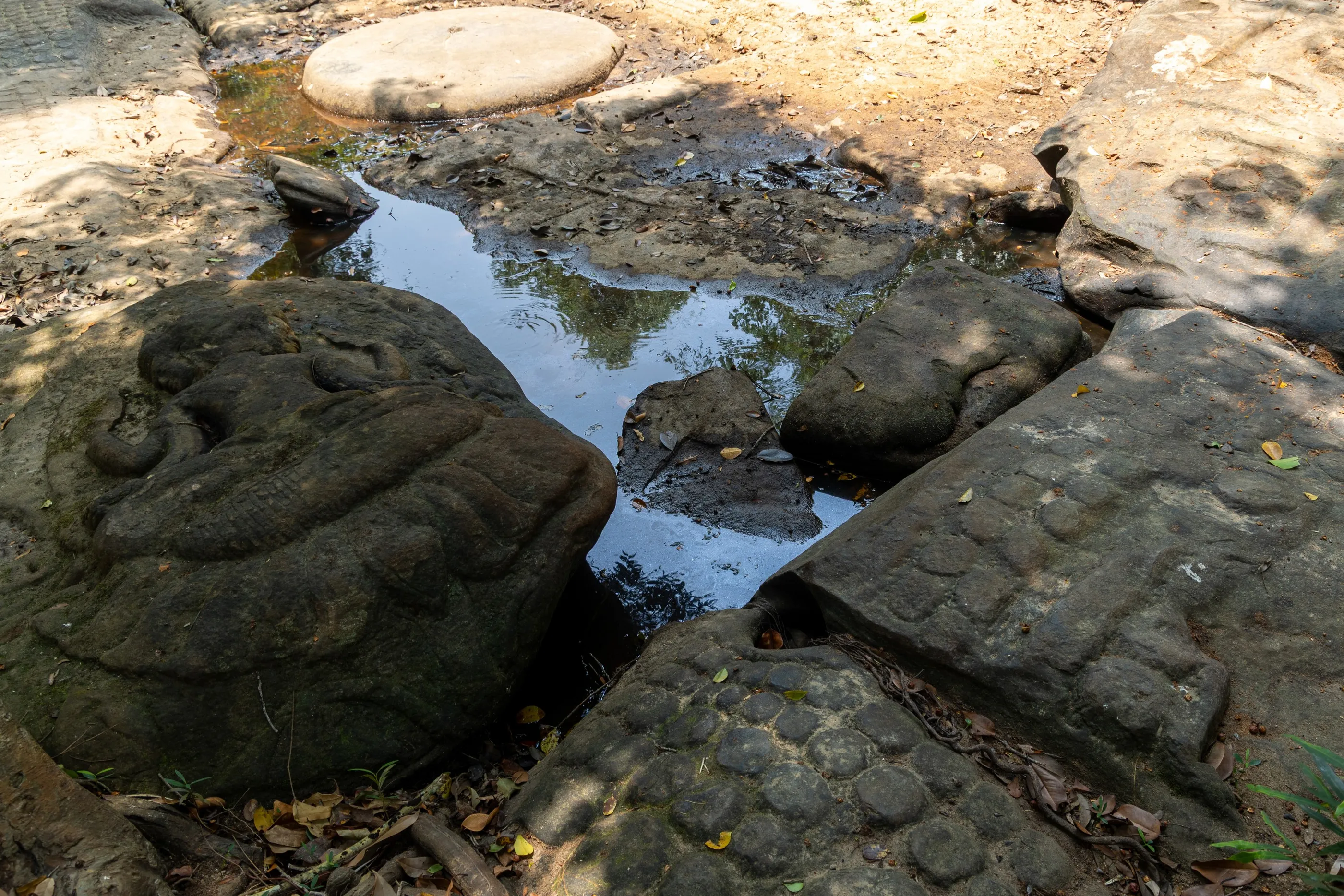
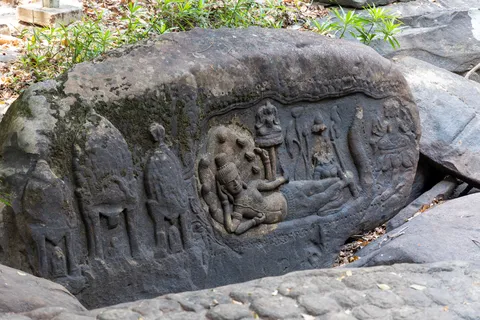
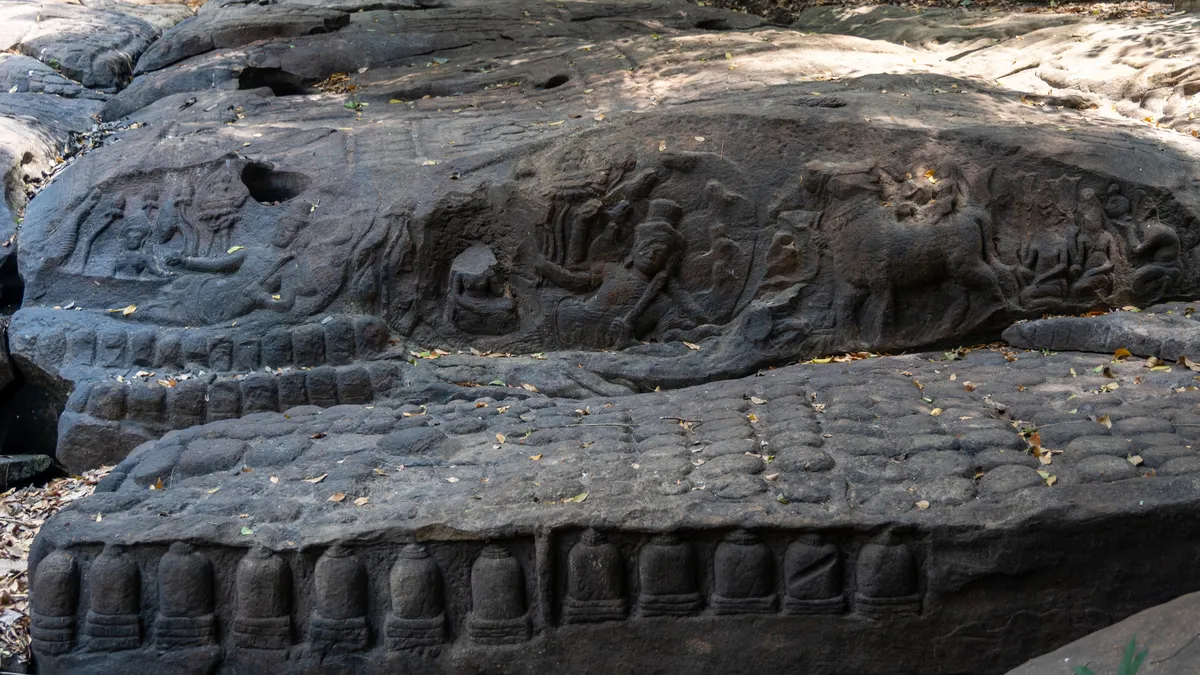
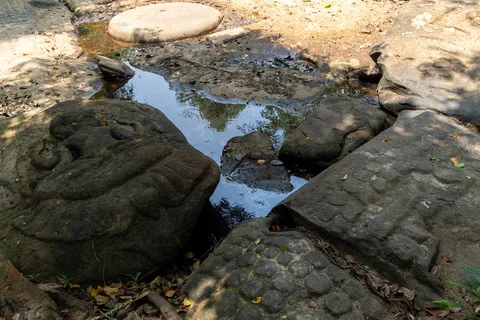
In the Kulen hills, a trail climbs through the forest to a river whose bed was carved in the eleventh century: Vishnu reclining on the serpent Ananta, deities, and hundreds of lingas showing beneath the clear water. At the end of the dry season, the current is little more than a trickle, and the stones lie almost bare.
By road↗ 11 km
Banteay Srei, the Citadel of Women
Cambodia
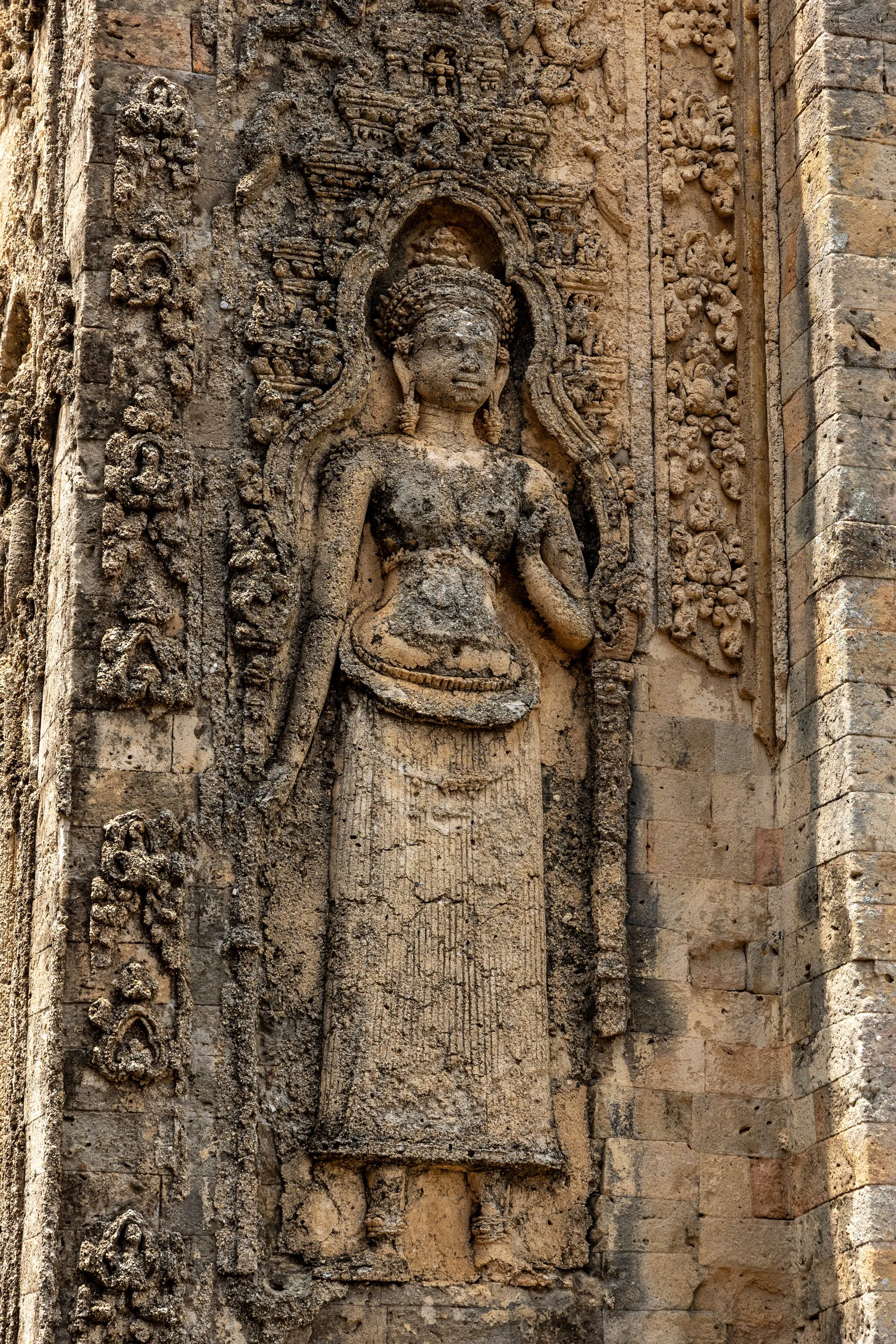
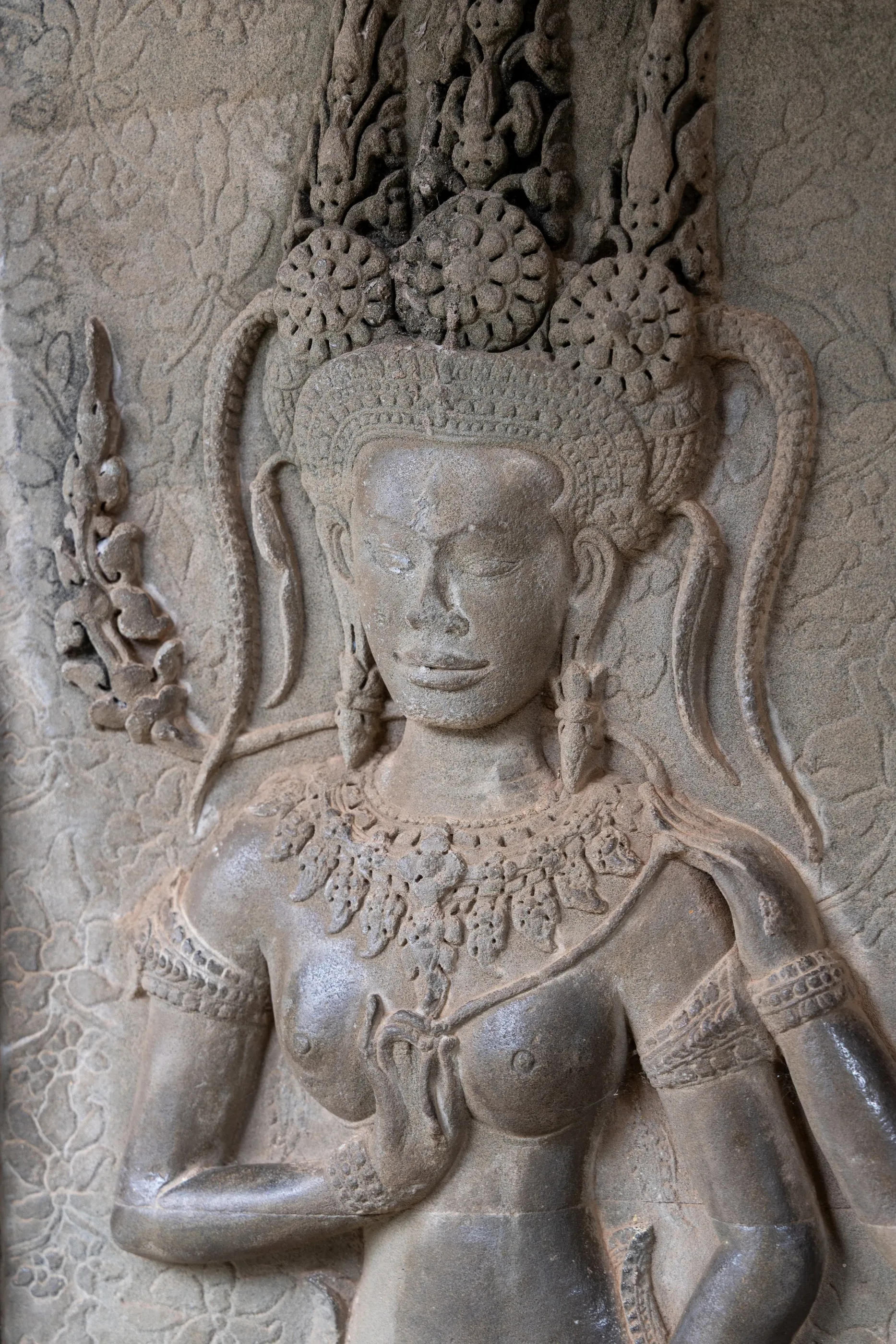
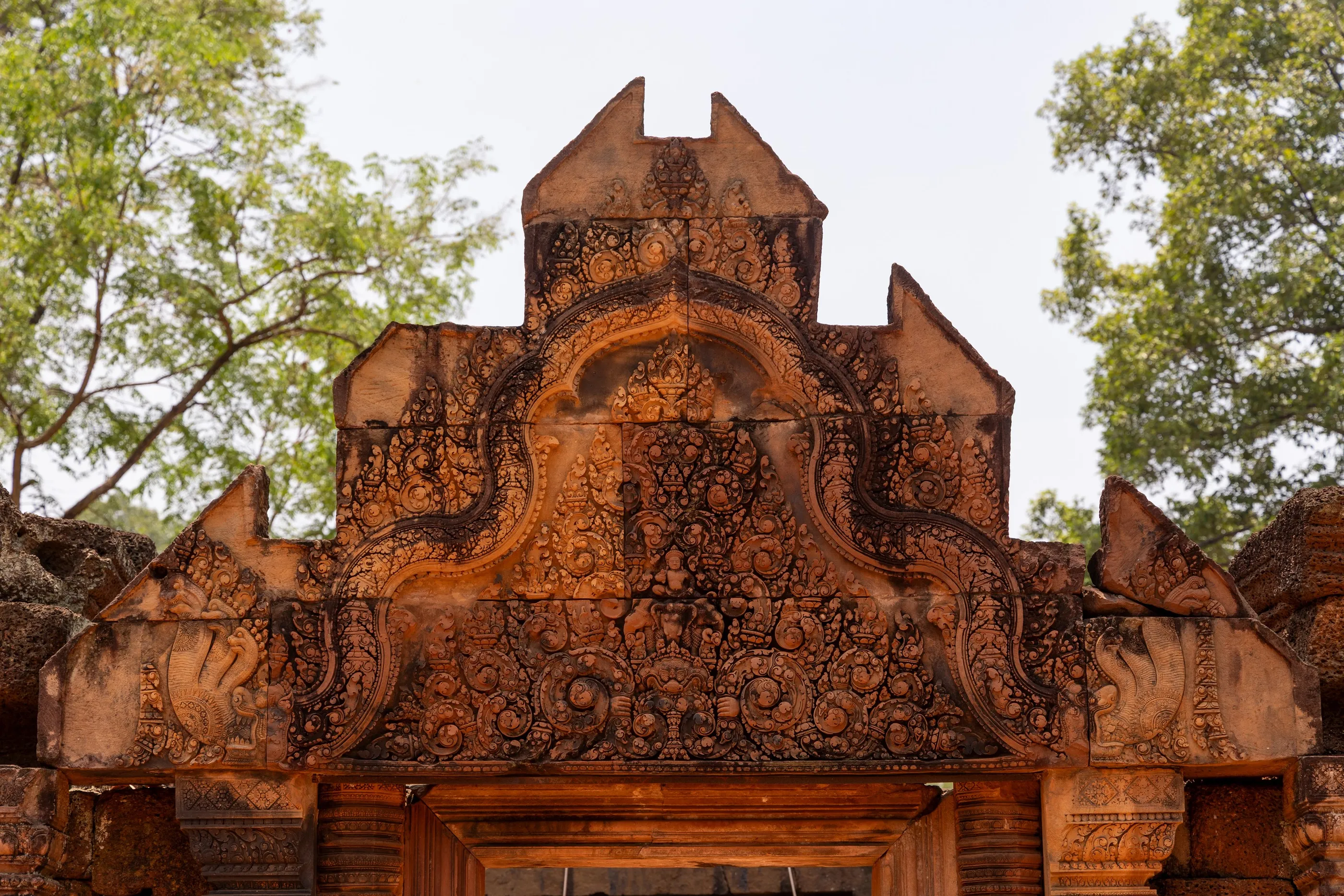
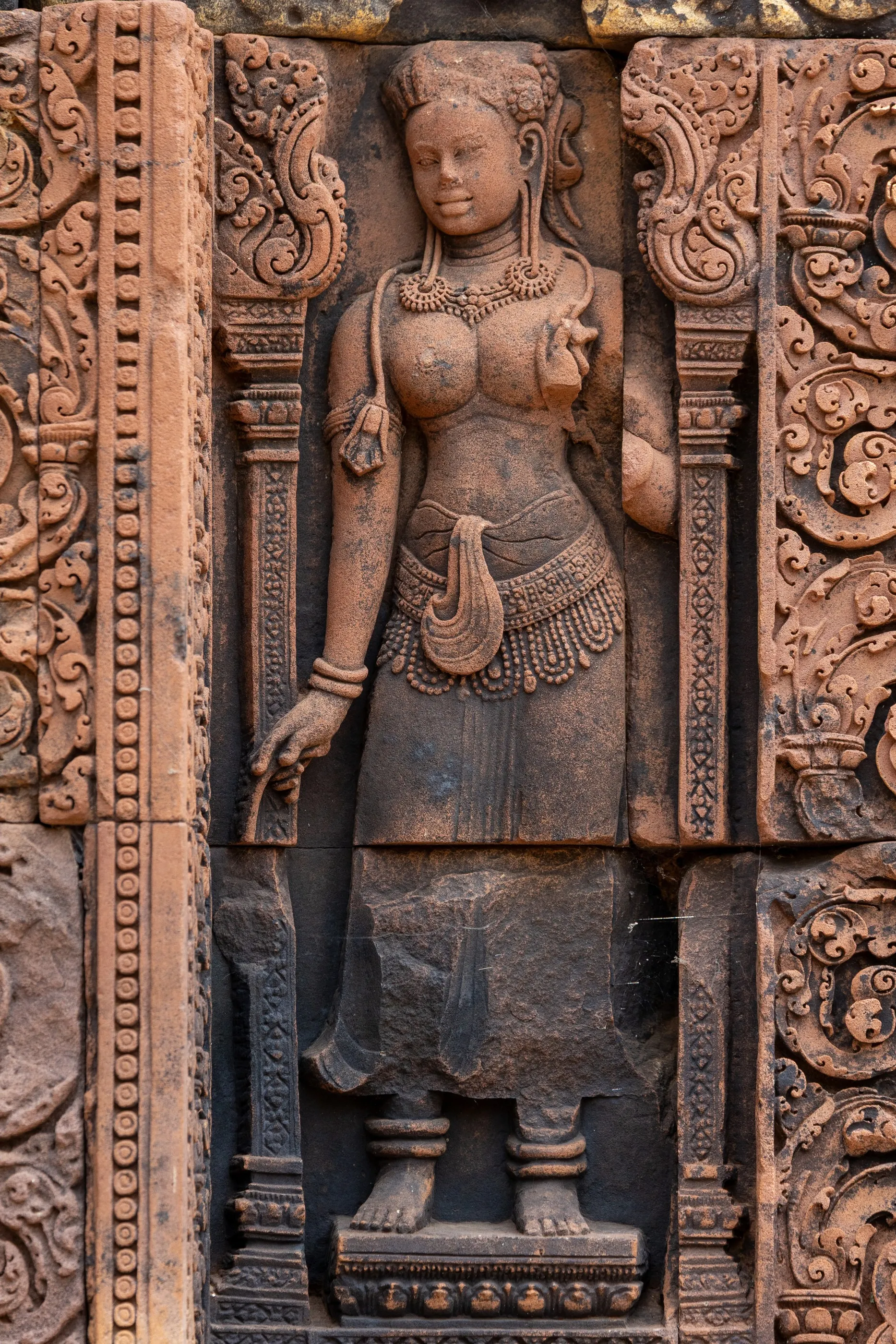
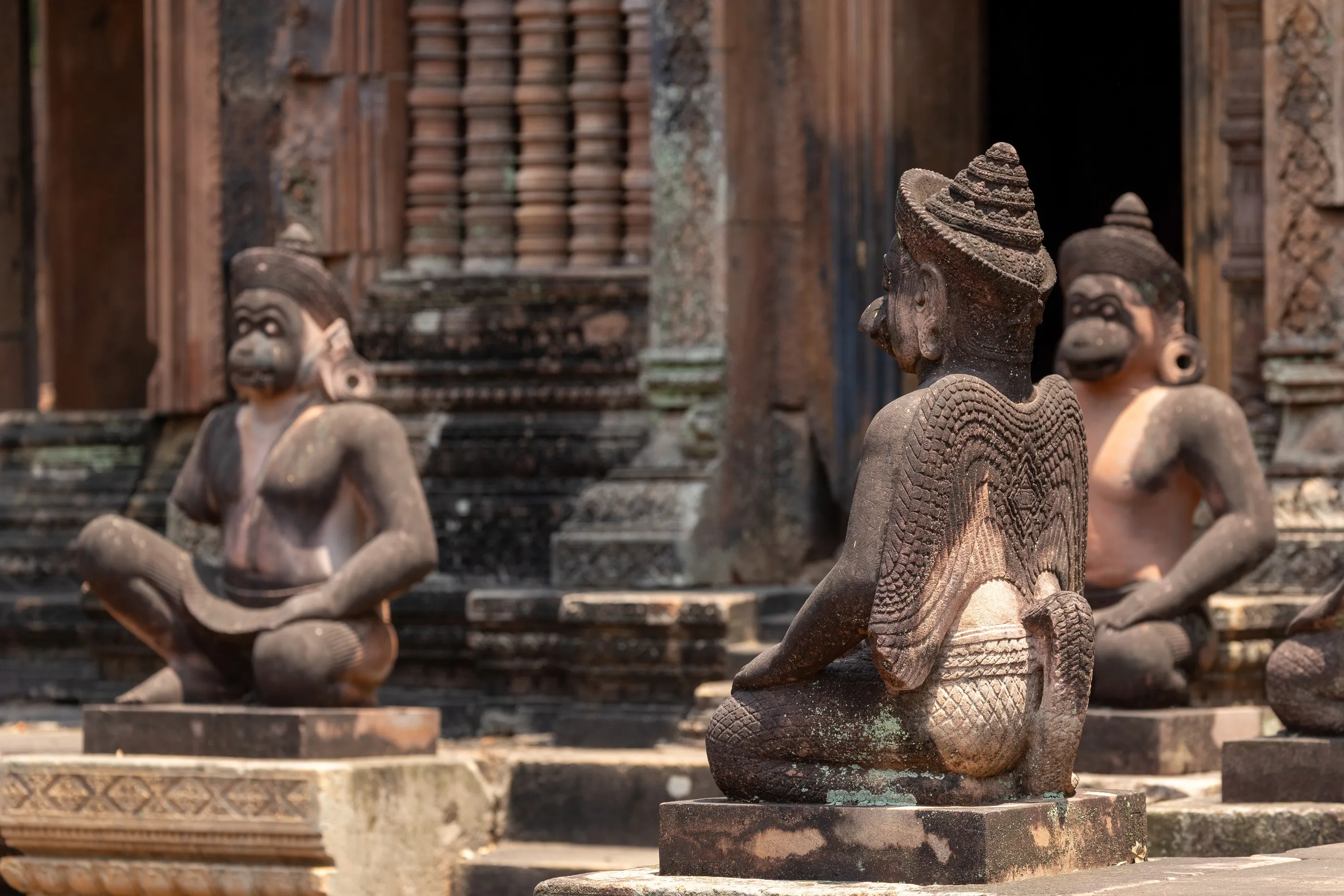
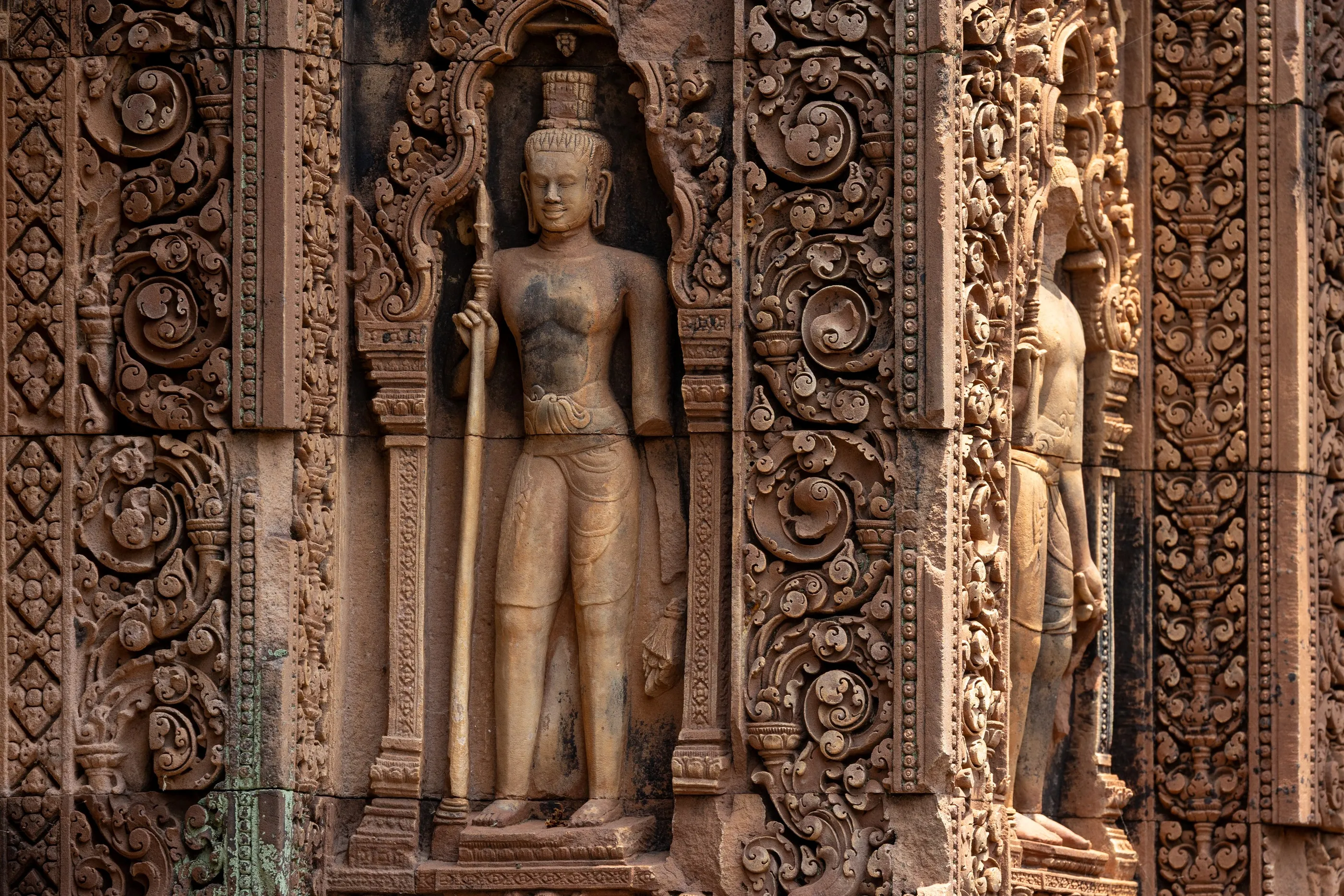
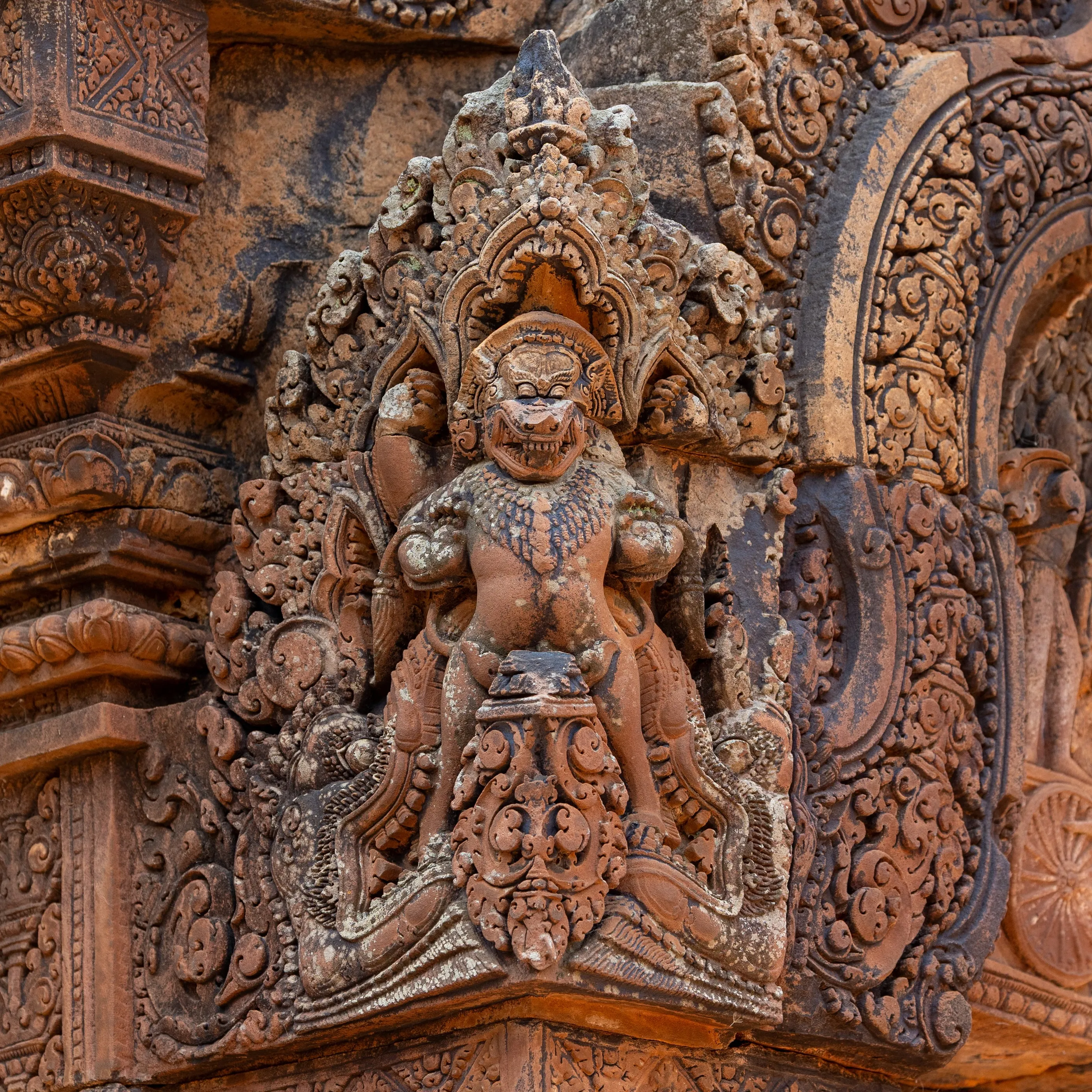
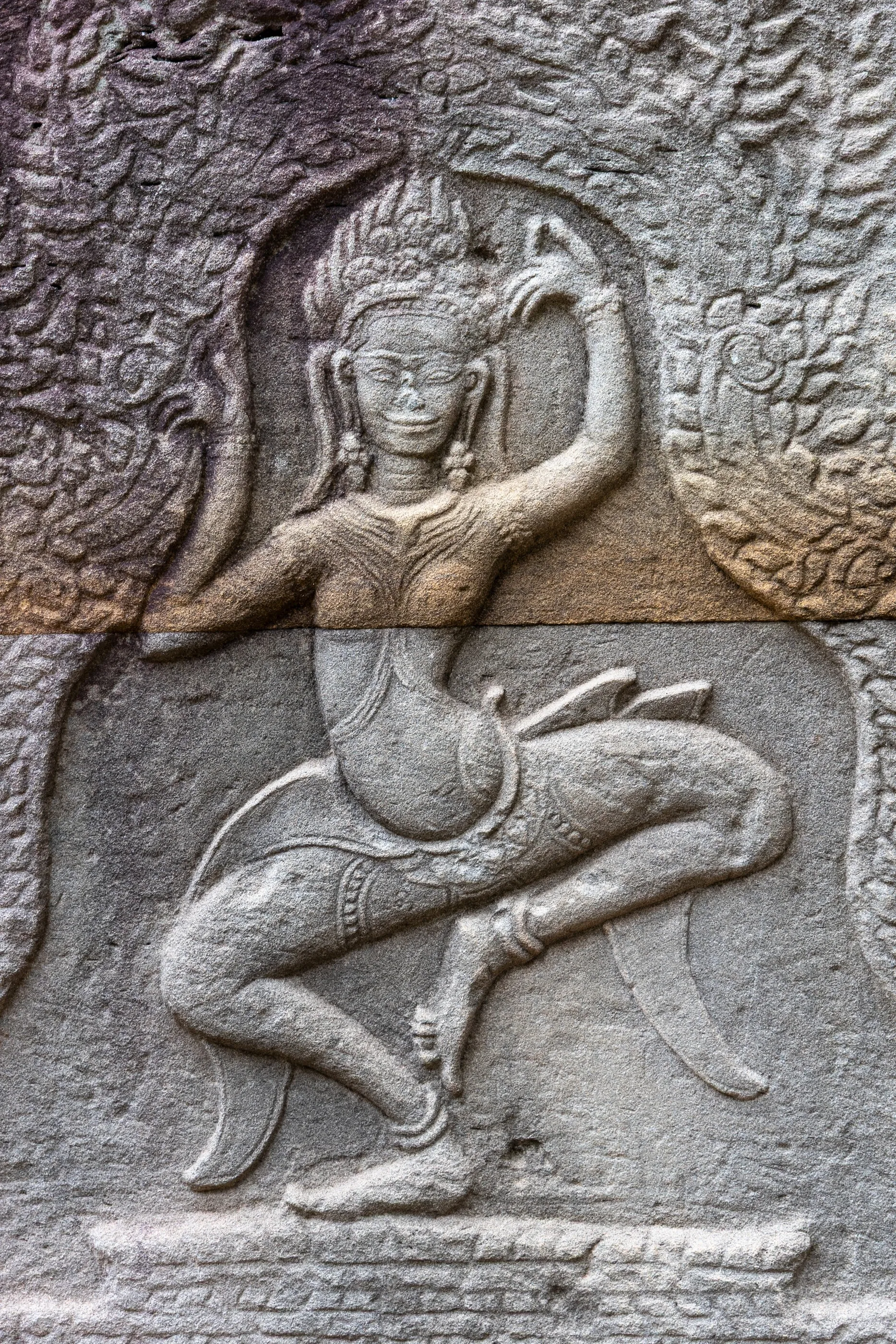
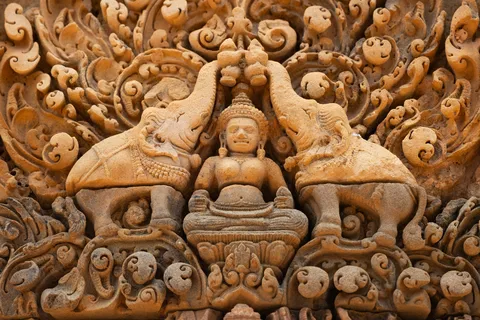
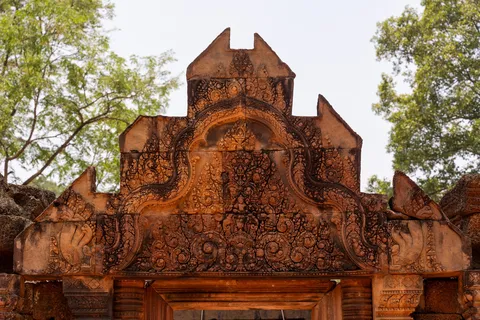
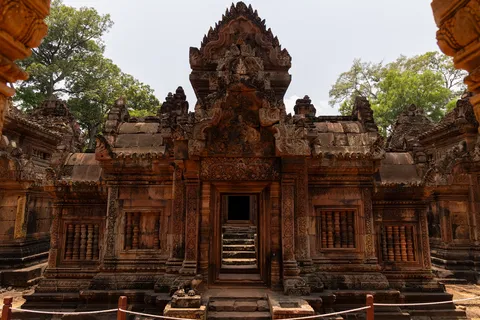
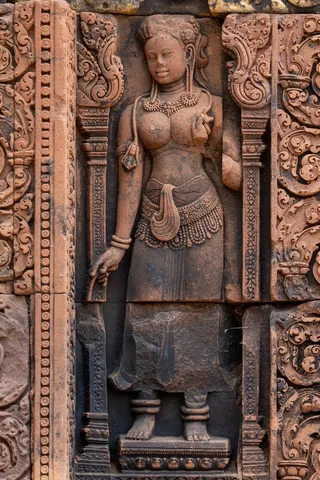
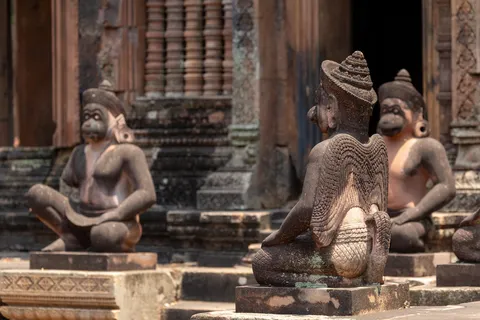
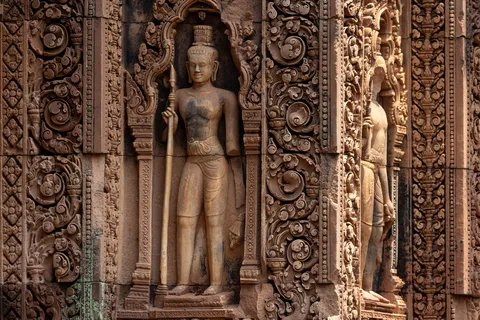
This is where it all begins. In December 1923, André Malraux, Clara and their friend Louis Chevasson sawed off several blocks carved with devatas from this small pink-sandstone temple, consecrated in 967; arrested in Phnom Penh, they were tried and convicted, and the sculptures returned to the temple. A century later, we look for the famous devatas in their niches: astonishingly fine diadems and drapery, pediments chiselled like goldsmith’s work. One understands the fascination — and the temptation — that would become The Royal Way.


By road↗ 19 km
Banteay Kdei and Srah Srang
Cambodia
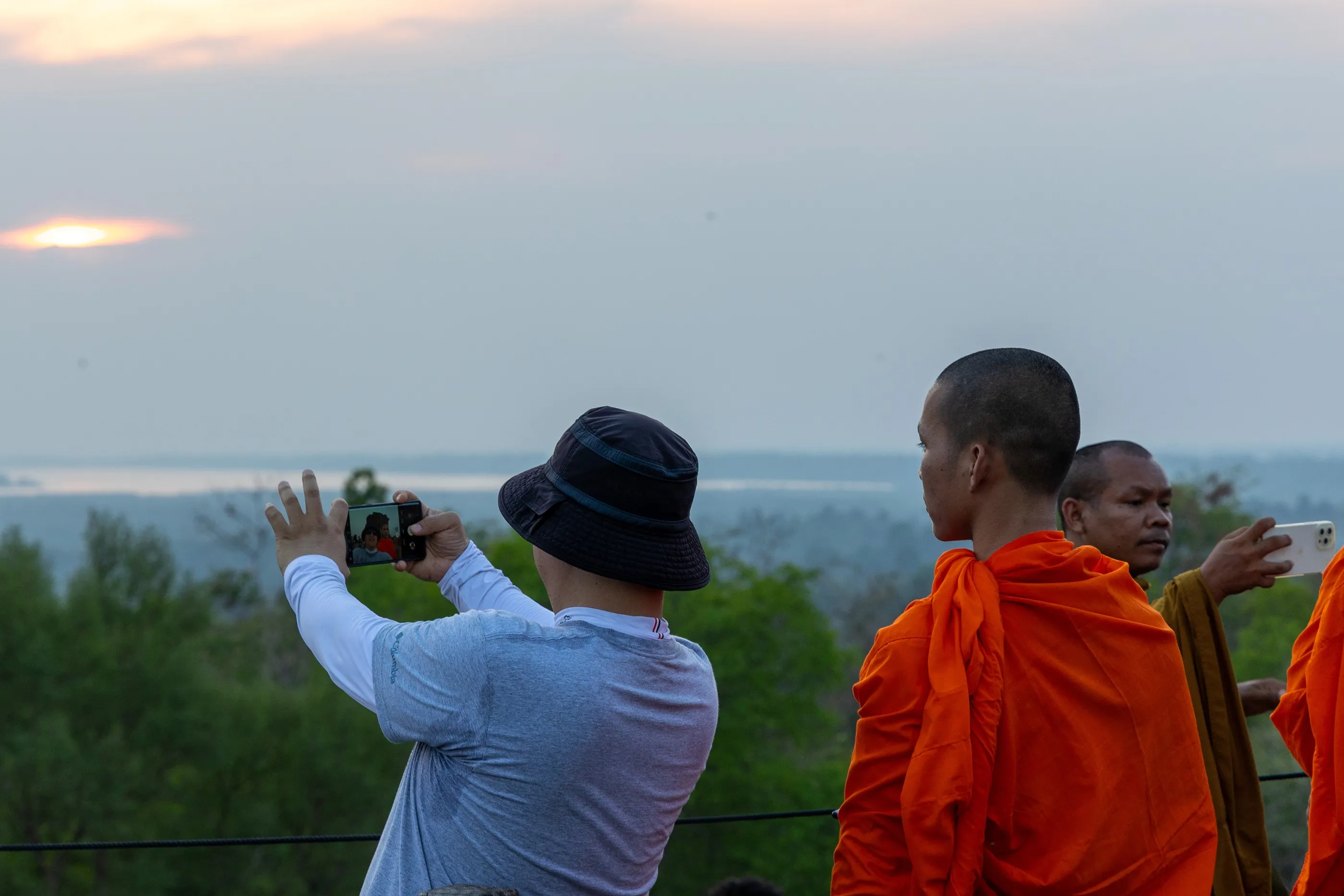
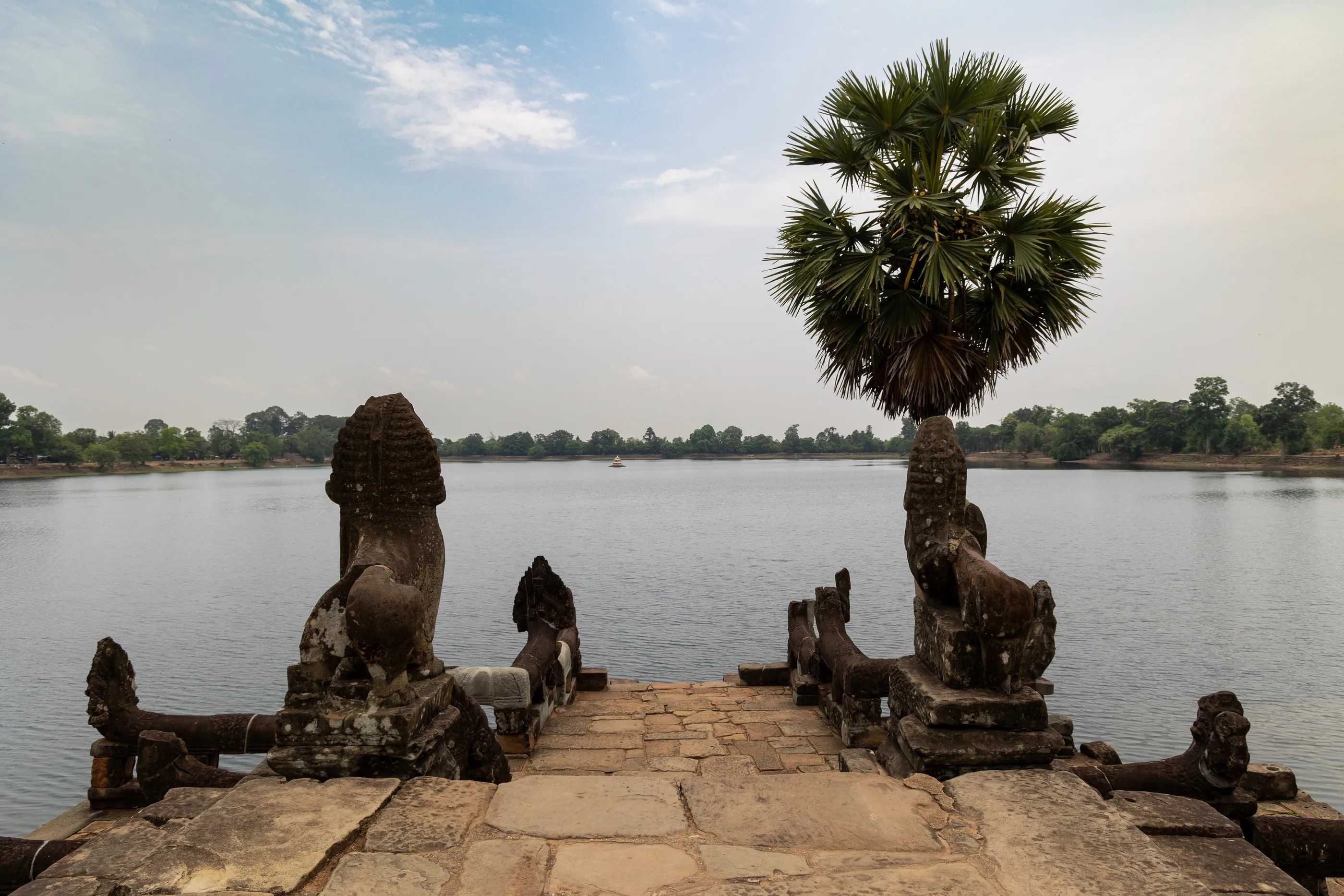
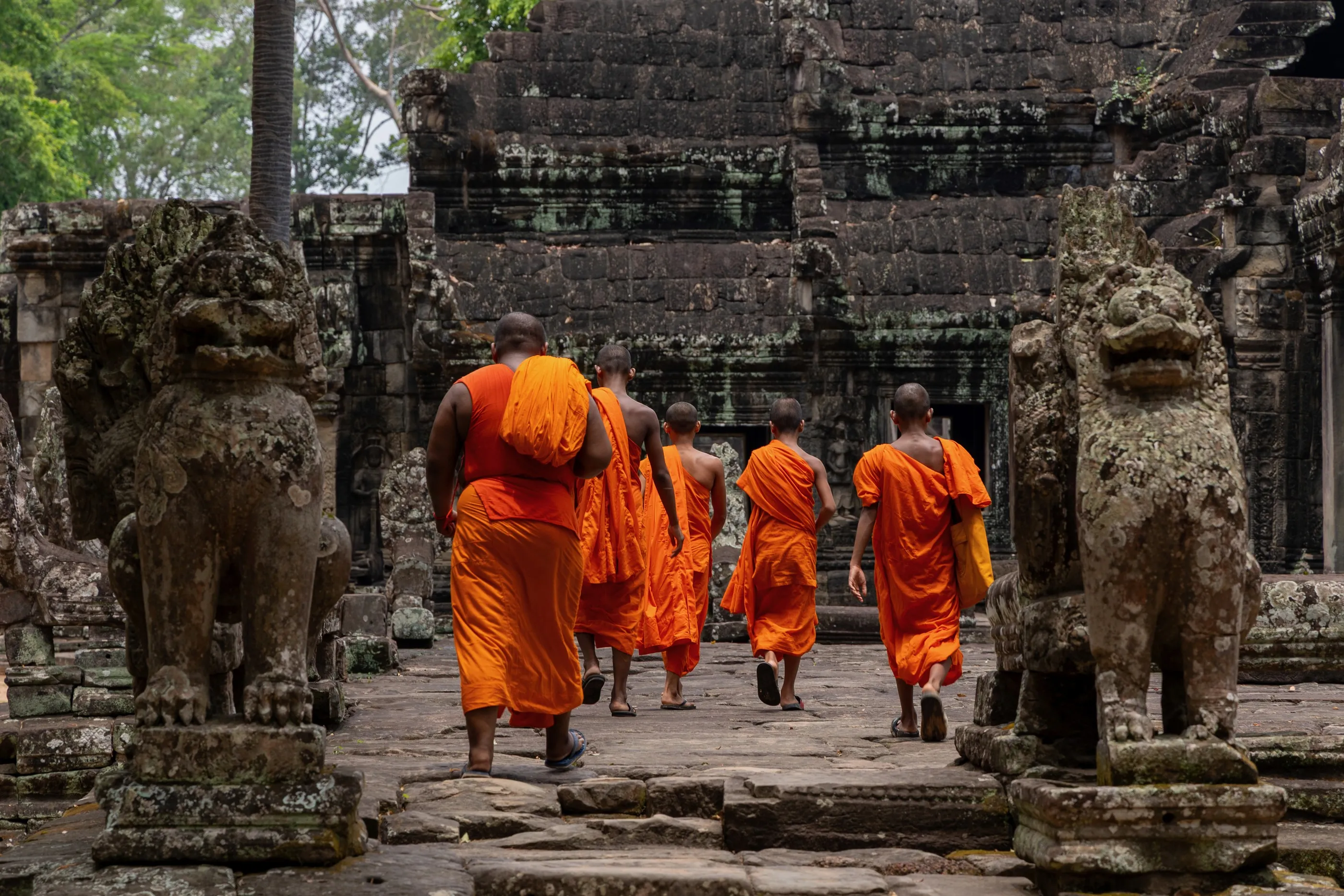
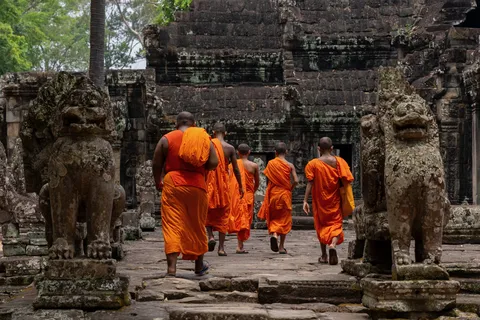
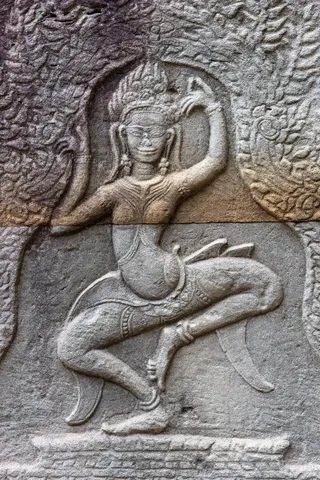
Early in the morning, a line of young monks in saffron robes walks between the guardian lions of Banteay Kdei, where an apsara dances on a pillar. Just opposite, the great reservoir of Srah Srang, the ‘royal bath’, stretches out beyond its stone lions and a lone sugar palm.

By road↗ 3 km
Ta Prohm
Cambodia
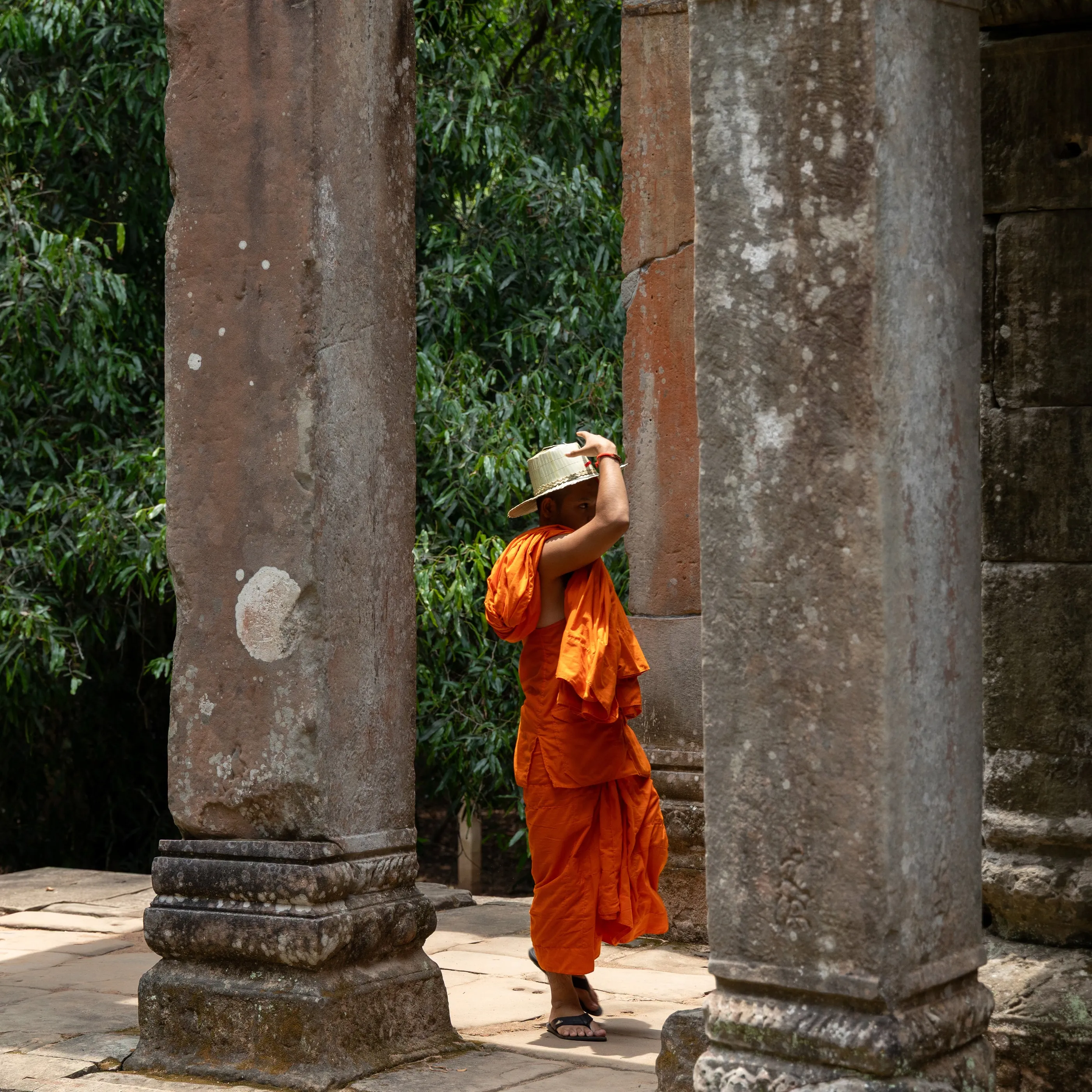
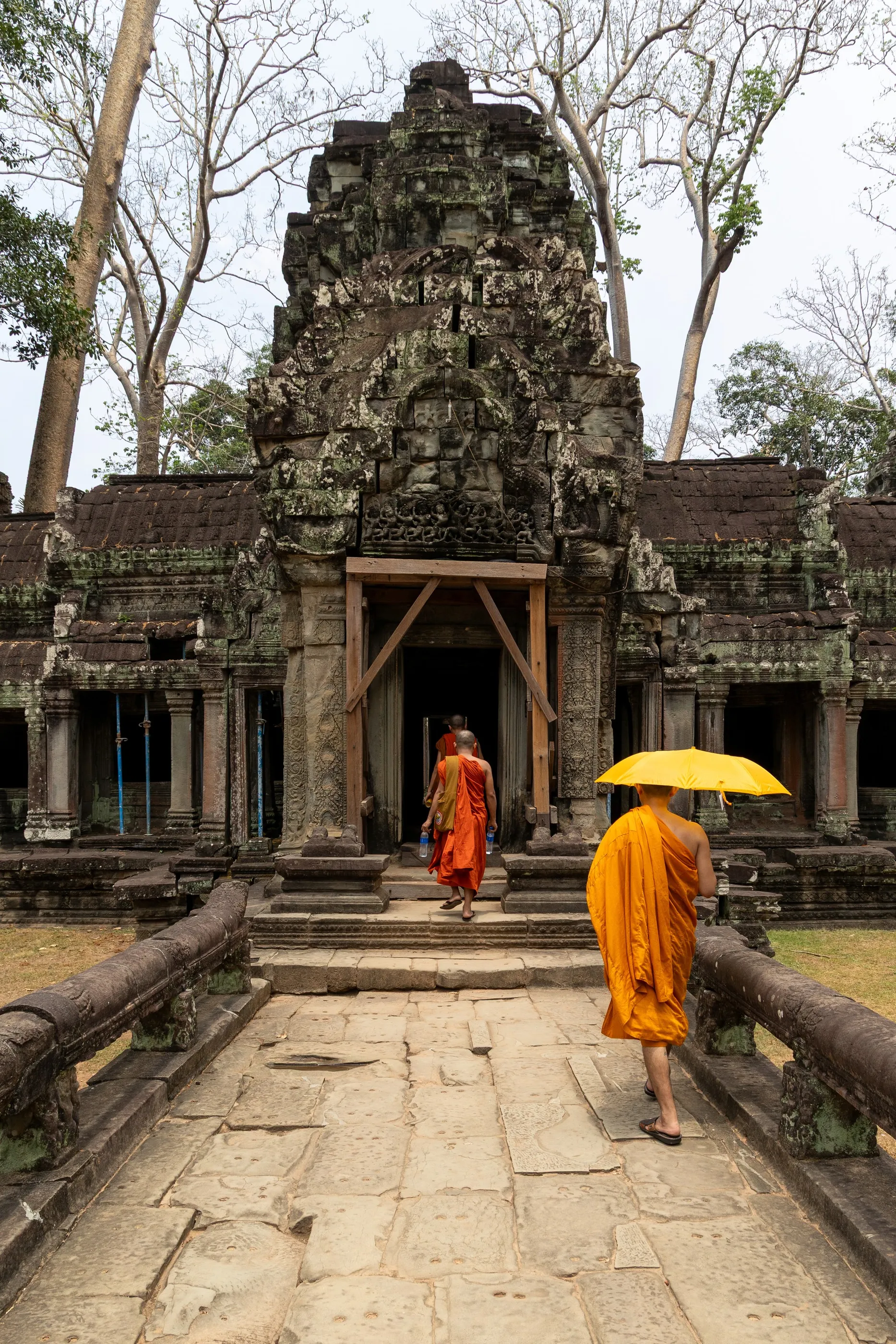
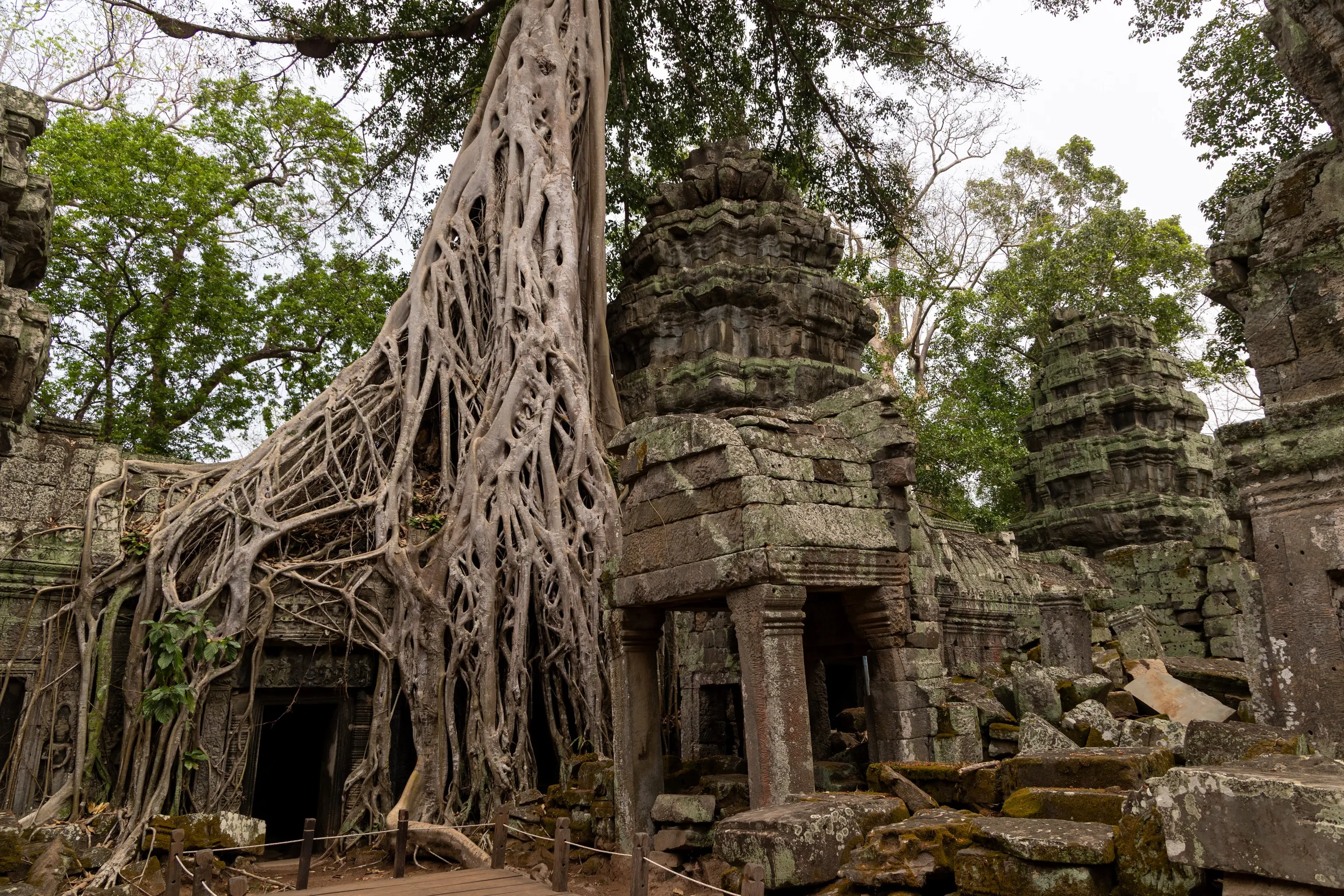
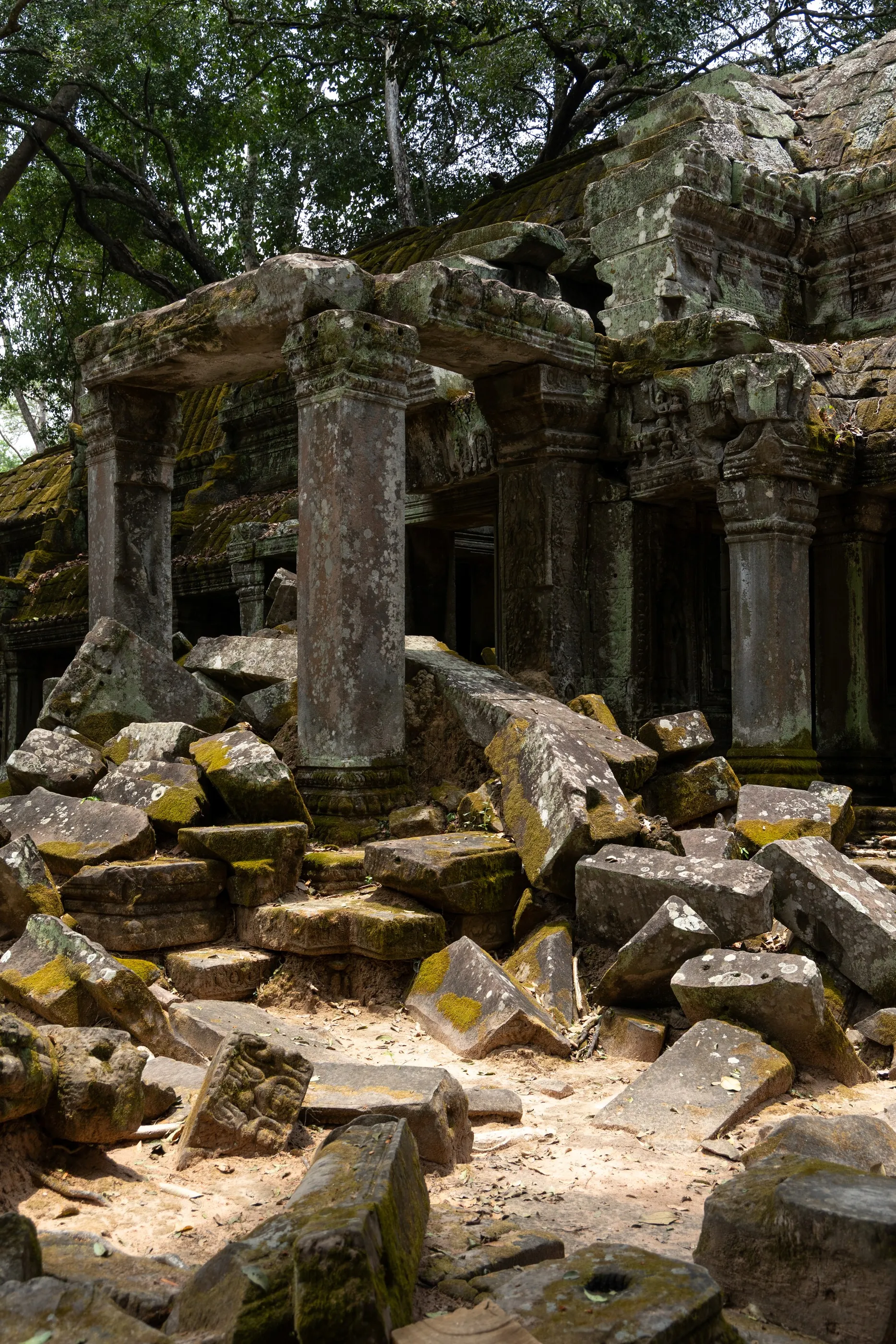
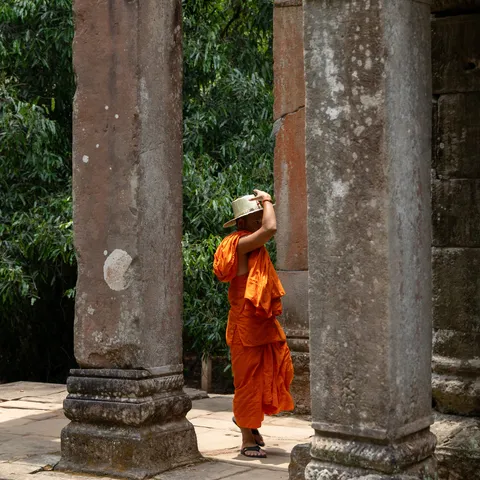
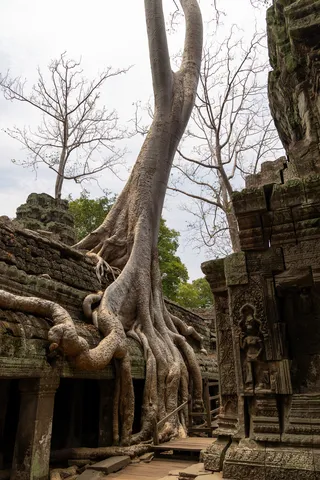
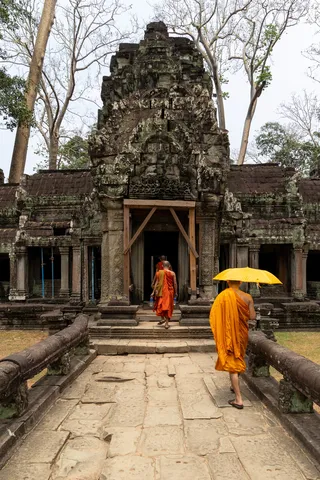
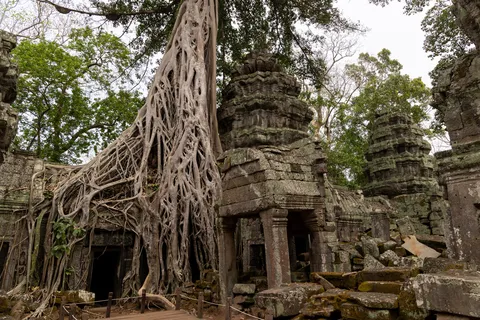
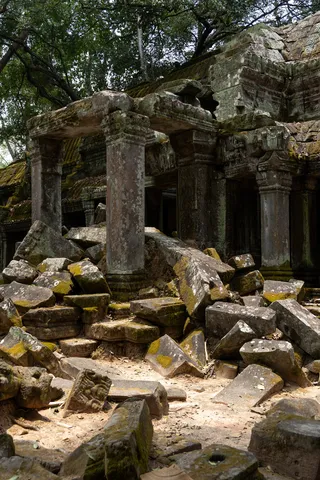
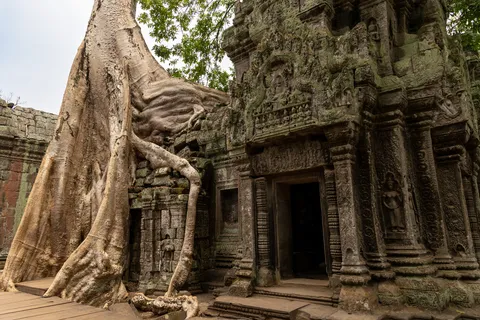
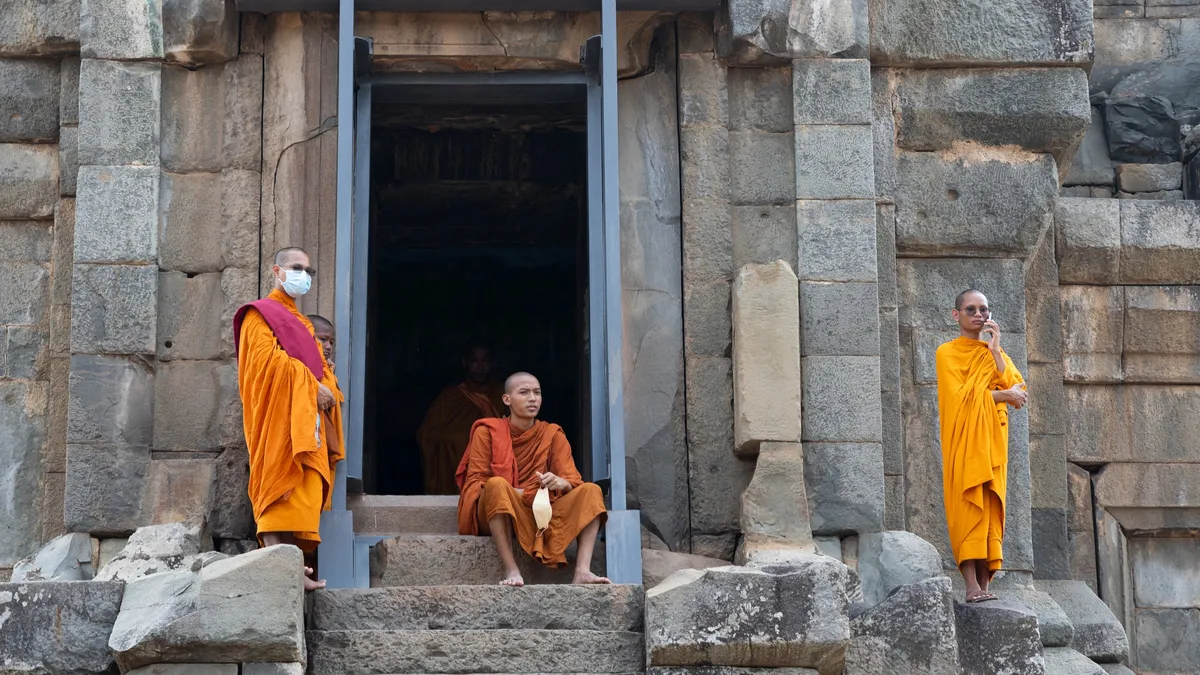
Ta Prohm is where Malraux’s Angkor makes the most sense: deliberately left as the first explorers found it, the temple is gripped by the roots of giant silk-cotton trees, fallen blocks pile up, jungle and stone have become one. A monk crosses the light between two pillars; another shelters under his yellow umbrella at the gate.
By road↗ 3 km
The Bayon, Angkor Thom
Cambodia
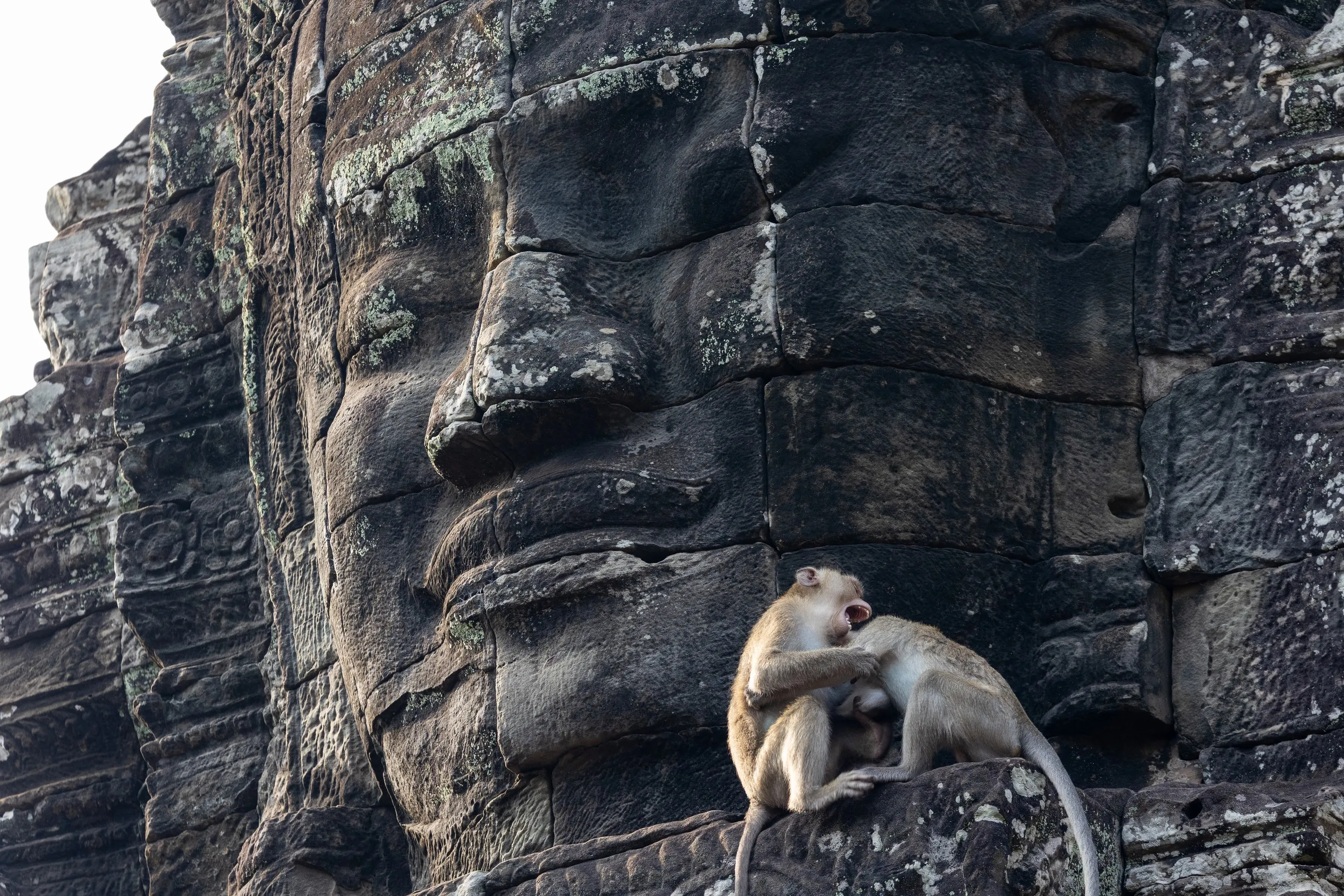
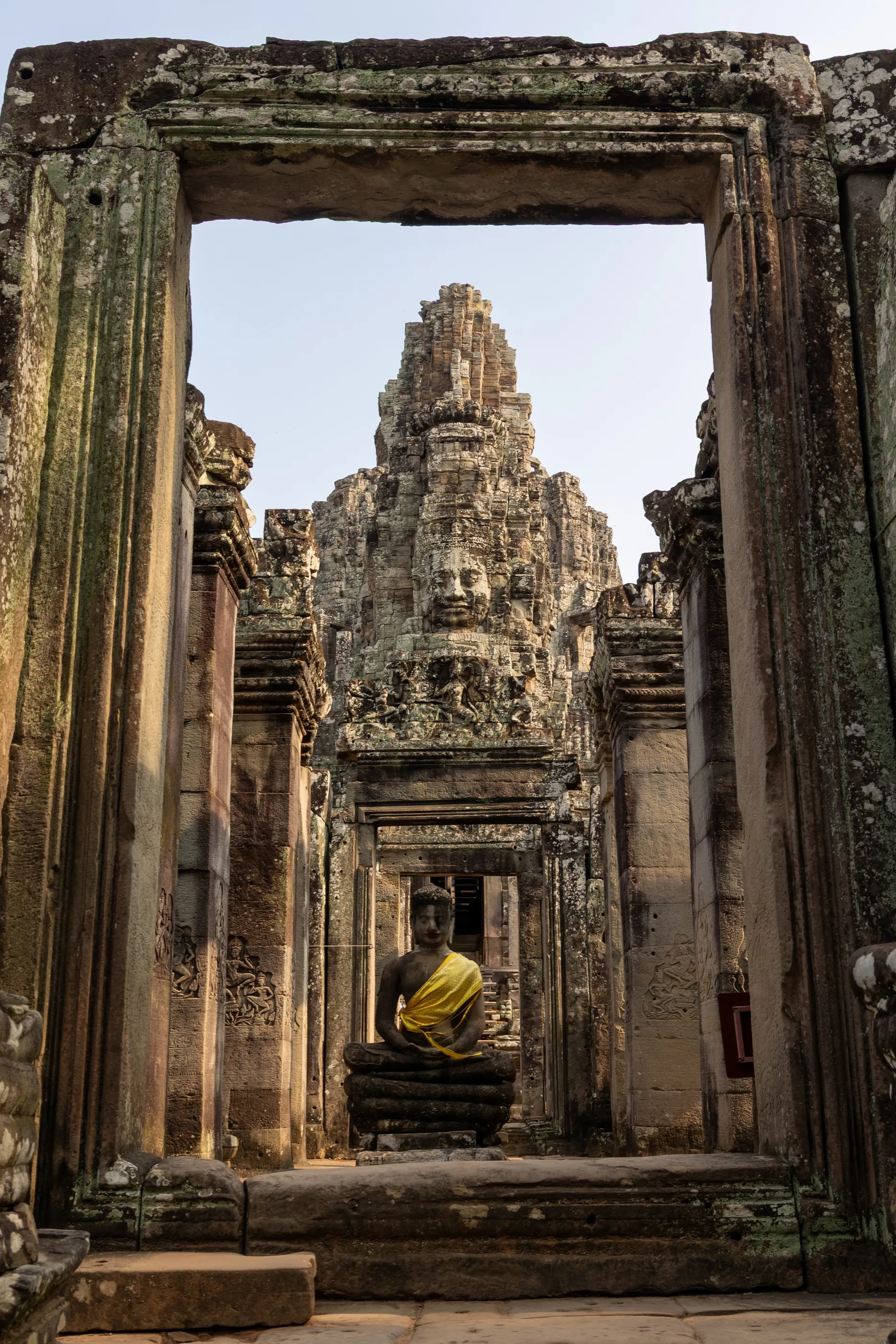
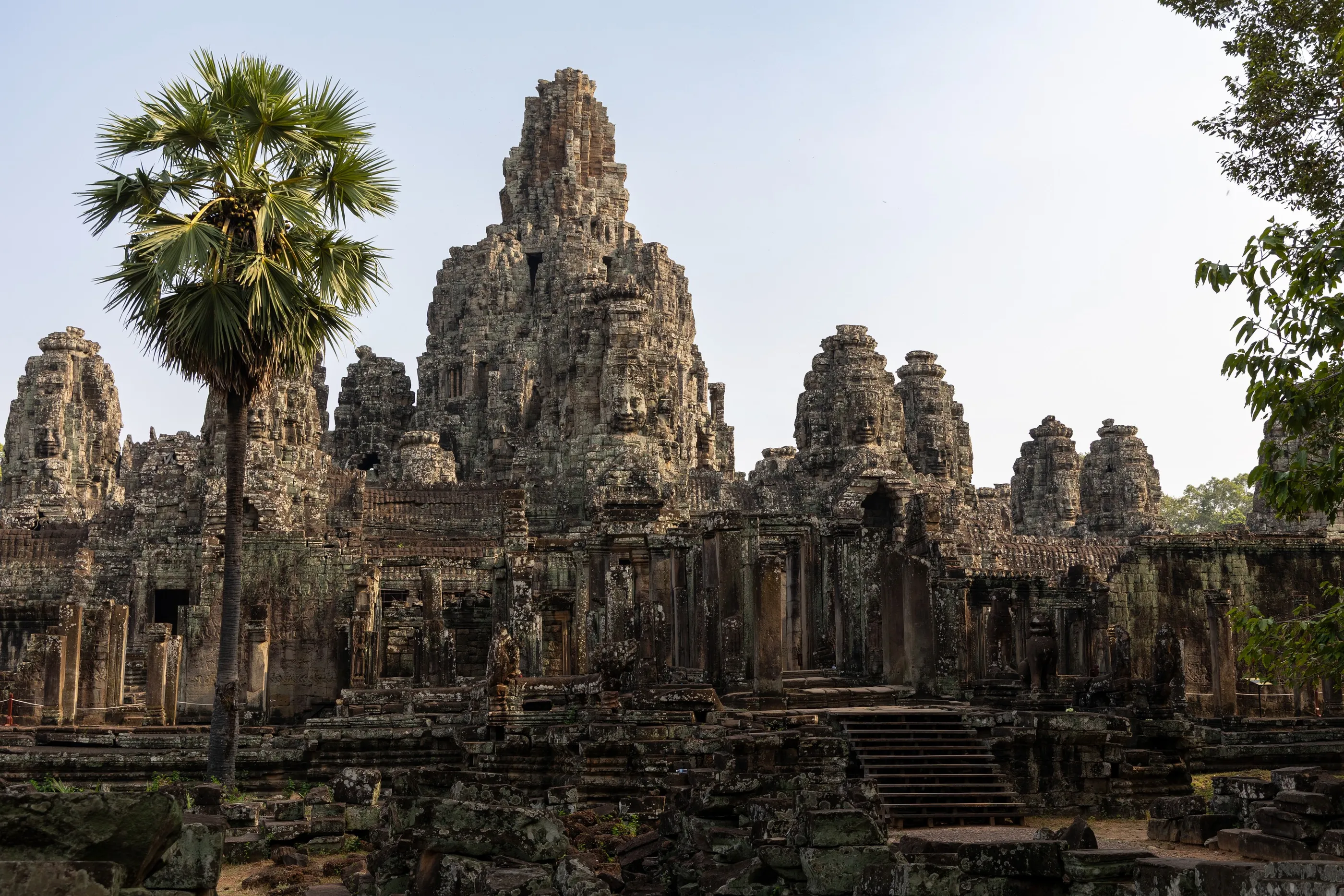
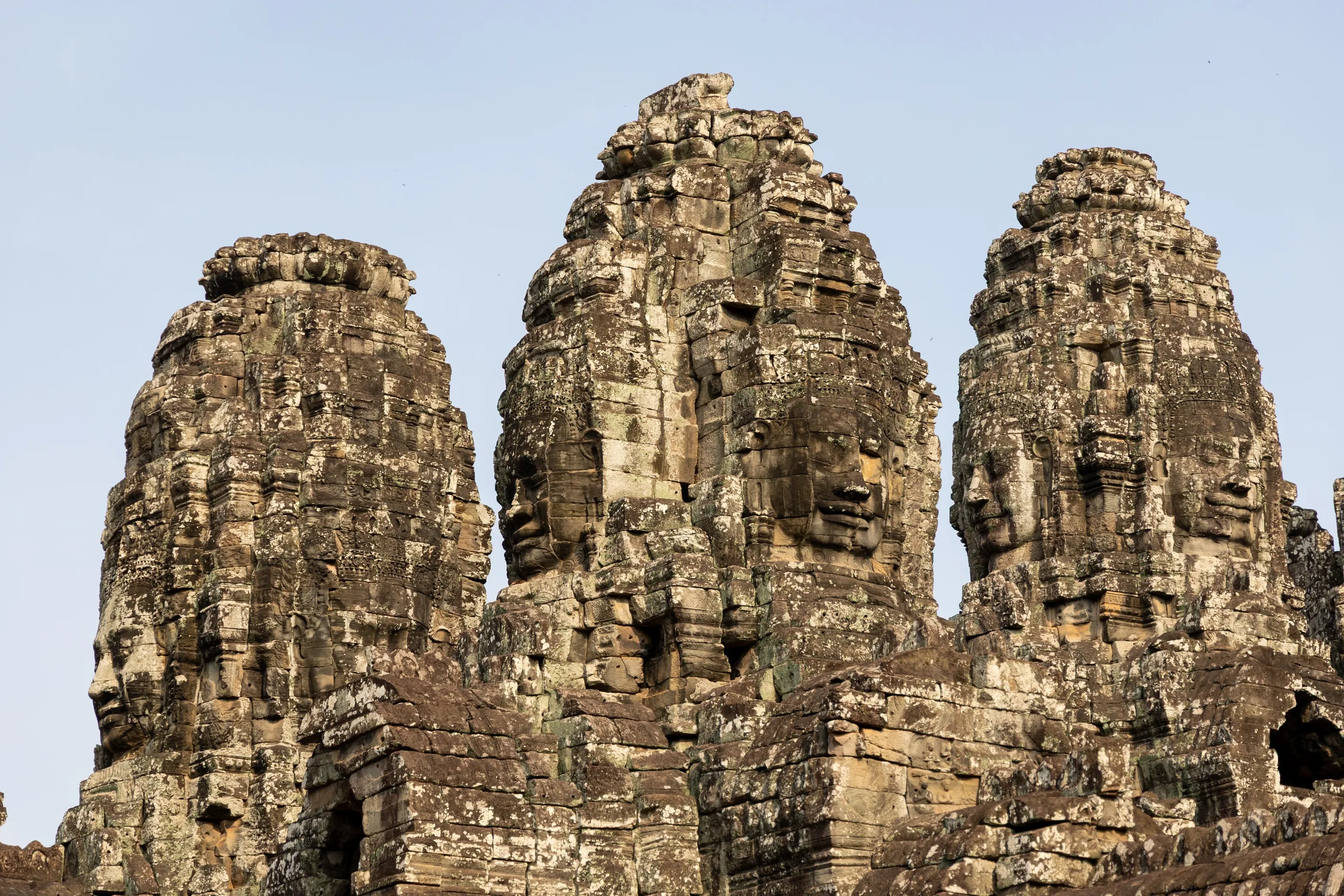
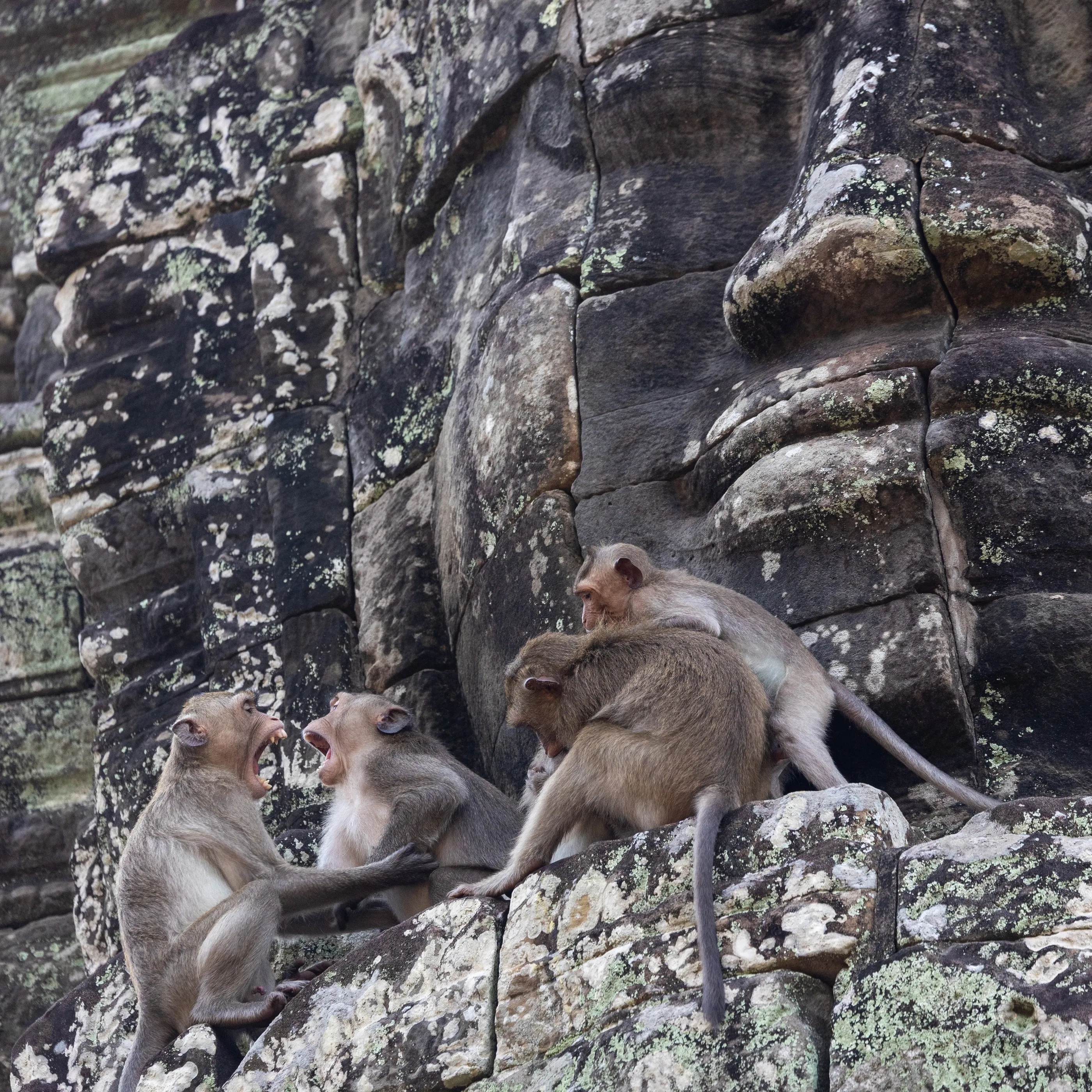
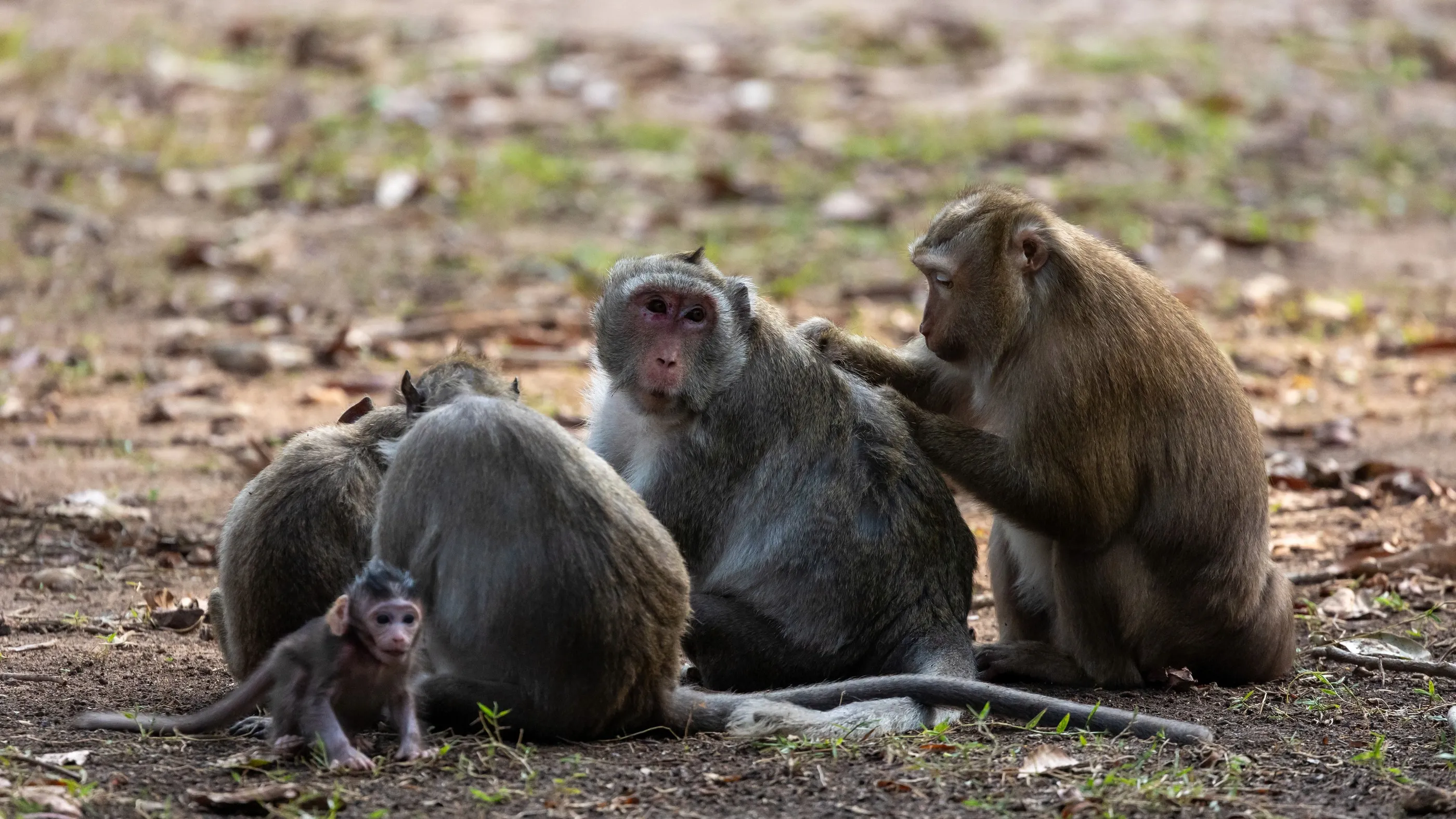
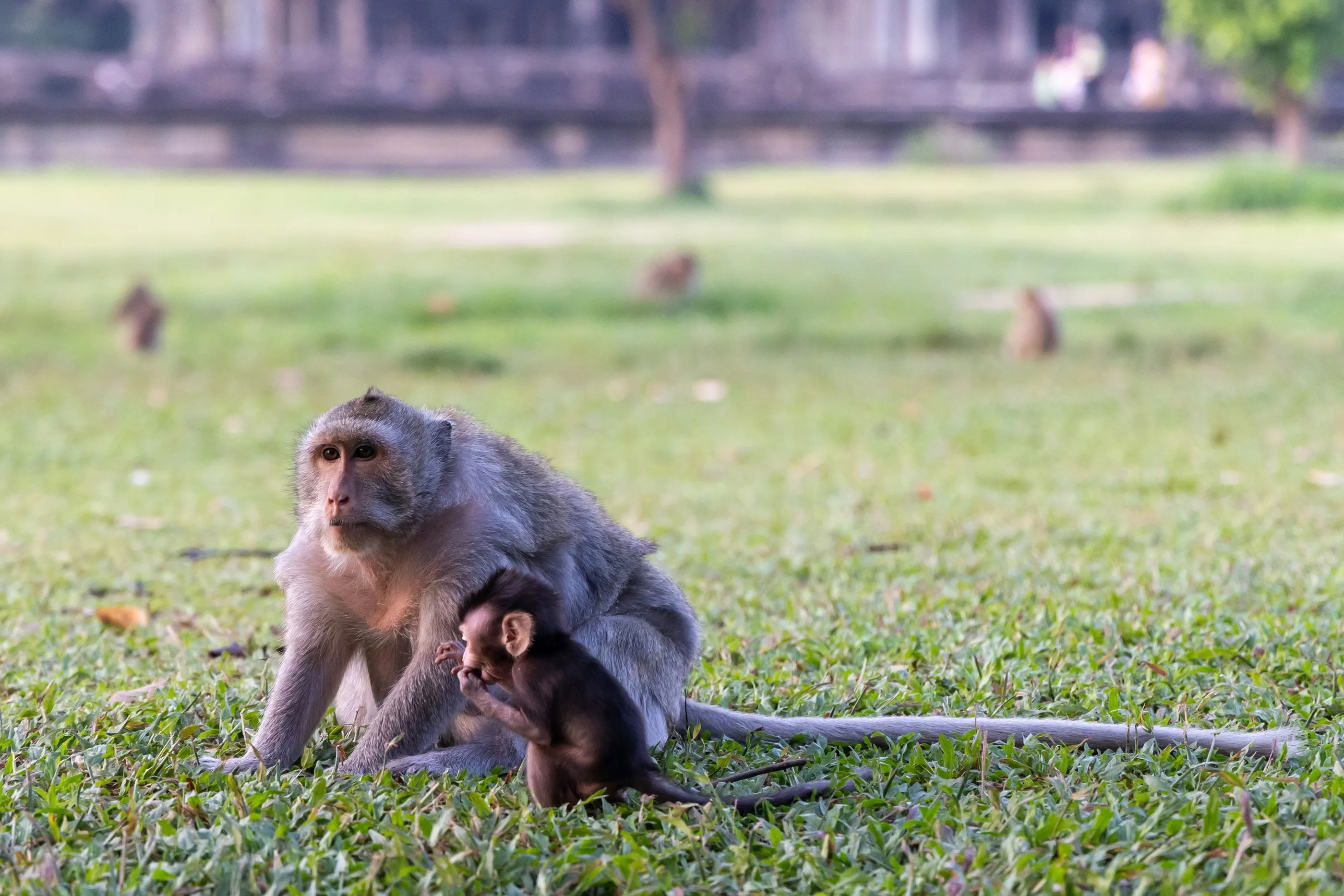
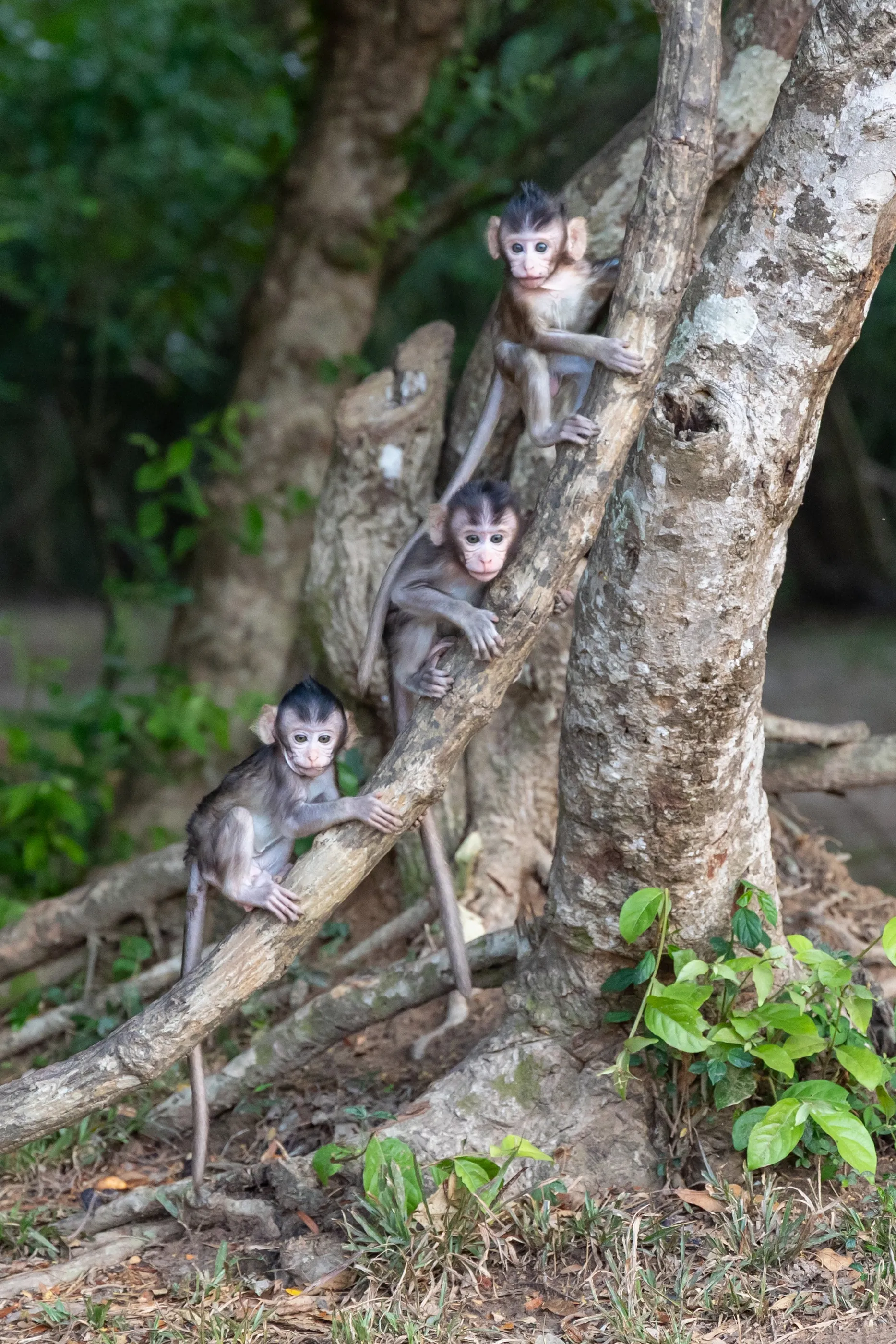
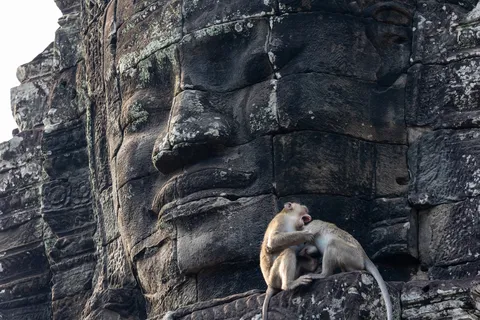
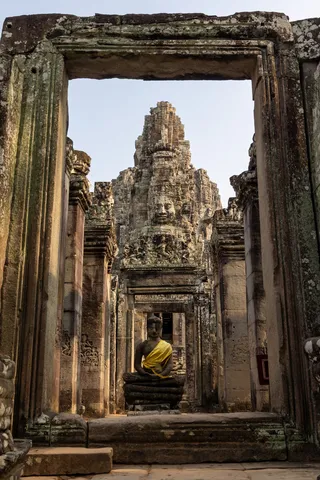
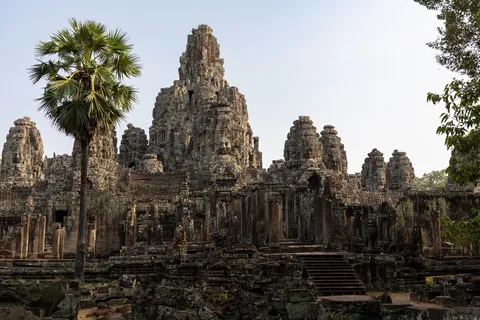
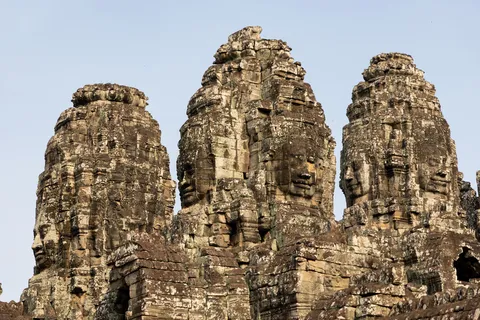
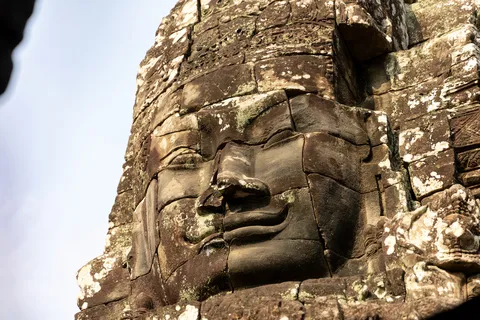
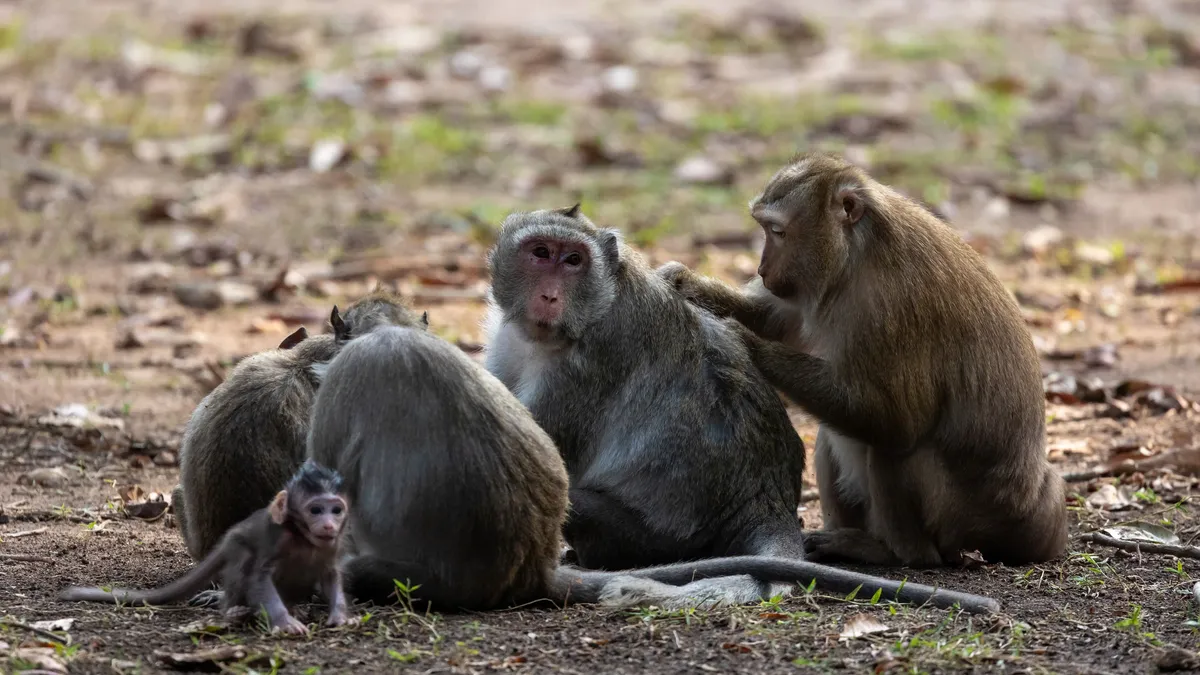
At the heart of Angkor Thom, more than two hundred serene faces gaze down from the towers of the Bayon, each turned towards a point on the horizon. Macaques have made these stone smiles their playground: they groom each other at the foot of a giant cheek, squabble, watch over their young.


By road↗ 3 km
Back to Angkor Wat
Cambodia
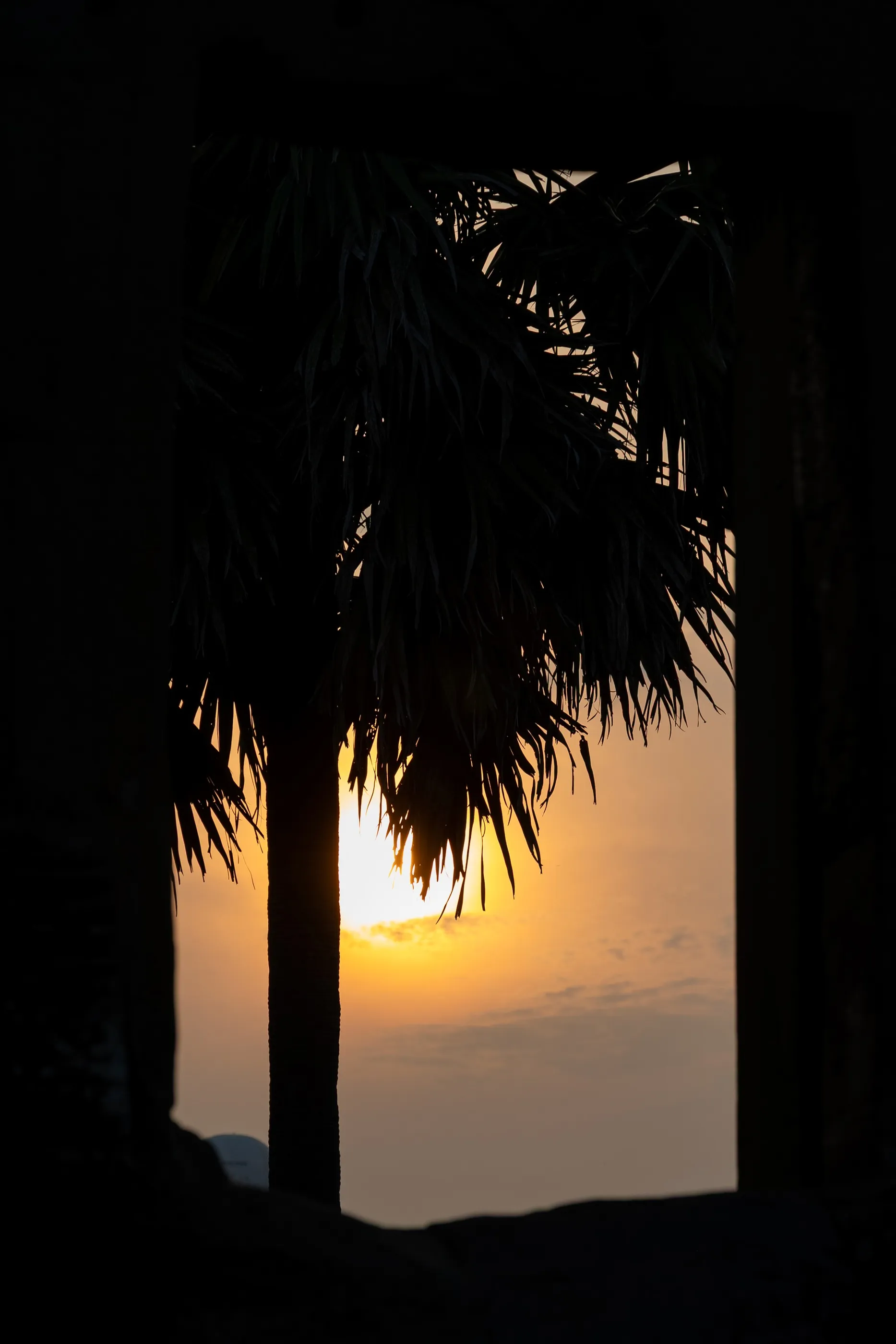
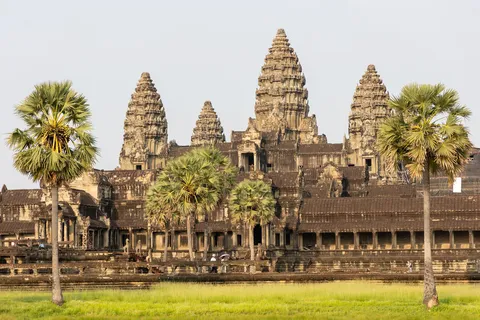
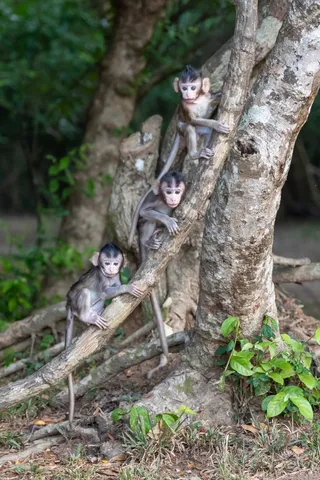
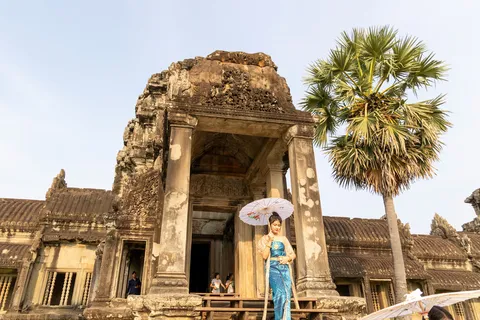
For the last evening we went back to Angkor Wat, when the stone takes on the colour of honey and the sugar palms stand out against the towers. On the lawns, macaques and their young have taken over again; through a gallery window, the sun sets behind a palm tree.


By plane↗ 524 km
Vientiane
Laos
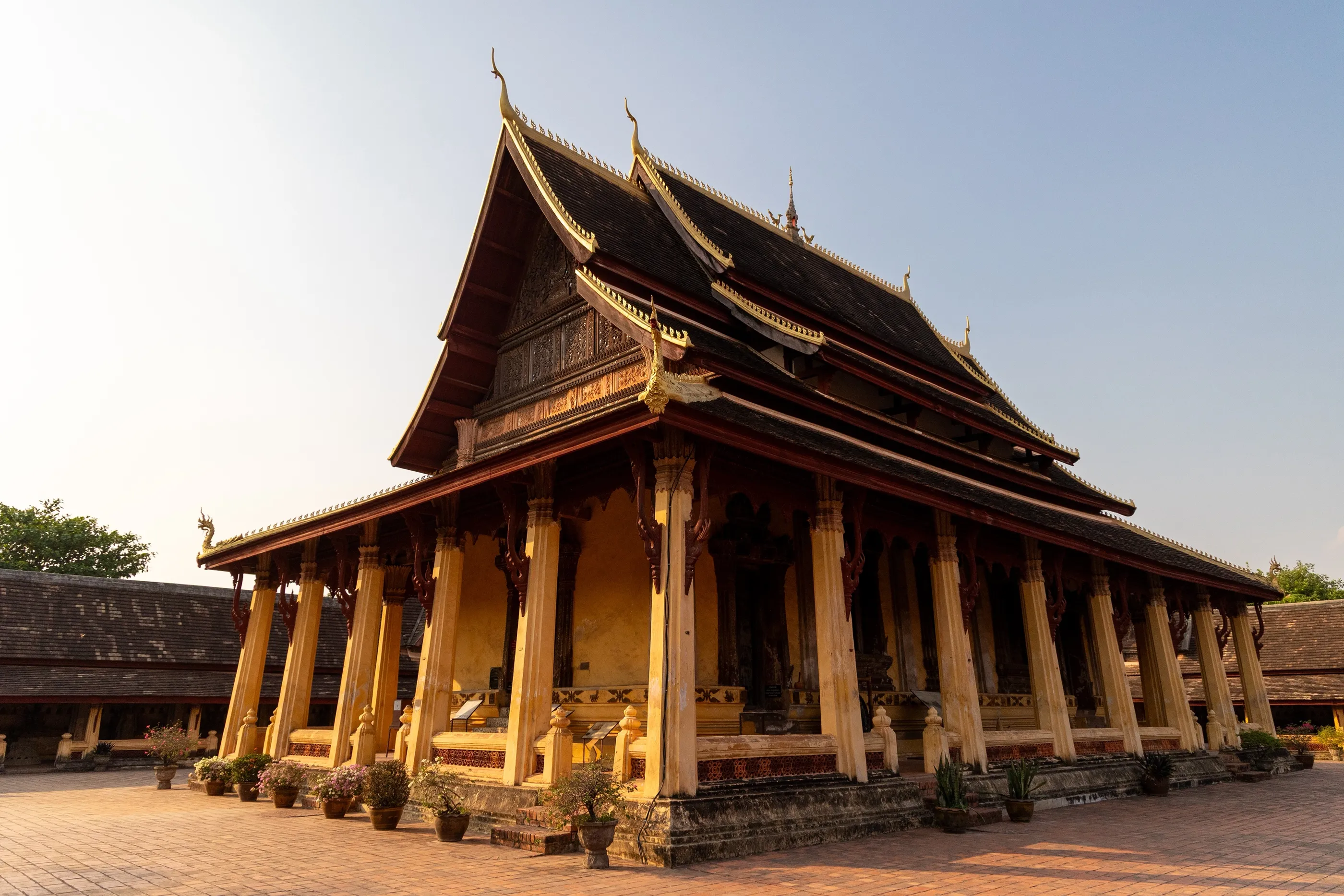
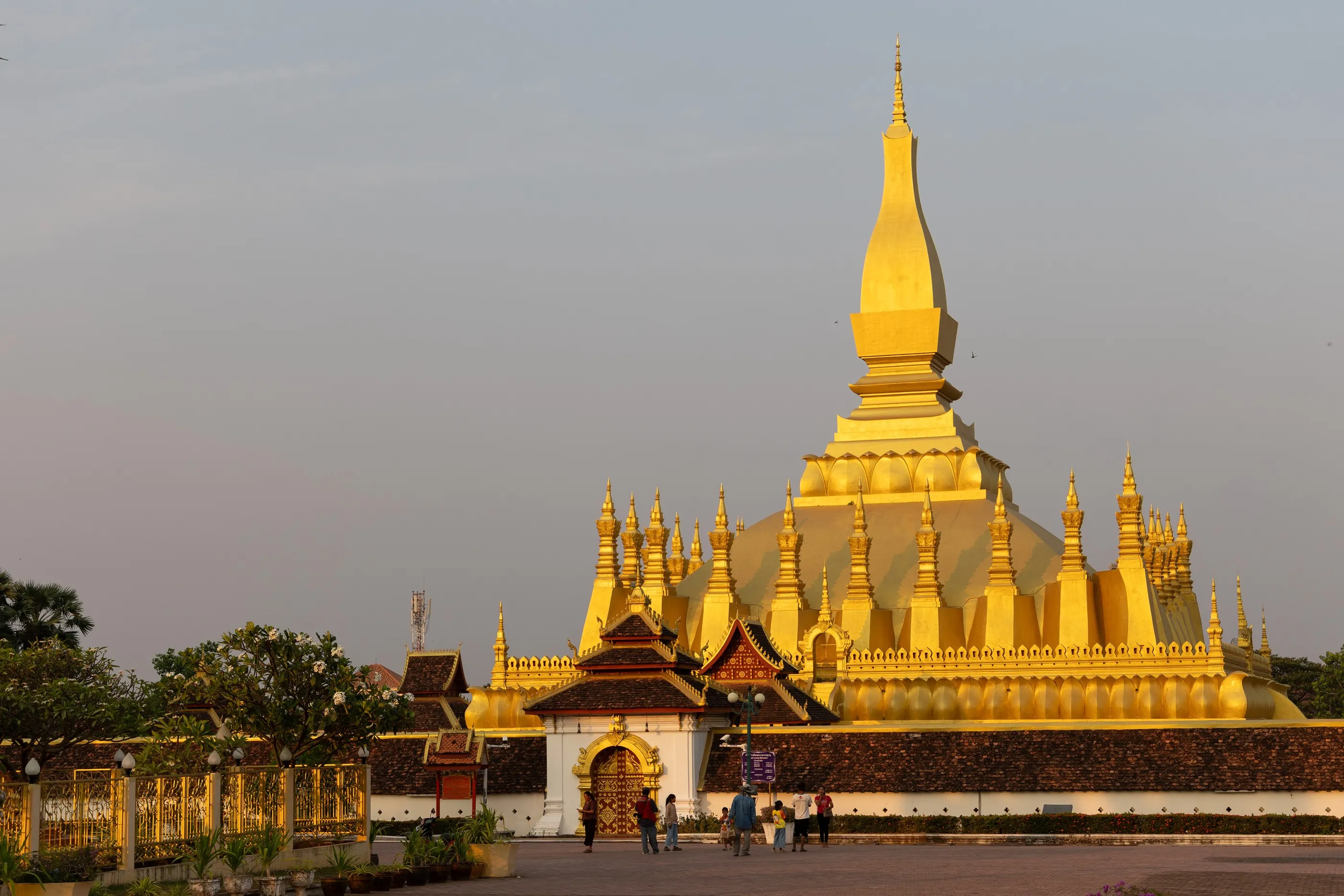
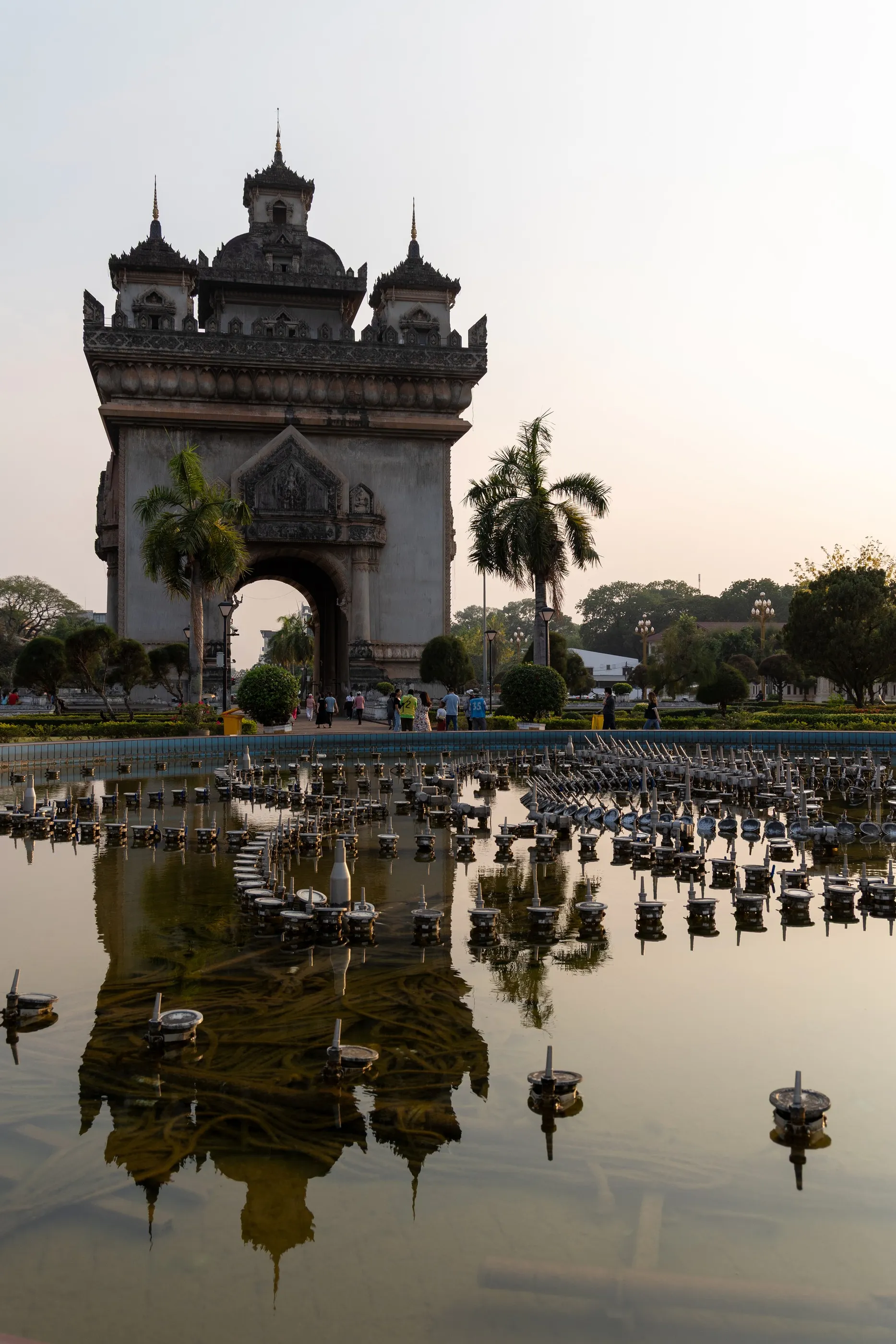
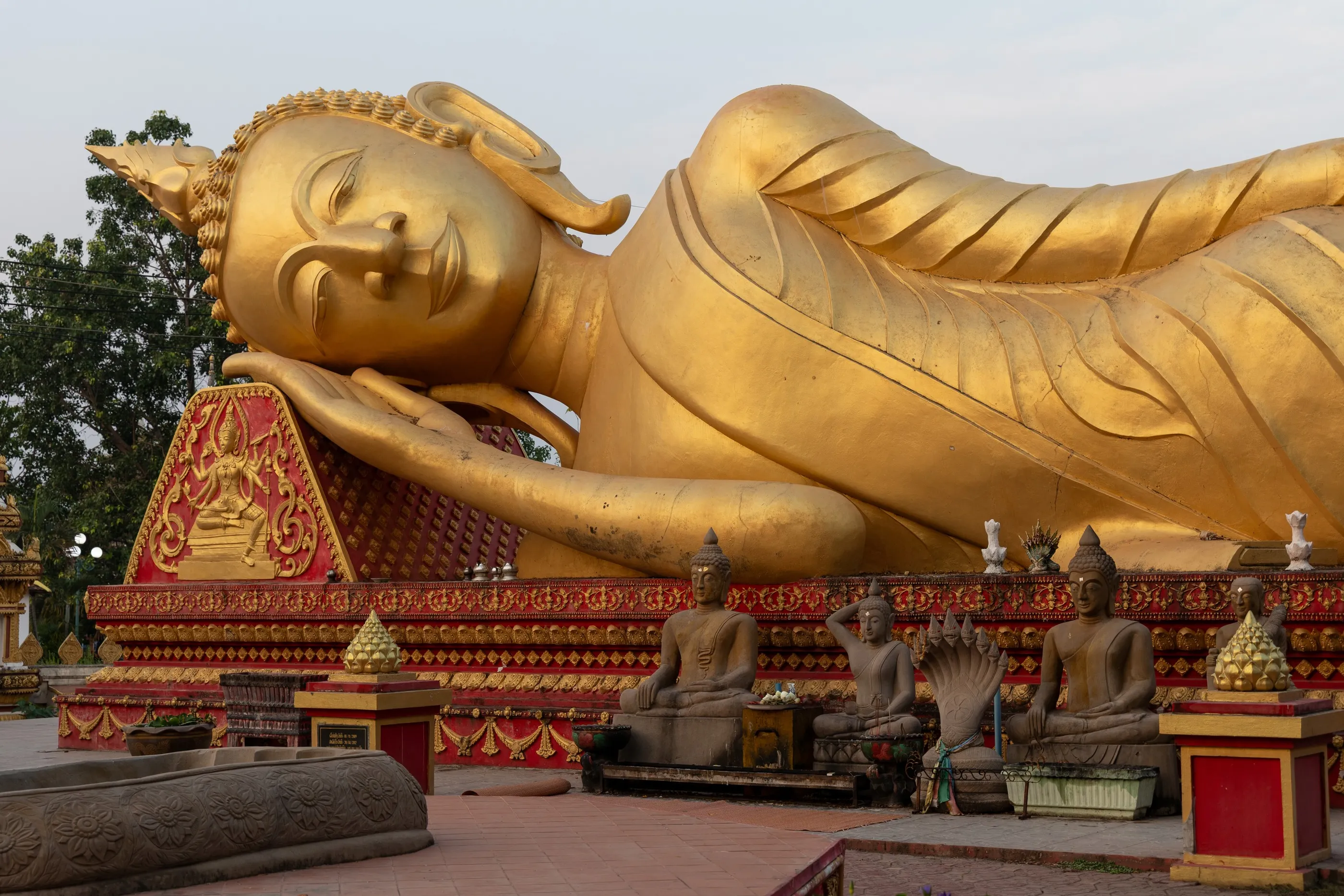
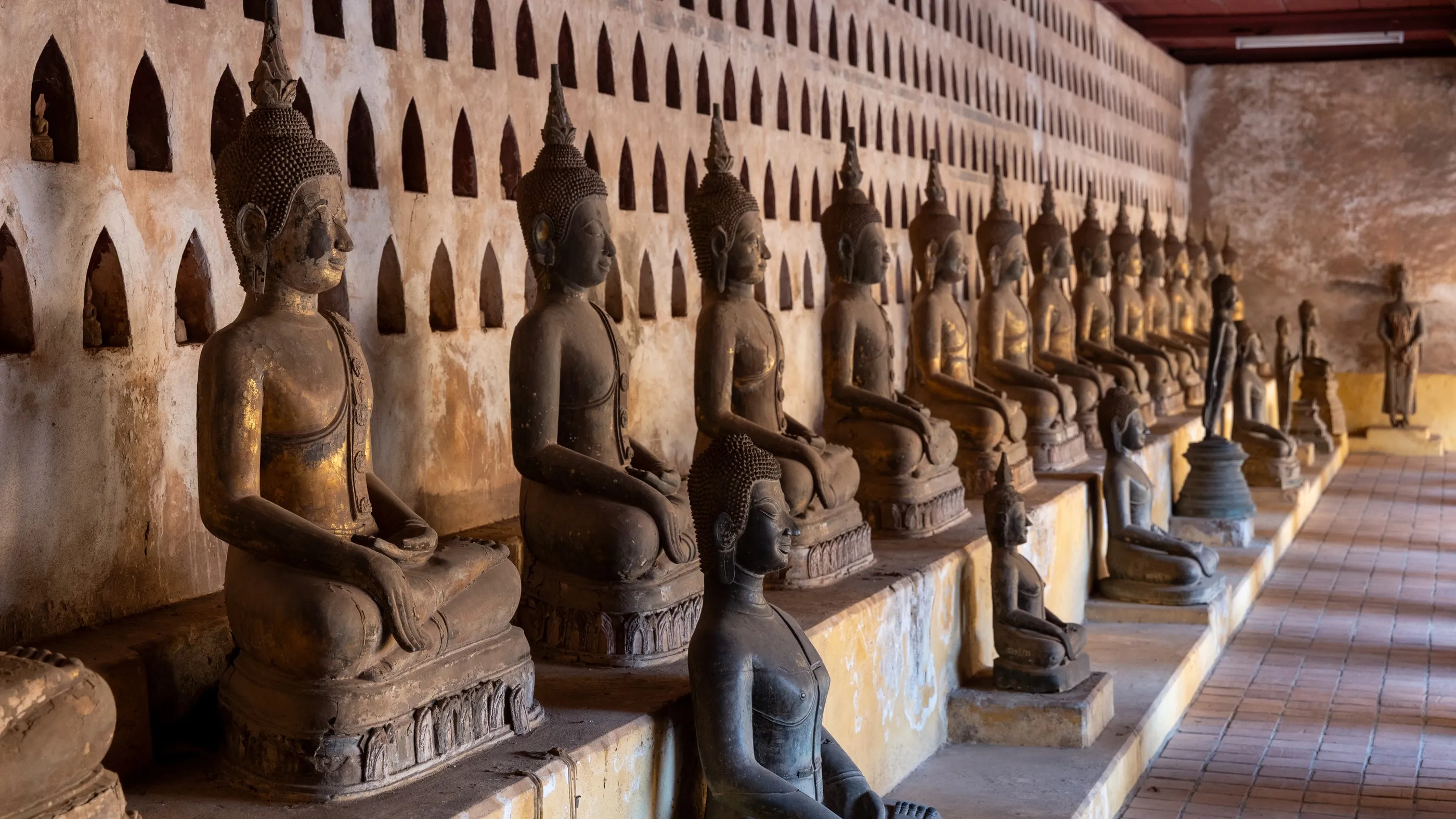
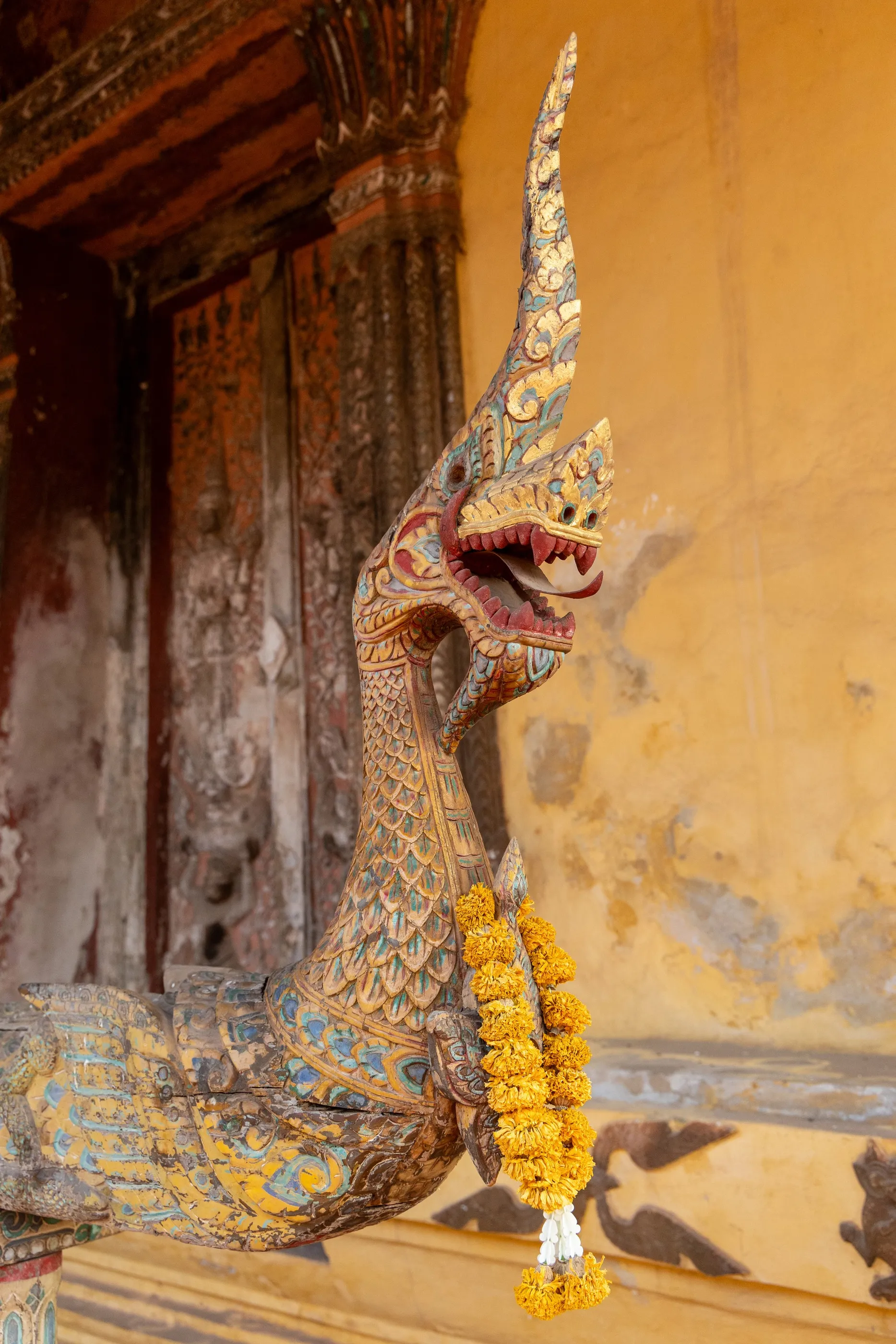
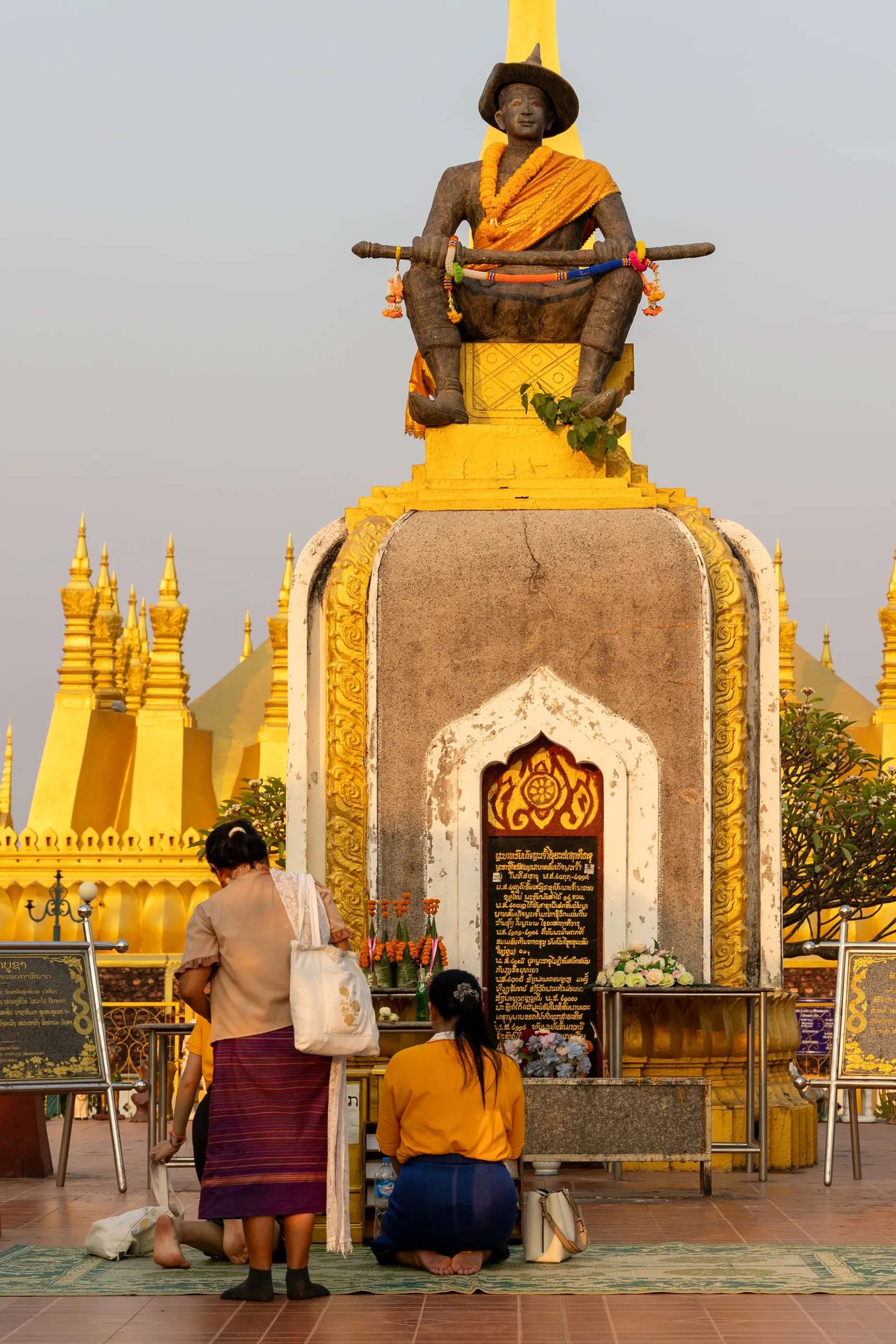
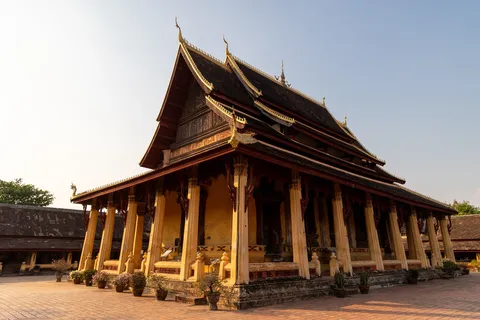
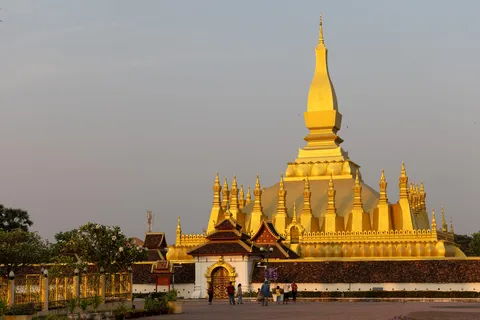
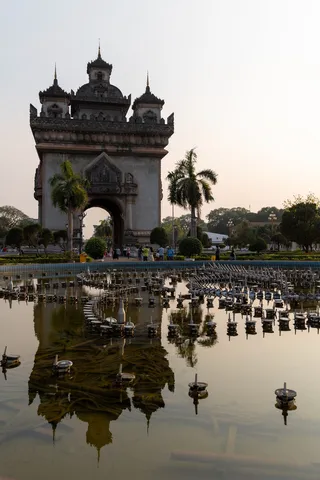
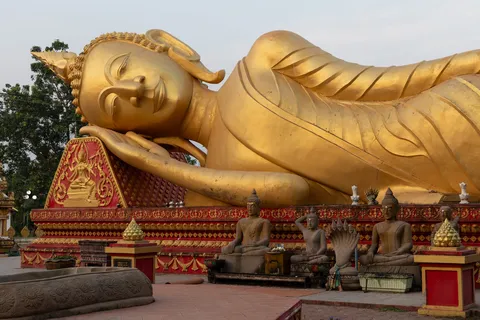
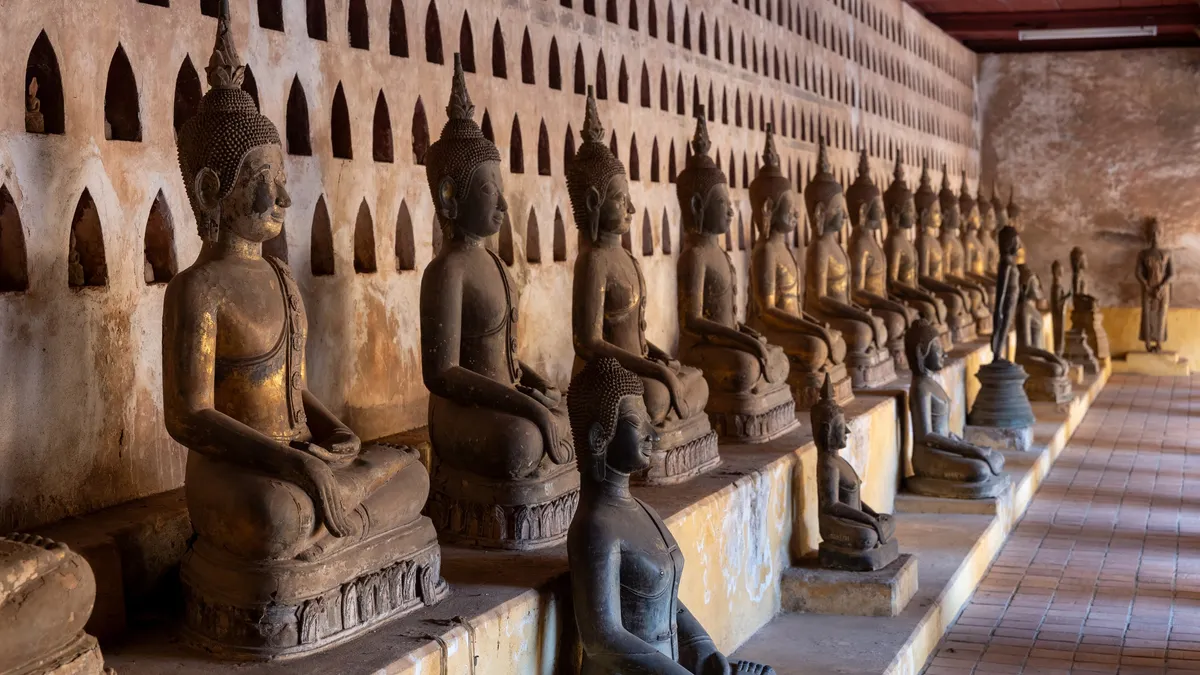
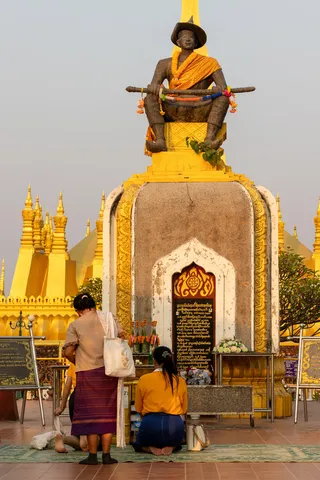
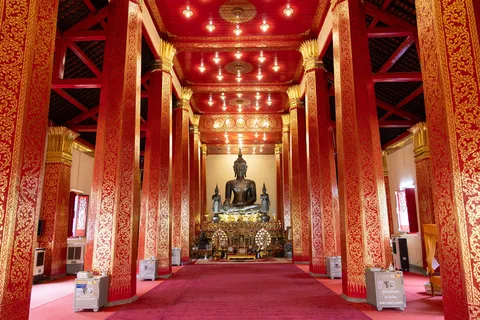
A quiet capital on the banks of the Mekong, Vientiane blends colonial heritage and Buddhist devotion: Wat Si Saket, one of the oldest temples in the city, with its thousands of Buddhas lined up in the cloister; the Patuxai arch; the golden stupa of Pha That Luang, the nation’s symbol, and its great reclining Buddha. Everywhere, nagas hung with marigold garlands guard the stairways.

By road↗ 58 km
Phou Khao Khouay
Laos
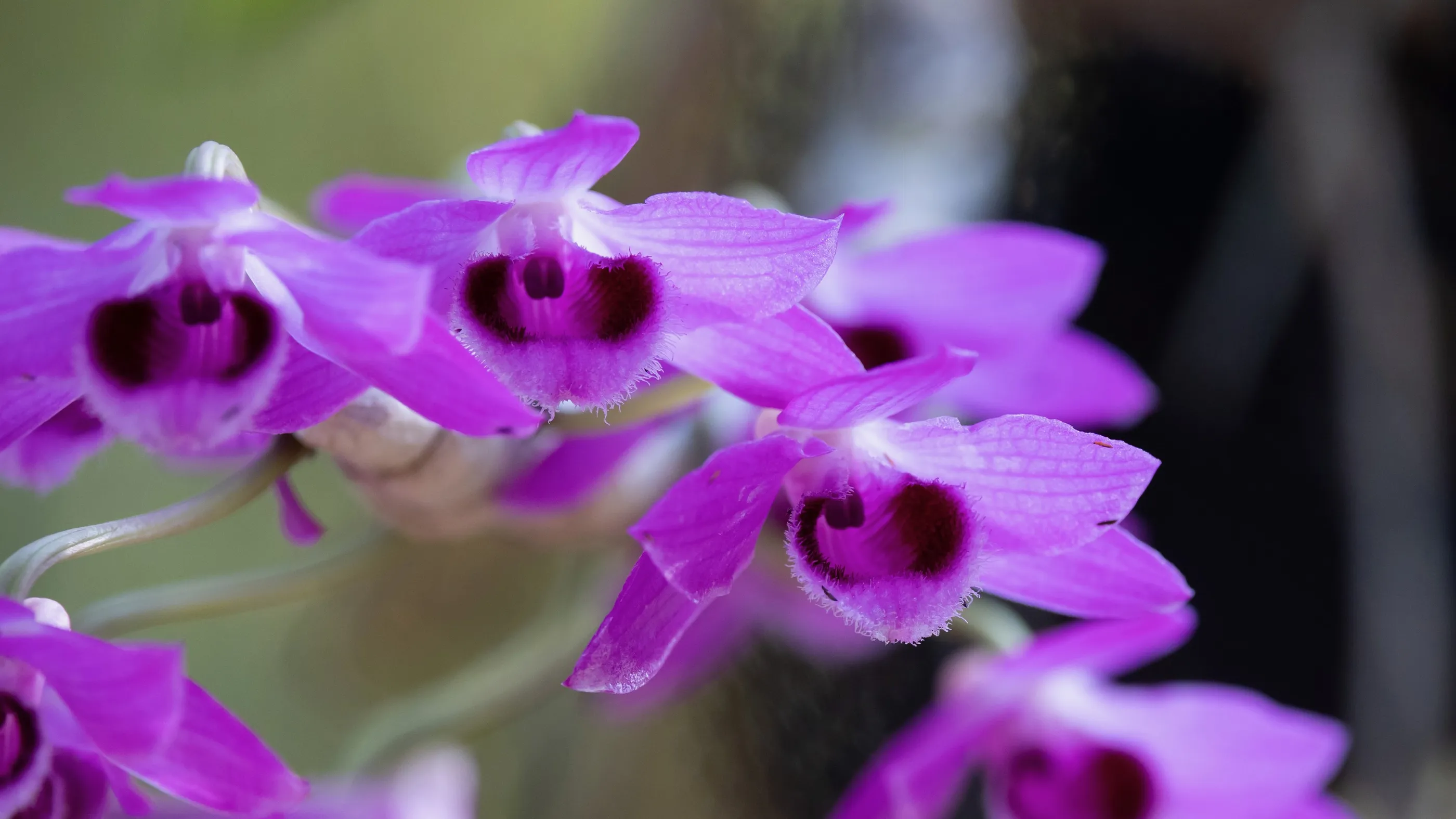
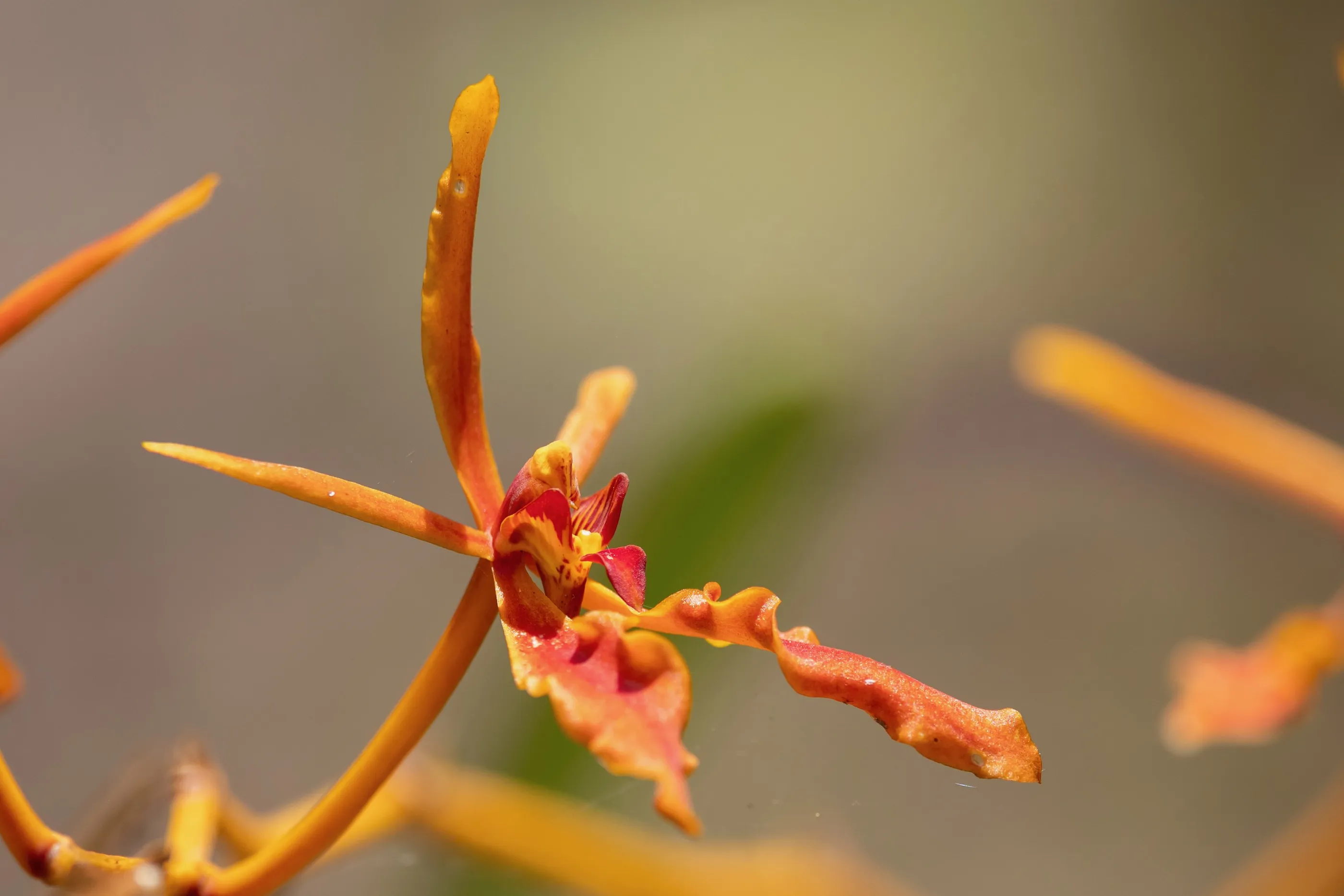
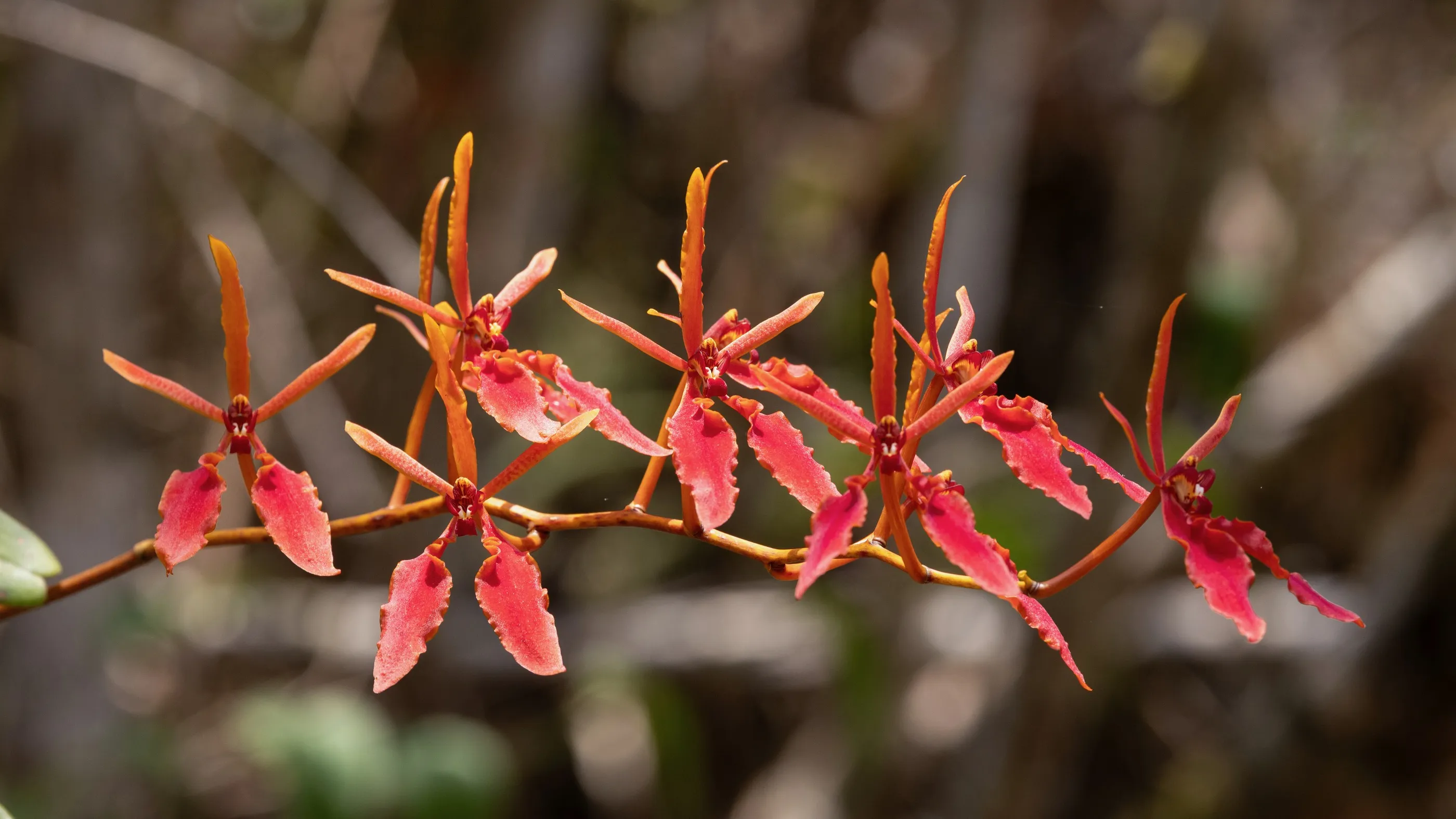
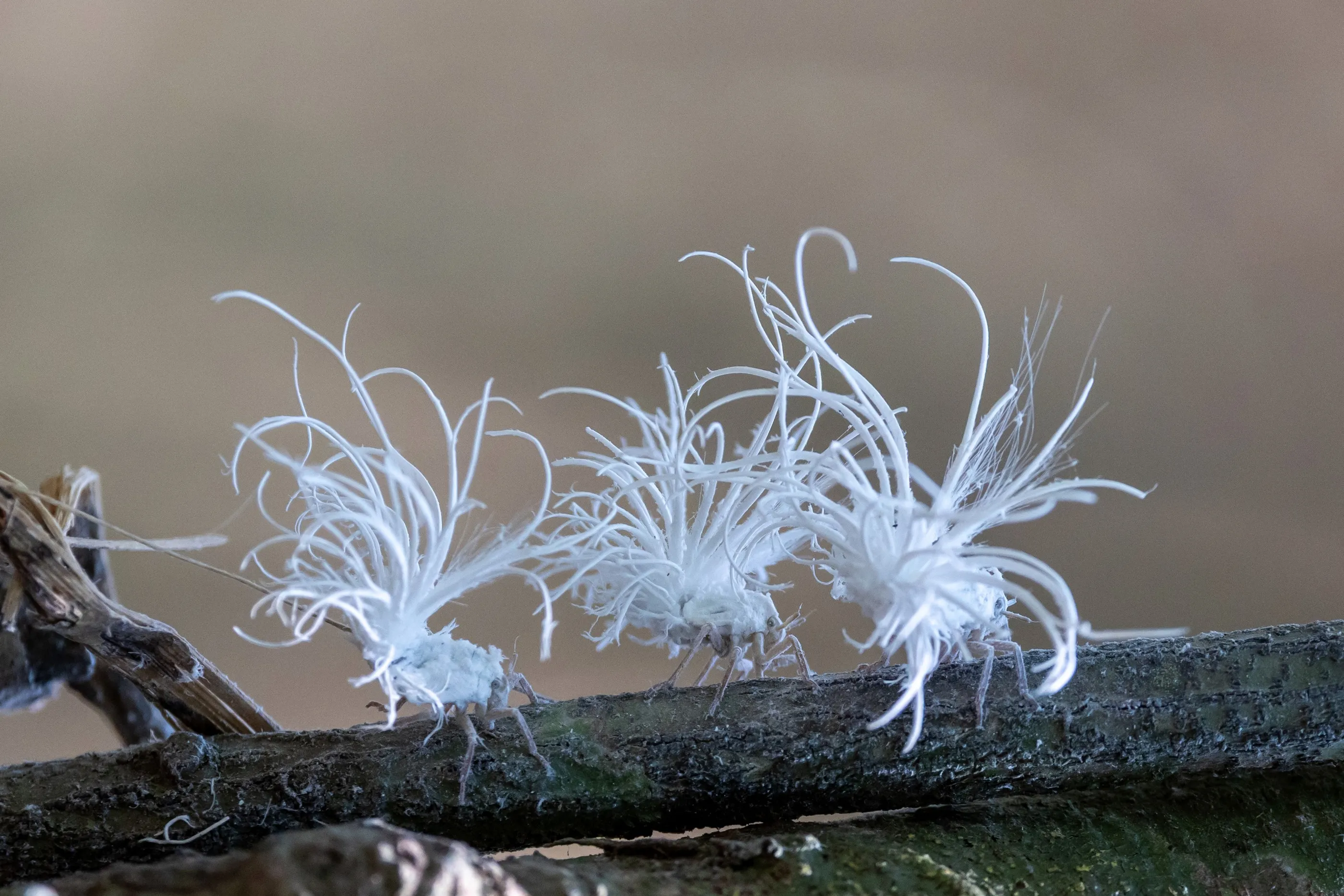
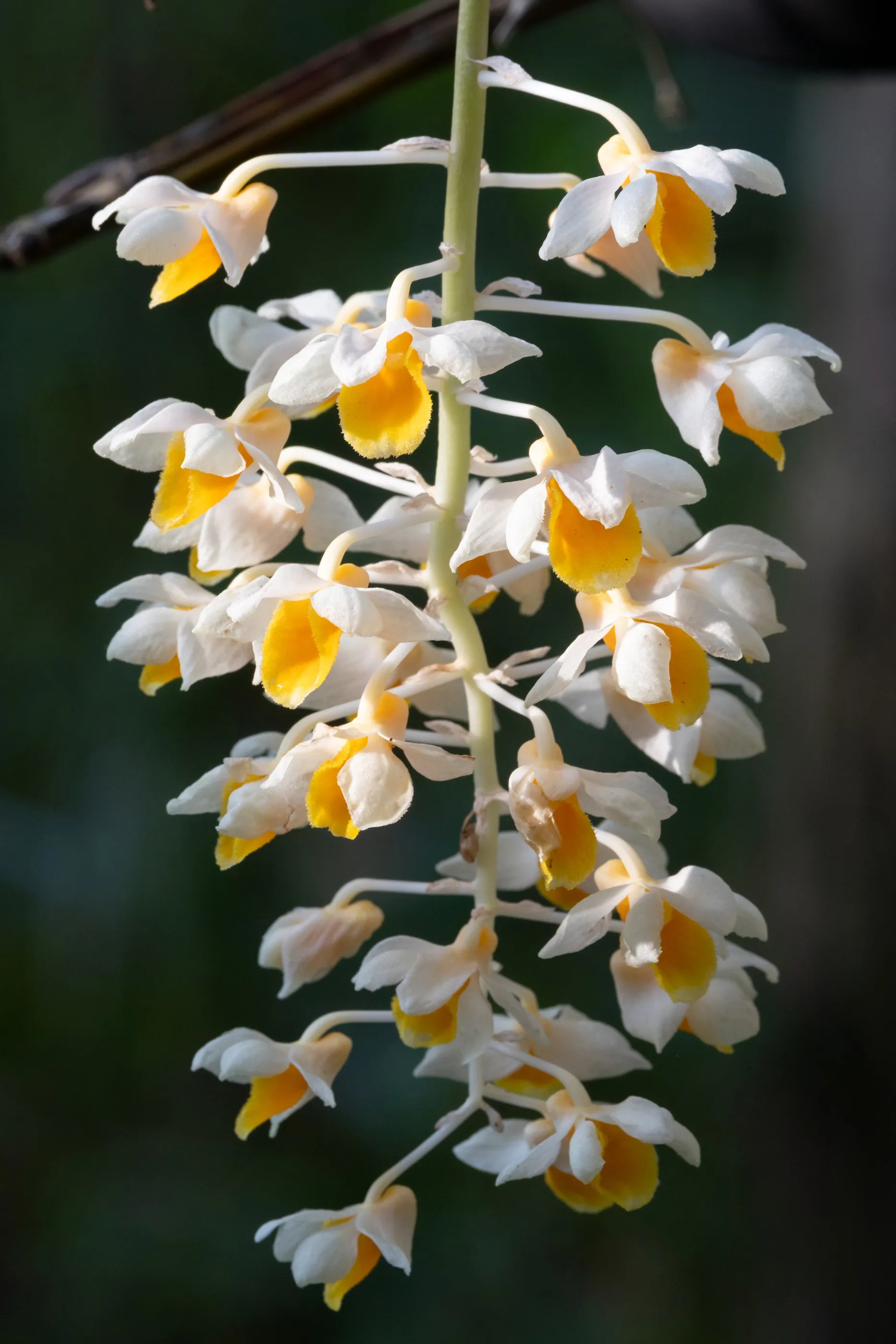
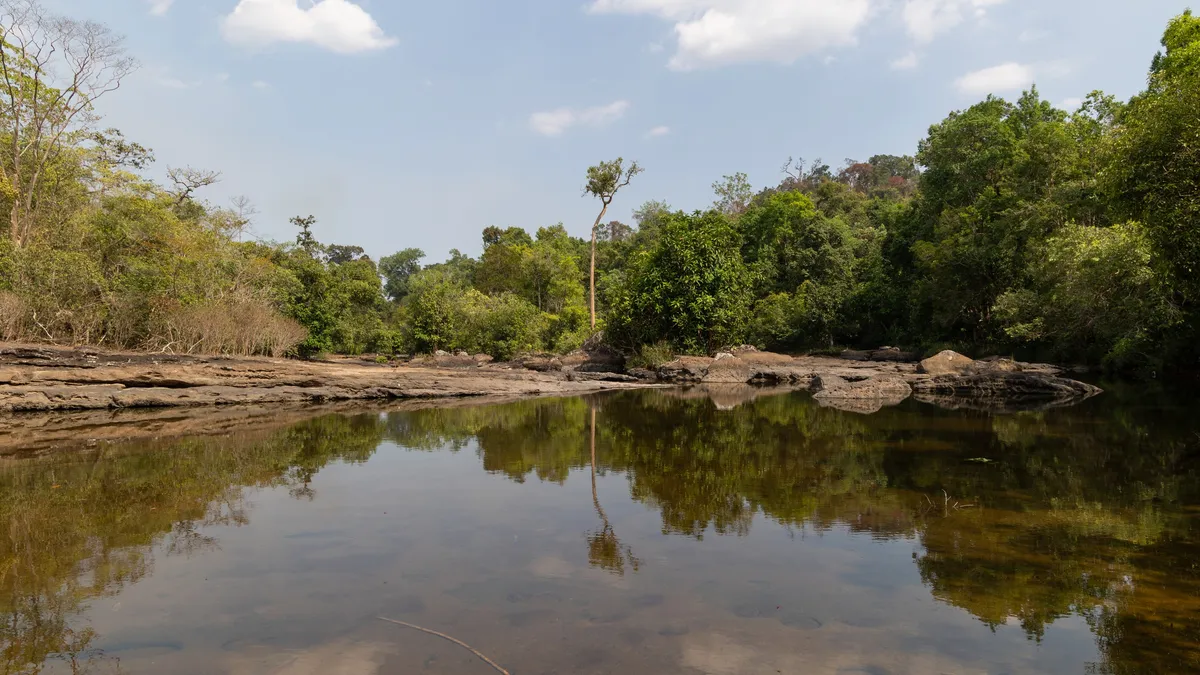
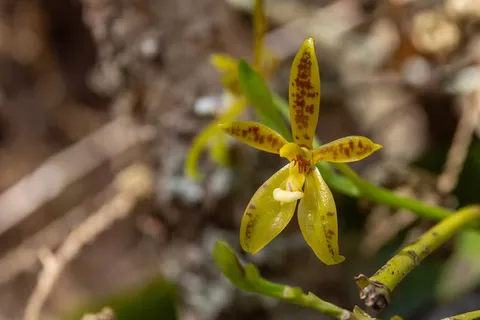
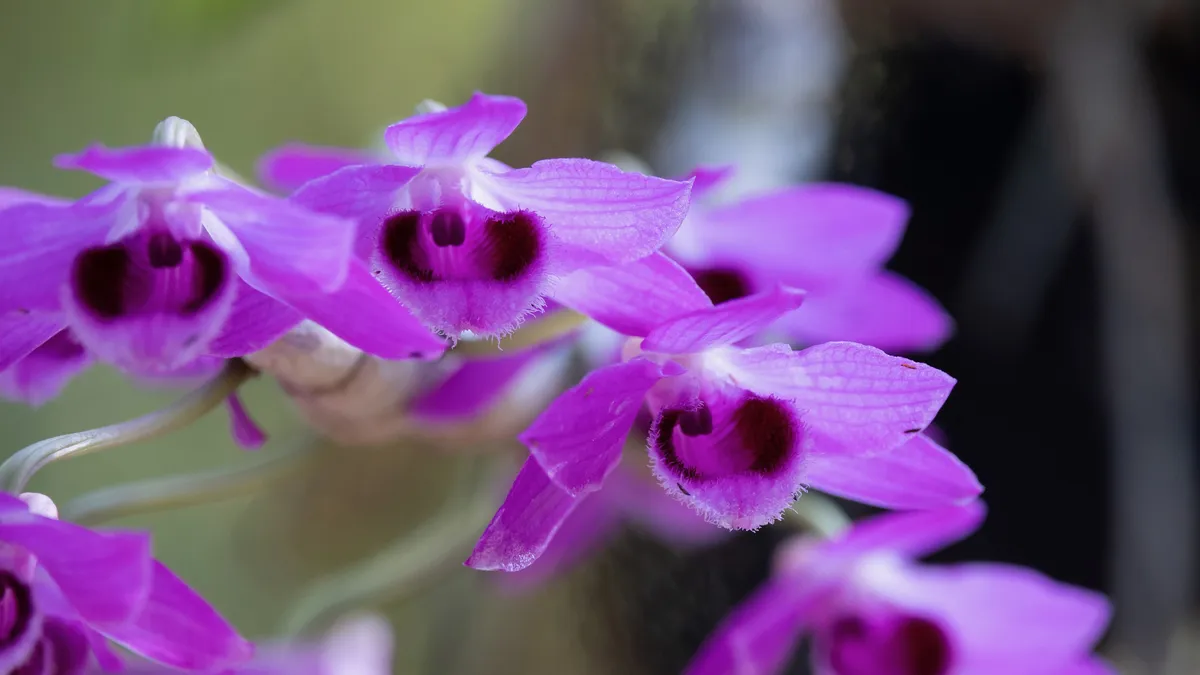
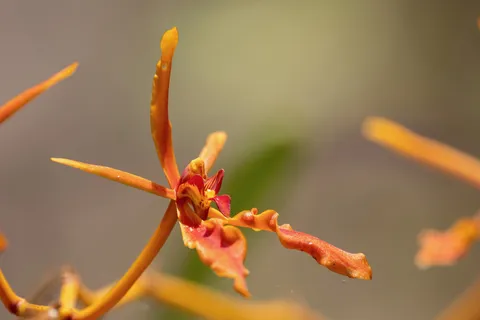
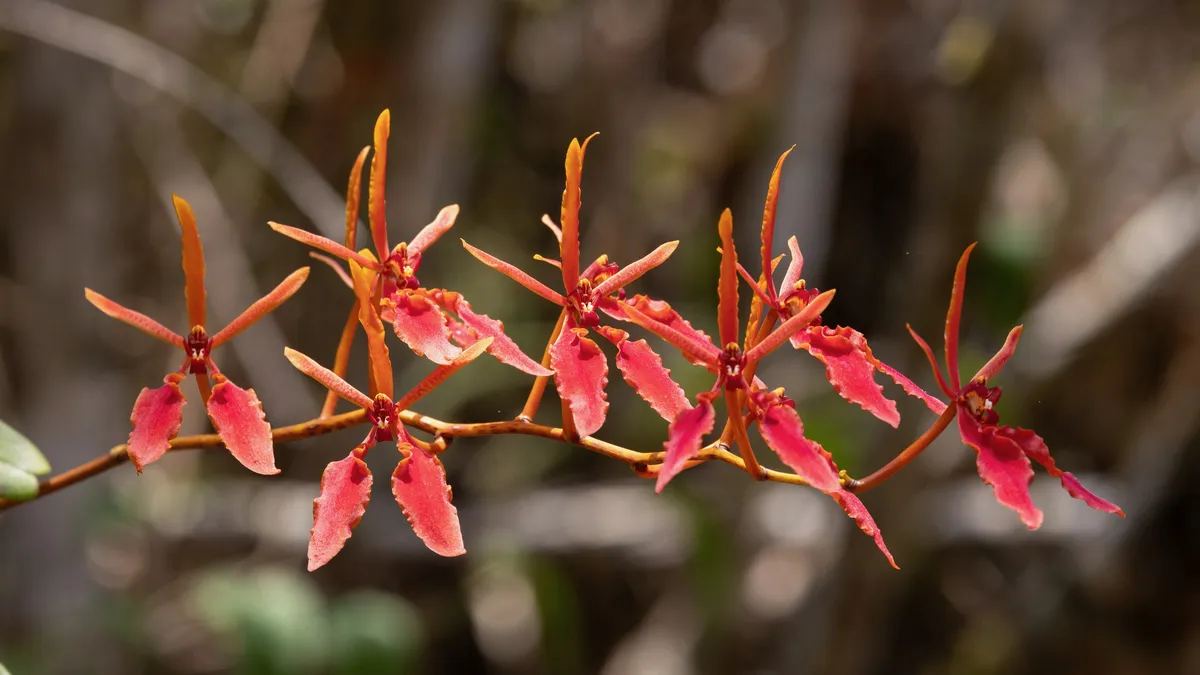
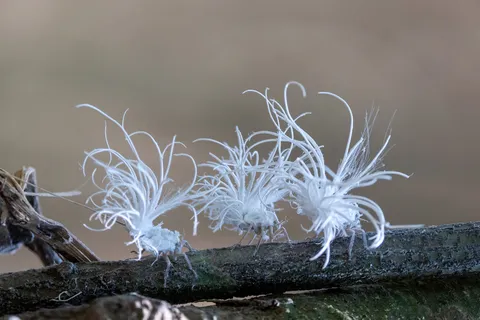
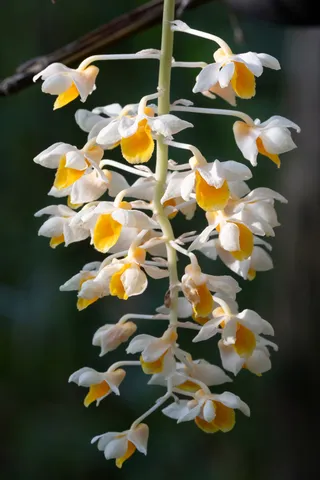
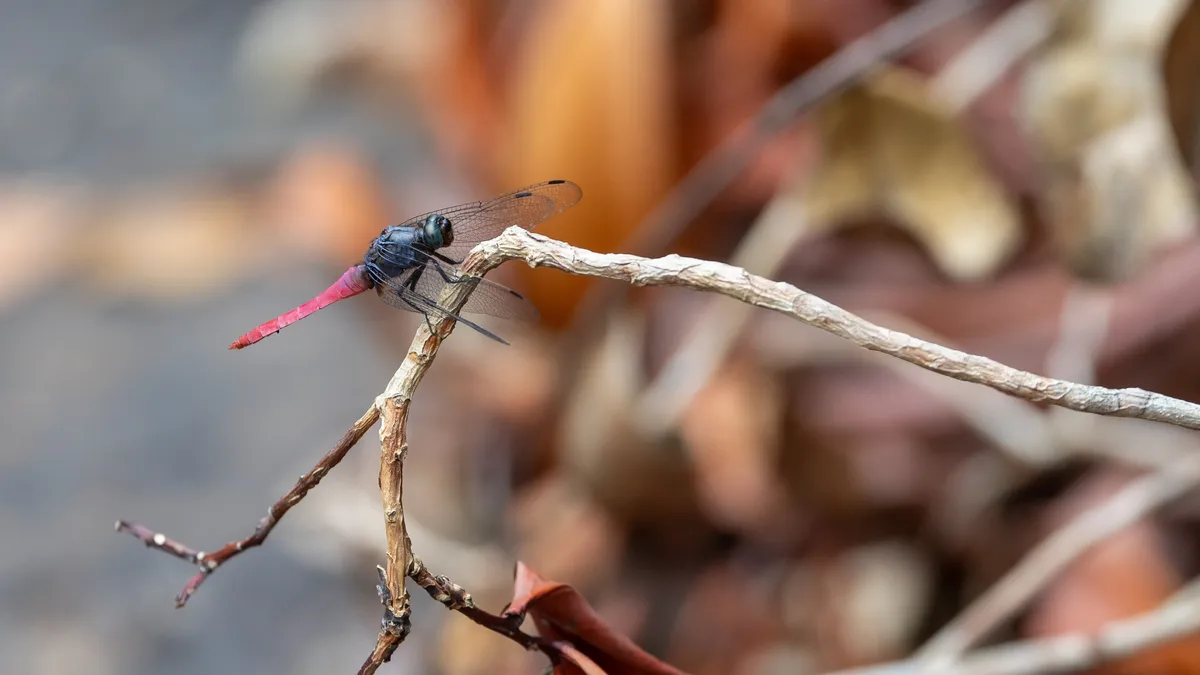
A few hours from Vientiane, the Phou Khao Khouay conservation area protects a vast sandstone forest massif. Its rivers slide over broad slabs of rock before tumbling into the greenery as waterfalls. Under the canopy, another world opens up to the macro lens: wild orchids by the dozen, yellow, purple or blood-red, clinging to trunks or rising from the leaf litter, and planthopper nymphs crowned with waxy filaments, like tiny feather dusters.
By train↗ 176 km
Luang Prabang
Laos
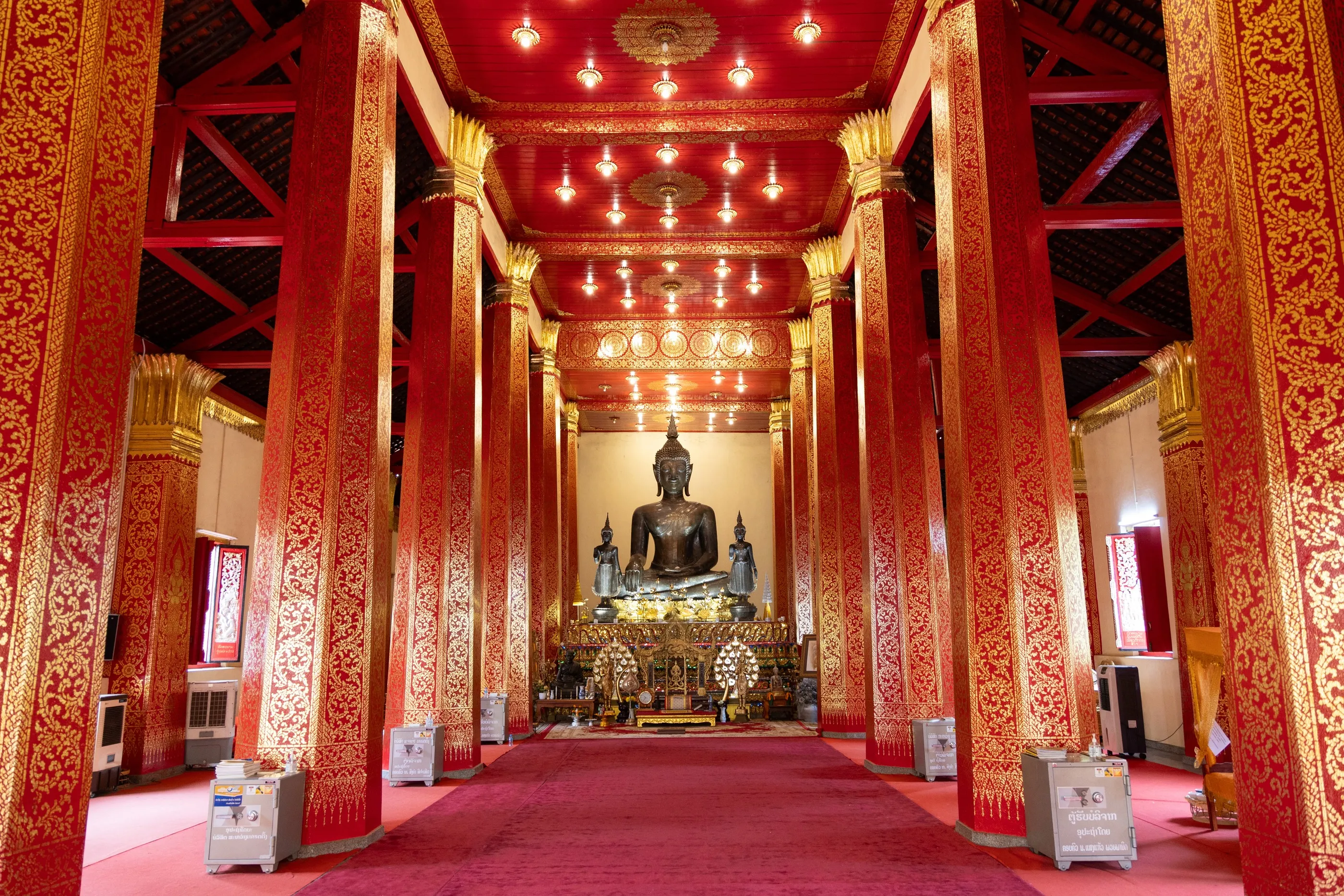
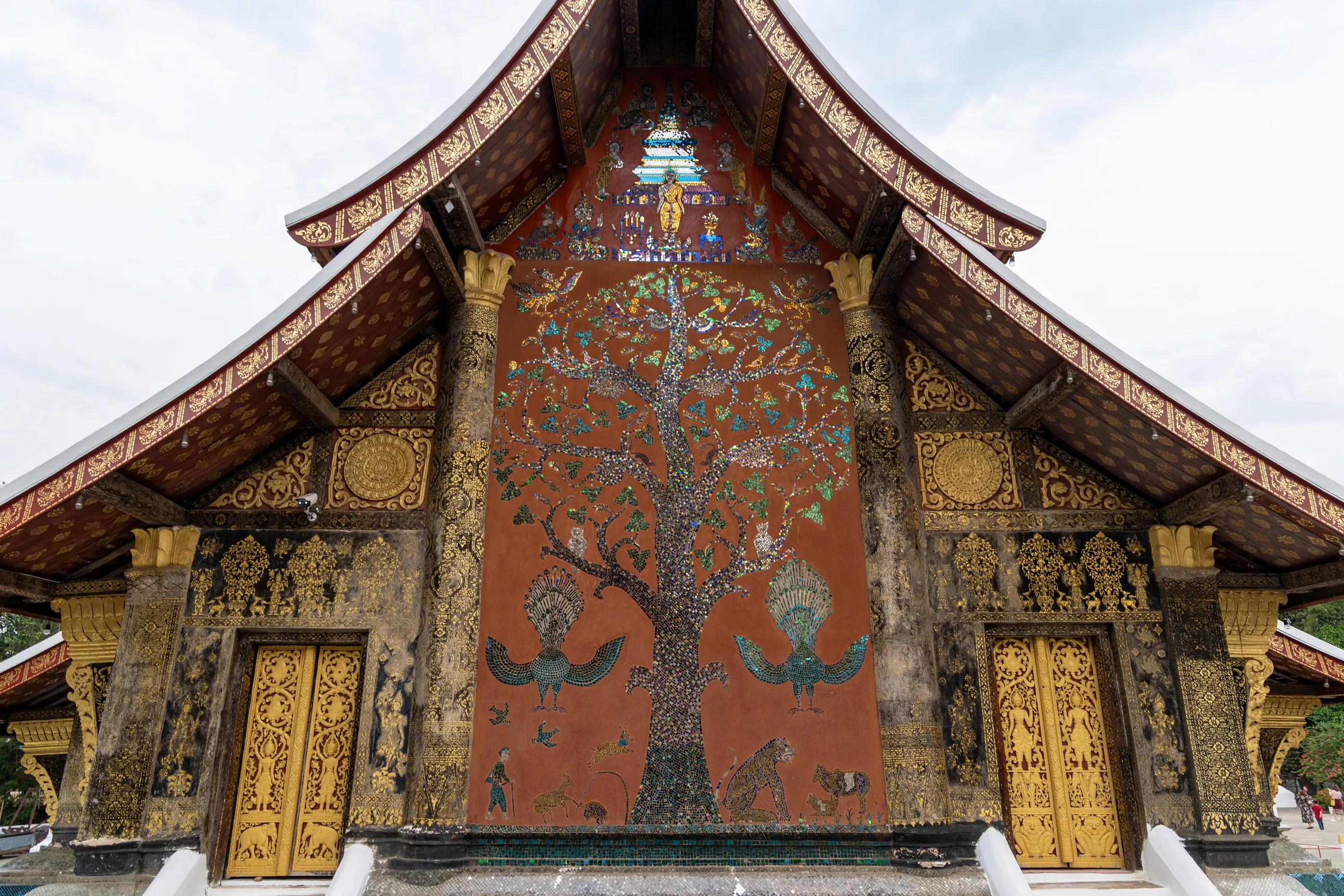
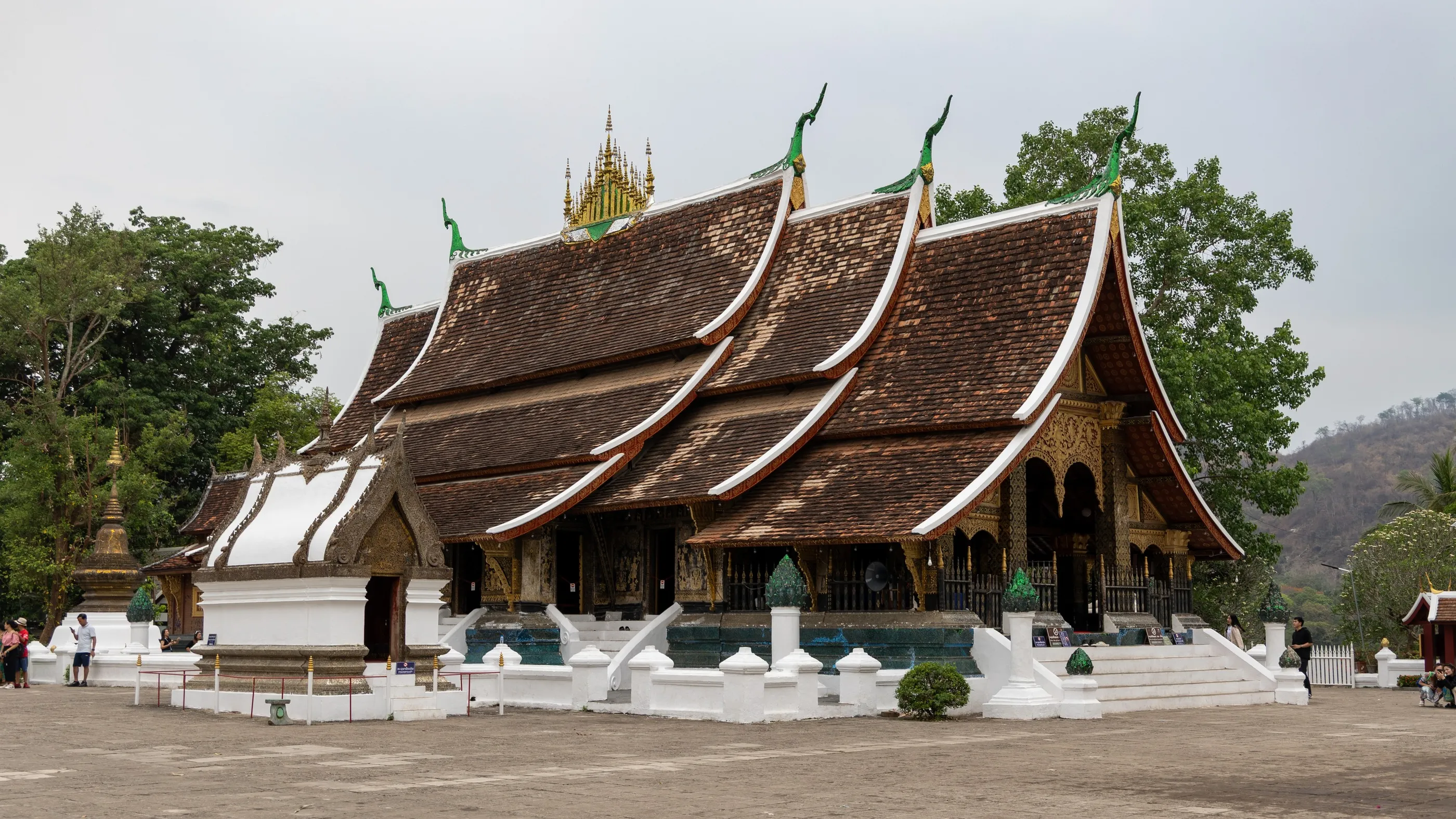
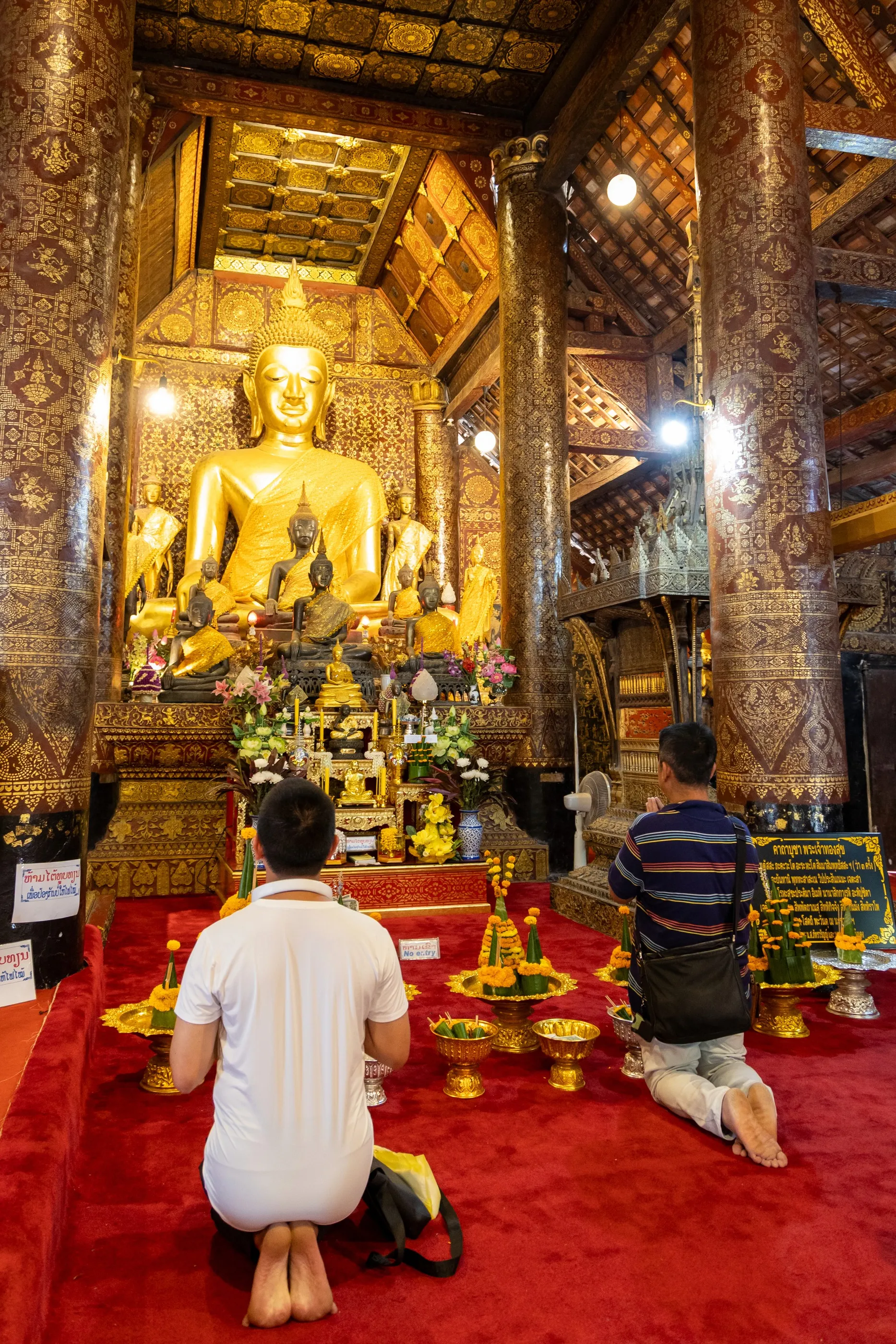
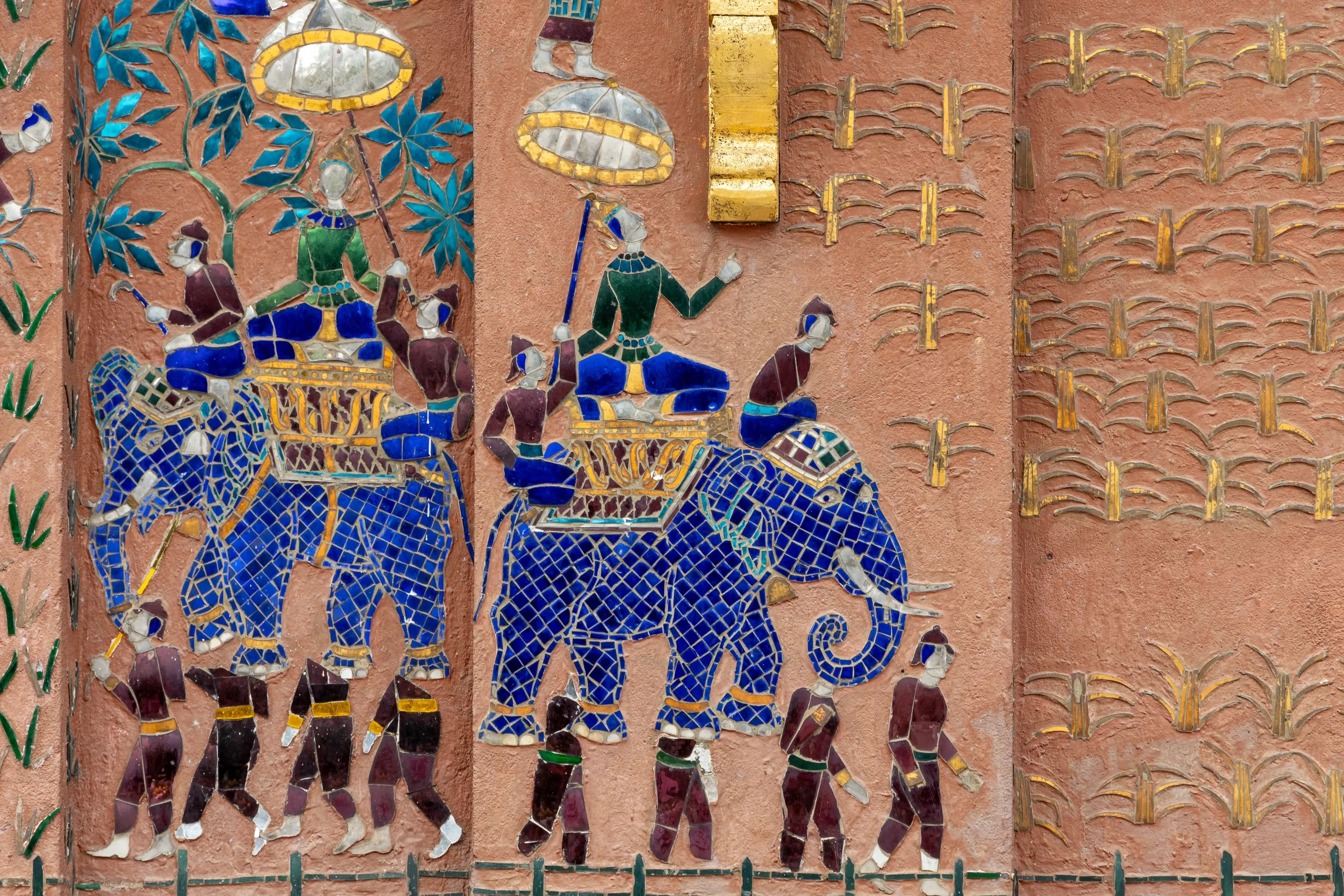
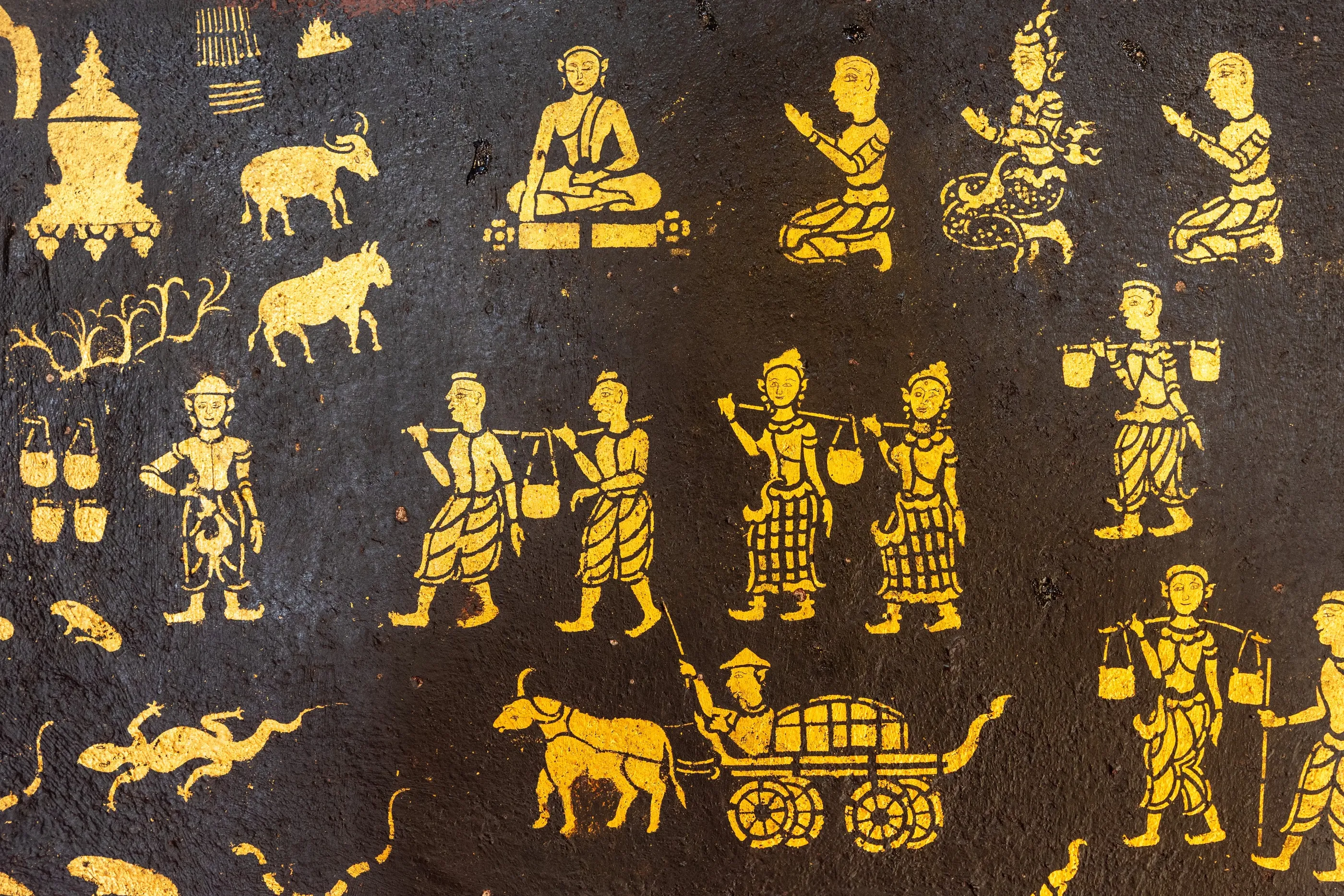
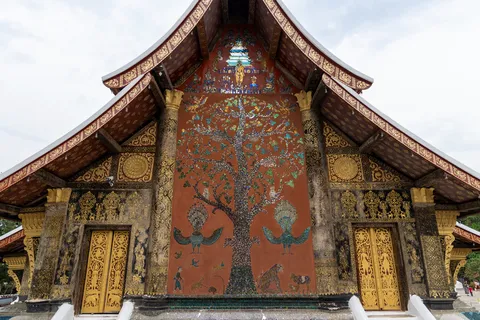
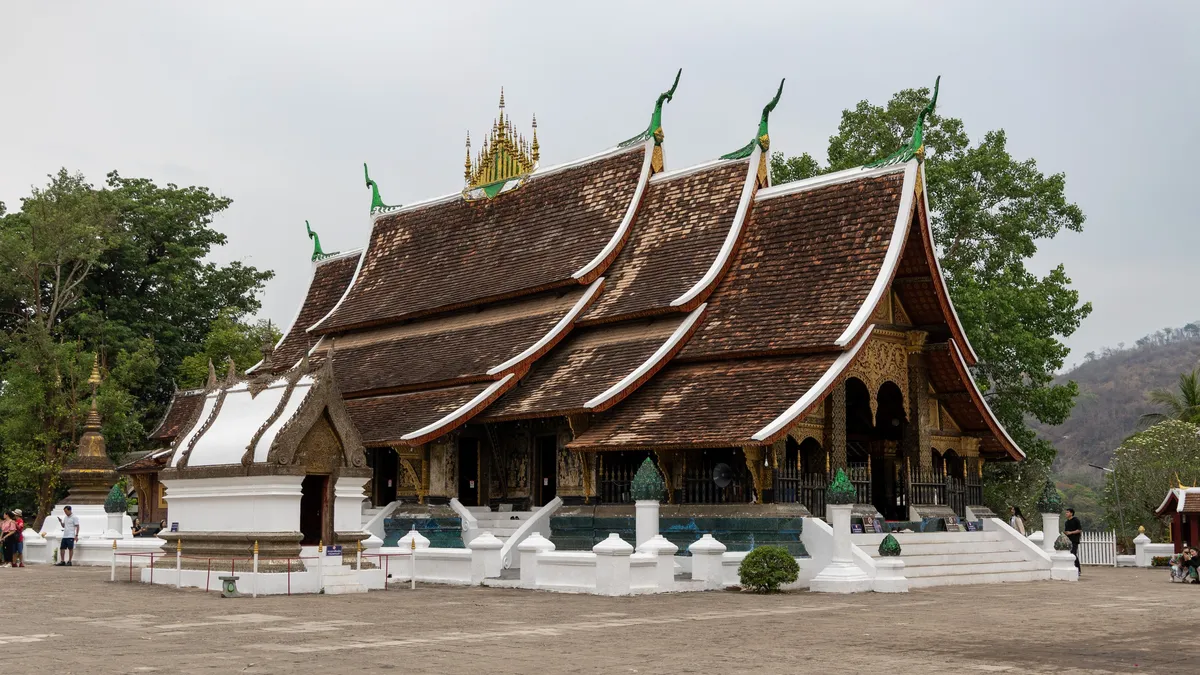
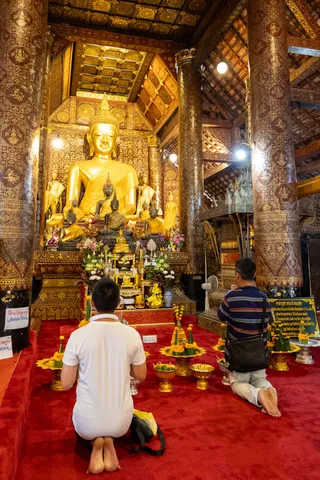
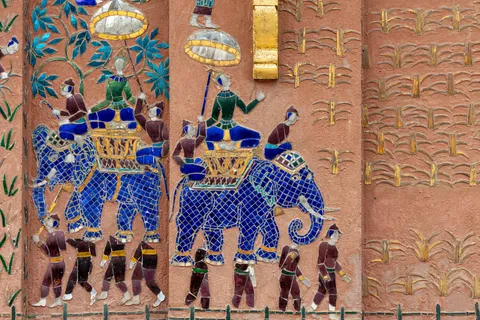
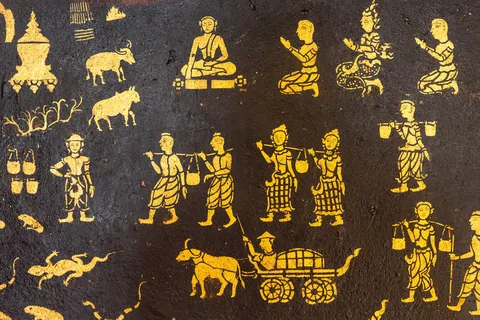
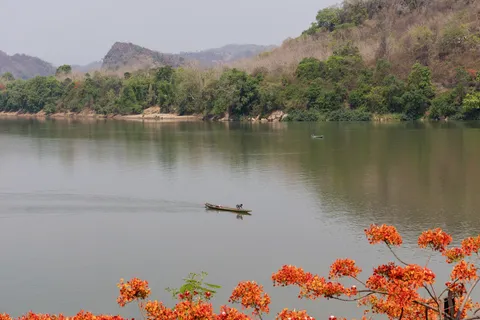
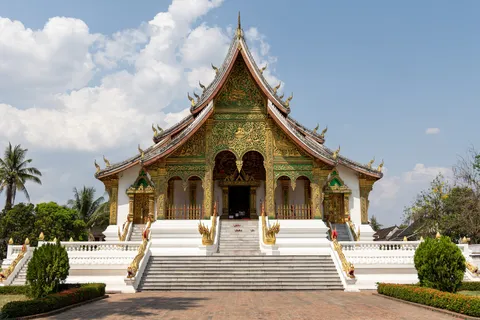
We arrive by train, on the new line that runs north through the mountains. A former royal capital at the confluence of the Mekong and the Nam Khan, Luang Prabang lives to the rhythm of its monasteries. At Wat Xieng Thong, founded in the sixteenth century, the roofs sweep almost to the ground and a glass mosaic depicts the Tree of Life on the rear wall; next door, the Red Chapel tells of village life in coloured fragments. In the evening, from the top of Mount Phousi, the Mekong fades into the haze.
By road↗ 15 km
The elephants of the Nam Khan
Laos
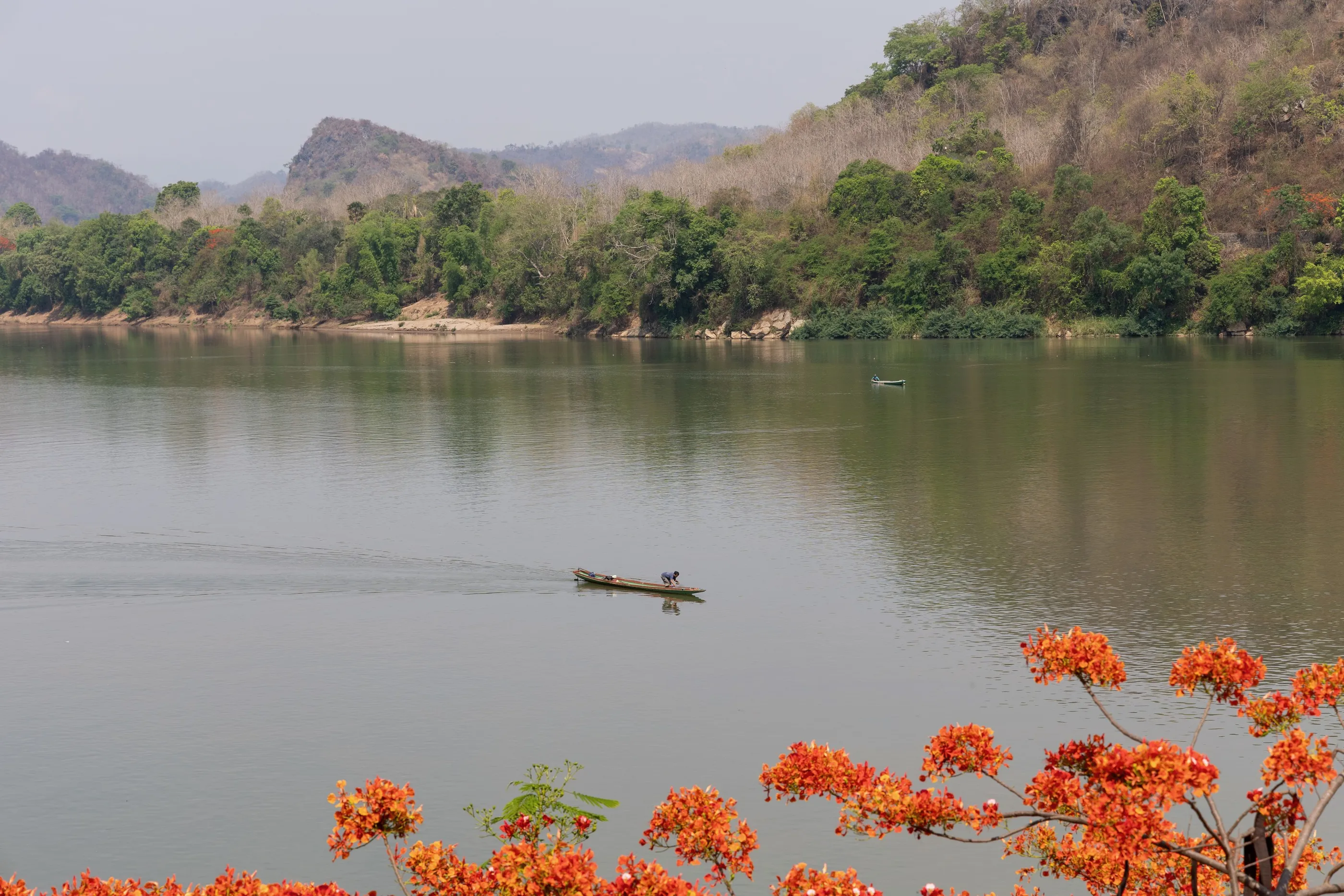
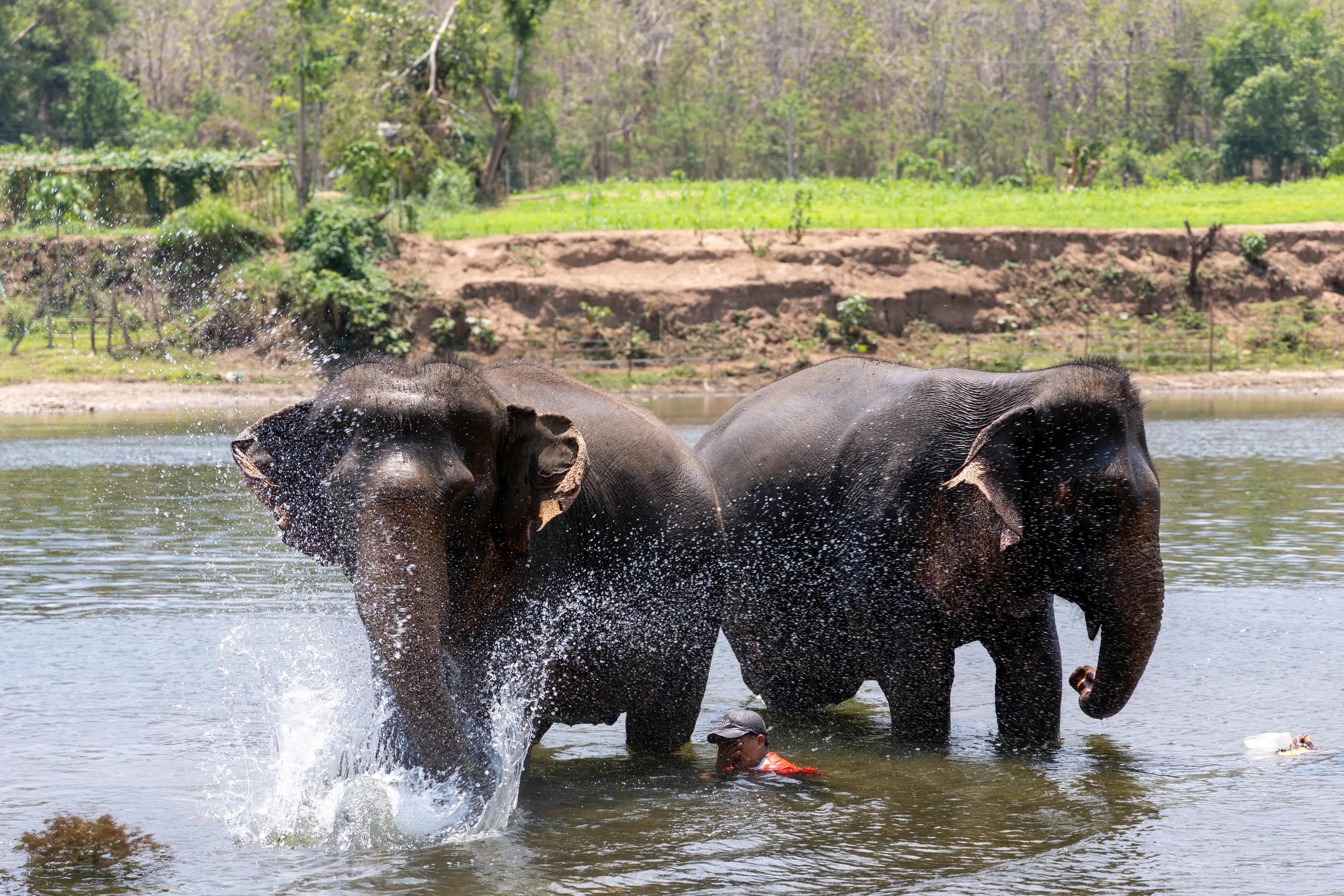
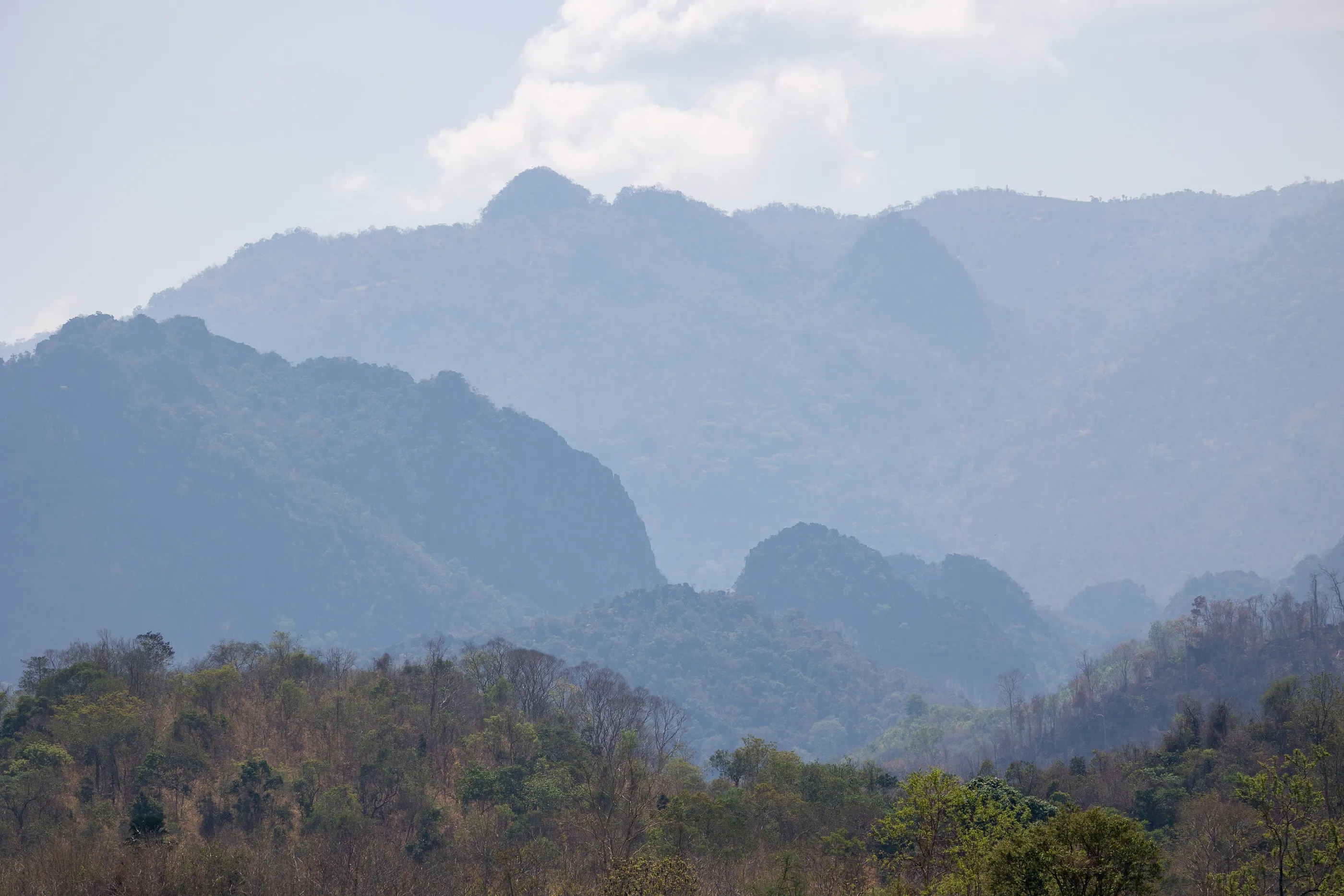
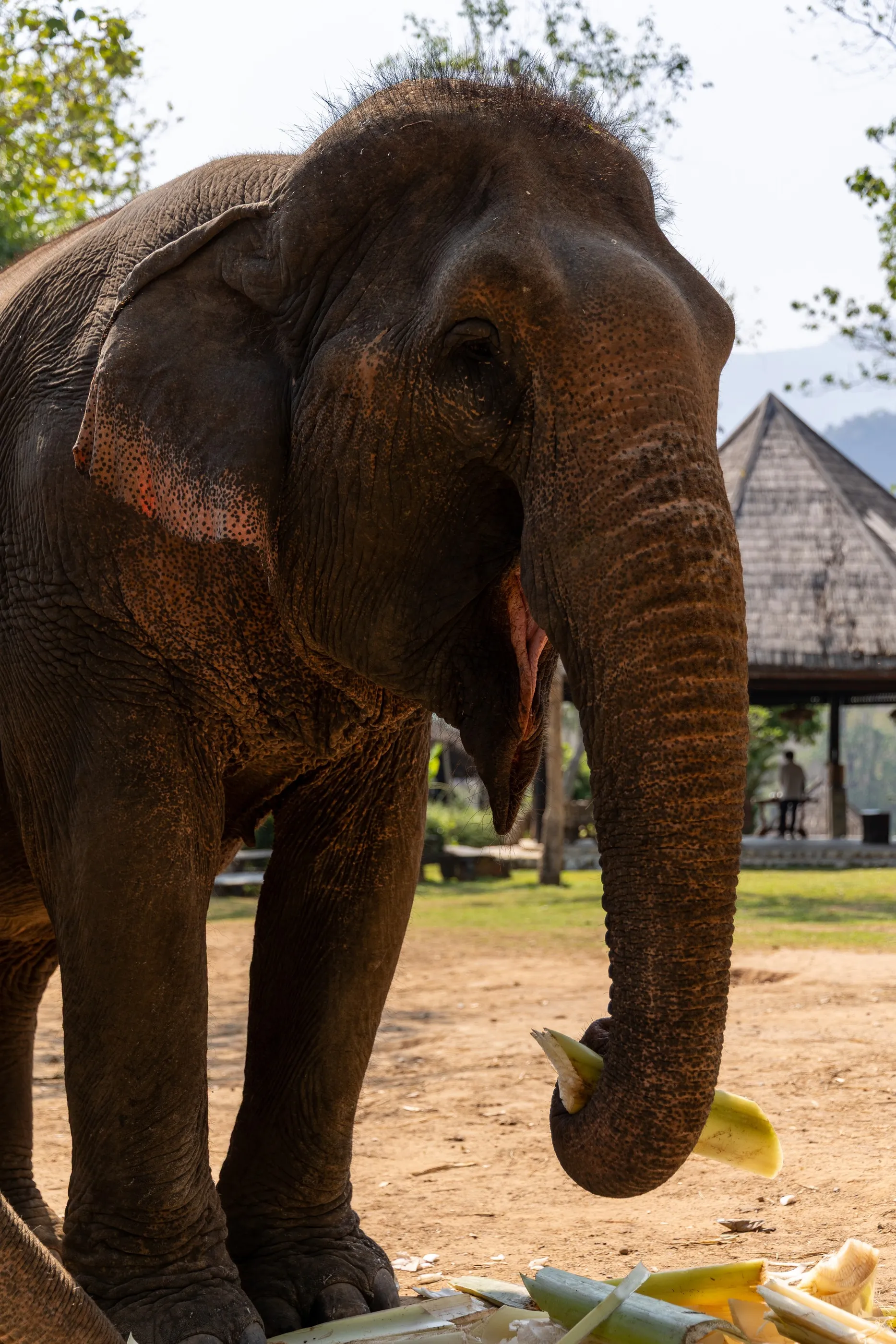
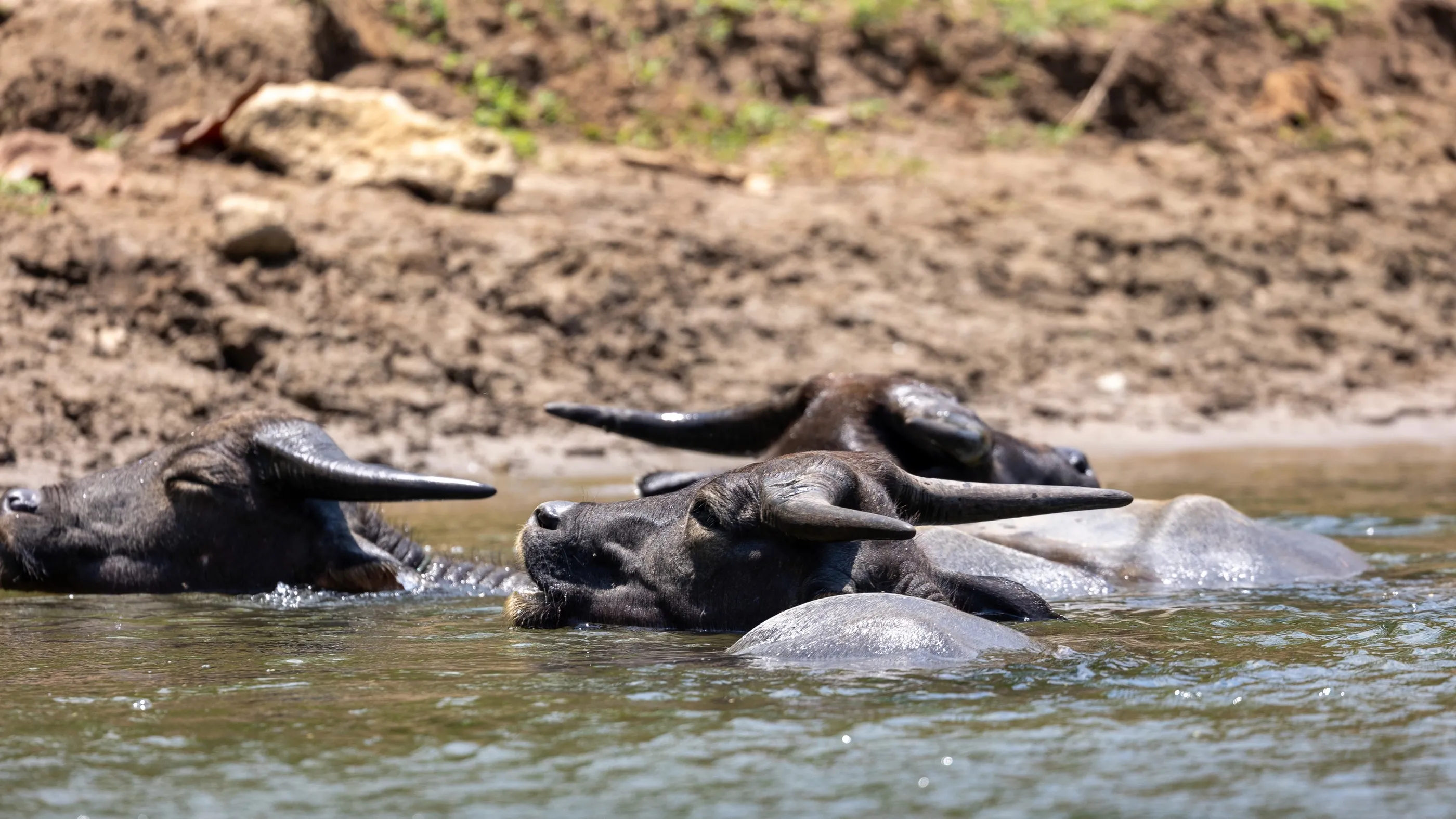
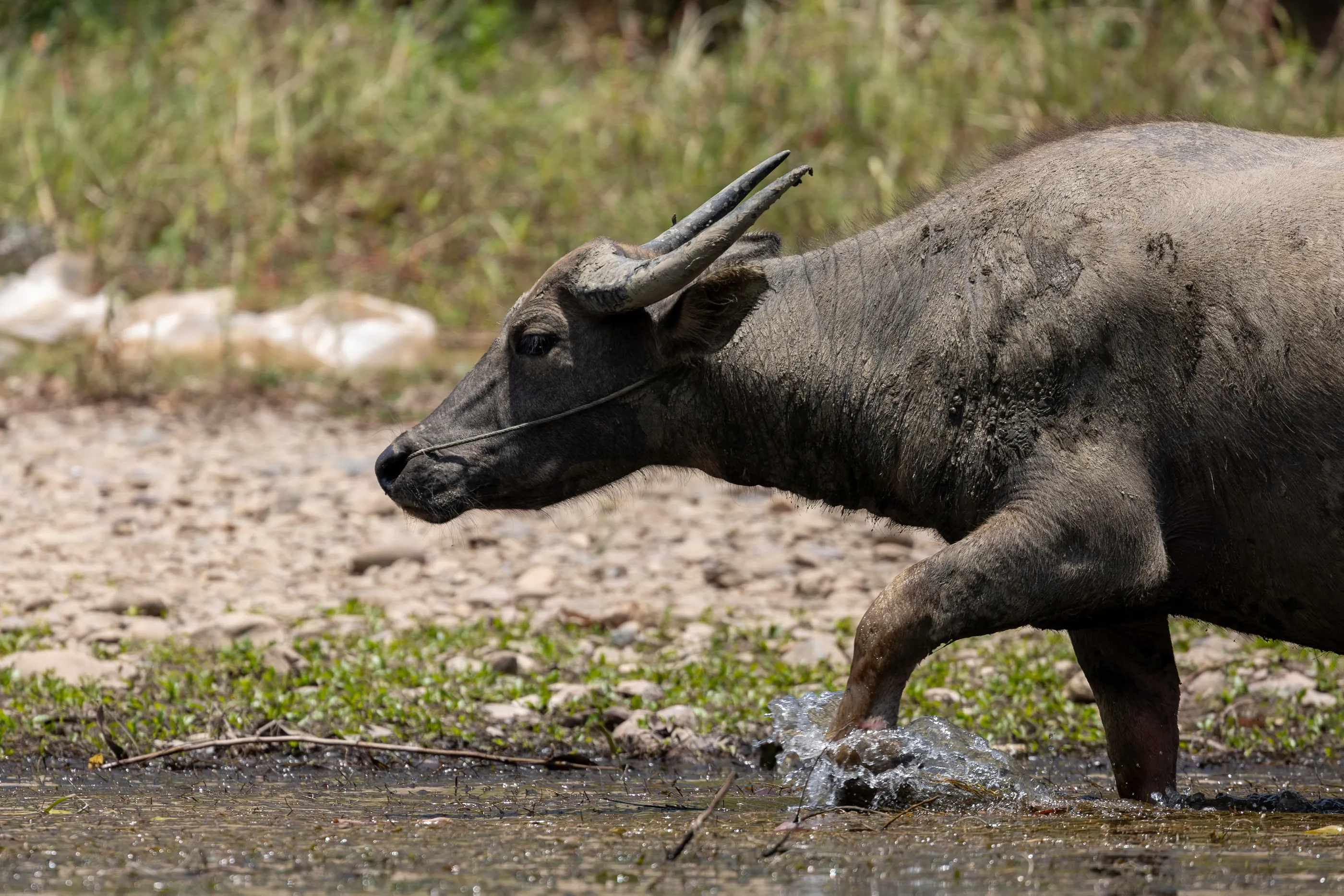
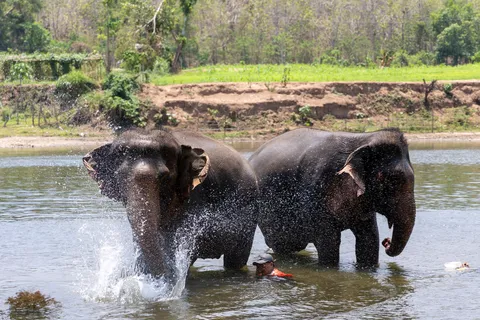
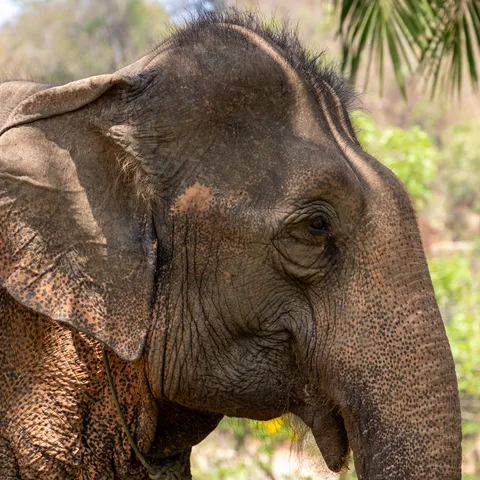
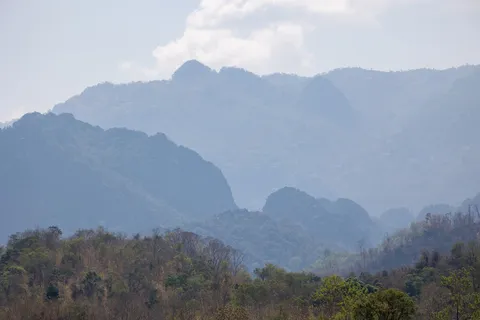
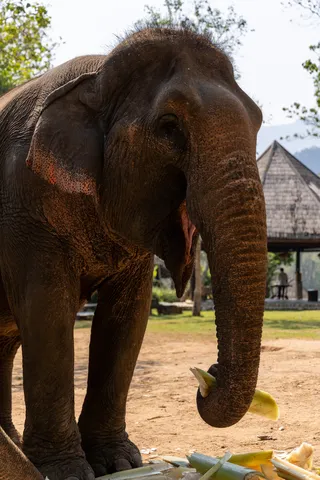
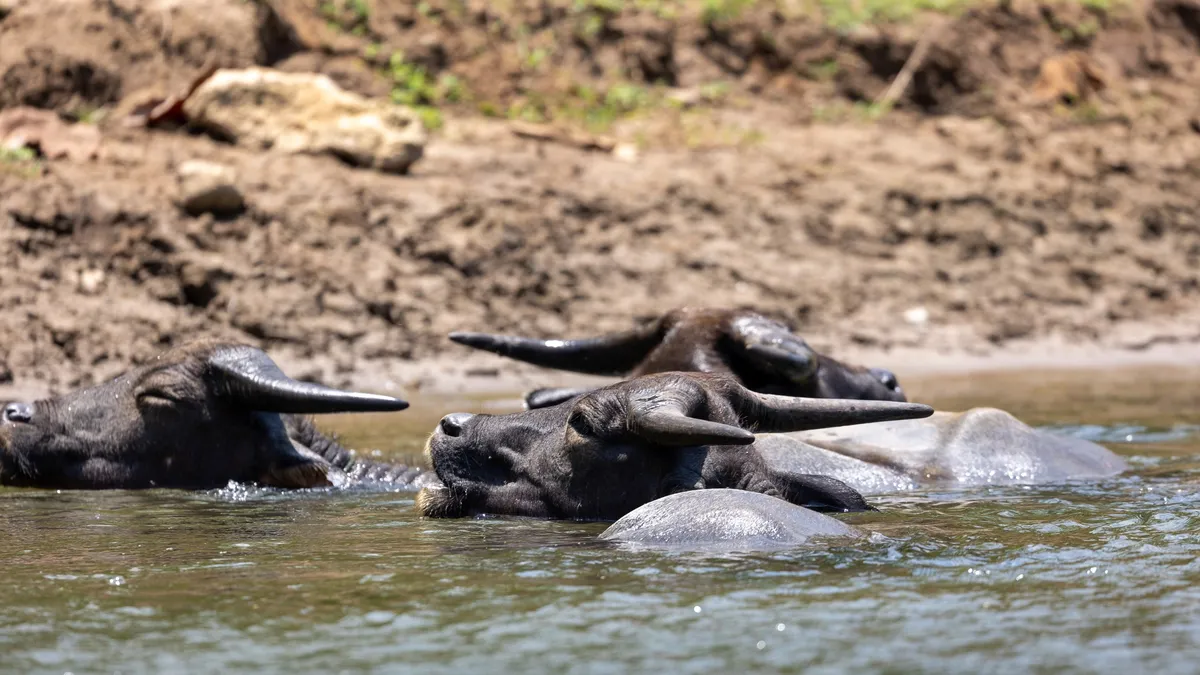
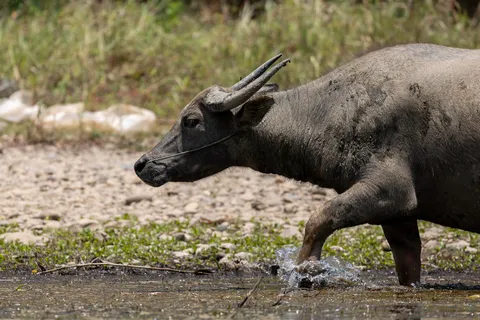
Laos was once the ‘land of a million elephants’, Lane Xang. Upstream from Luang Prabang, on the banks of the Nam Khan, a sanctuary takes in Asian elephants. They eat, spray themselves, wade into the river beneath the karst ridges; a little further on, water buffalo wallow in the mud.
By road↗ 16 km
Tak bat at dawn
Laos
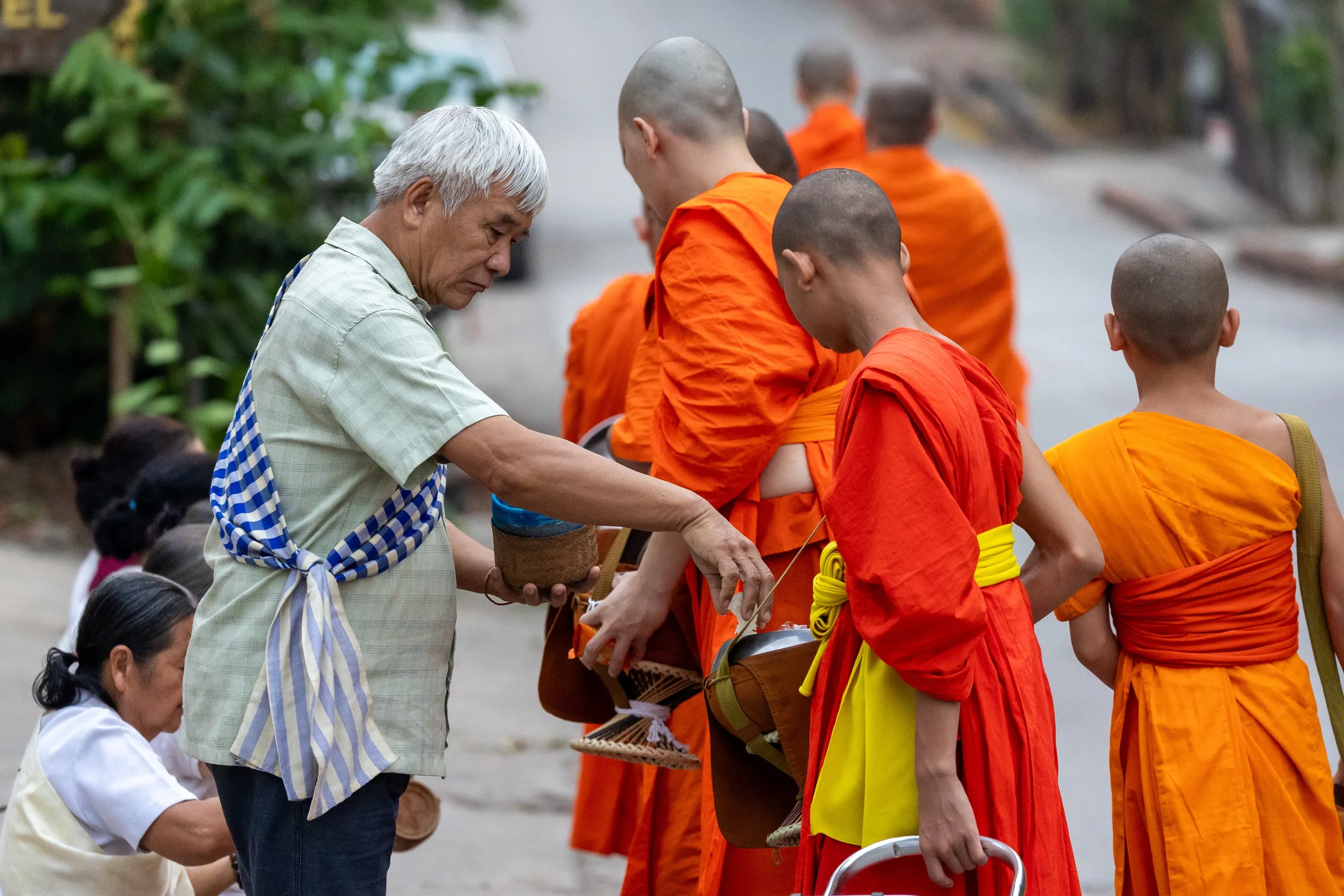
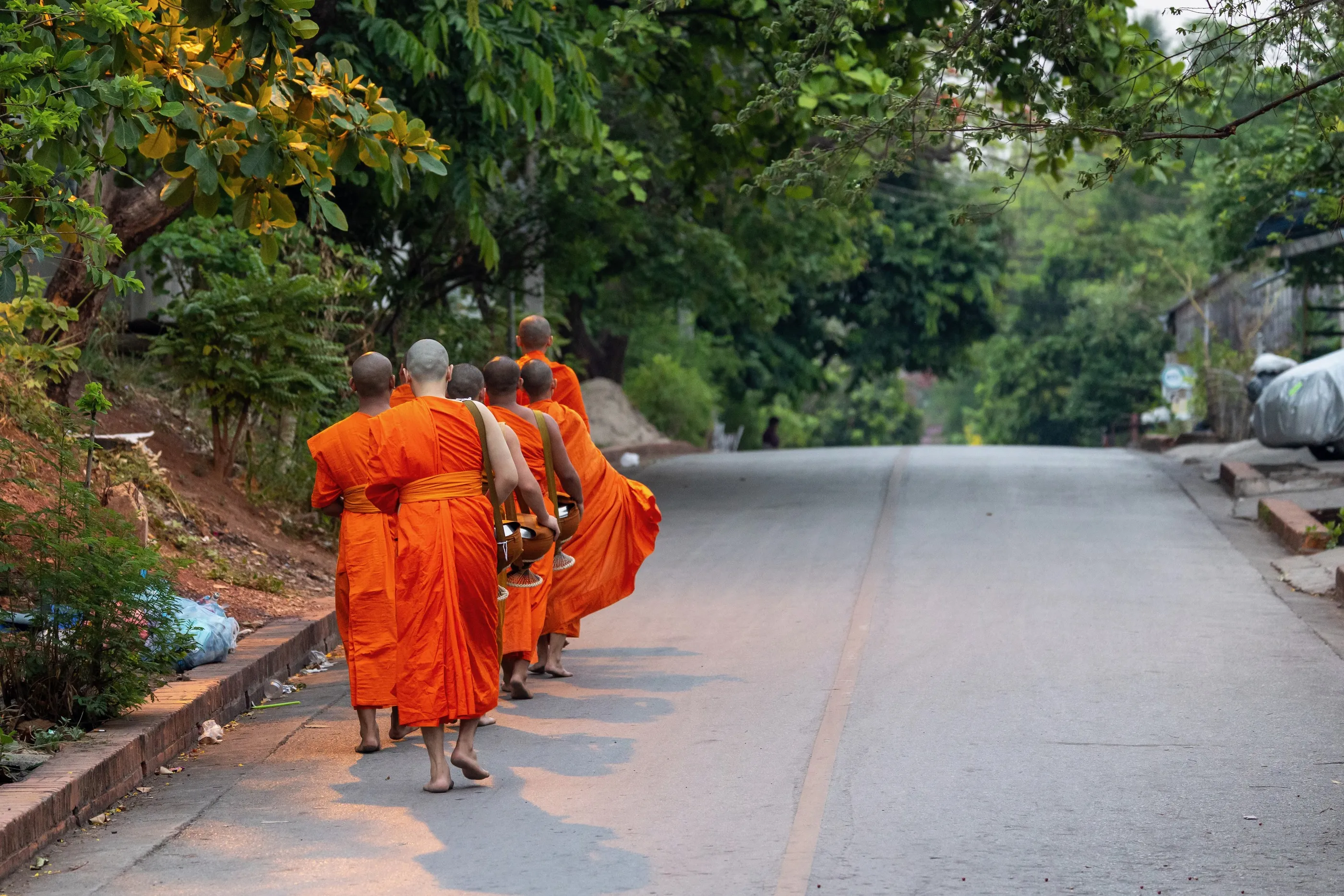
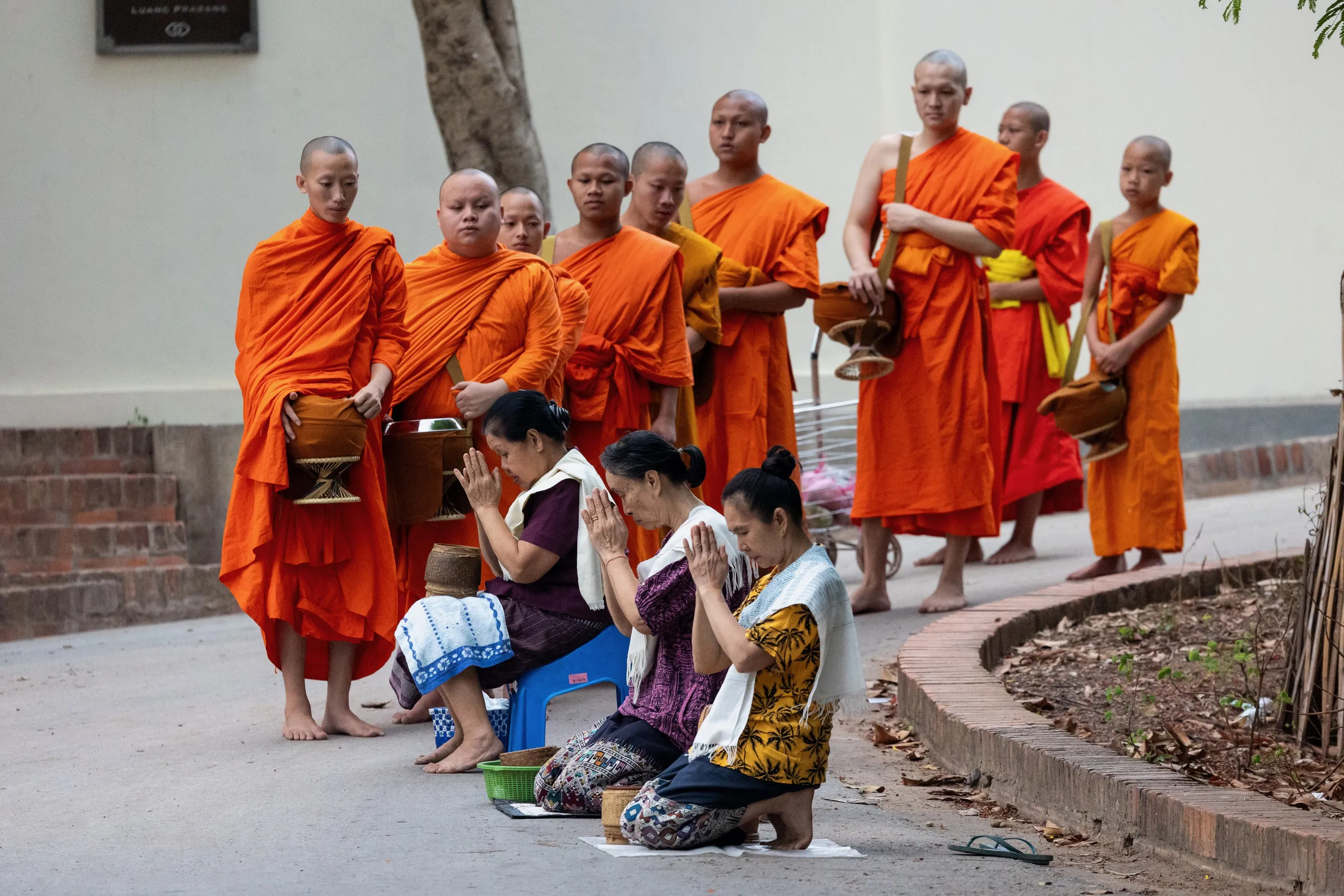
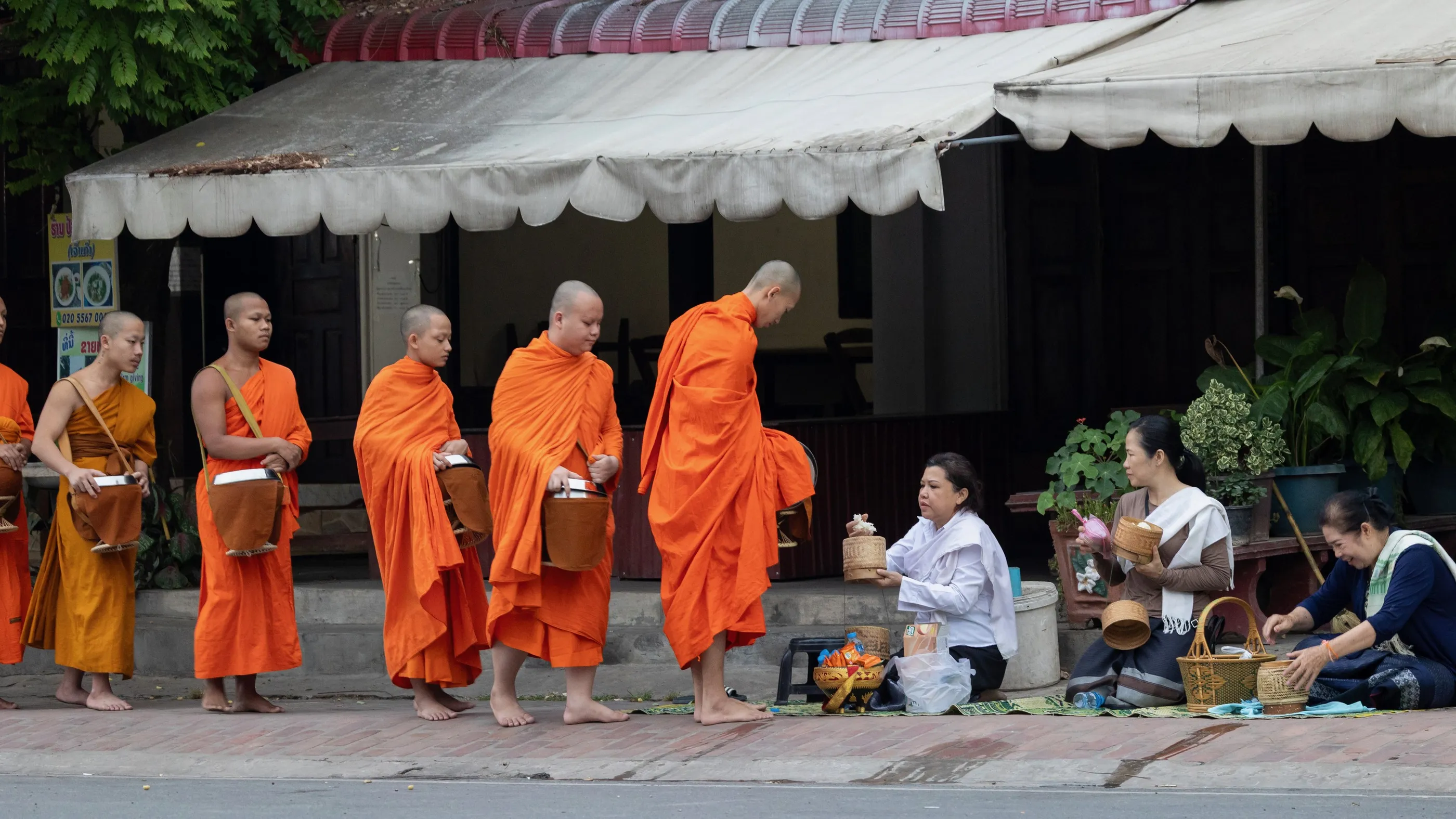
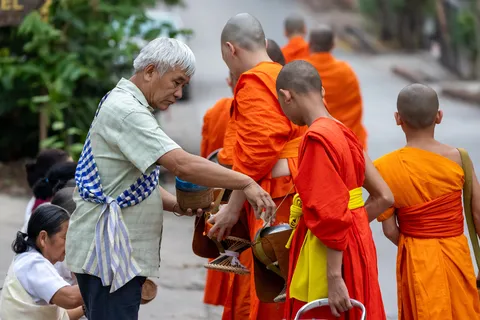
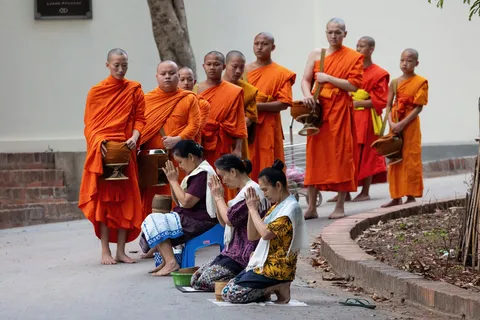
At dawn, monks file past in silence for tak bat, the alms round, while townspeople kneeling by the roadside offer them sticky rice. Saffron robes pass in front of still-sleeping façades; a few minutes later, the street is empty.


By road↗ 22 km
Kuang Si Falls
Laos
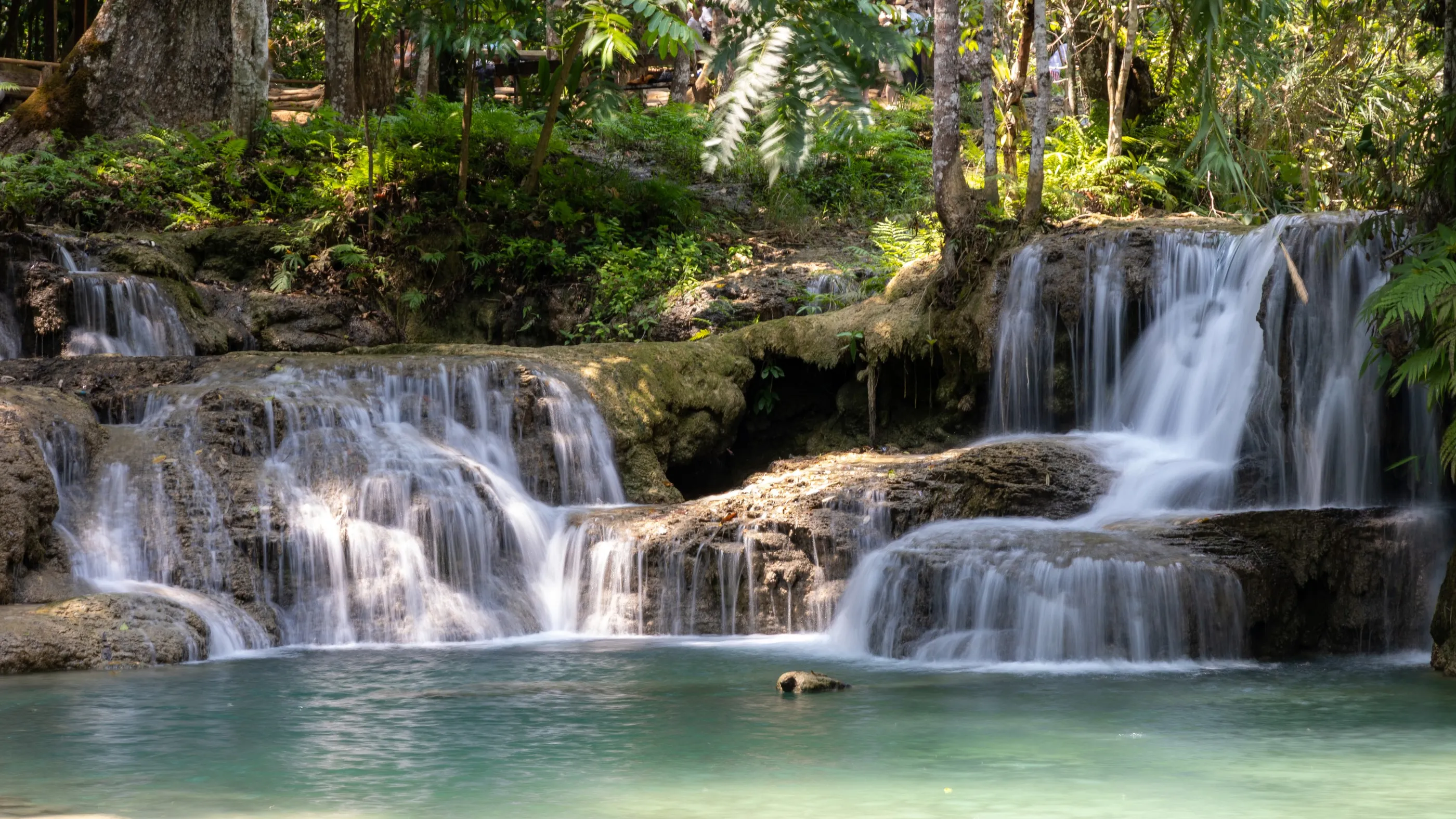
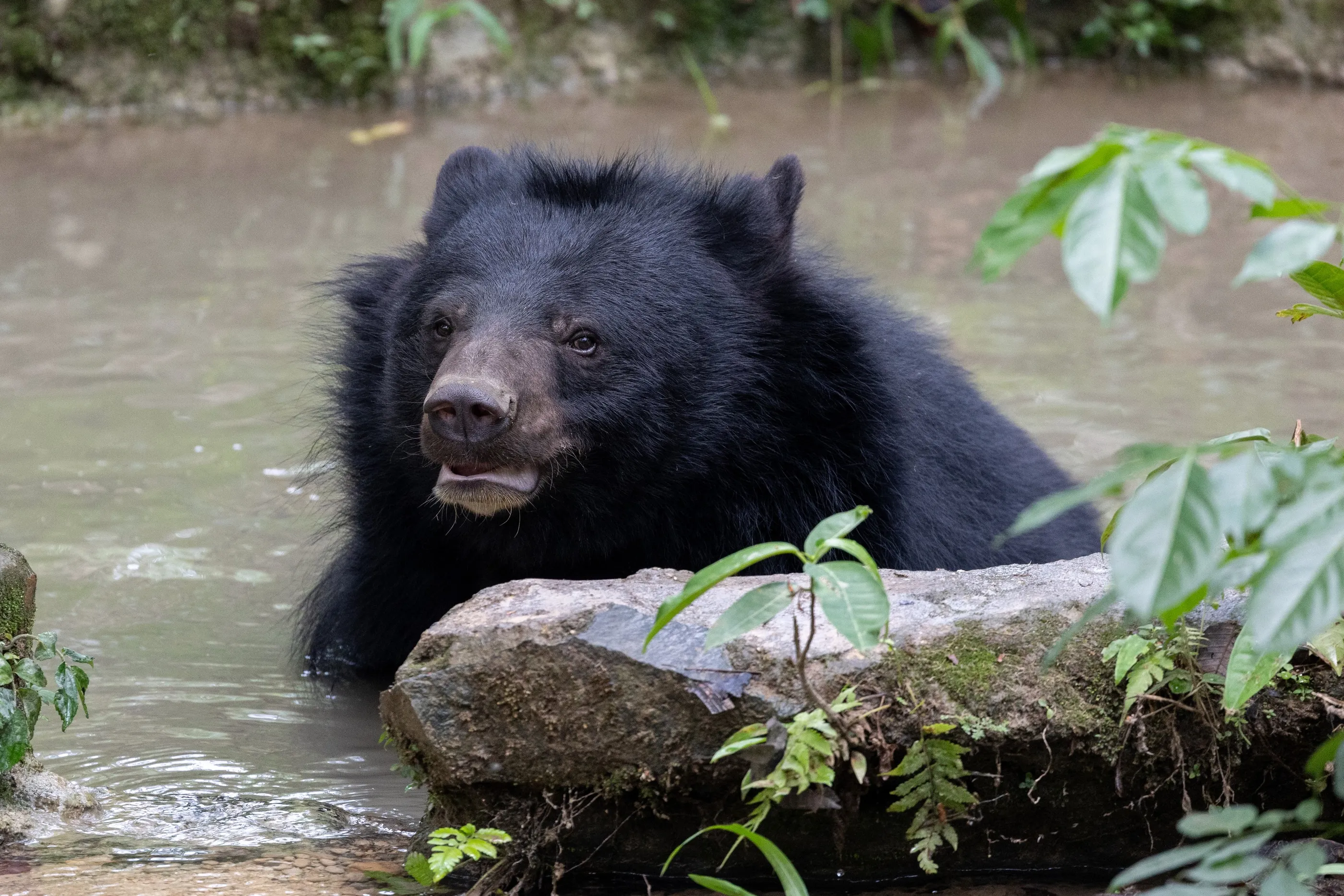
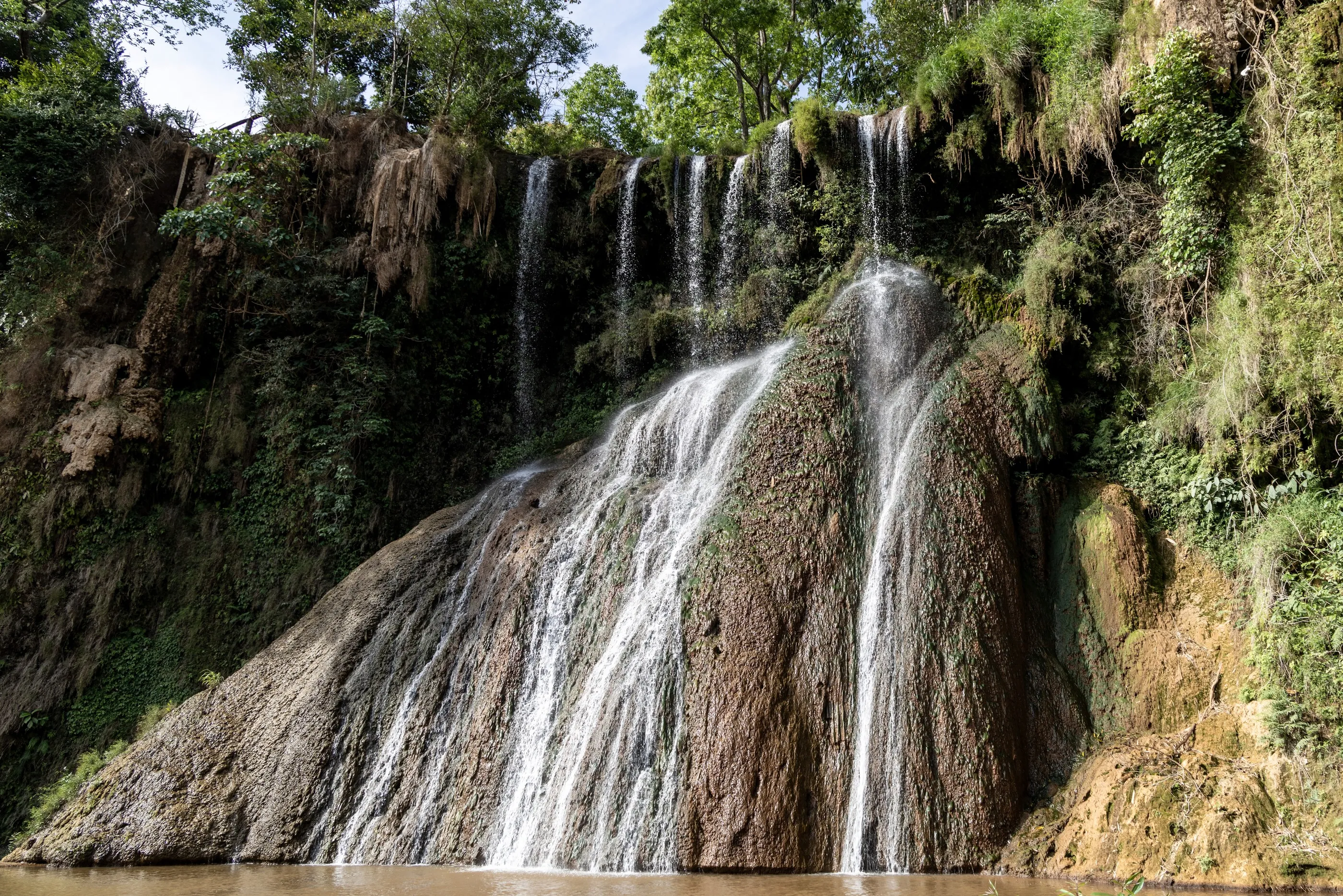
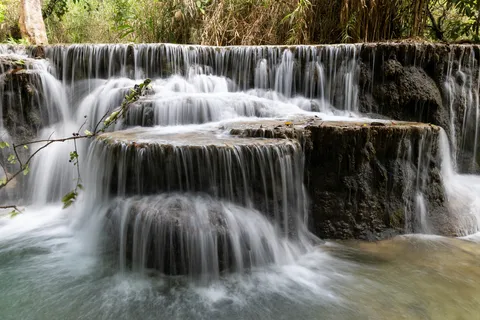
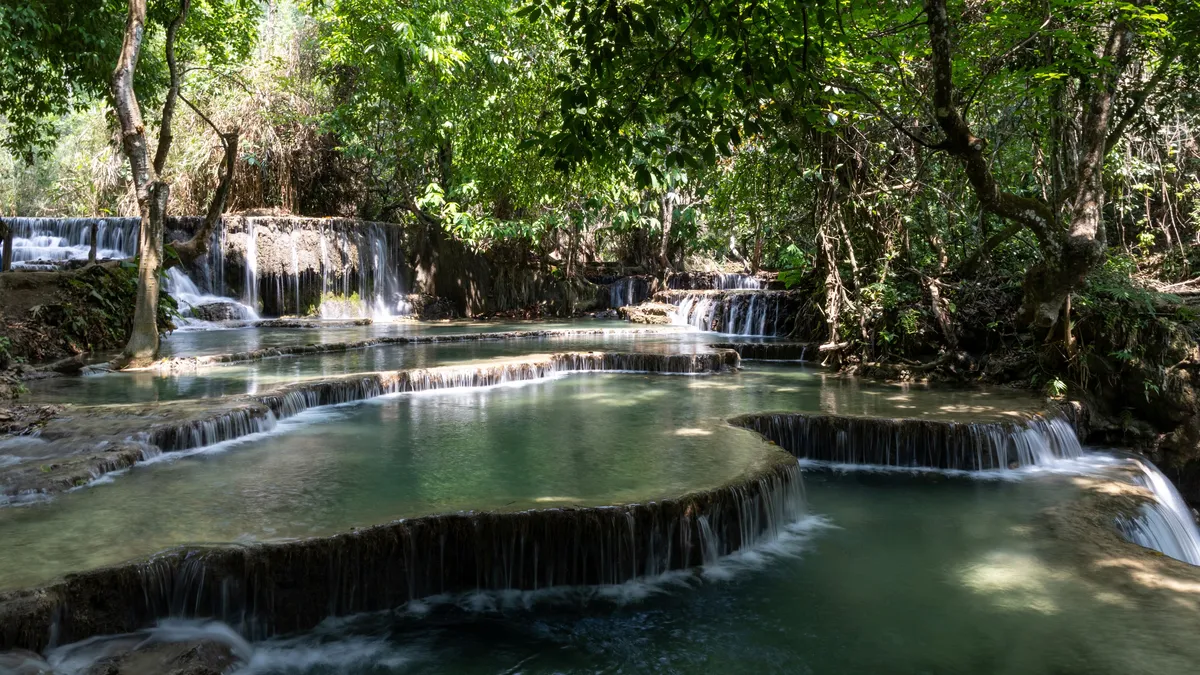
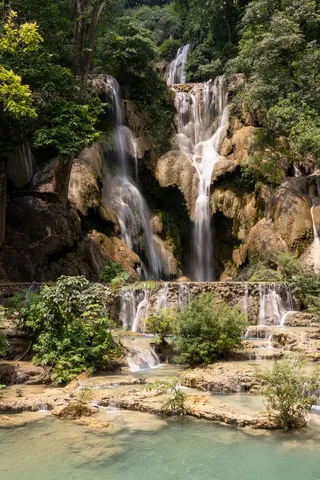
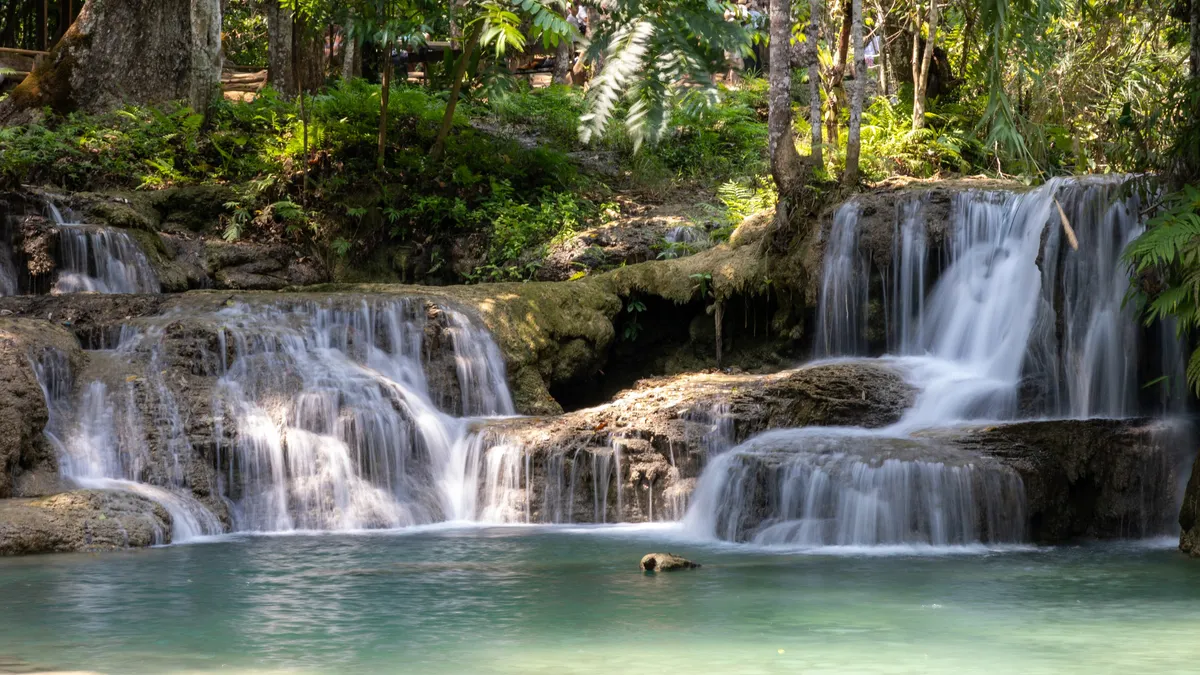
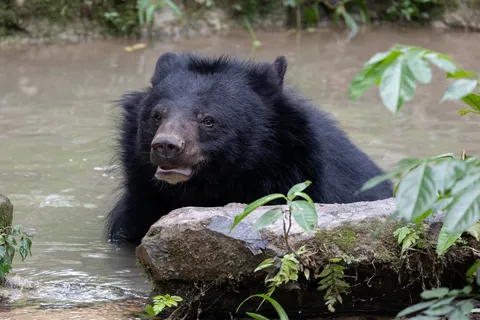
South of Luang Prabang, a turquoise river tumbles through the forest in a series of limestone pools; in a long exposure, the water turns to silk. At the entrance, a sanctuary takes in Asiatic black bears rescued from poaching.
By road↗ 22 km
Phralak Phralam at the Royal Palace
Laos
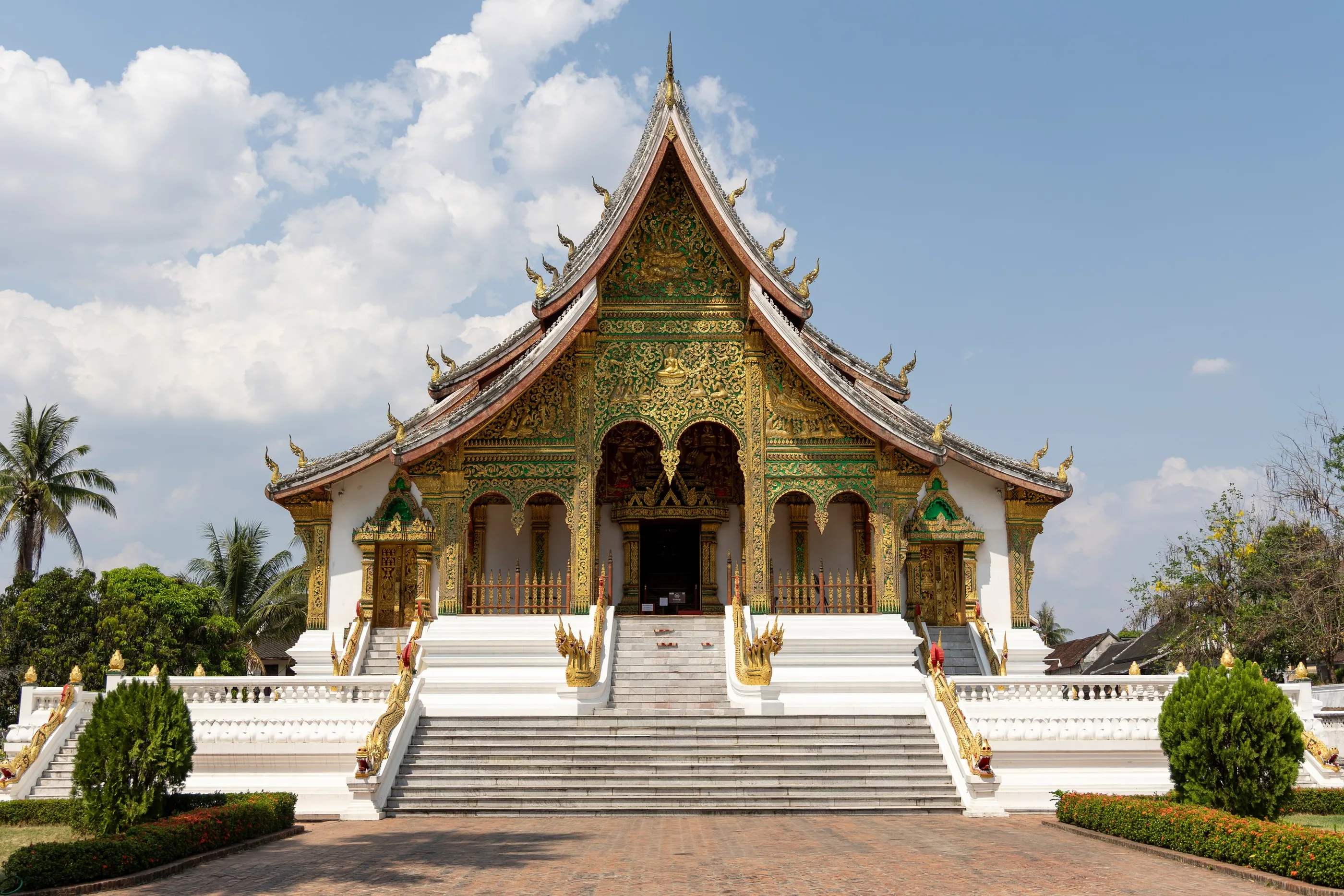
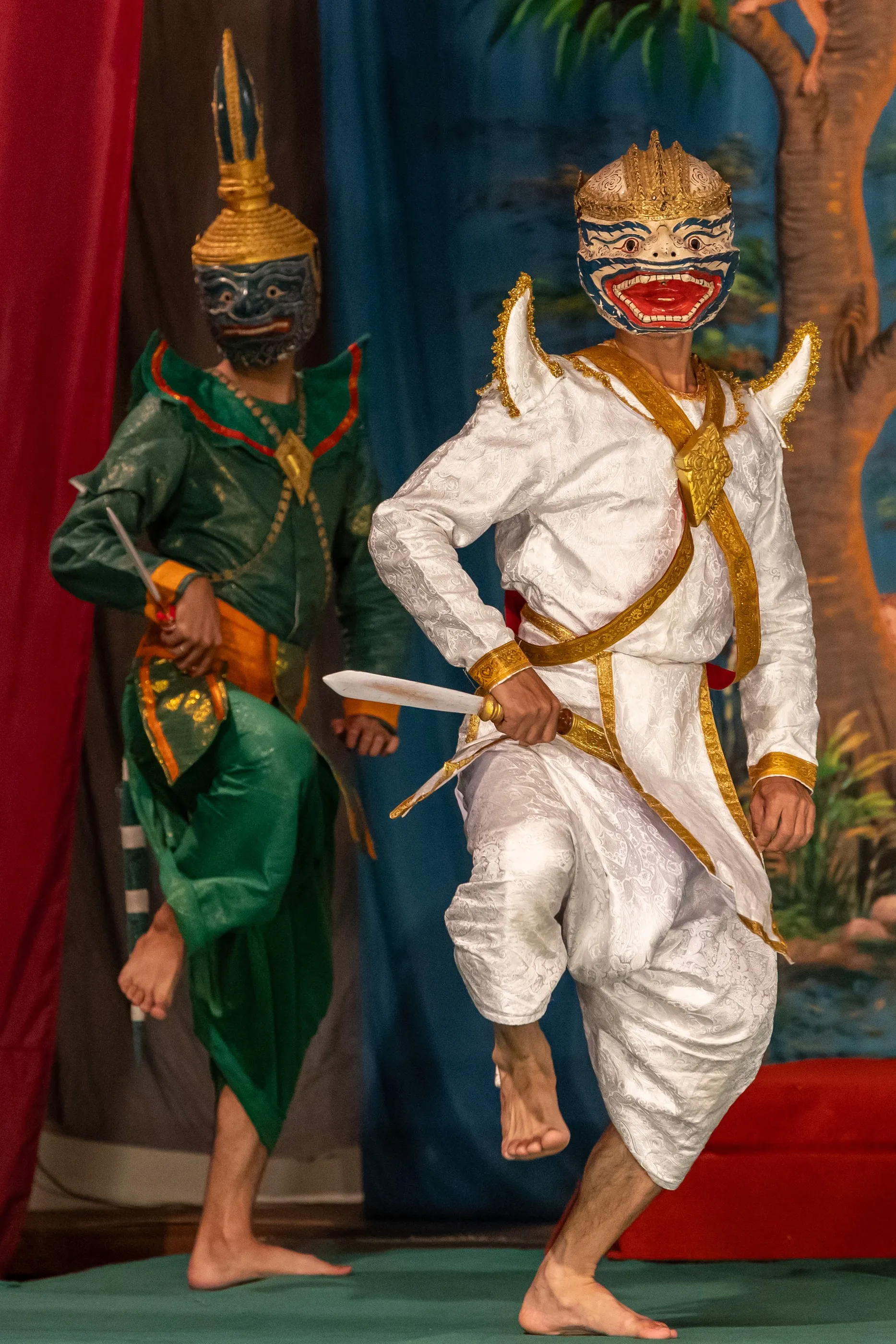
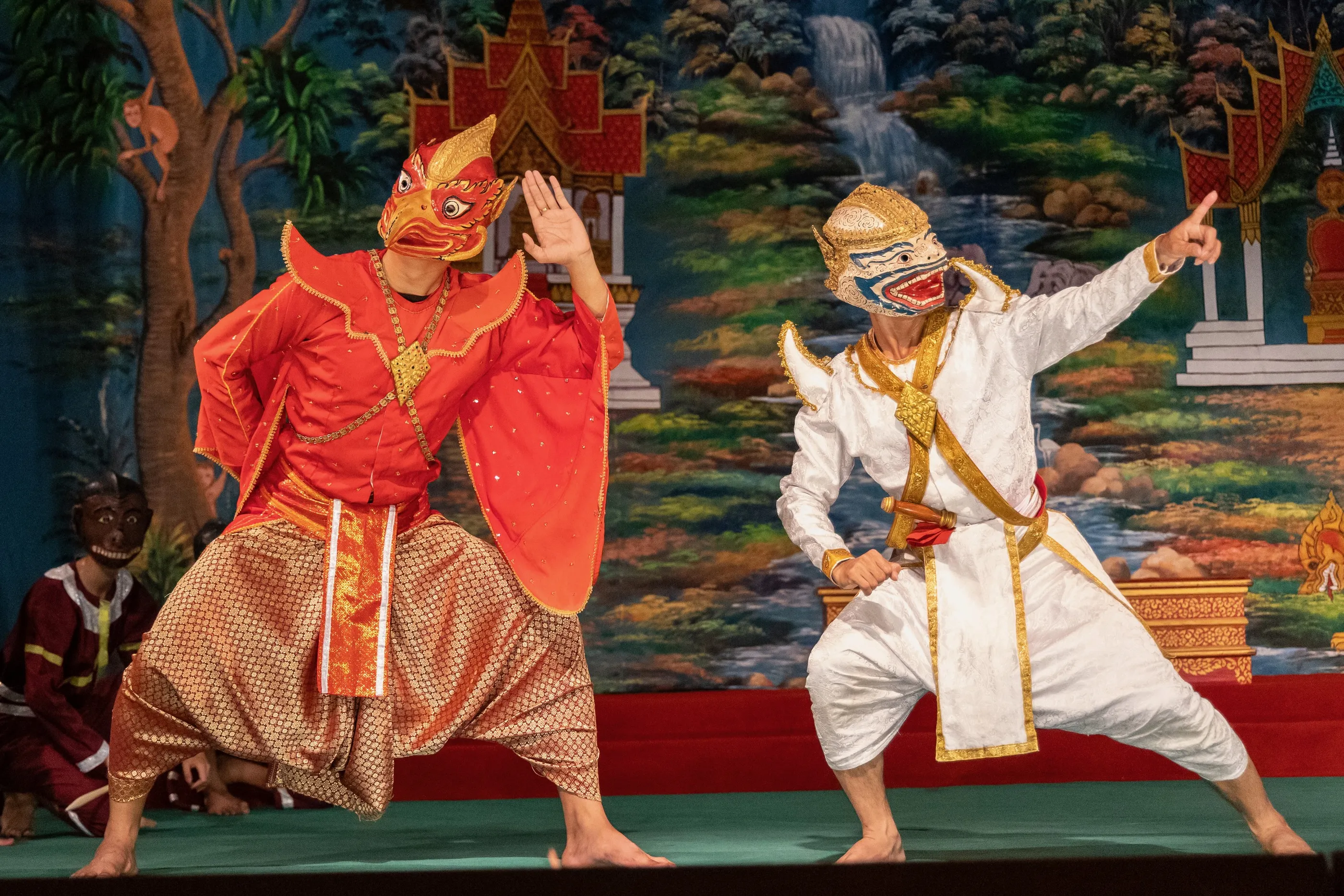
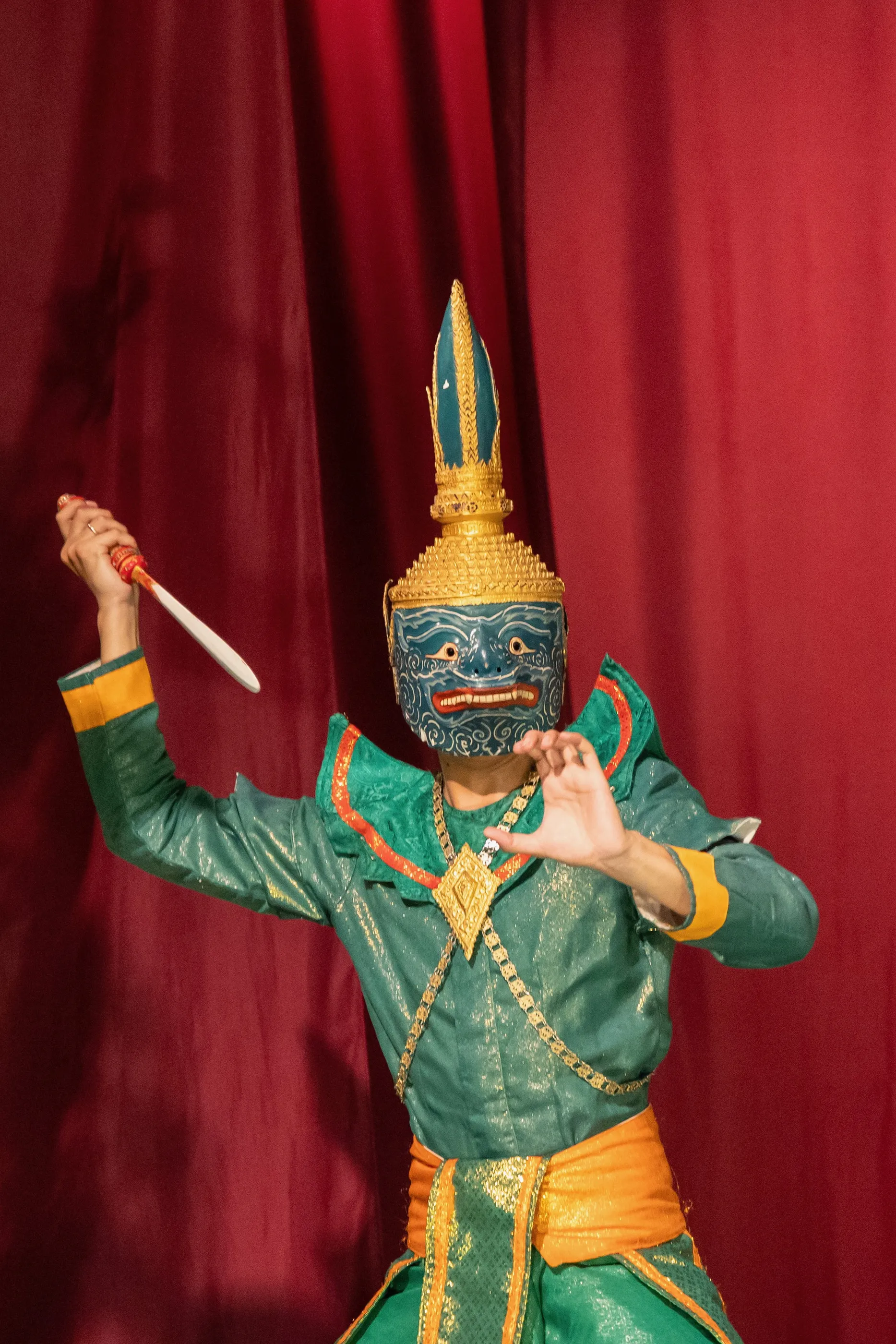
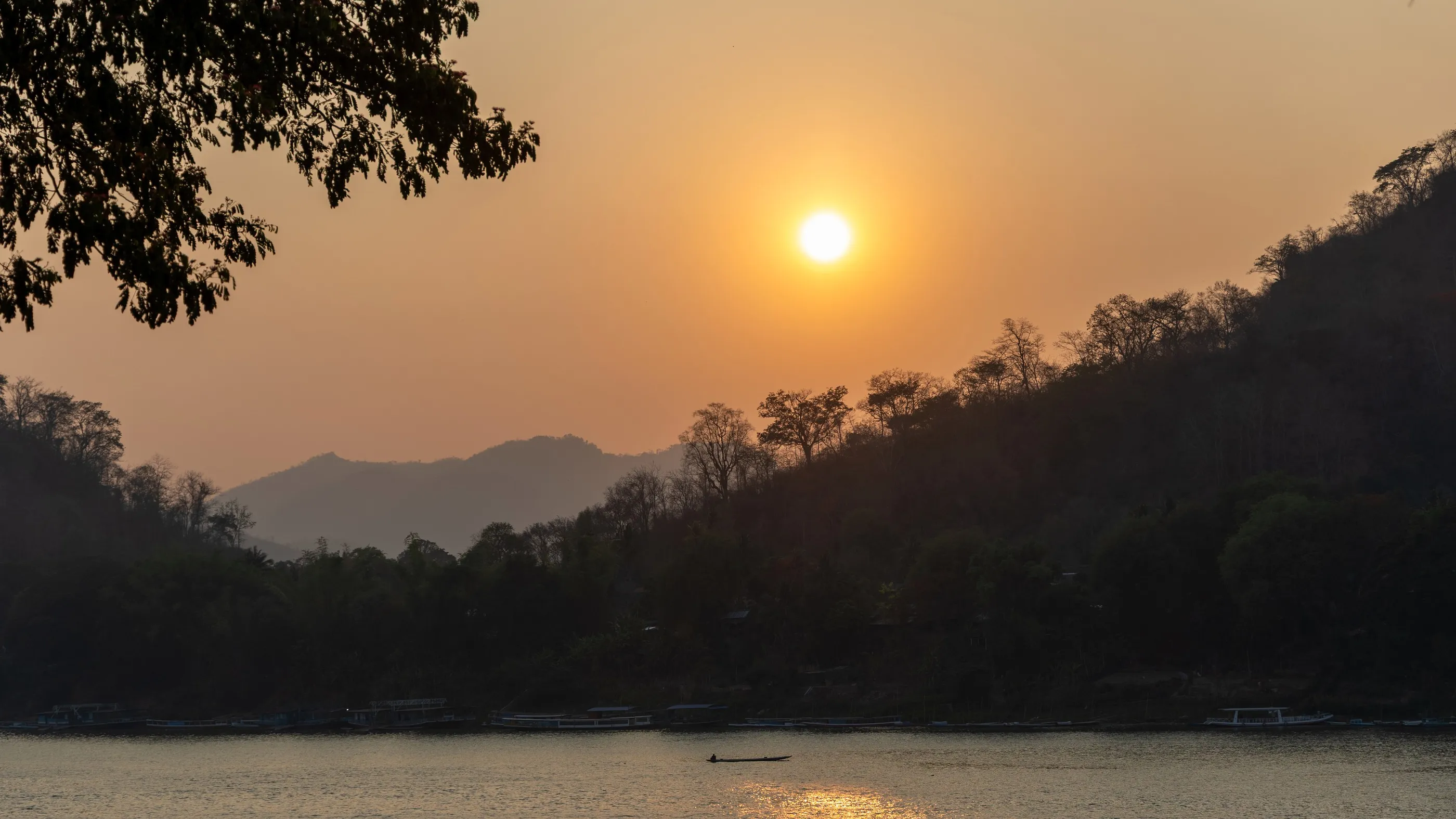
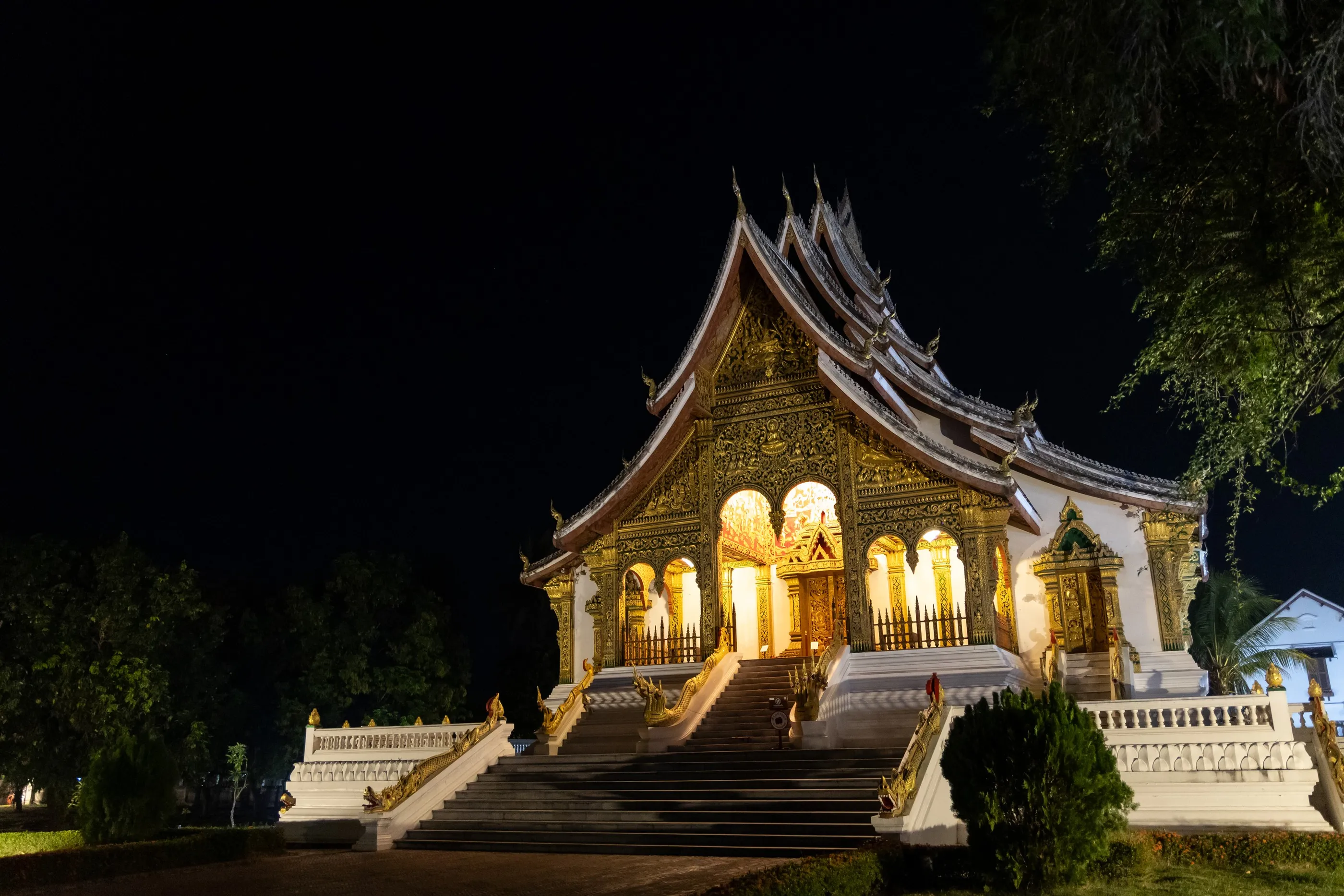
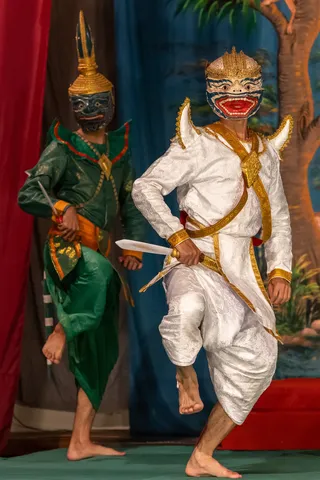
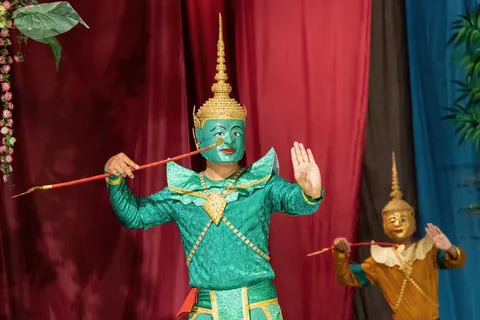
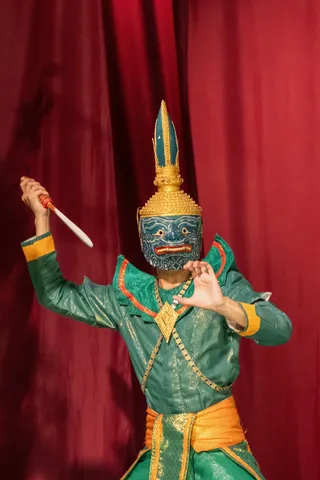
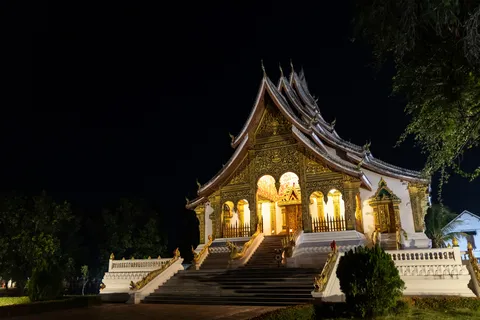
The sun sets over the Mekong; then, within the grounds of the former Royal Palace, the masked dancers of Phralak Phralam — the Lao Ramayana — re-enact the battles of Rama, Hanuman and the demons. On the way out, the illuminated Haw Pha Bang glows in the night.


By road↗ 407 km
Hanoi
Vietnam
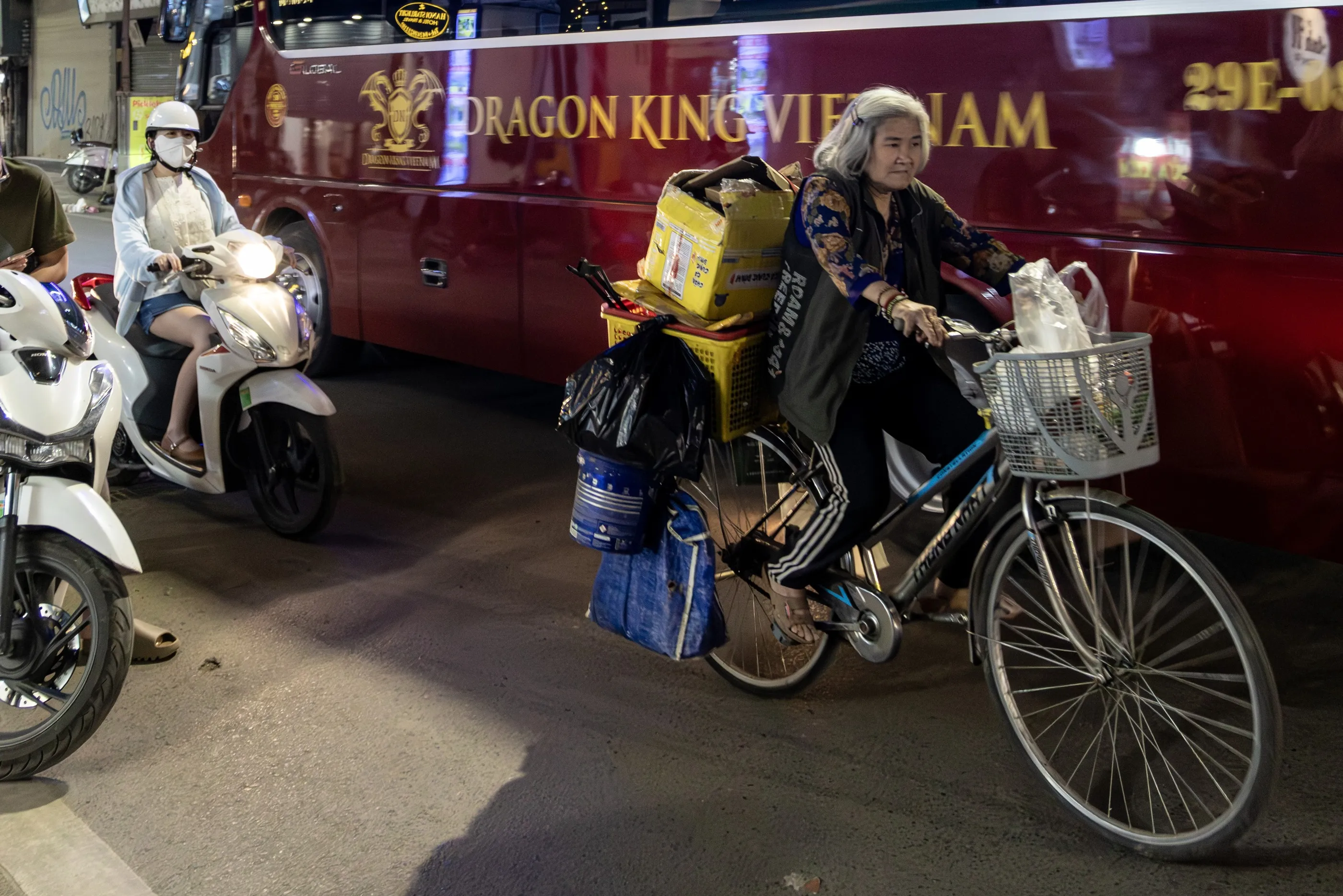
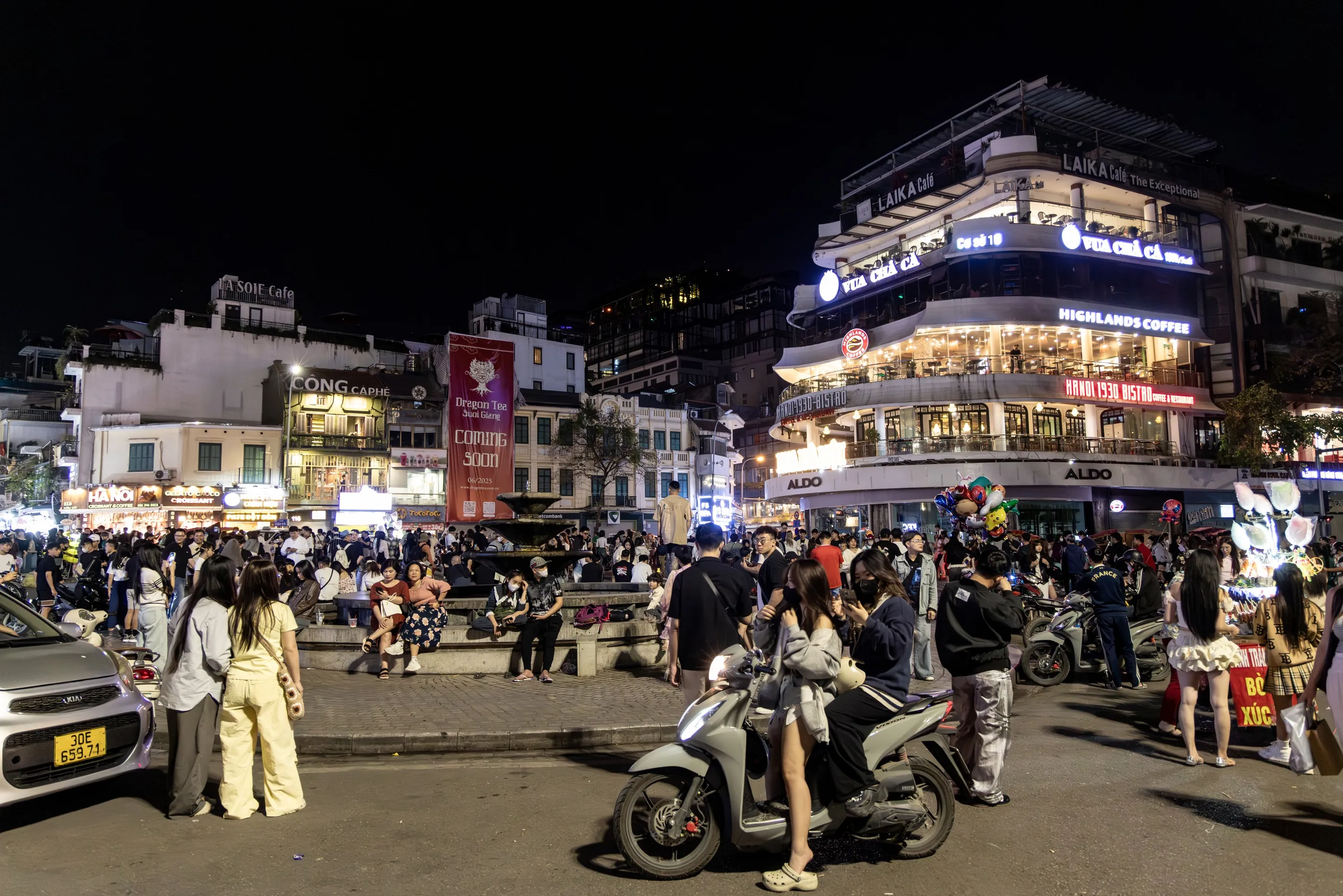
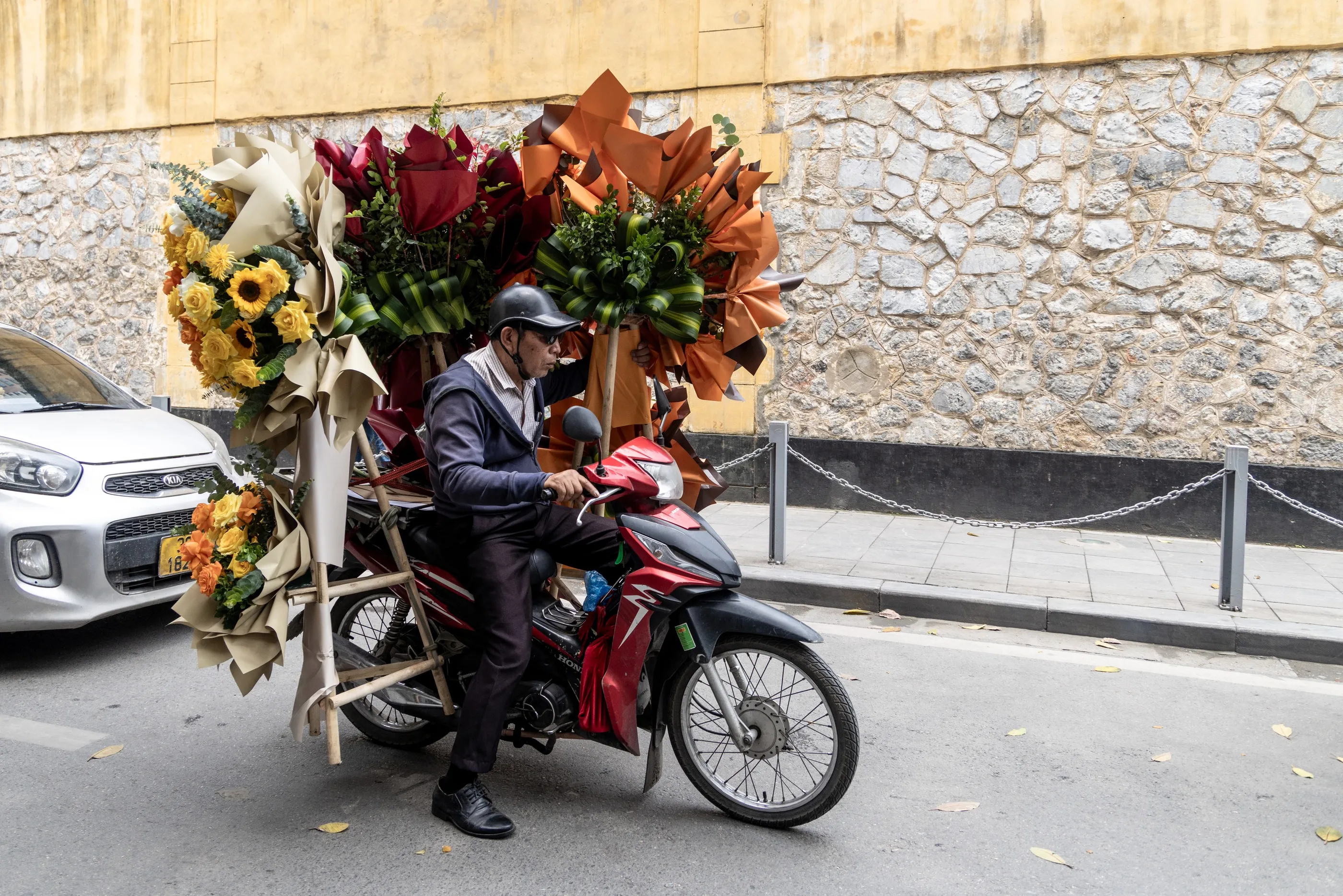
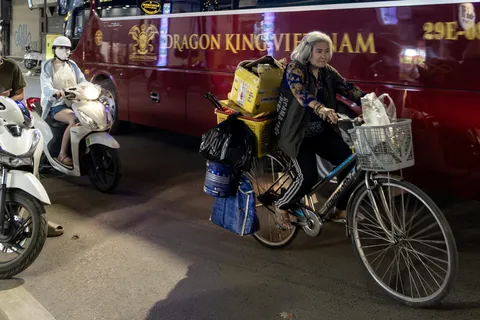
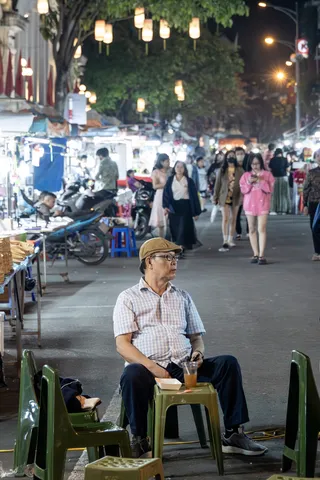
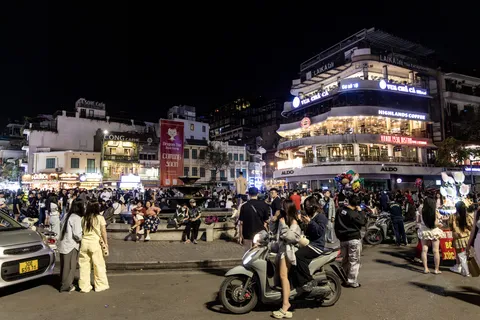
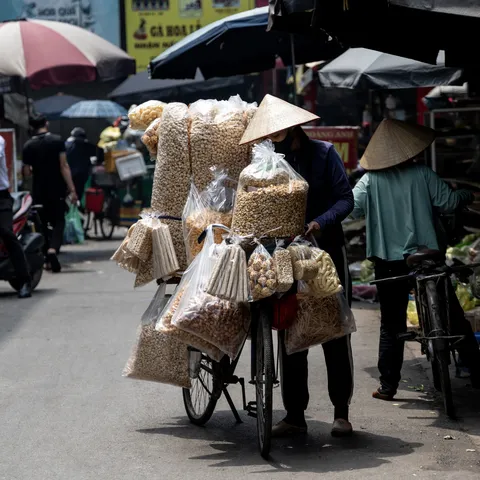
Across the border, the road leaves the forests of Laos and winds down into Tonkin, where French Indochina once had its capital. A first evening in Hanoi, in the lanes of the Old Quarter: plastic stools, lanterns, an old woman pedalling under her loads amid the scooters.
By road↗ 92 km
Mai Châu Valley
Vietnam
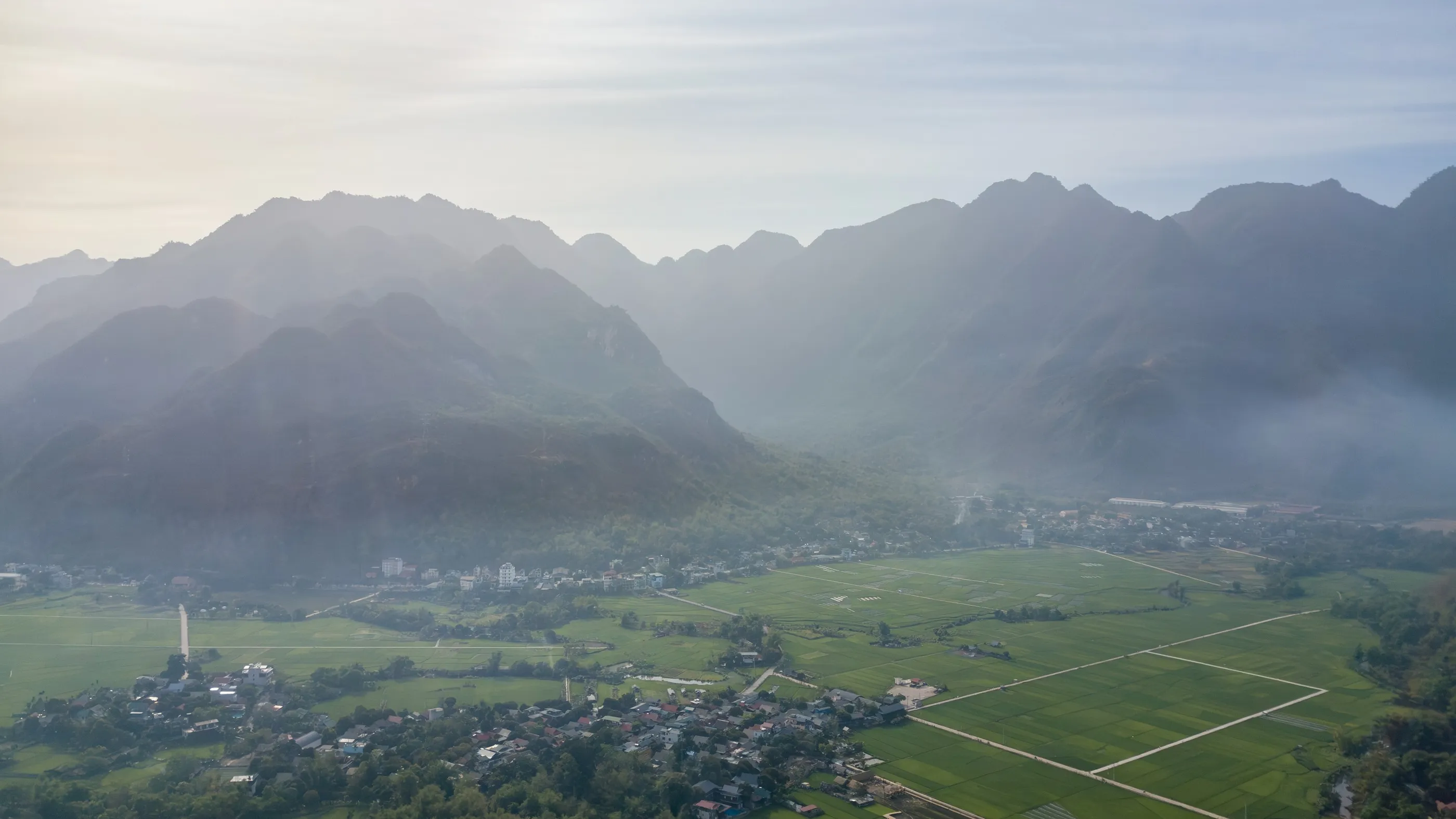
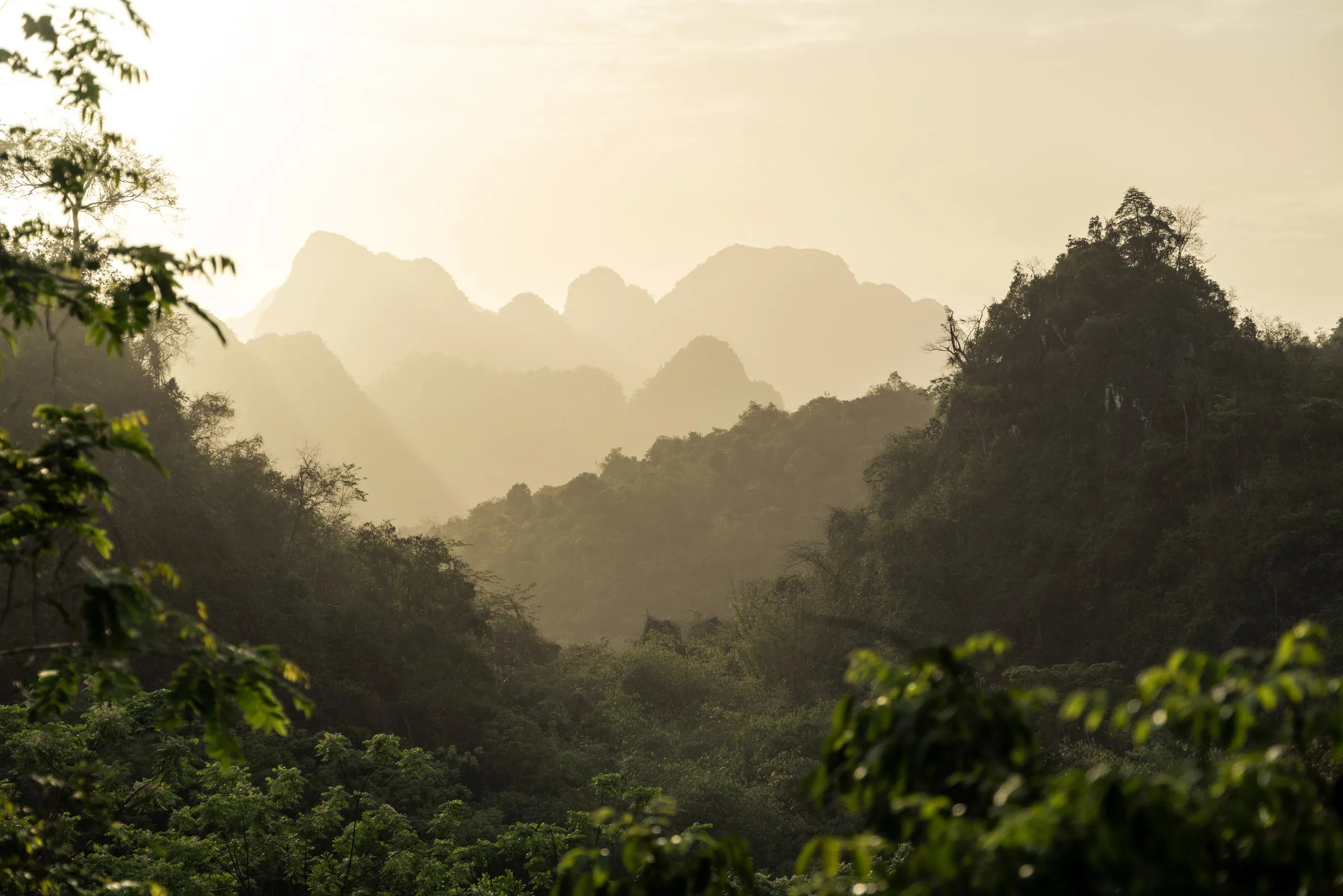
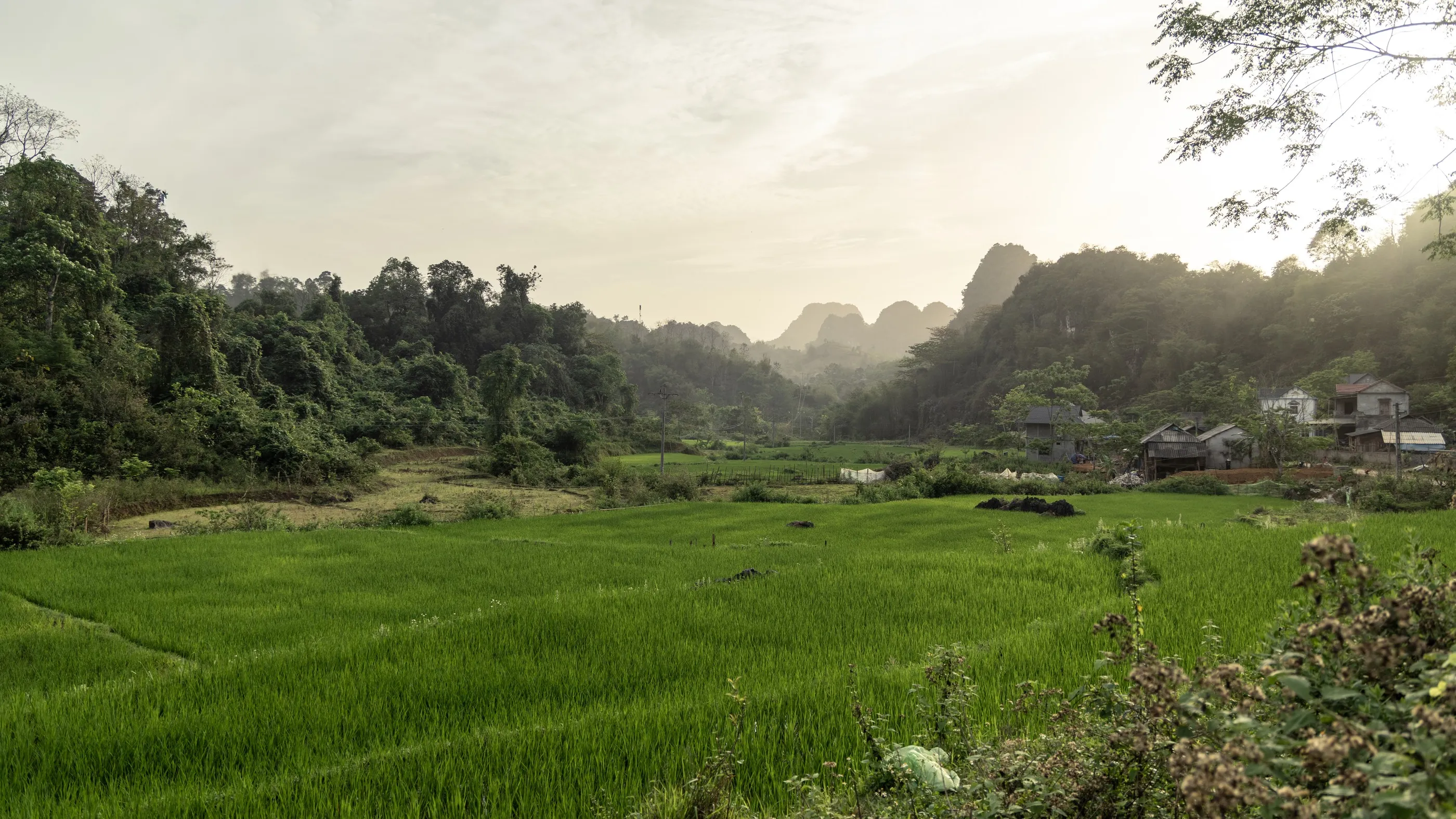
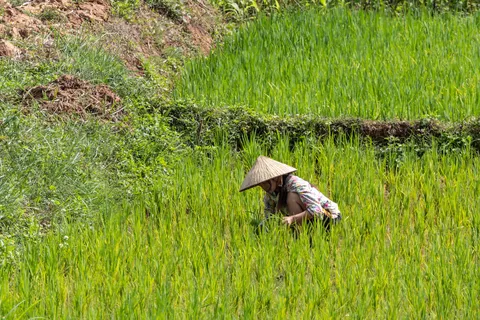
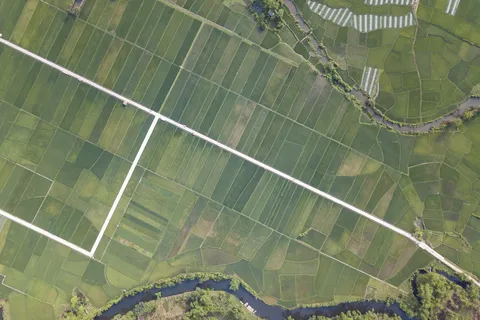
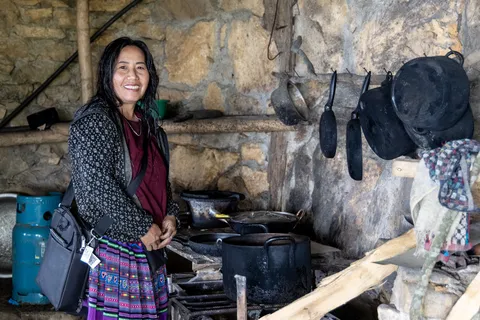
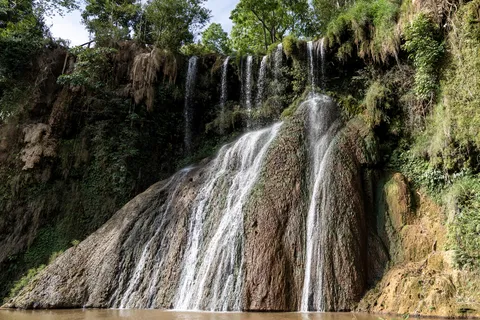
The first valley of the northern mountains: rice paddies of an almost electric green at the foot of karst peaks, and Thai villages of stilt houses. In the morning, mist rises from the valley floor, leaving only the ridges showing; later, in a smoky kitchen, a Hmong woman prepares a meal.



By road↗ 49 km
Mộc Châu and the Black River
Vietnam
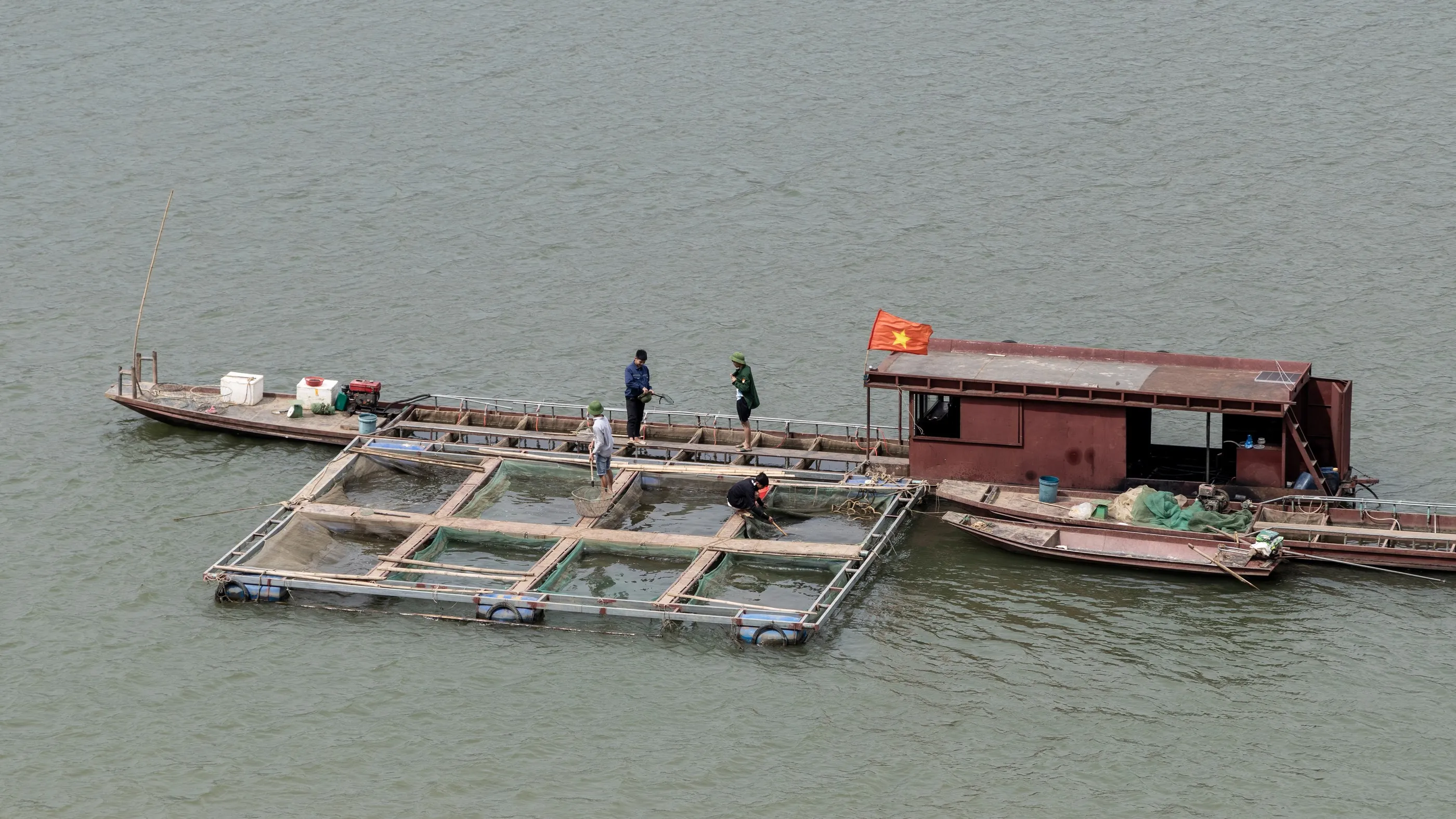
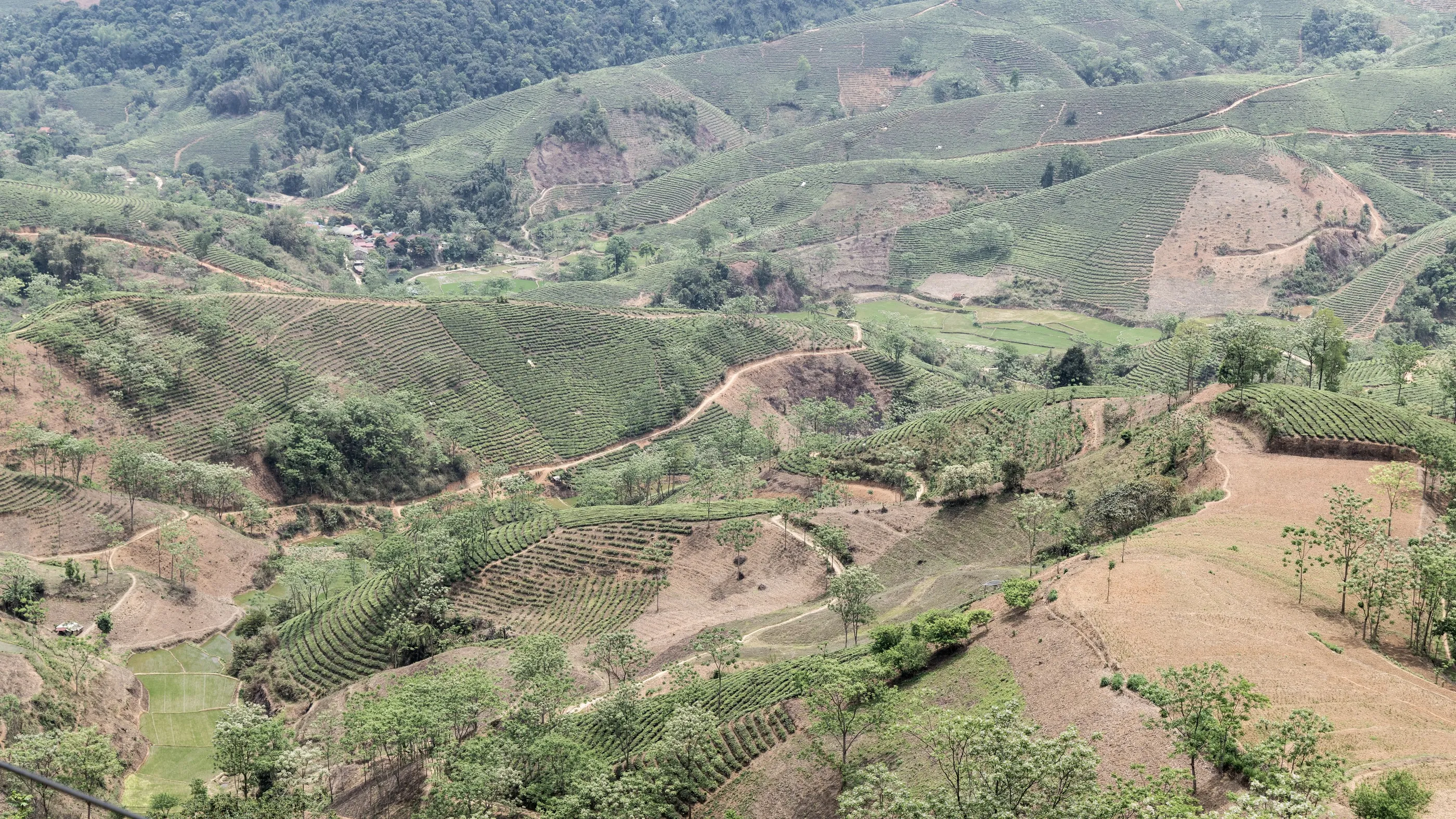
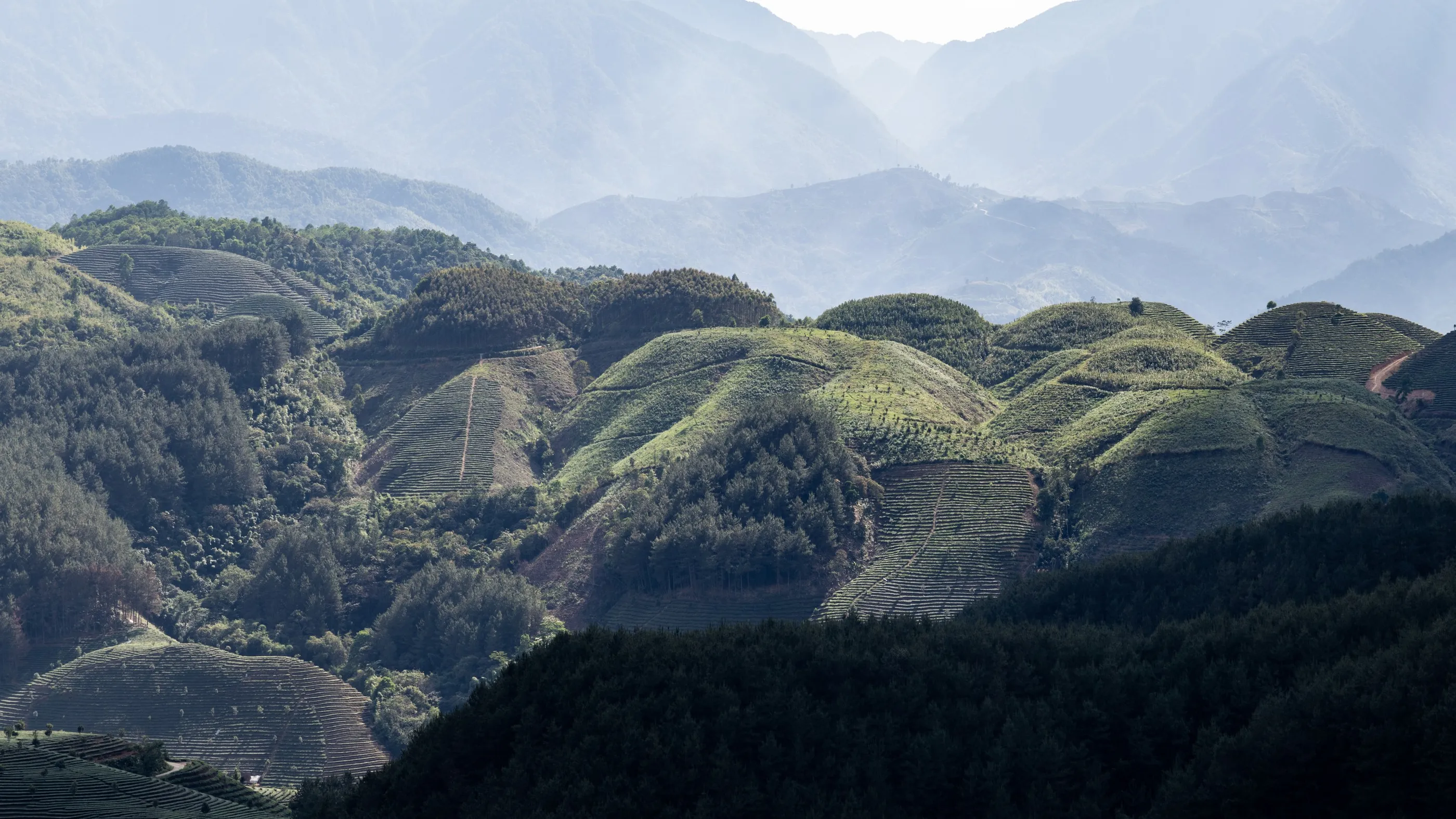
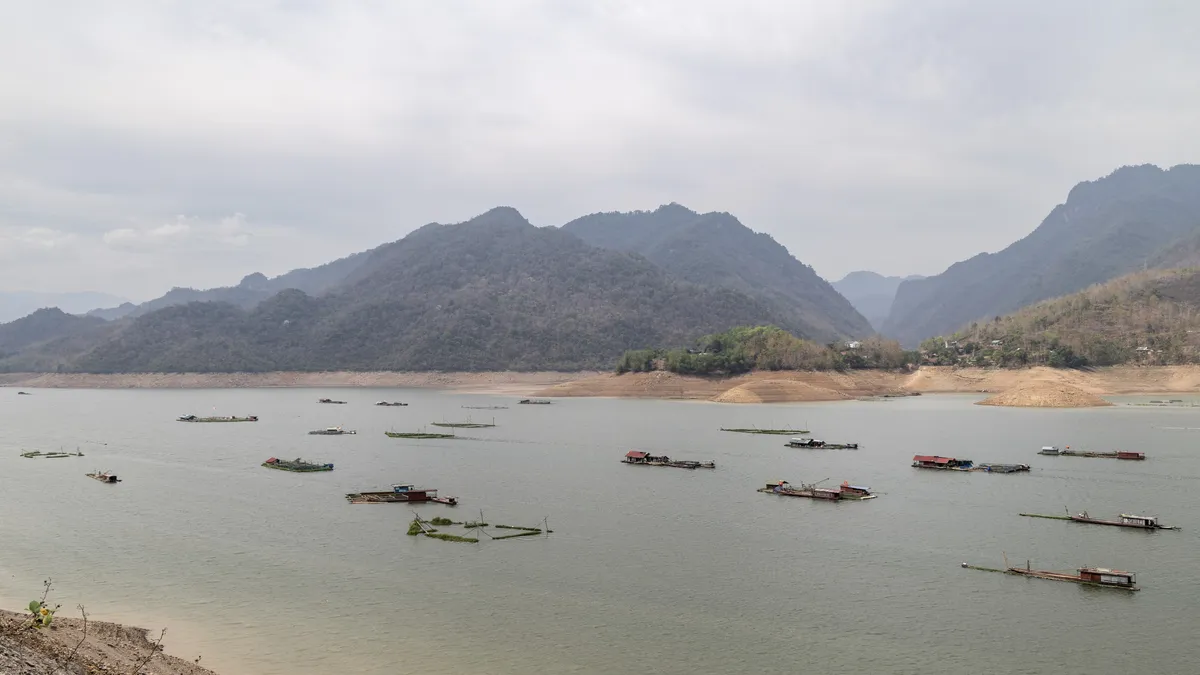
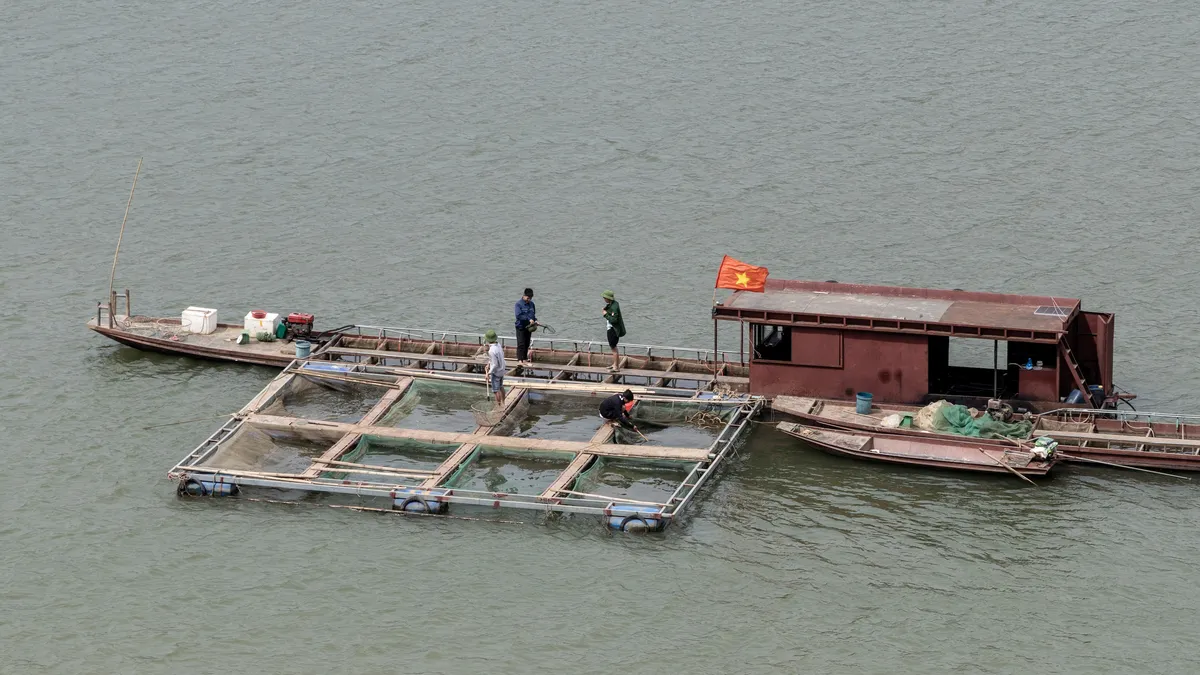
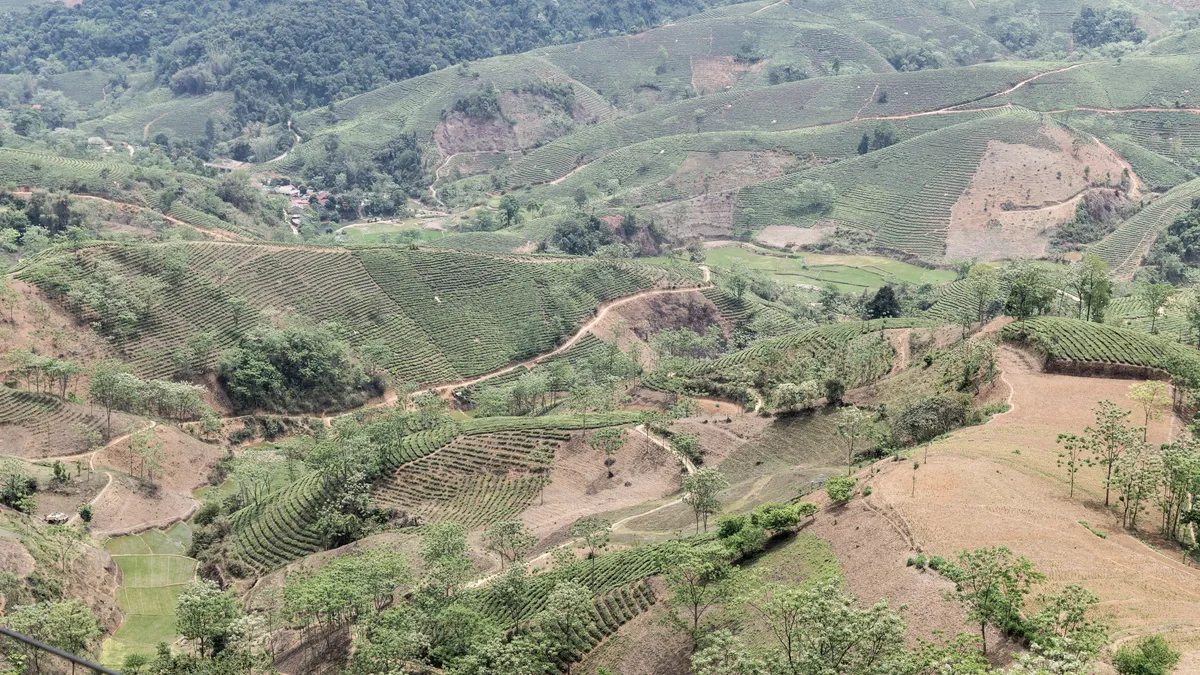
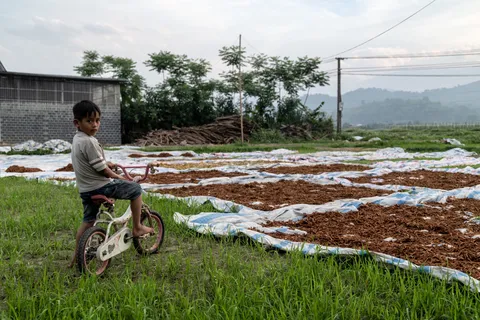
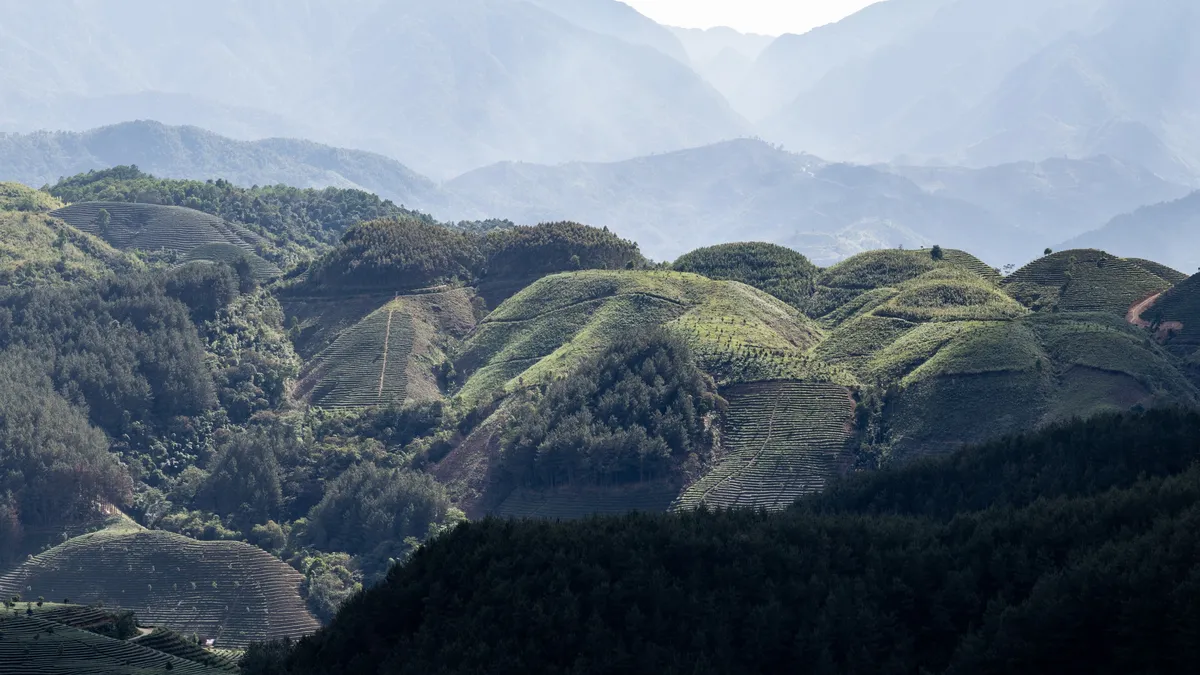
Further west, the Mộc Châu plateau is covered with tea plantations. The road then drops towards the Black River, the Sông Đà, turned into a vast reservoir dotted with floating fish farms; beneath the stilt houses, life goes on in the shade.

By road↗ 124 km
Mù Cang Chải
Vietnam
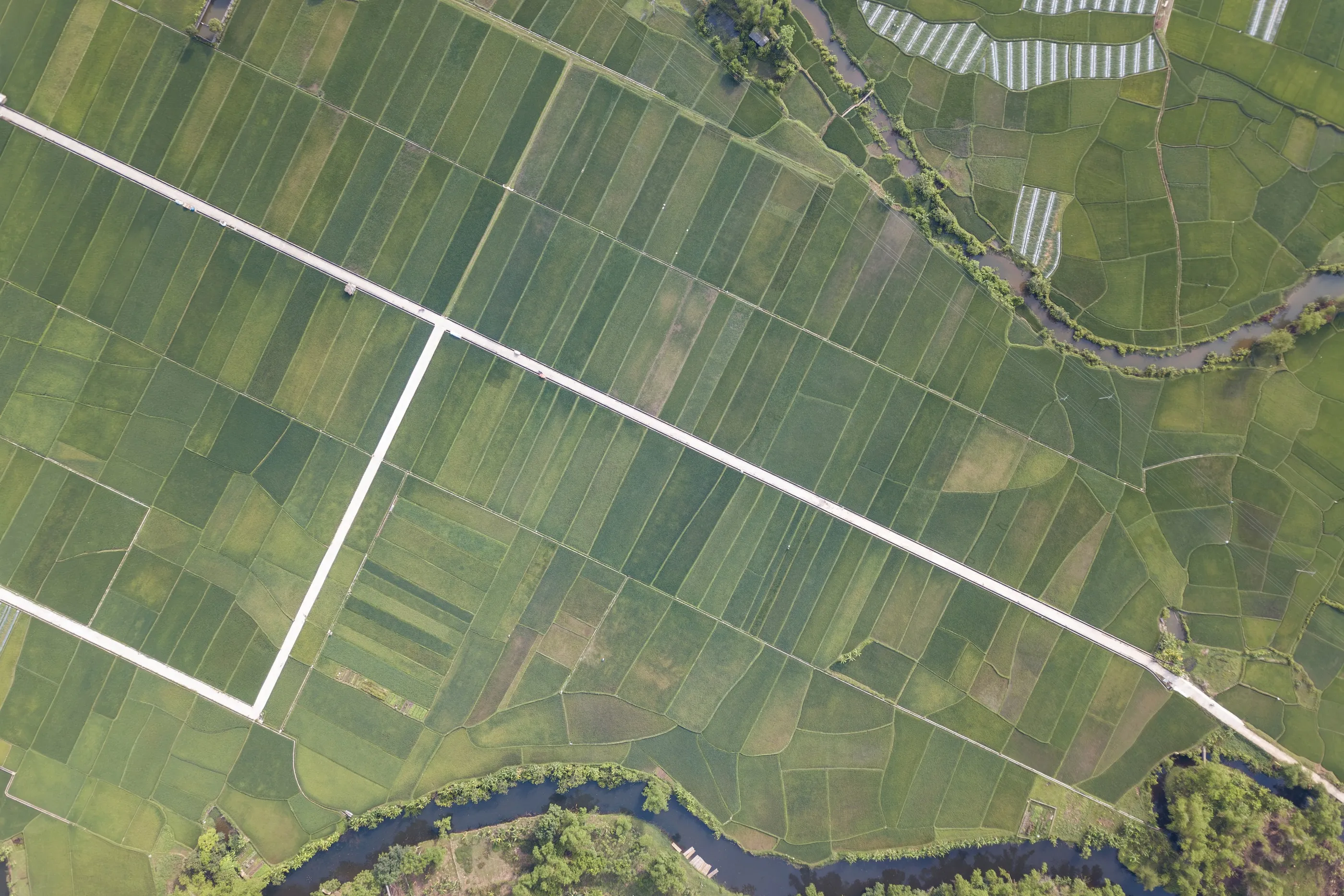
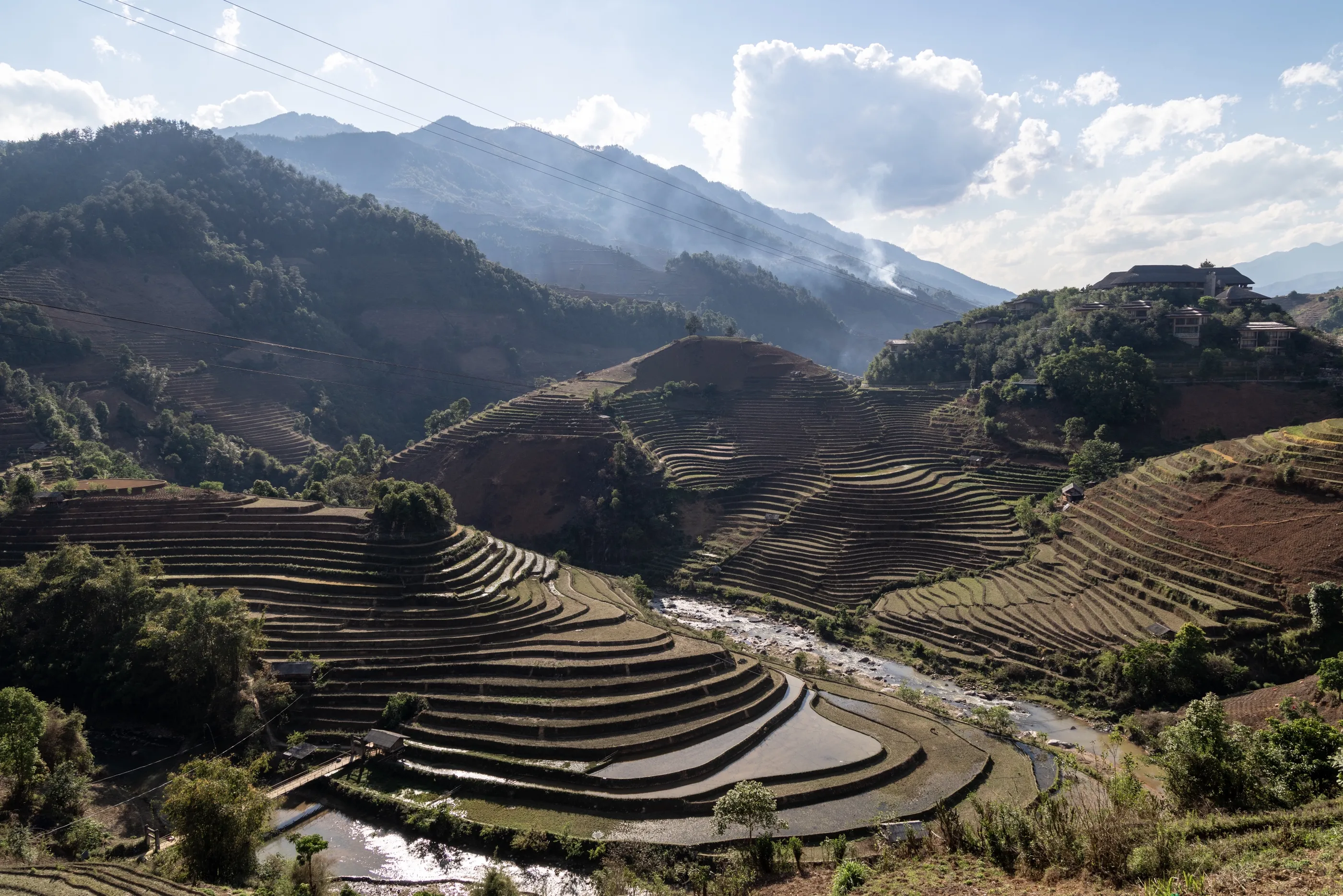
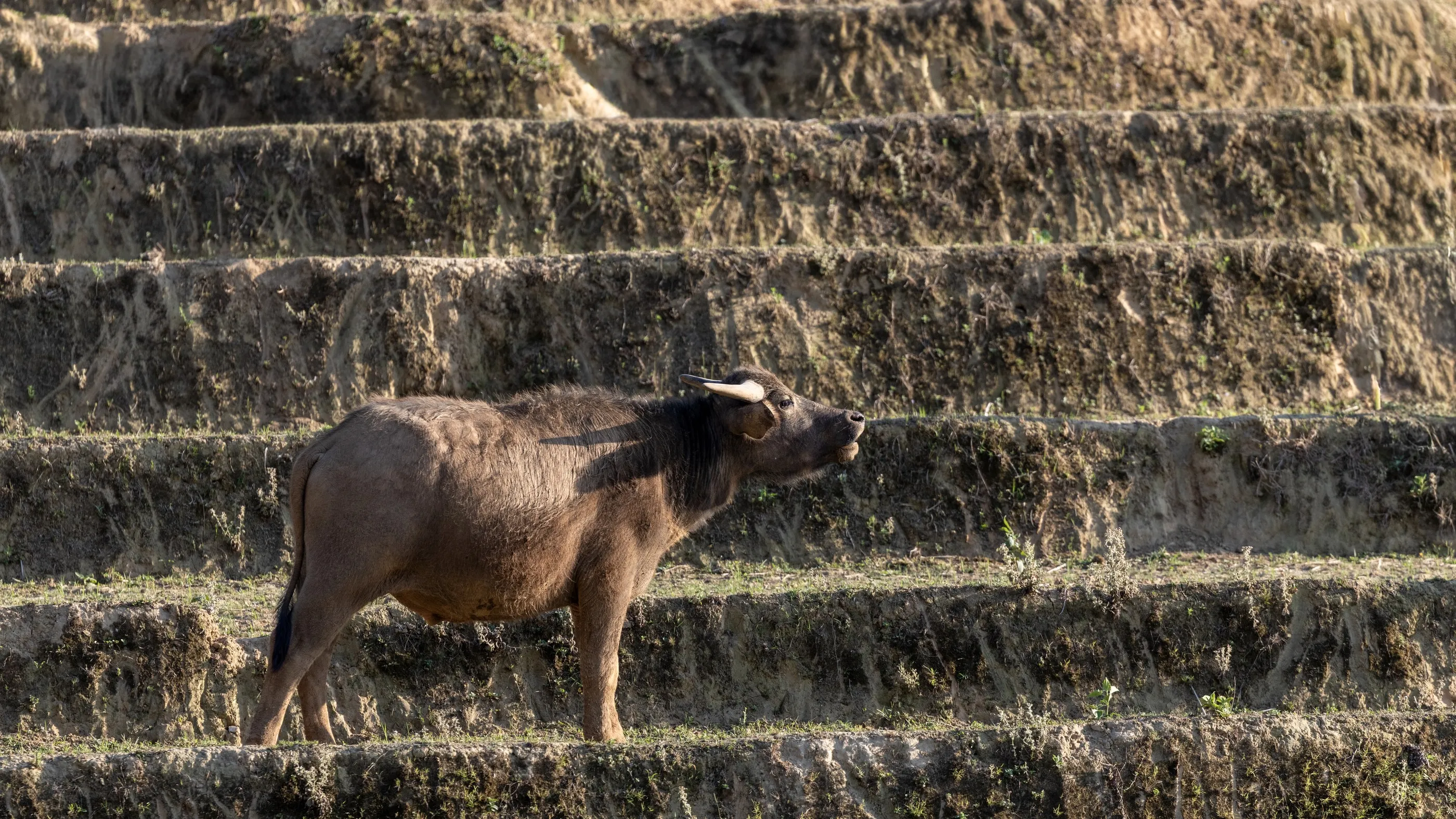
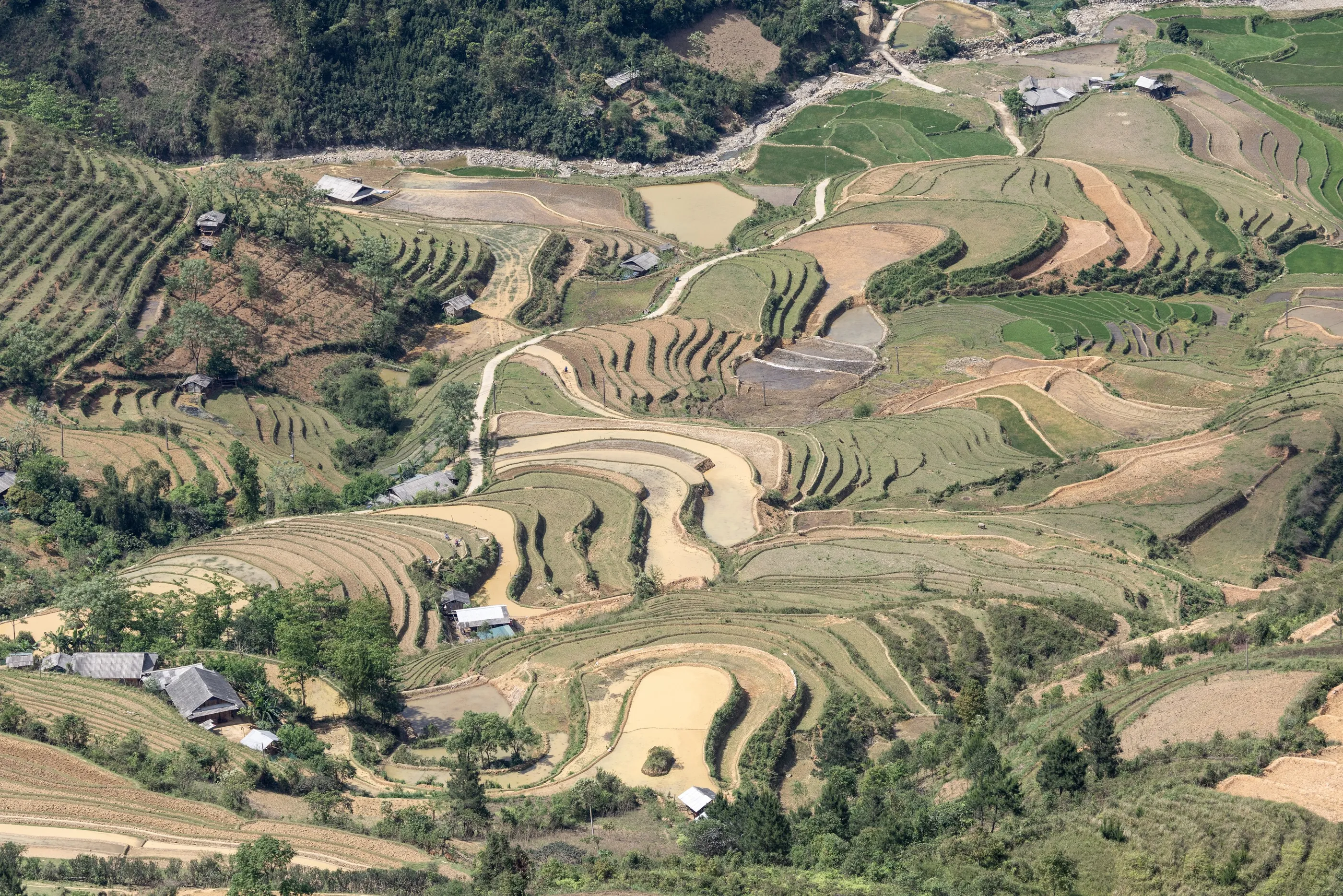
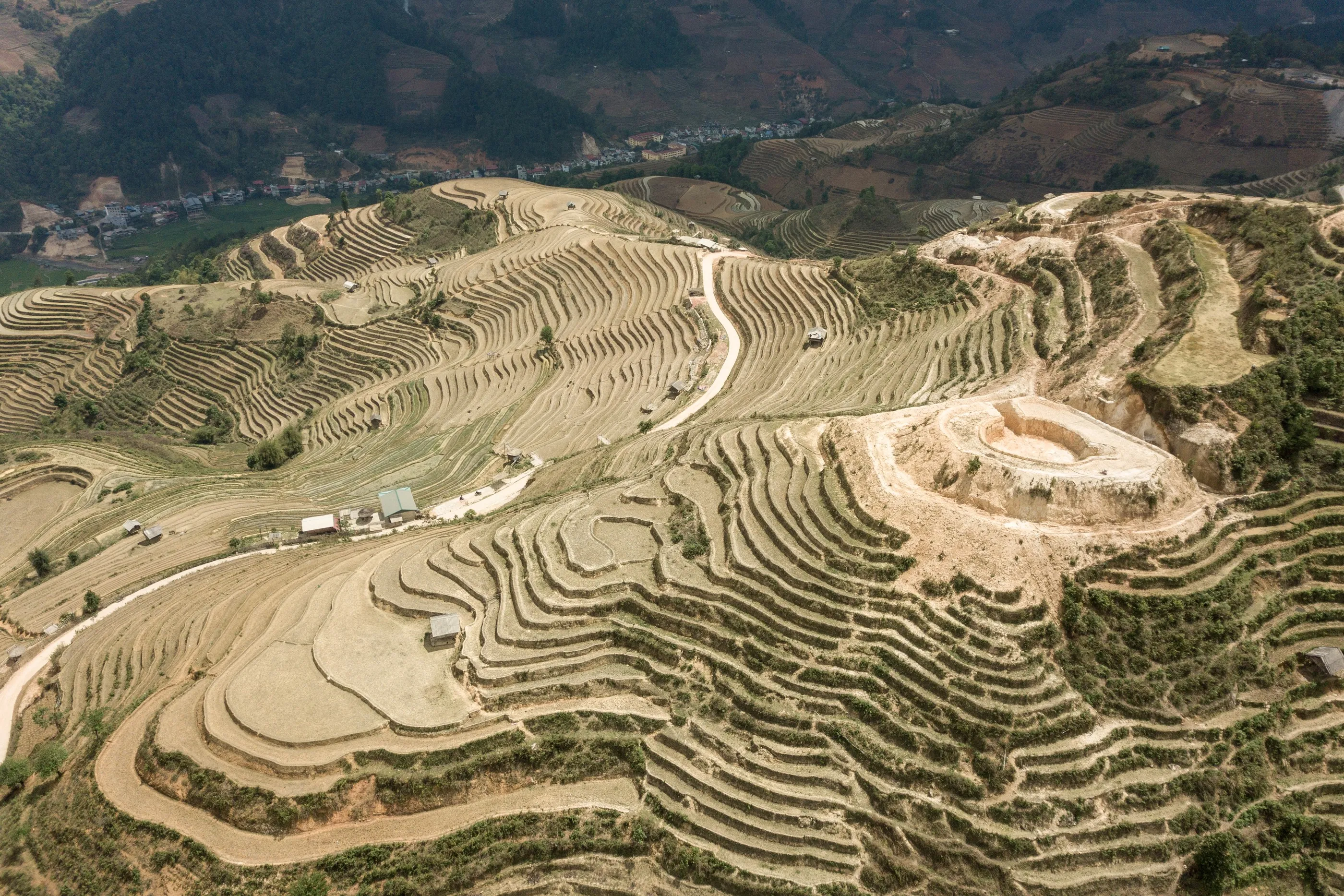
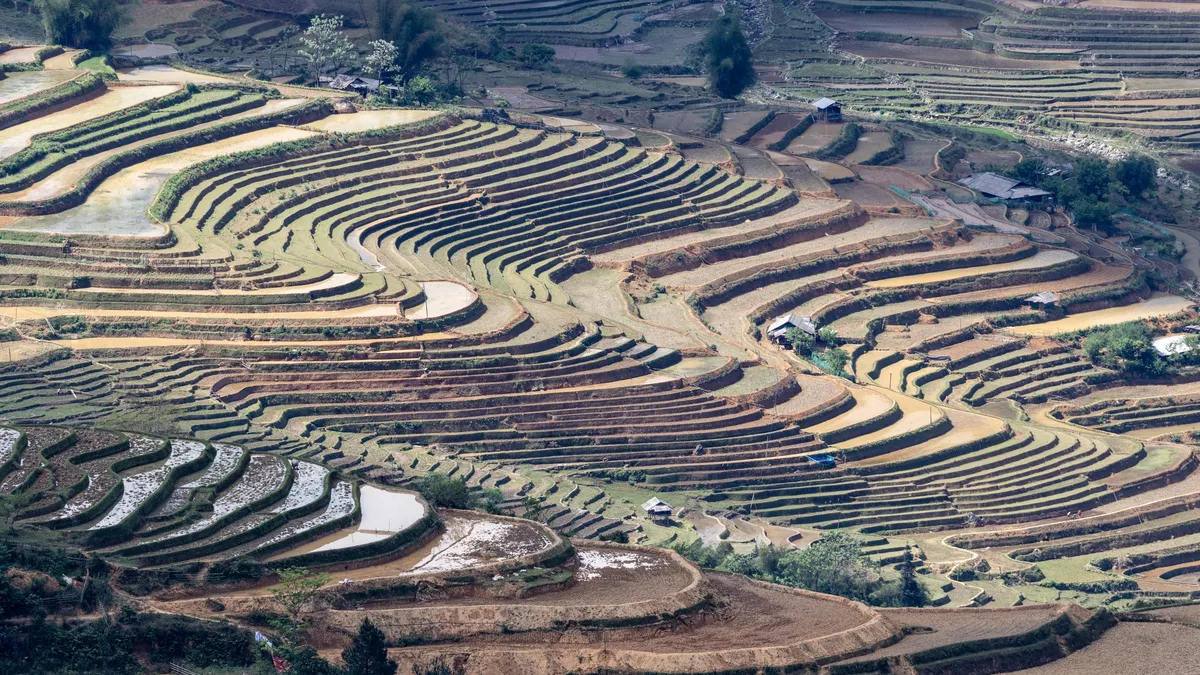
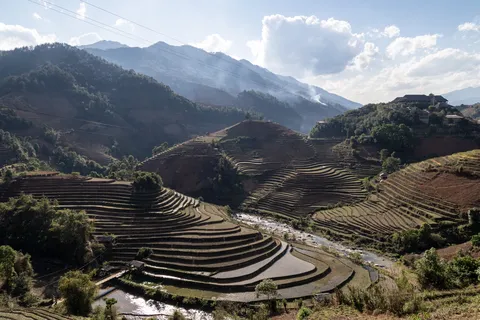
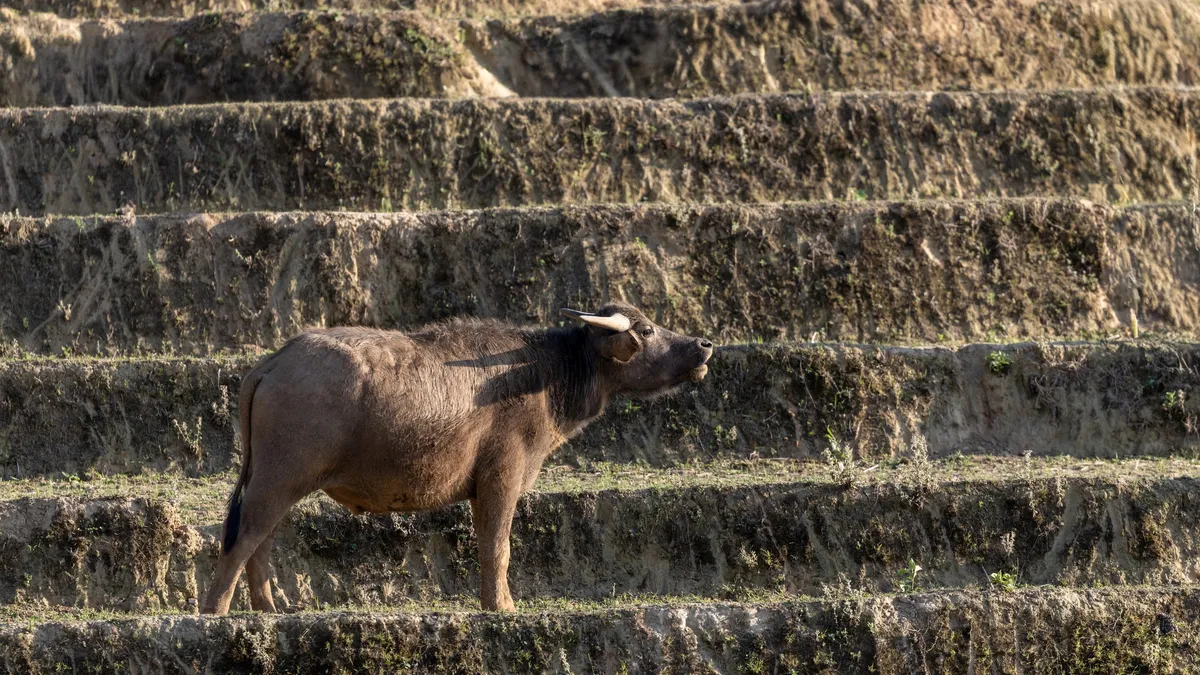
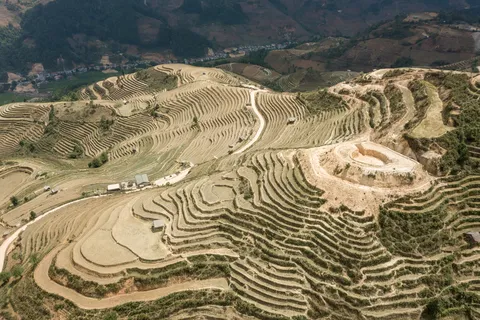
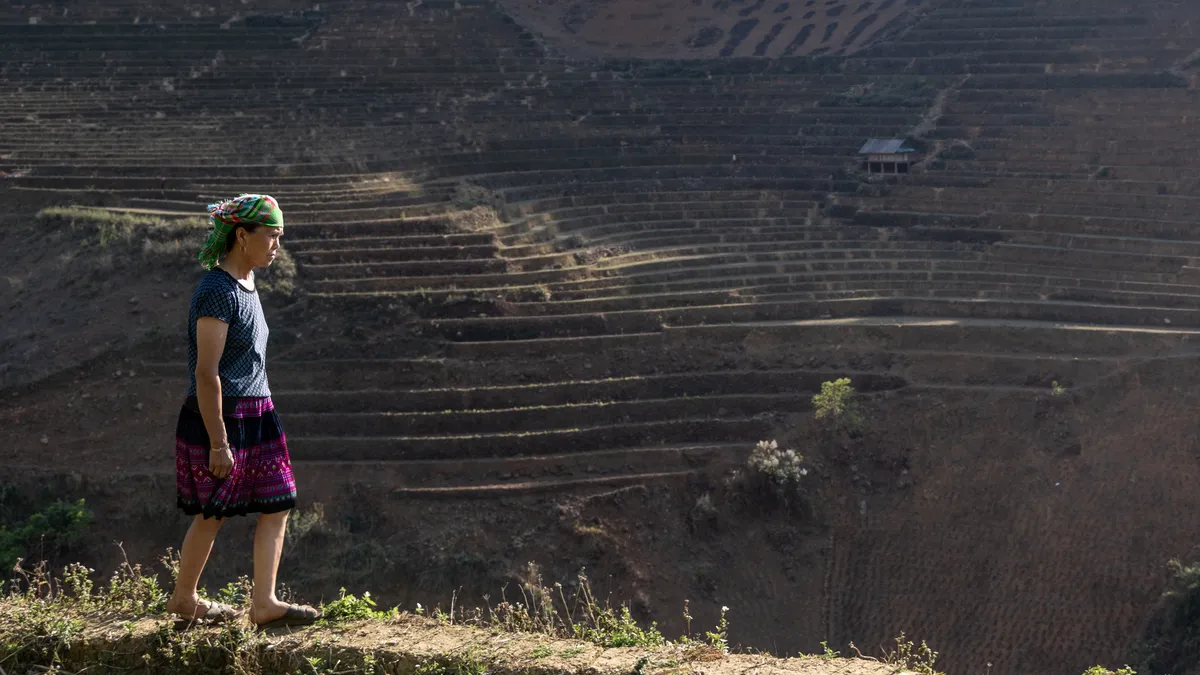
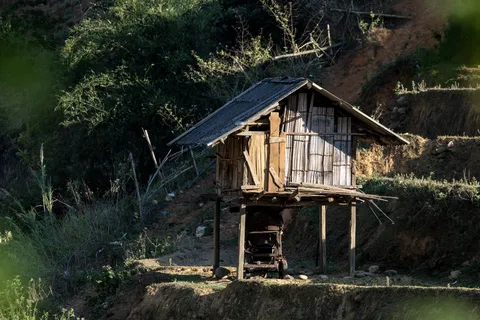
The terraced rice fields of Mù Cang Chải, carved by the Hmong over generations, sculpt entire mountainsides. In April, before transplanting, some terraces have just been flooded and mirror the sky; on others, still dry, a buffalo waits. Seen from above, they trace living contour lines.

By road↗ 61 km
Ô Quy Hồ Pass and Sapa
Vietnam
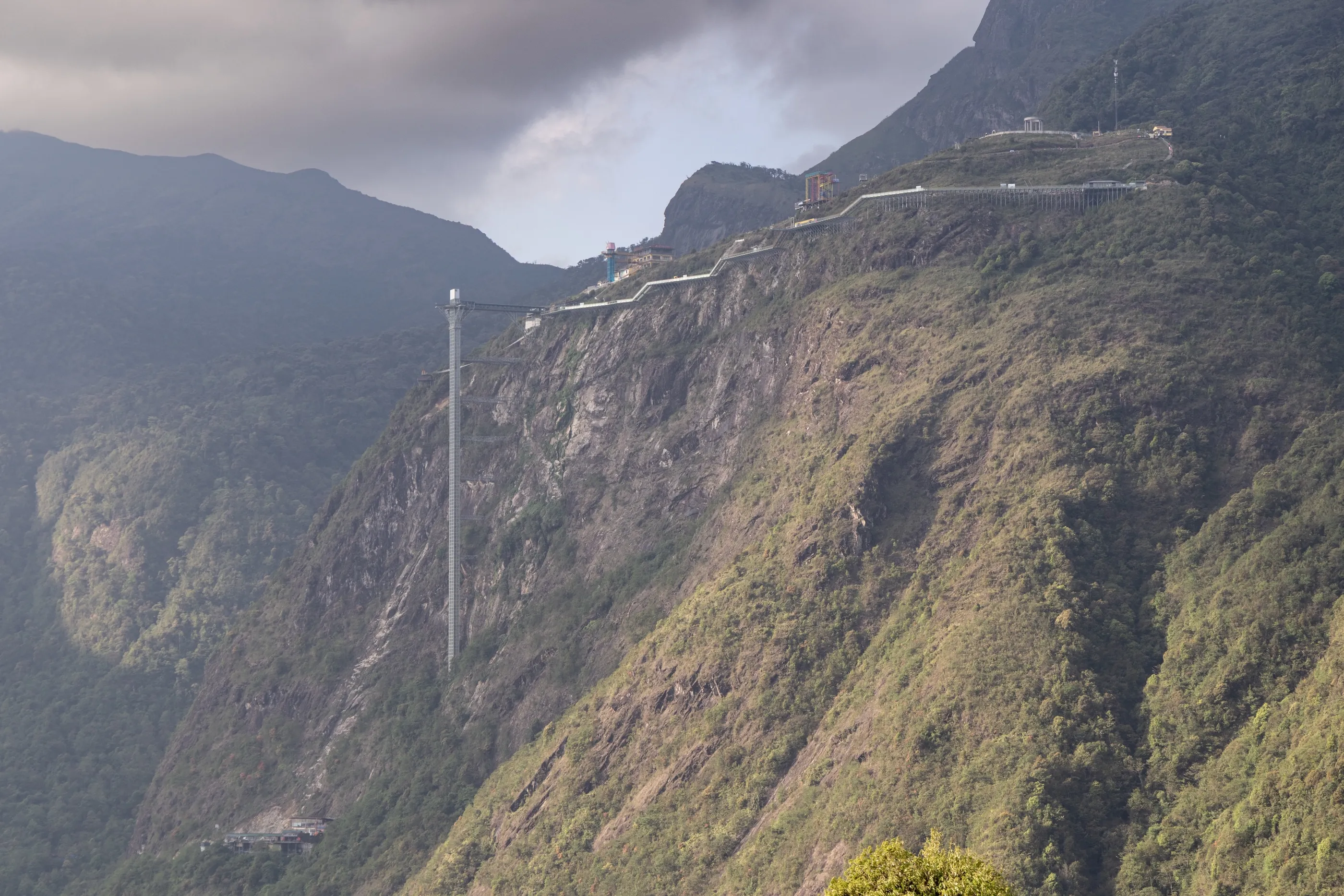
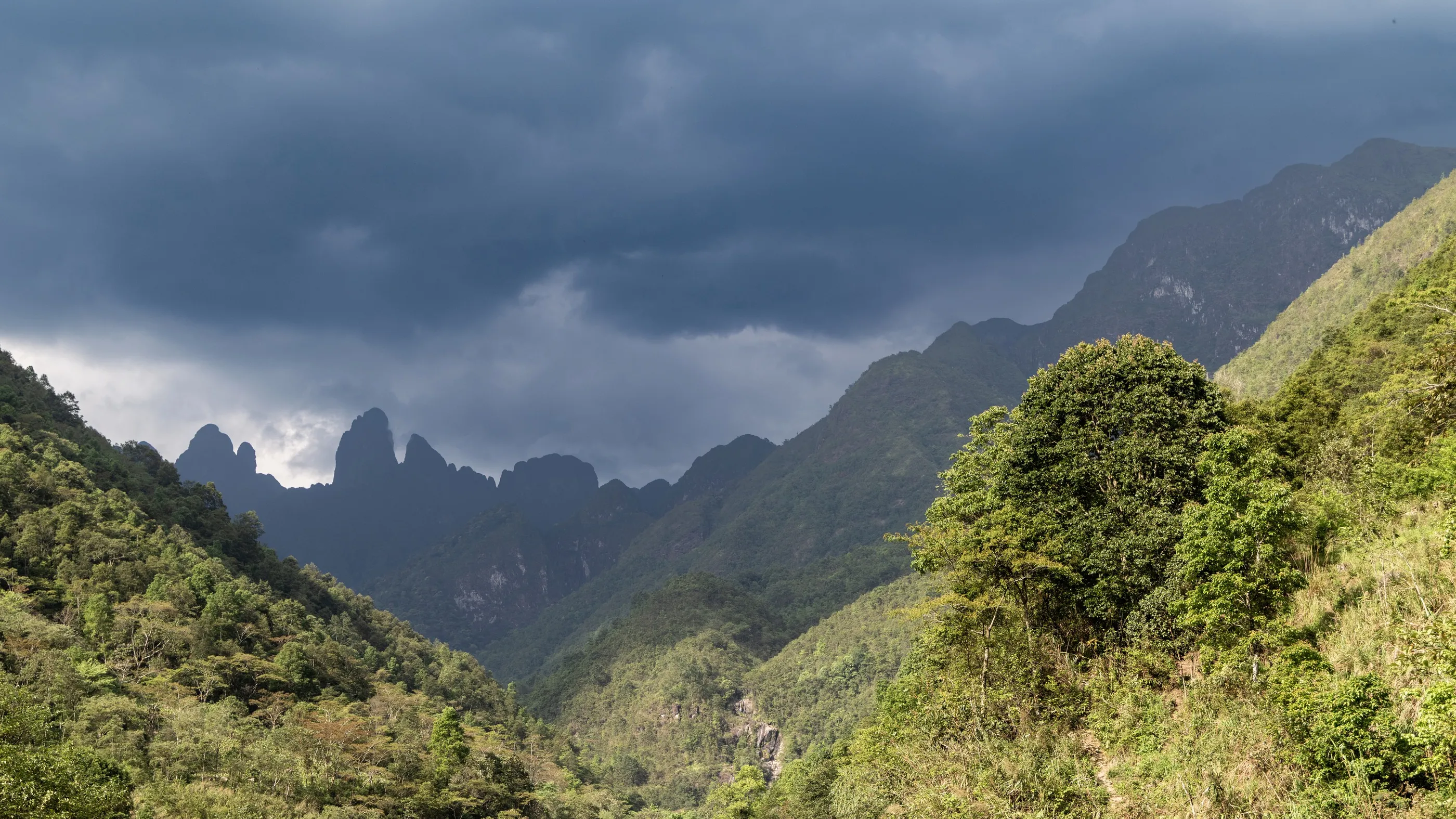
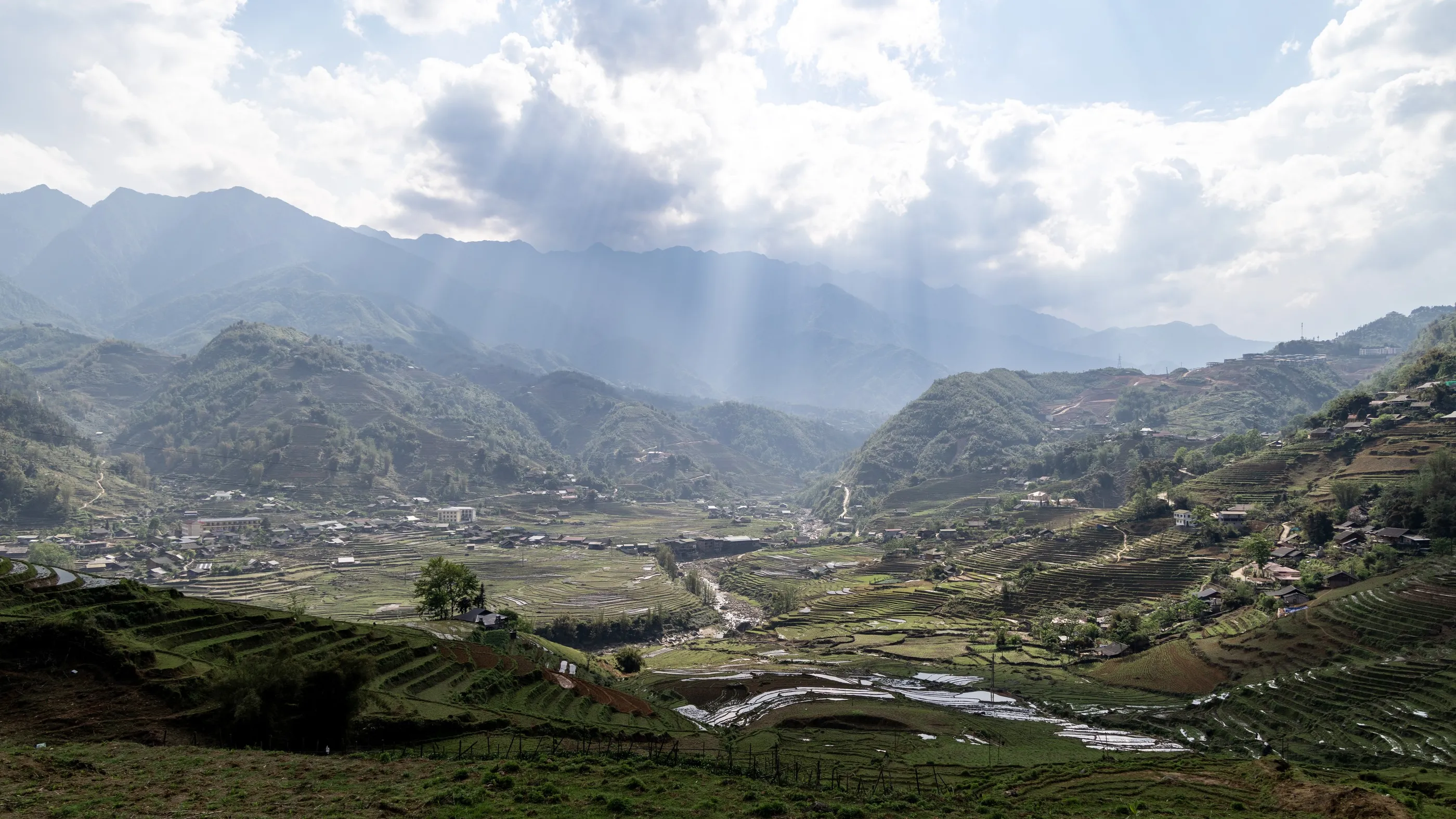
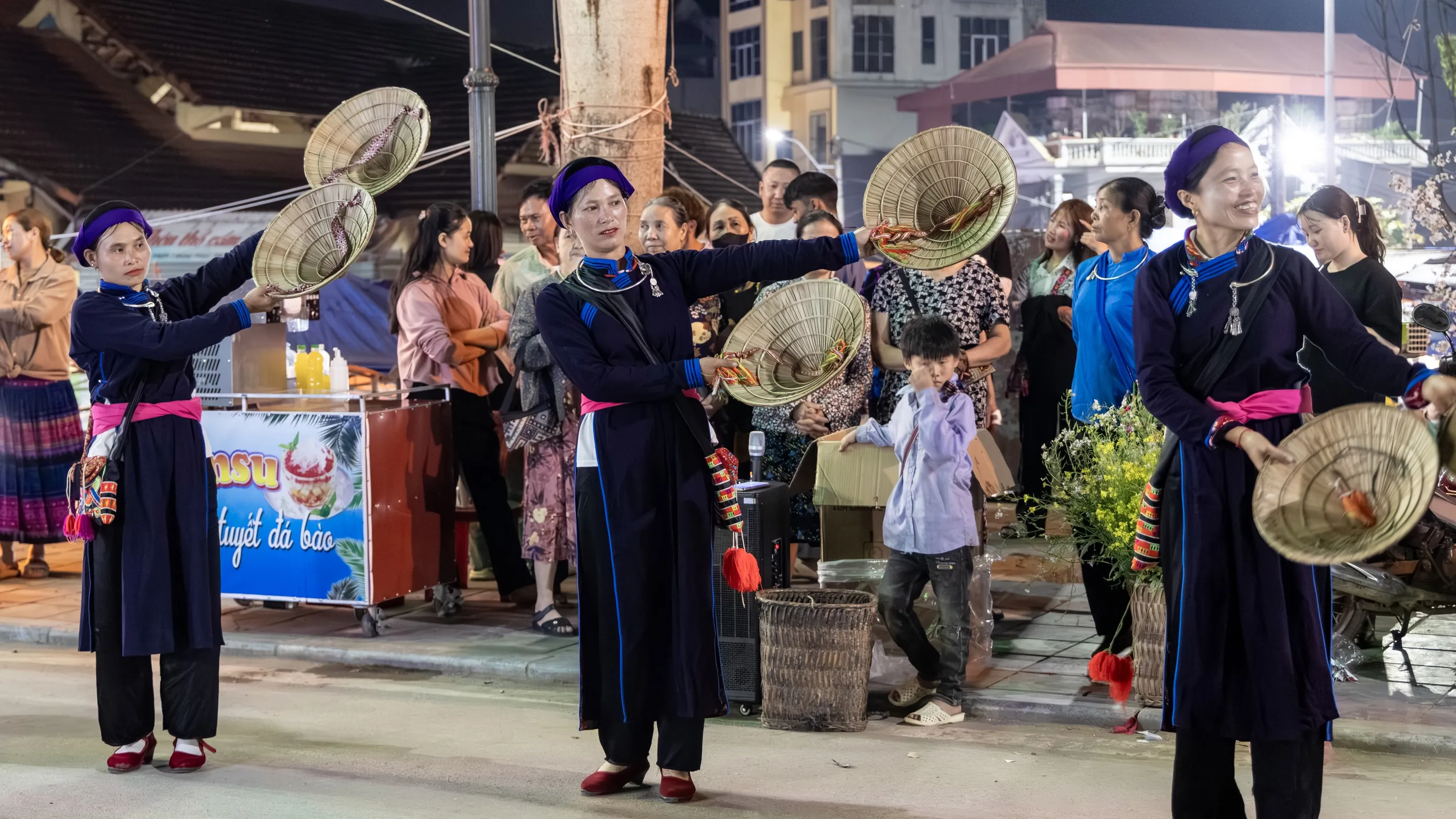
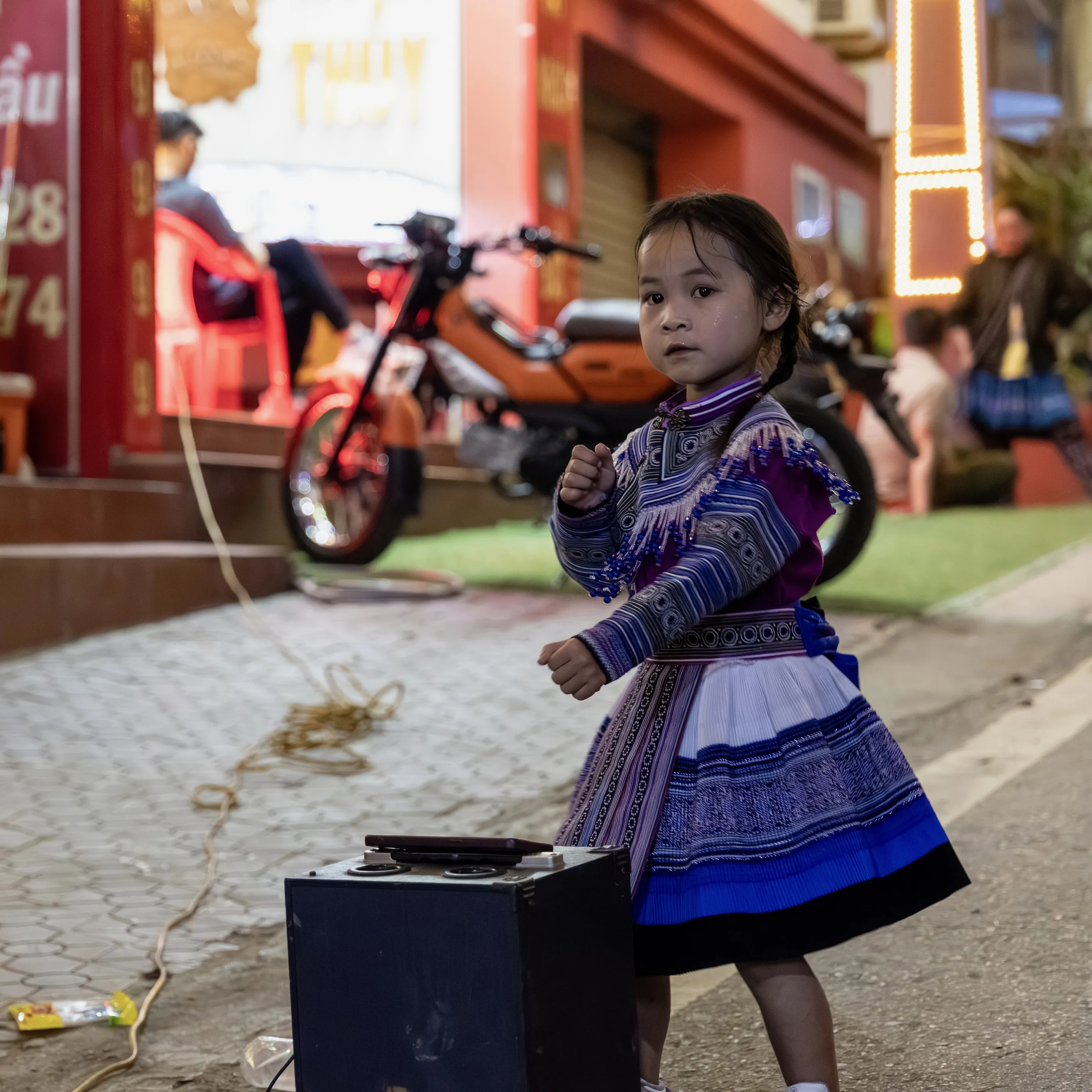
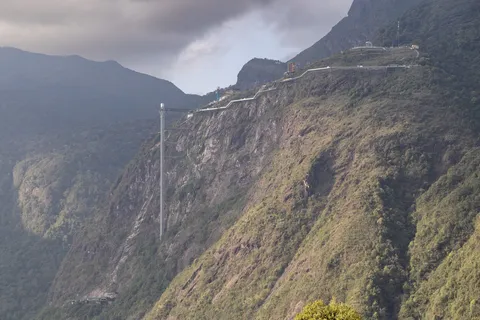
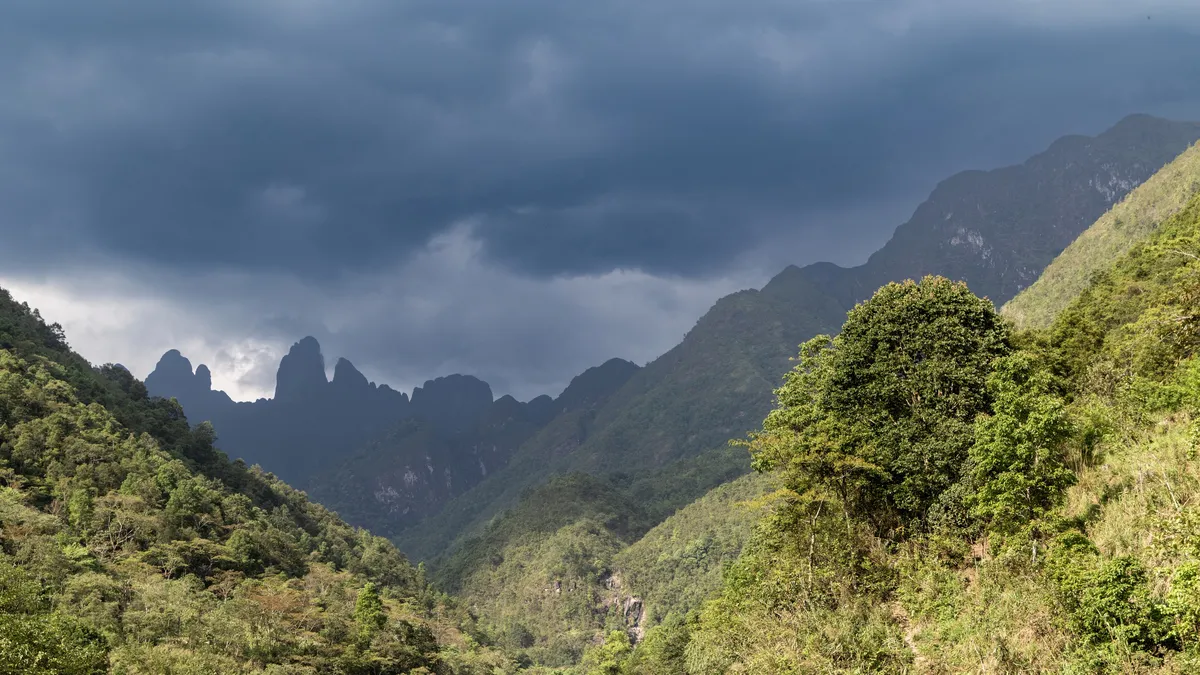
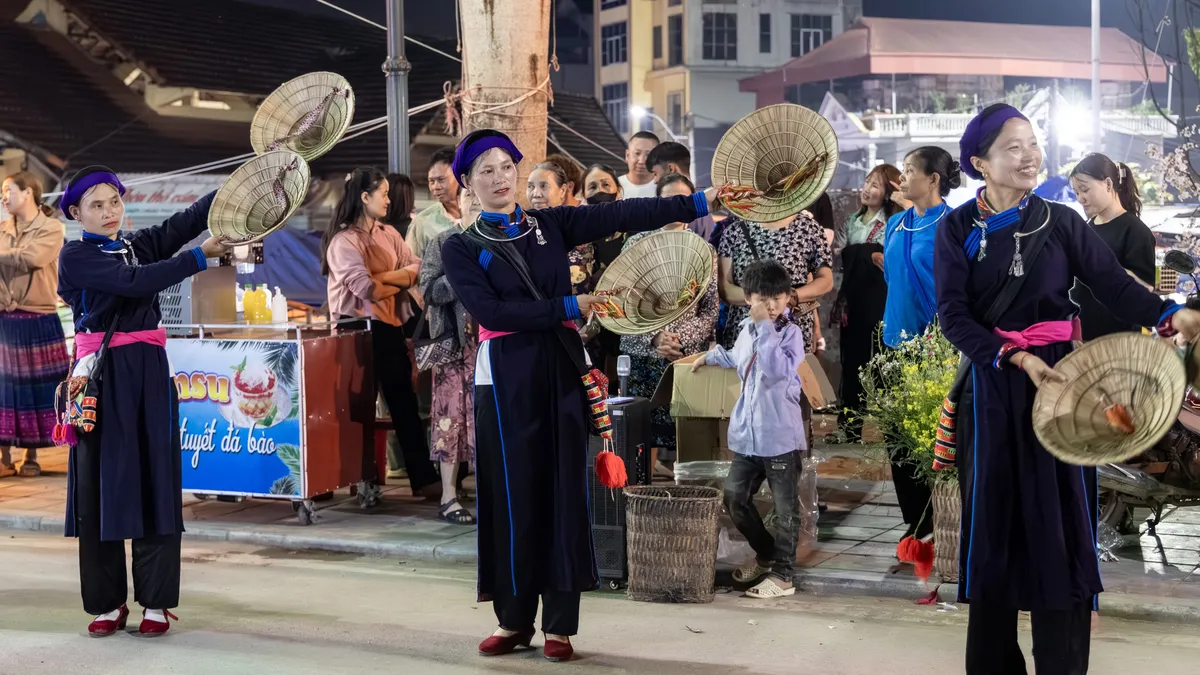
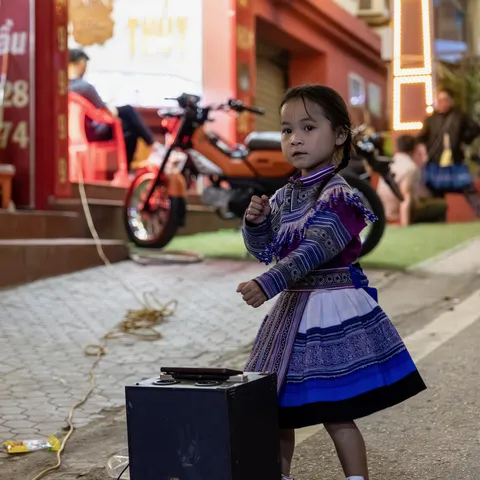
The road crosses the Ô Quy Hồ Pass, one of the highest in the country, below Fansipan, under a stormy sky snagging on the peaks. Once a hill station founded by the French, Sapa has become a tourist town, but in the evening Hmong and Dao women still come down for the market, and little girls wear the embroidered dress of their village.


By road↗ 133 km
Thác Bà Lake
Vietnam
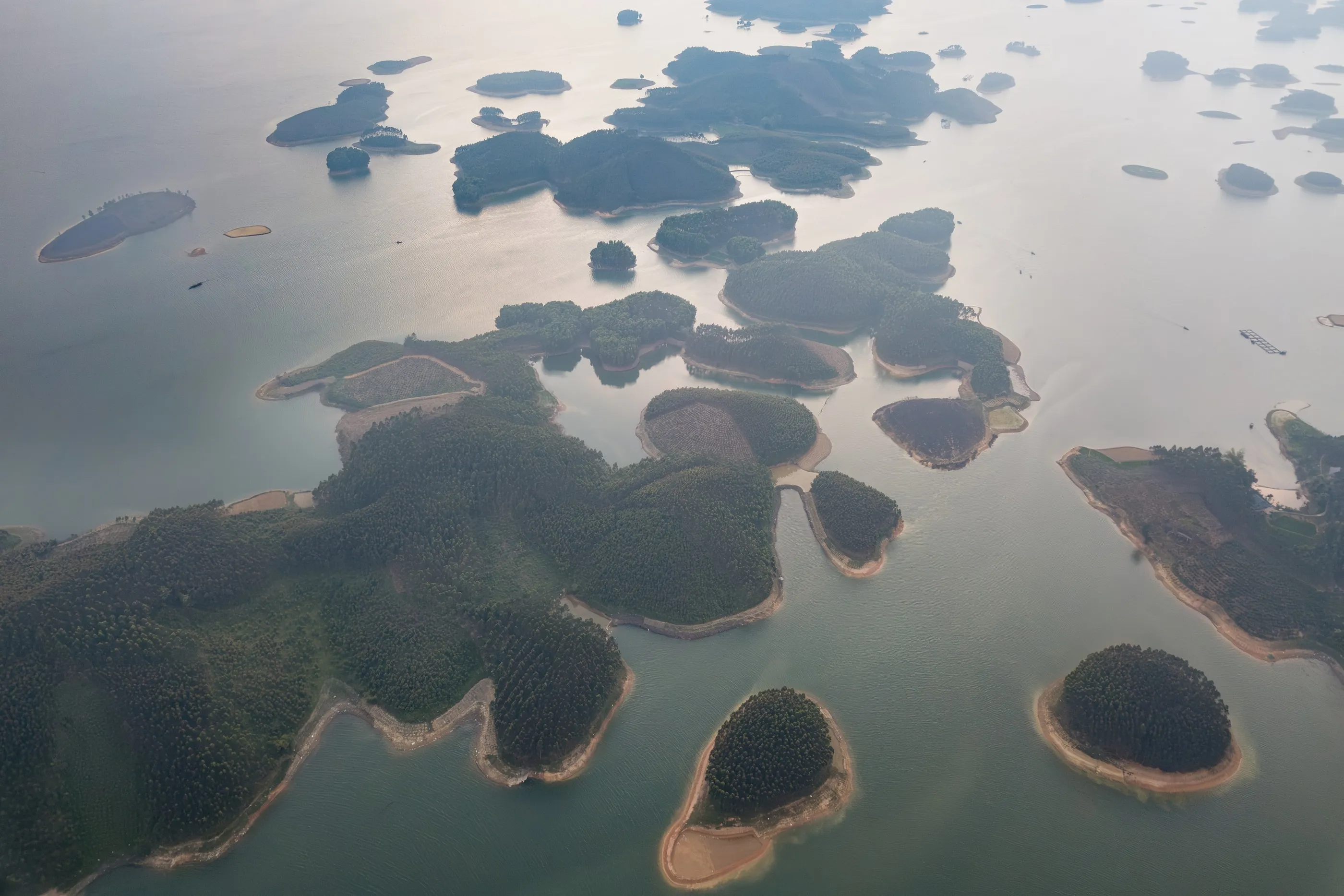
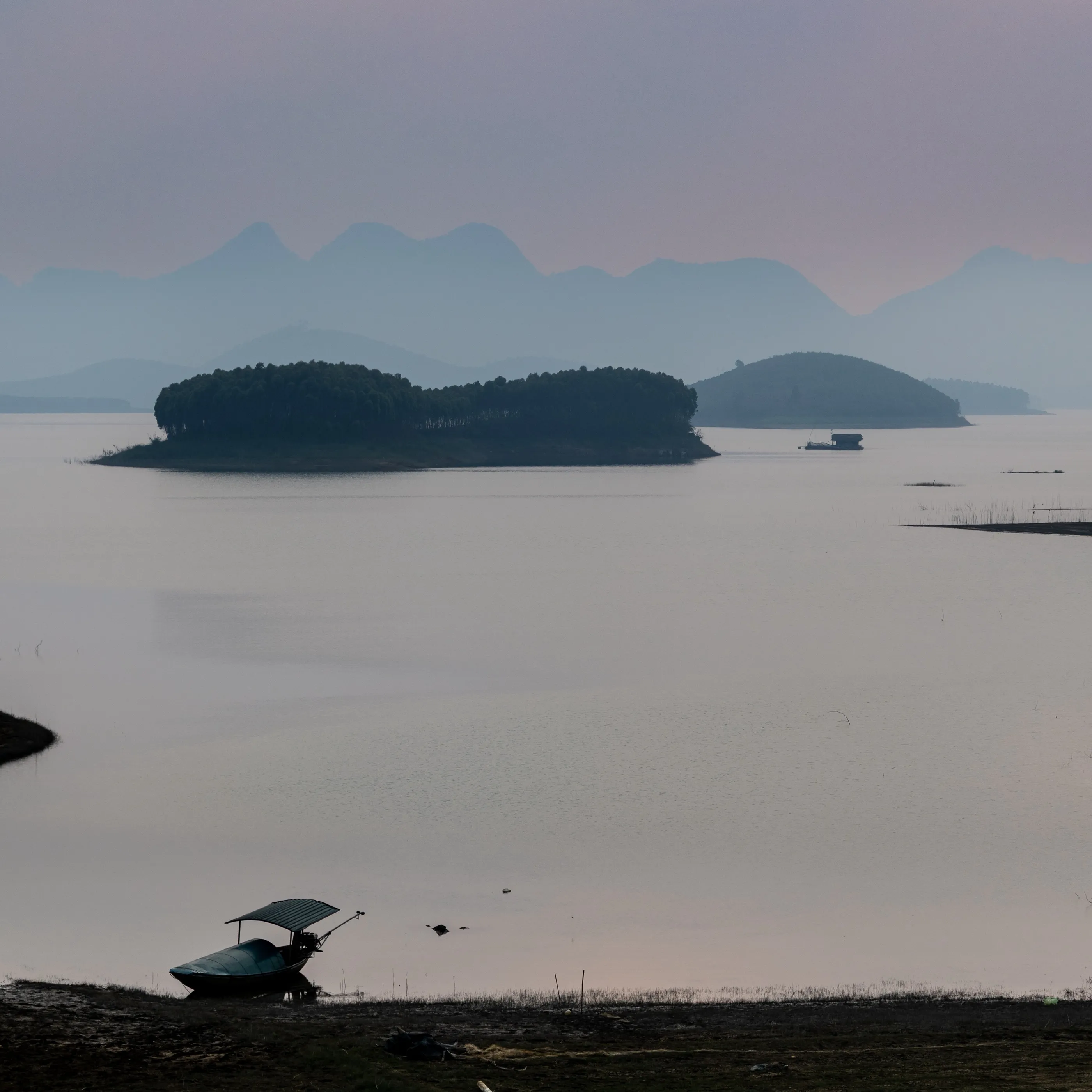
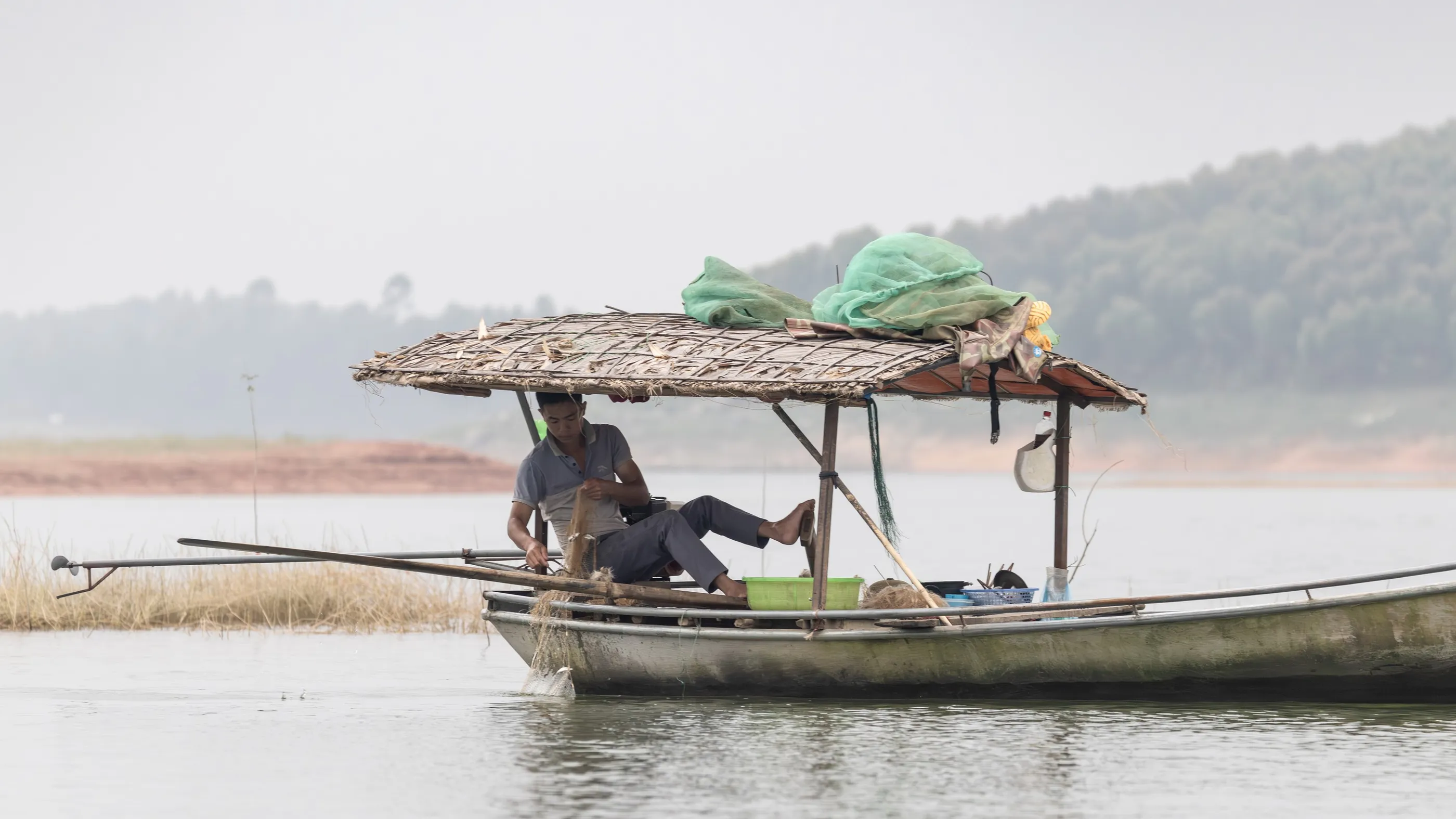
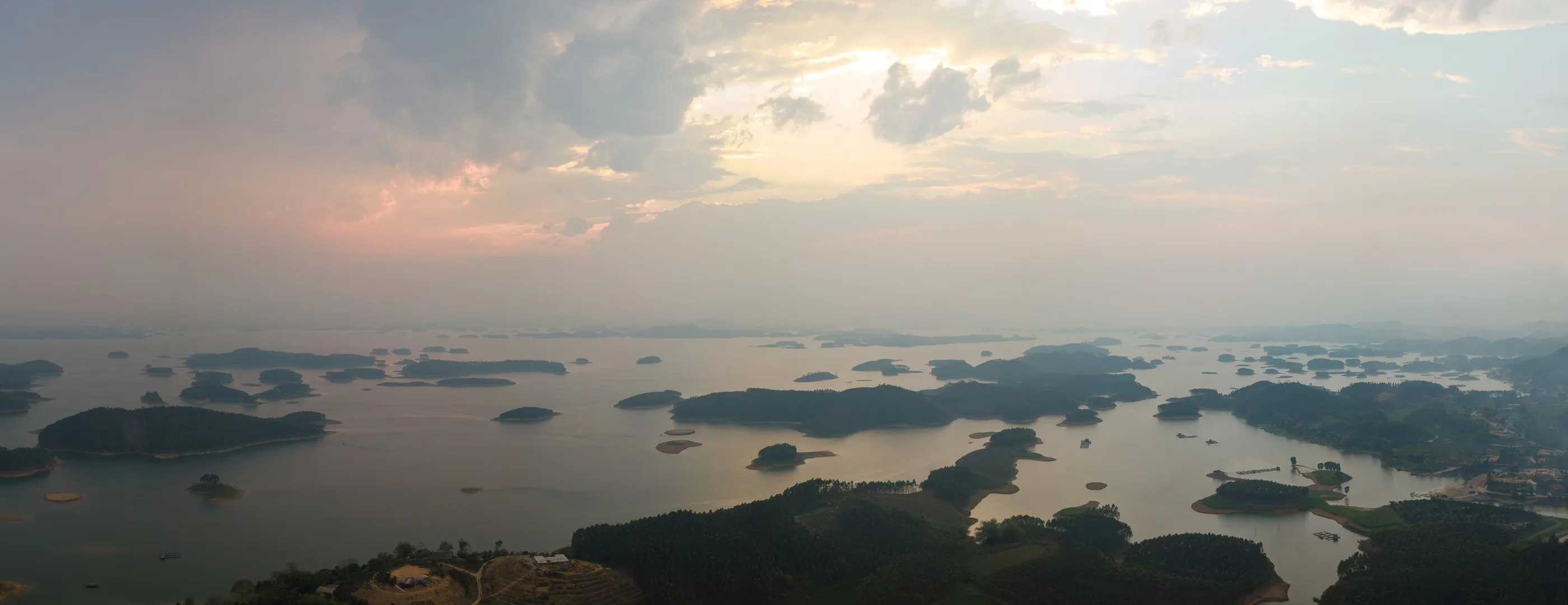
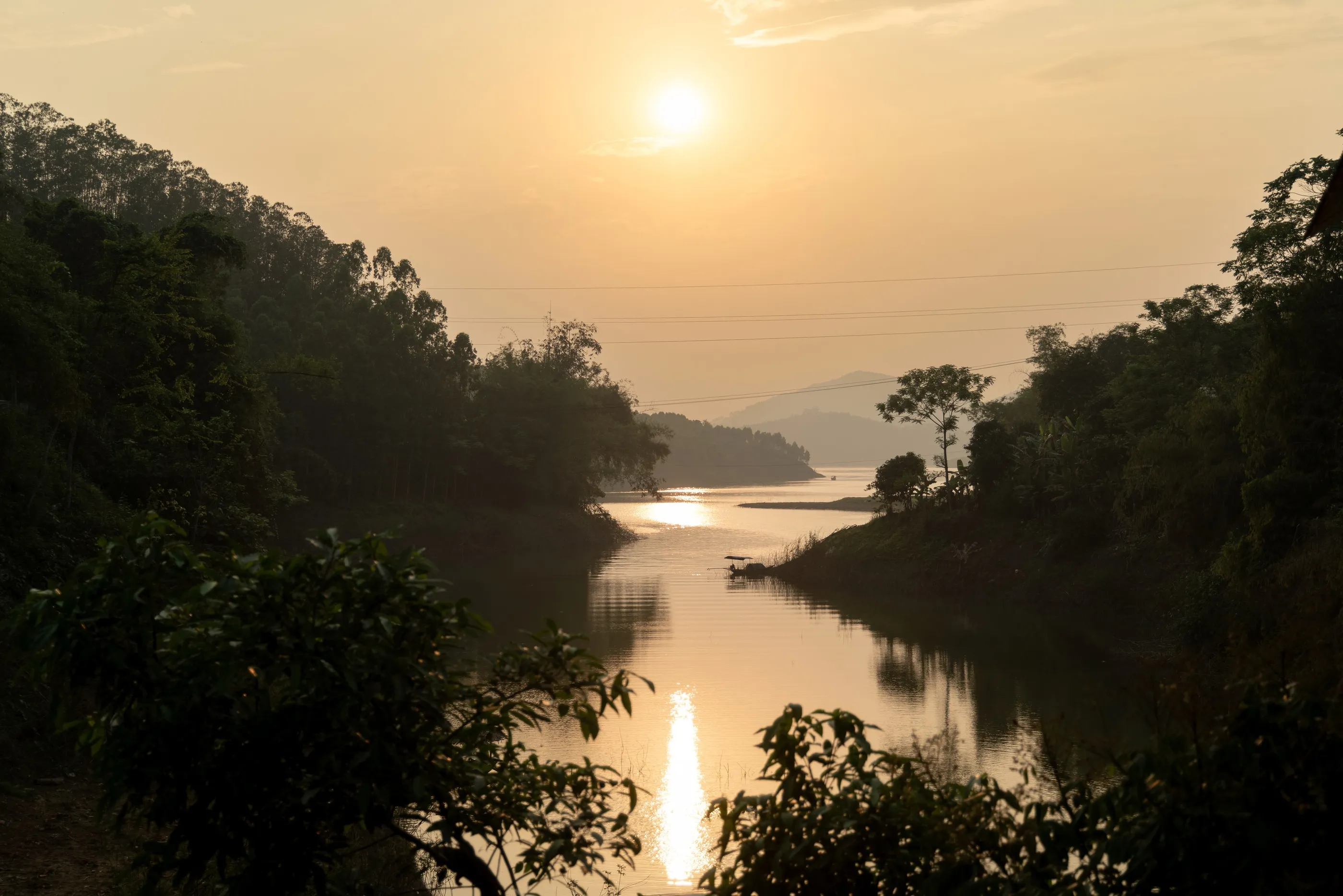
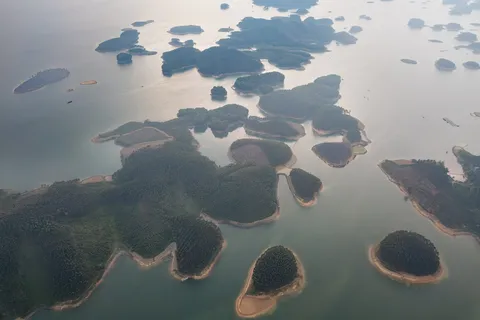
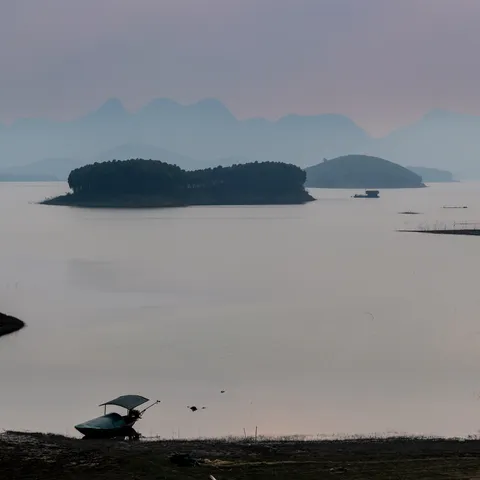
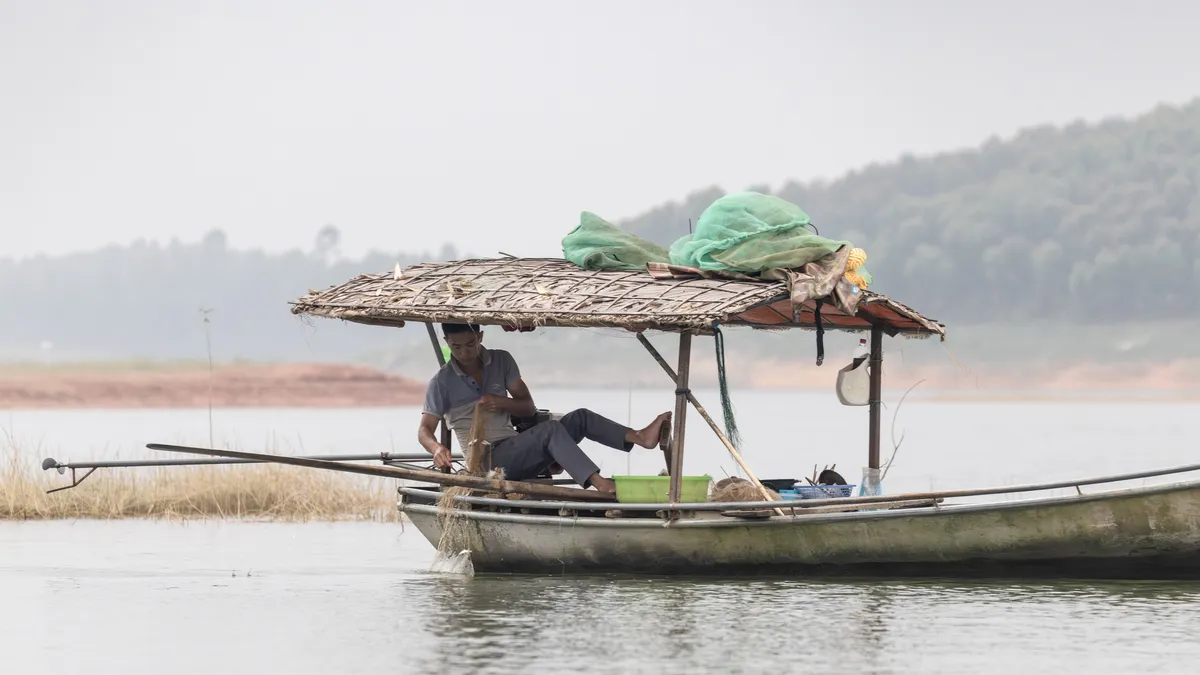
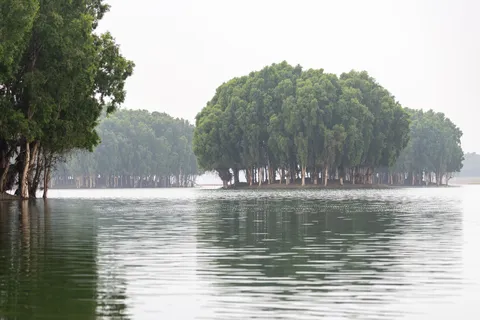
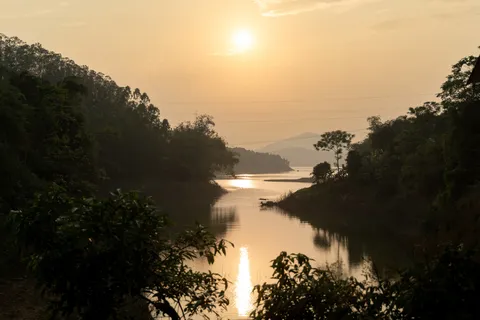
On the way back, a stop at Thác Bà Lake, created by a dam in the 1970s and scattered with more than a thousand islets. From the air, an archipelago of green patches on matte water; sunset, then morning mist from which the fishermen’s boats emerge.

By road↗ 124 km
Hanoi, the Old Quarter
Vietnam
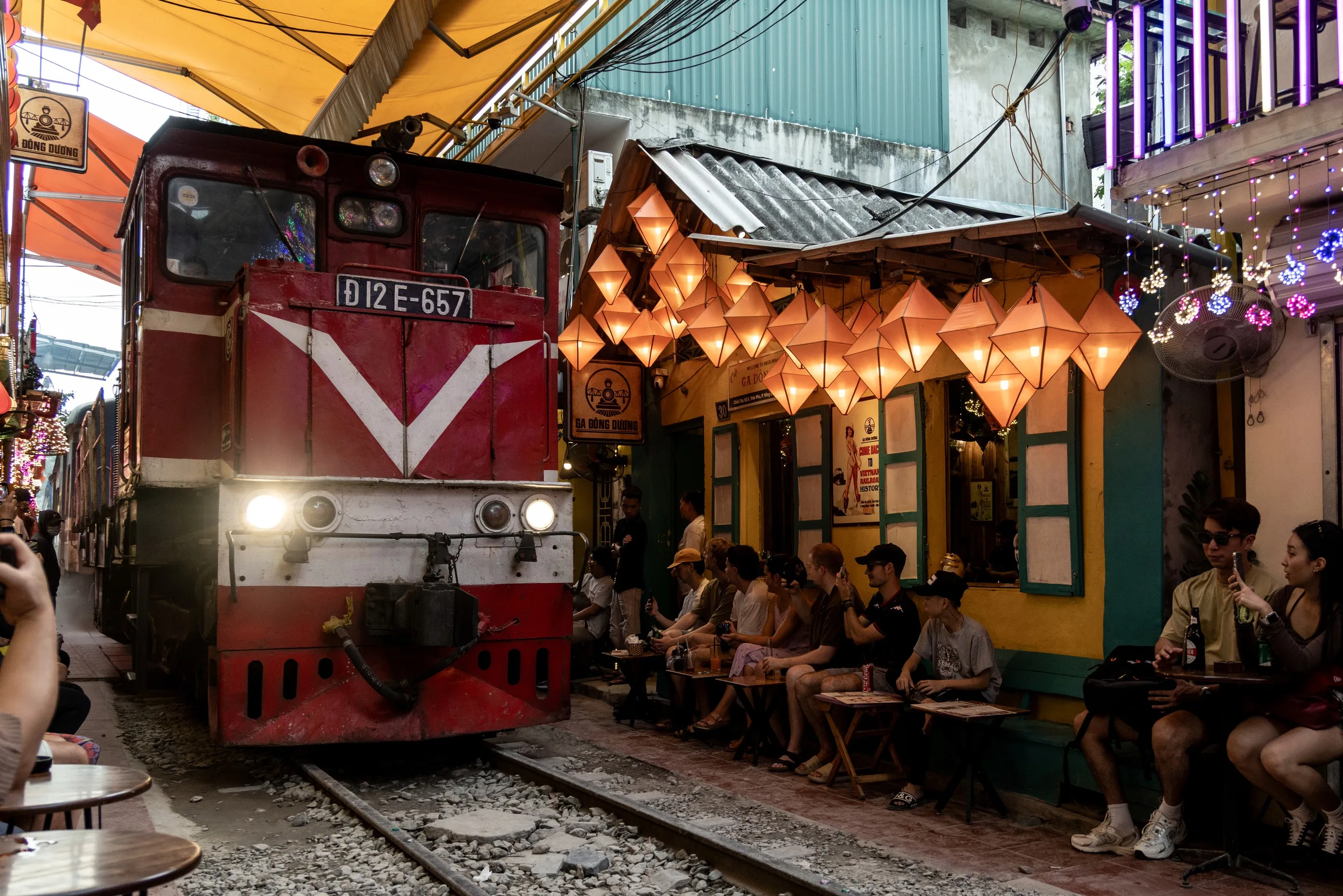
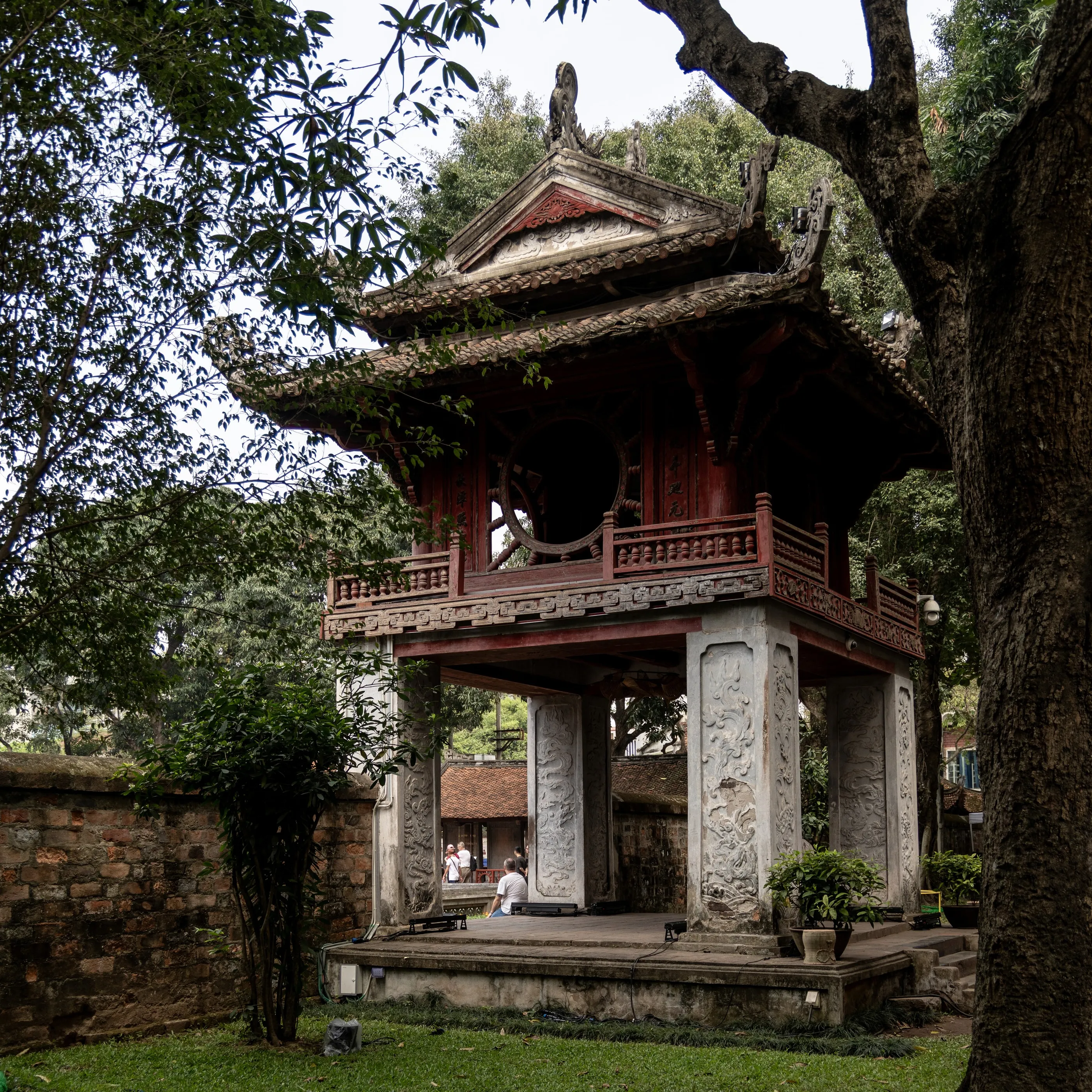
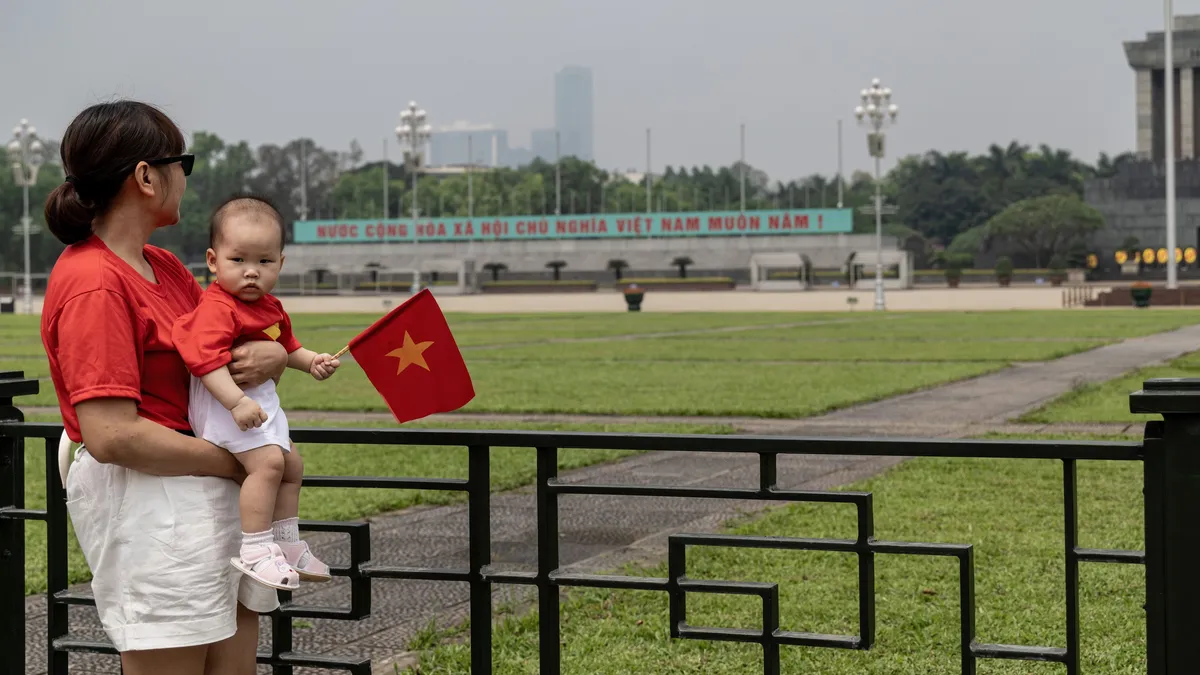
Back in Hanoi for the last days. On ‘Train Street’, cafés line up a few centimetres from the rails, and everyone pulls back their chair as the train passes, horn blaring. At the Temple of Literature, founded in 1070 and dedicated to Confucius, the Khuê Văn Các pavilion watches over the courtyards; on West Lake, the Trấn Quốc pagoda raises its tower. The Tonkin of Malraux’s day has become a bustling capital, yet its streets hold the memory of every era.



Arrival
End of the journey
25 days · 1,920 km · 25 stops
Galleries of the countries crossed