In the Tracks of the Orient Express
From Paris to Iraq, through the Balkans and Kurdistan
5 July – 14 August 2022
- days
- 41
- km
- 5,604
- countries
- 9France · Switzerland · Slovenia · Croatia · Bosnia and Herzegovina · Serbia · Bulgaria · Turkey · Iraq (Kurdistan)
- photos
- 156
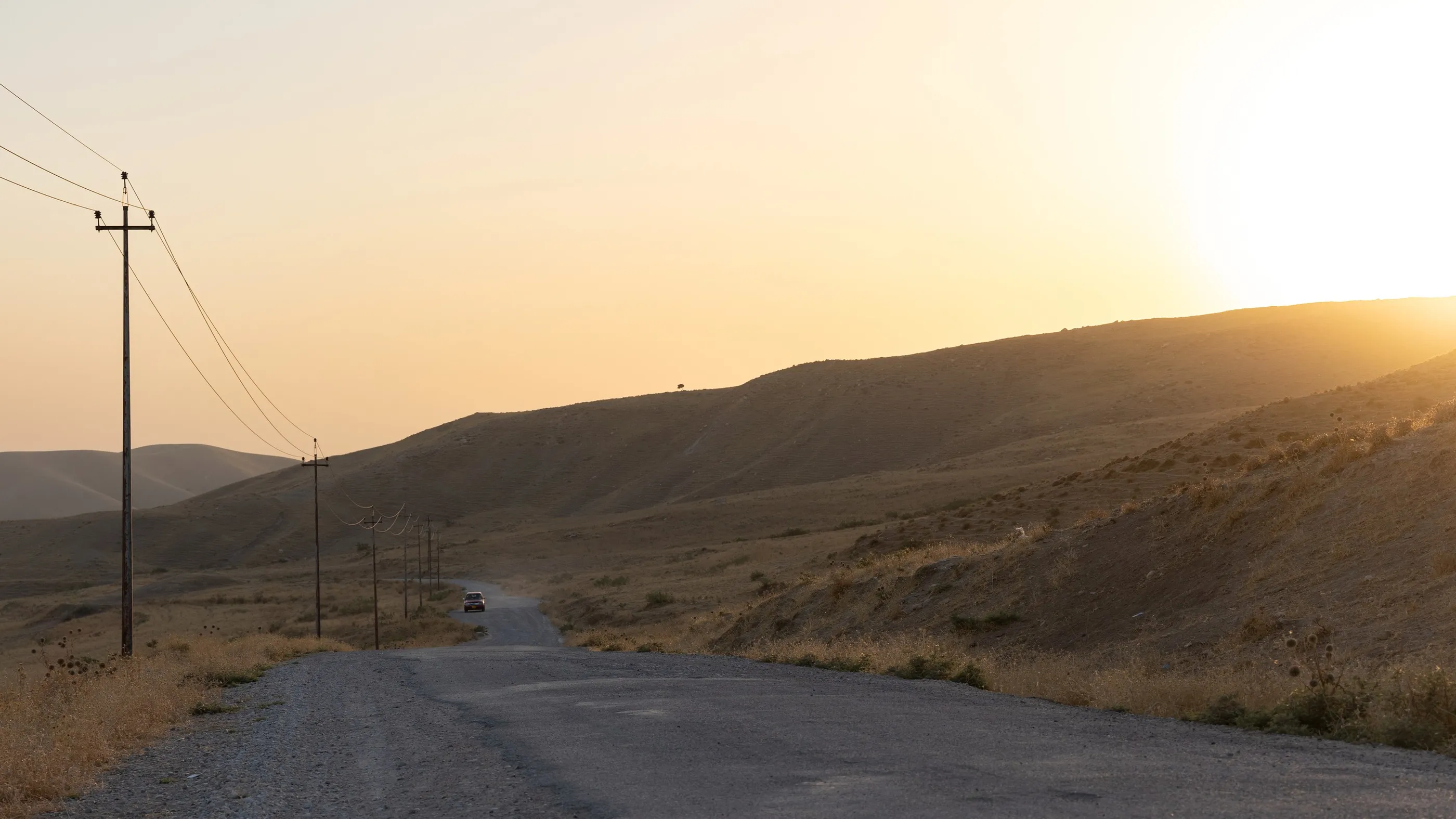
For decades the Orient Express linked Paris to Constantinople, and its passengers dreamed of going further still, towards Baghdad. We wanted to recapture that spirit: leave Paris overland, cross the Alps and the Balkans, reach Istanbul, then carry on across Anatolia to the mountains of Iraqi Kurdistan.
Six summer weeks, from one station to the next, one border to the next — to feel, mile after mile, Europe slowly dissolve into the East.
Paris, Gare de l’Est
France
The Orient Express once departed from the Gare de l’Est. No sleeping cars or wood panelling for us, but the same starting point and the same desire: to reach the East without ever leaving the ground.
By train↗ 488 km
Zurich
Switzerland
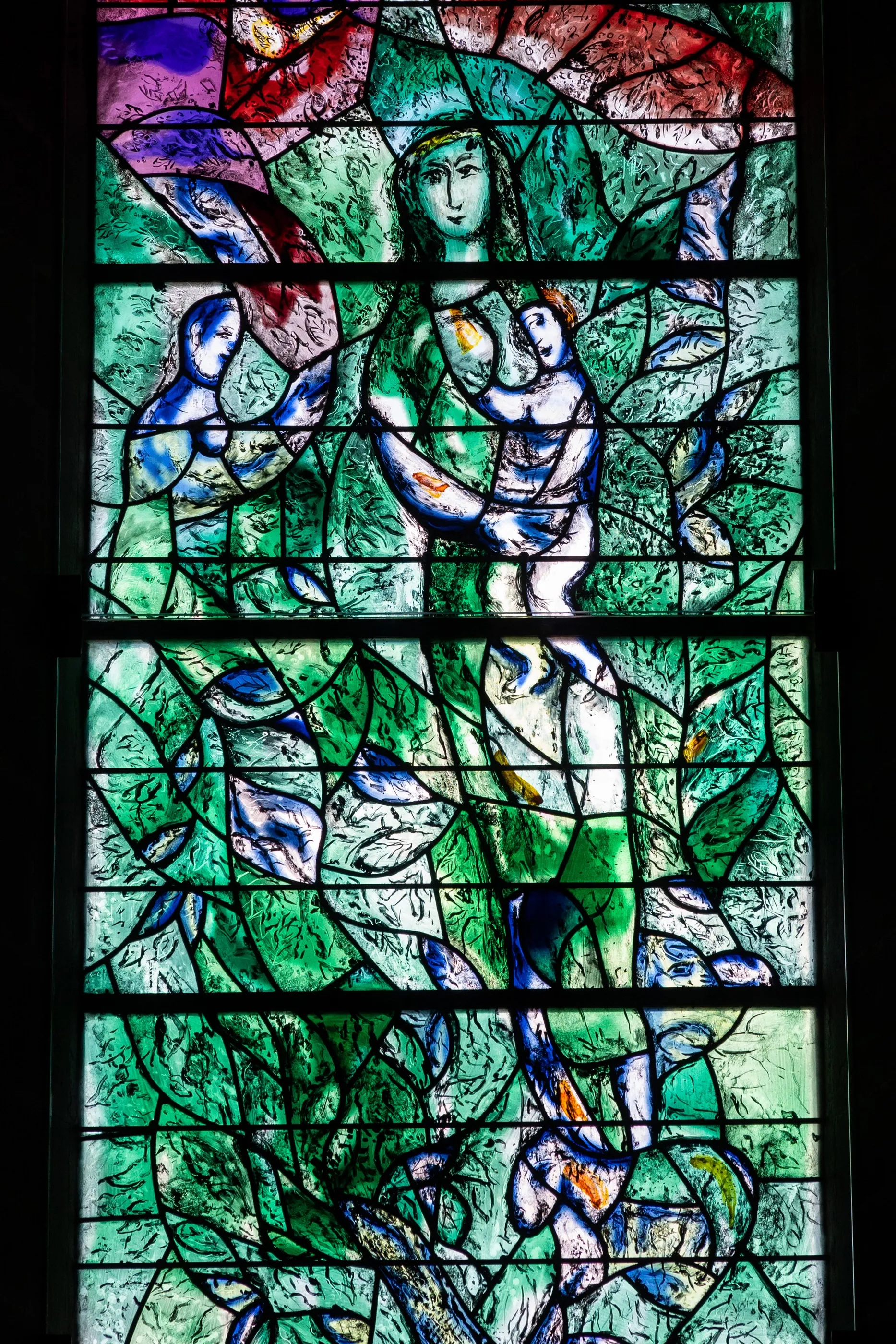
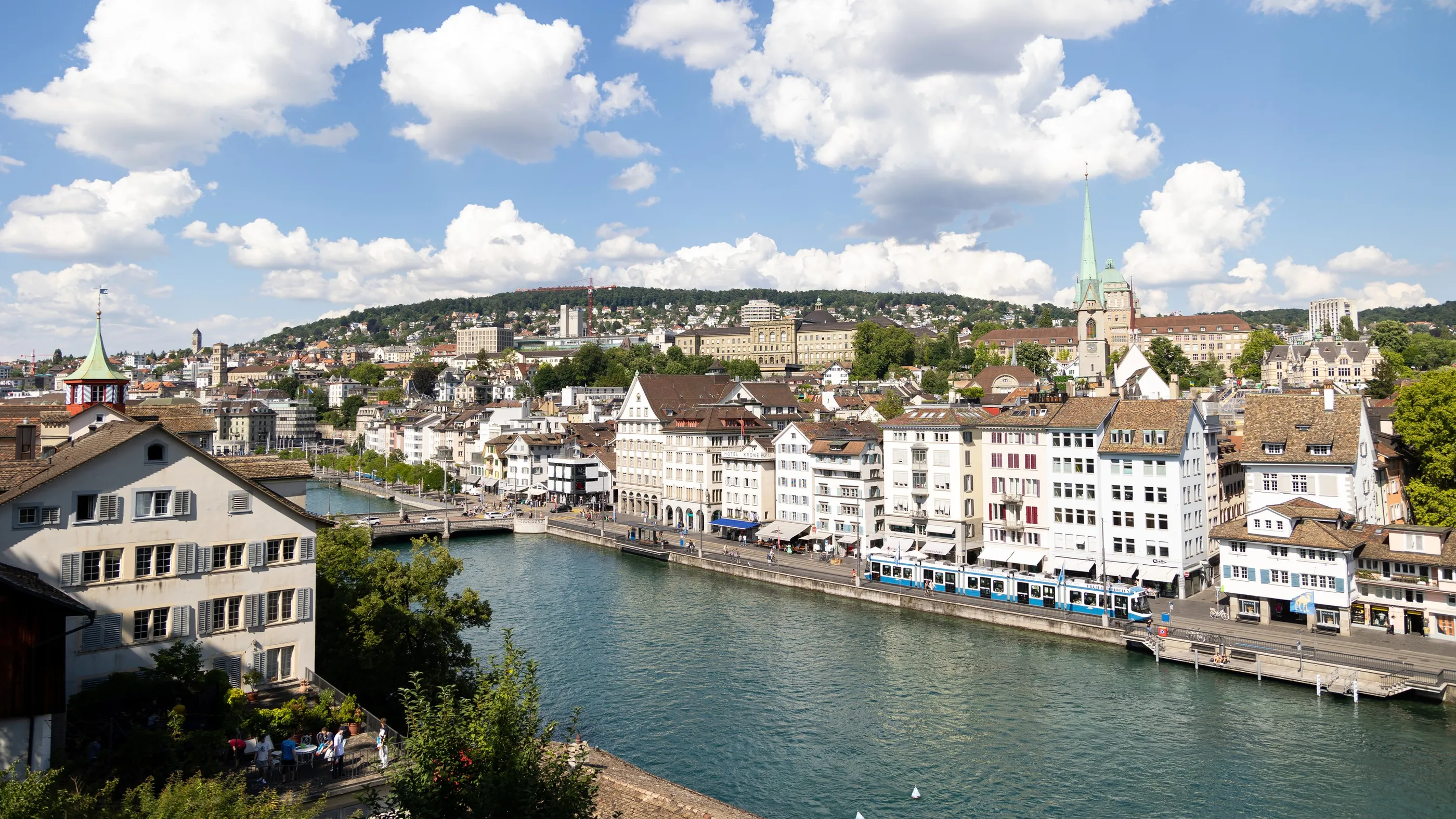
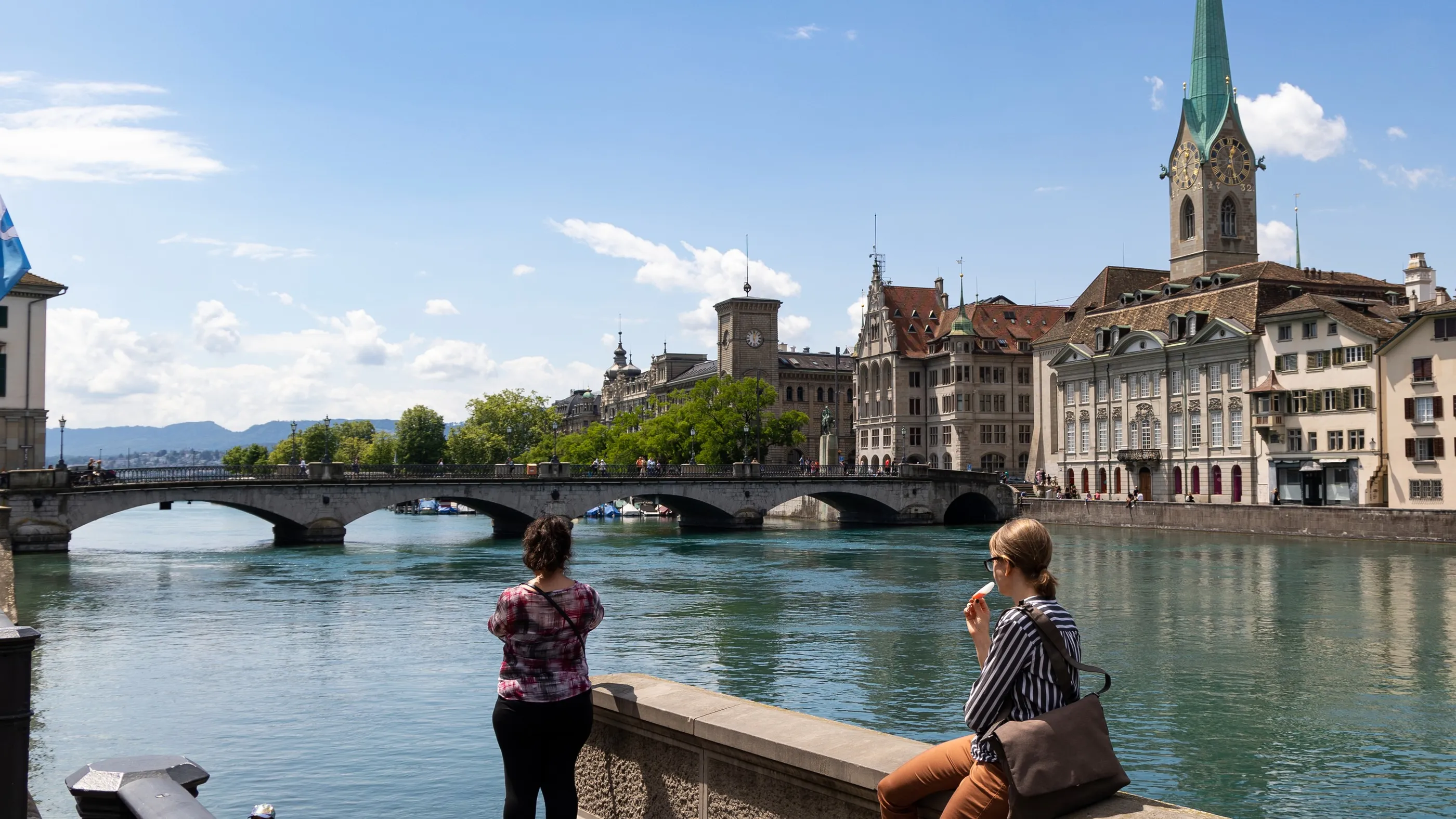
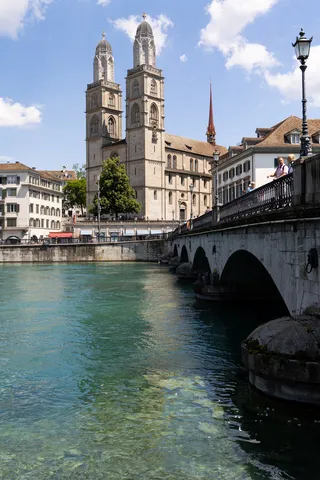
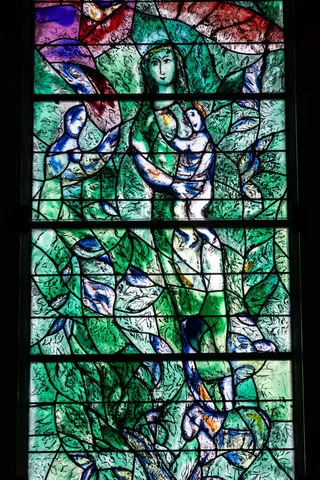
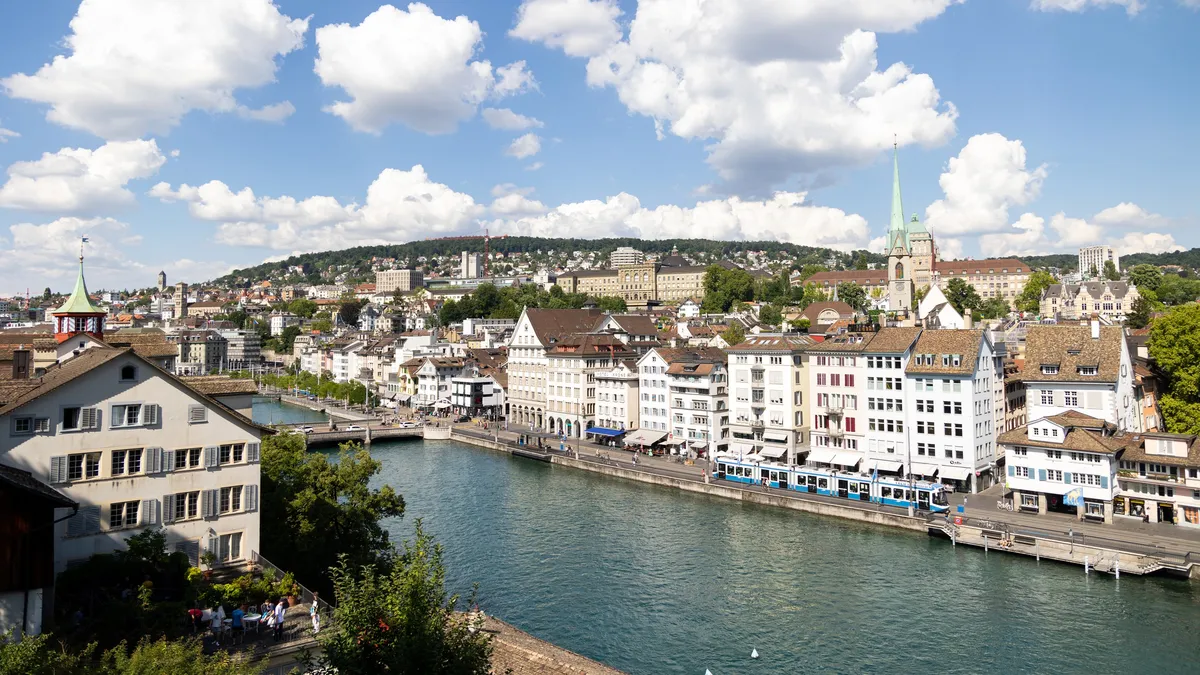
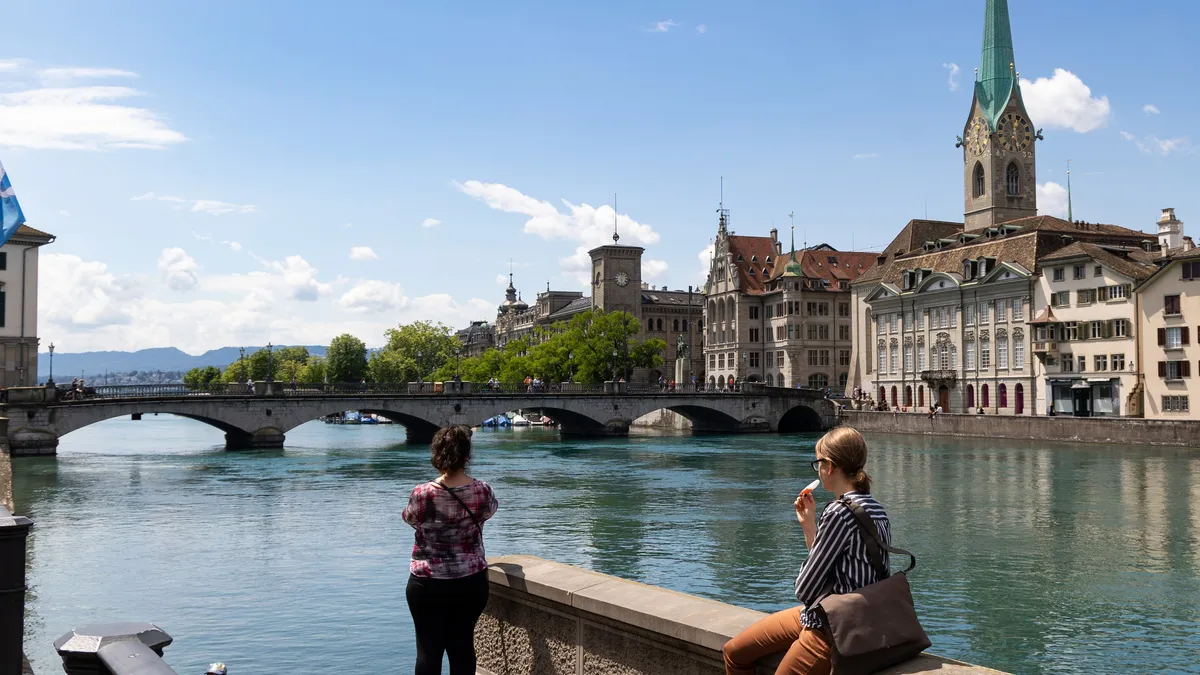
A first stop in Switzerland, along the impossibly clear waters of the Limmat. The towers of the Grossmünster watch over a calm city, almost too orderly for travellers bound for the East. In the Fraumünster, Chagall’s stained-glass windows bathe the nave in blue and green light.
By train↗ 478 km
Ljubljana
Slovenia
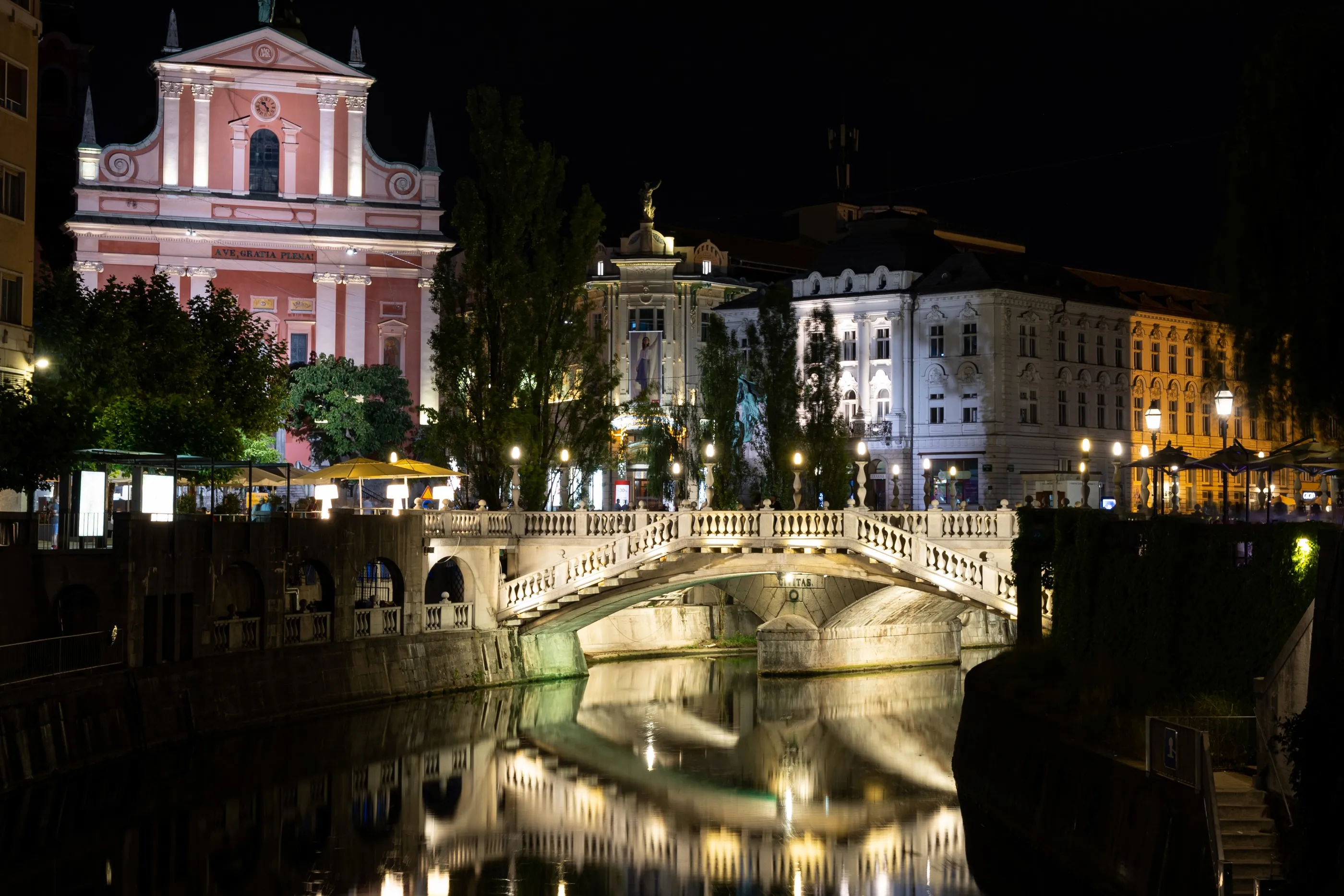
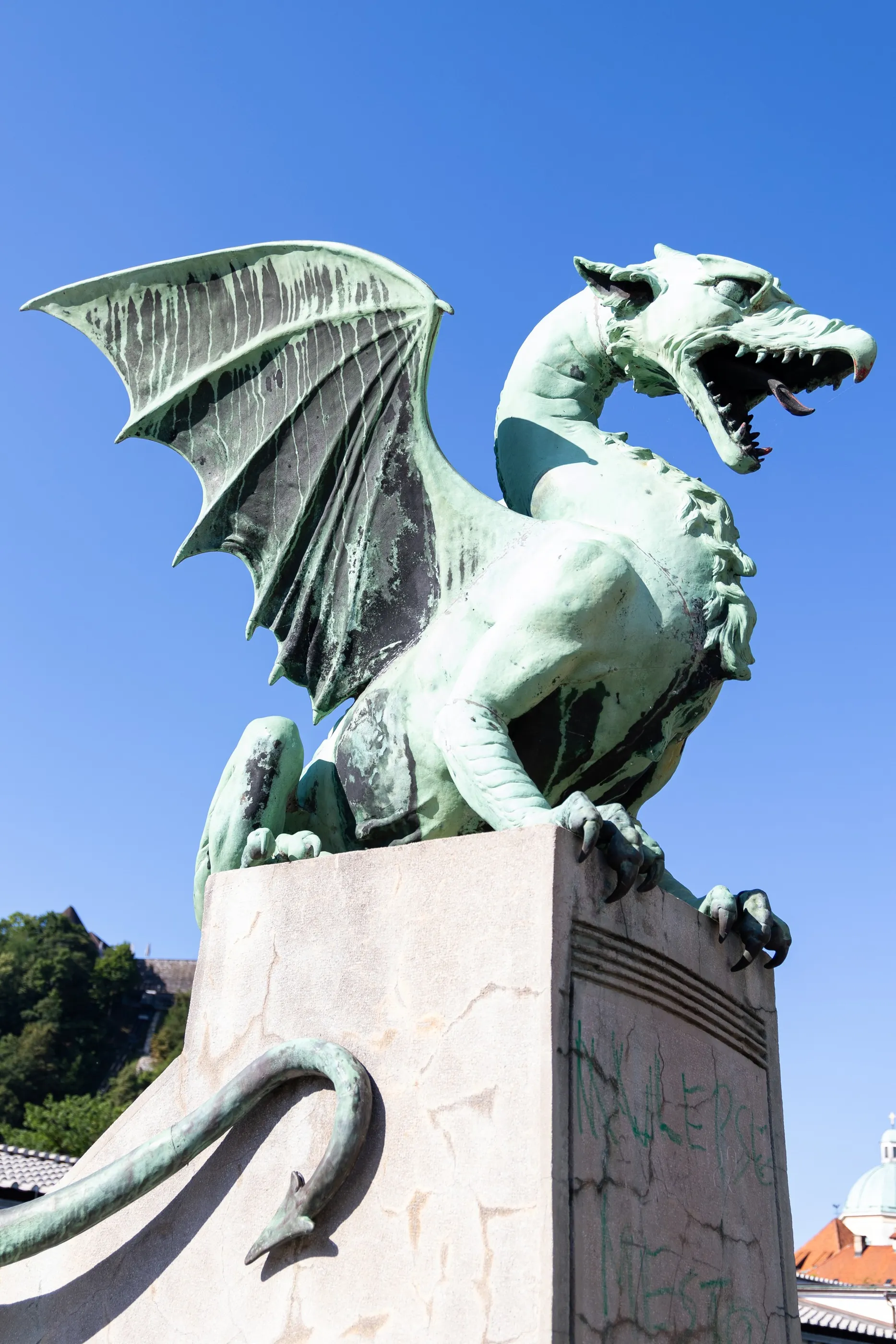
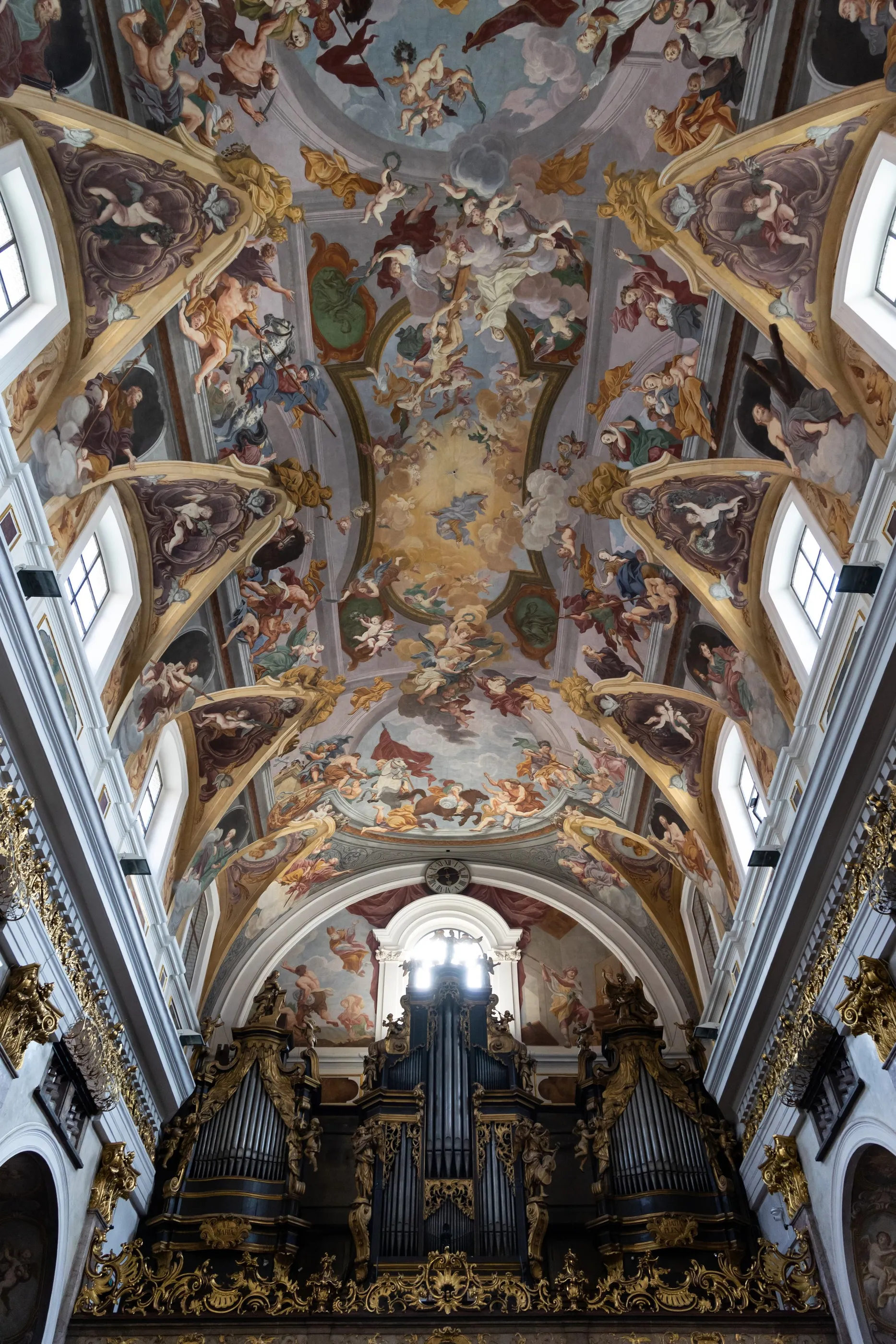
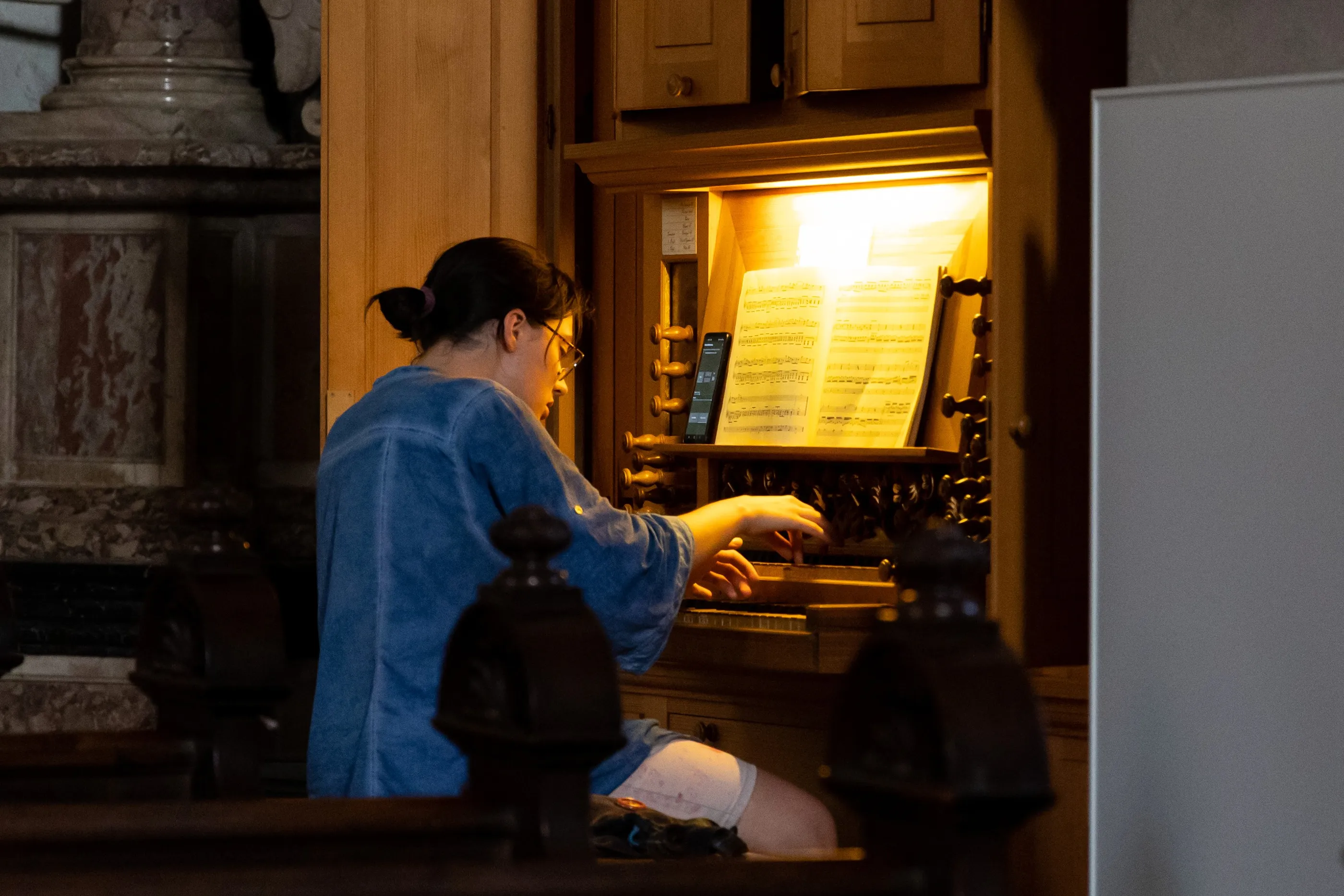
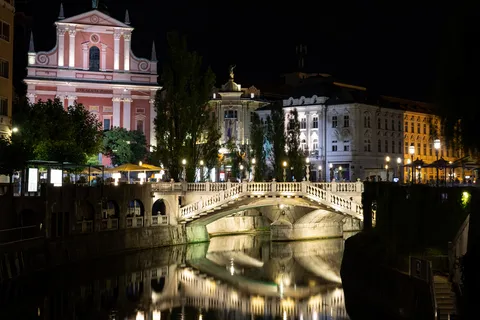
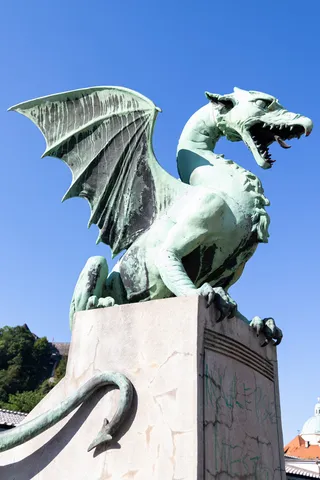
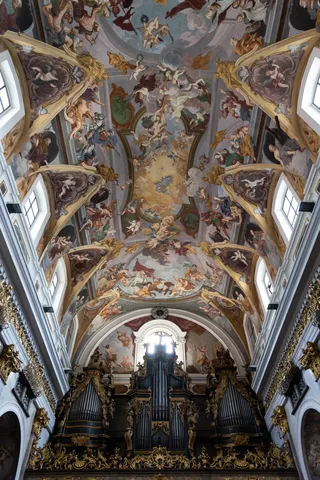
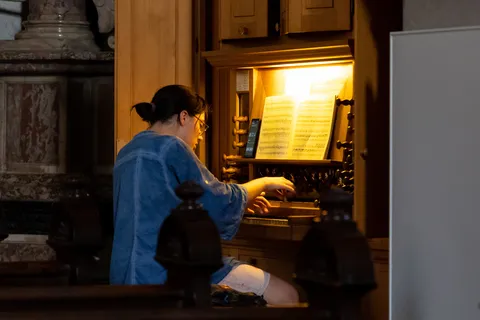
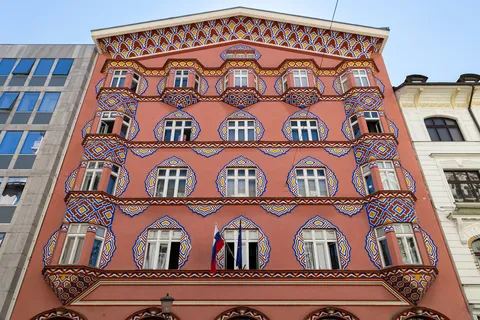
One night train later, beyond the Alps, Ljubljana and its bronze dragons, guardians of the bridge that bears their name. The city has the gentleness of human-scale capitals, at the gates of the Balkans. In St Nicholas Cathedral the organist rehearses beneath painted ceilings; at night the Franciscan church is mirrored in the Ljubljanica, at the foot of the Triple Bridge.
By train↗ 117 km
Zagreb
Croatia
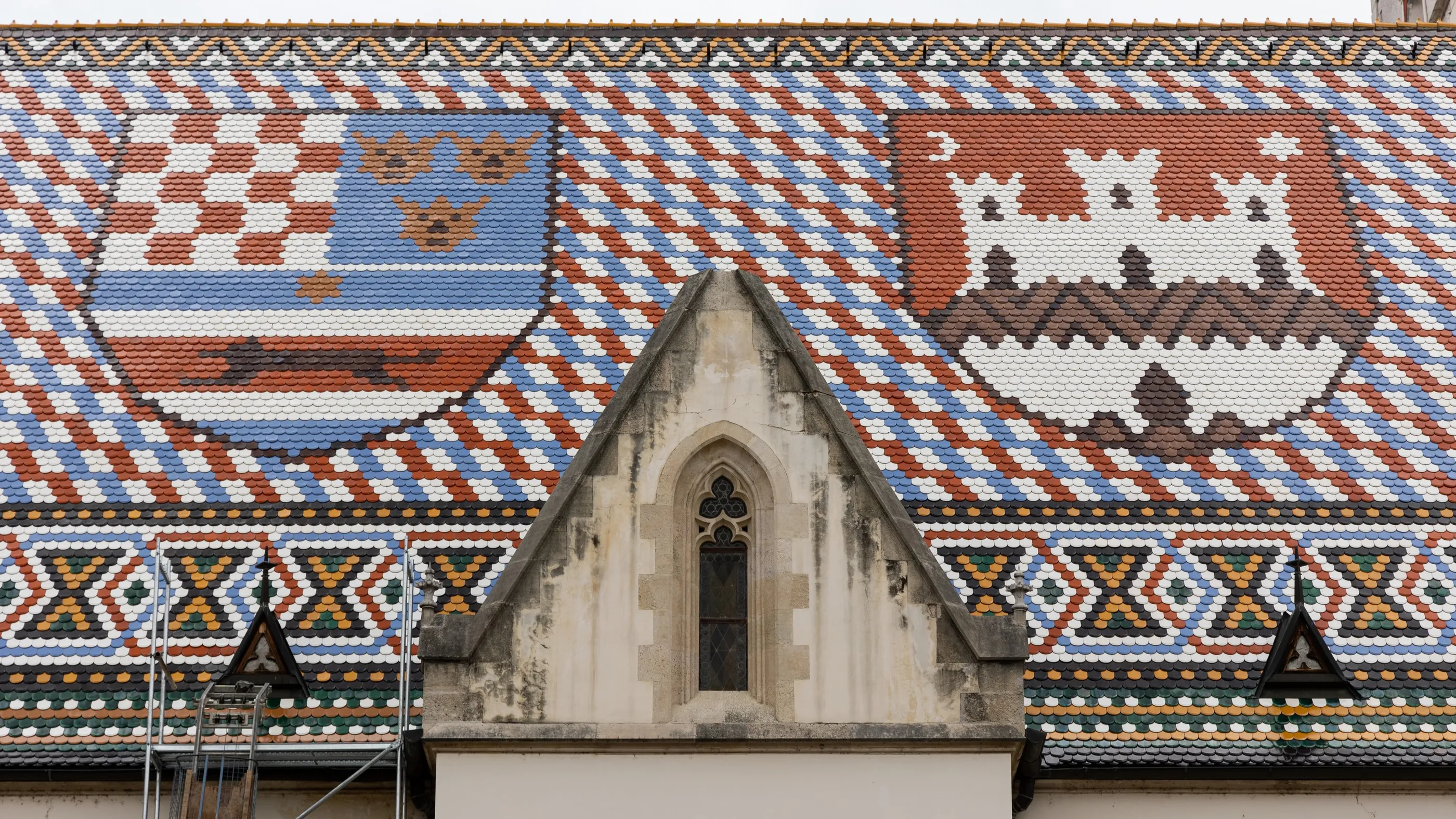
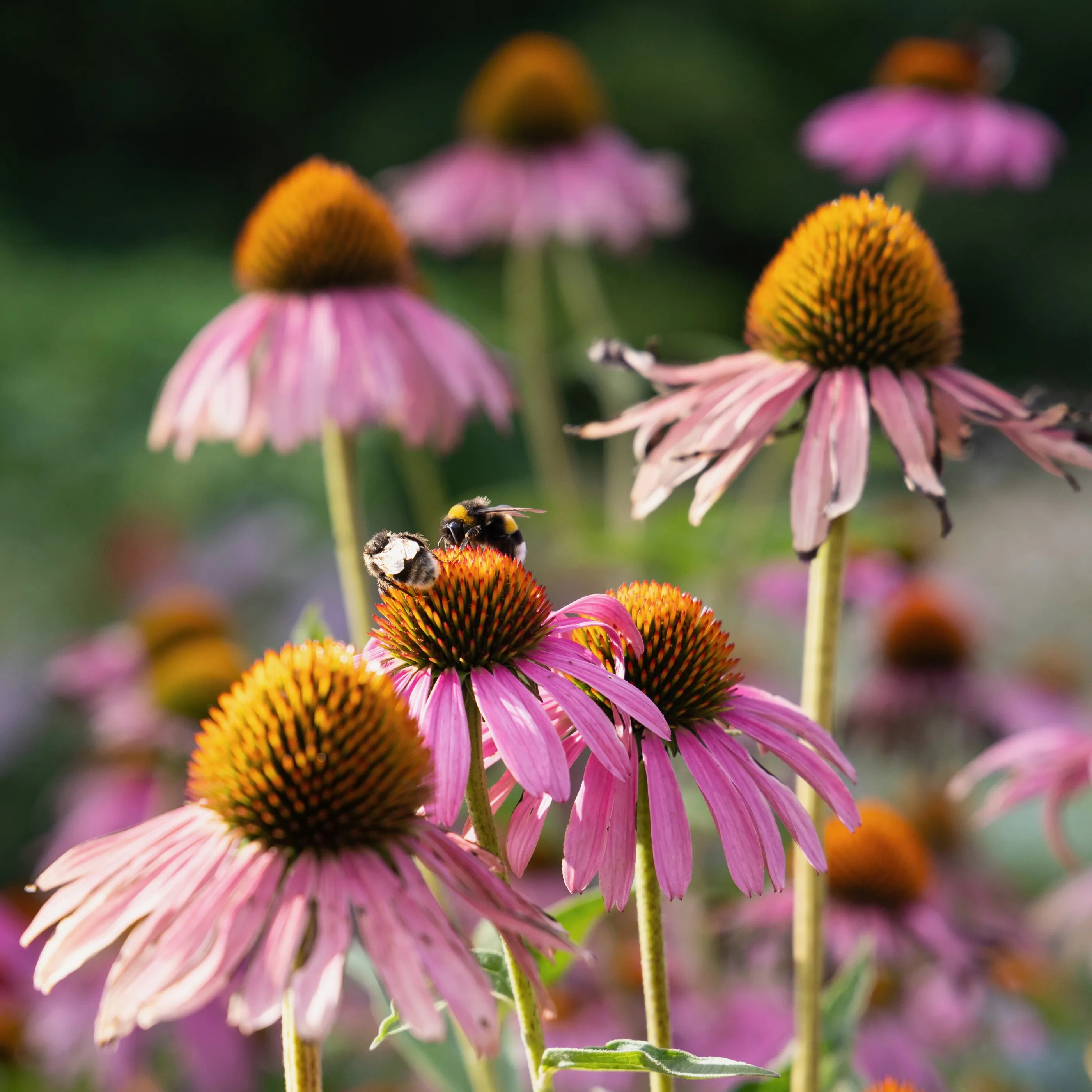
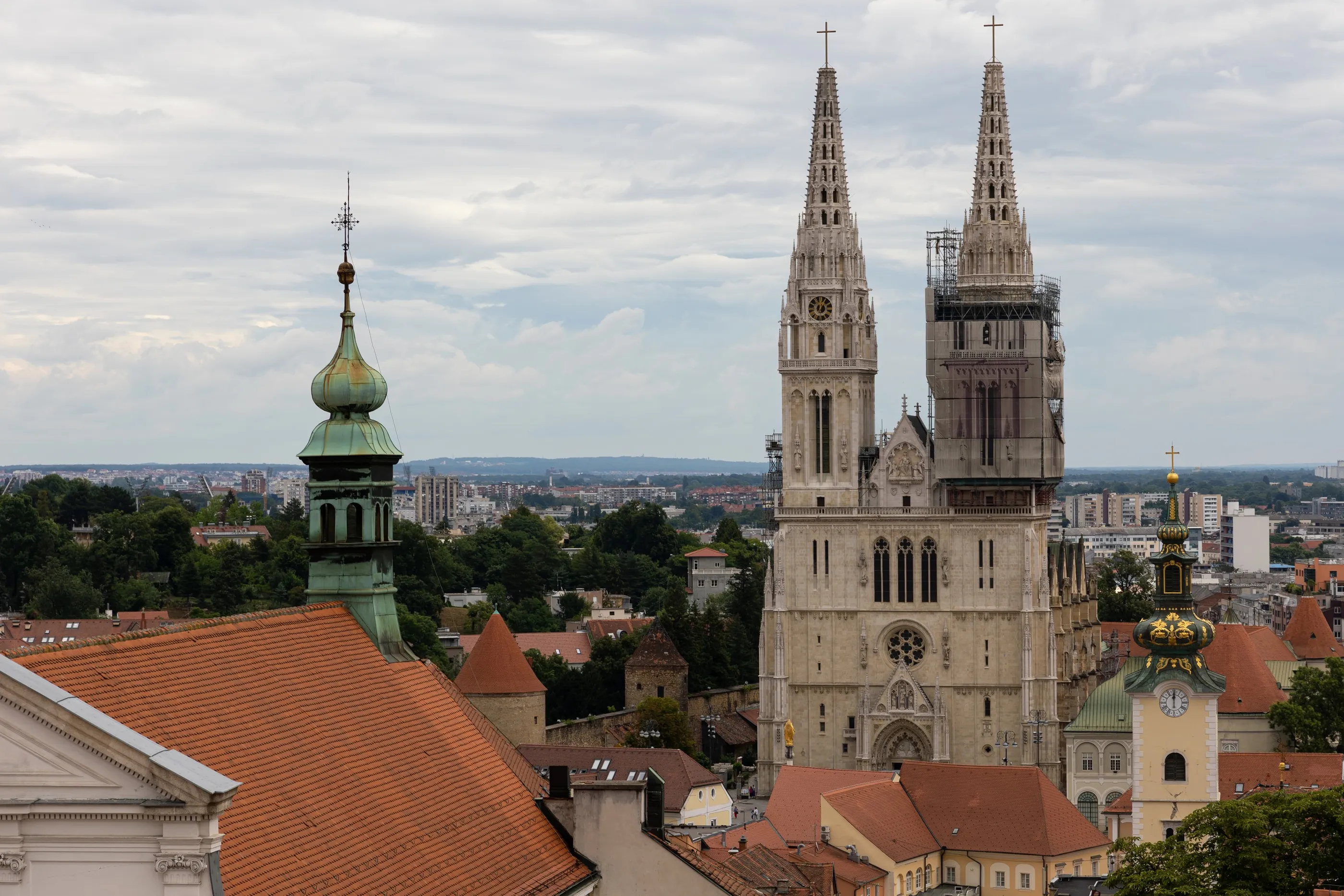
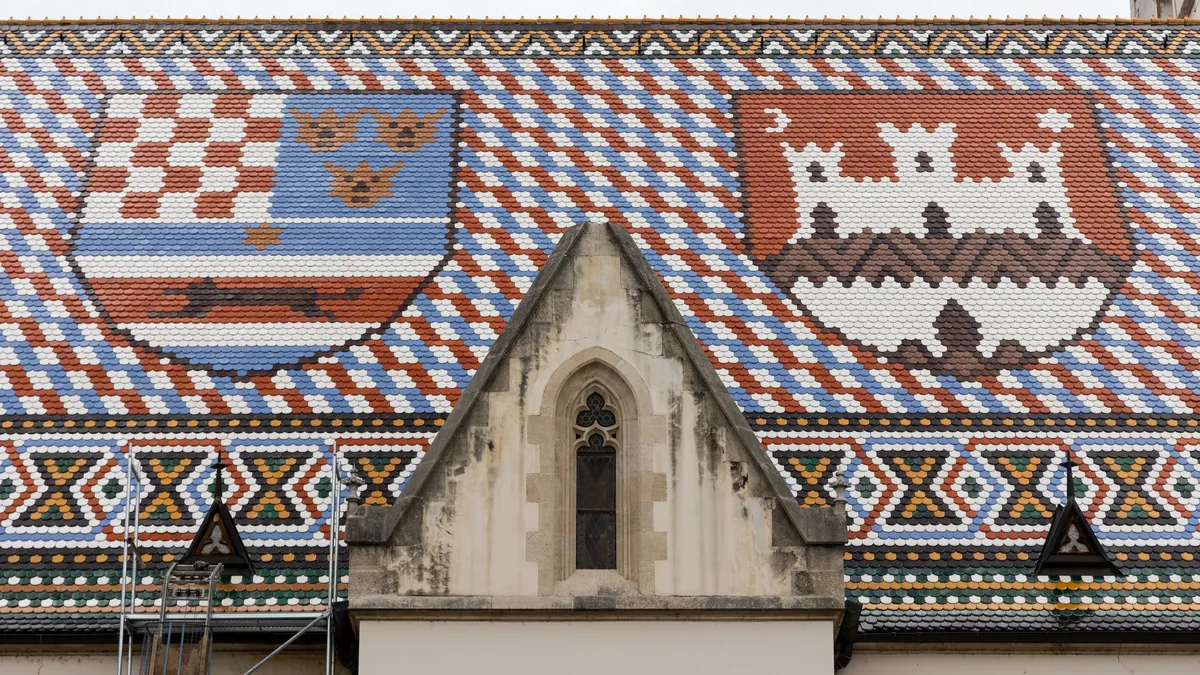
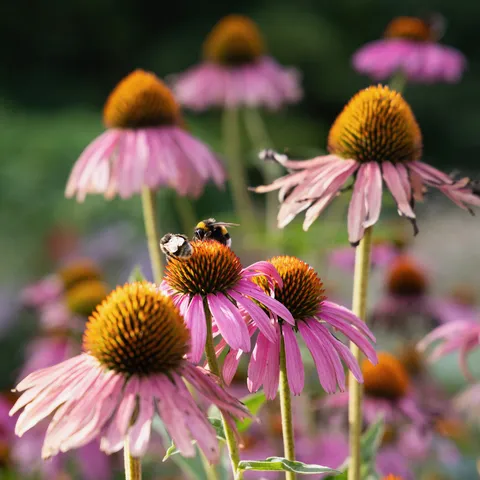
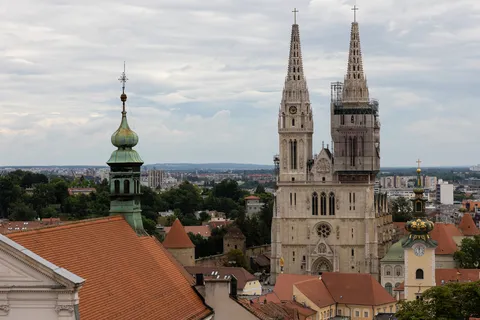
A few hours by train to Zagreb, far from the crowds of the Croatian coast. In the upper town, the roof of St Mark’s Church bears the coats of arms of the kingdom and the city in glazed tiles; below, the cathedral spires rise above the rooftops. In the afternoon, in the botanical garden, bumblebees work the echinacea in the July heat.
By road↗ 290 km
Sarajevo and Mount Trebević
Bosnia and Herzegovina
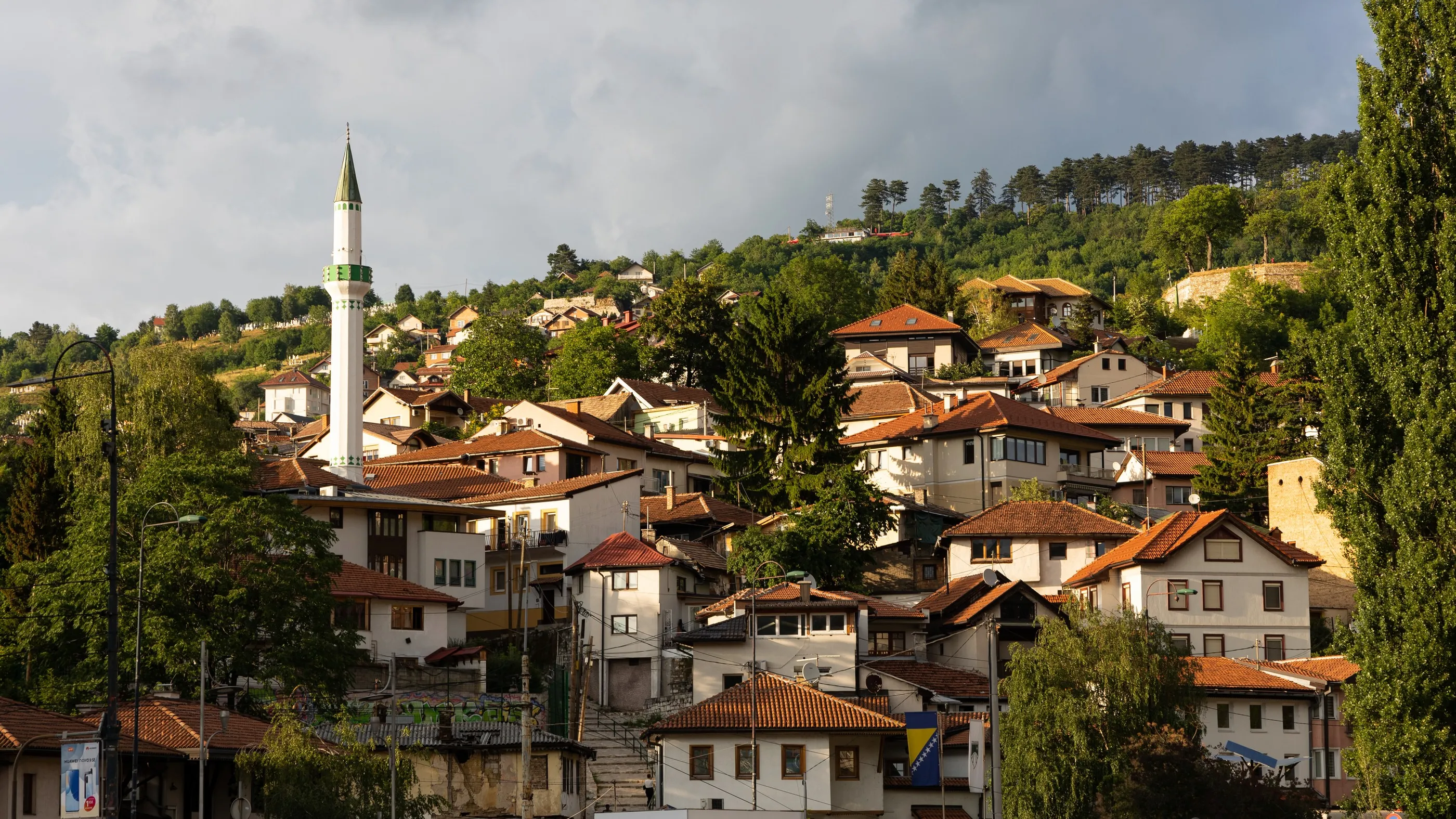
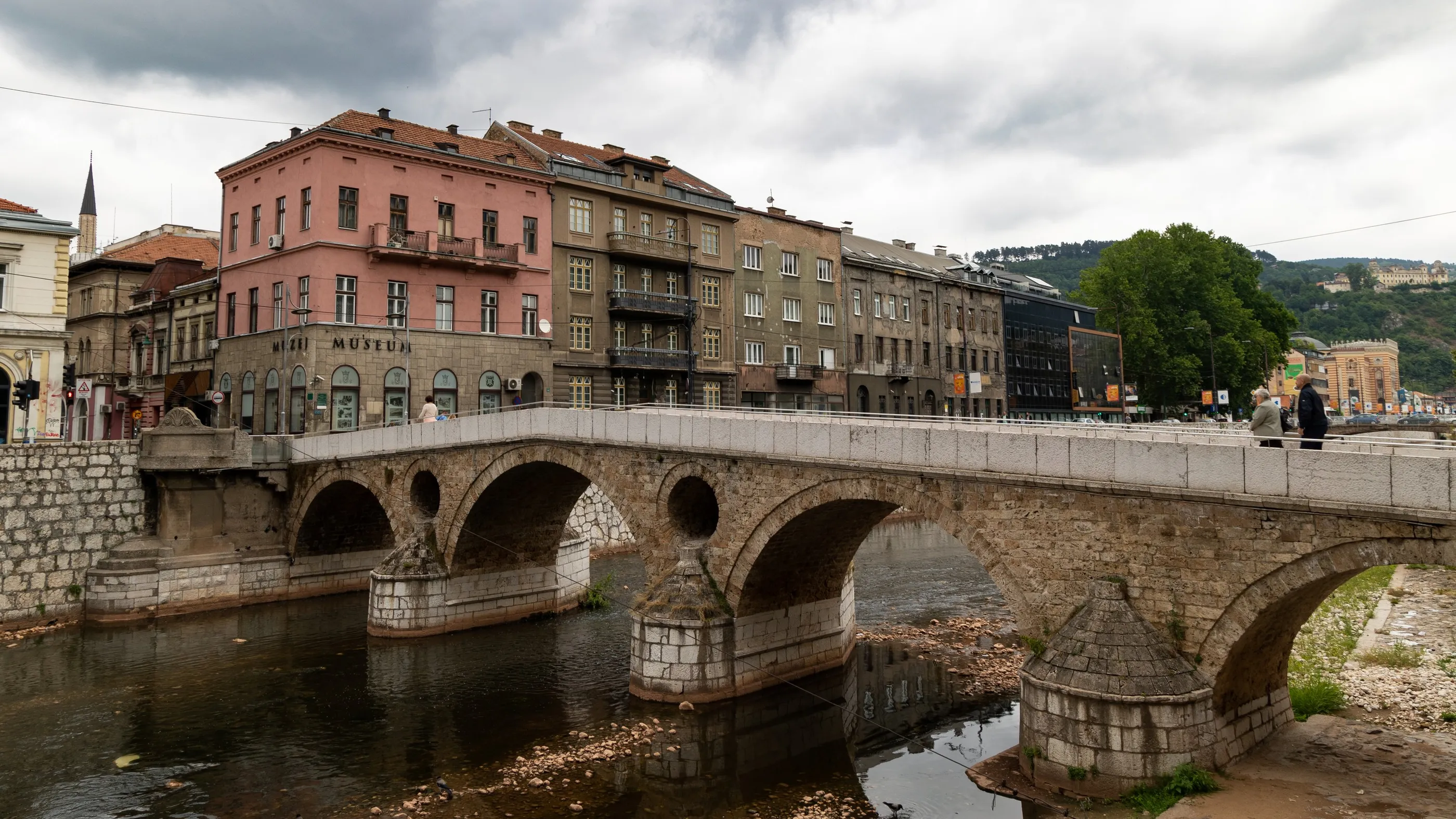
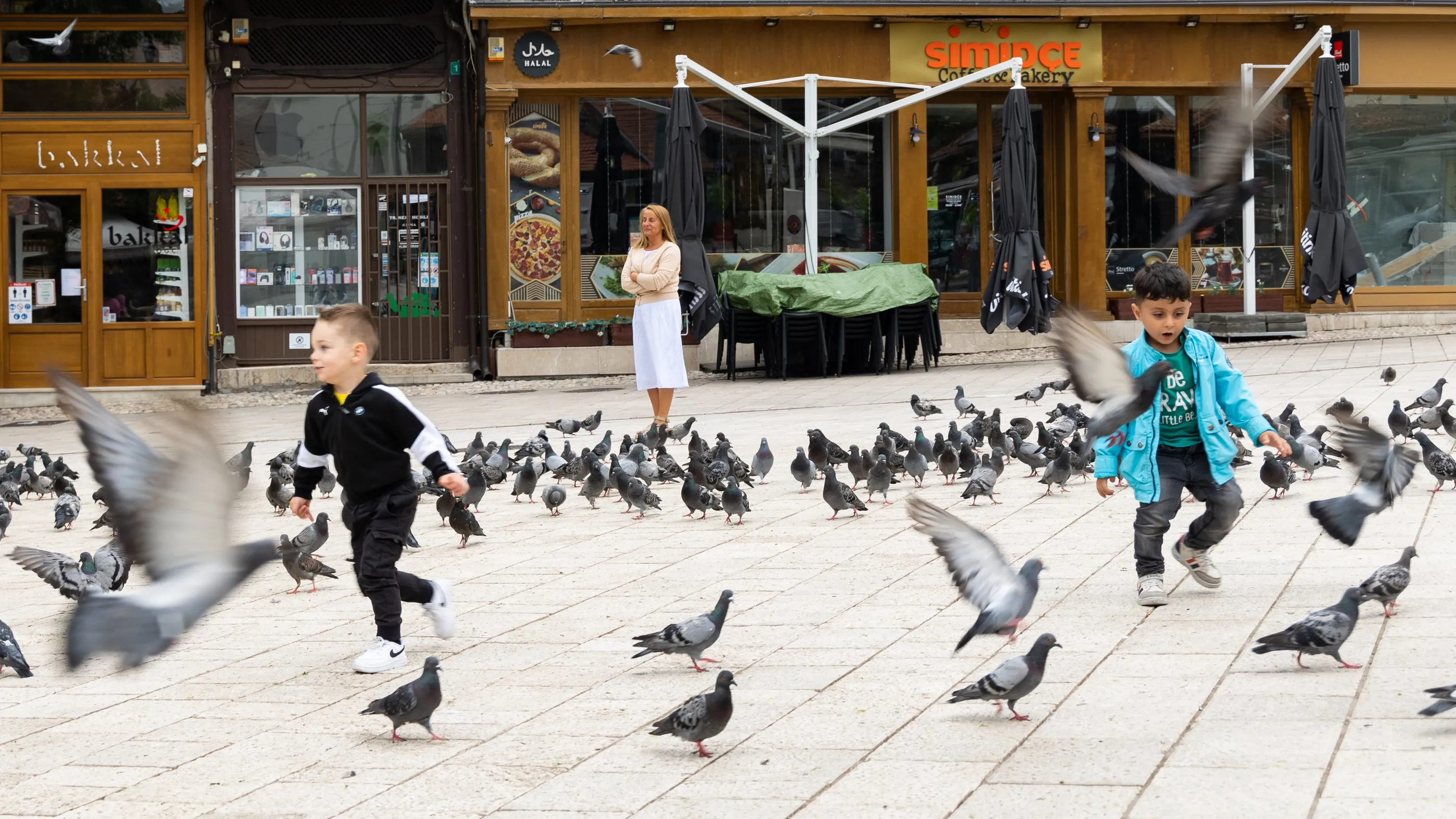
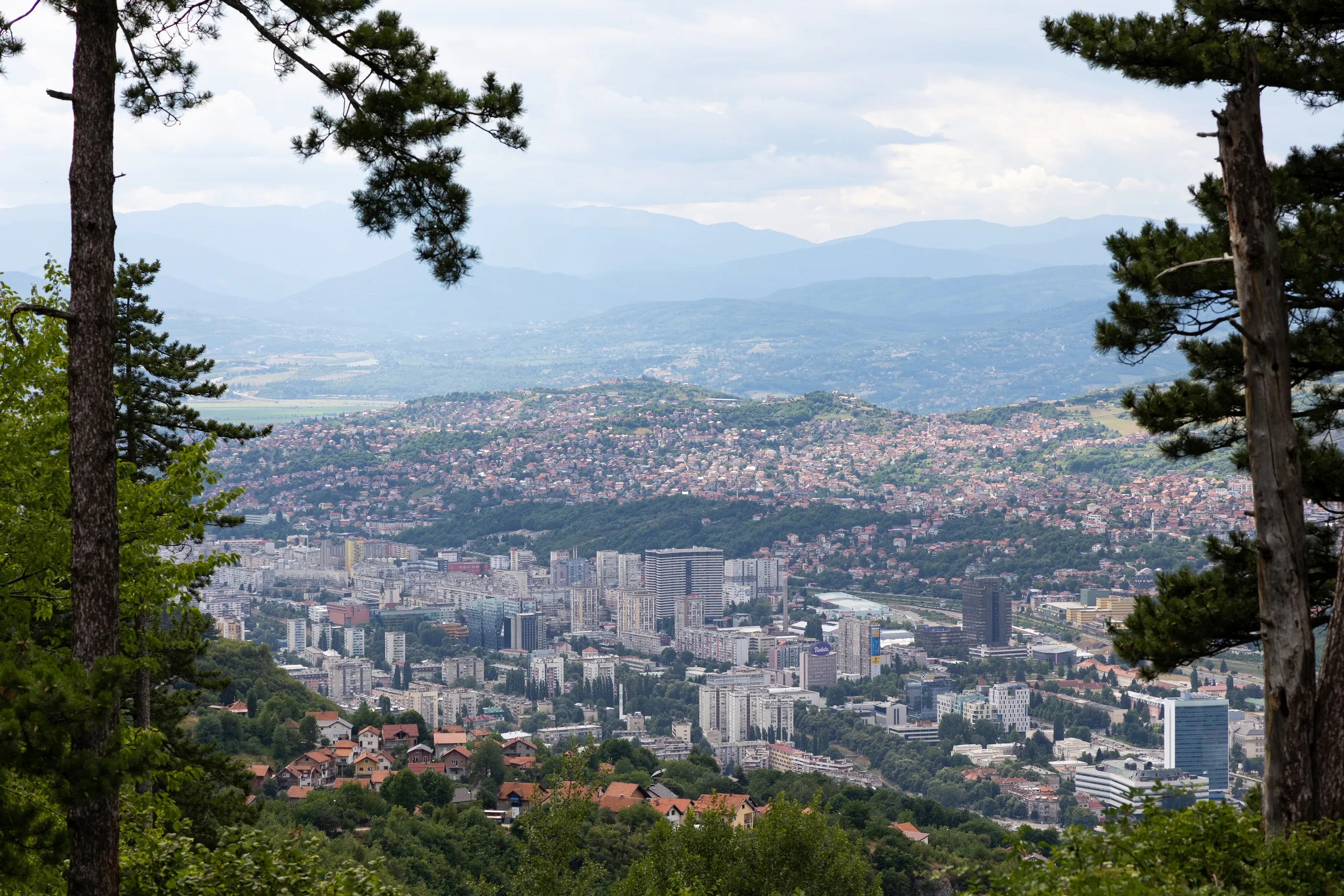
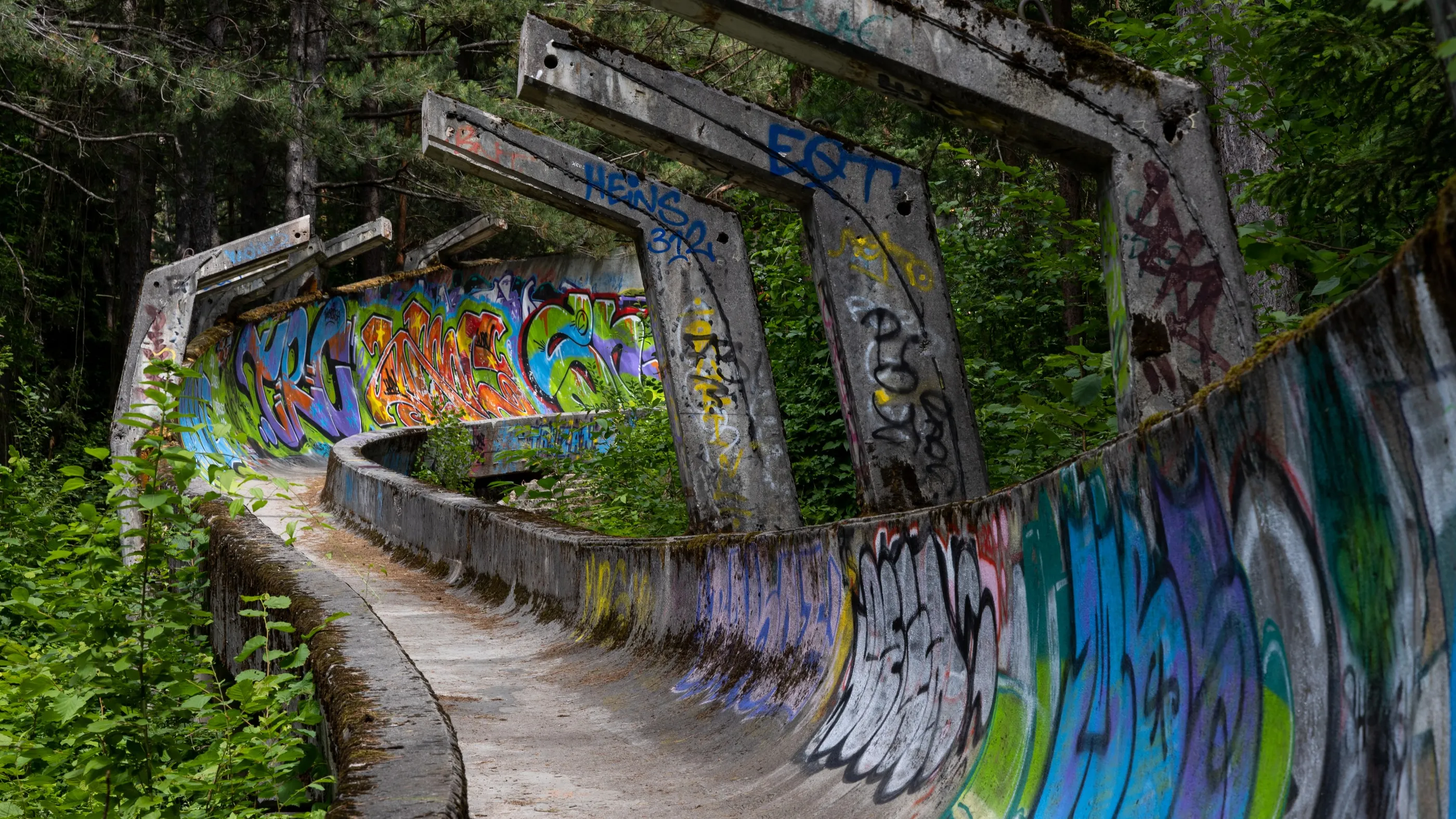
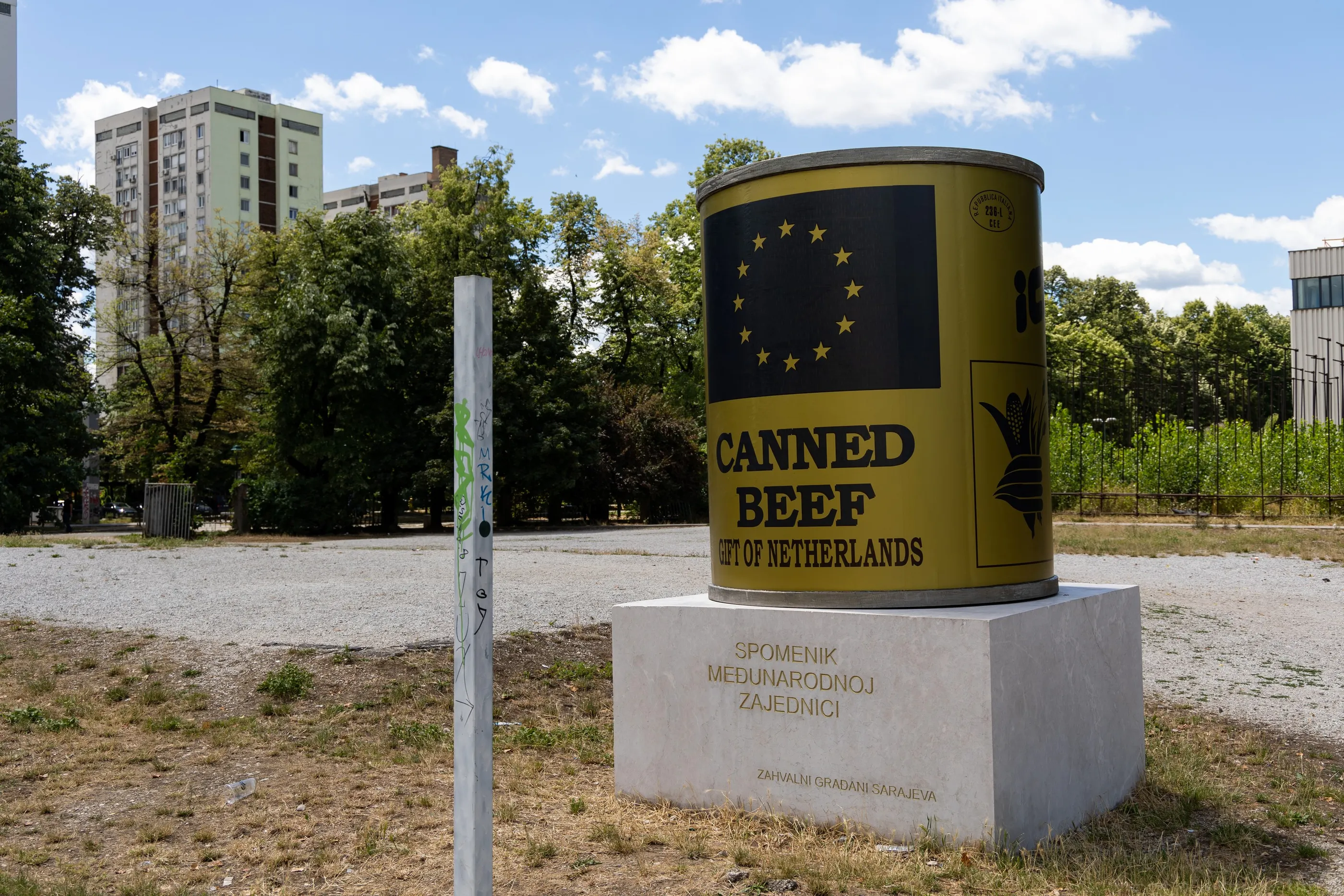
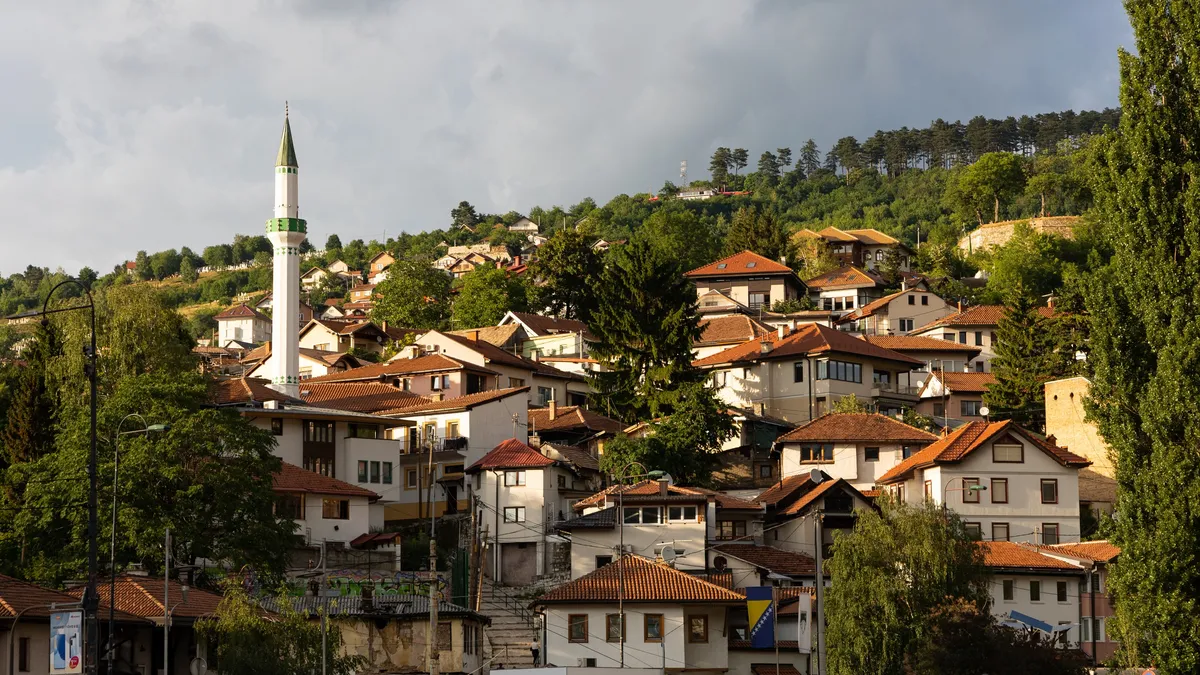
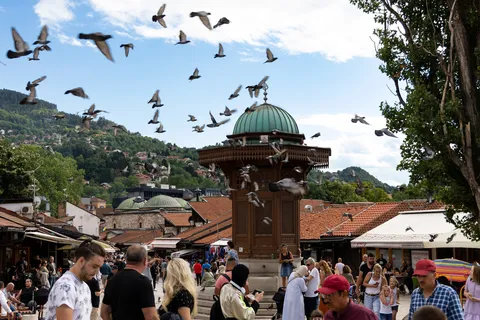
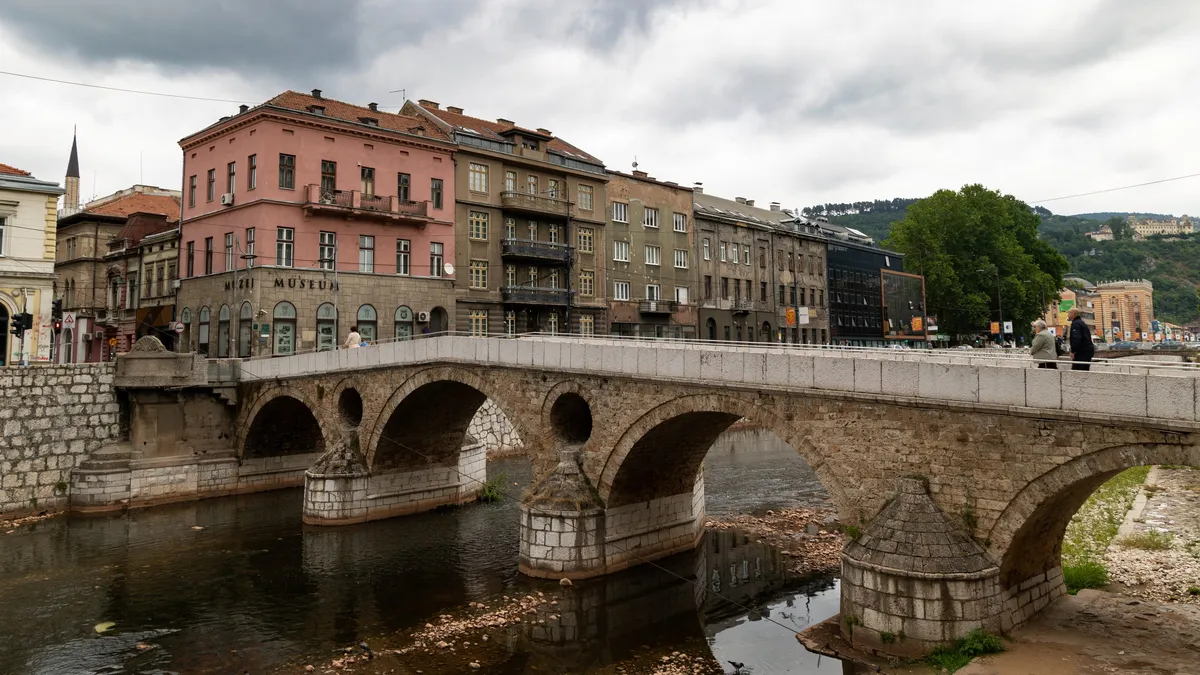
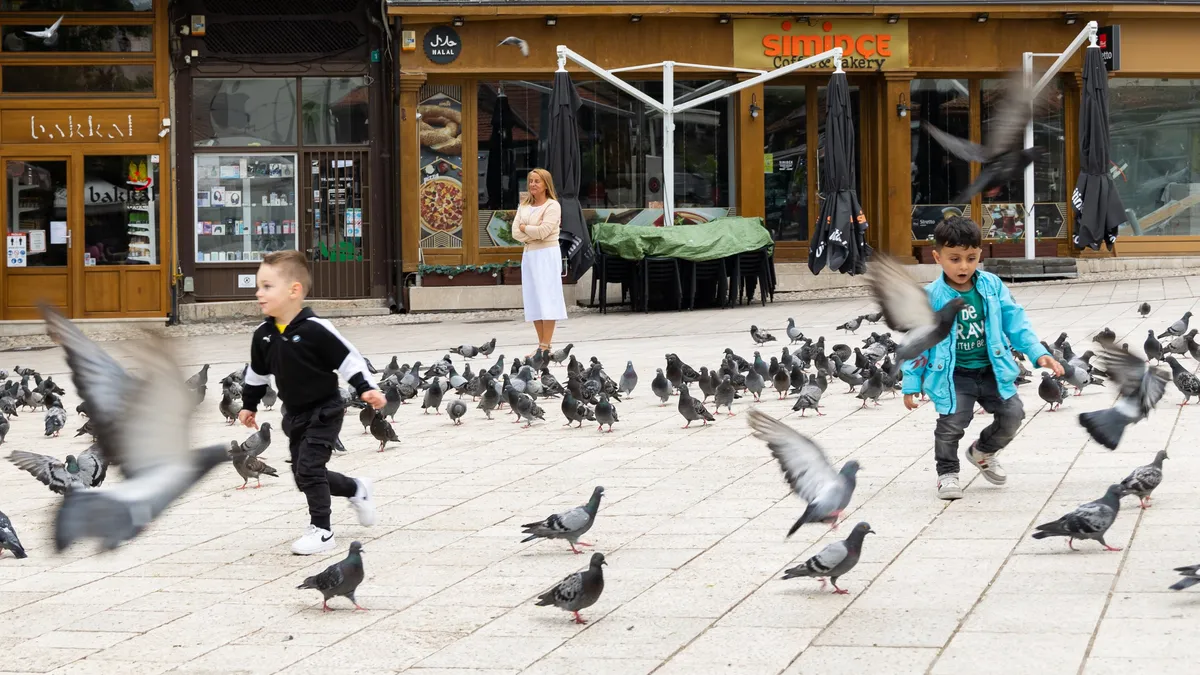
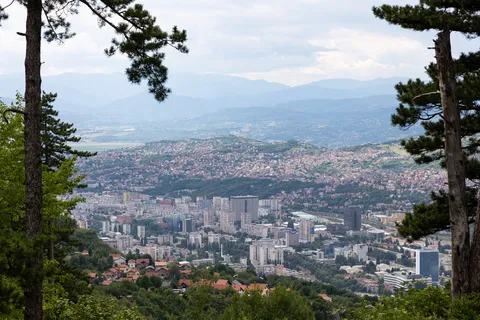
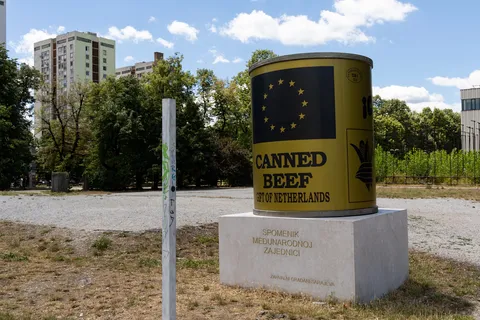
Sarajevo, where the East already begins: minarets beneath the hills, the Turkish-delight windows of Baščaršija, the Vijećnica under a stormy sky. By the Latin Bridge, in 1914, a pistol shot tipped the century over. The city still bears the scars of the siege, shrapnel-pocked façades and memorials to the besieged; on Mount Trebević, the bobsleigh track of the 1984 Games coils through the forest, covered in graffiti.

By road↗ 195 km
Belgrade
Serbia
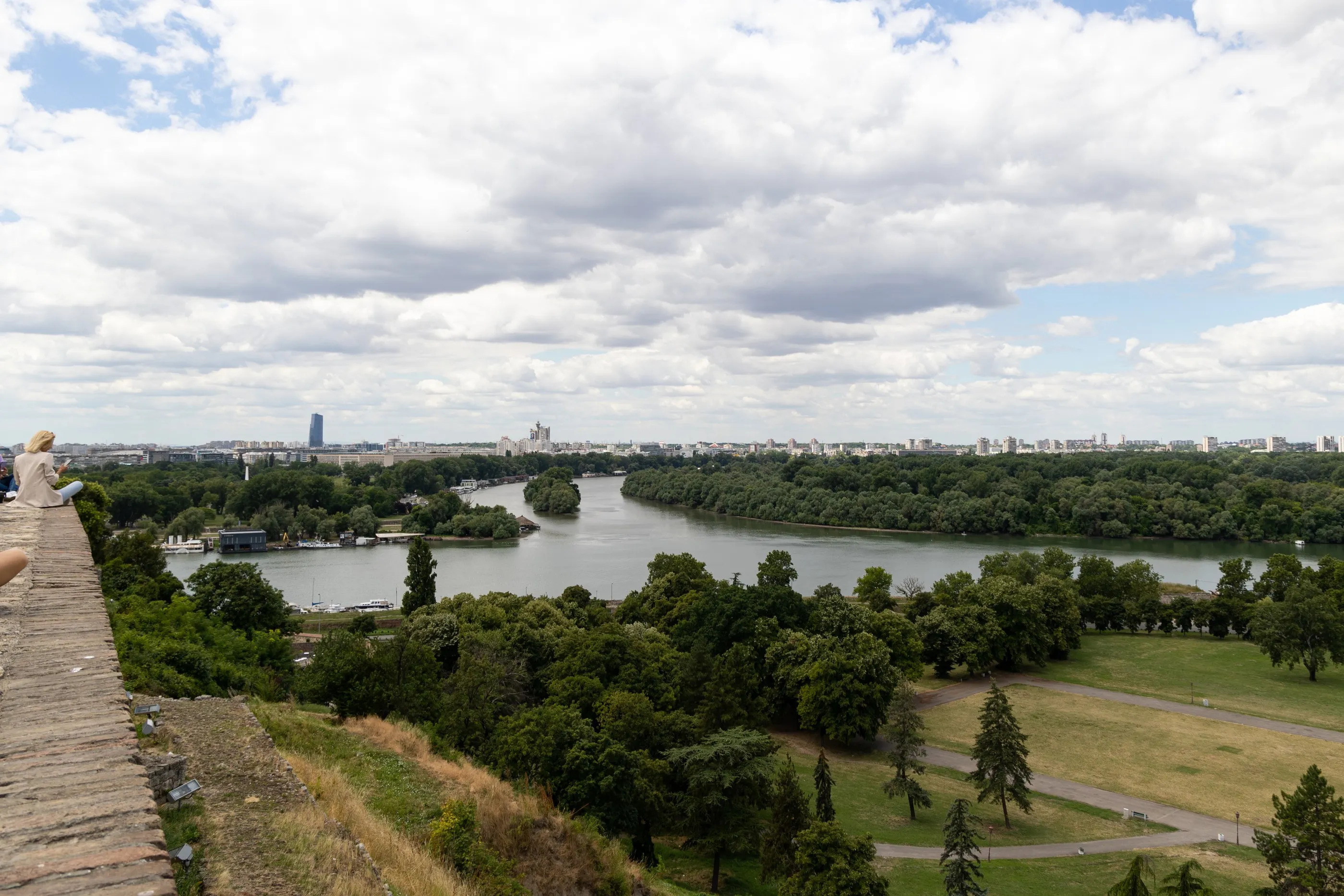
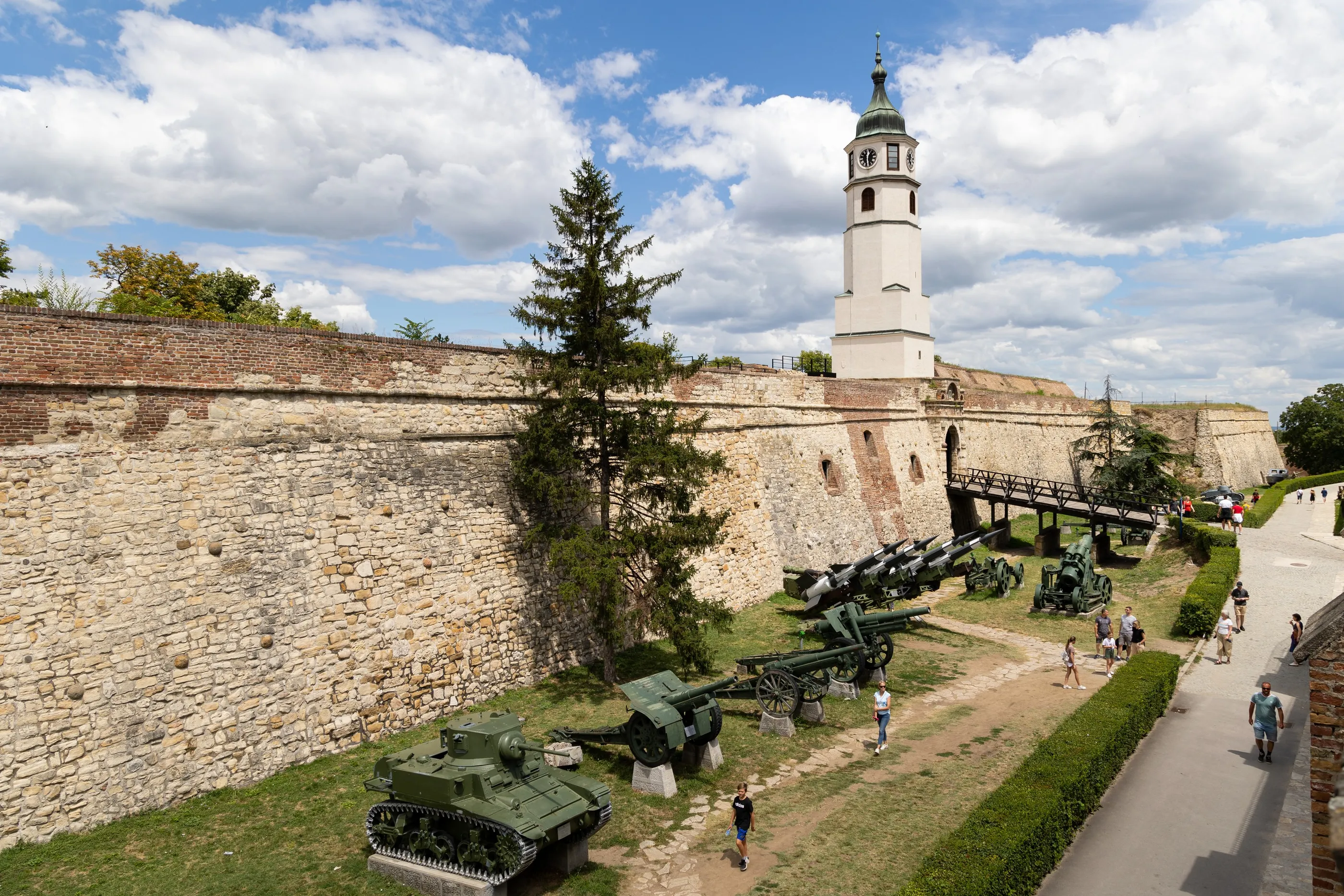
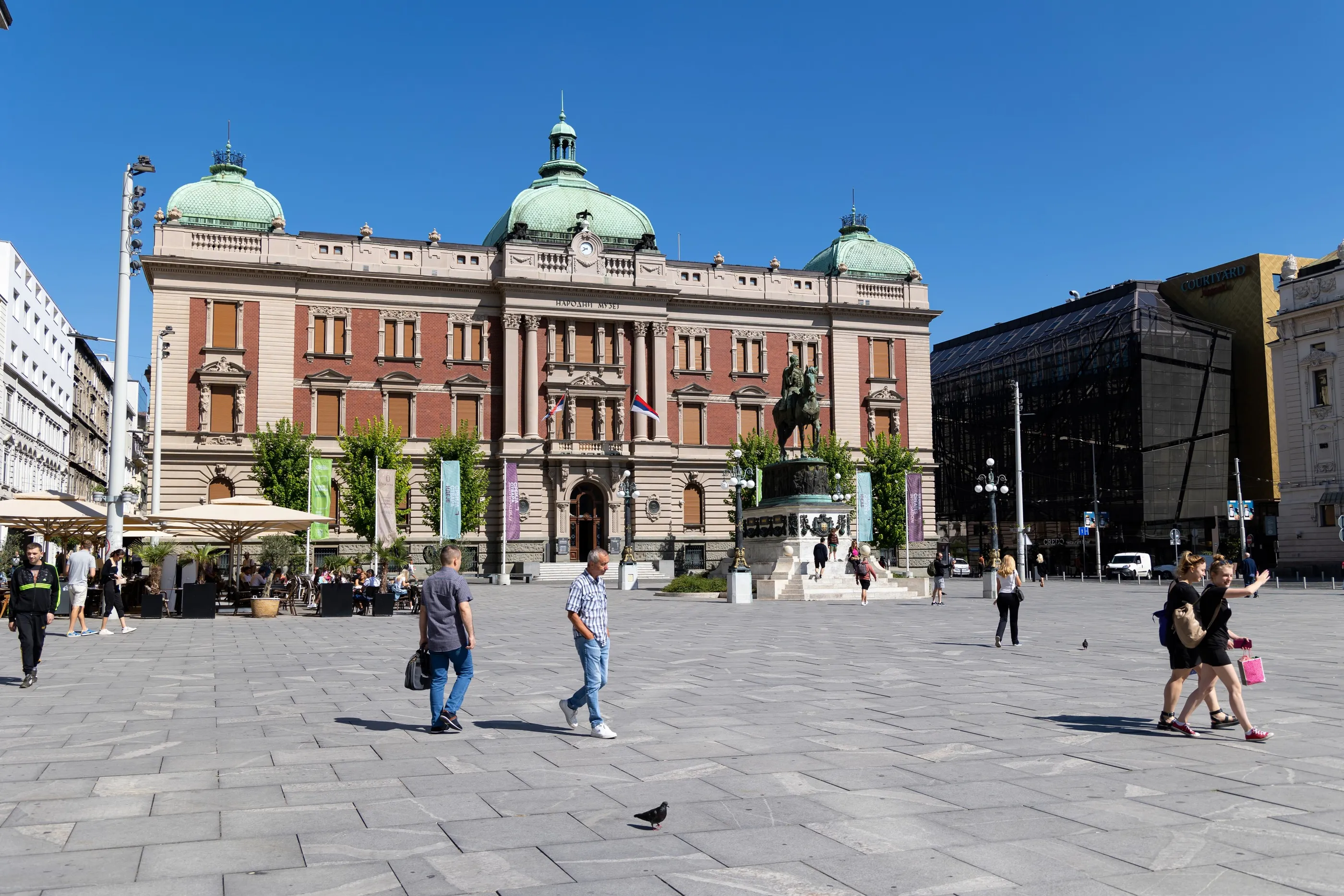
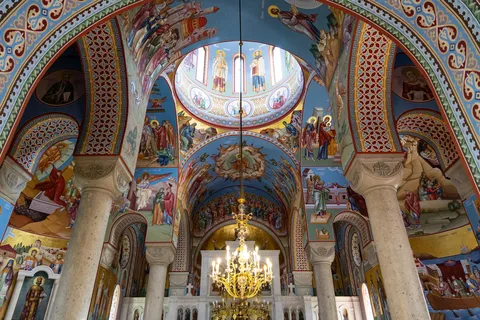
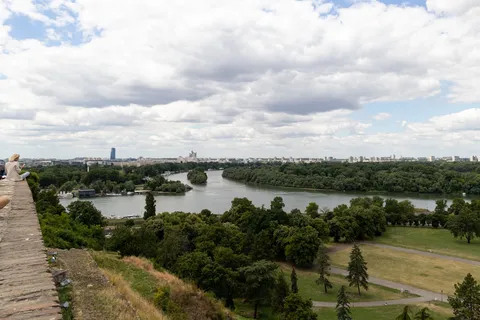
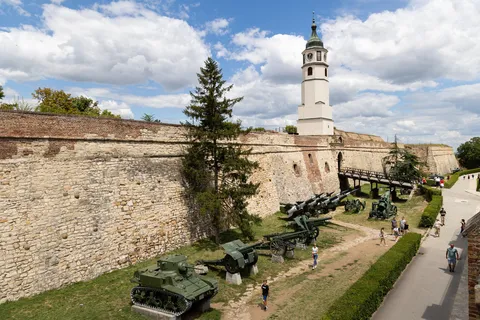
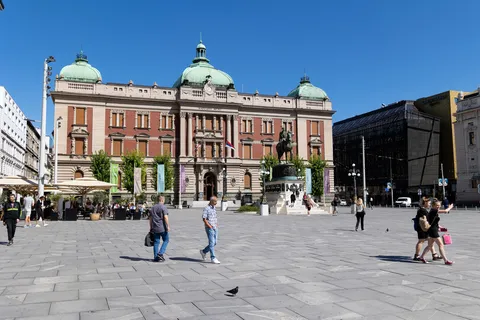
A day passing through Belgrade, on the way to Sofia, where the Sava flows into the Danube beneath the Kalemegdan fortress. From the ramparts the eye wanders far across the plain. In town, the Orthodox churches unfold painted vaults and gilded iconostases: we have entered the Serbian world.

By road↗ 329 km
Sofia
Bulgaria
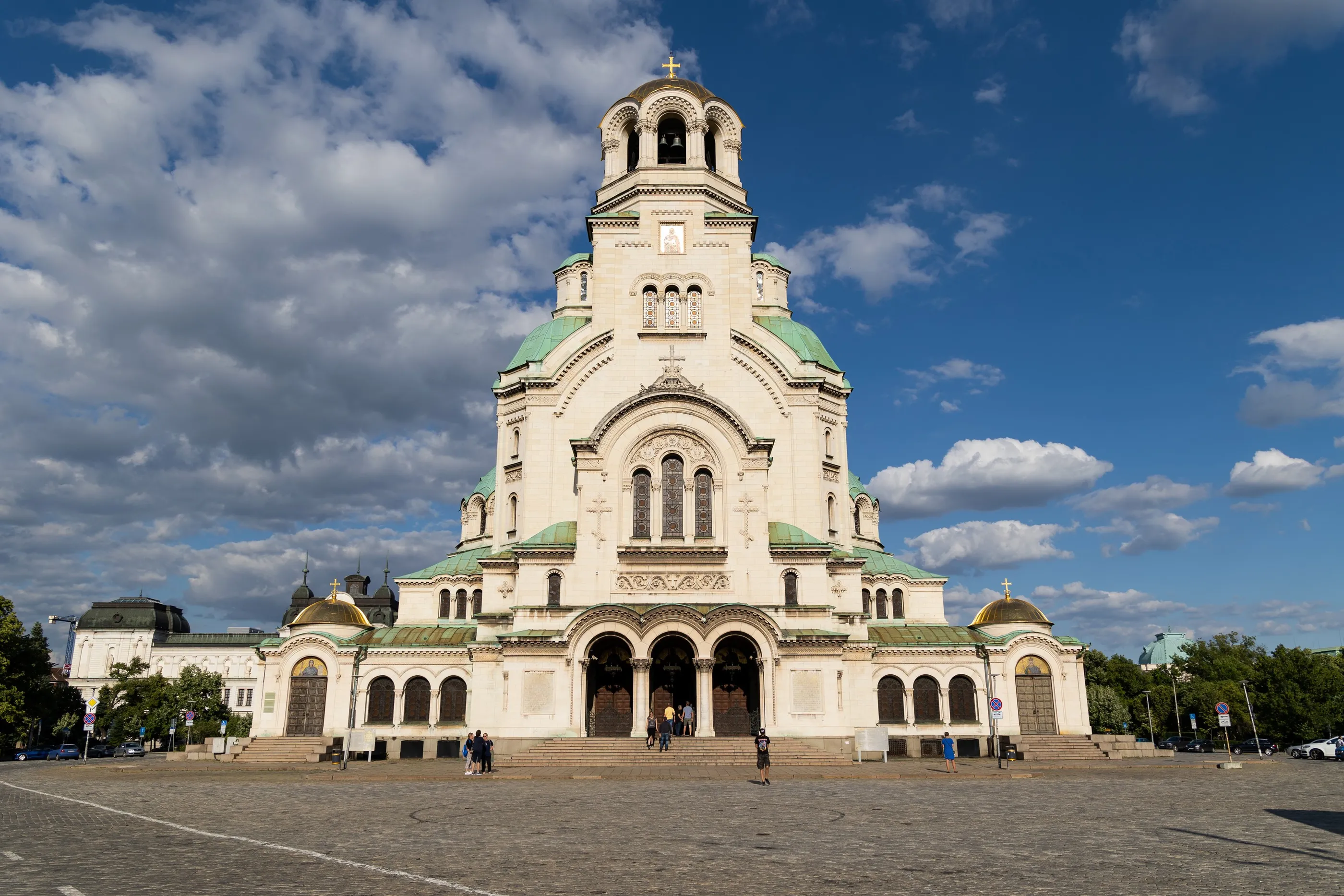
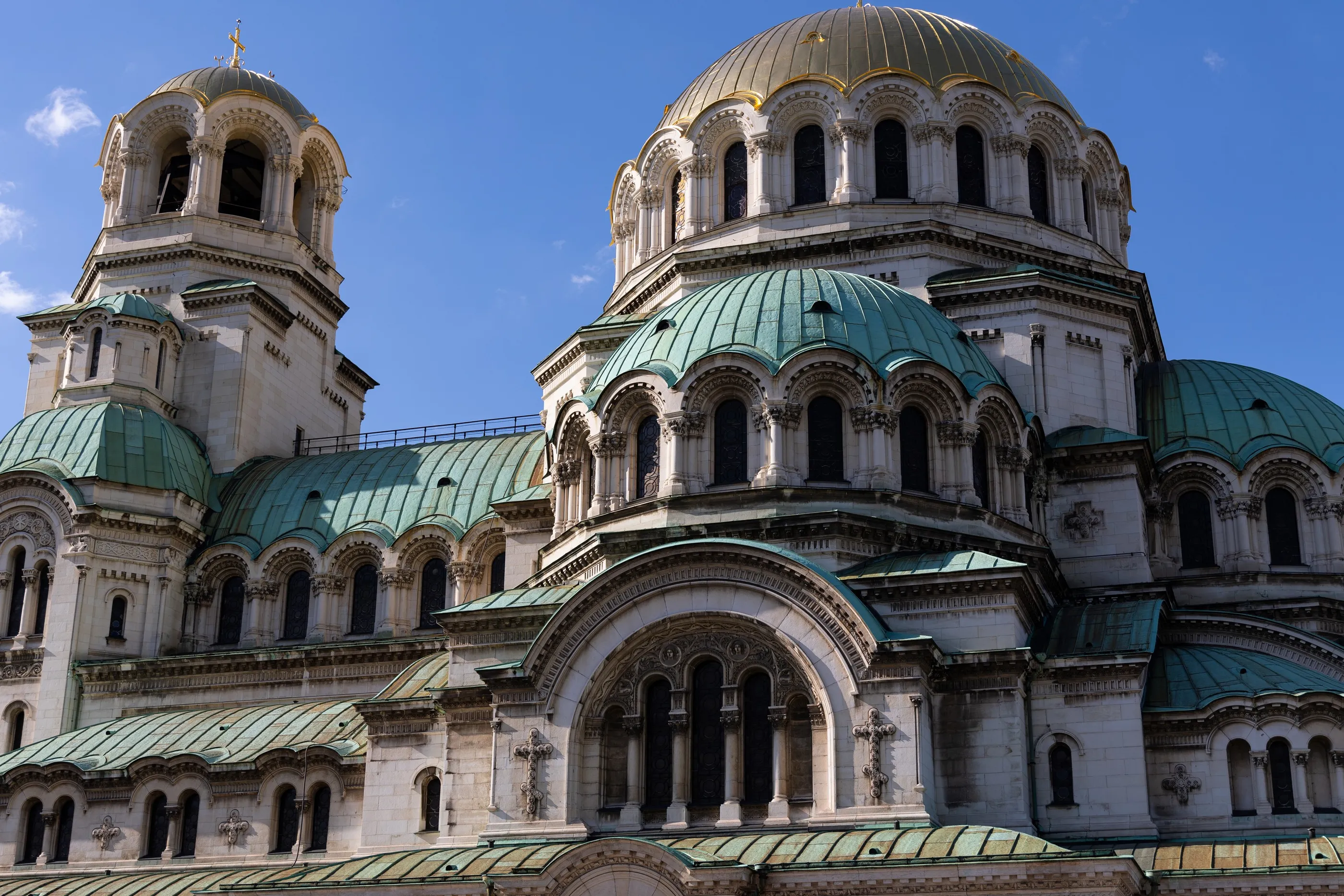
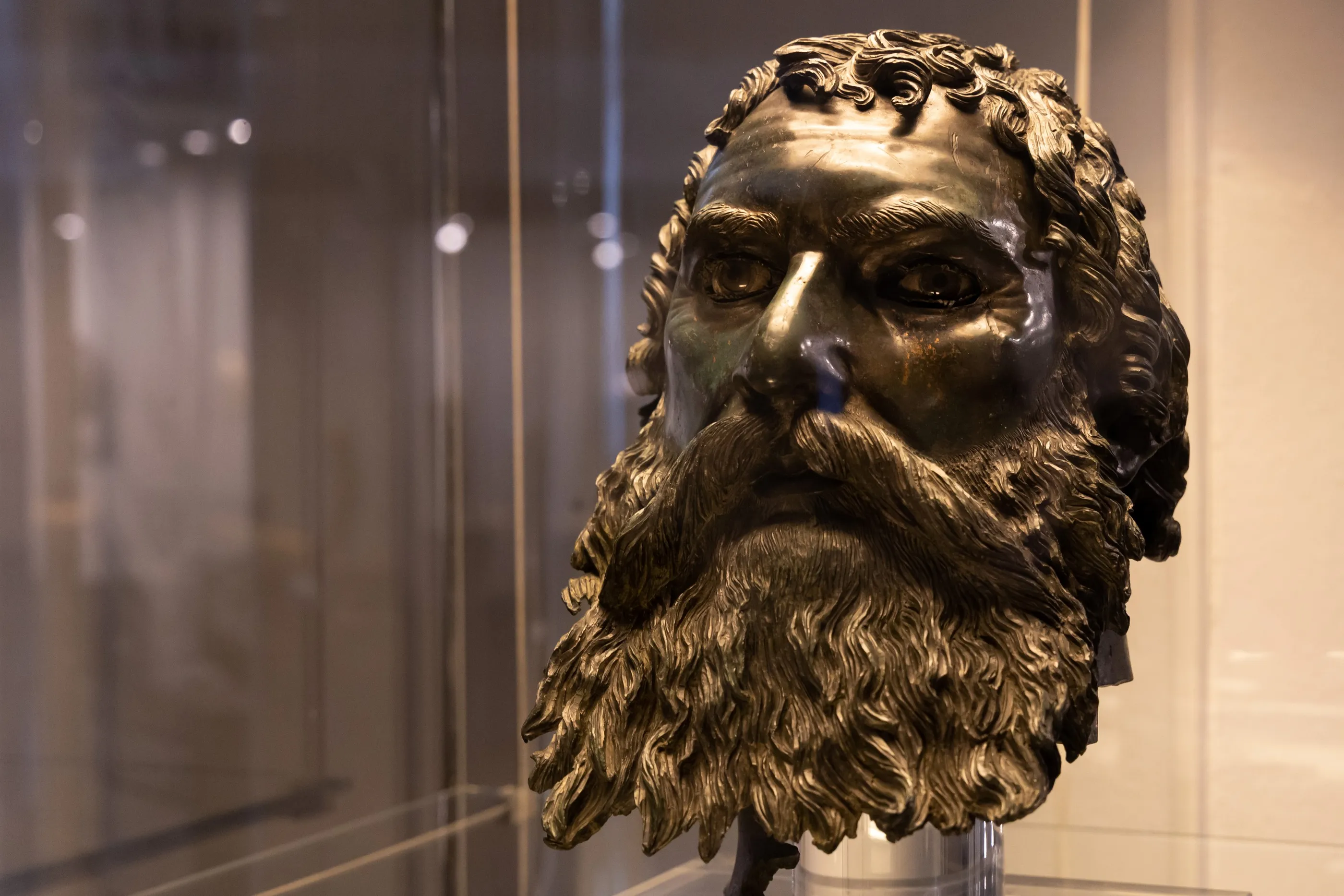
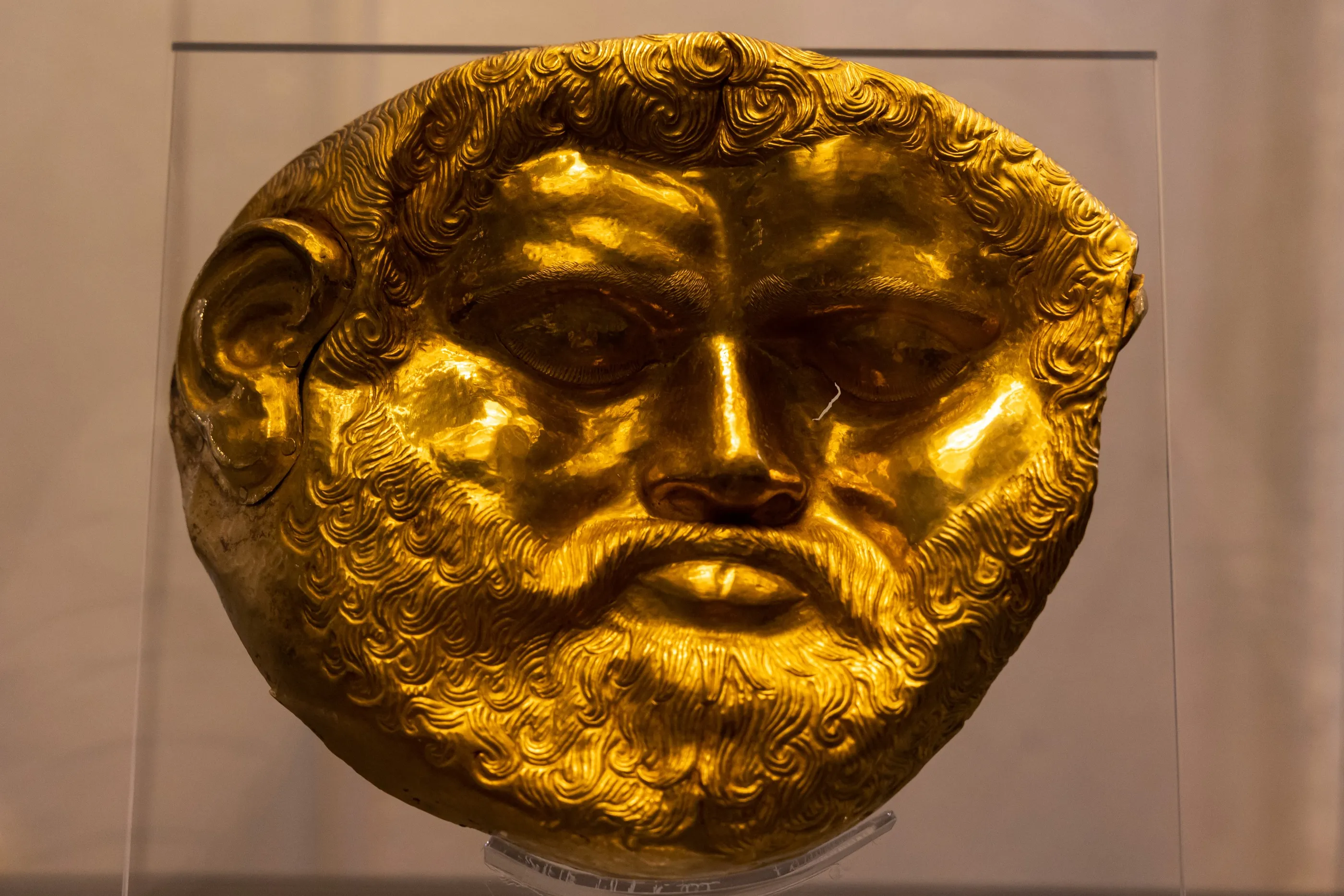
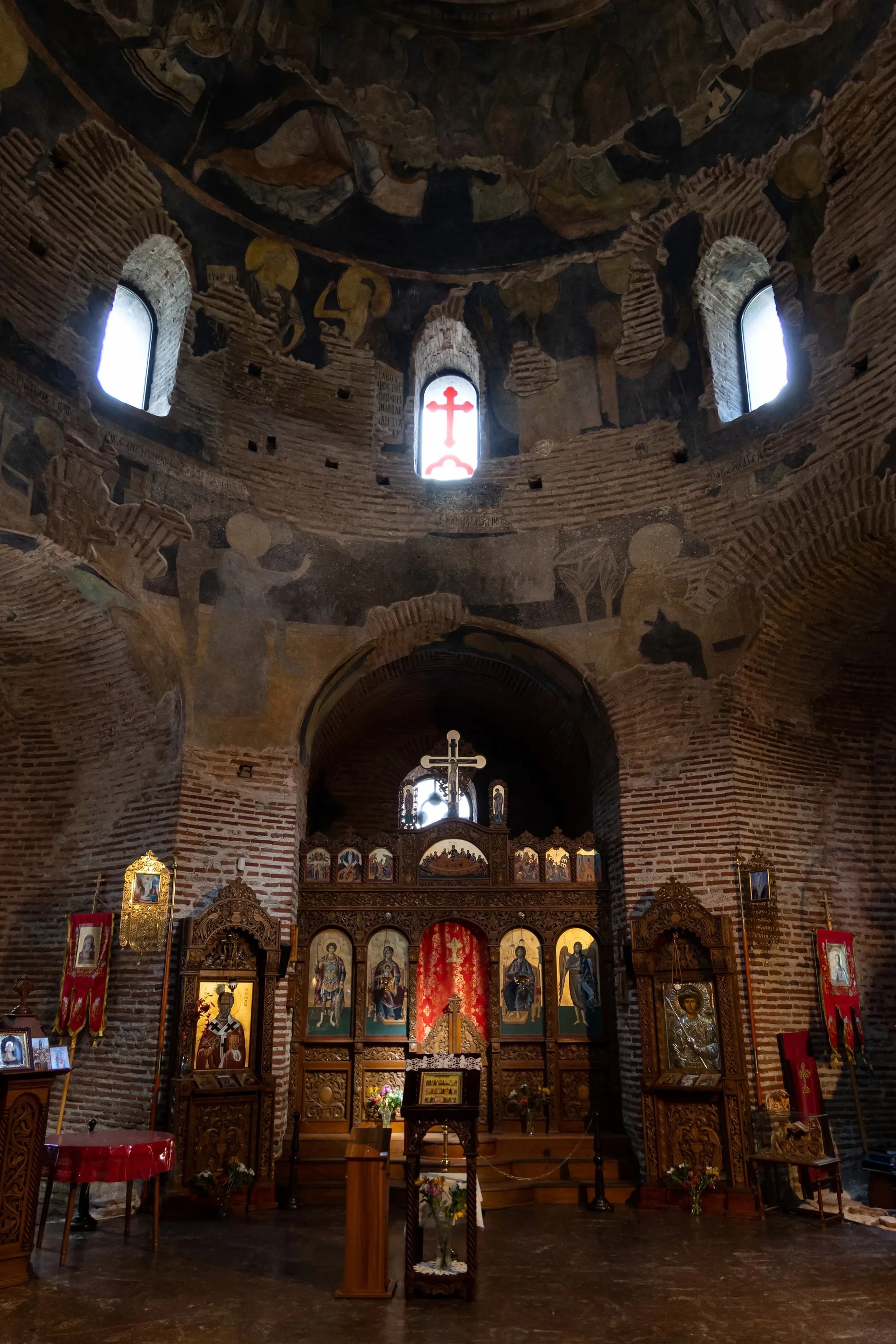
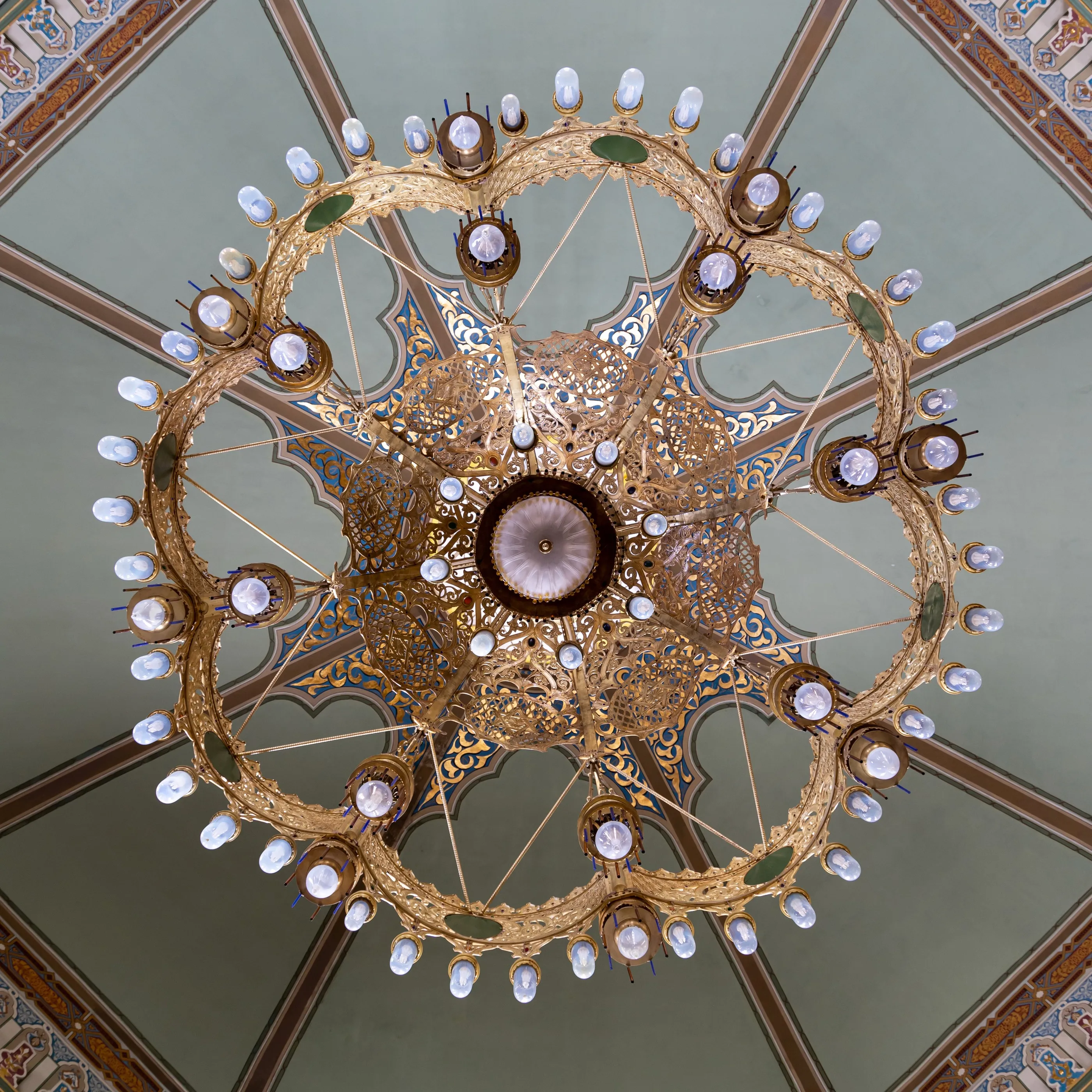
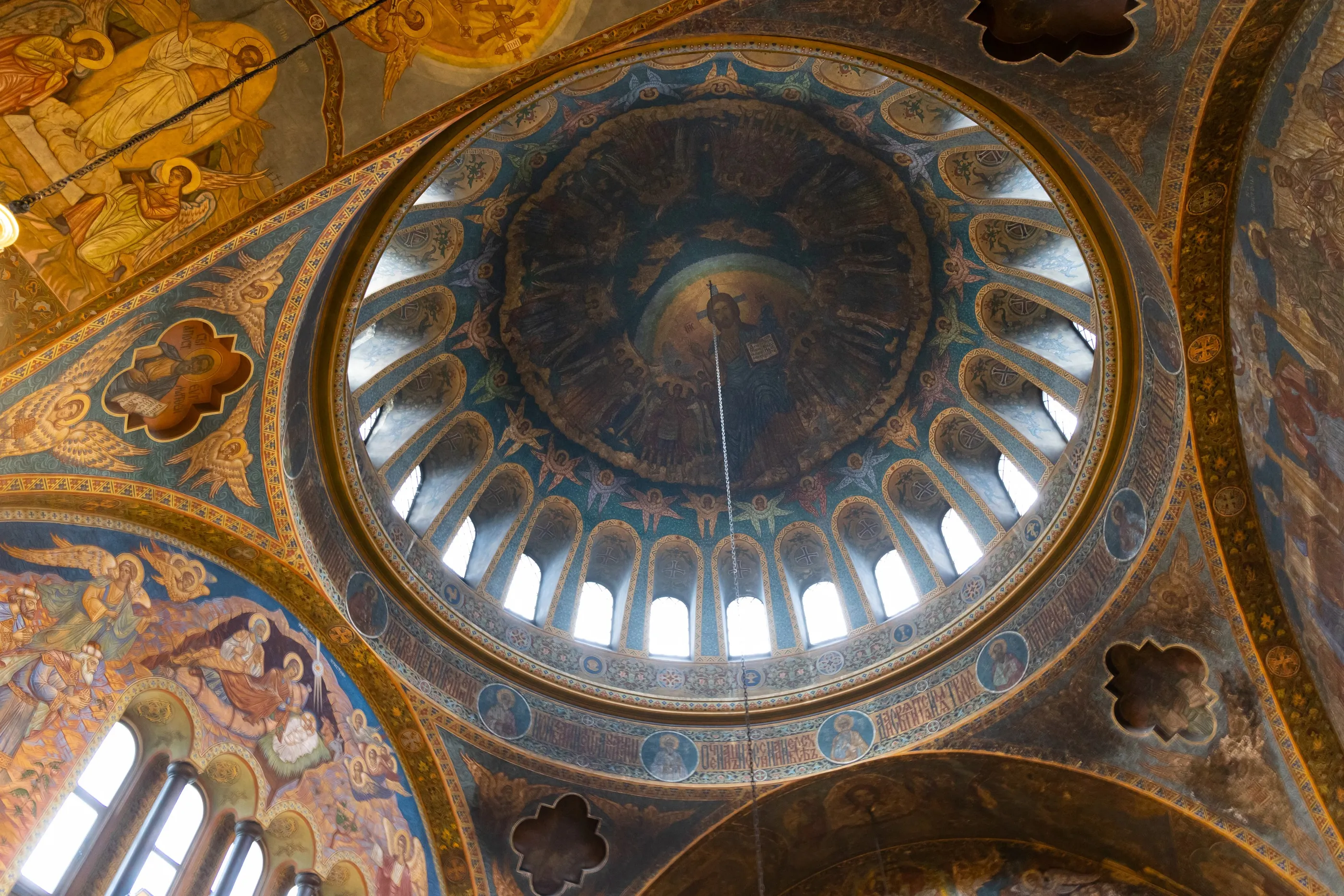
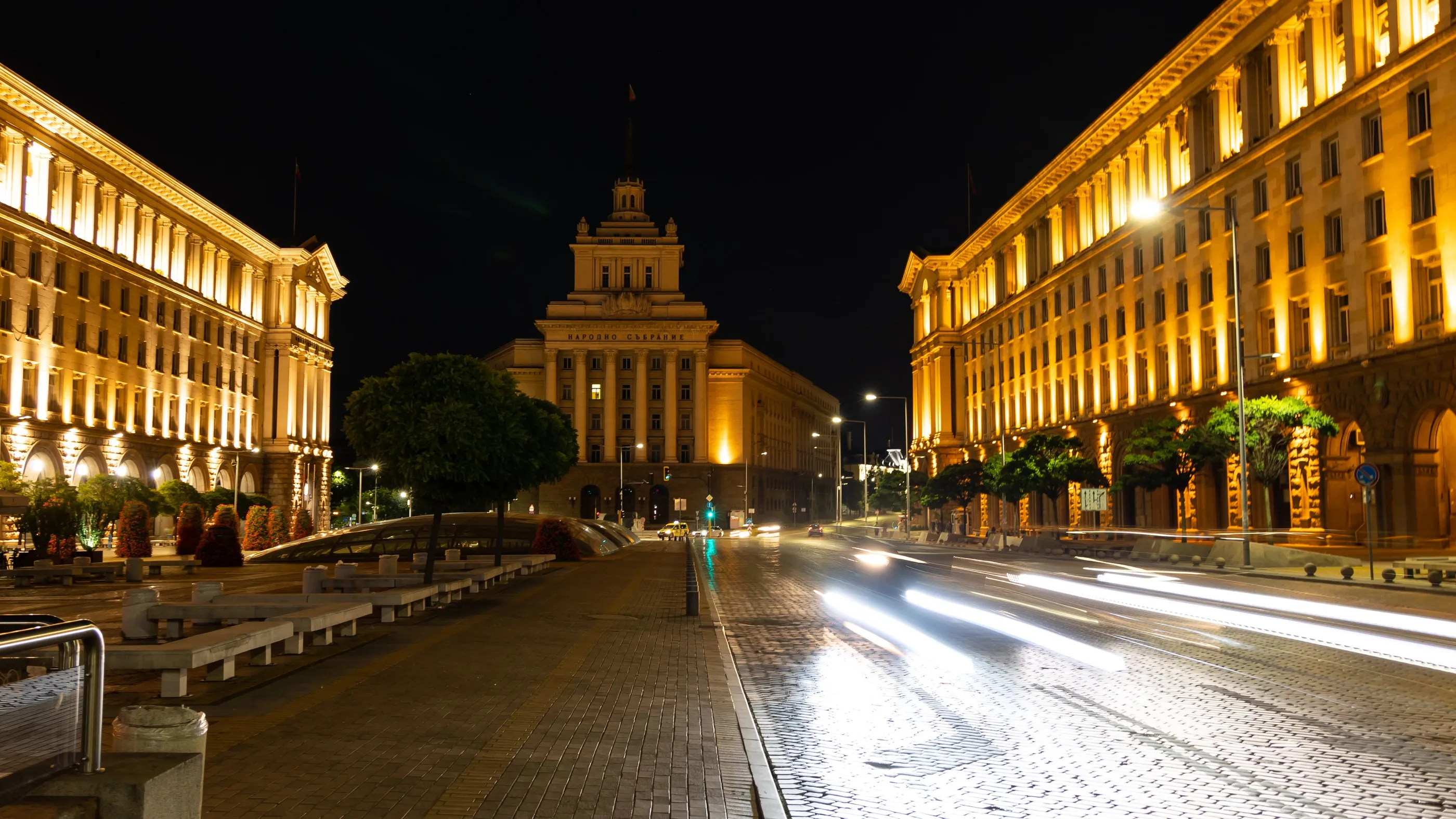
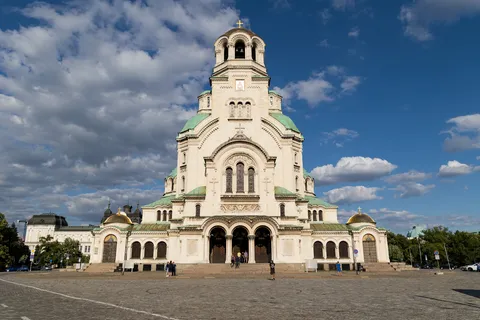
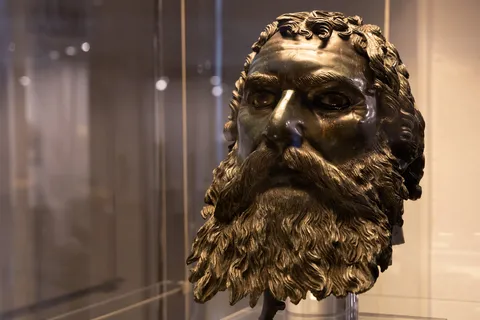
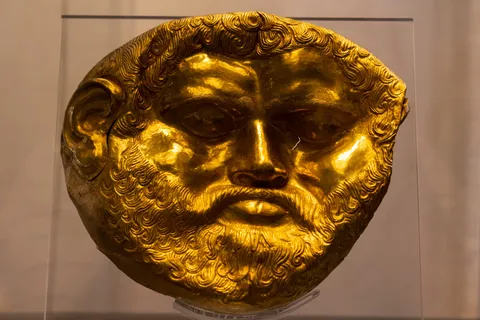
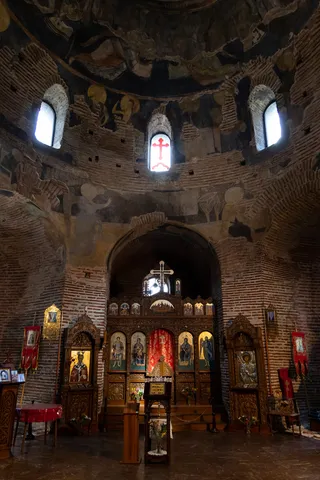
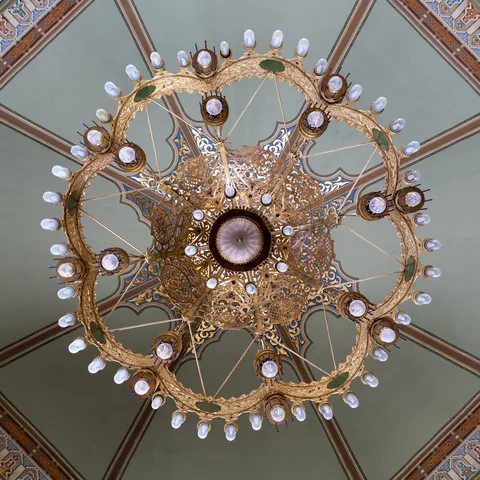
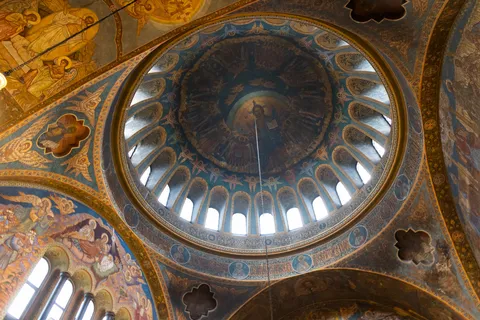
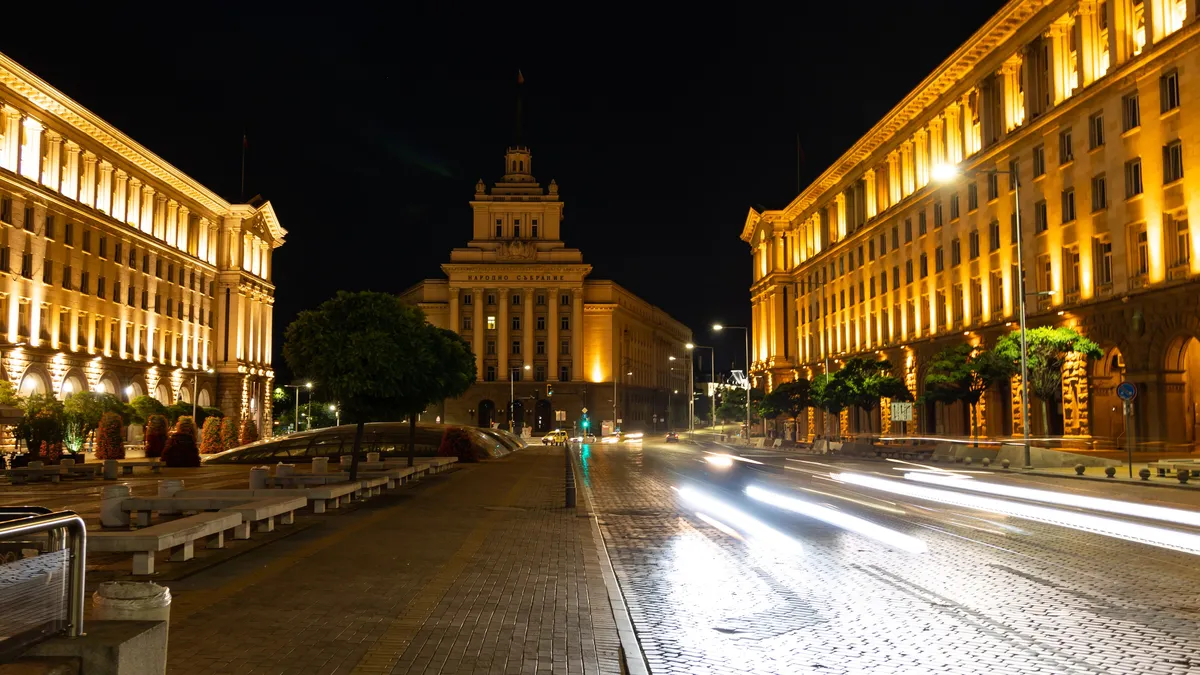
Sofia, in the shadow of the golden domes of the Alexander Nevsky Cathedral. In the Archaeological Museum, the treasure of the Thracians: the bronze head of King Seuthes III, a gold mask with closed eyelids. The city layers its eras, from the Rotunda of St George and its medieval frescoes to the synagogue and its giant chandelier, and on to the former Party House, lit up at night.

By train↗ 505 km
Istanbul
Turkey
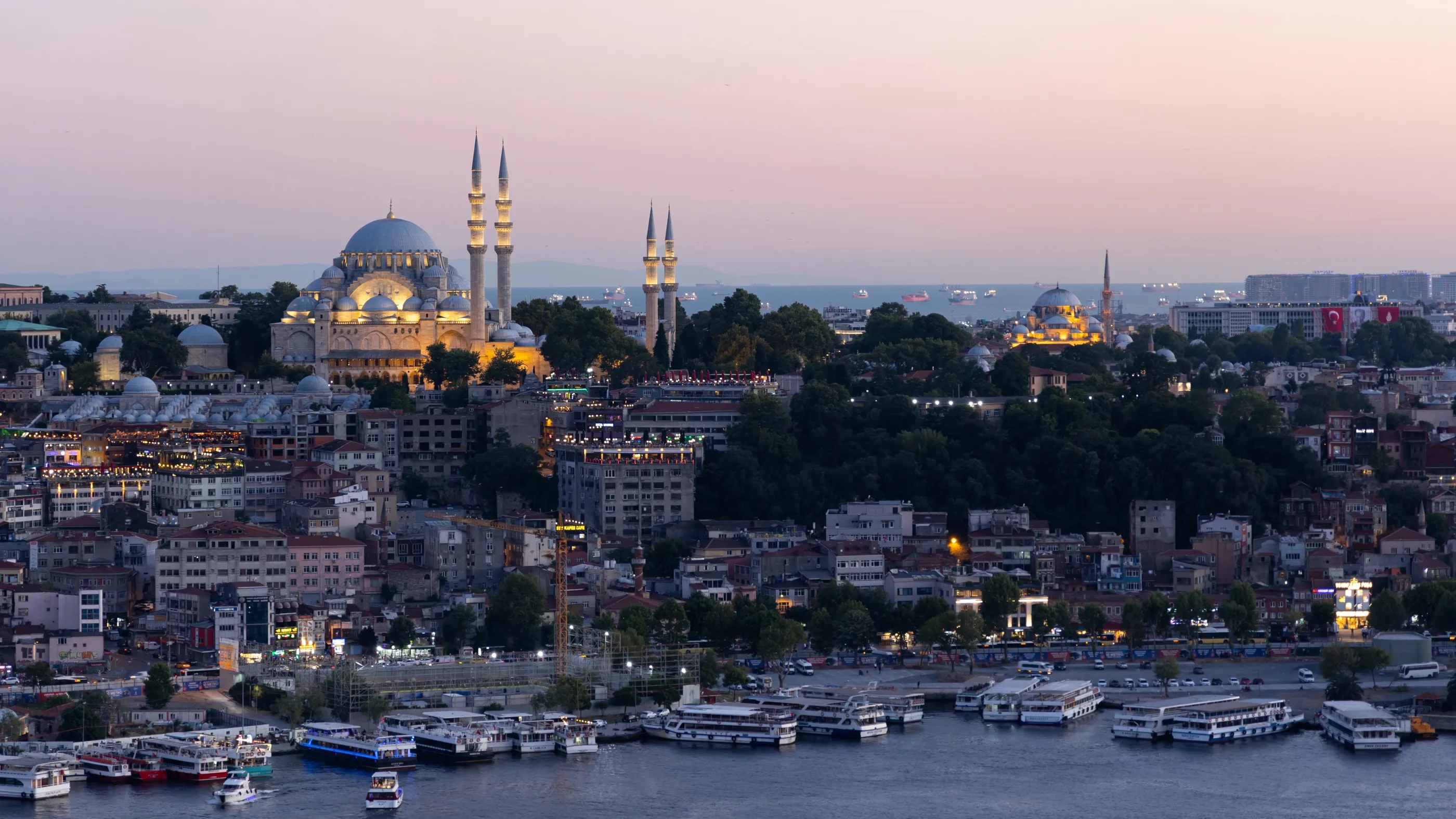
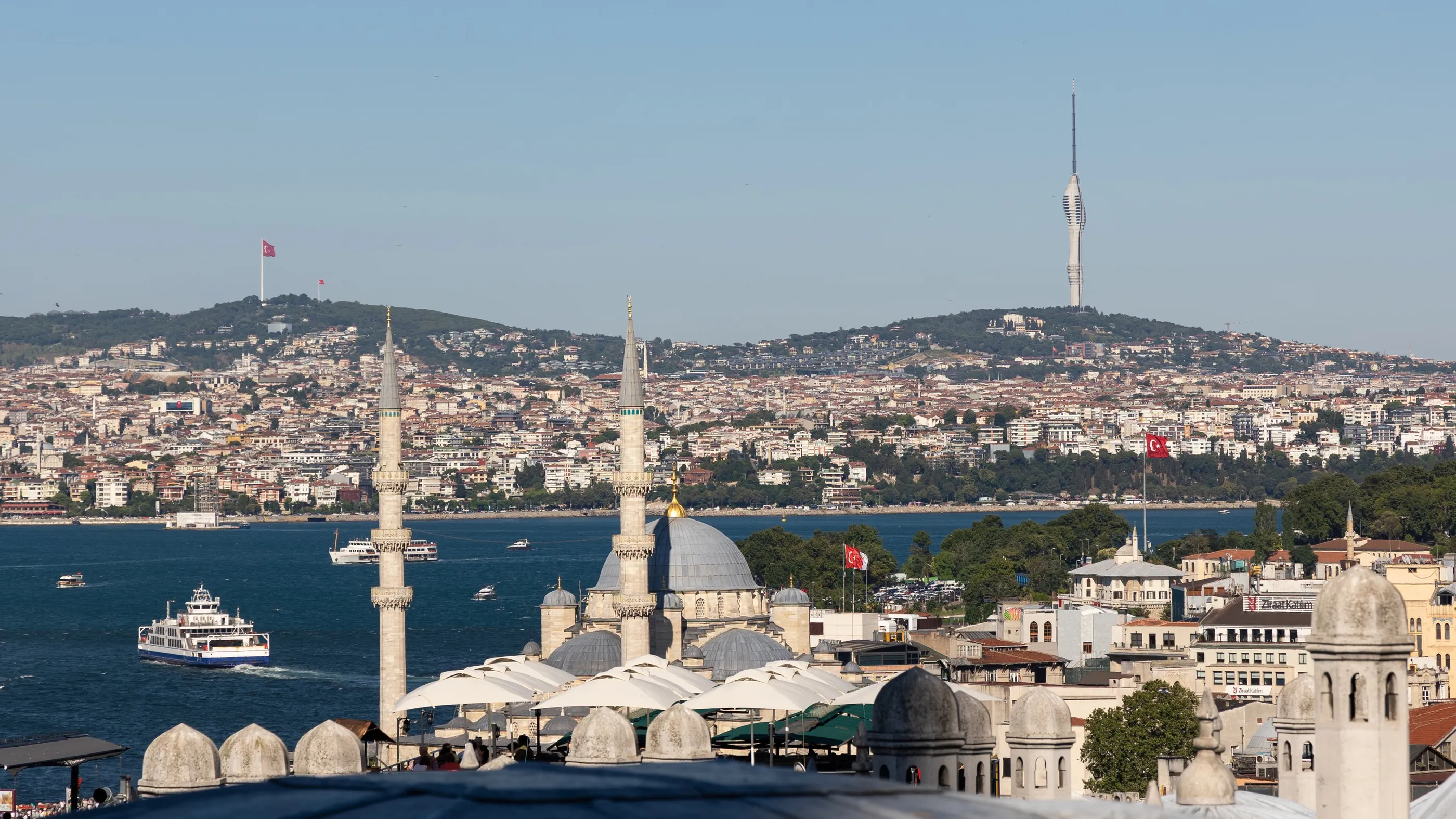
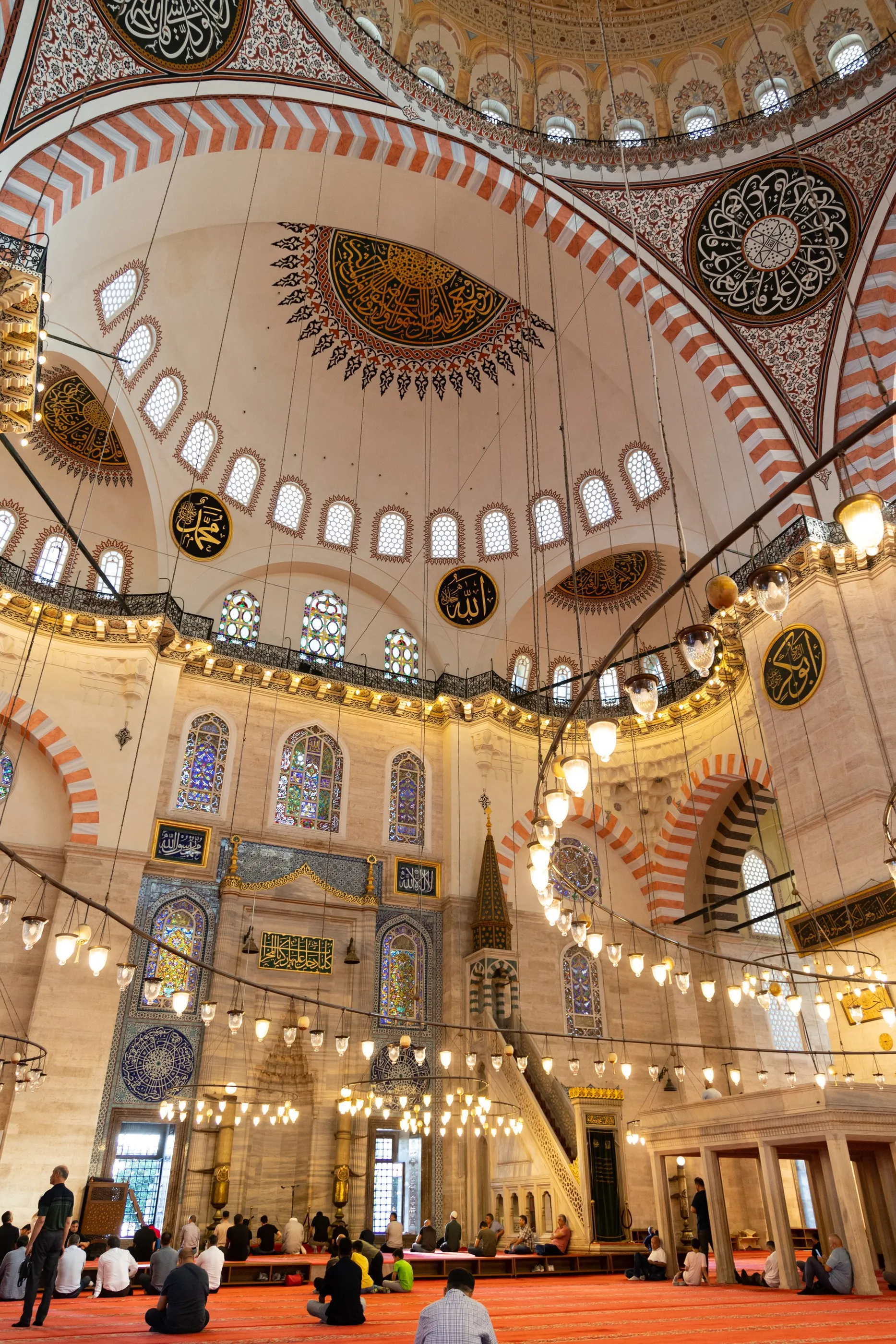
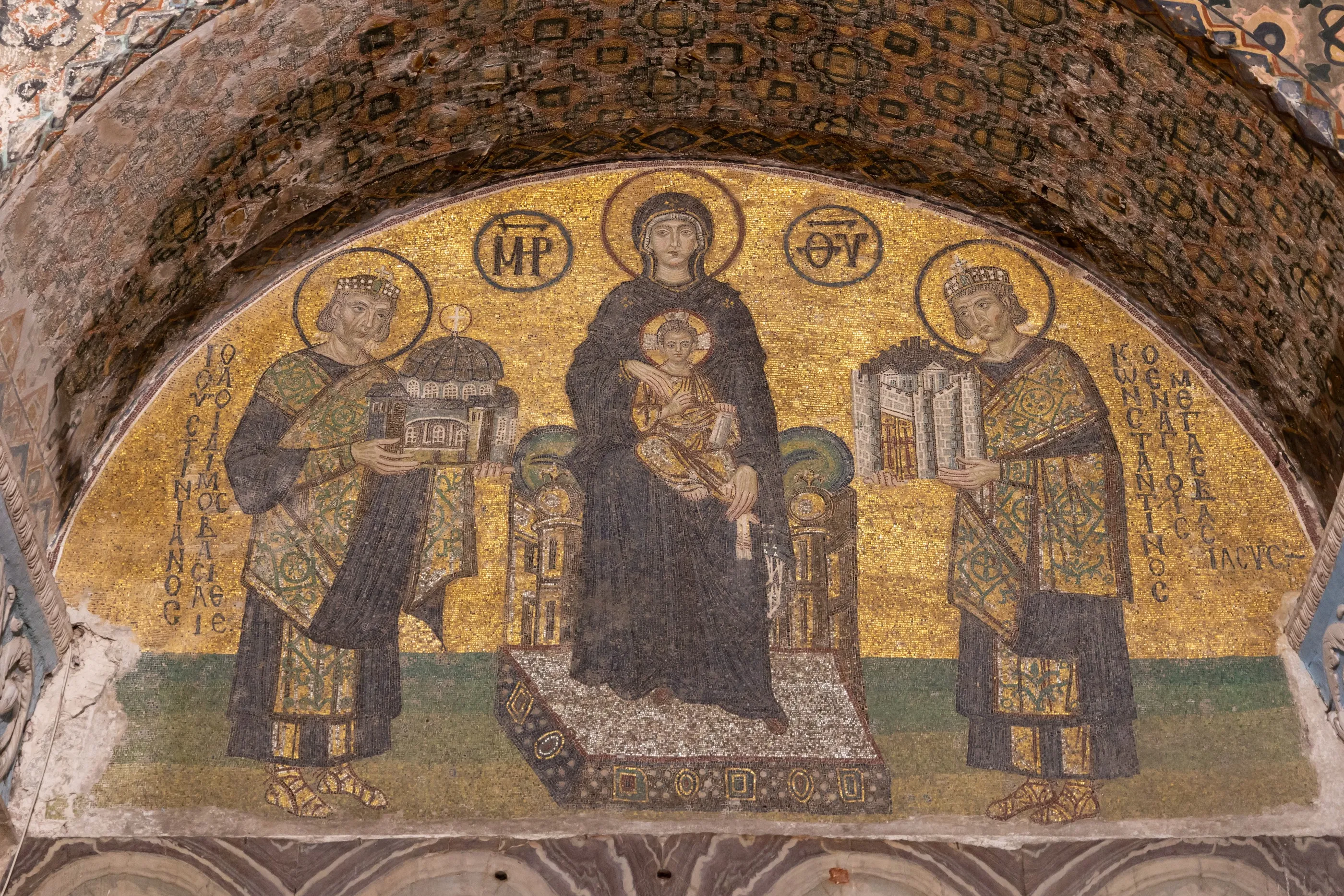
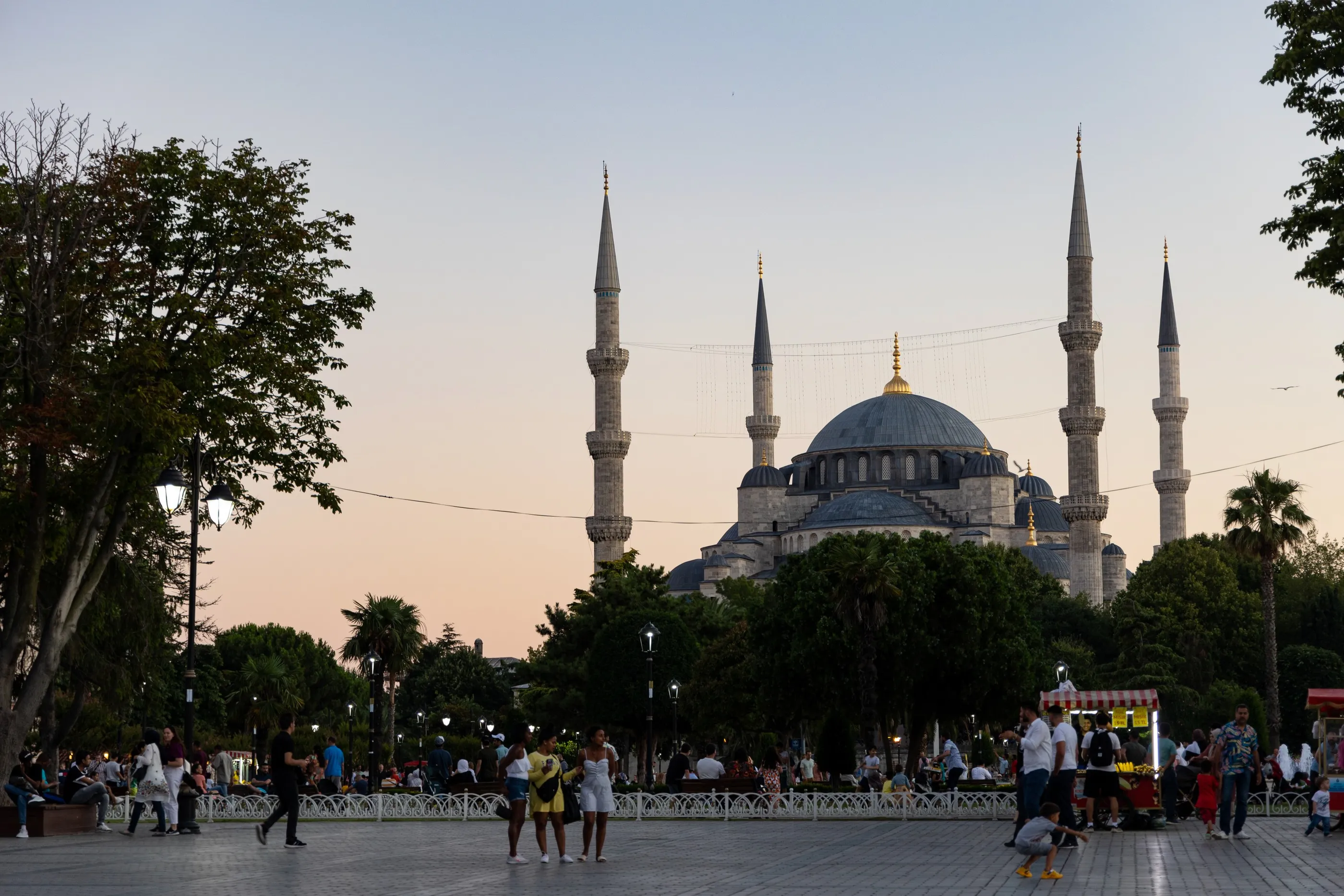
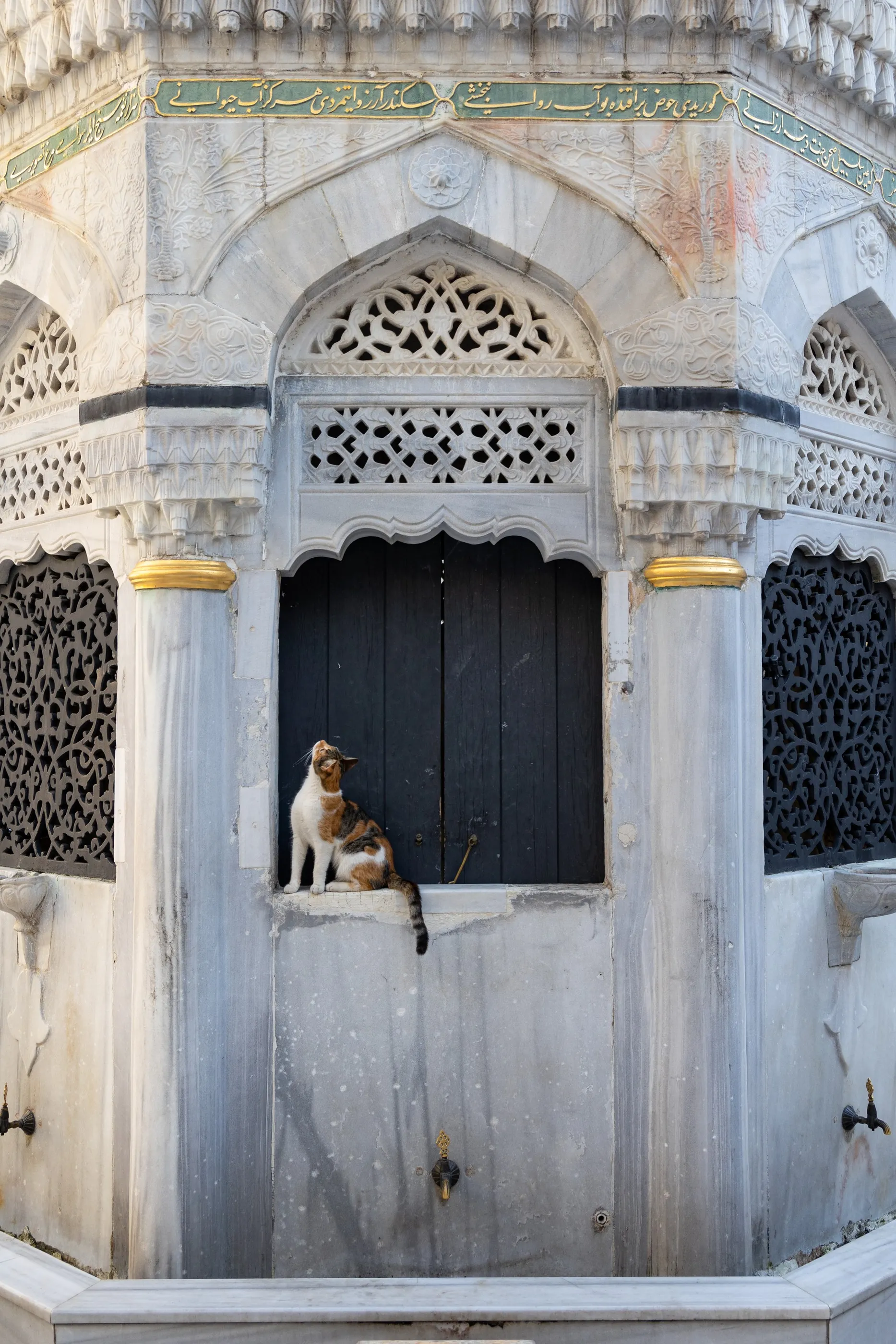
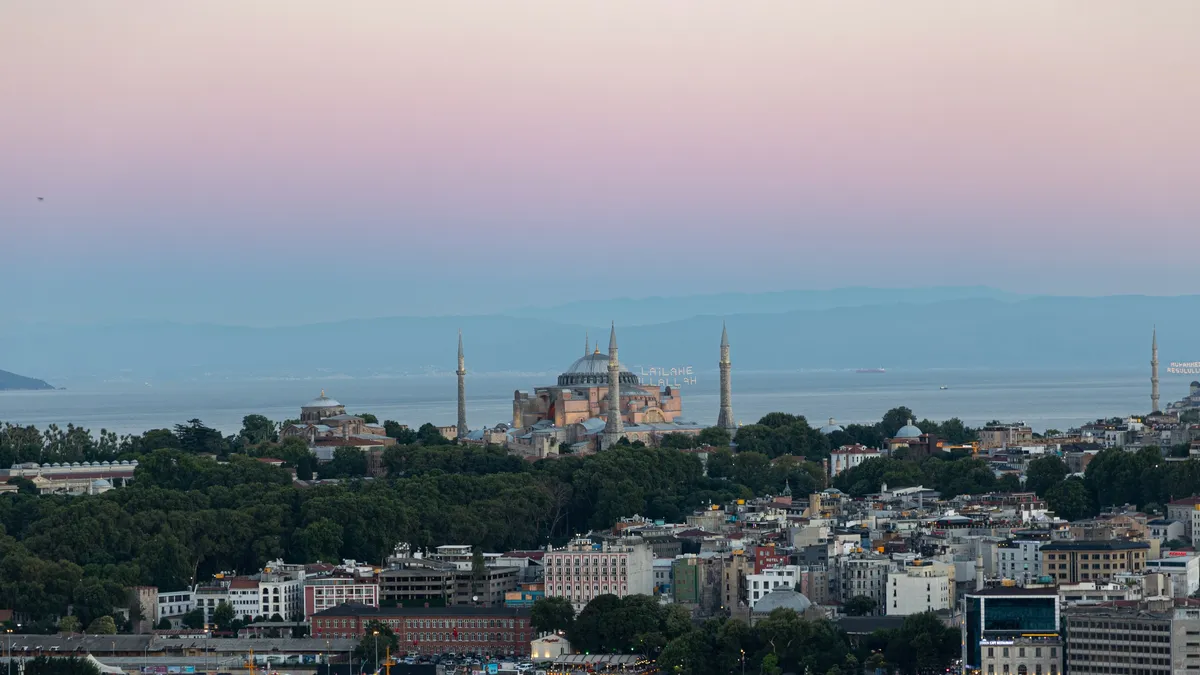
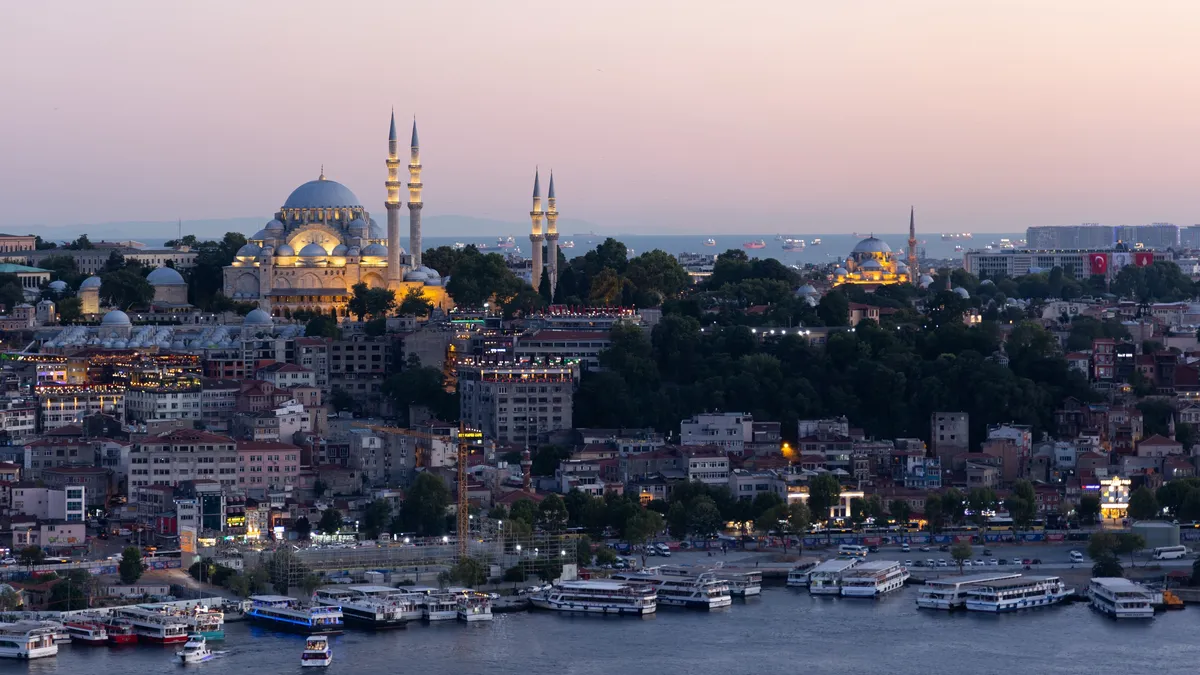
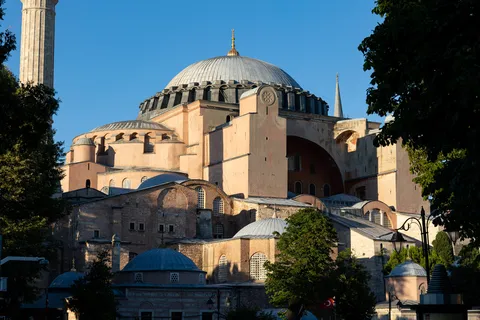
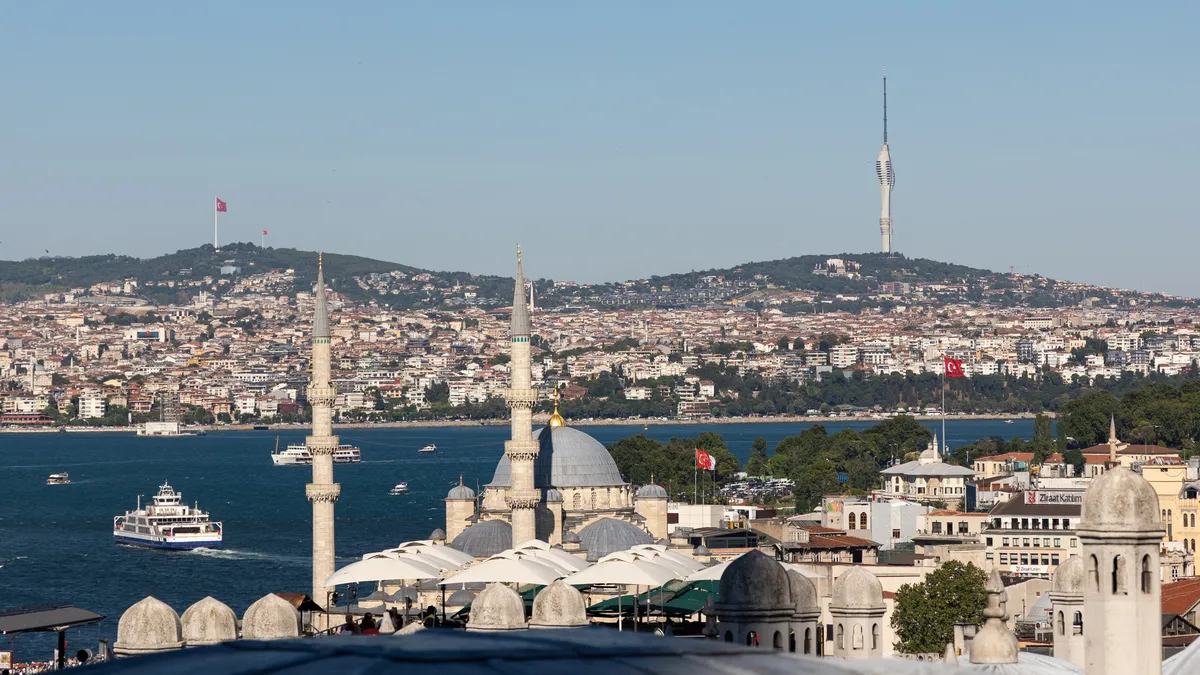
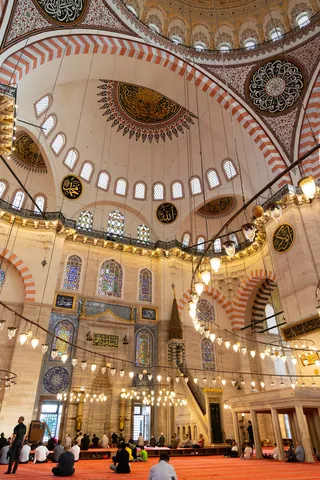
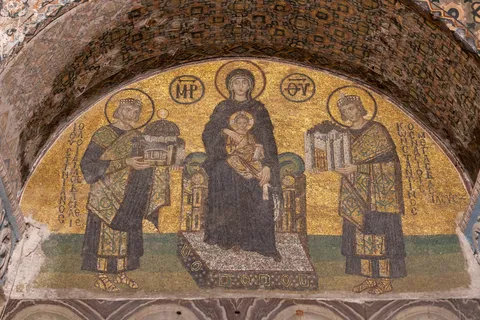
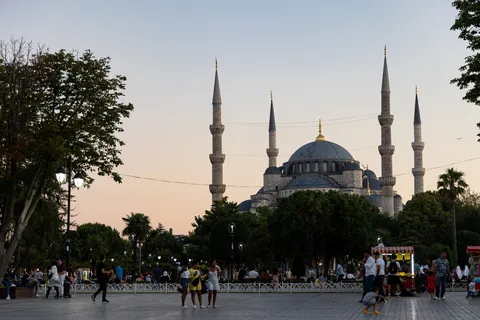
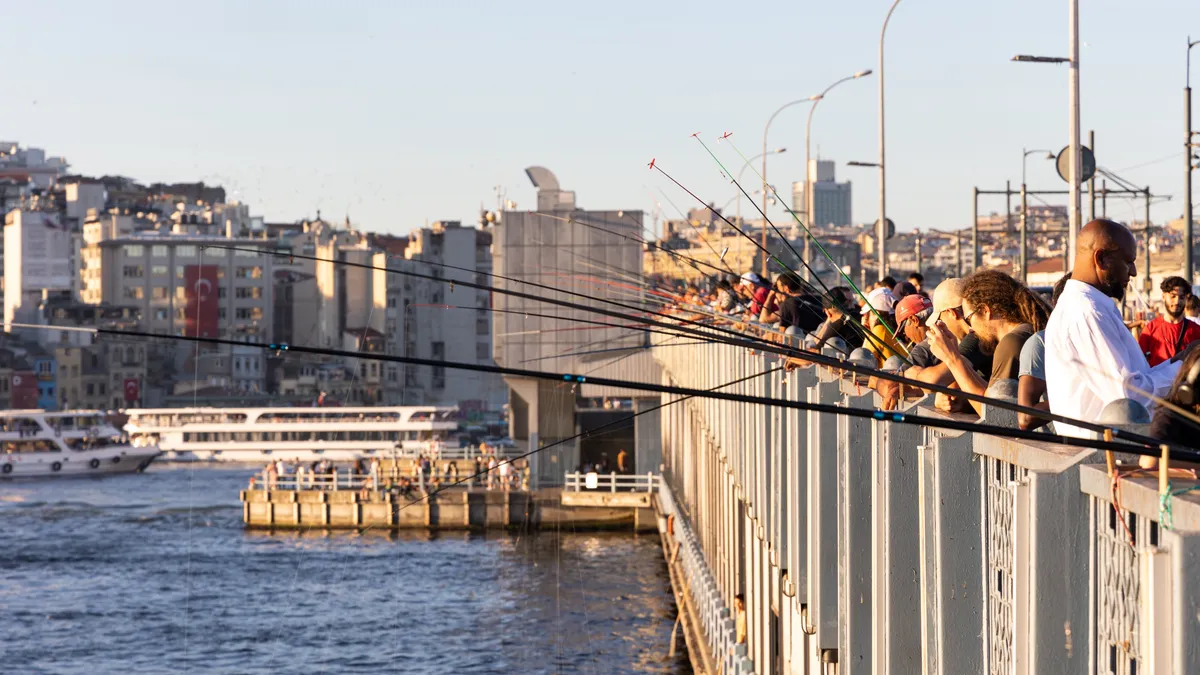
The train takes us from Sofia to Istanbul, the historic terminus of the Orient Express. From the Süleymaniye, the Golden Horn and Galata spread out at our feet; in Hagia Sophia, the Byzantine mosaics of Christ and the Virgin still keep watch beneath the immense dome. At dusk, Istanbul unfolds its domes and minarets above the water, and from the bazaars to the fishermen on the Galata Bridge, the city overflows with life.
On foot
Istanbul, from Palaces to Cisterns
Turkey
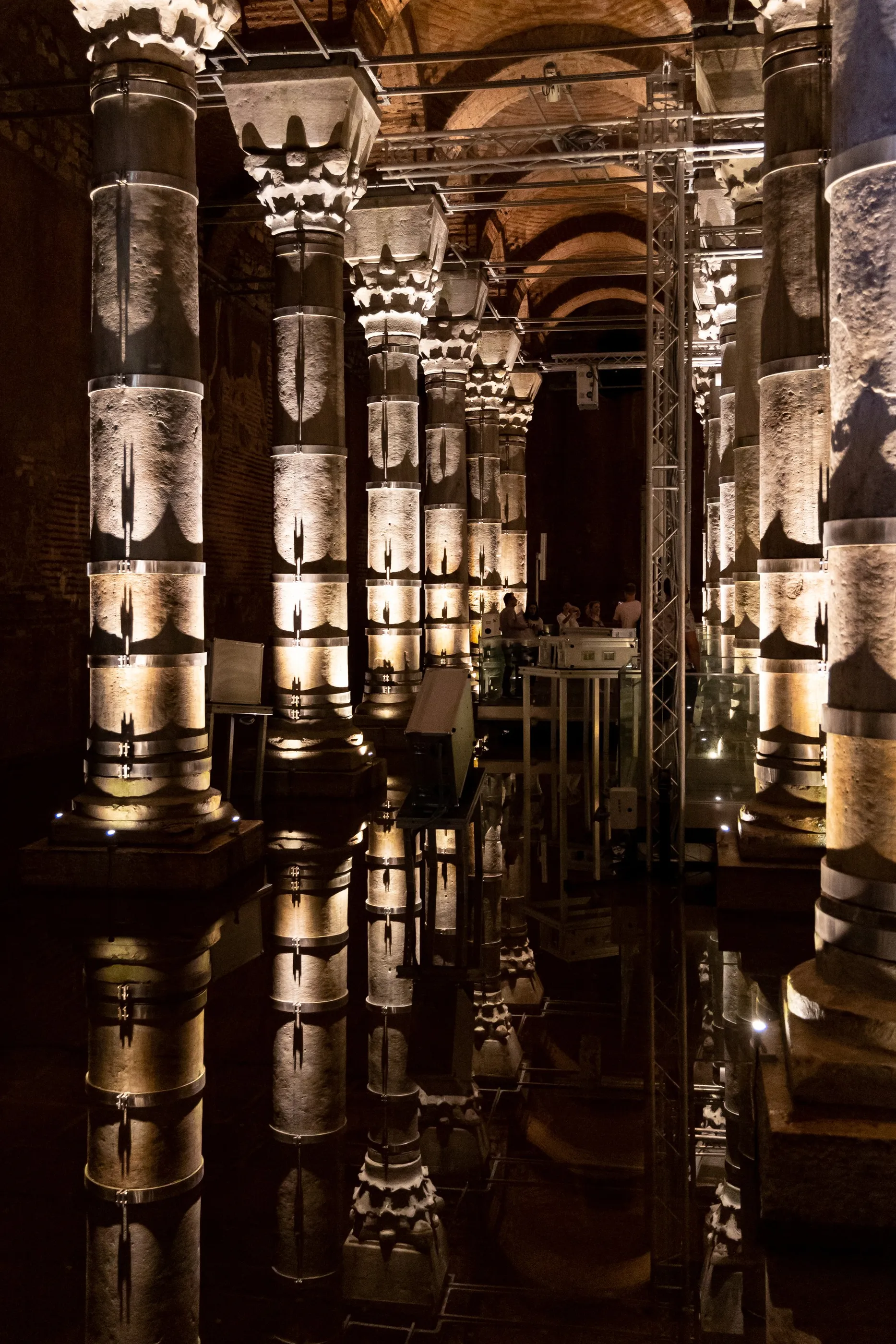
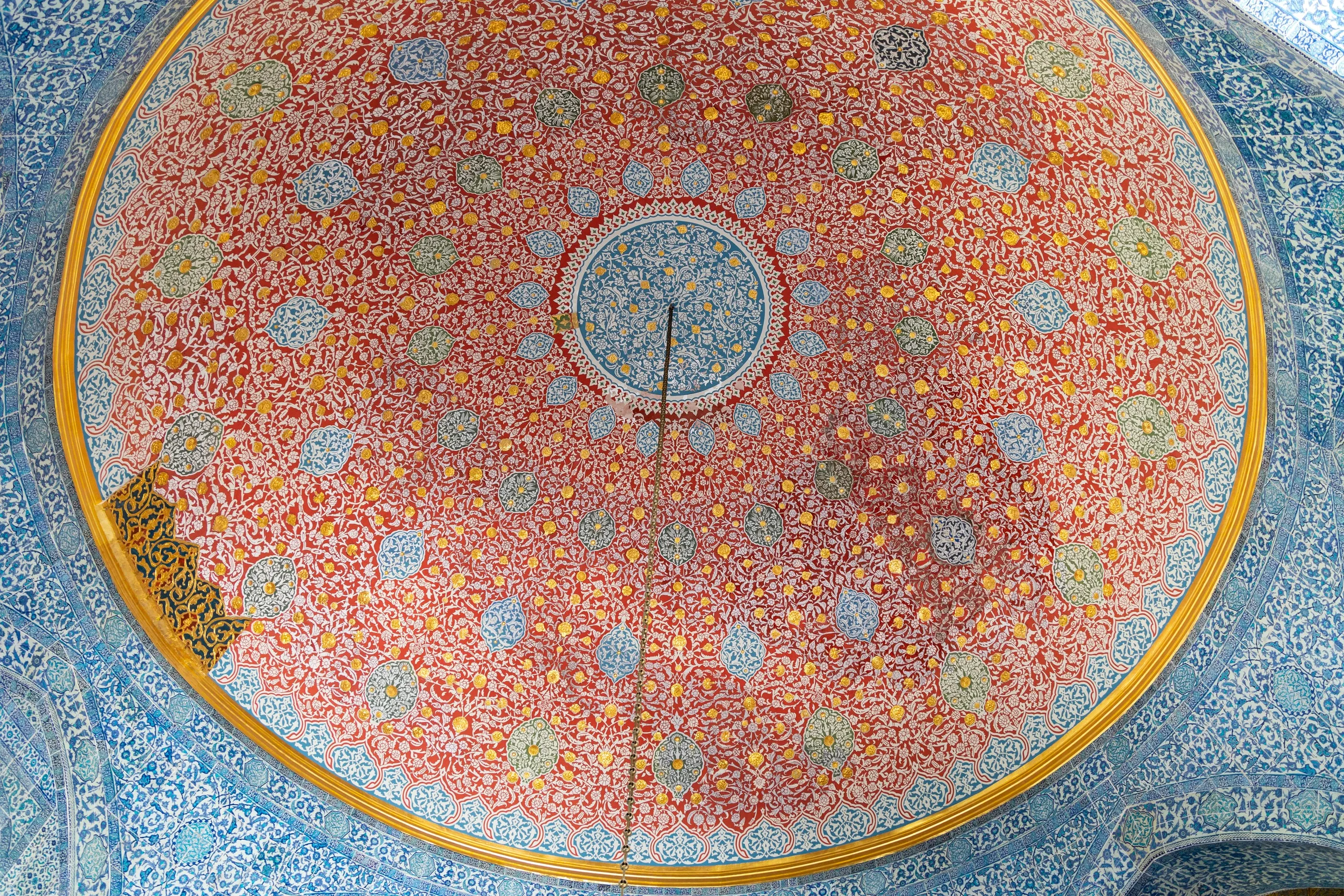
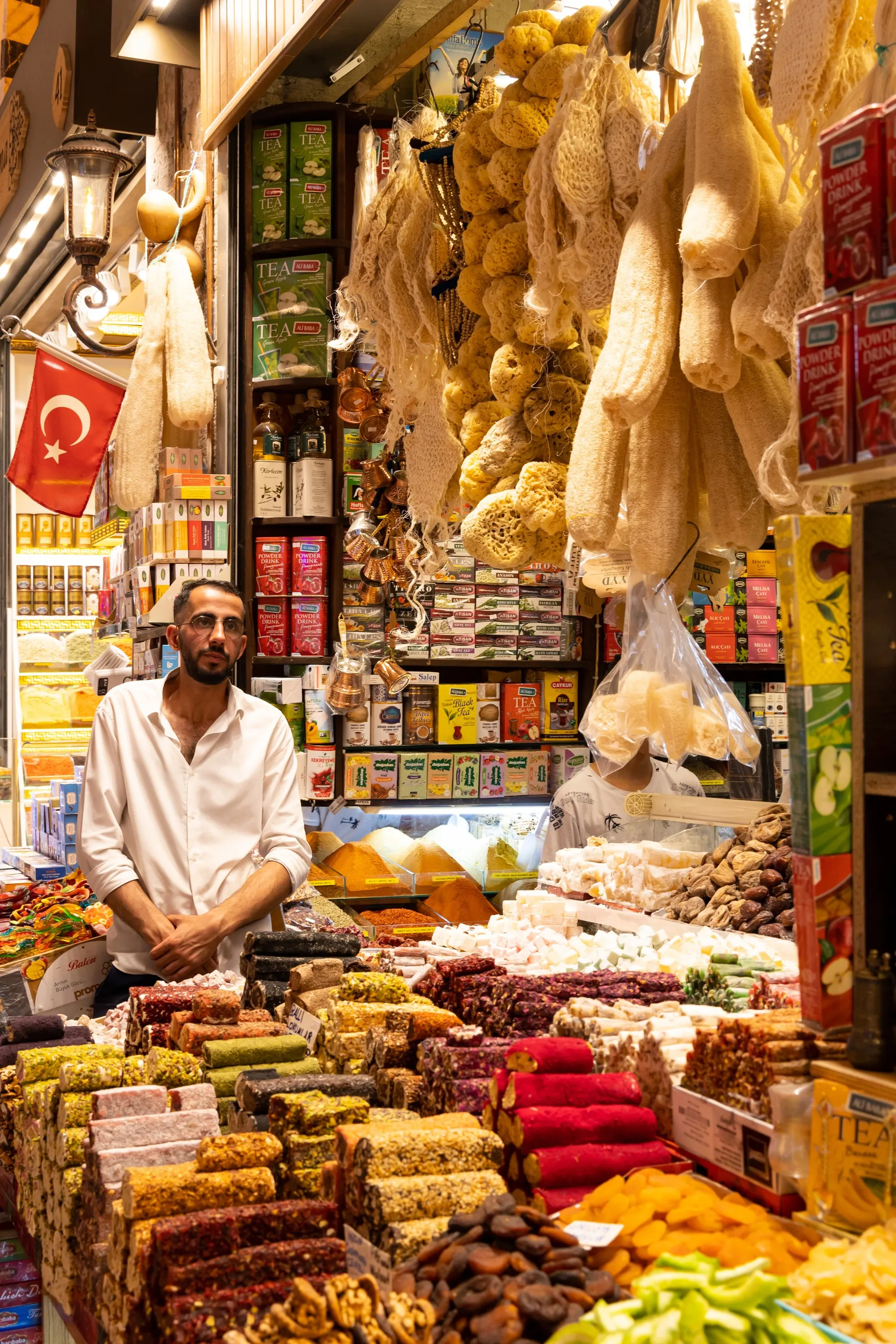
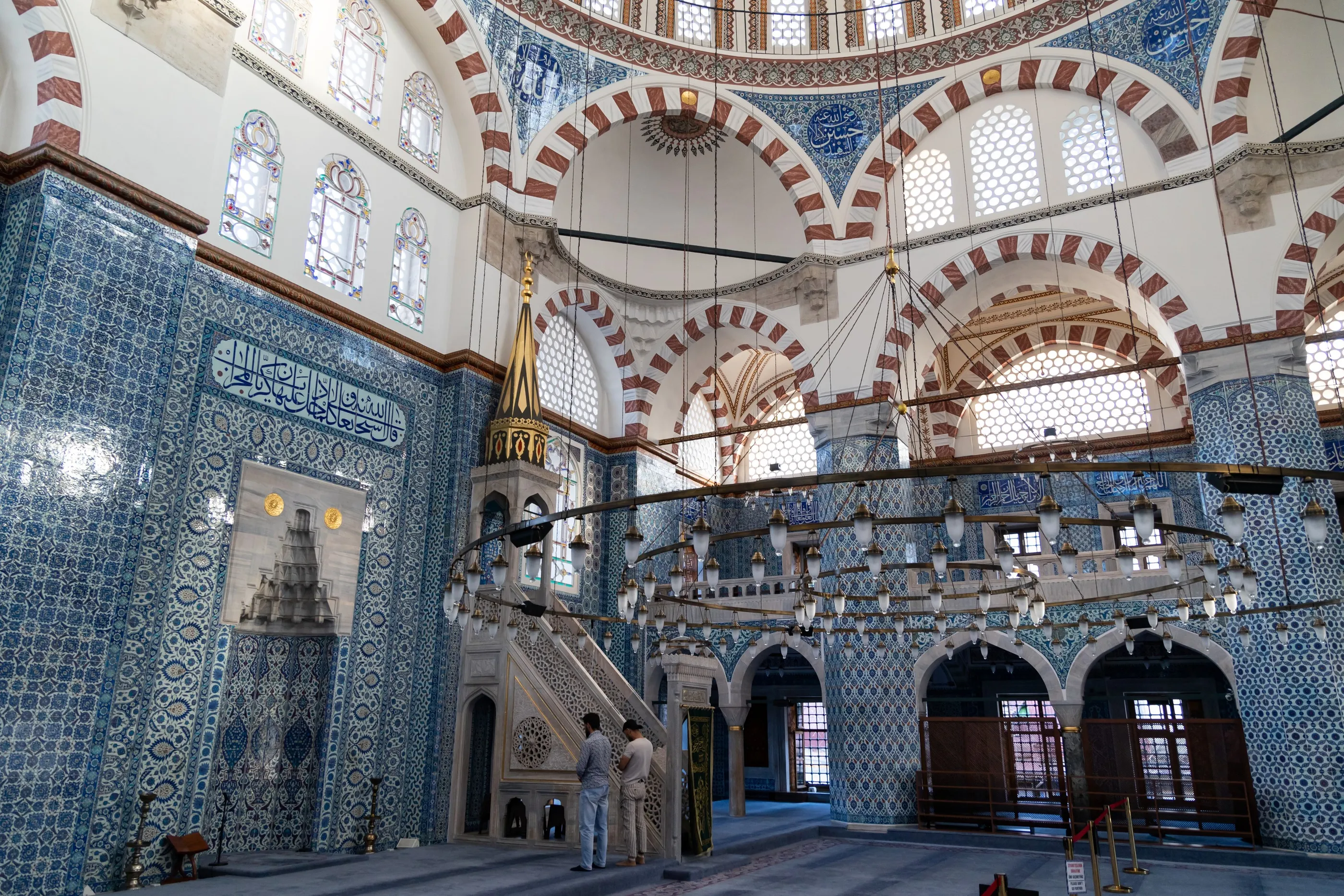
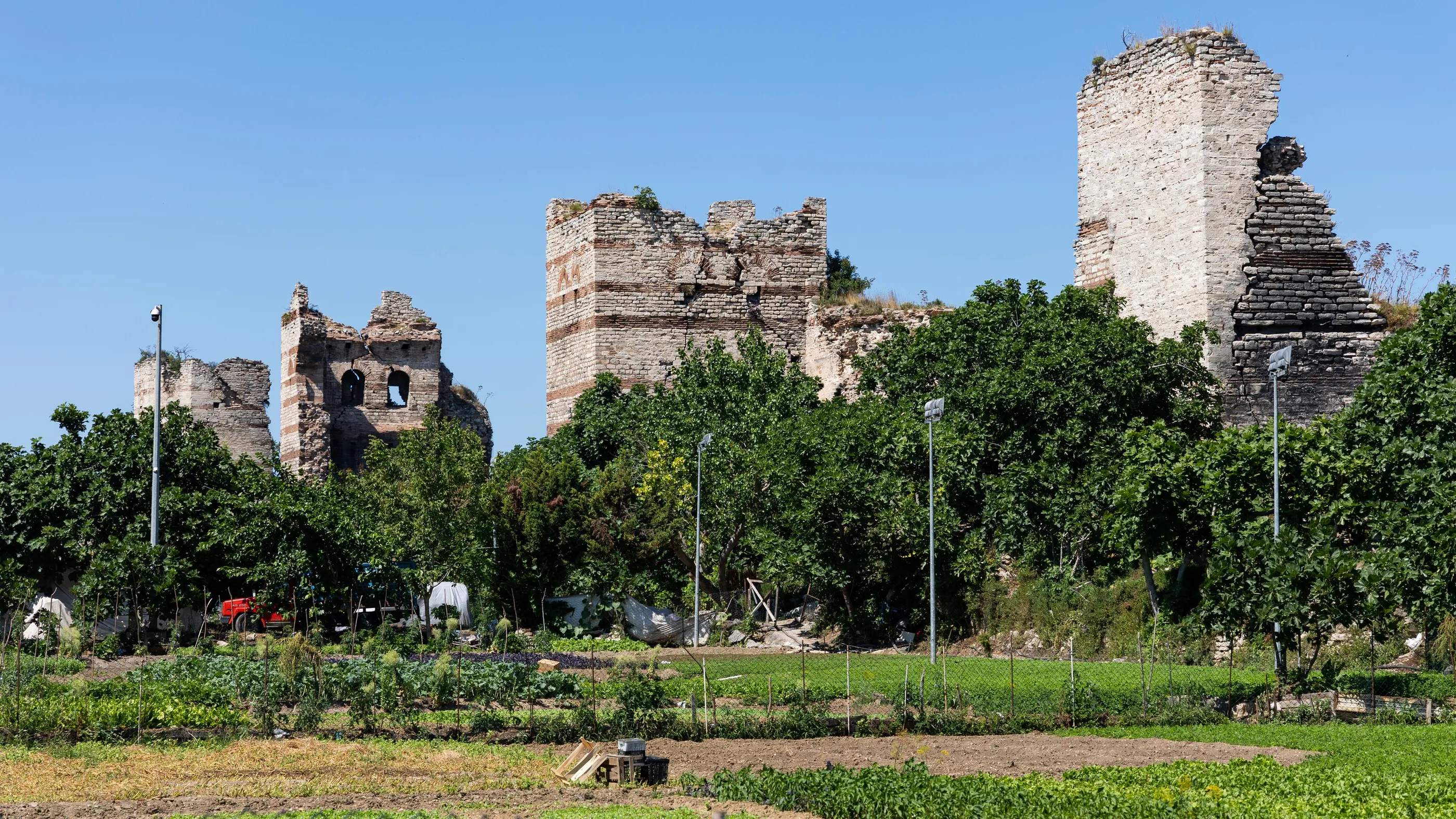
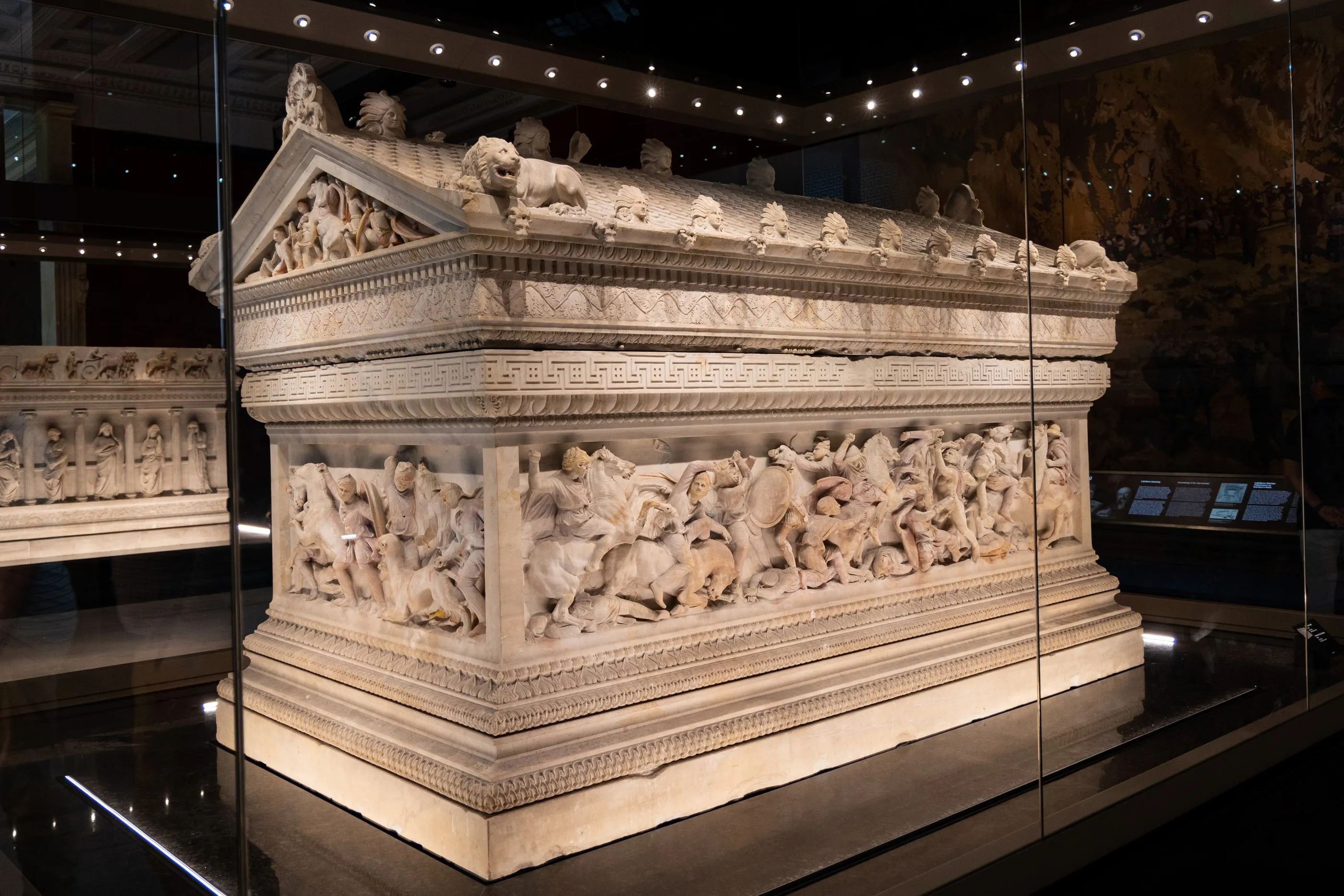
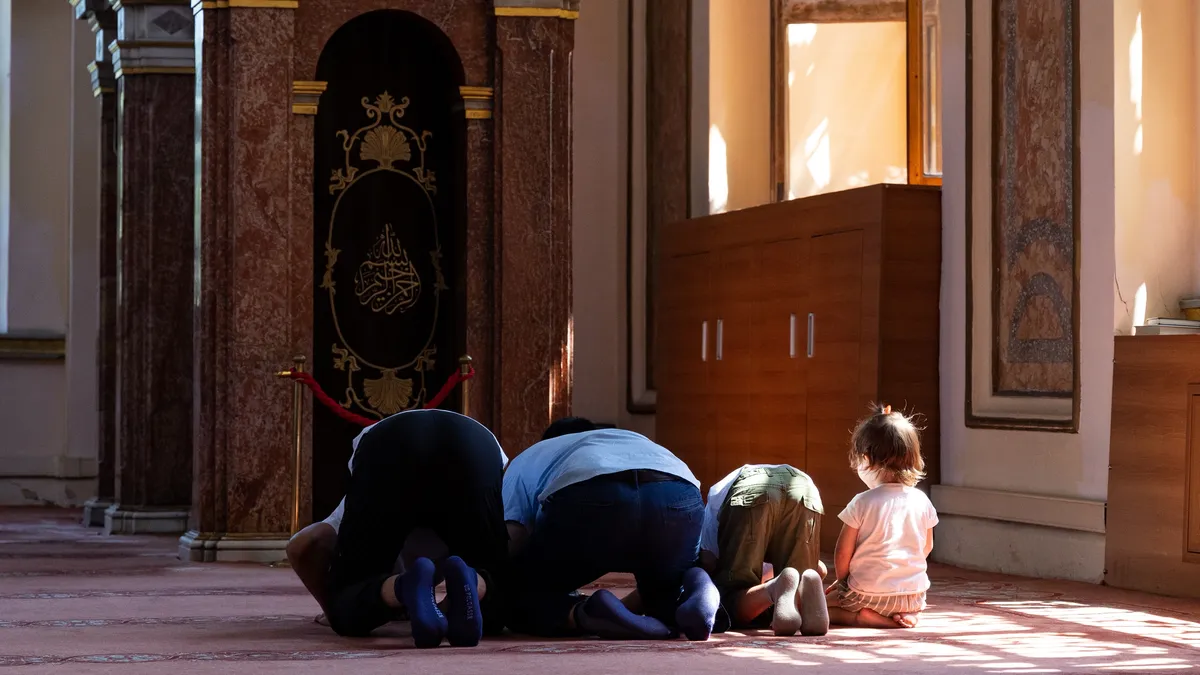
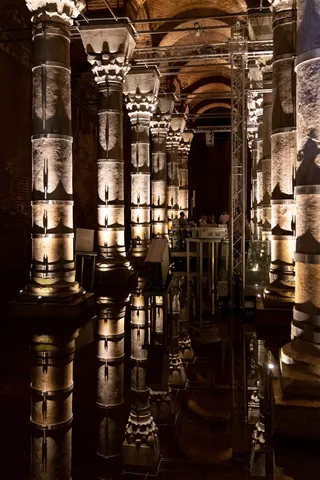
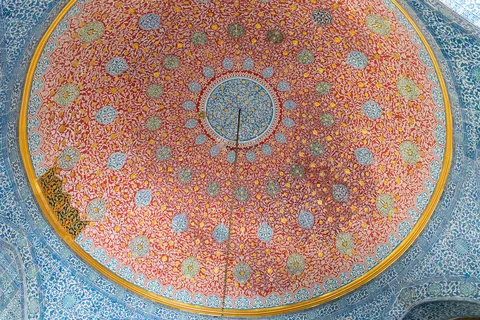
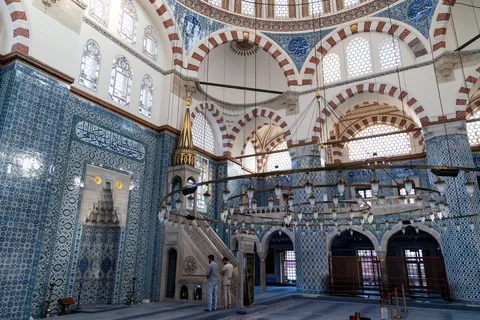
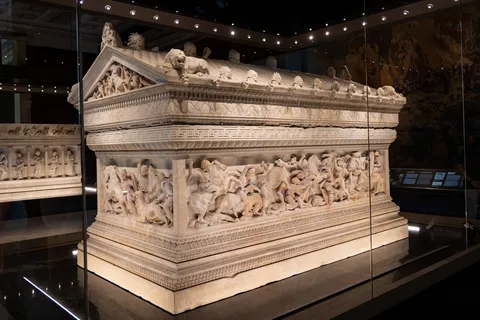
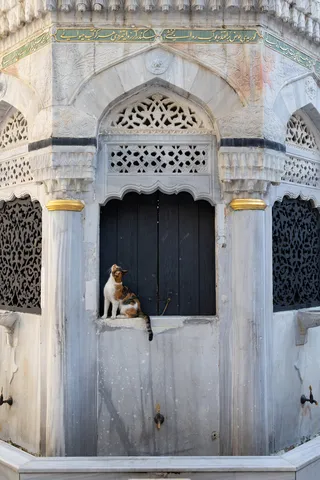
Over the following days we explore Istanbul layer by layer. The Iznik tiles of the Topkapı harem and the Baghdad Kiosk; underground, the Basilica Cistern and its forest of columns reflected in the water; in the Archaeological Museum, the Alexander Sarcophagus. We walk along the Theodosian Walls, lose ourselves in the Spice Bazaar, and find beneath the tiles of Rüstem Pasha a silence at odds with the din of the harbour.


By road↗ 564 km
Cappadocia
Turkey
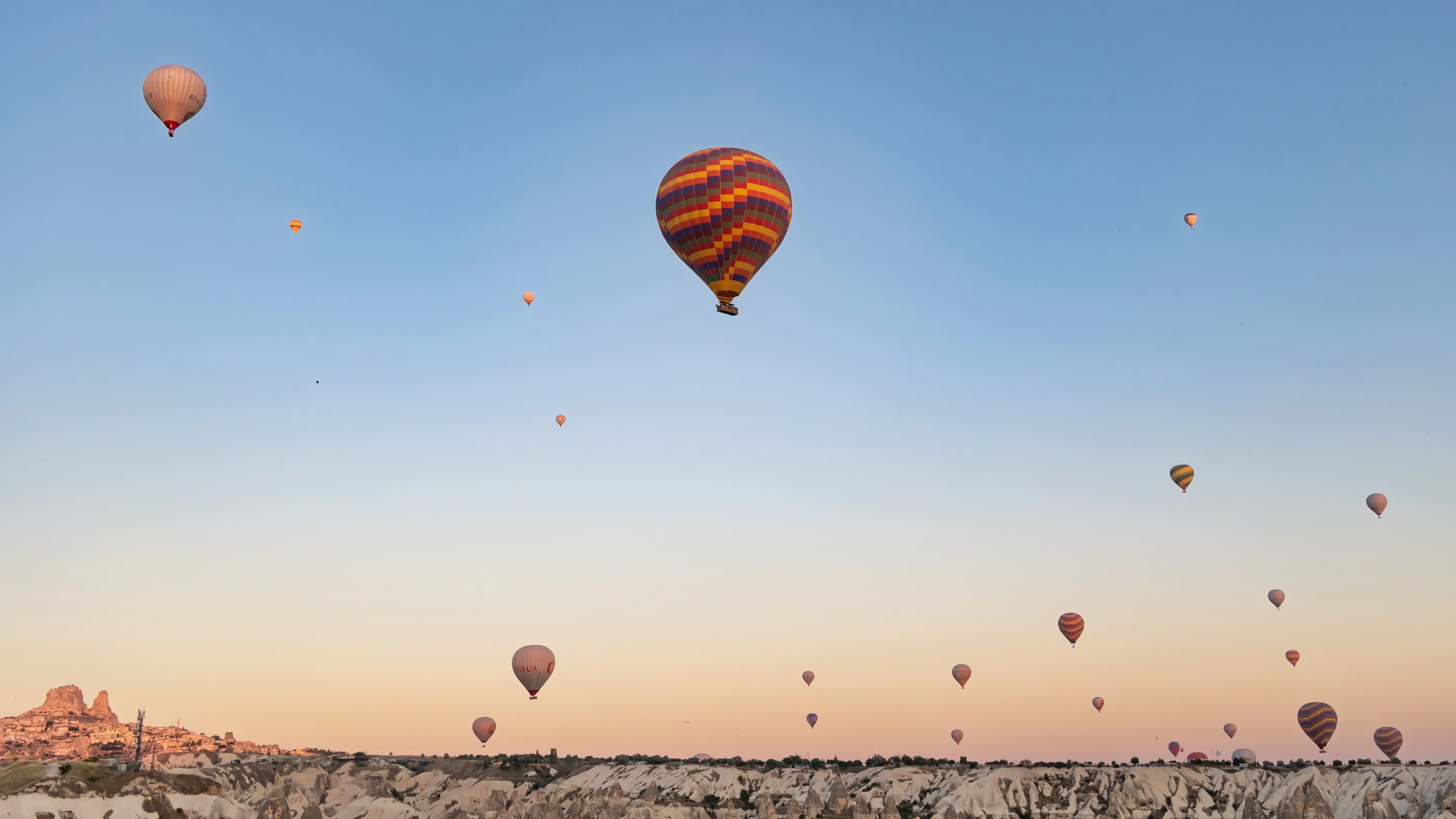
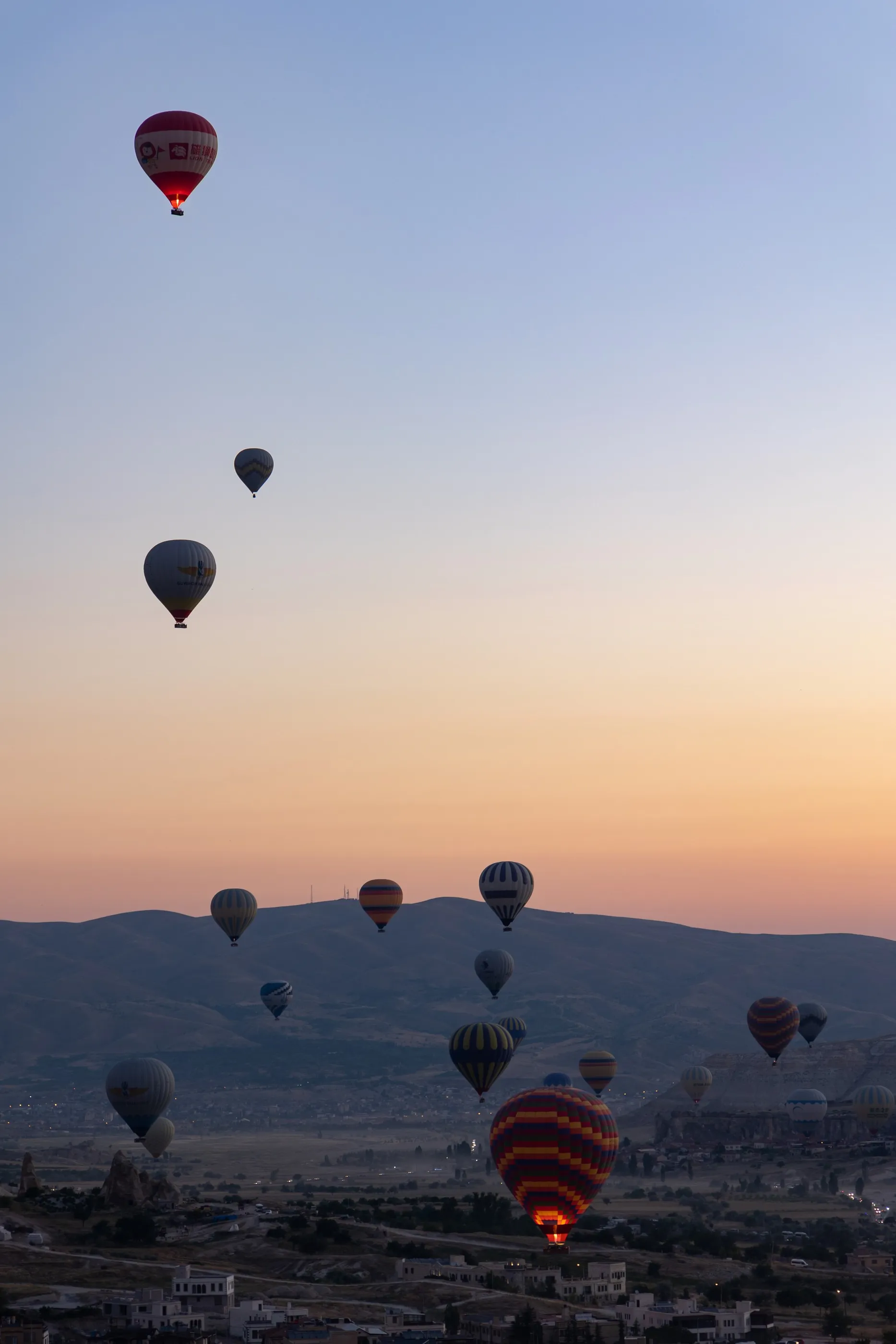
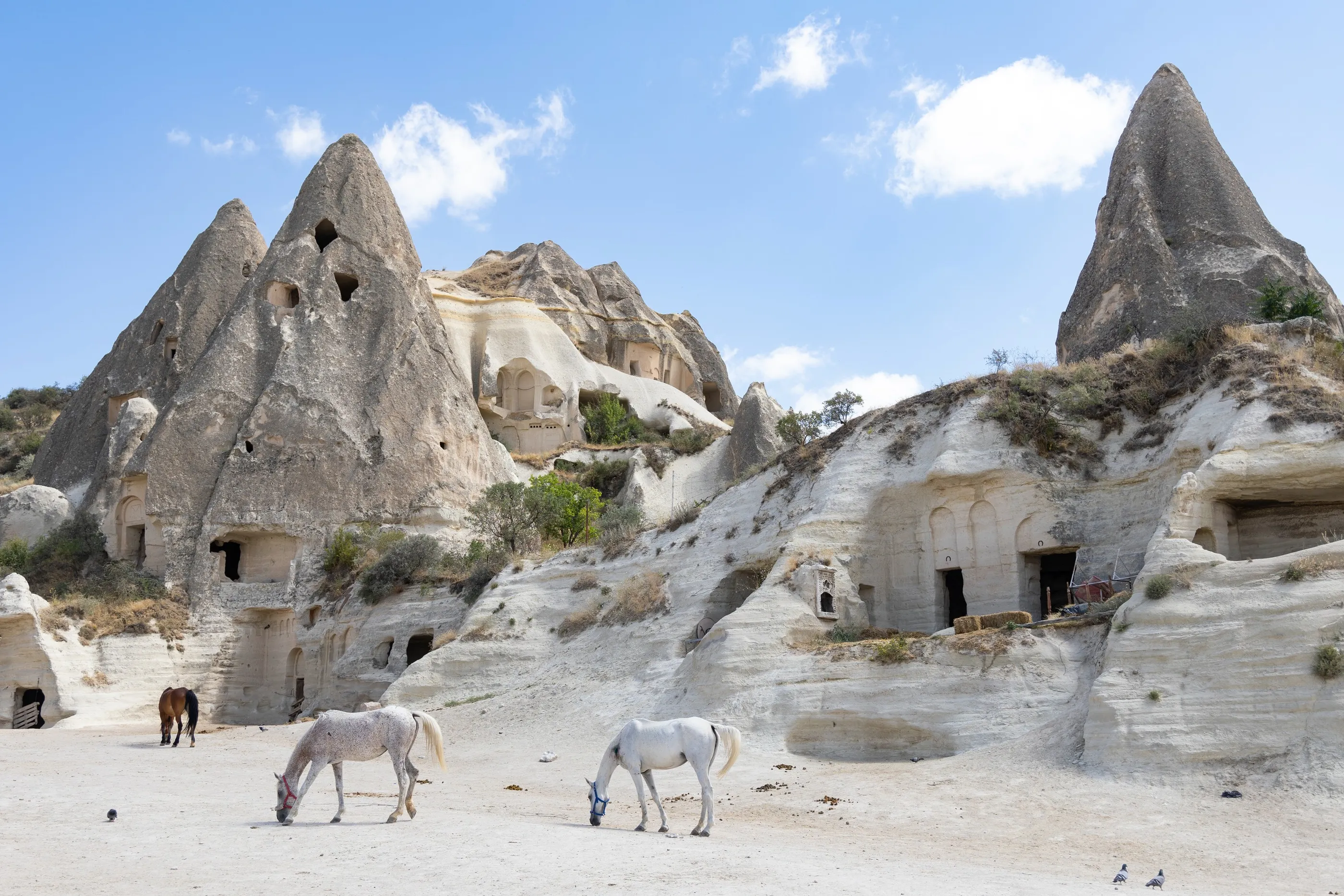
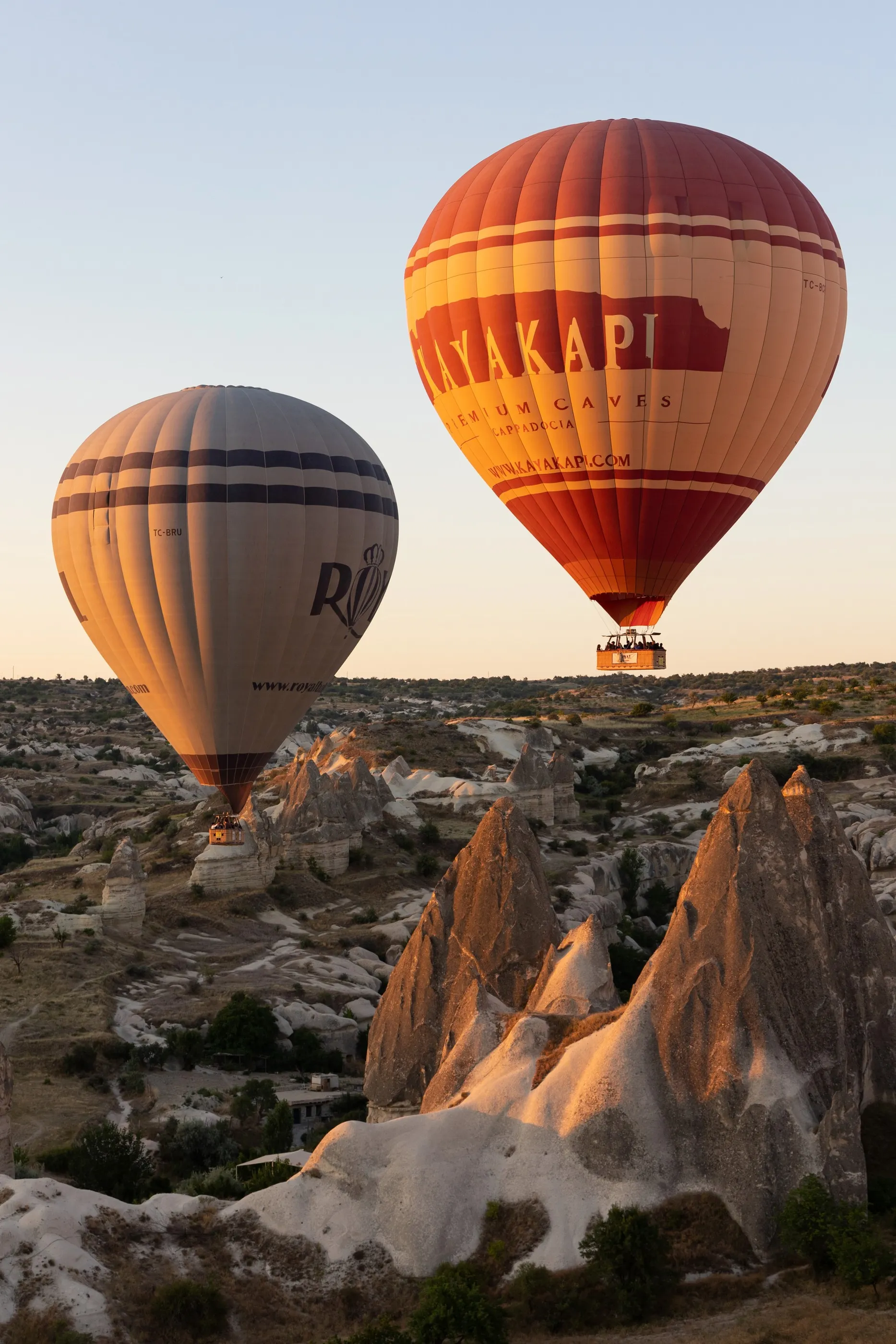
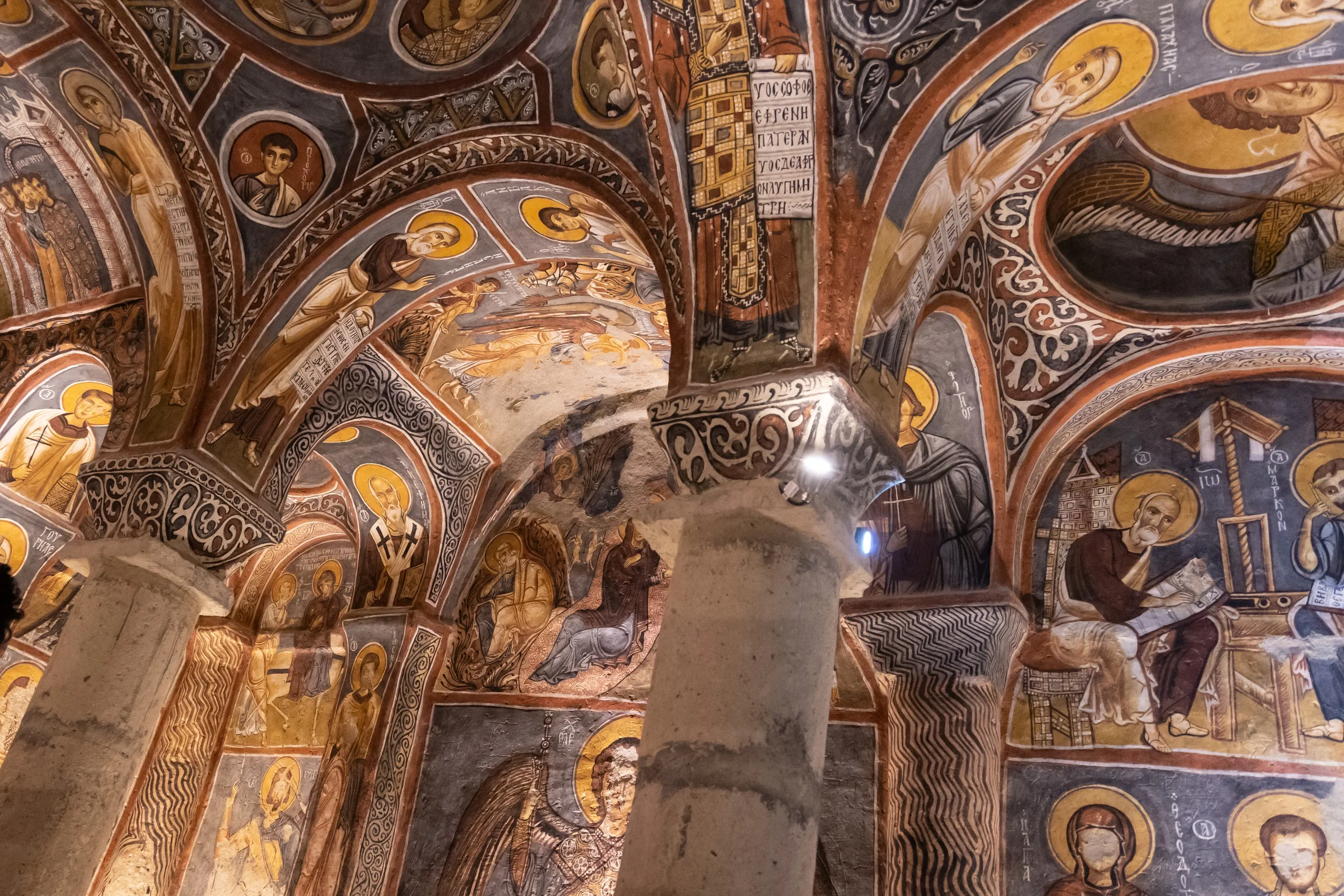
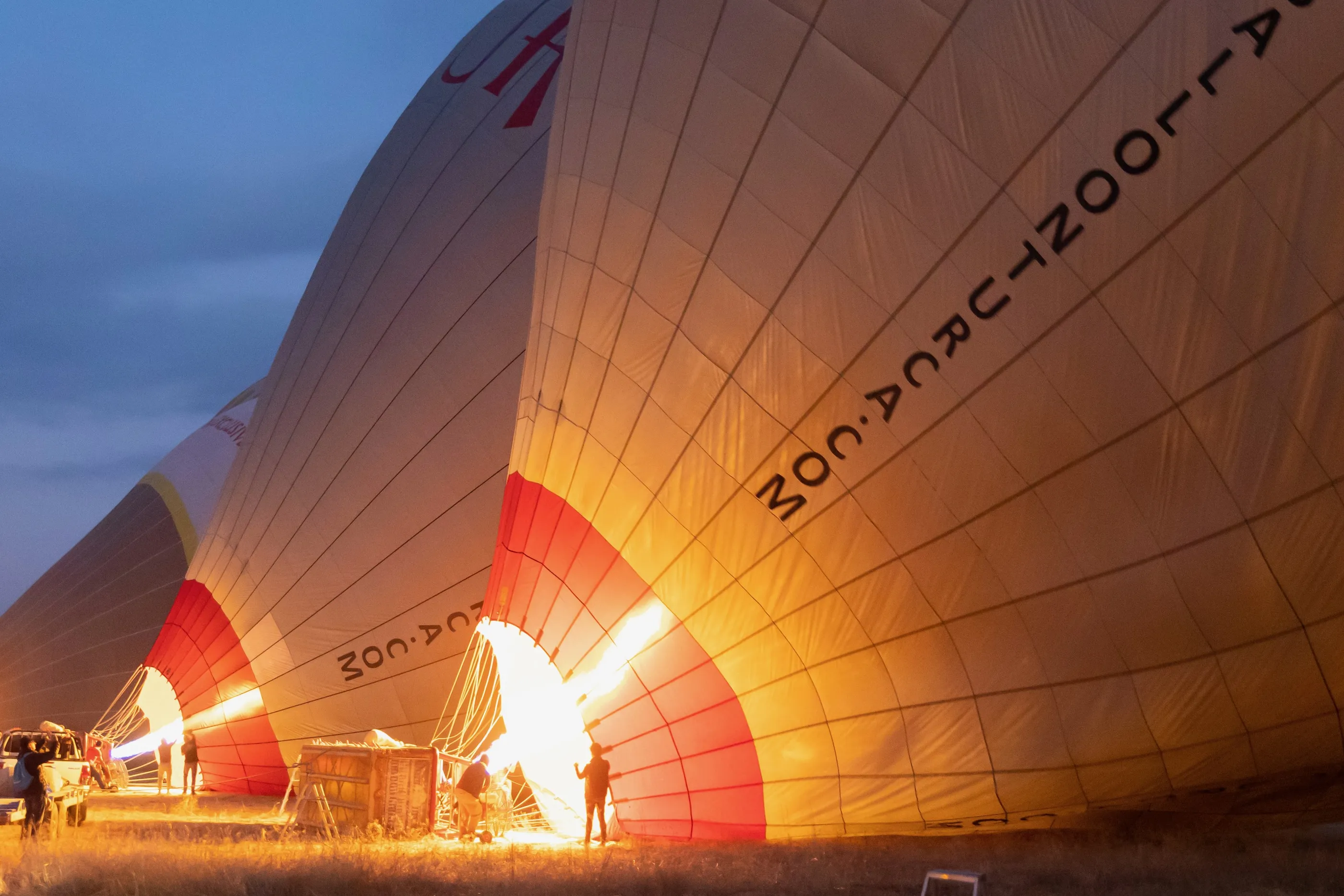
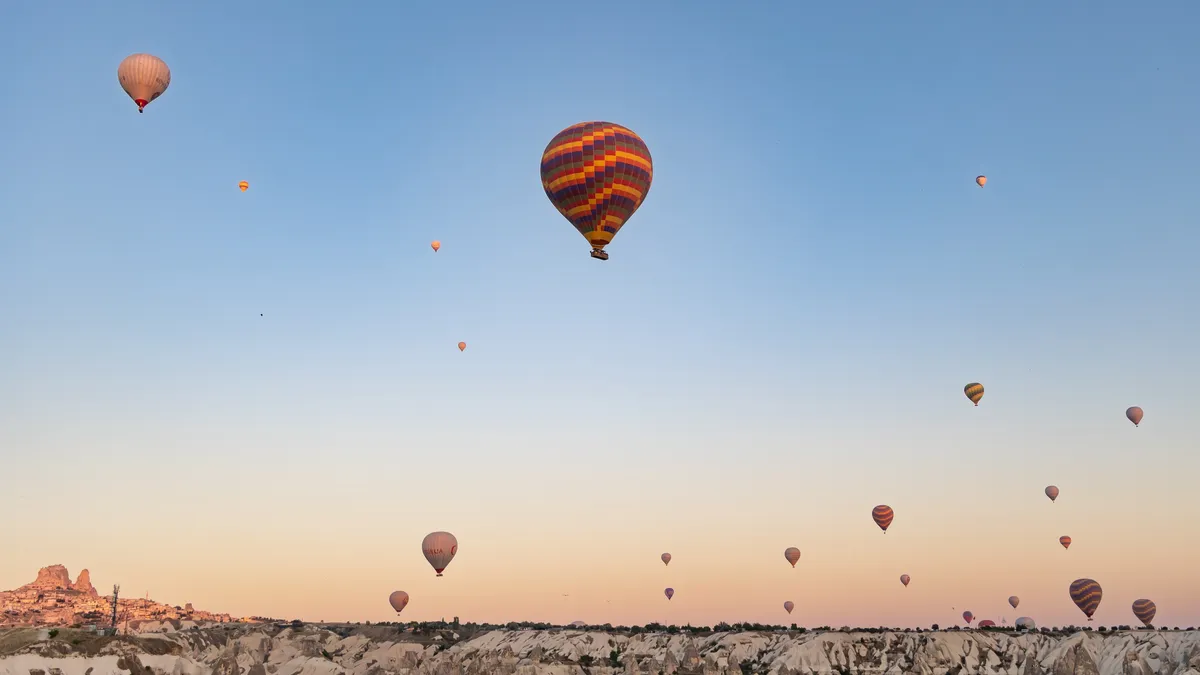
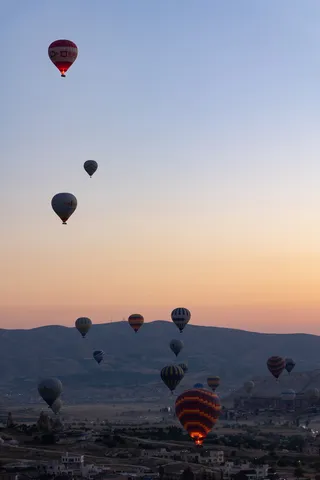
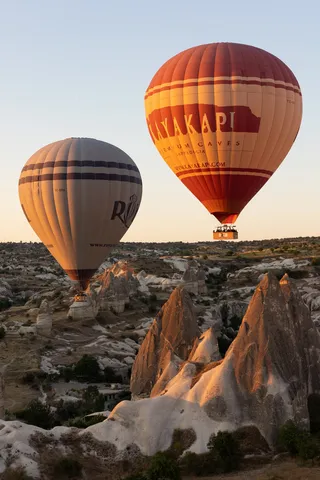
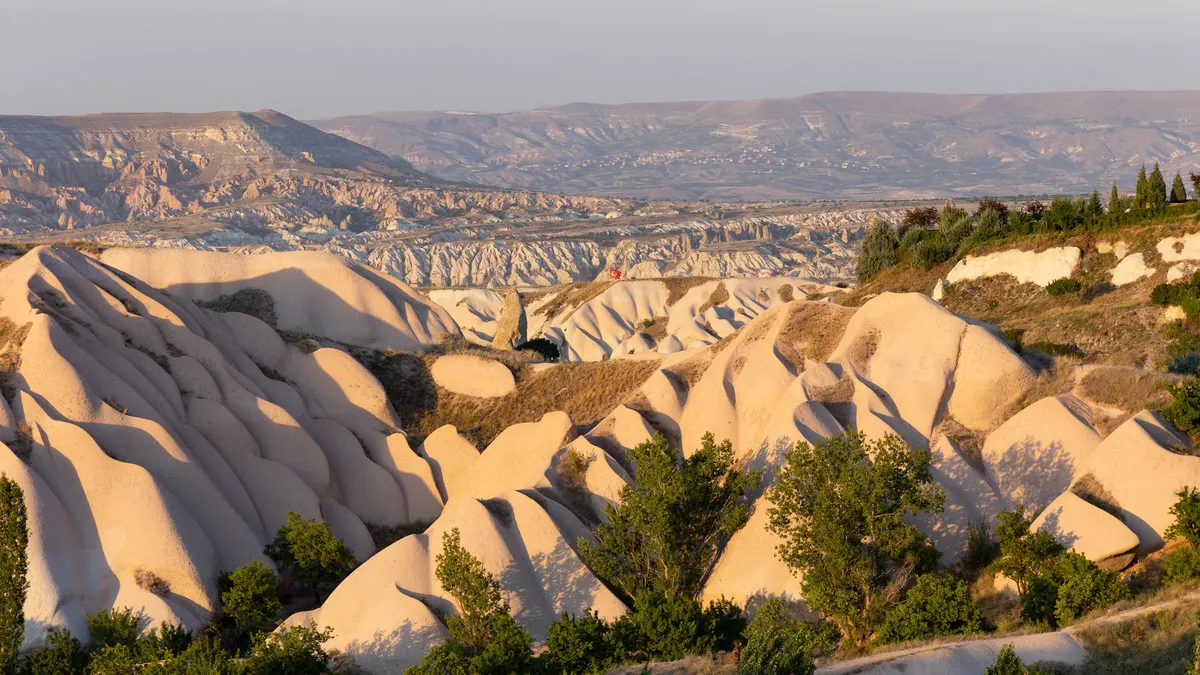
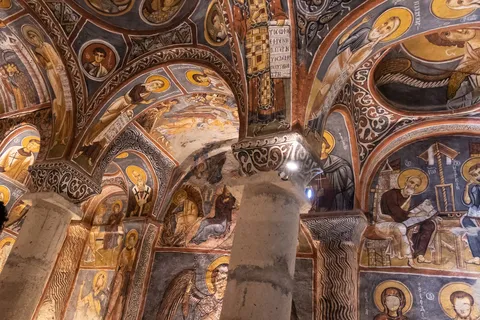
The journey continues into the heart of Anatolia. In Cappadocia, fairy chimneys, the rock-cut churches of Göreme and underground cities carved into the tuff make up a landscape from another planet. At sunset the Uçhisar cliff catches fire above Pigeon Valley; at dawn dozens of balloons rise above the valleys.


By road↗ 64 km
Ihlara Valley
Turkey
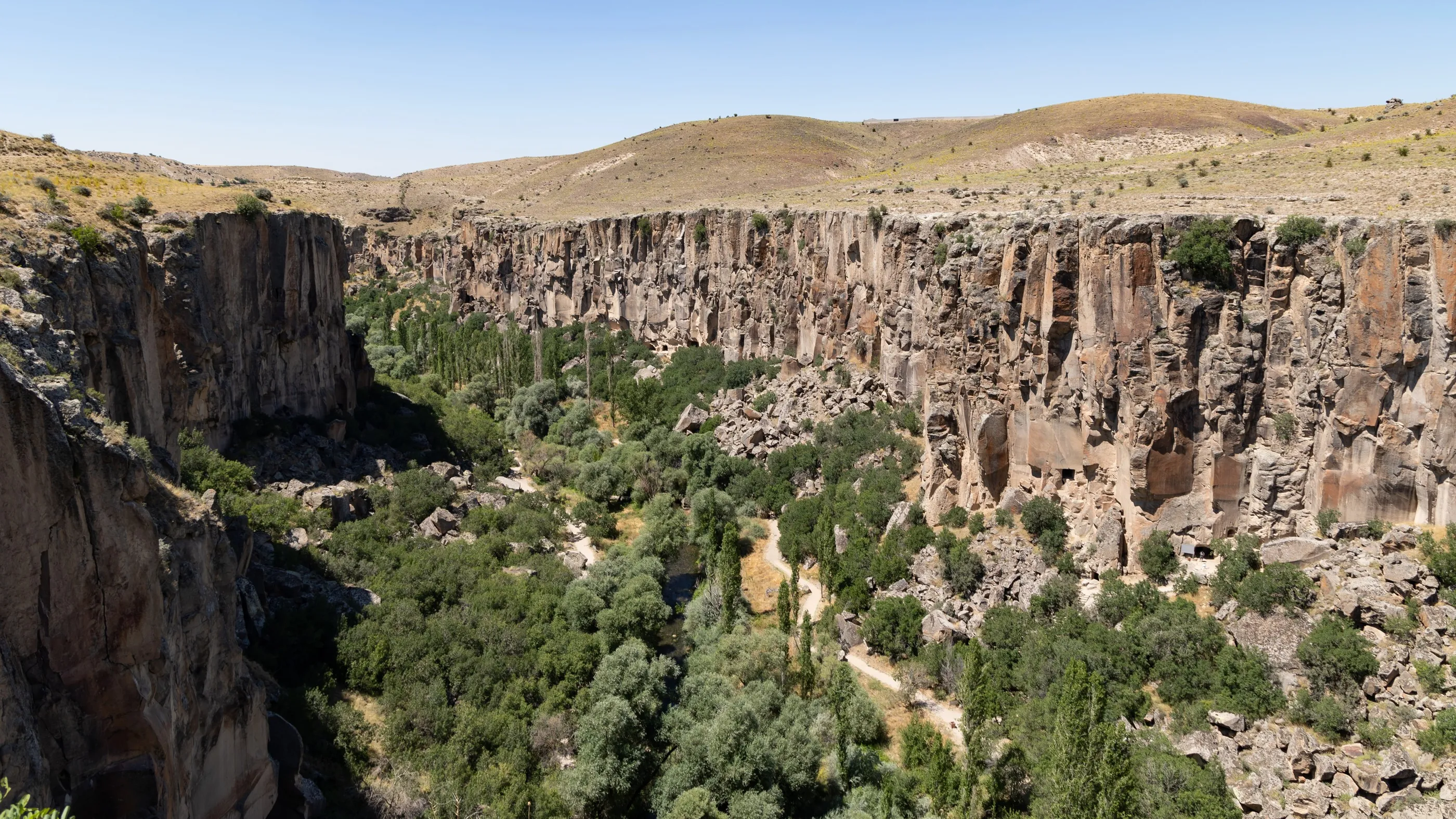
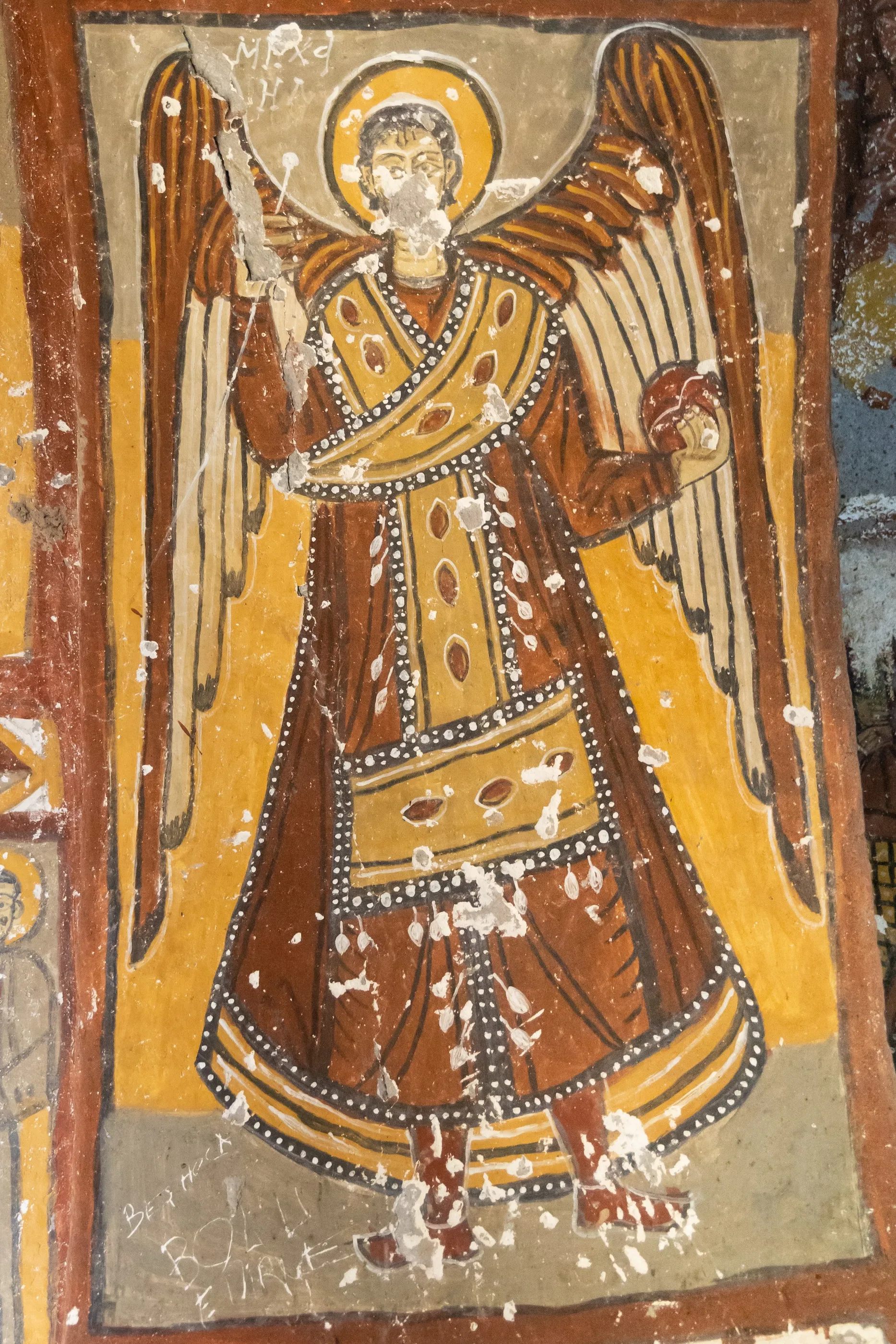
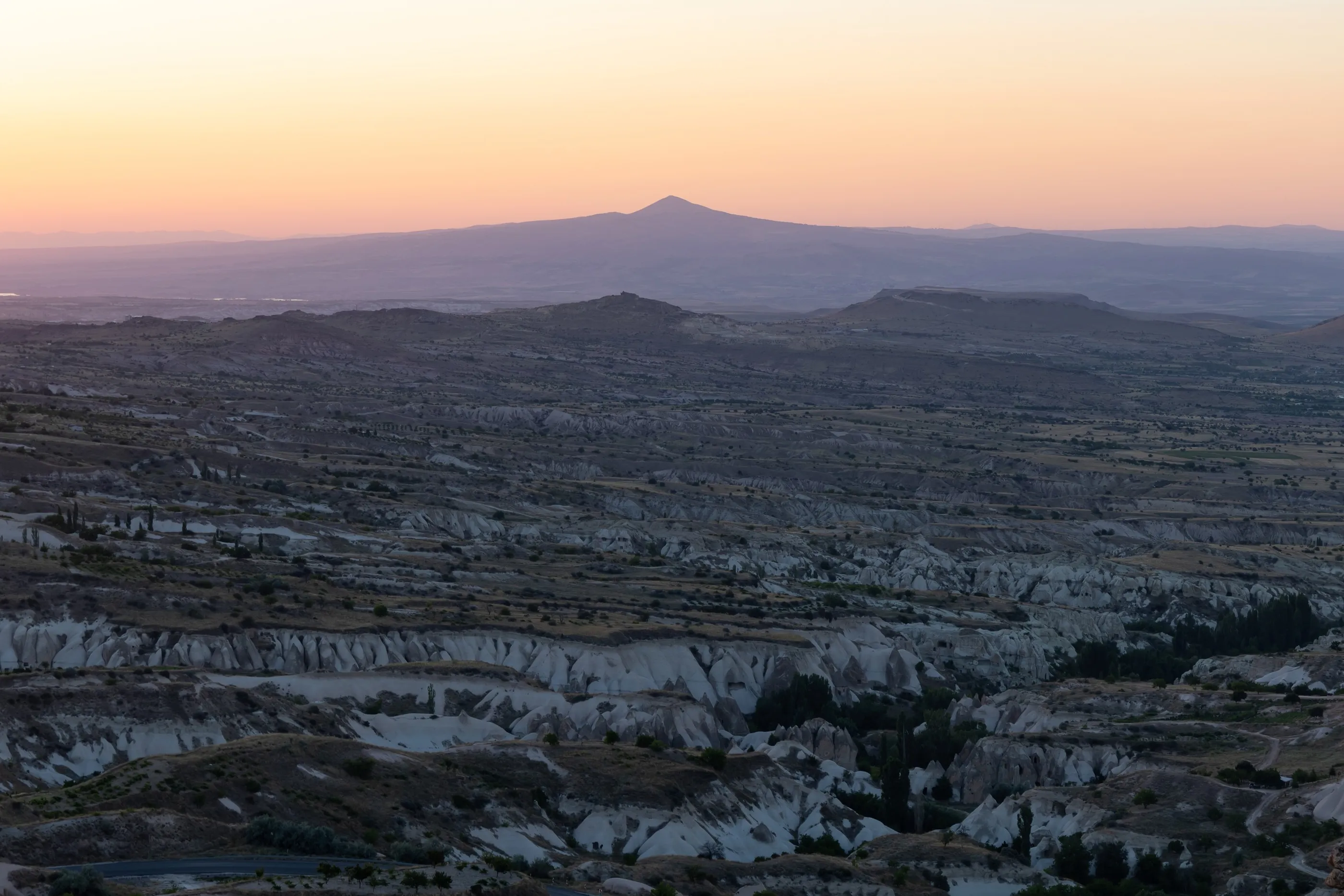
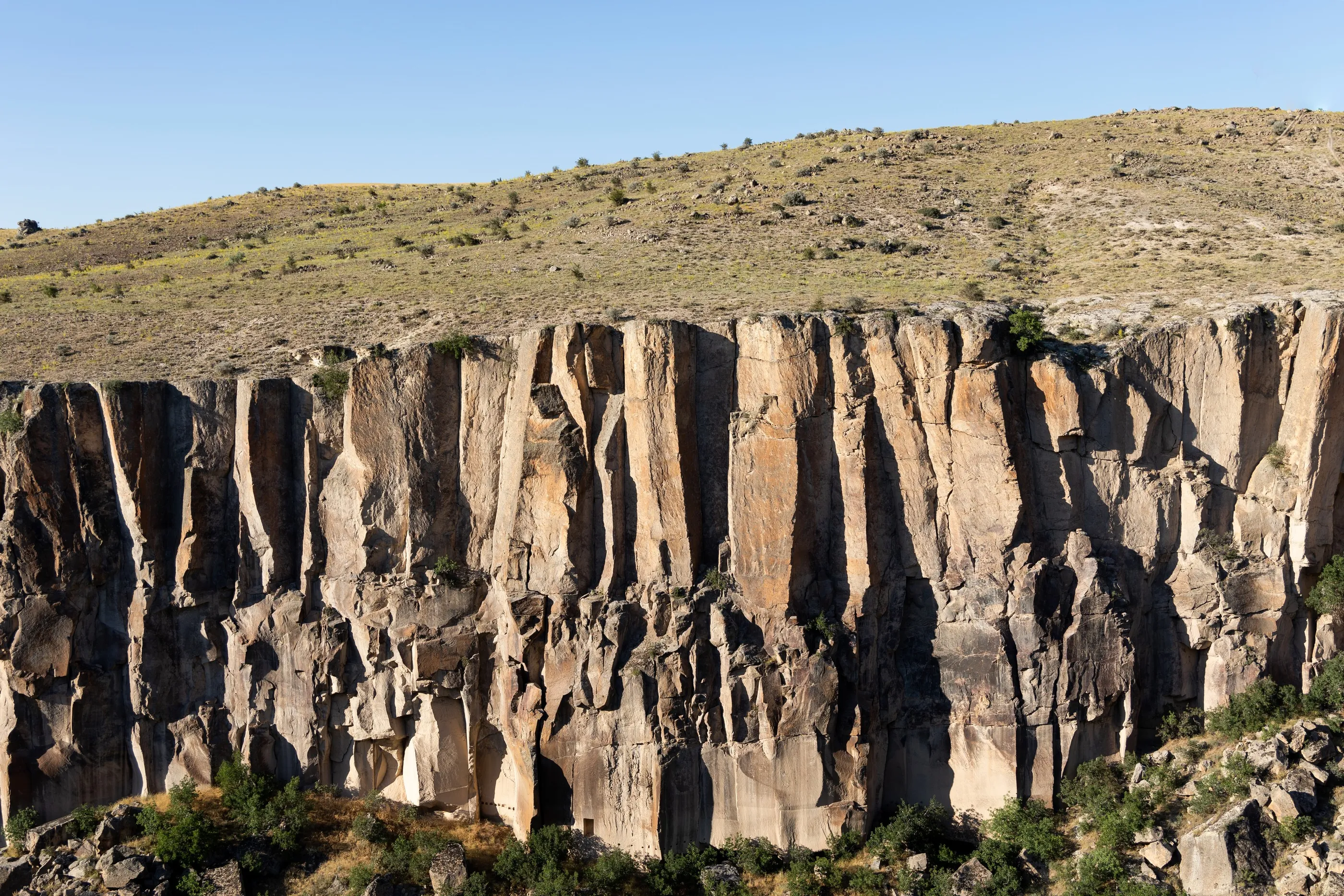
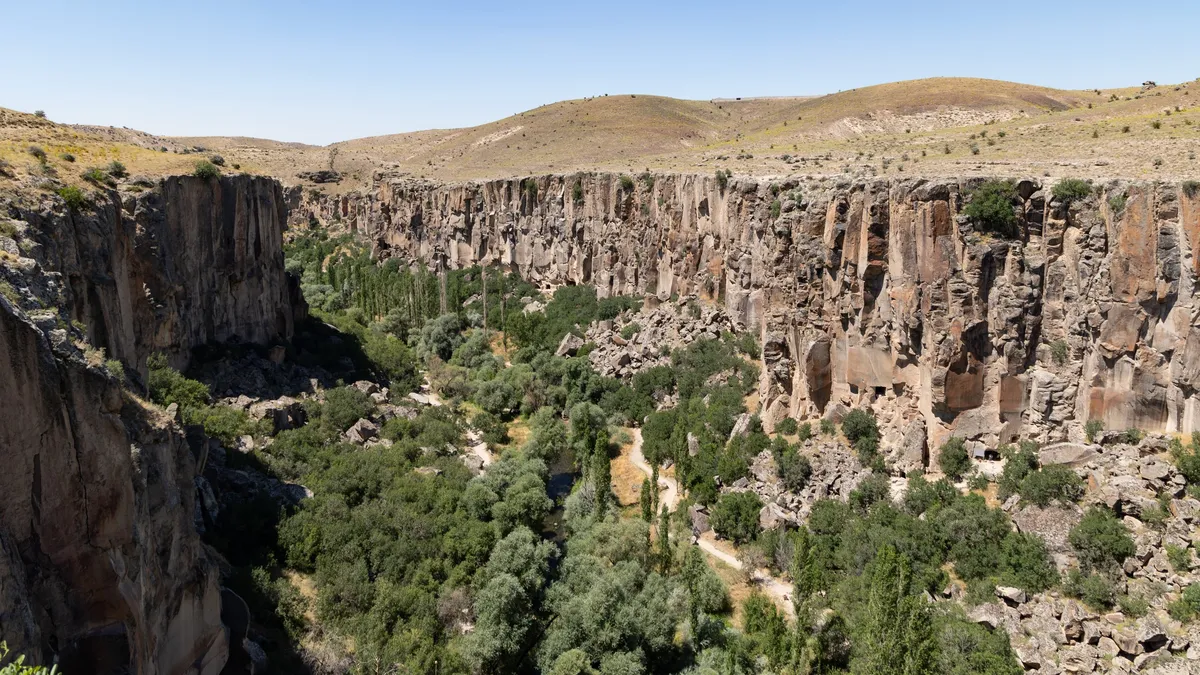
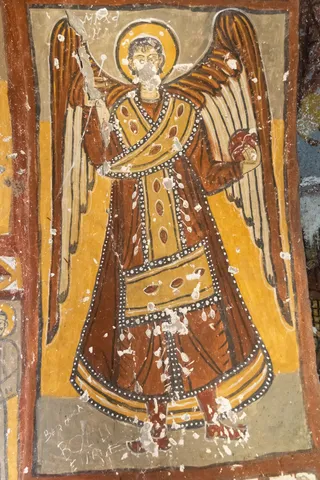
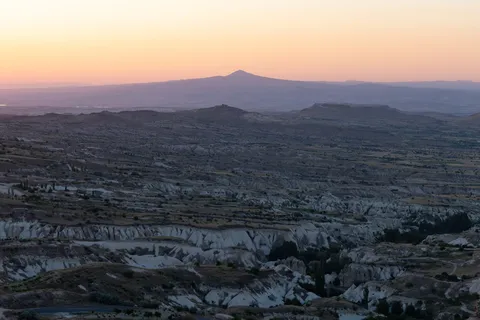
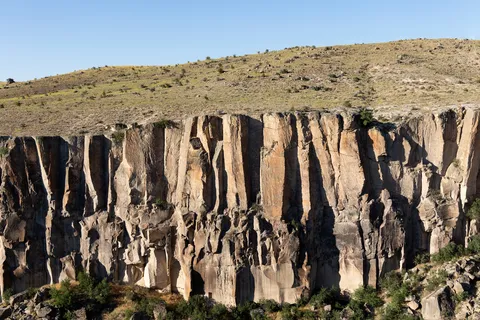
Further south-west, the Ihlara Valley is a green rift where the Melendiz flows between cliffs riddled with Byzantine churches. In the cool of the chapels, apostles and archangels have been looking down for nearly a thousand years. In the evening, back in Göreme, the sun sets over the fairy chimneys, Mount Erciyes on the horizon.

By road↗ 163 km
Konya
Turkey
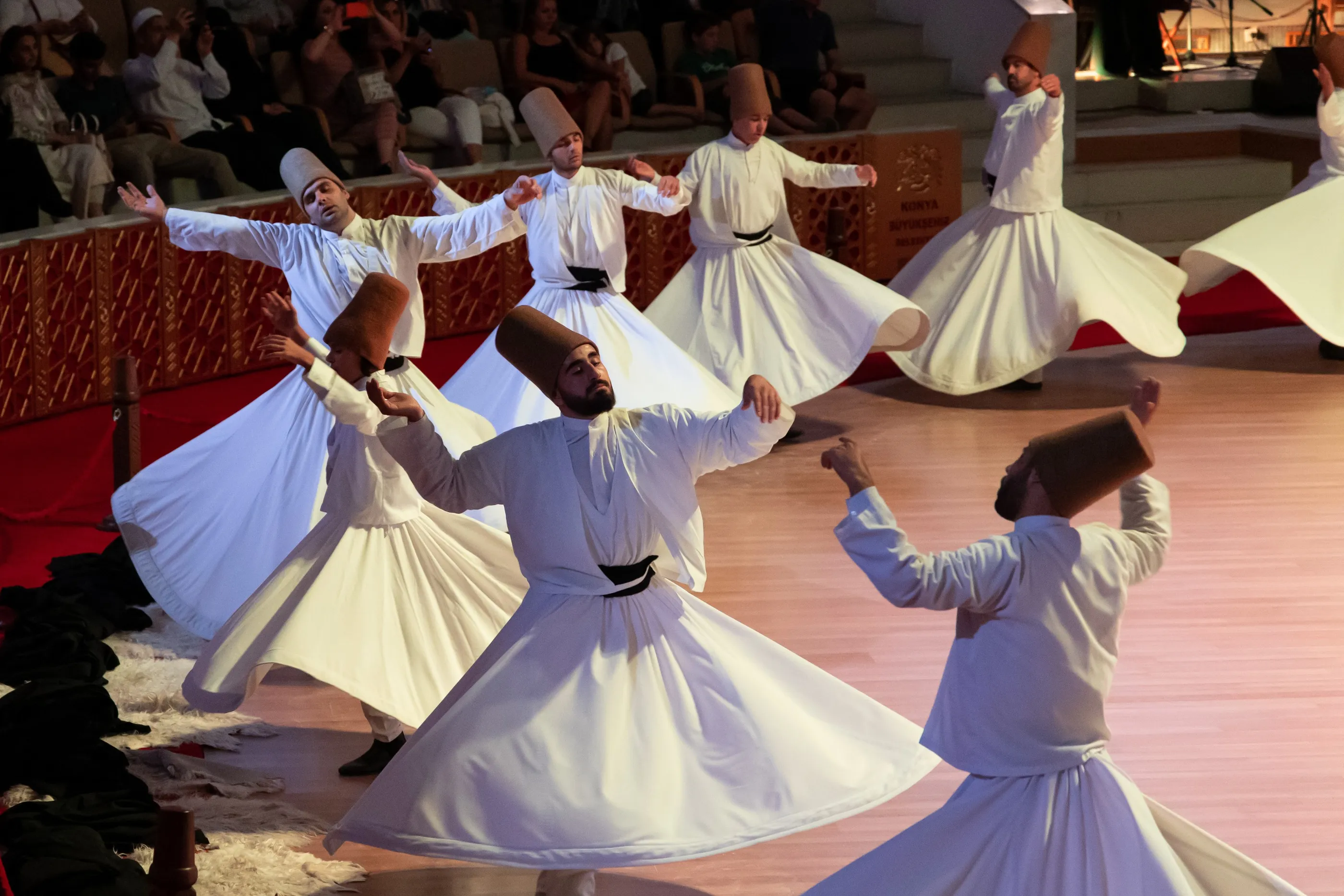
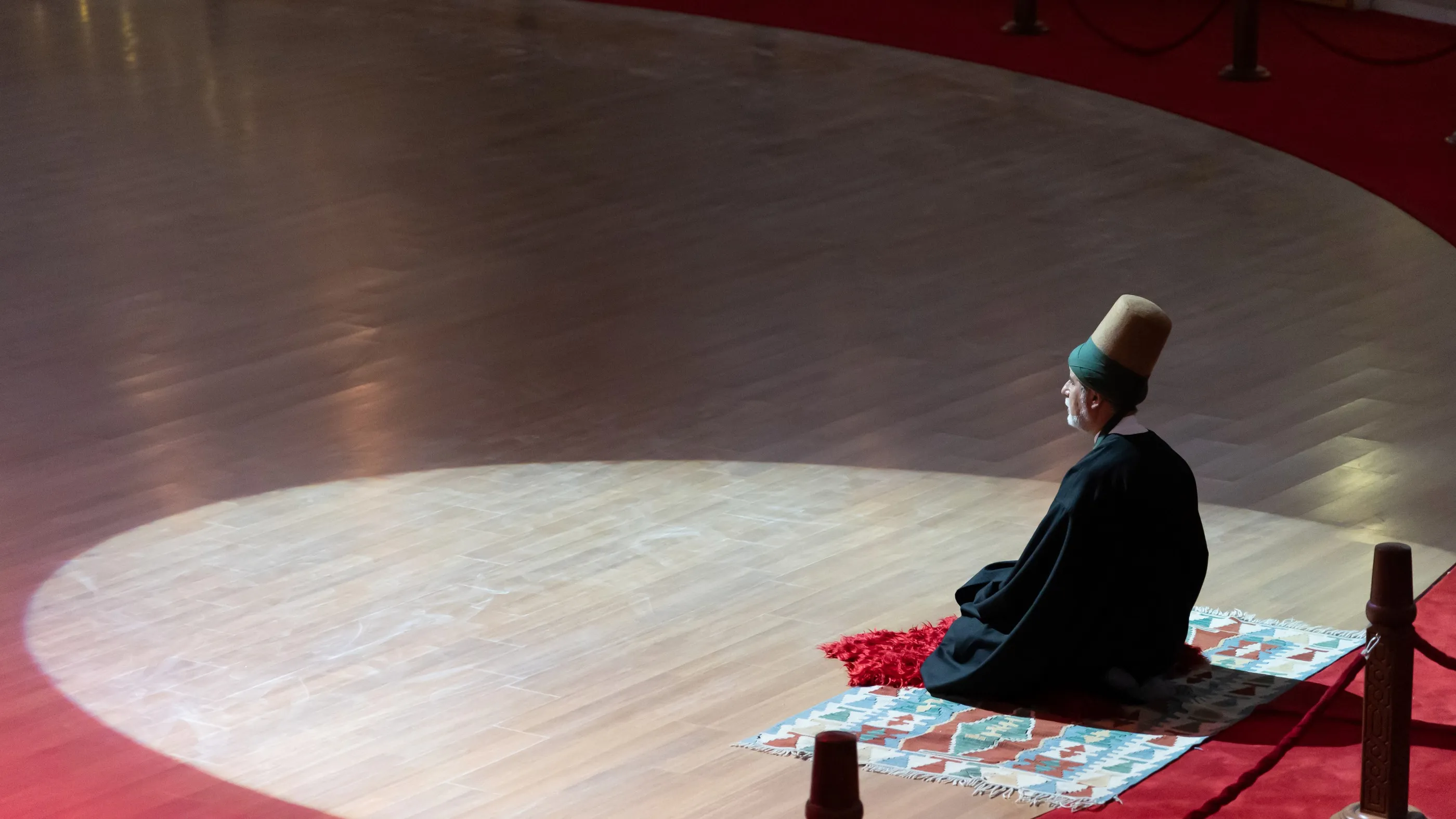
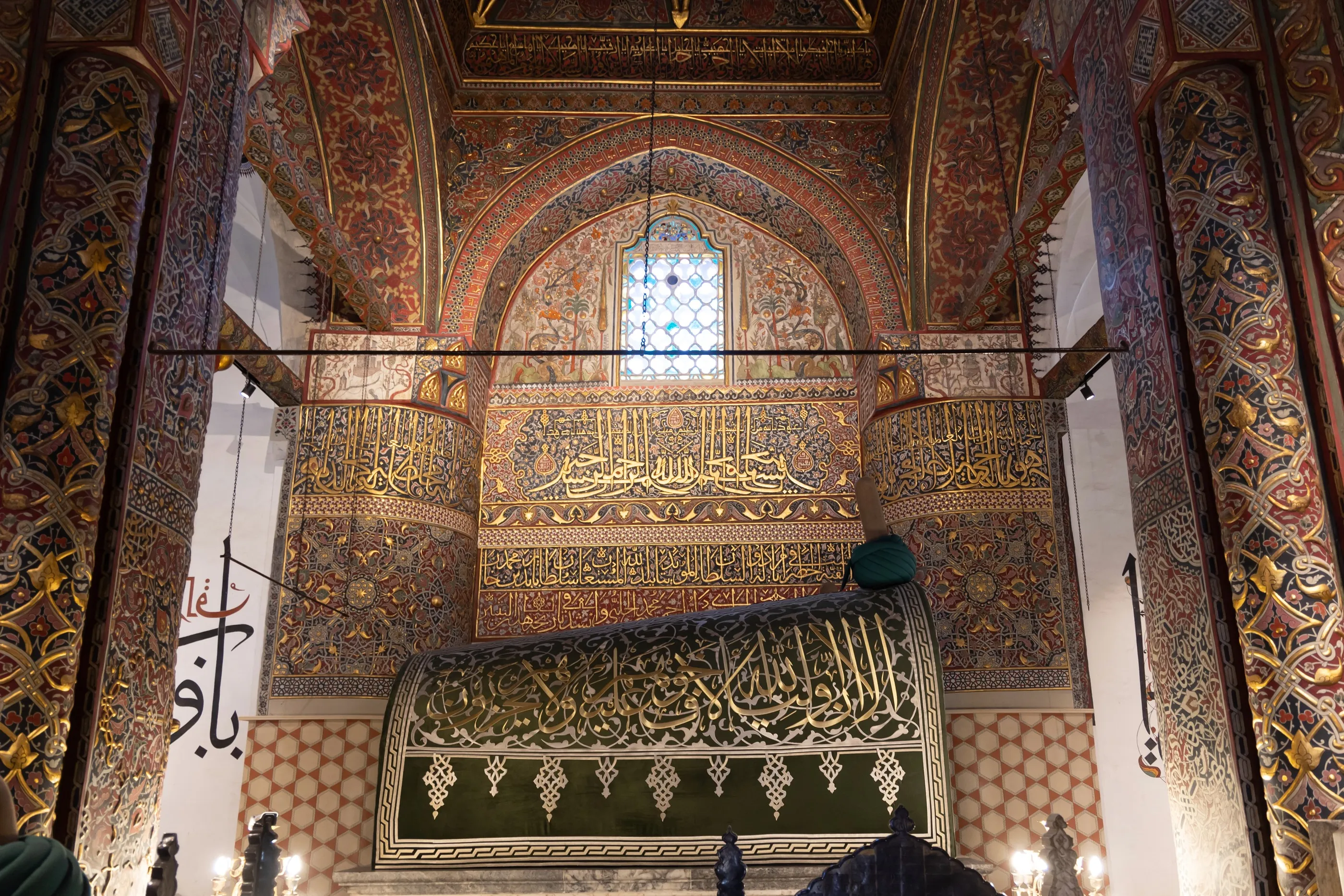
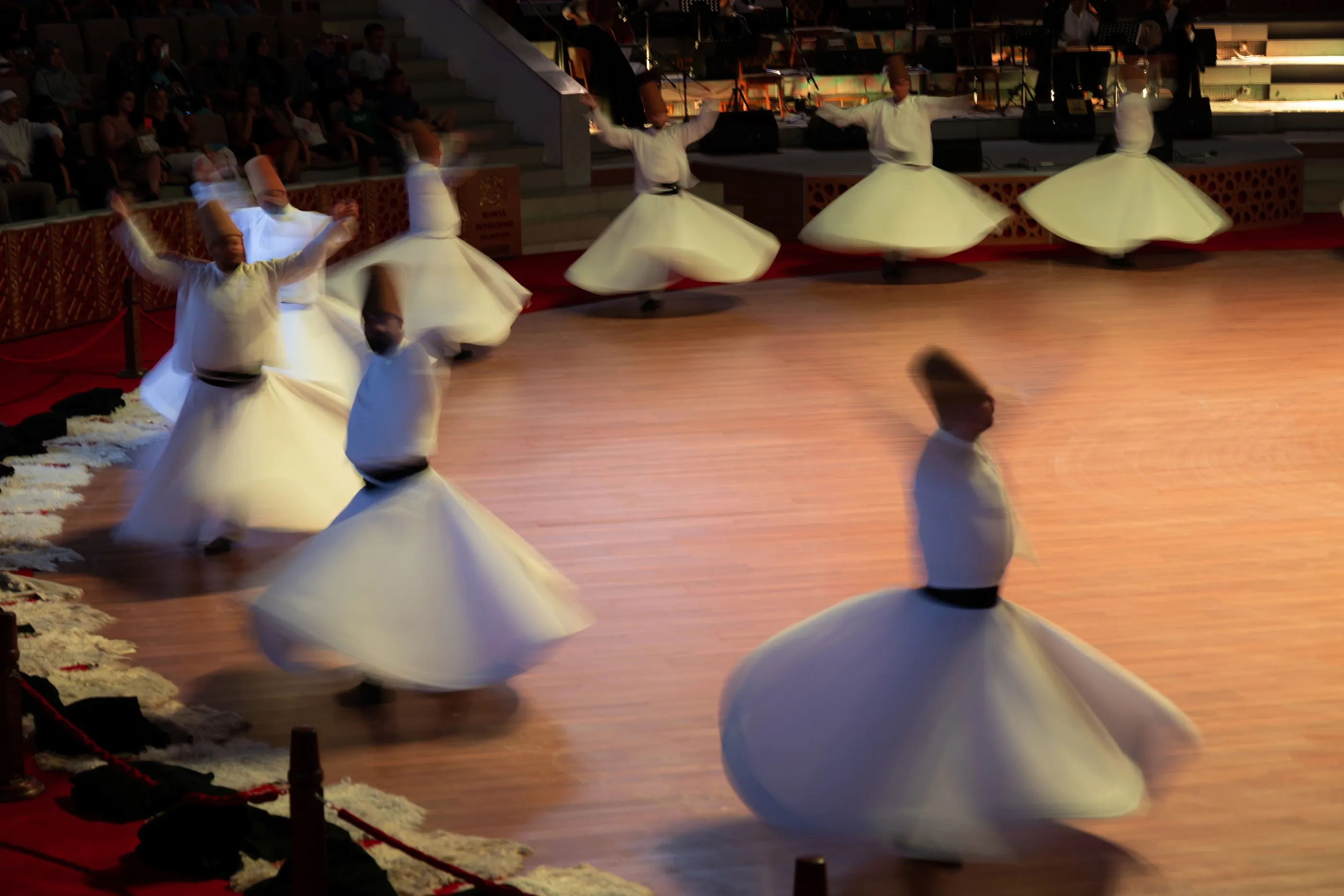
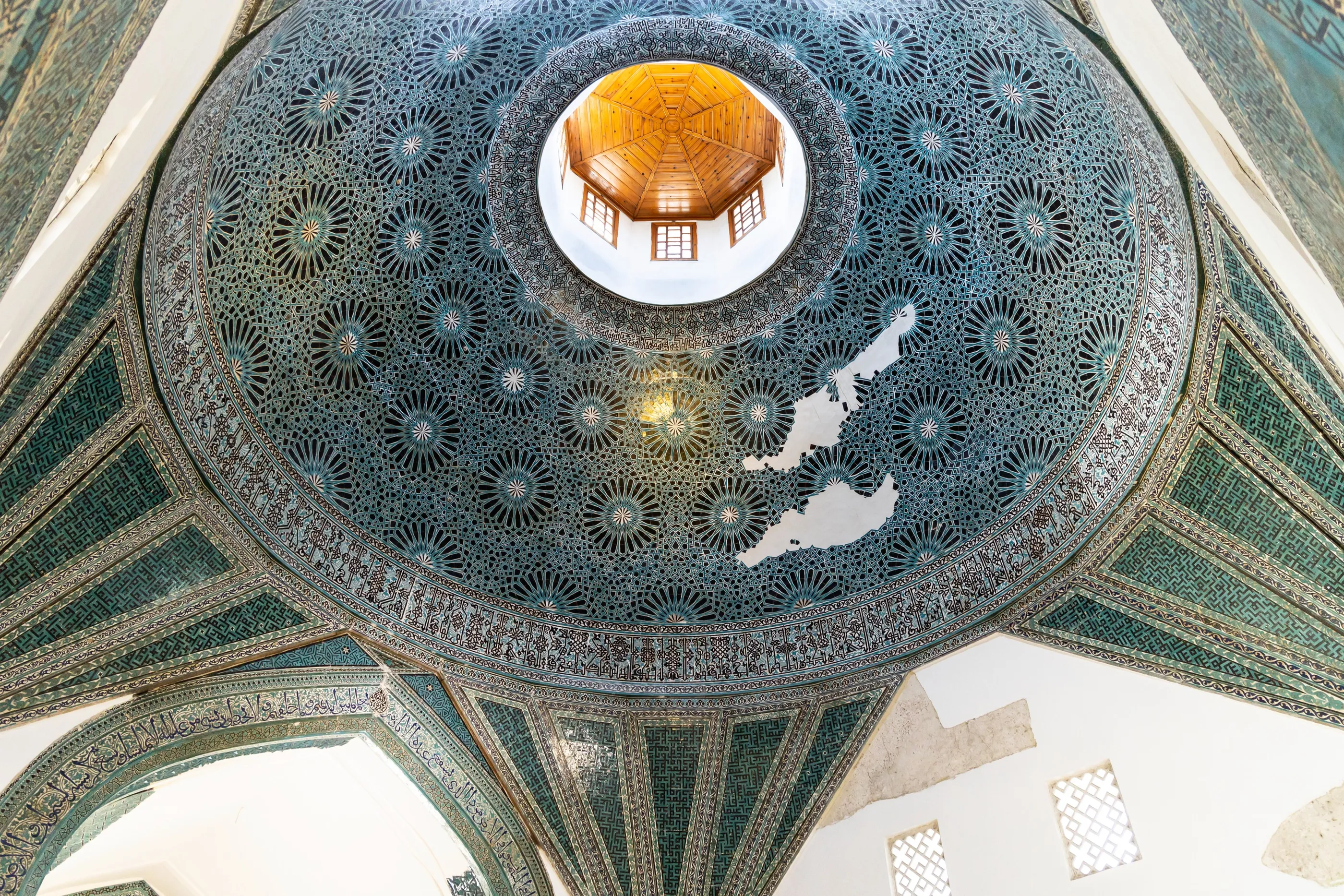
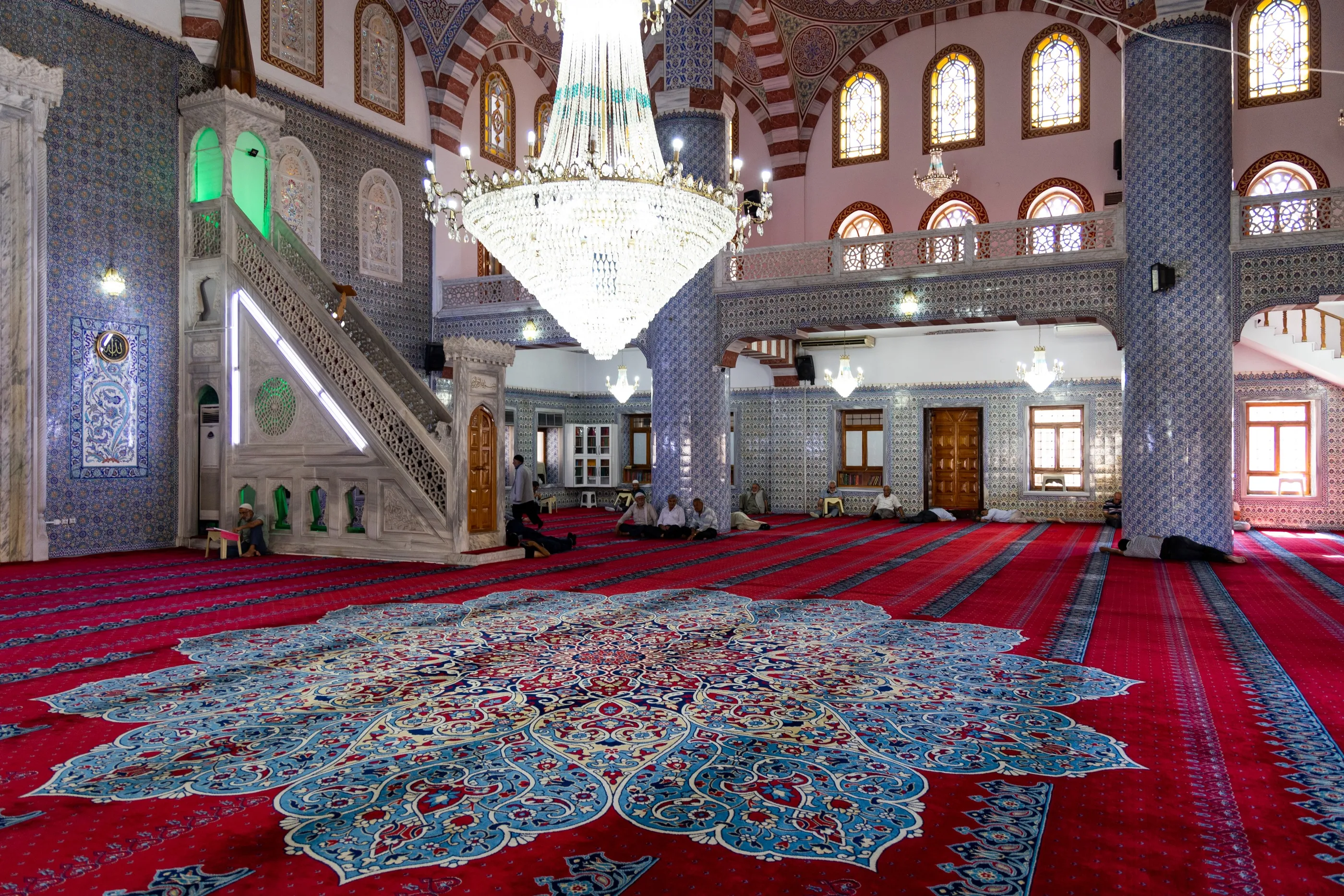
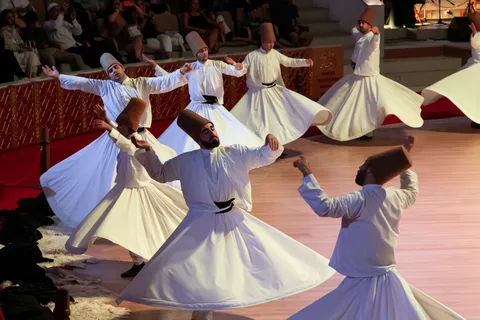
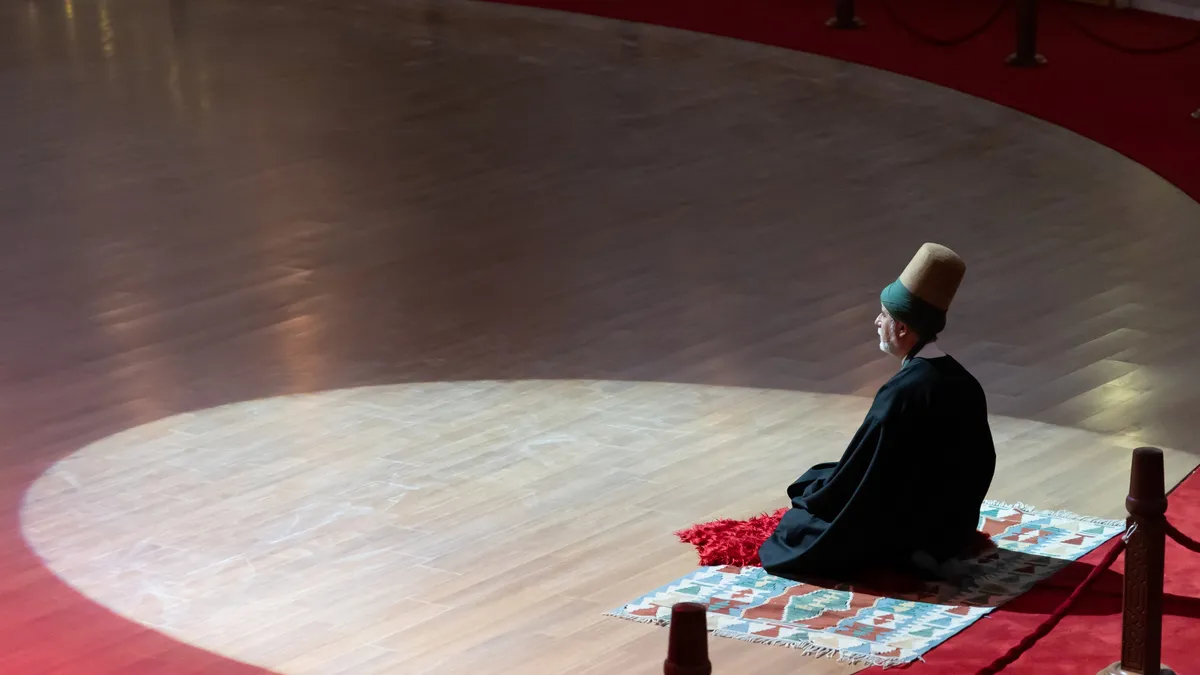
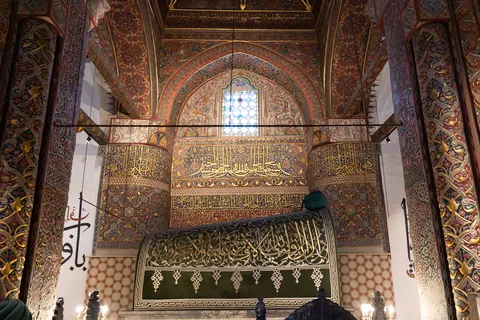
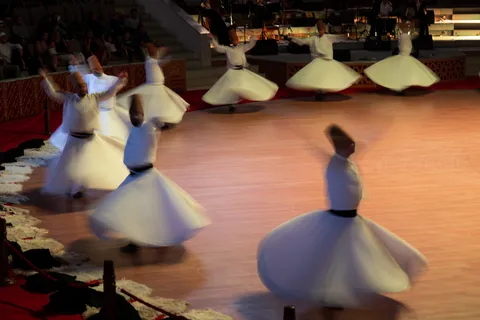
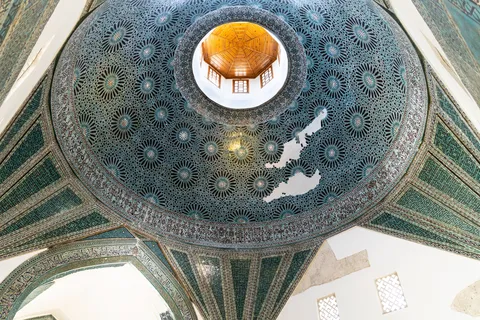
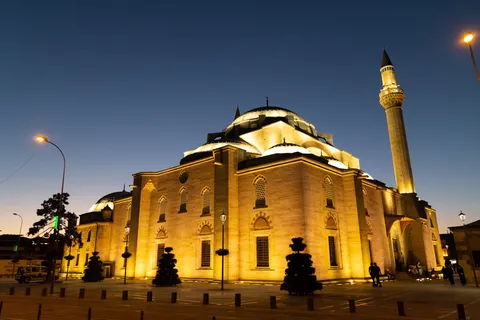
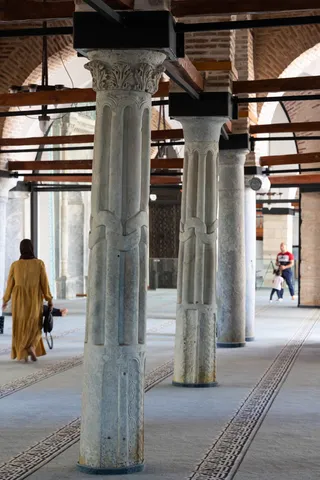
Konya, the city of Rumi. In the evening, the Sema ceremony: a dervish kneels in a pool of light, waiting, then the white robes begin to turn, slowly, until they dissolve into motion. The next day crowds file silently past the poet’s mausoleum beneath the painted domes of the Mevlana Museum; in the Karatay Madrasa, a Seljuk dome of turquoise tiles mimics the starry sky.

By road↗ 193 km
Antalya
Turkey
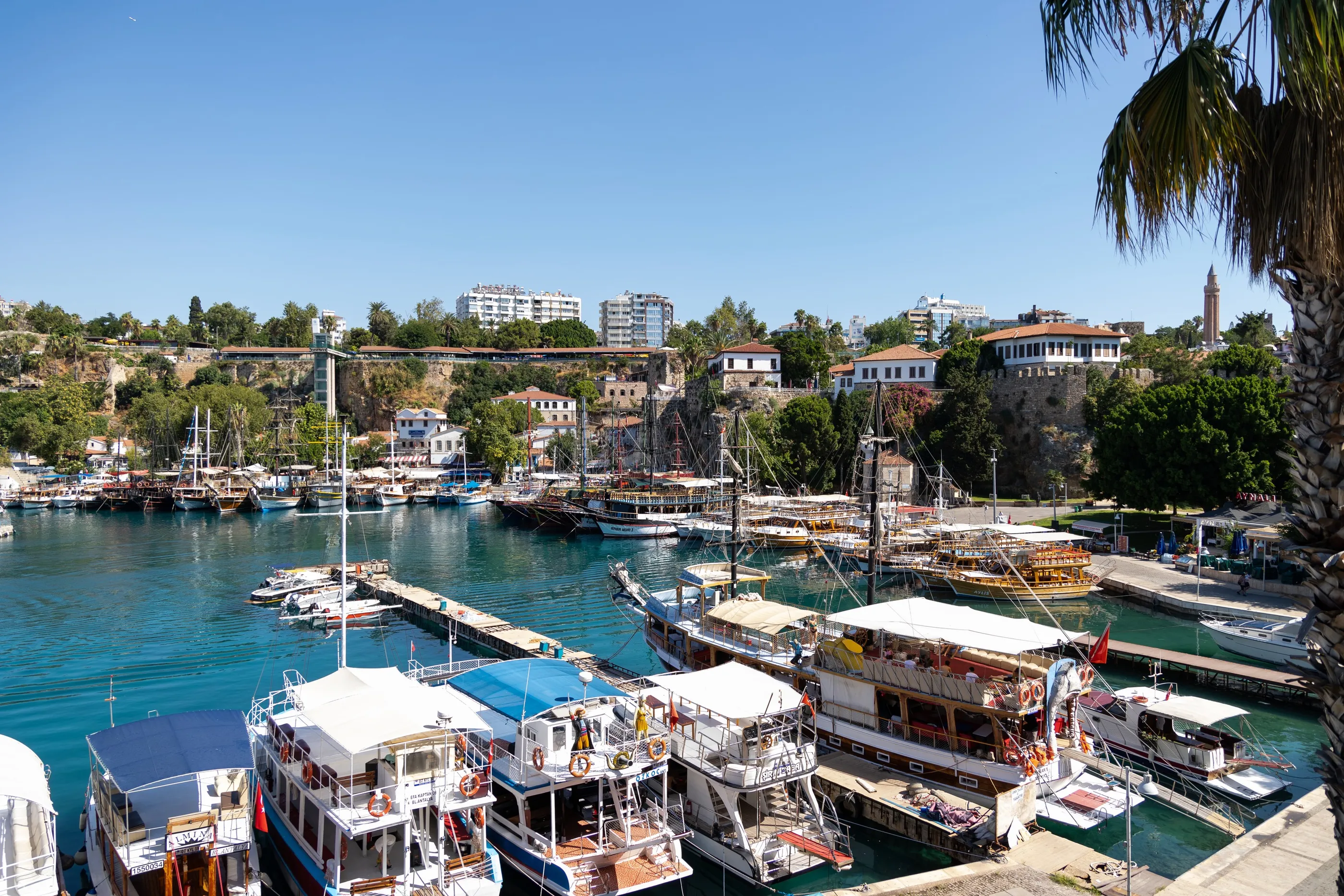
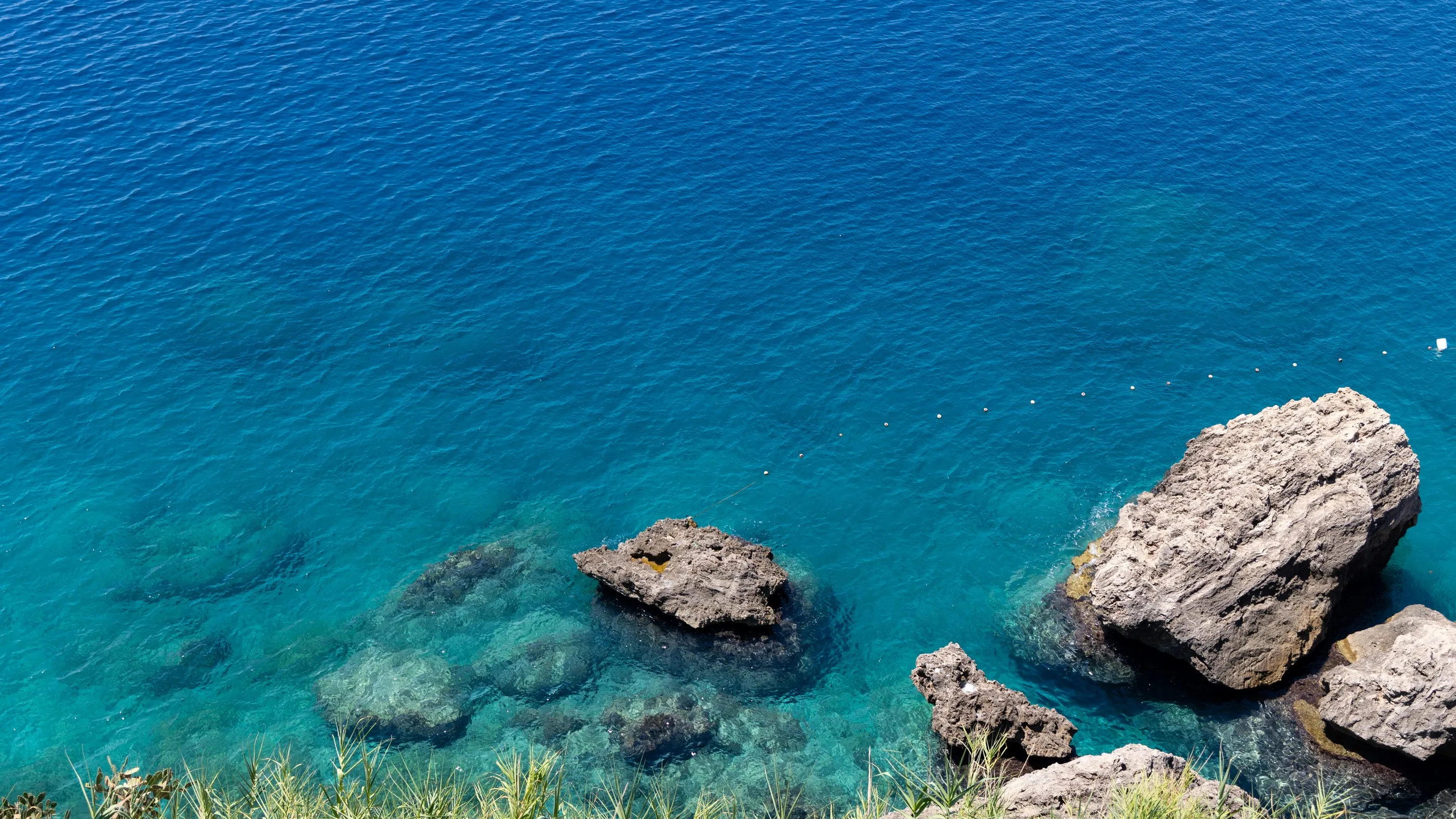
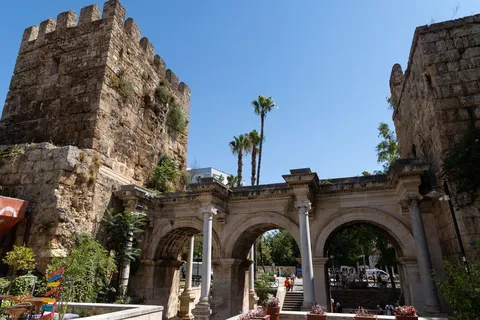
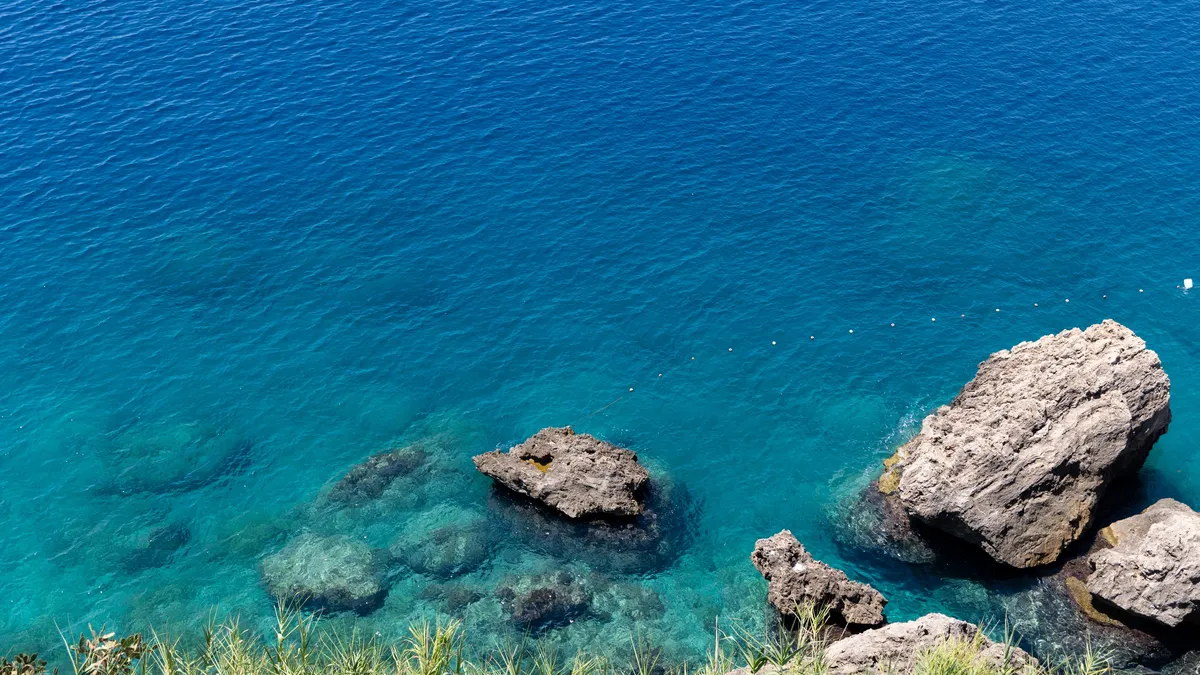
A long detour over the Taurus Mountains to the Mediterranean. In Antalya, the old town of Kaleiçi tumbles in alleys down to its ancient harbour, and you still enter the city through Hadrian’s Gate. Below the cliffs the sea is an almost unreal turquoise: two days’ respite before heading east again.

By road↗ 494 km
Karatepe-Aslantaş
Turkey
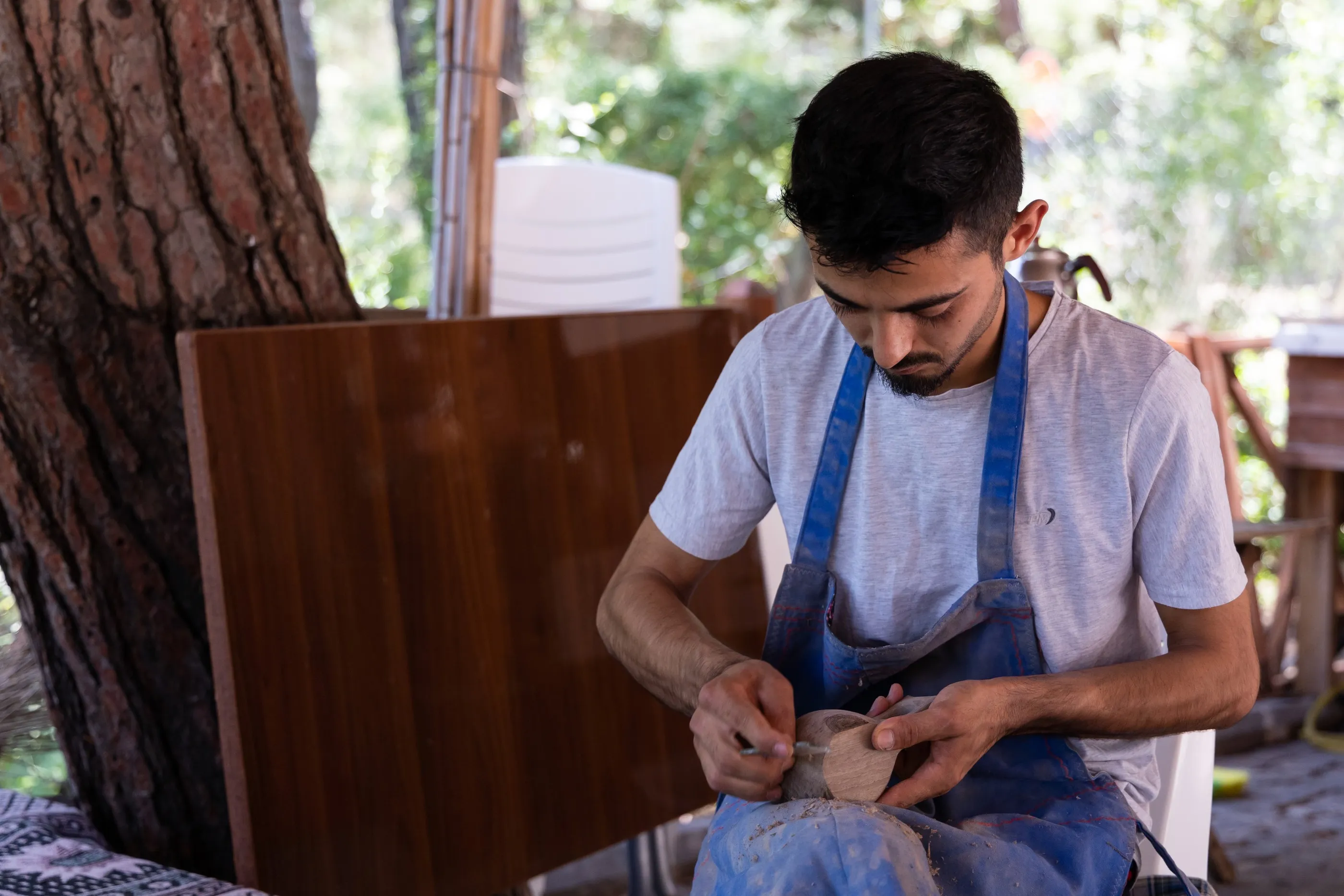
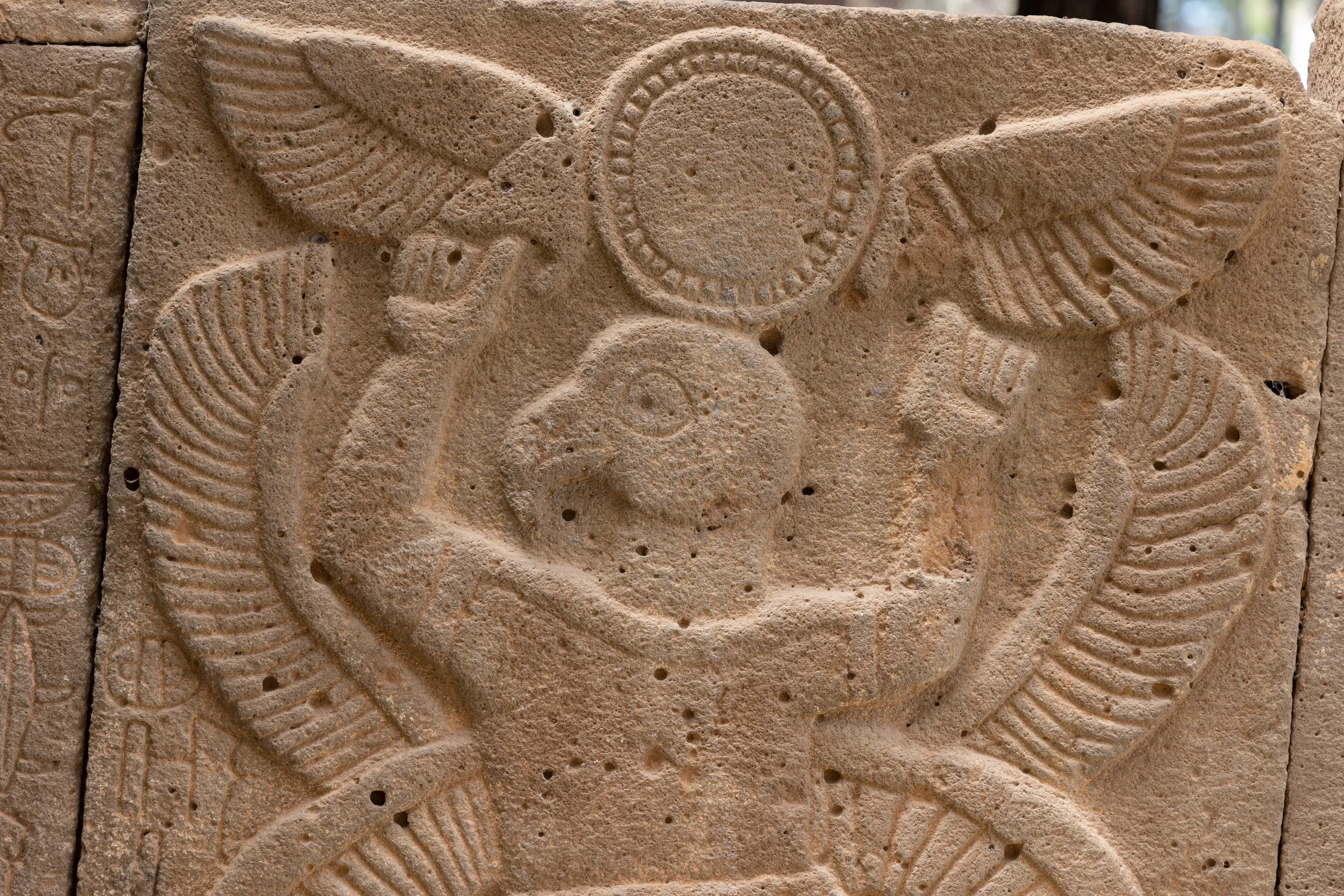
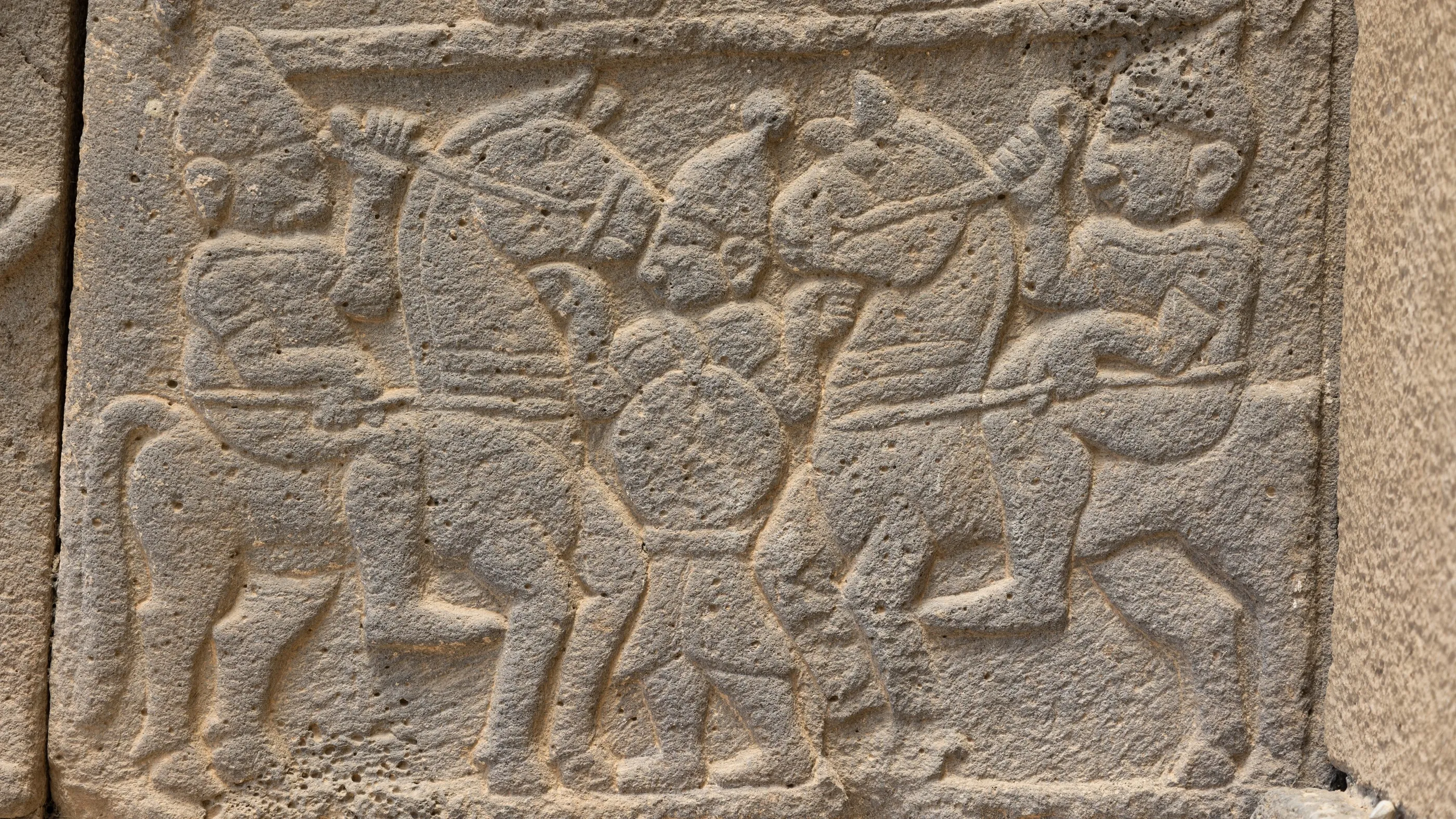
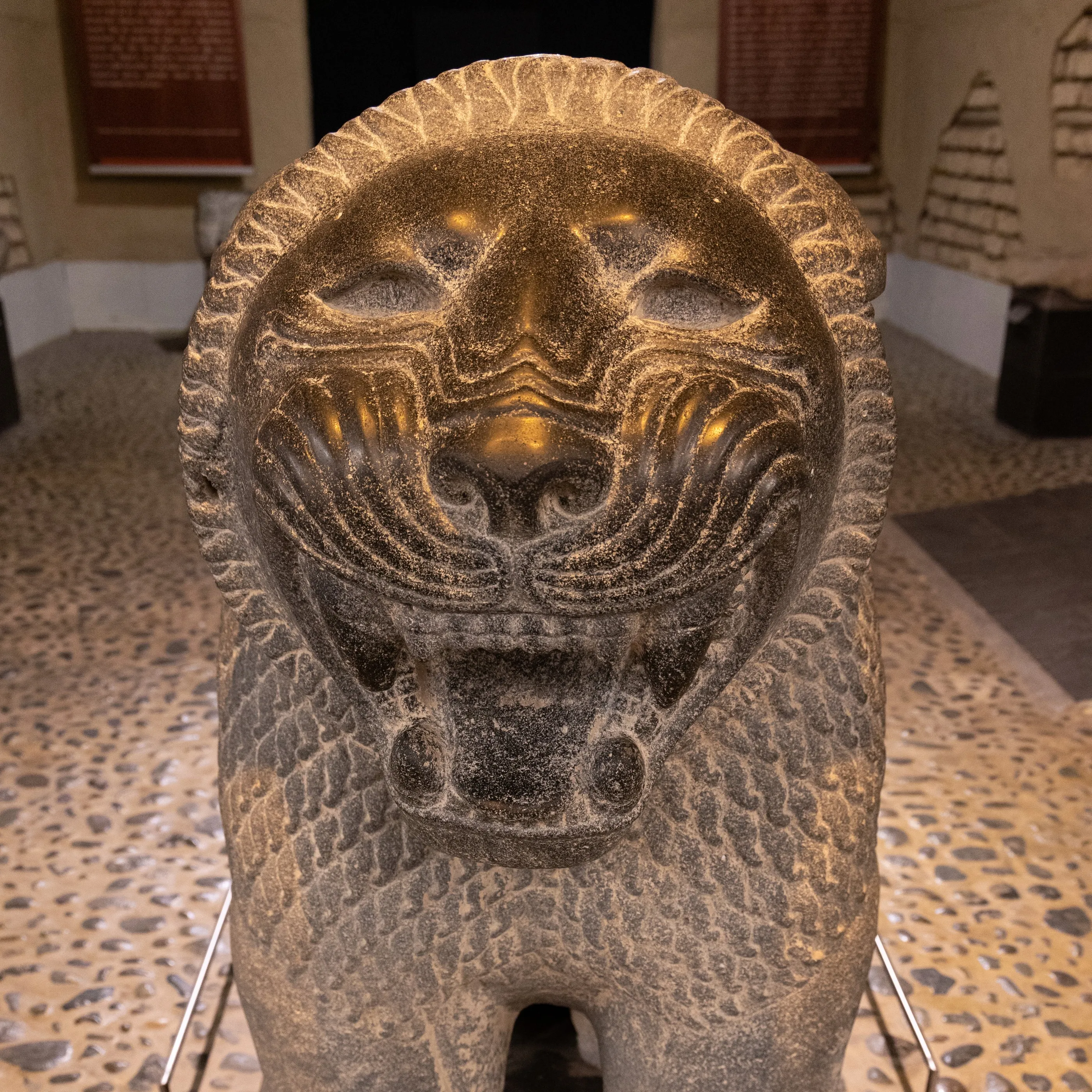
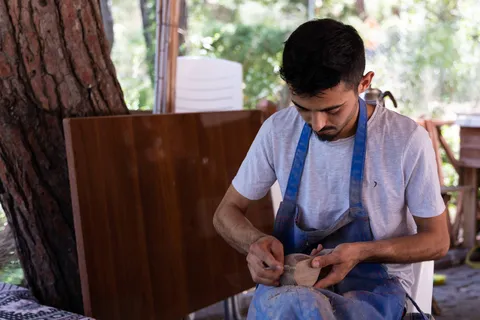
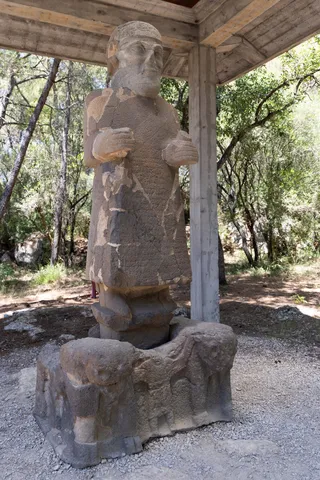
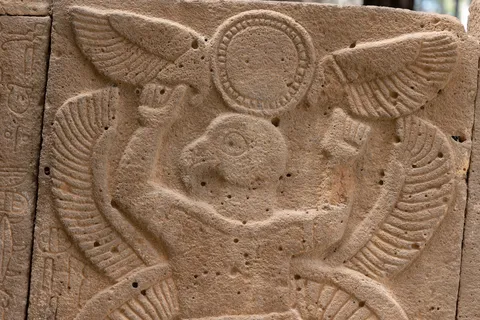
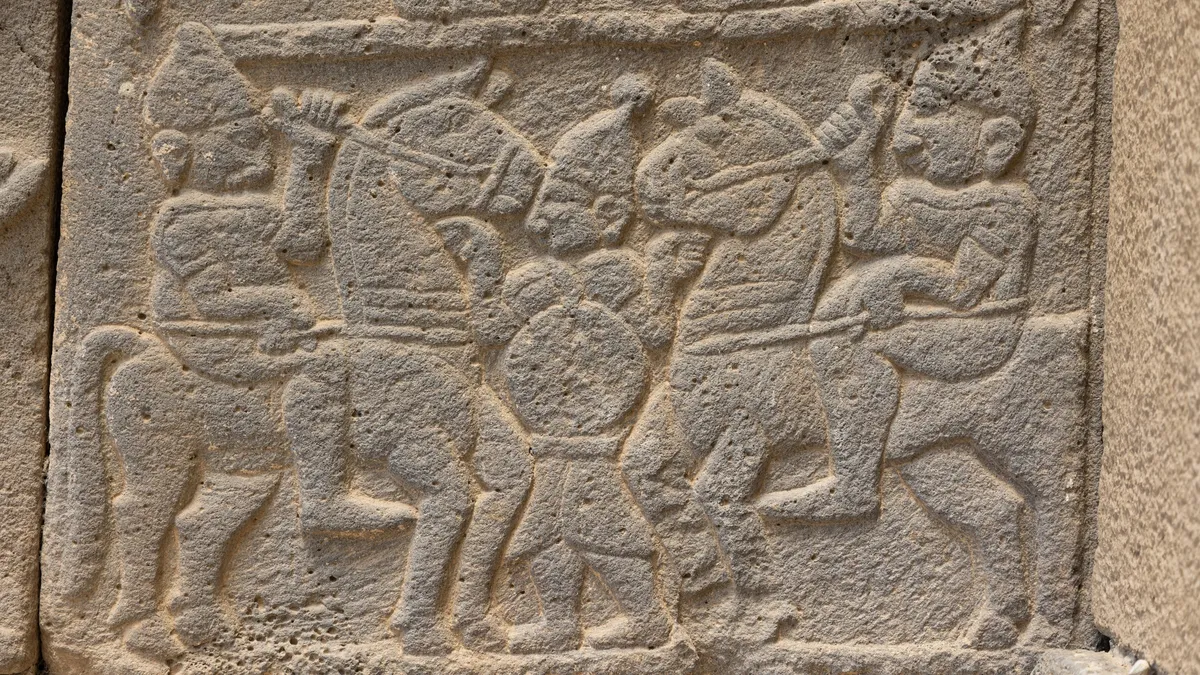
In the wooded hills of ancient Cilicia, the Neo-Hittite citadel of Karatepe keeps its carved gateways among the pines: storm god, winged sun disc, hunting and banquet scenes. It was here that a long bilingual inscription, in Phoenician and Luwian hieroglyphs, made it possible to decipher the latter. Under the trees a craftsman works on, indifferent to the centuries.
By road↗ 122 km
Antakya
Turkey
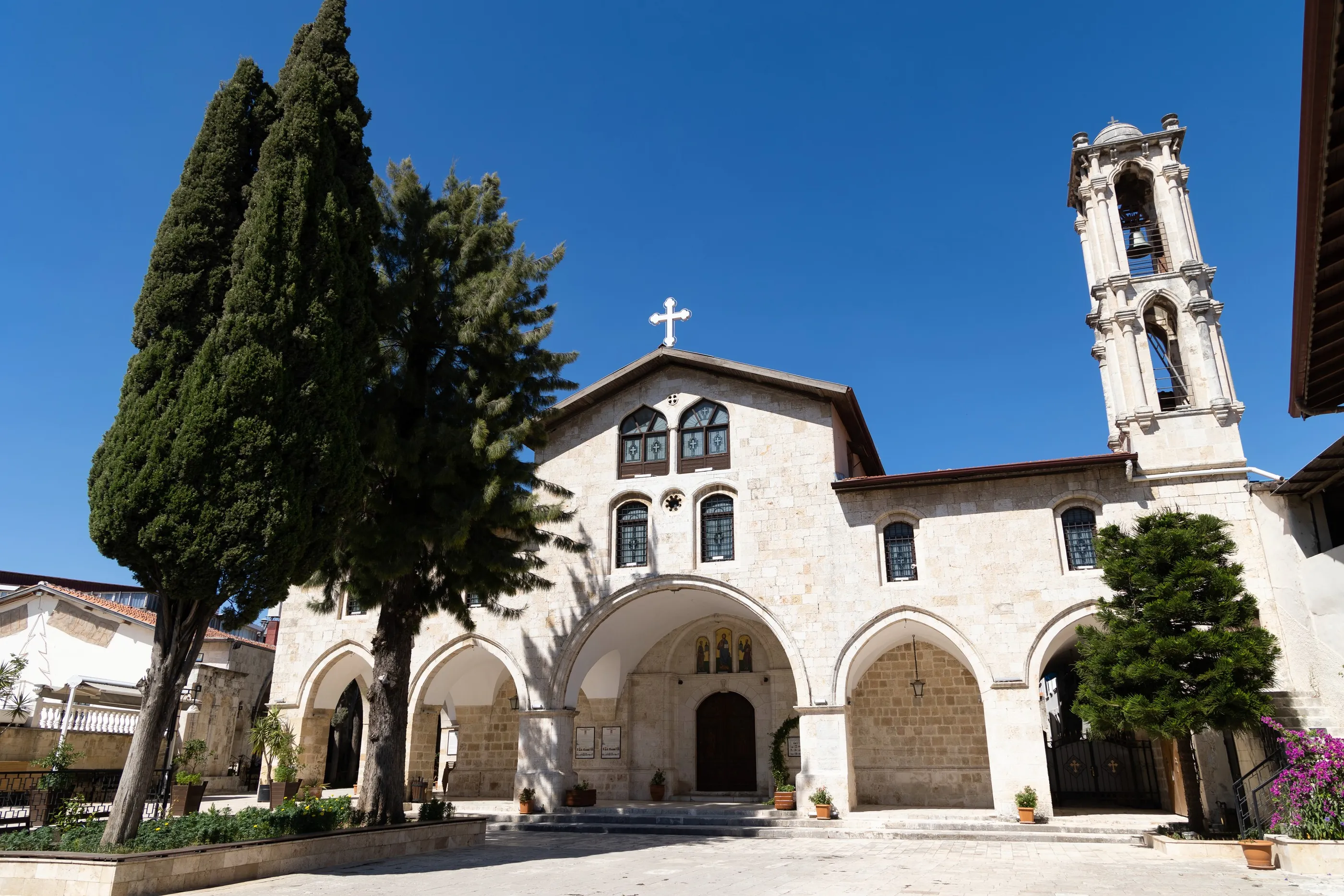
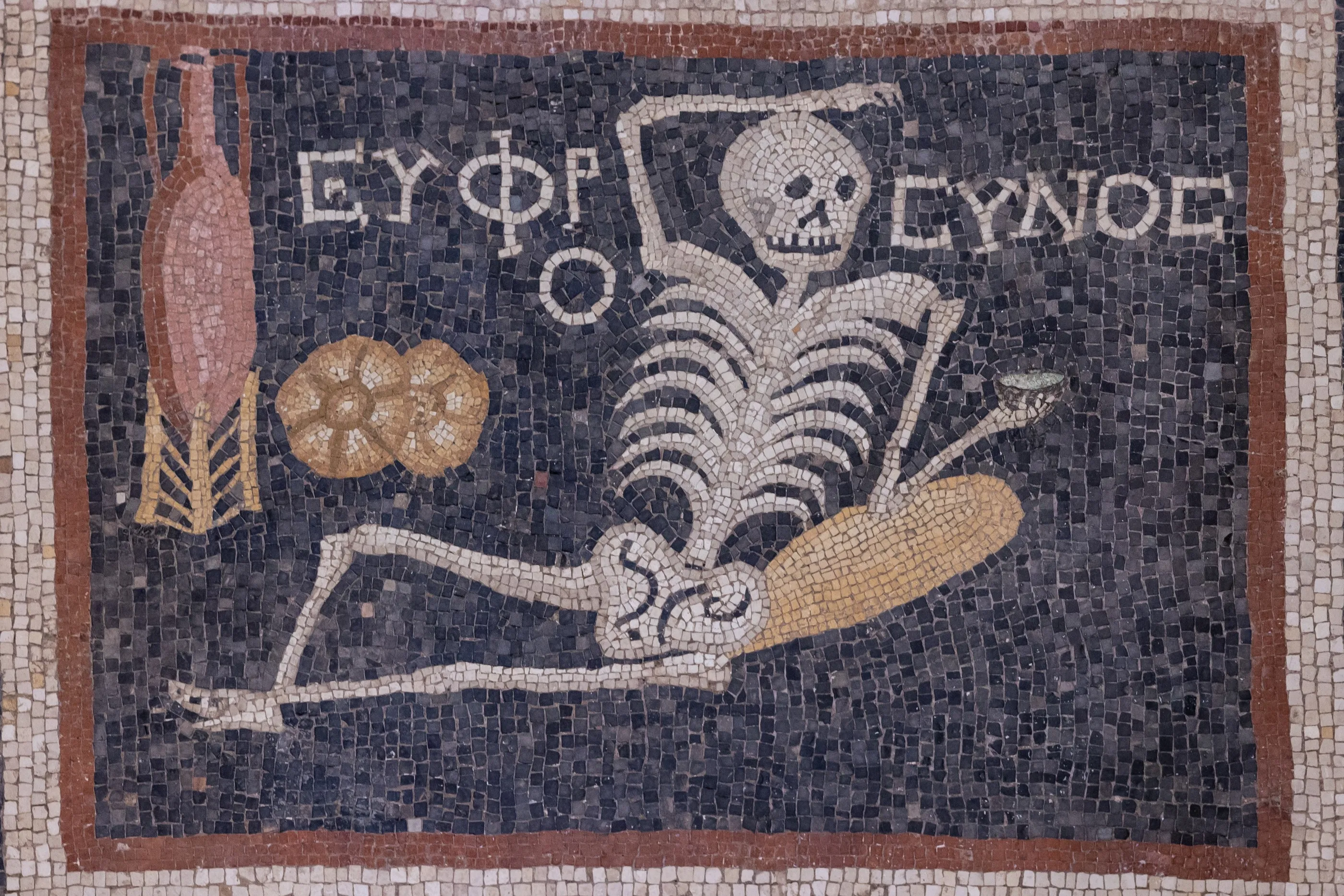
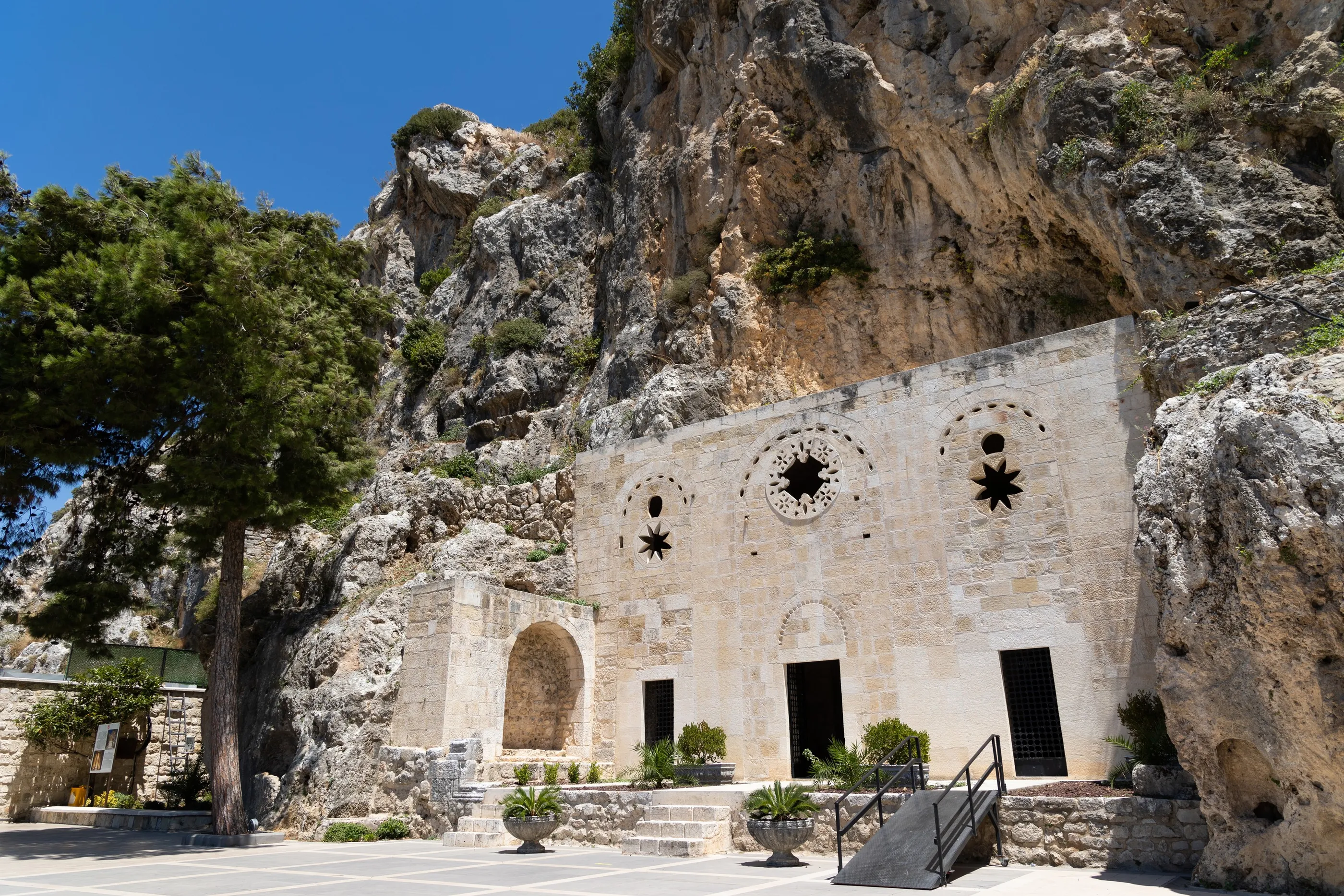
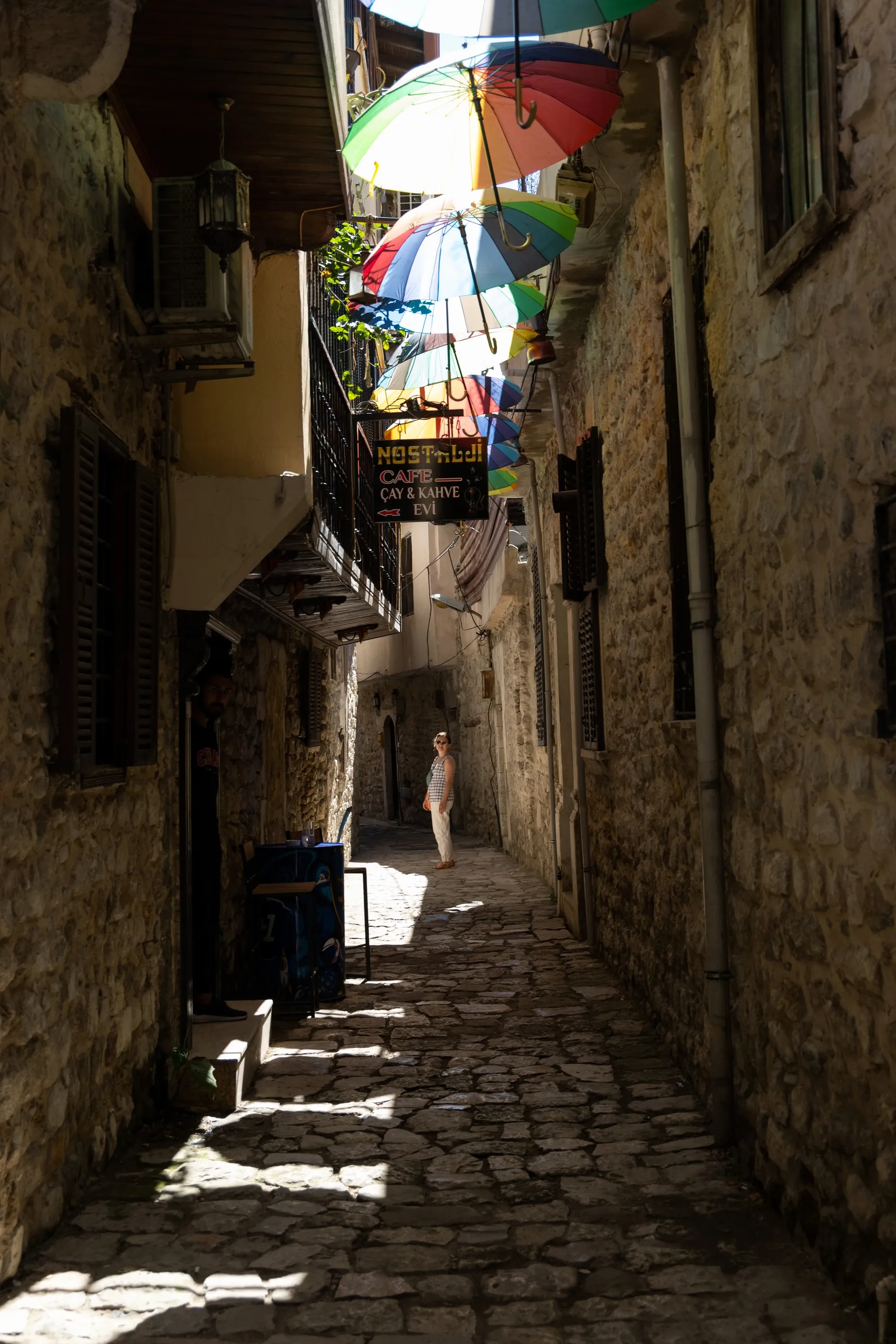
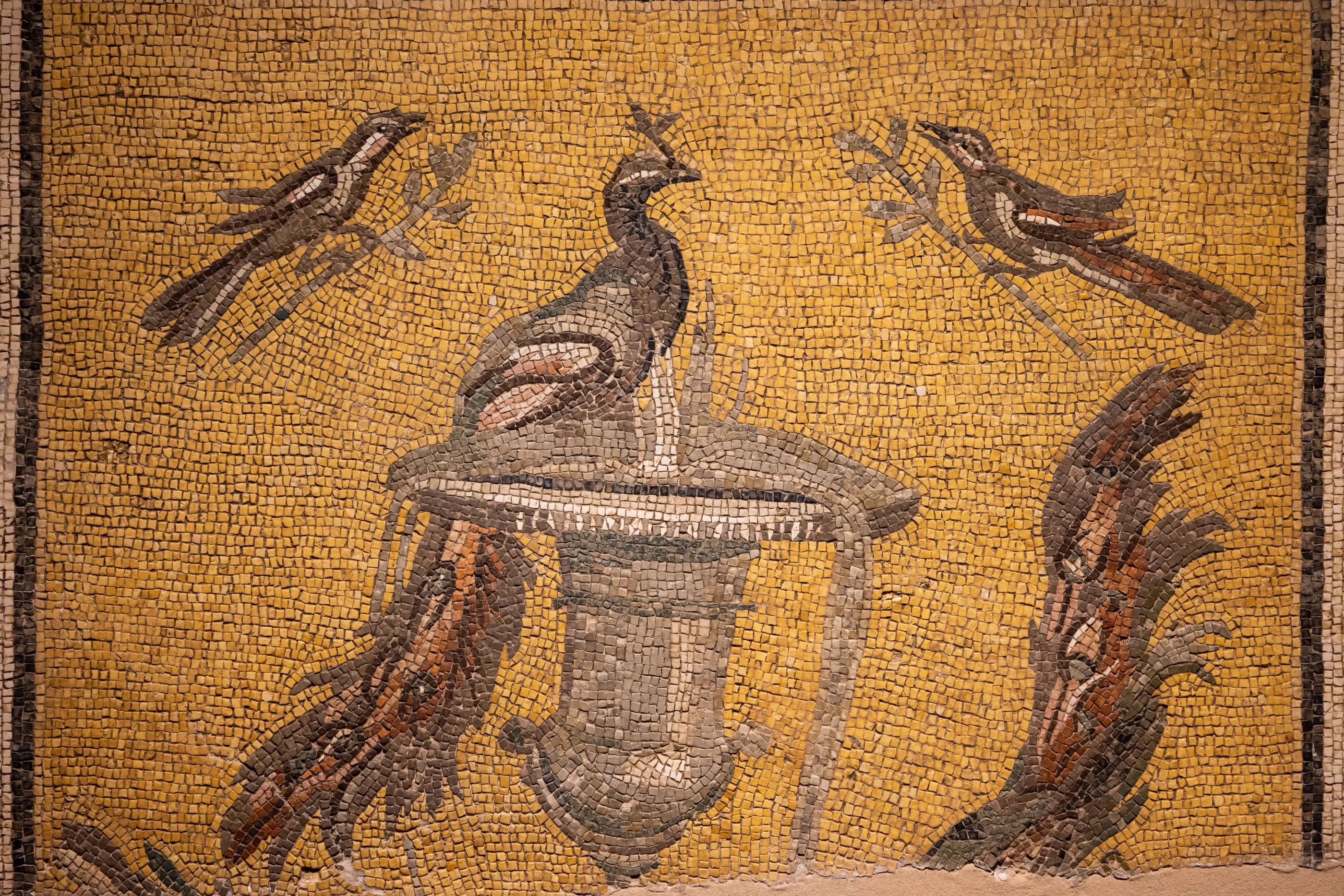
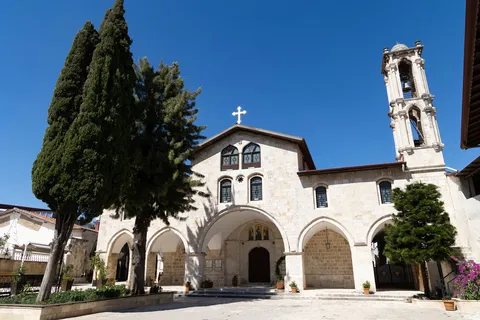
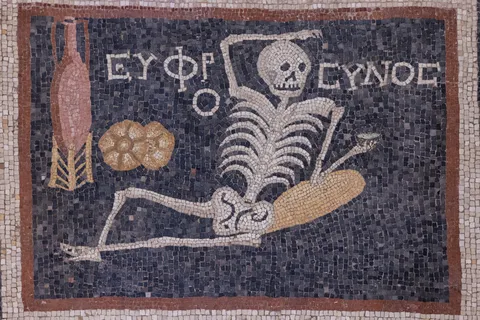
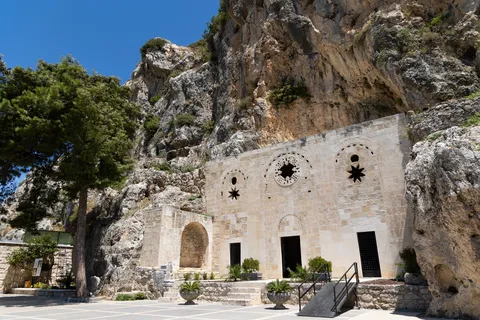
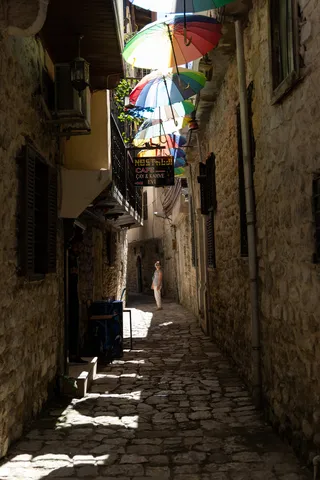
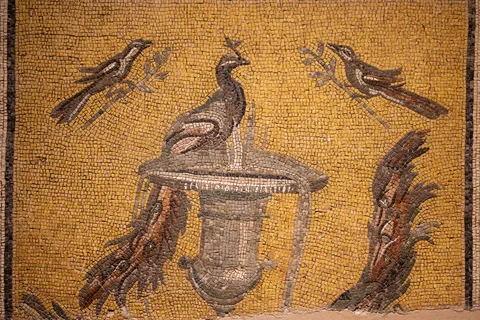
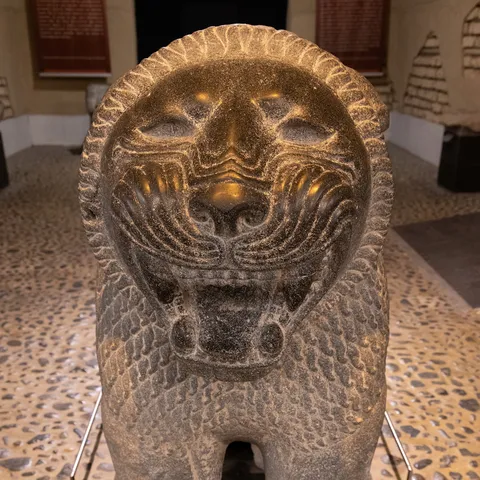
Antakya, ancient Antioch, where the disciples were first called Christians. In the Hatay Museum, the Roman mosaics are among the finest in the world, including a reclining skeleton urging us to enjoy life. In the old town, the Orthodox church of St Peter and St Paul, alleys shaded by umbrellas, the cave church of St Peter on the mountainside. Seven months later, the earthquake of February 2023 would destroy much of it.
By road↗ 145 km
Gaziantep
Turkey
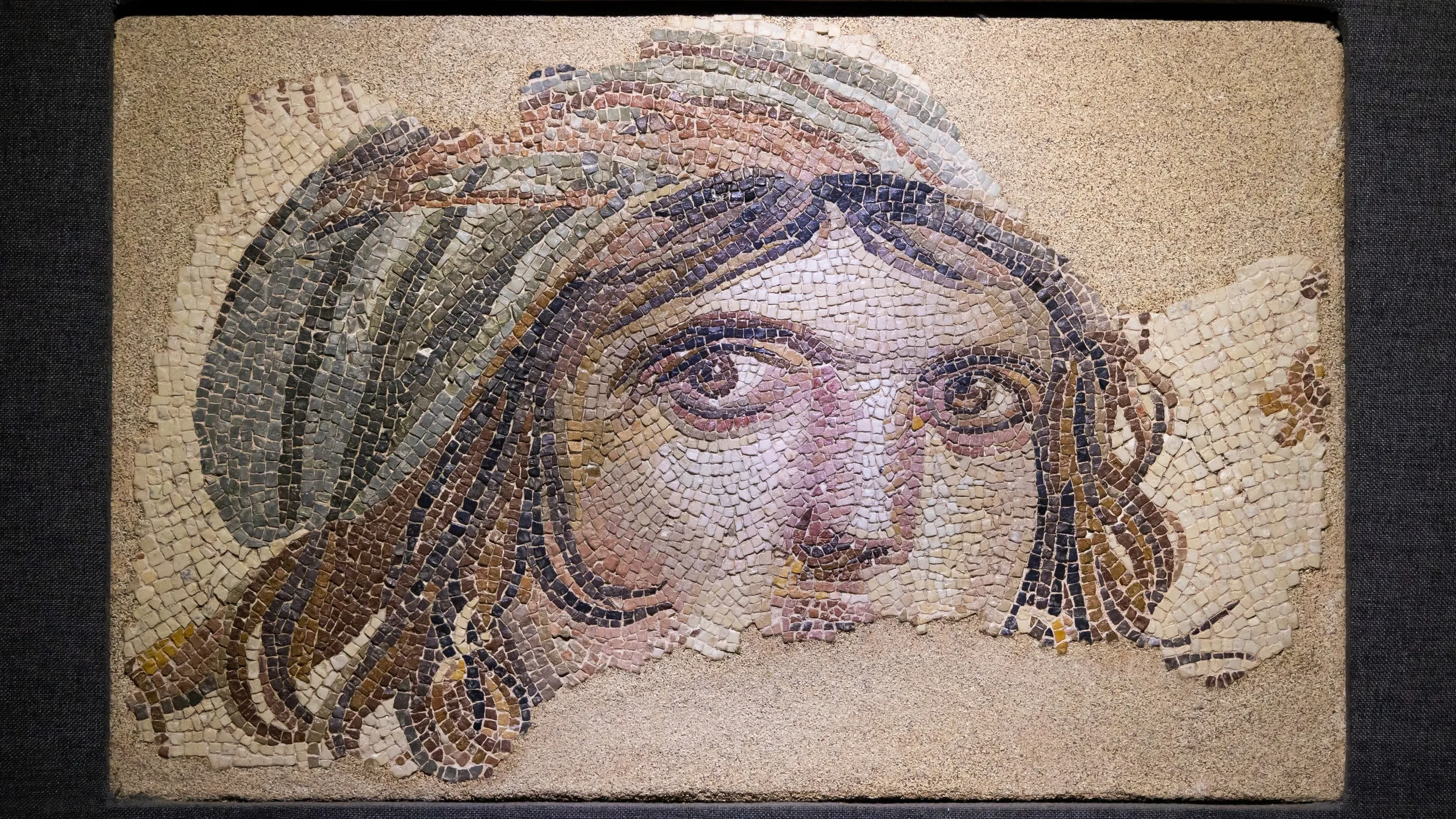
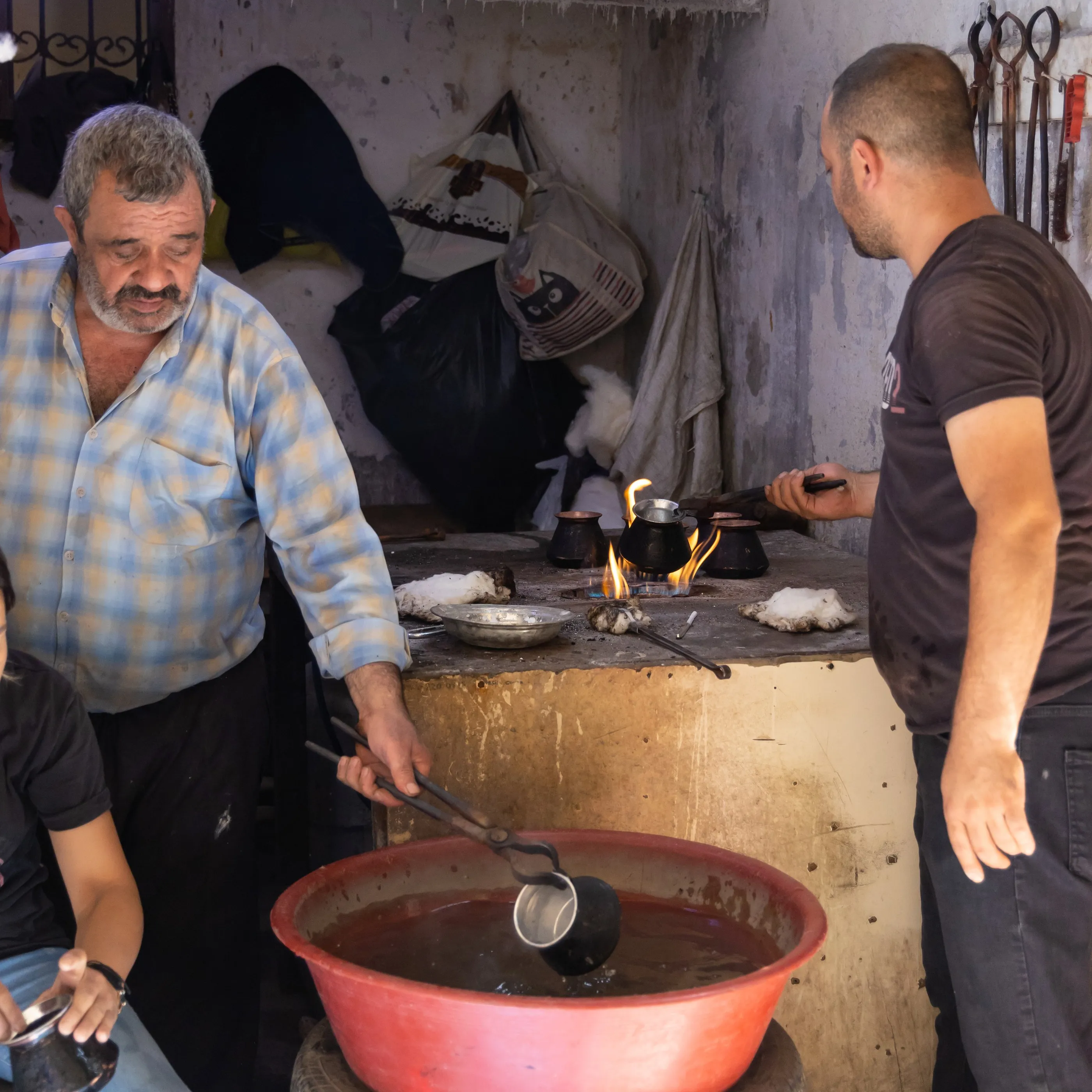
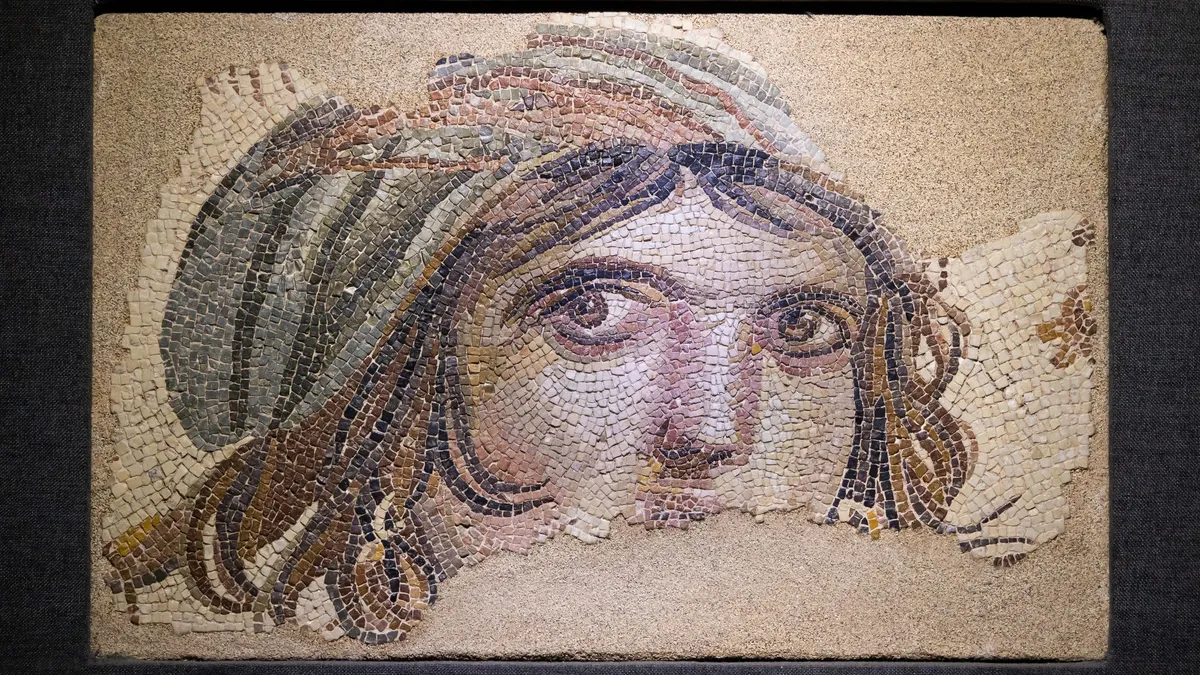
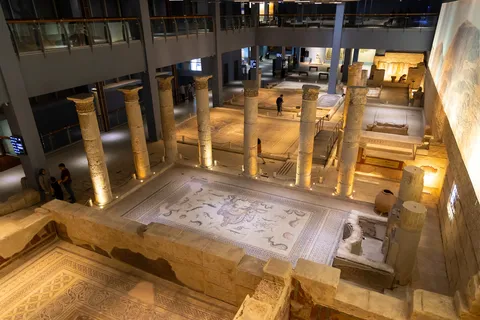
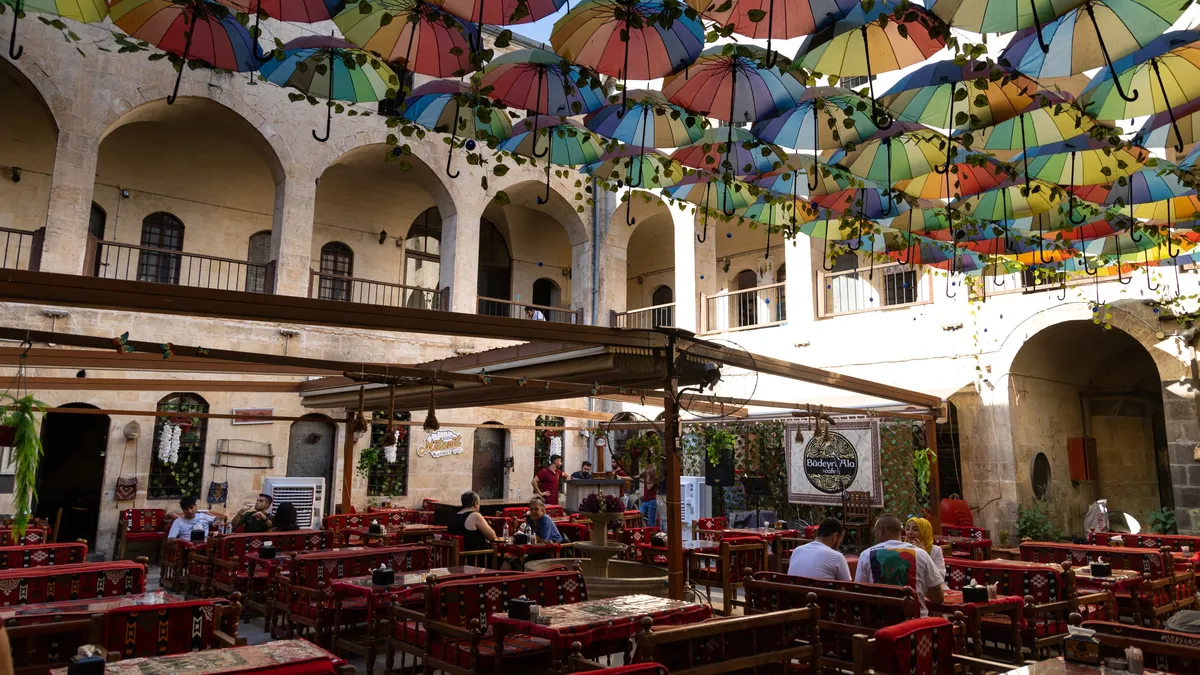
Gaziantep, an old caravan crossroads. In the Zeugma Museum, mosaics rescued from the Euphrates before a dam flooded the valley, and the haunting gaze of the “Gypsy Girl”, now the city’s emblem. In the artisans’ bazaars, coppersmiths, shoemakers, merchants of spices and dried peppers: here the East has a bolder taste.


By road↗ 268 km
Diyarbakır
Turkey
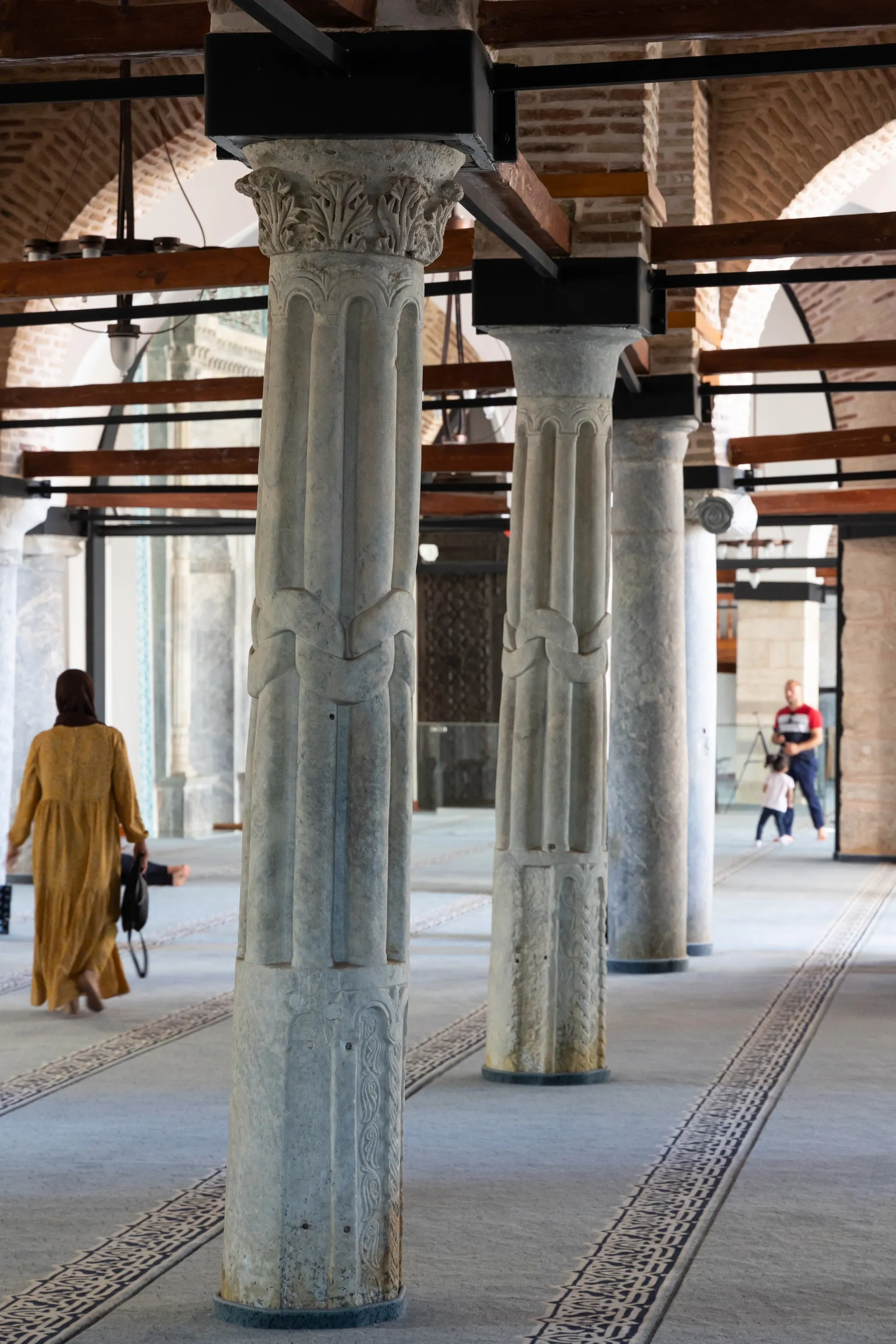
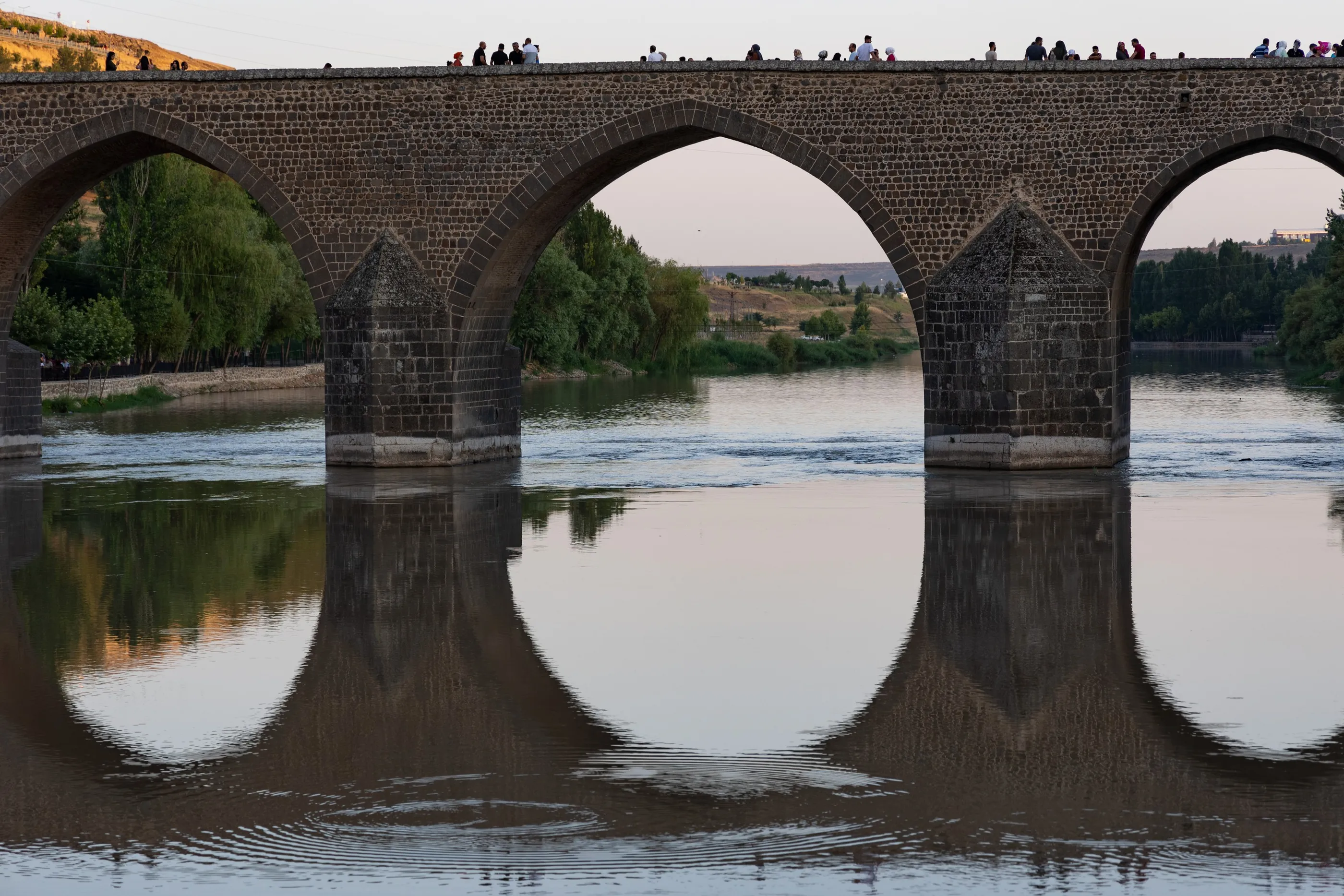
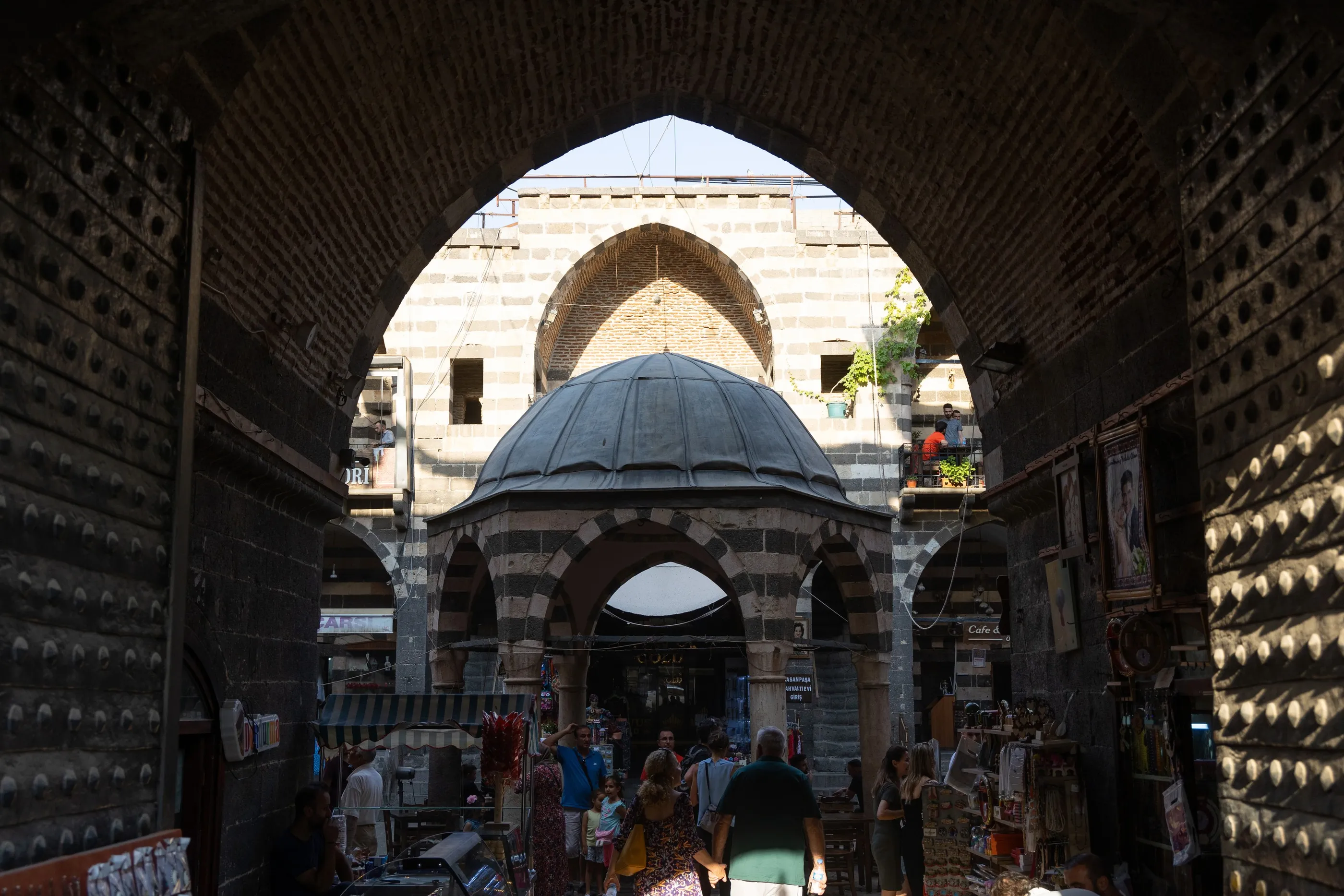
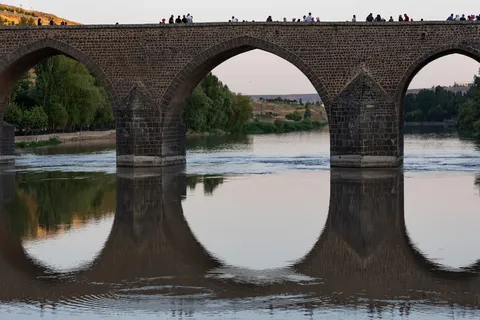
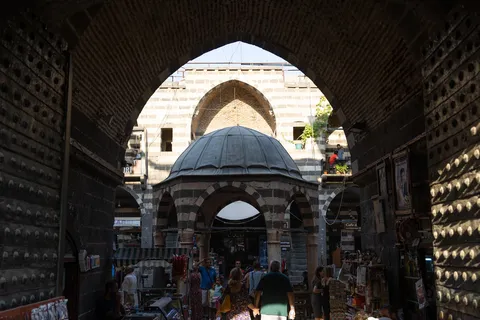
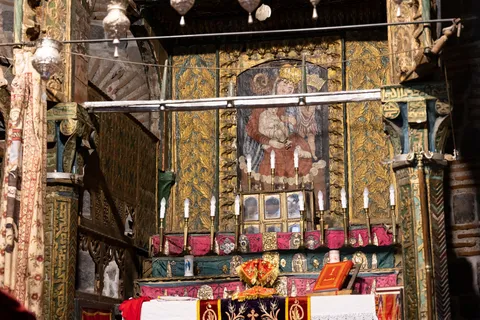
Diyarbakır, the city of black basalt, heart of Turkish Kurdistan. In the courtyard of the Great Mosque, reused ancient columns; in the shade, people rest out of the crushing July heat. At sunset the Ten-Eyed Bridge spans the Tigris, as it has for nearly a thousand years.



By road↗ 131 km
Mount Nemrut
Turkey
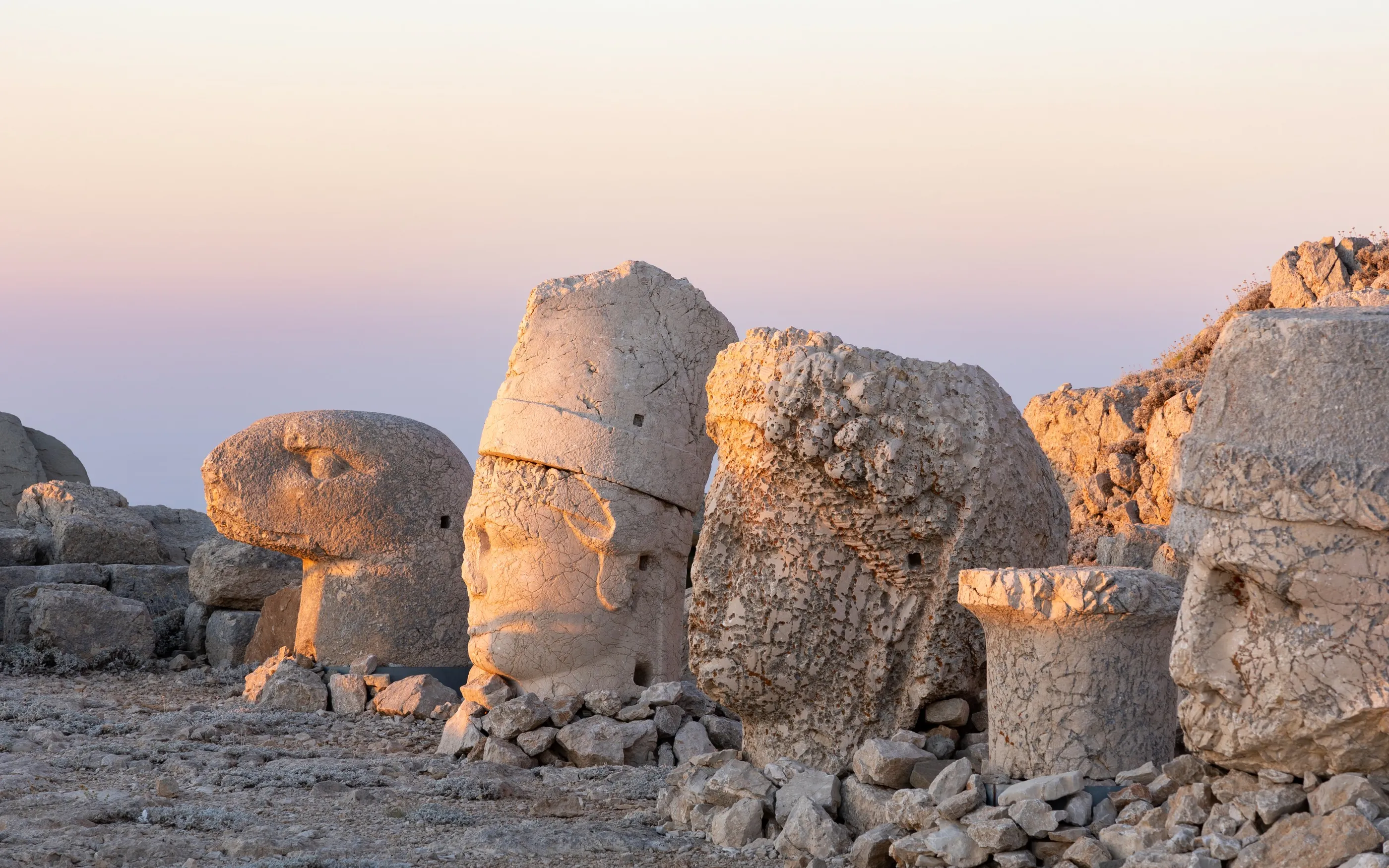
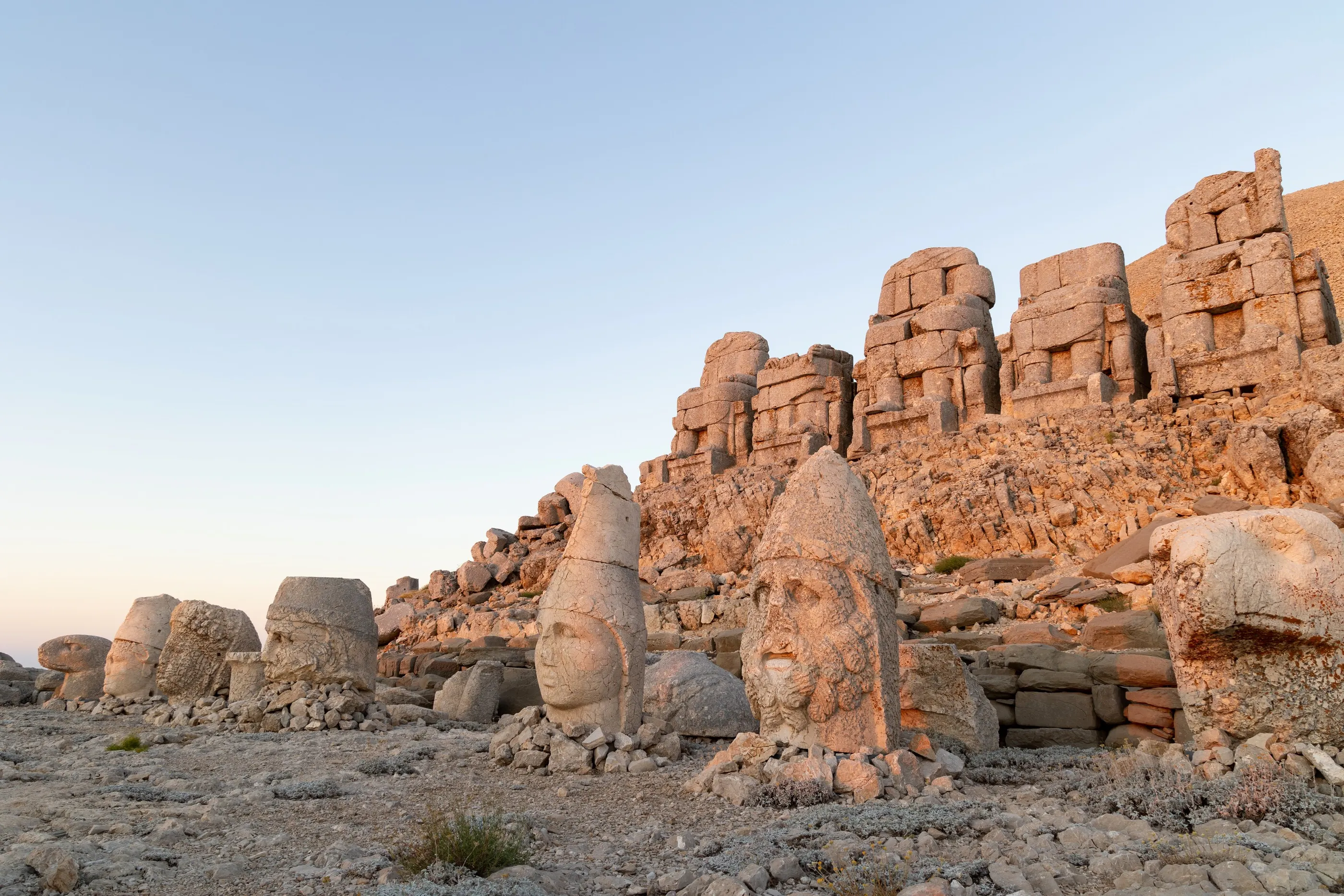
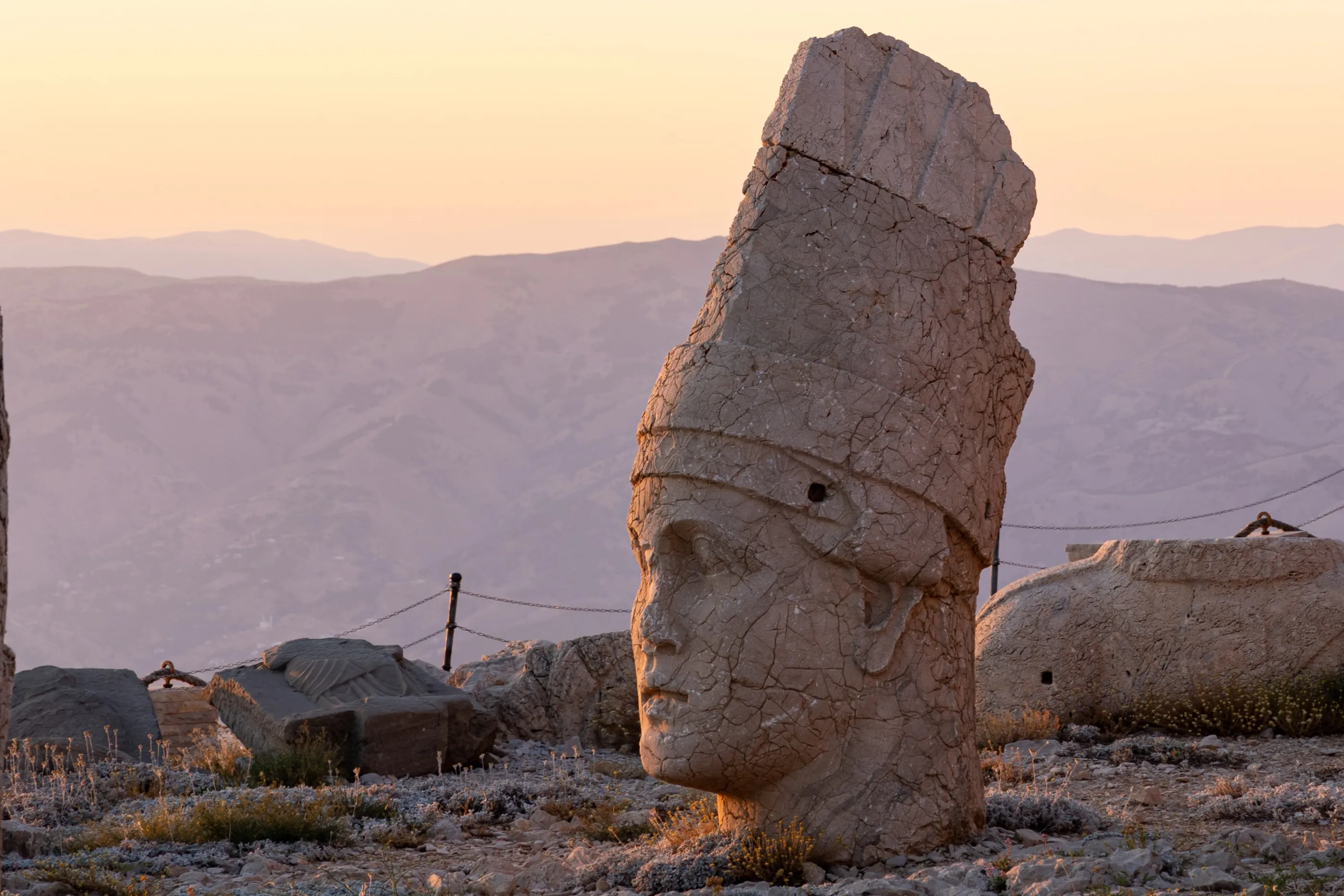
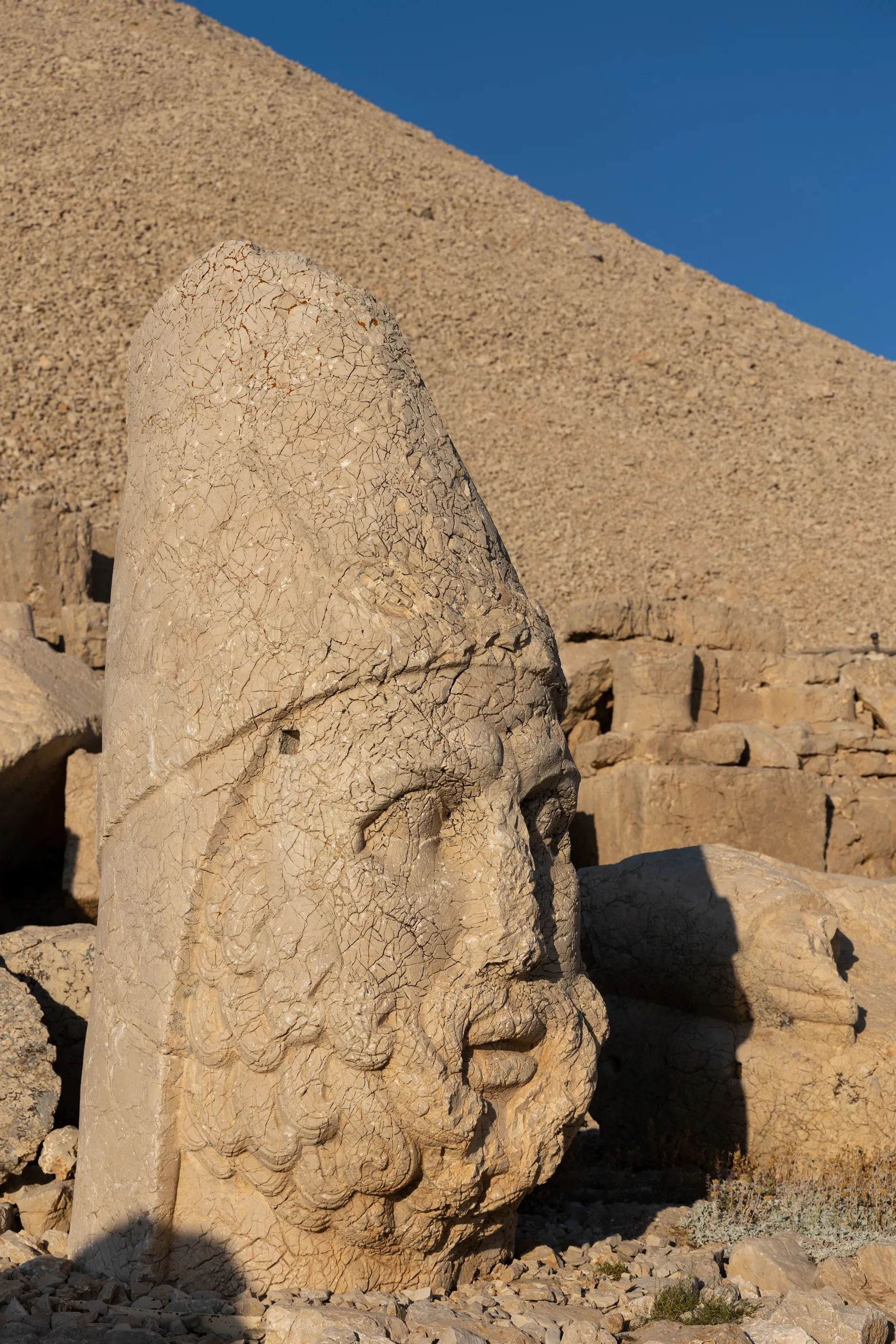
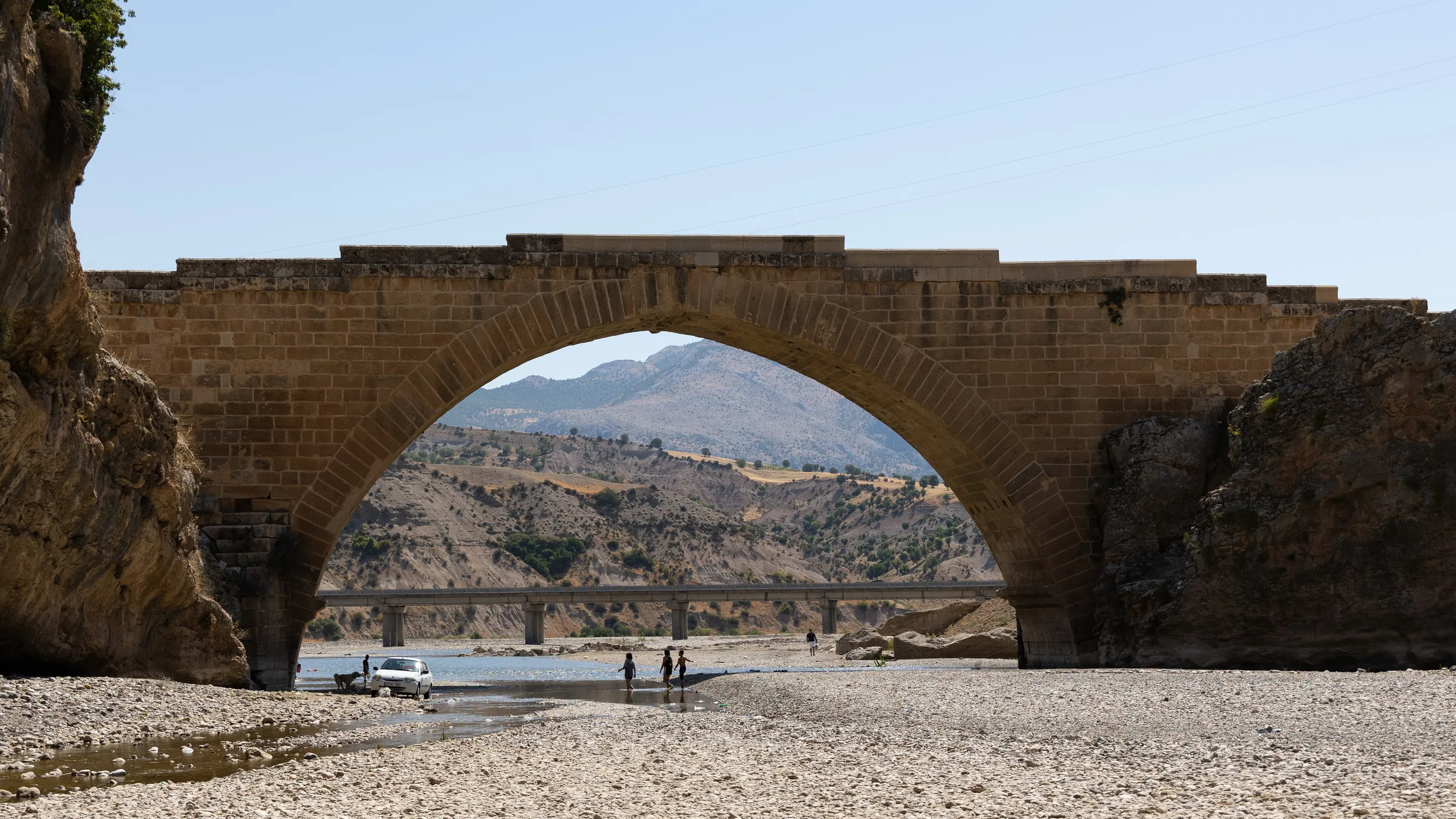
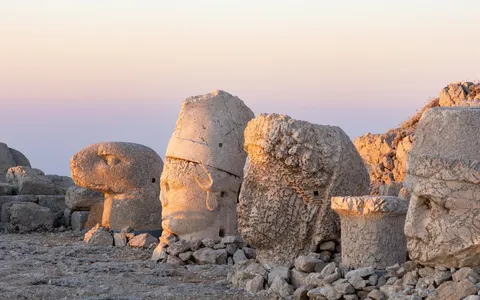
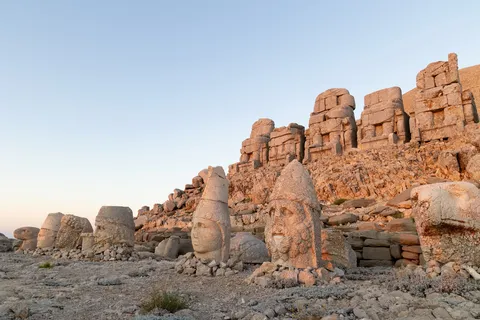
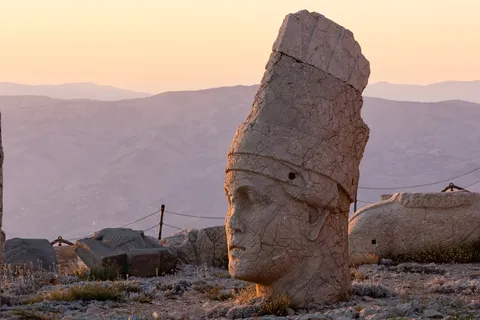
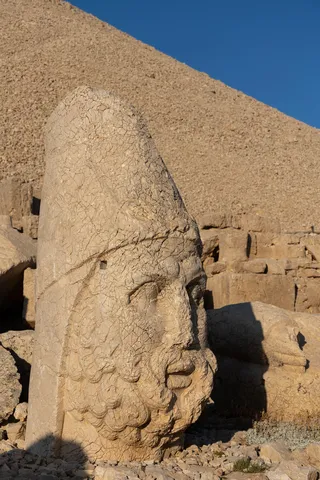
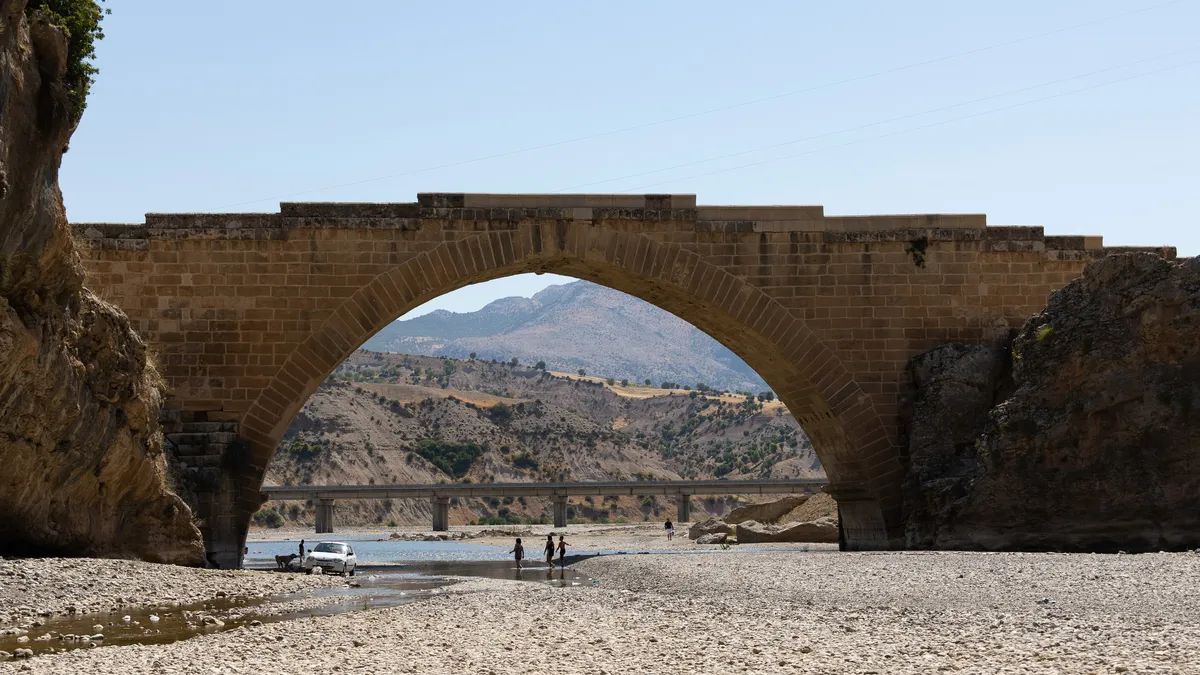
On the summit of Mount Nemrut, more than 2,000 metres up, the colossal heads of King Antiochus and his gods have gazed at the horizon for two thousand years. We wait there for sunset and sunrise, when the stone catches fire. On the way down, Arsameia and its relief of King Mithridates shaking hands with Heracles, then the Roman bridge of Cendere, thrown across the river under Septimius Severus.

By road↗ 92 km
Şanlıurfa and Göbekli Tepe
Turkey
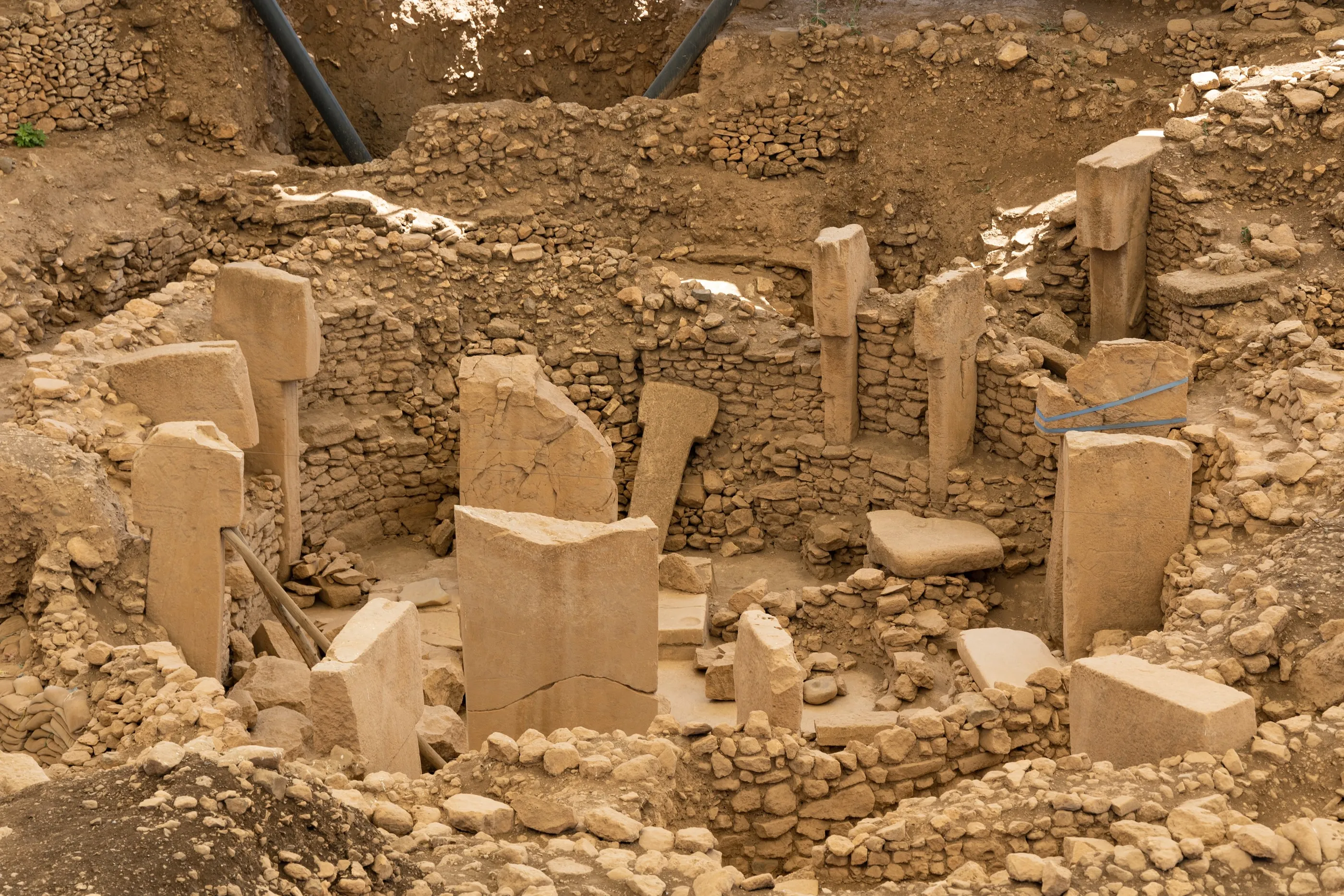
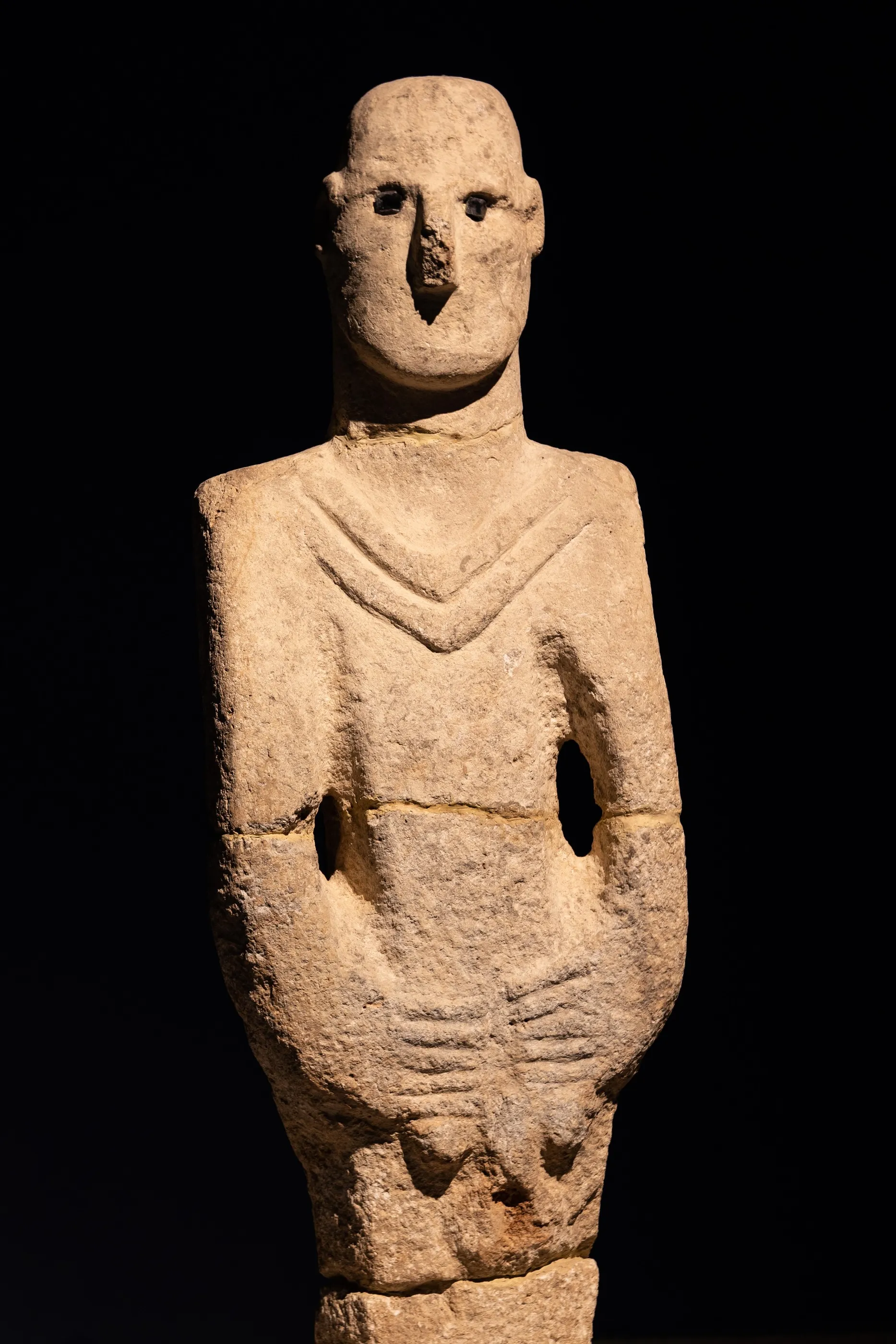
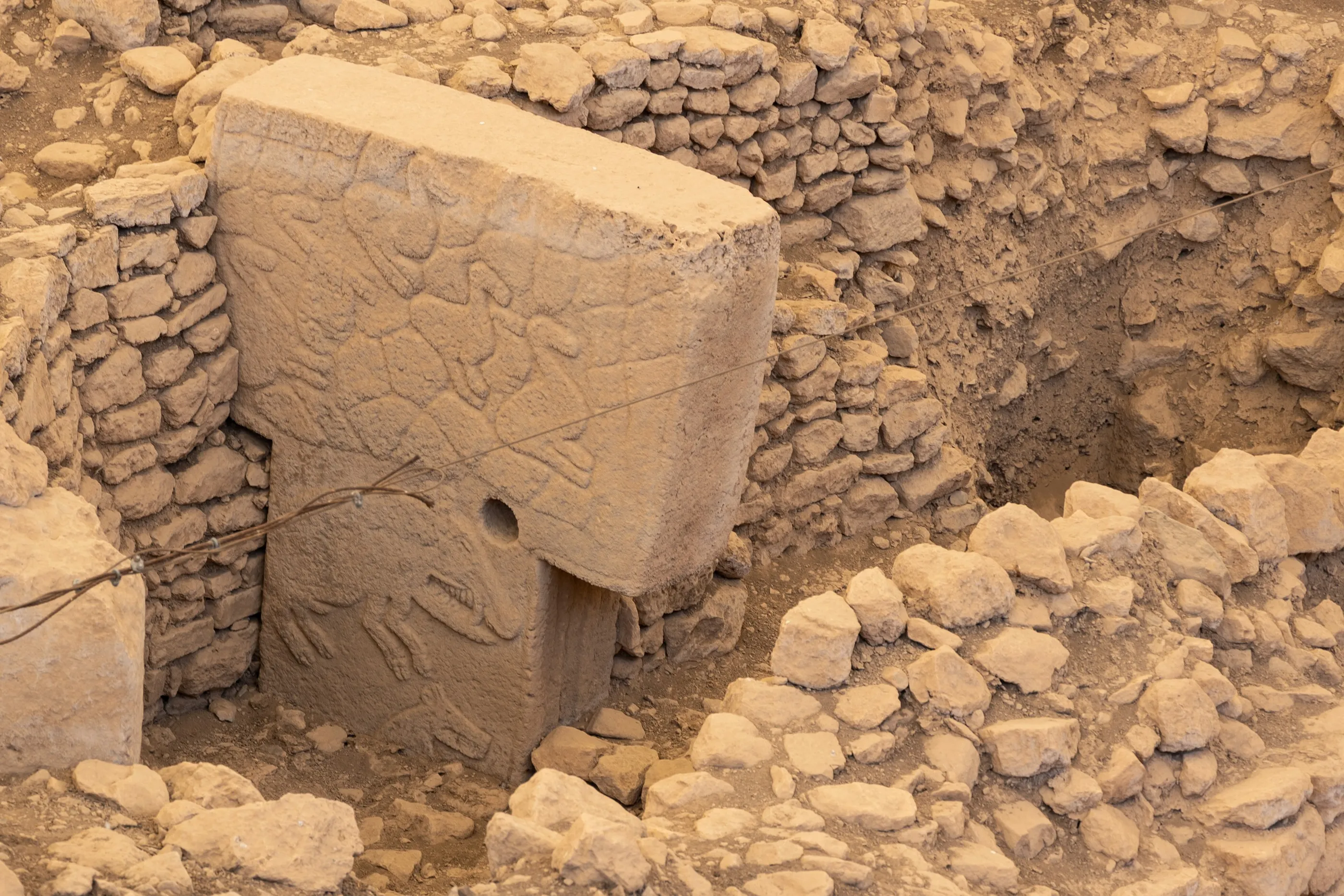
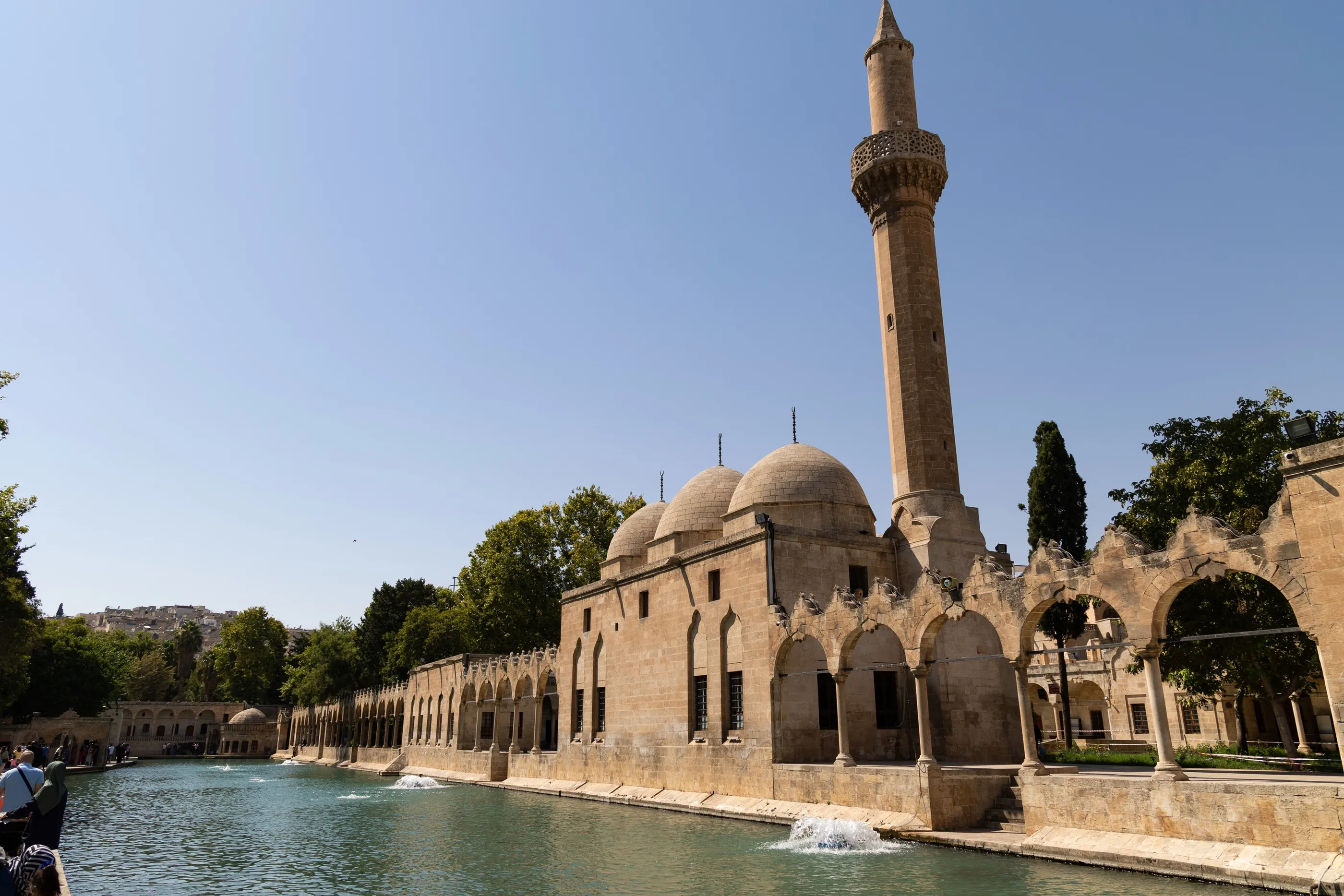
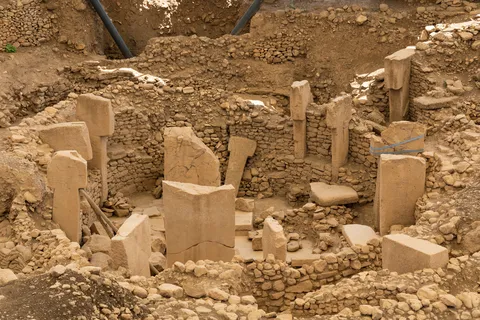
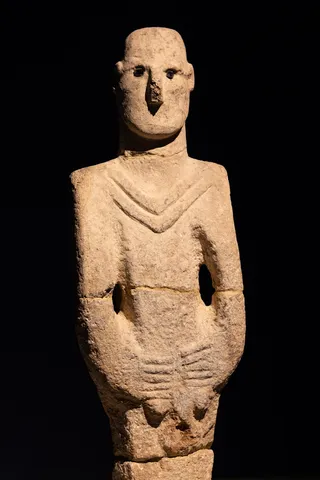
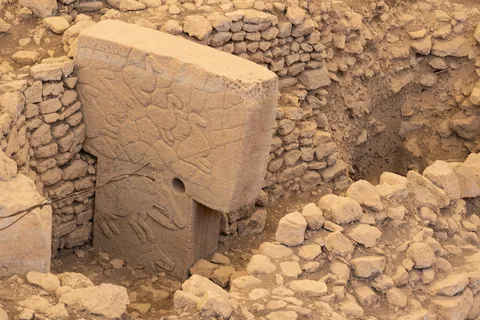
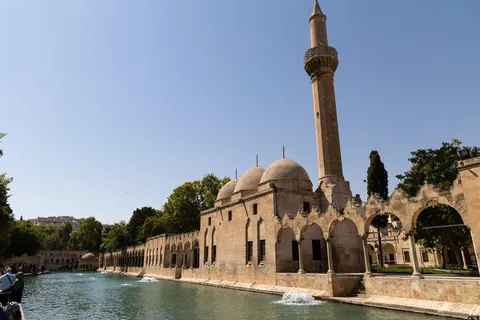
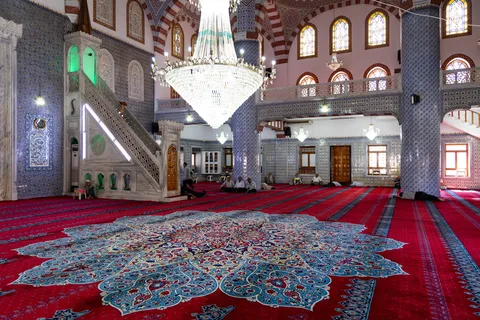
Şanlıurfa, the city of prophets, where tradition places the birth of Abraham. In the museum, the Urfa Man, the oldest known life-size human statue, carved some eleven thousand years ago. At Göbekli Tepe, T-shaped pillars carved with foxes, boars and snakes were raised millennia before Stonehenge: the oldest known sanctuary. In town, around the Pool of Abraham, sacred carp swim beneath the arcades of the mosques.
By road↗ 172 km
Mardin, Dara and Deyrulzafaran
Turkey
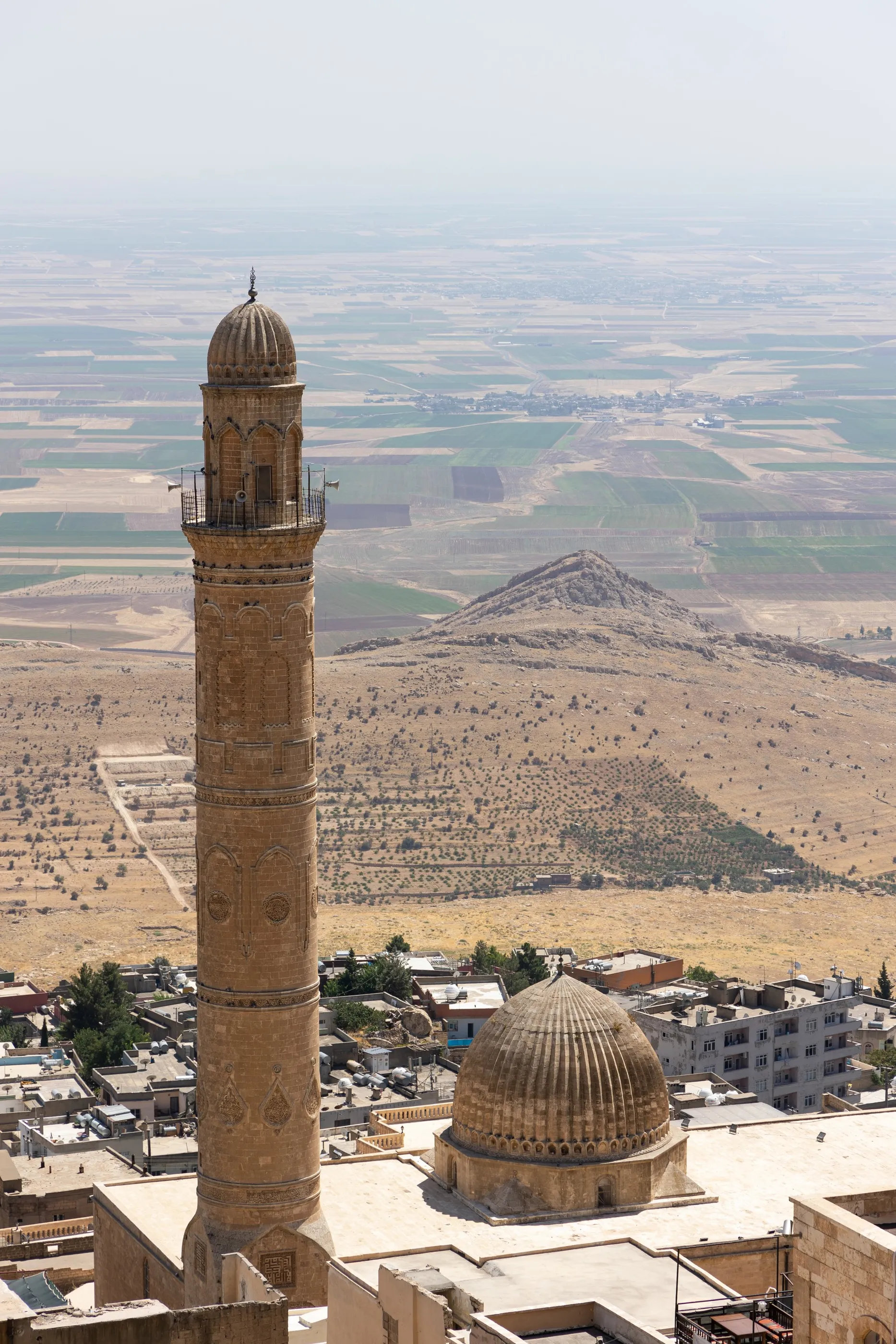
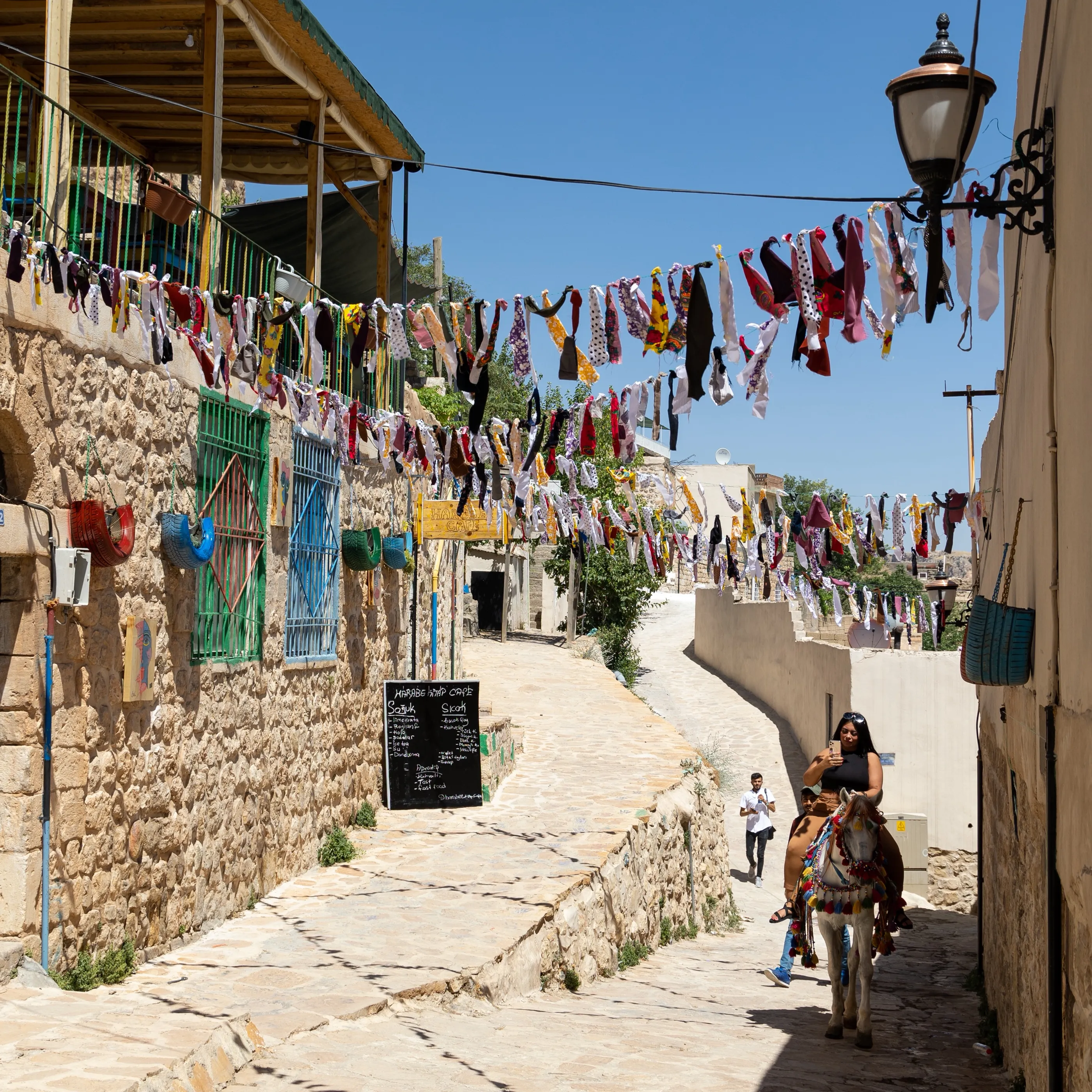
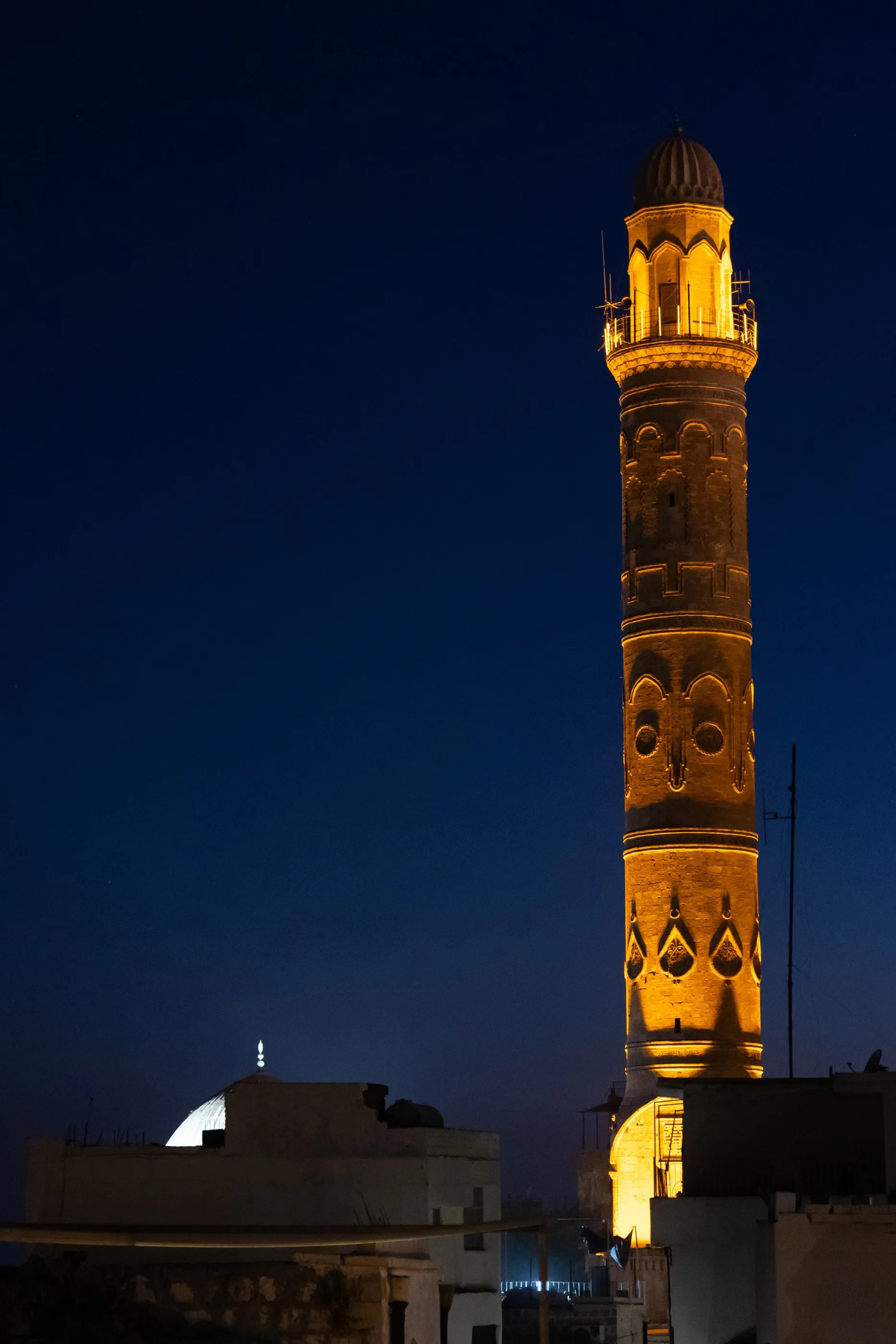
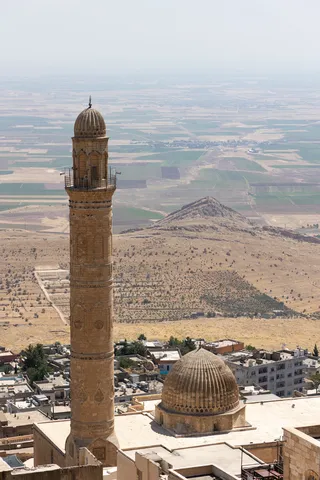
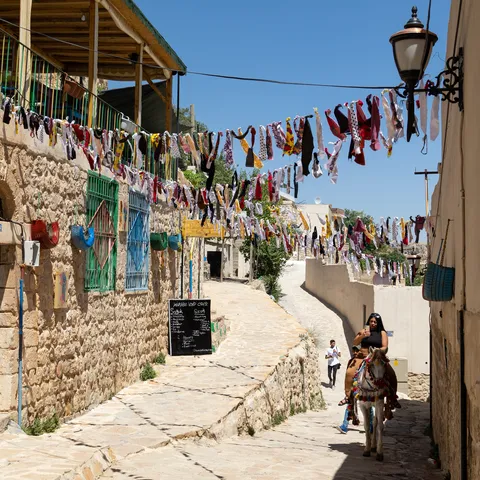
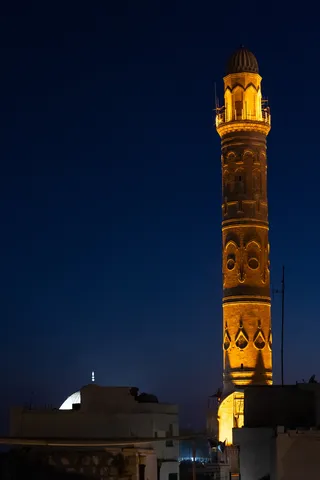
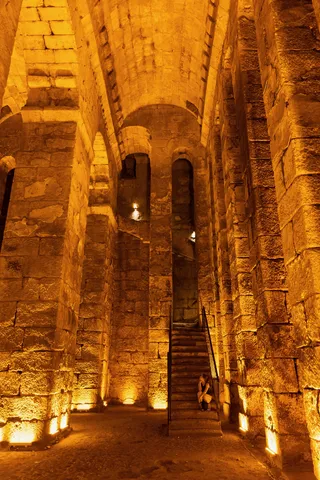
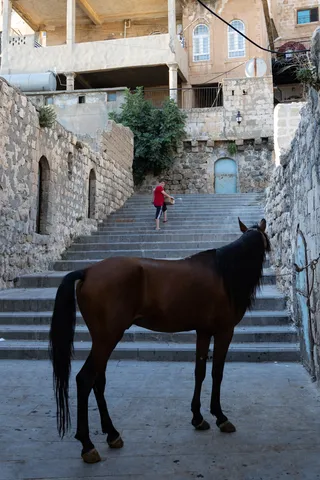
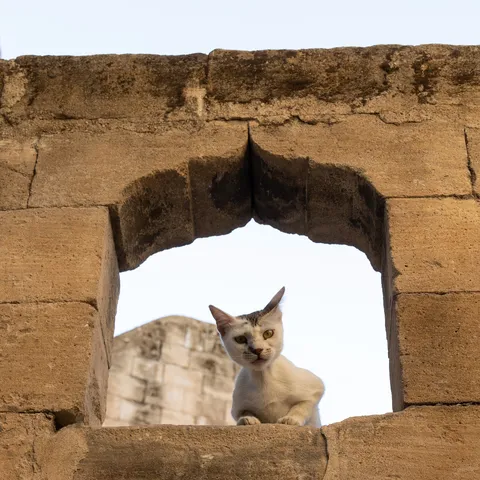
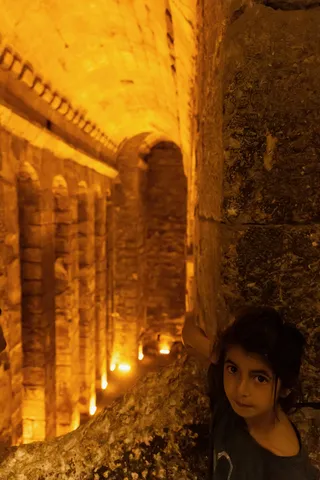
Mardin, clinging to its hill, overlooks the Mesopotamian plain stretching away towards Syria. Stepped alleys, honey-coloured stone, the minaret of the Great Mosque lit up at night. Close to the border, the Byzantine city of Dara hides a vast cistern and a rock-cut necropolis; on the way back, the Syriac monastery of Deyrulzafaran, one of the oldest still inhabited. The last Turkish stop before Iraq.
By road↗ 317 km
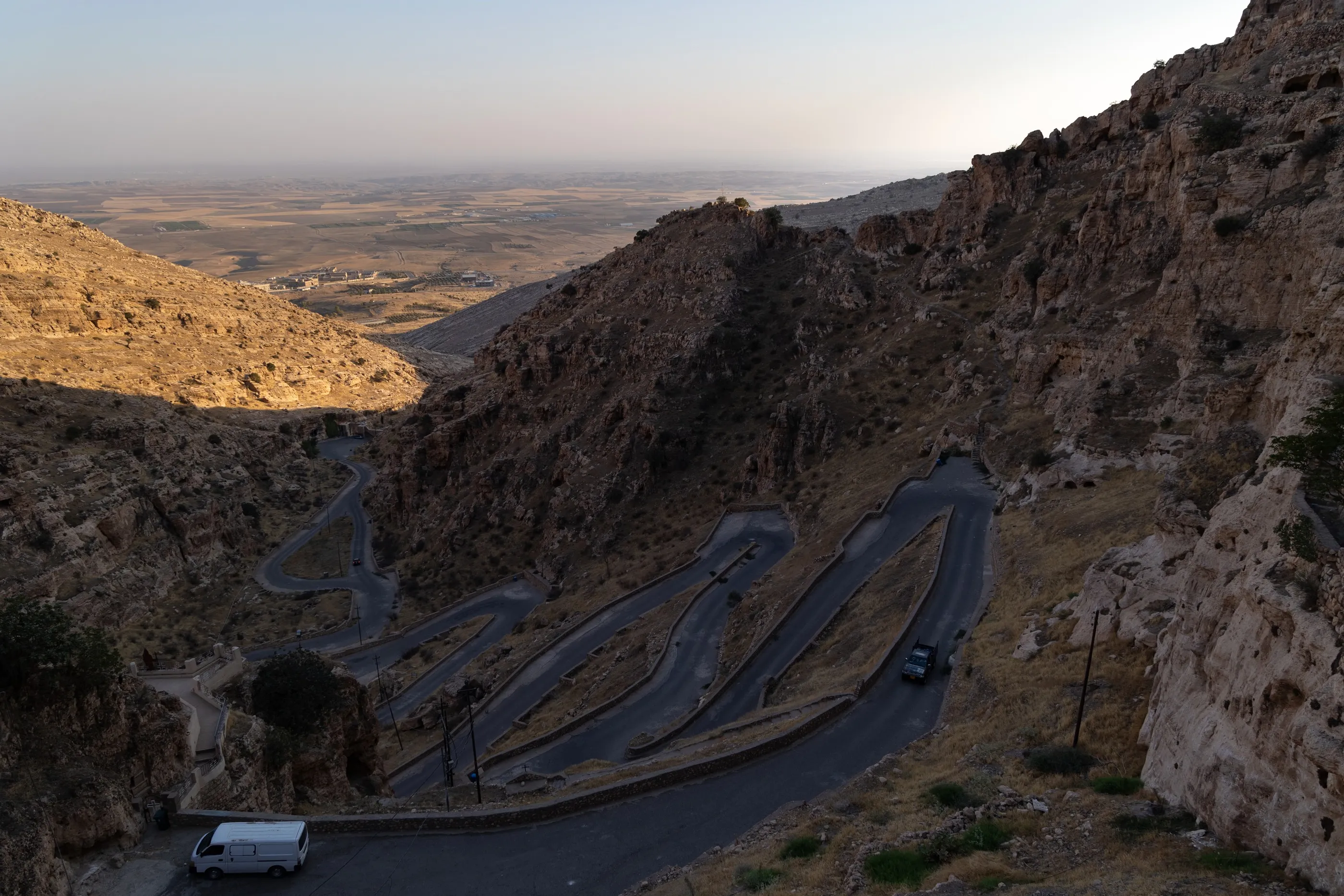
Erbil and Mar Mattai
Iraq (Kurdistan)
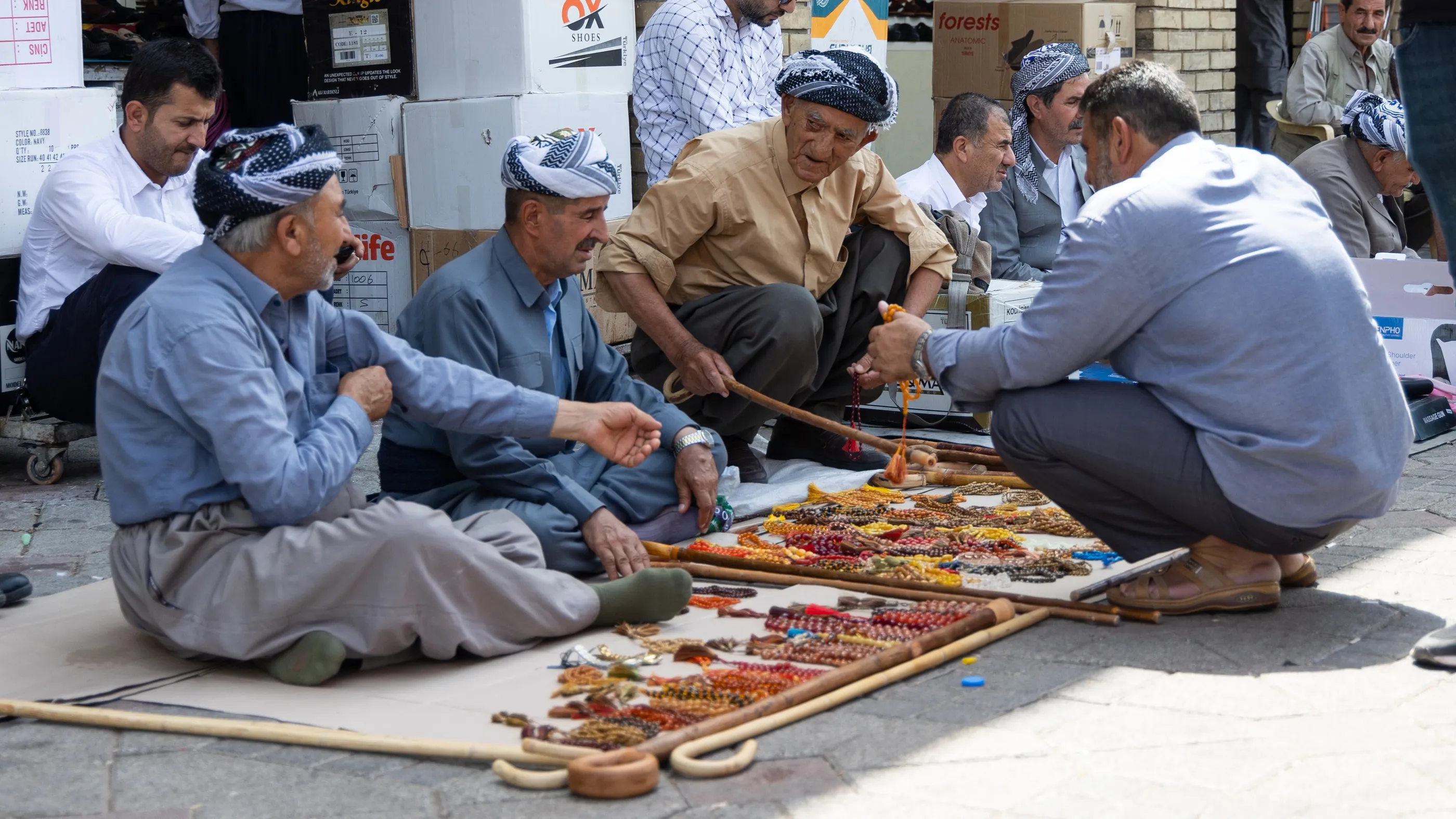
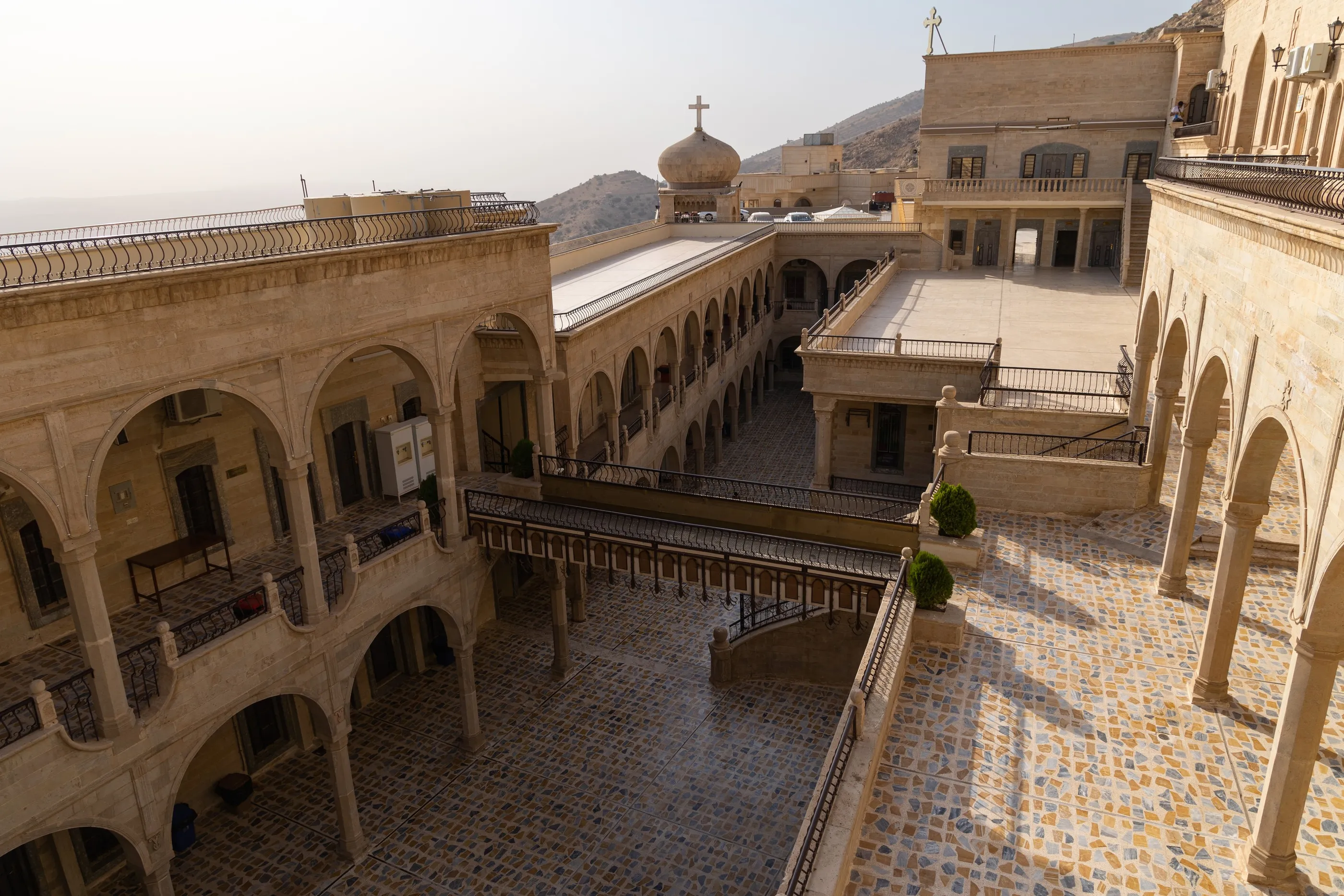
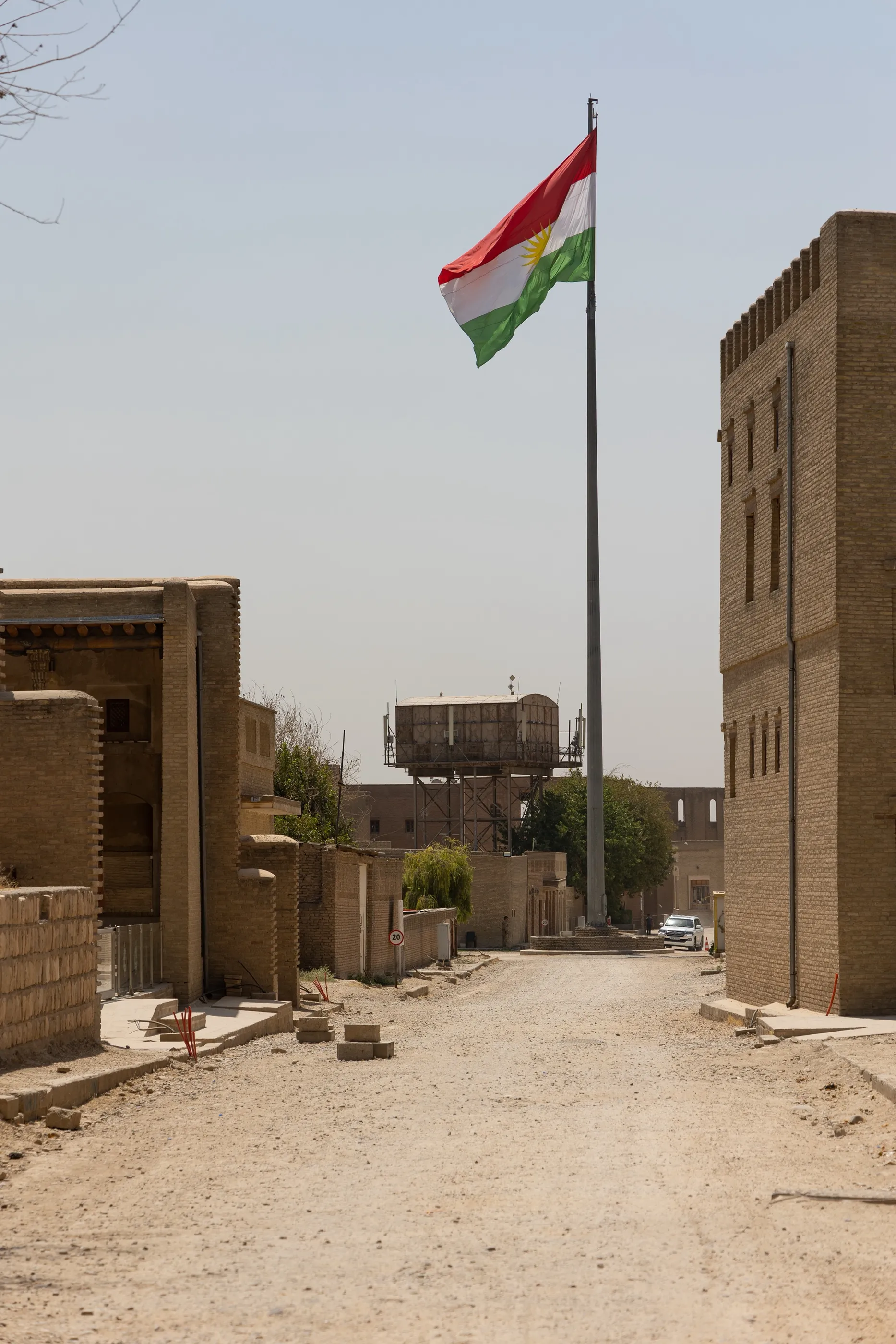
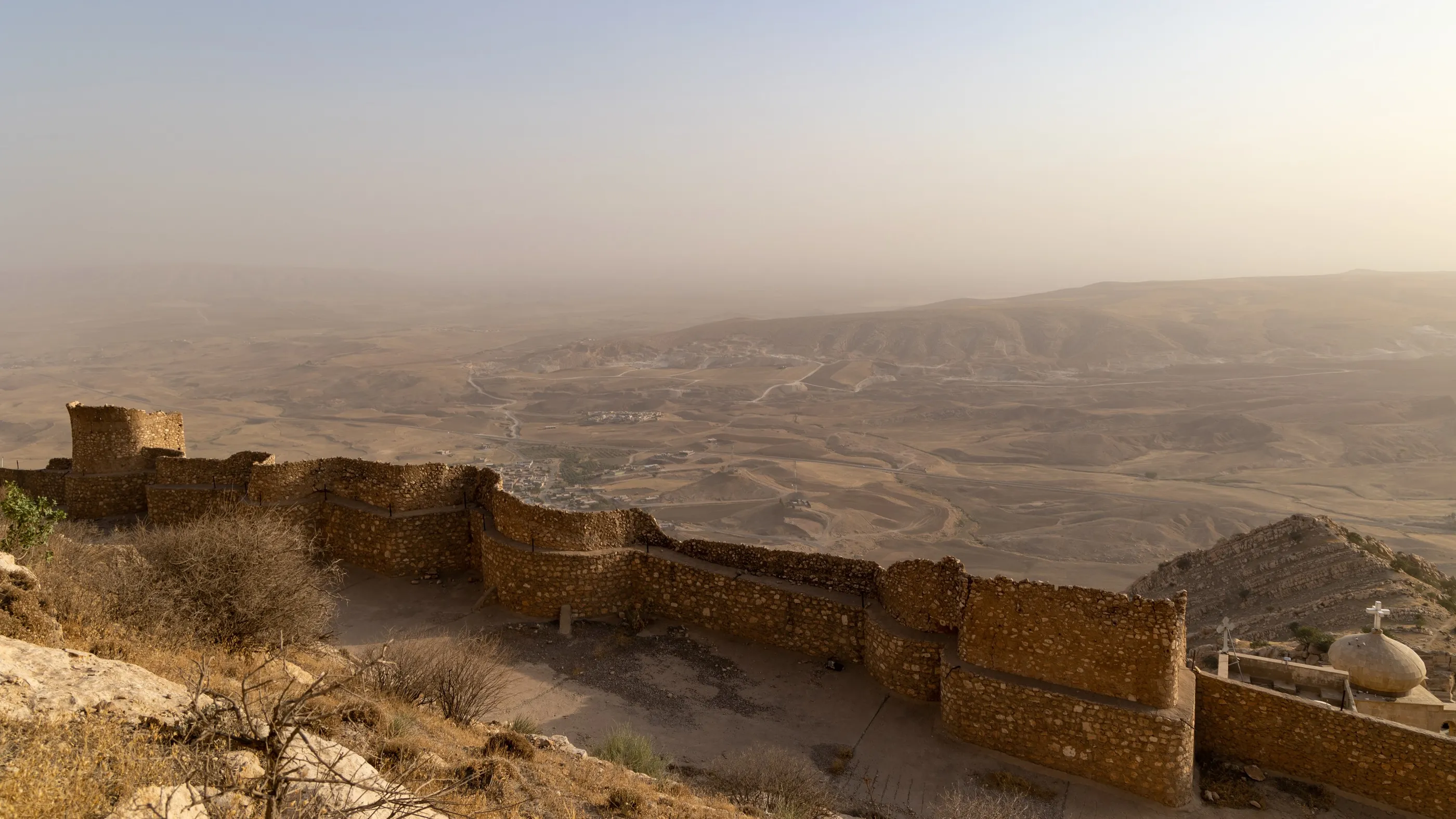
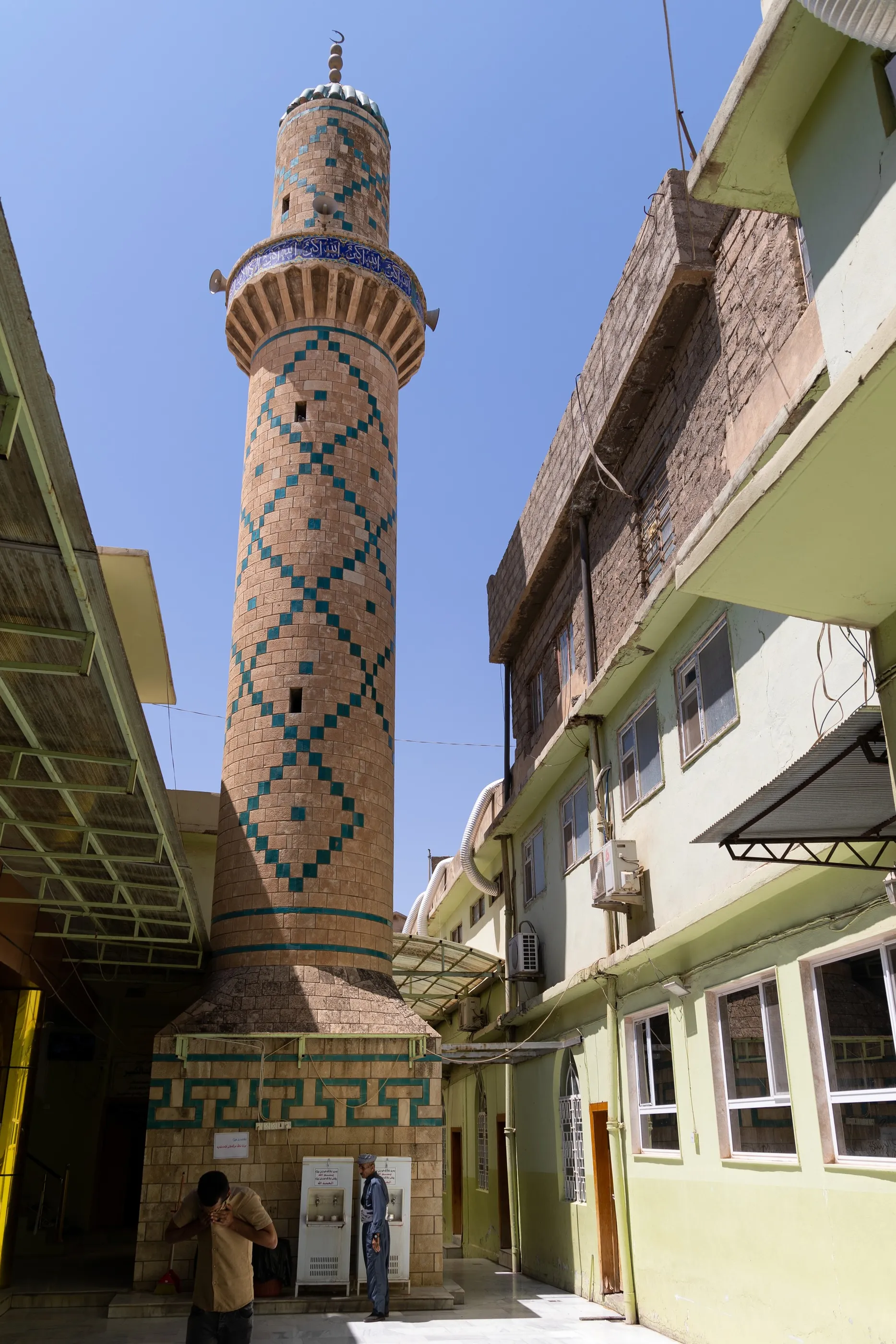
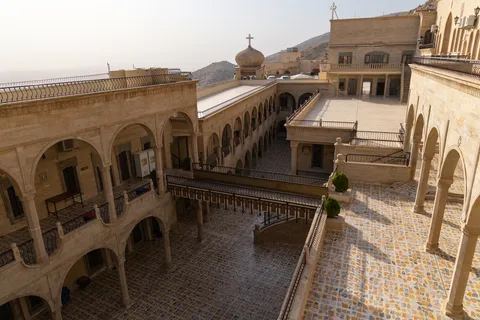
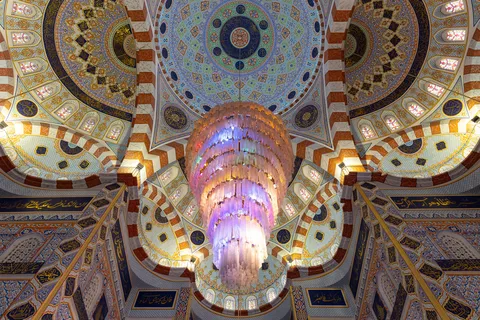
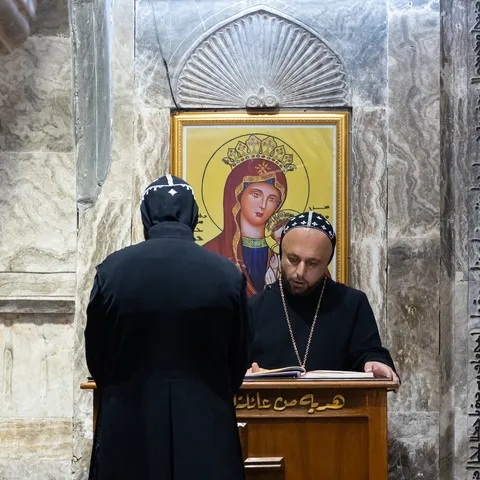
We enter Iraqi Kurdistan. In Erbil the citadel, one of the oldest continuously inhabited places on earth, towers over bazaars where old men tell their prayer beads. Not far away, the Syriac monastery of Mar Mattai clings to the mountain above the Nineveh plain.

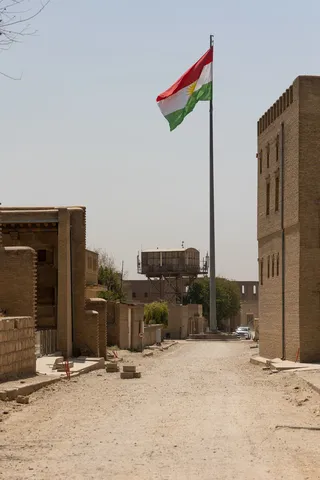
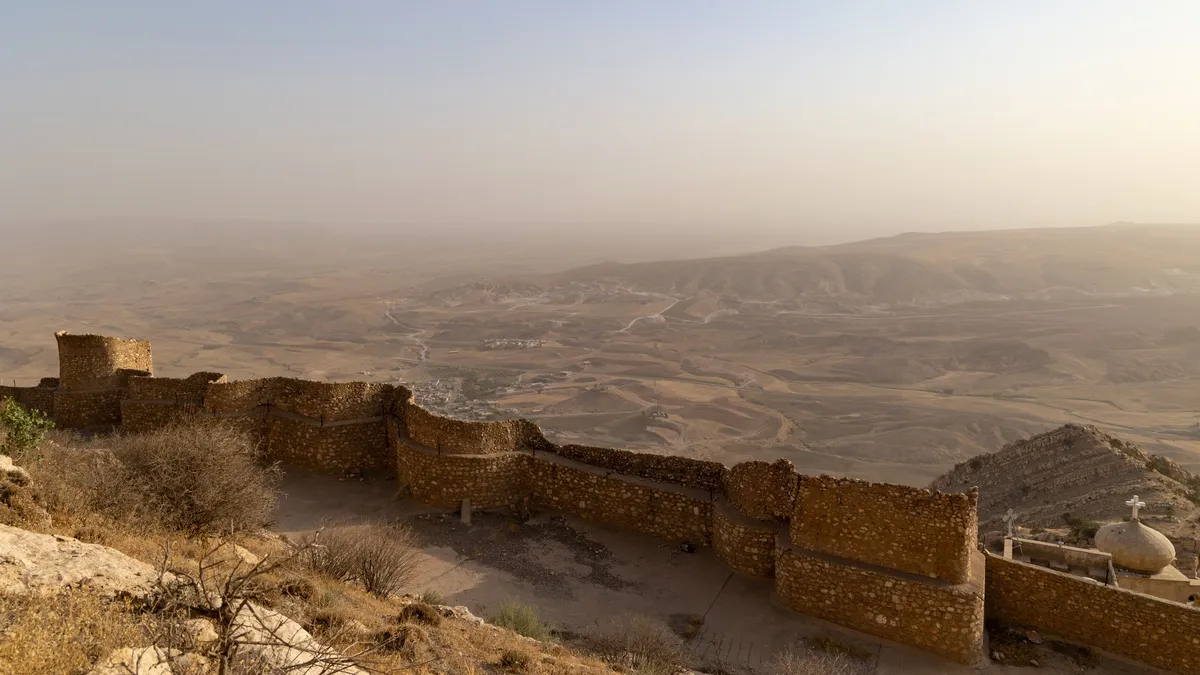
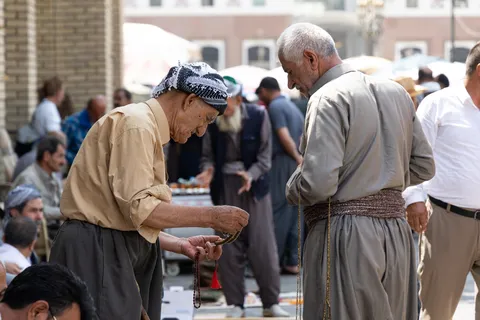
By road↗ 146 km
Sulaymaniyah
Iraq (Kurdistan)
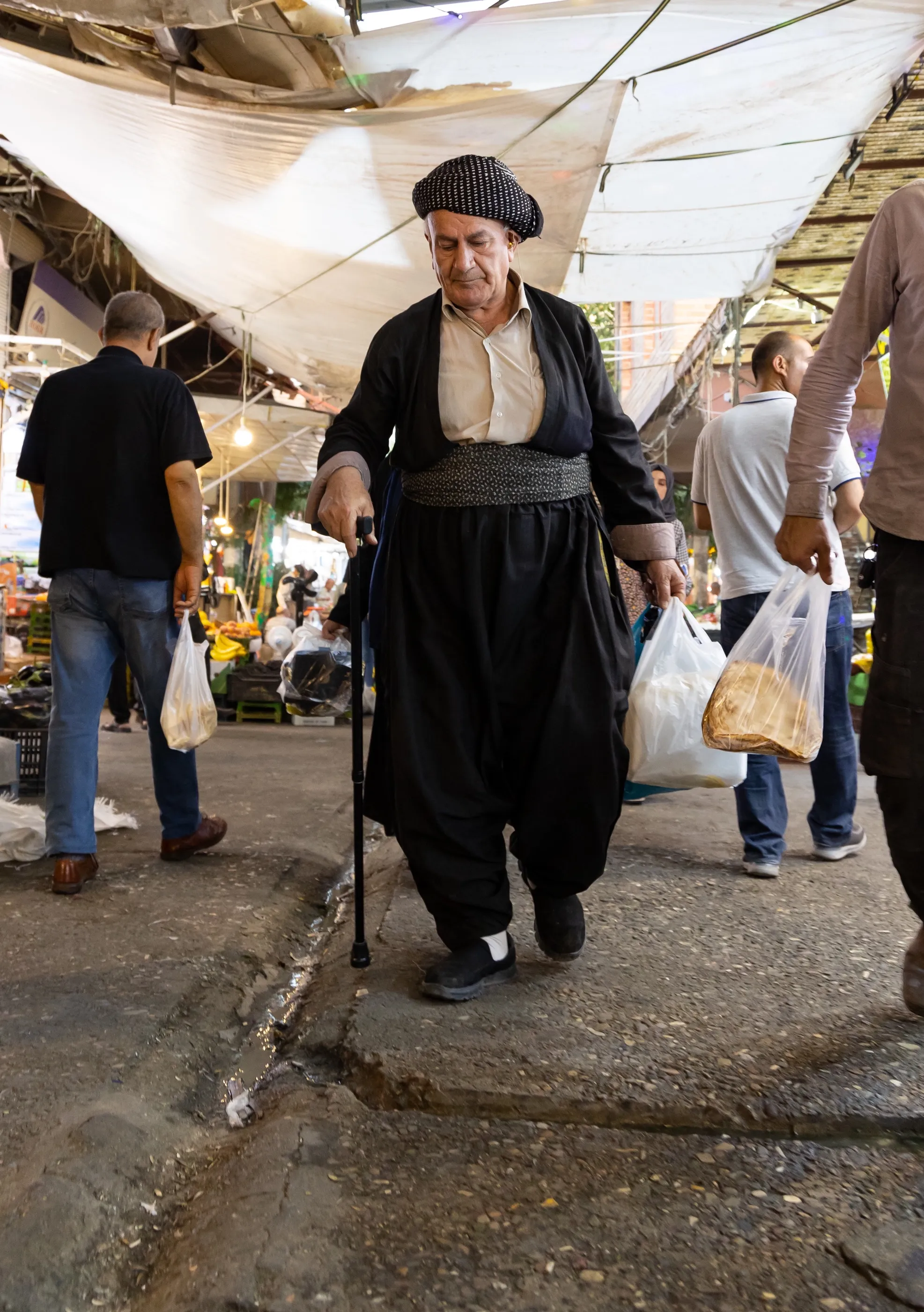
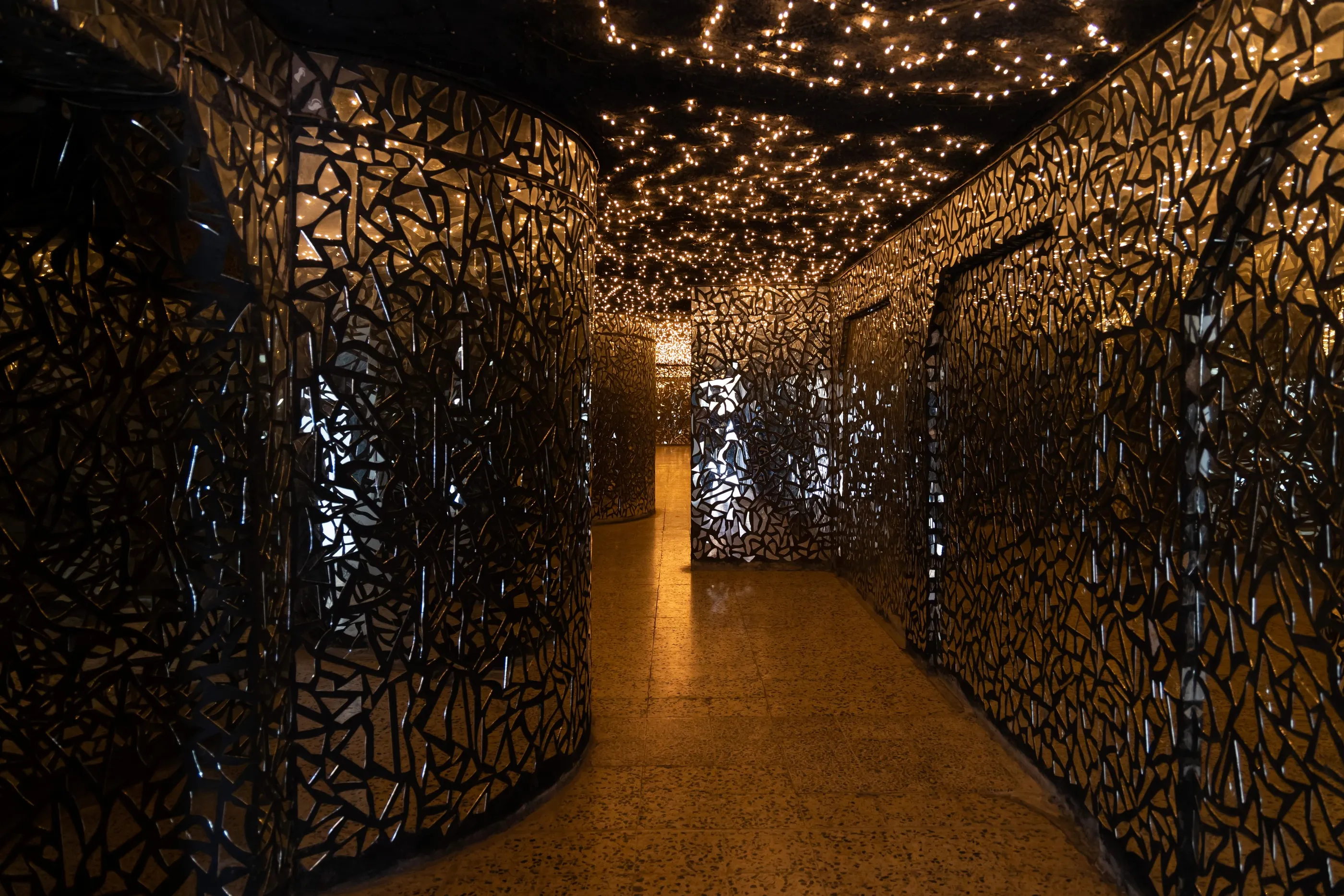
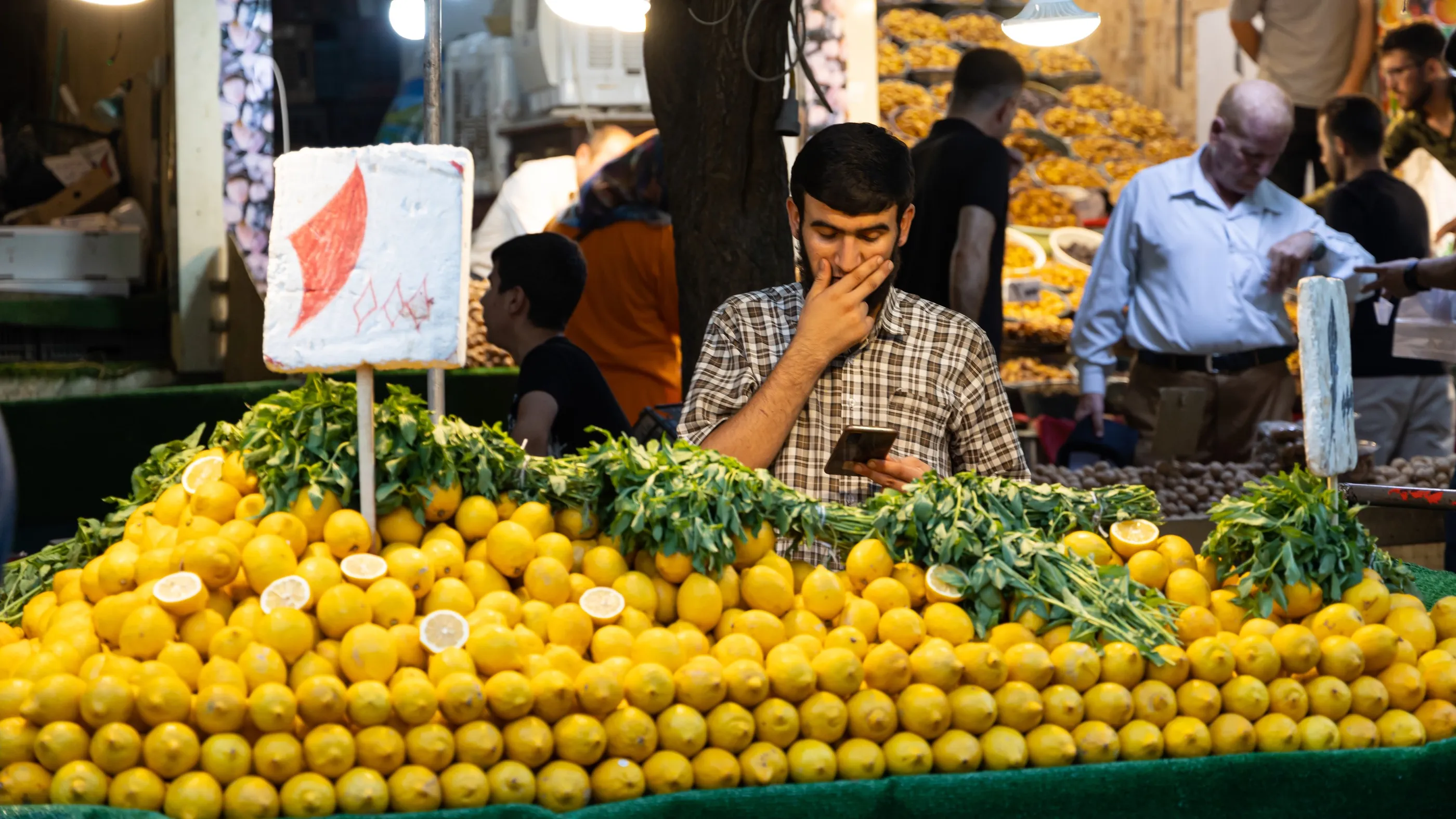
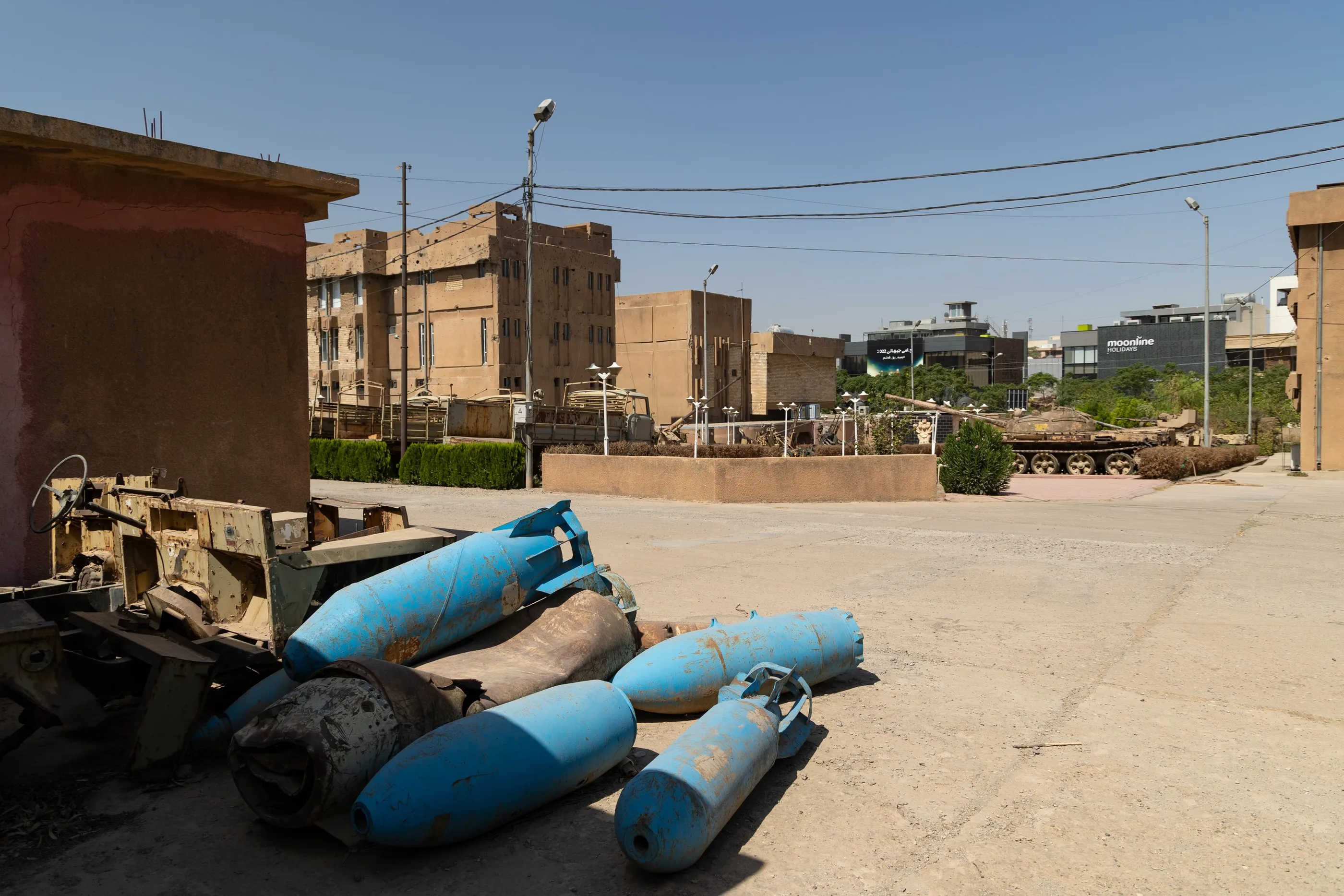
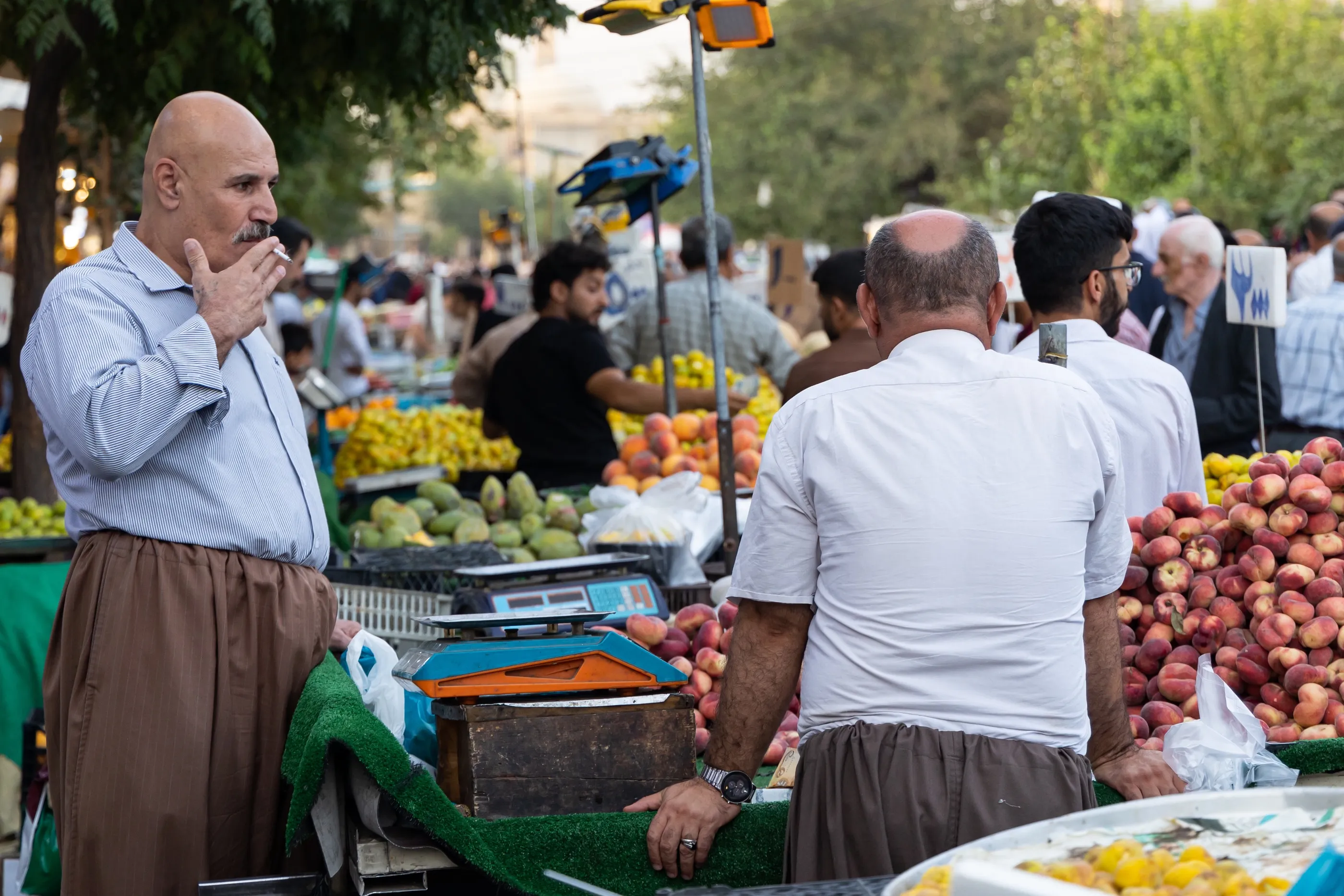
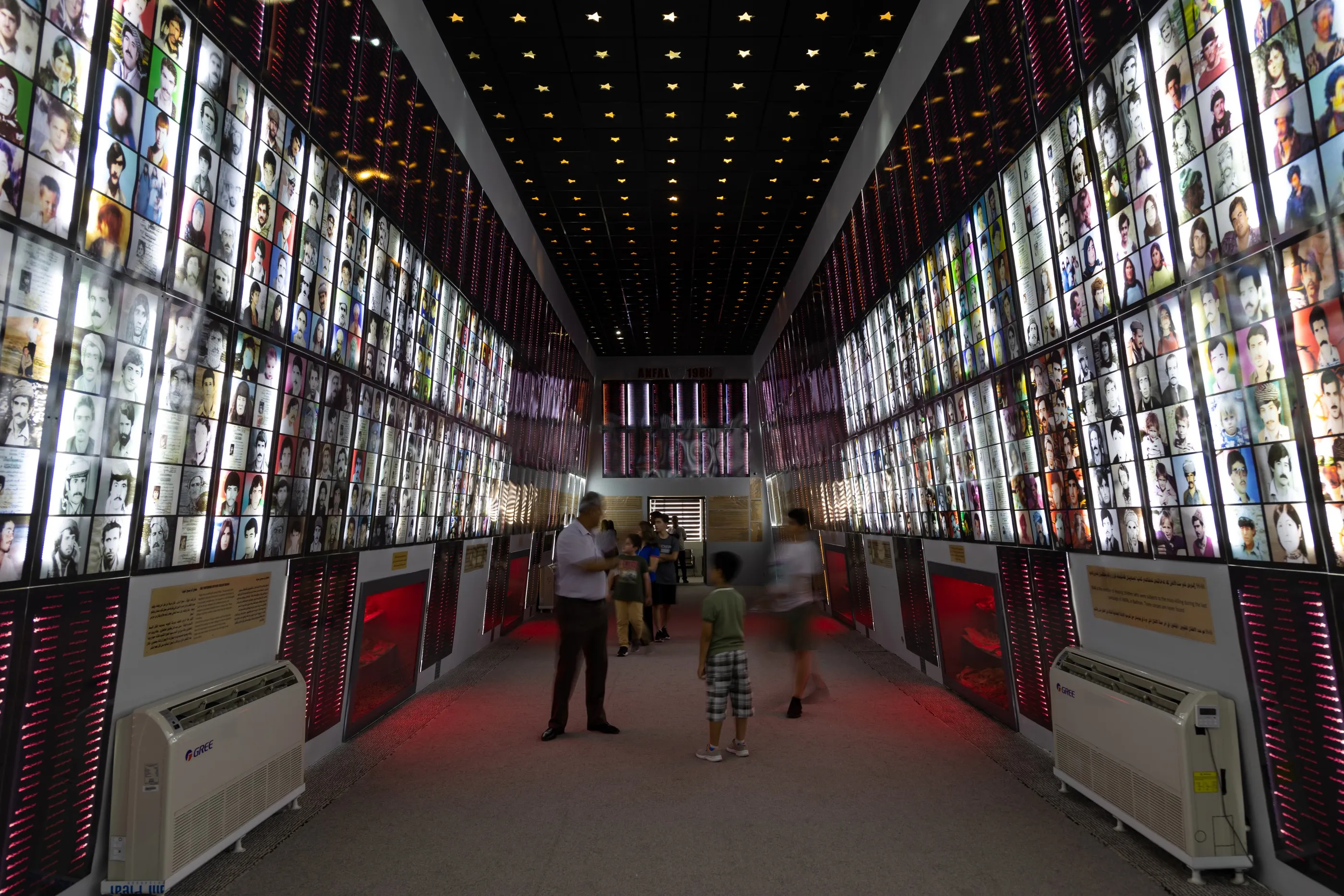
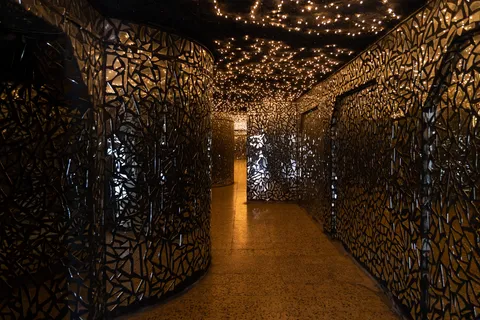
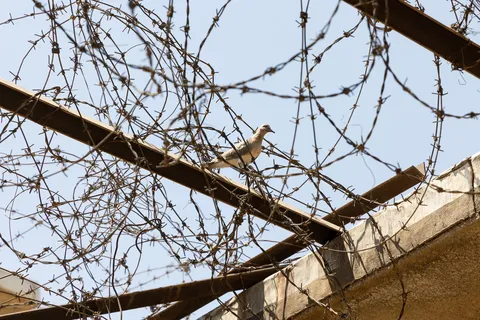
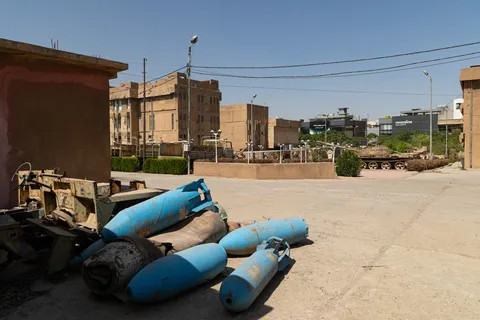
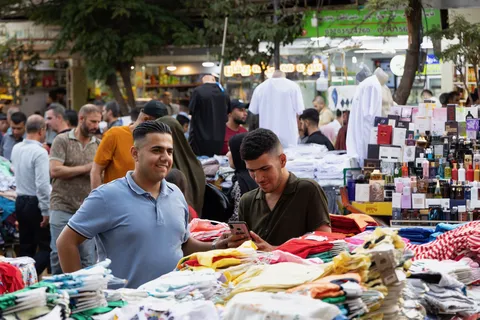
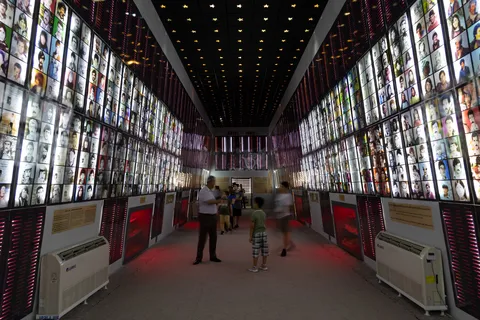
Markets overflowing with fruit, fish and watermelons, old Kurds in traditional dress: life is intense and warm. Yet recent history is never far. At Amna Suraka, a former Baathist security prison turned museum, the hulks of tanks and bombs fill the courtyard, and a hall lined with 182,000 shards of mirror honours the victims of the Anfal campaign.
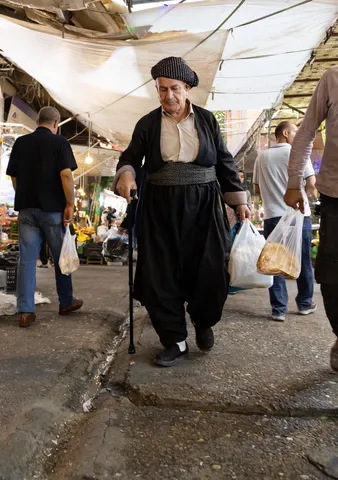


By road↗ 142 km
Rawanduz and Shanidar
Iraq (Kurdistan)
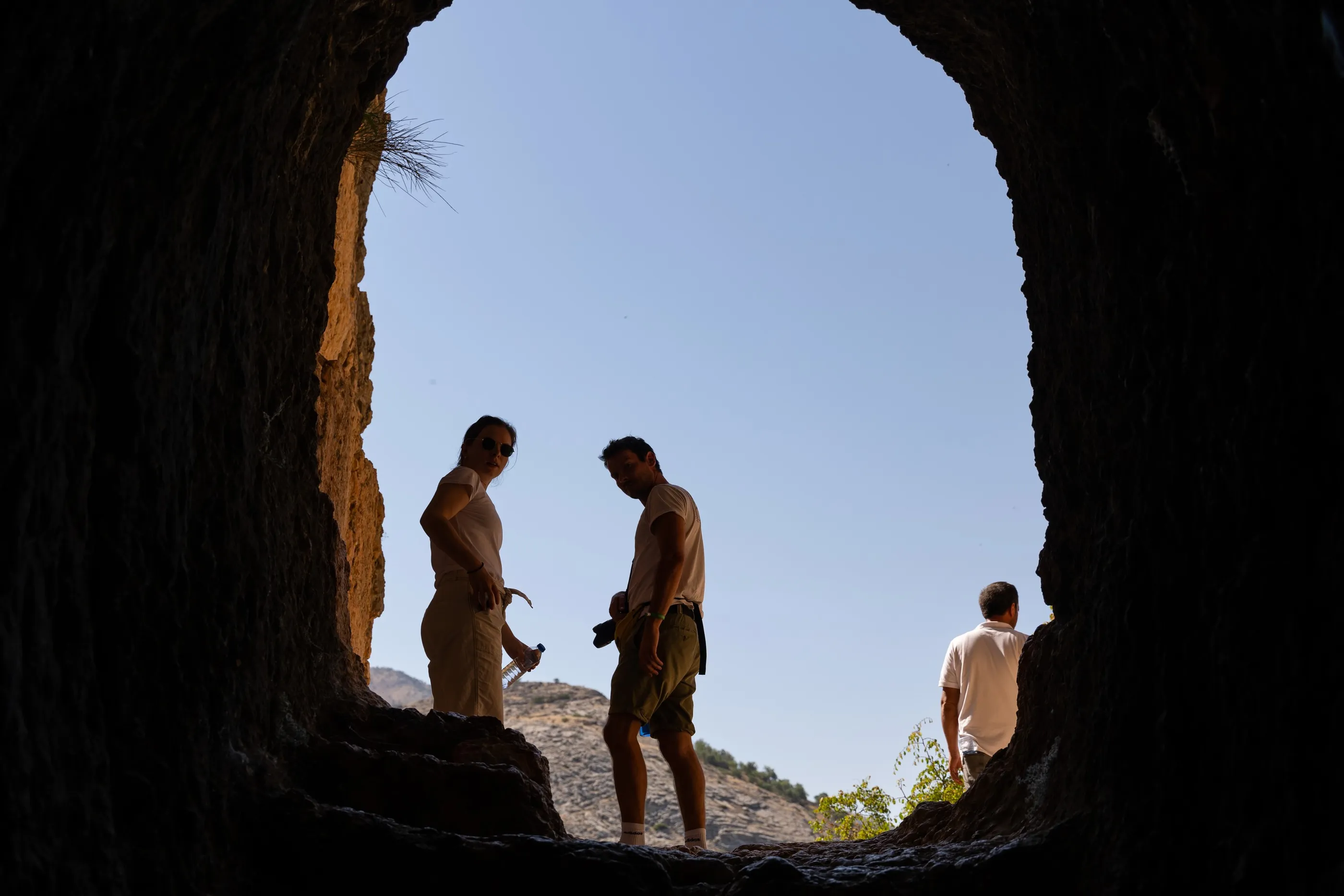
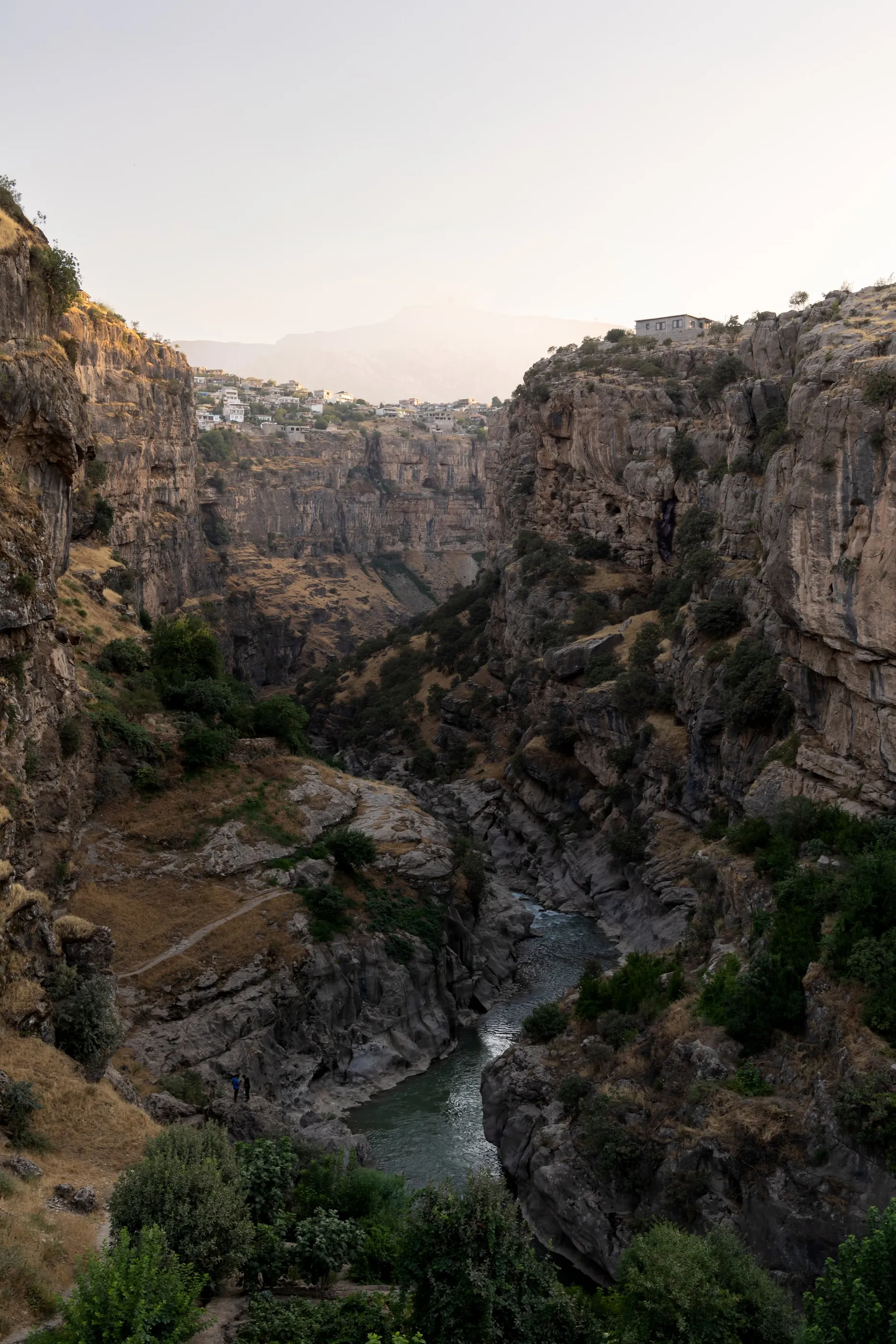
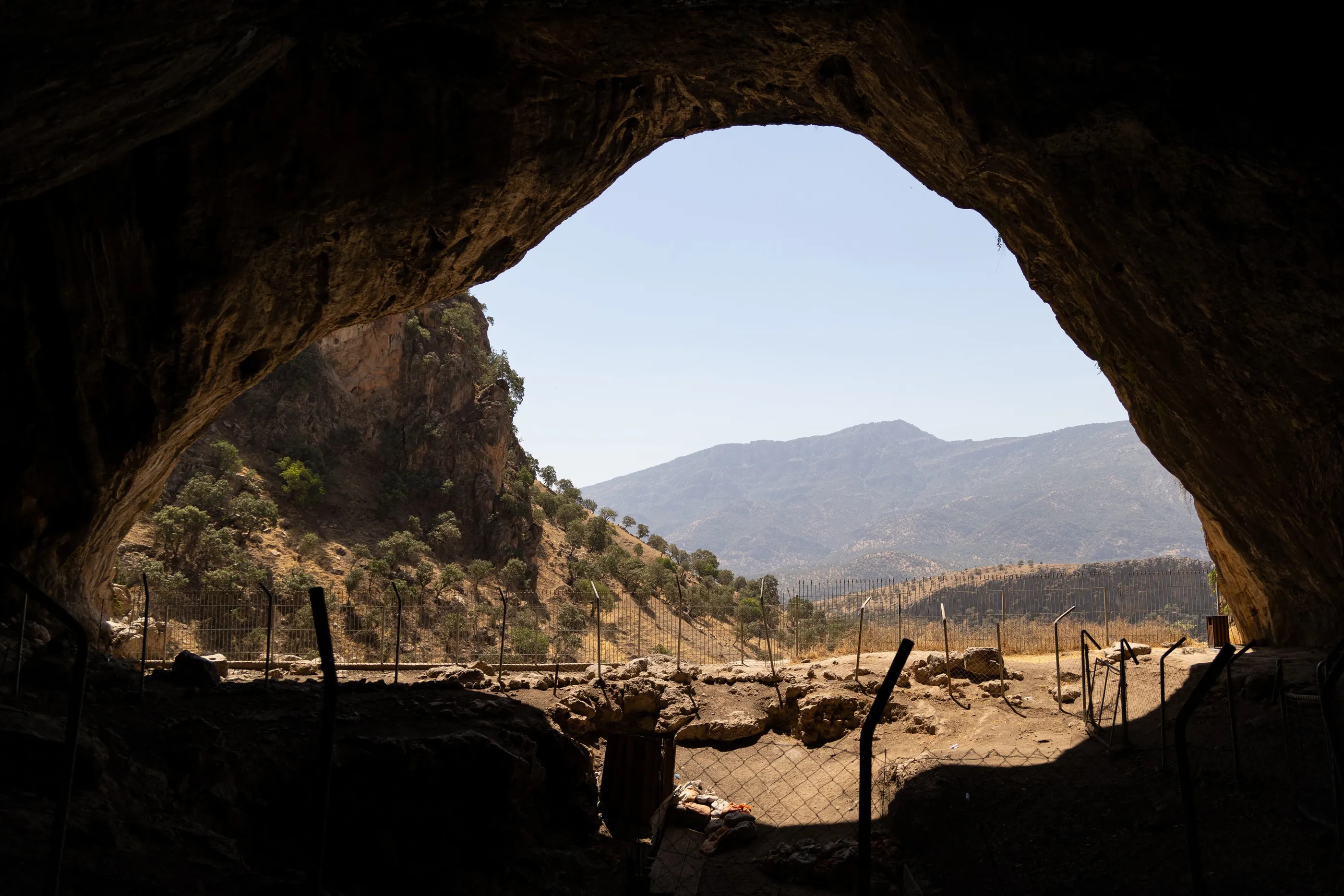
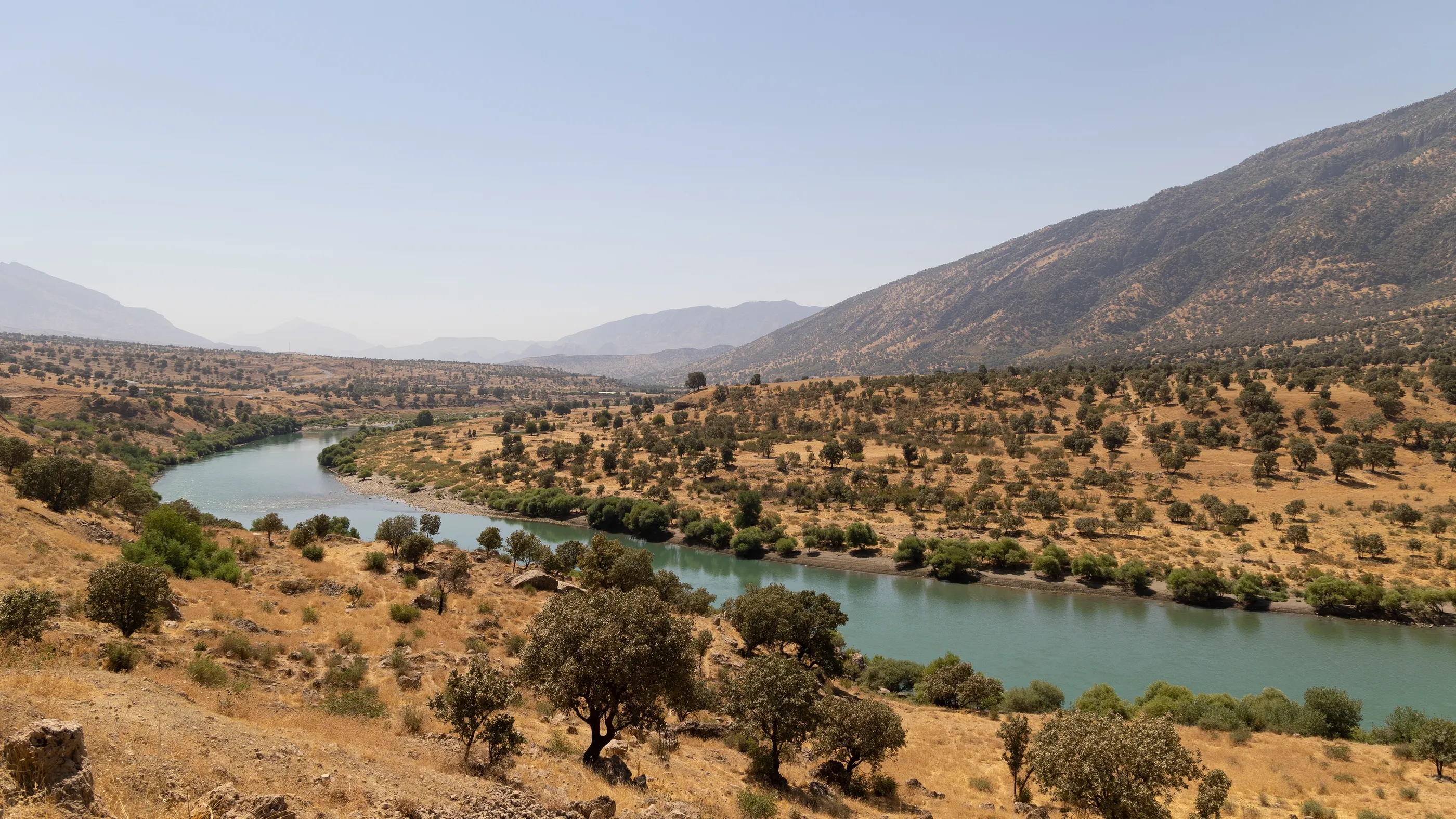
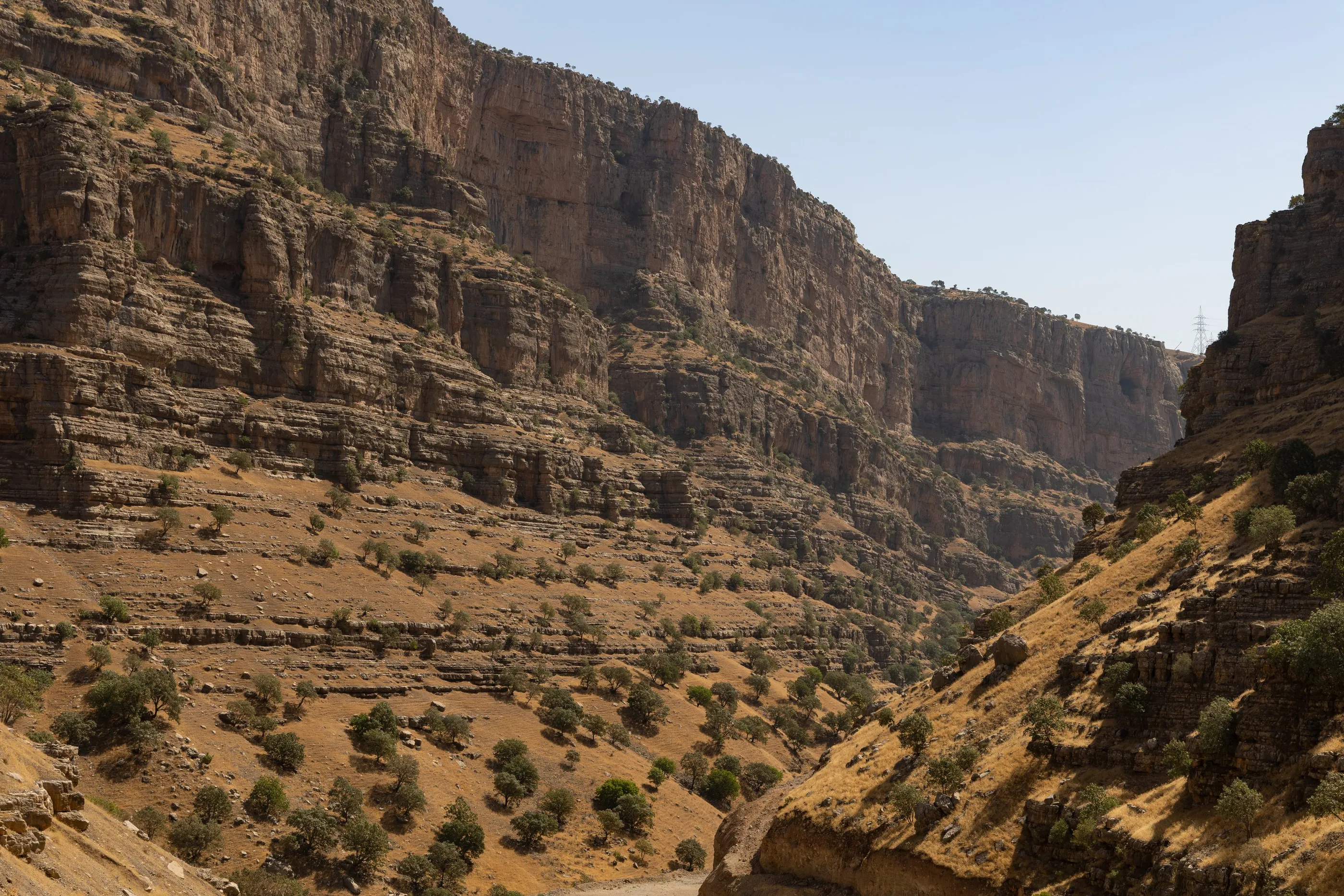
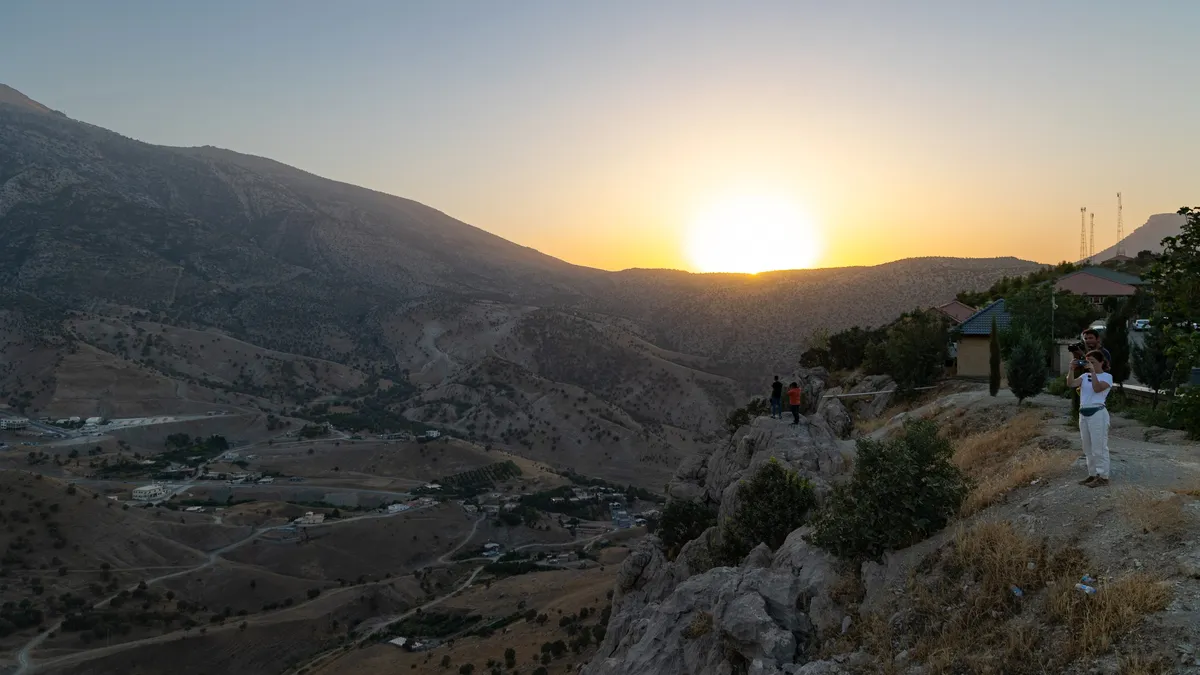
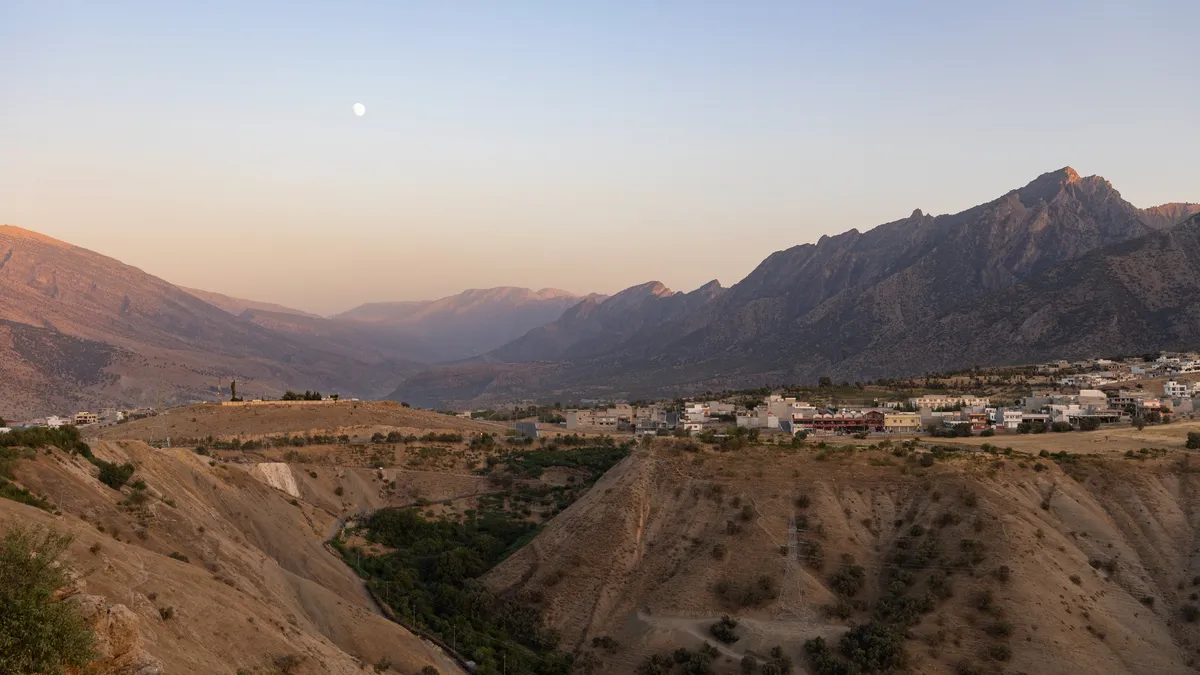
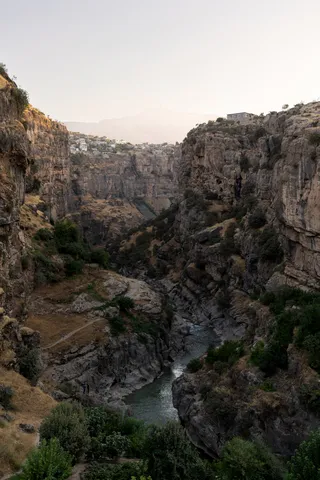
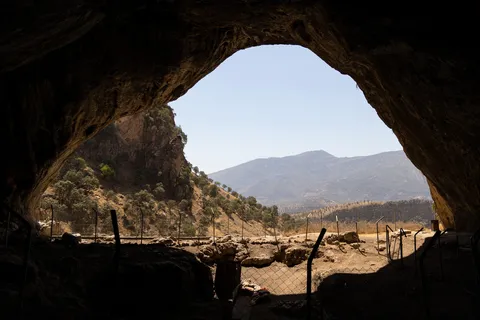
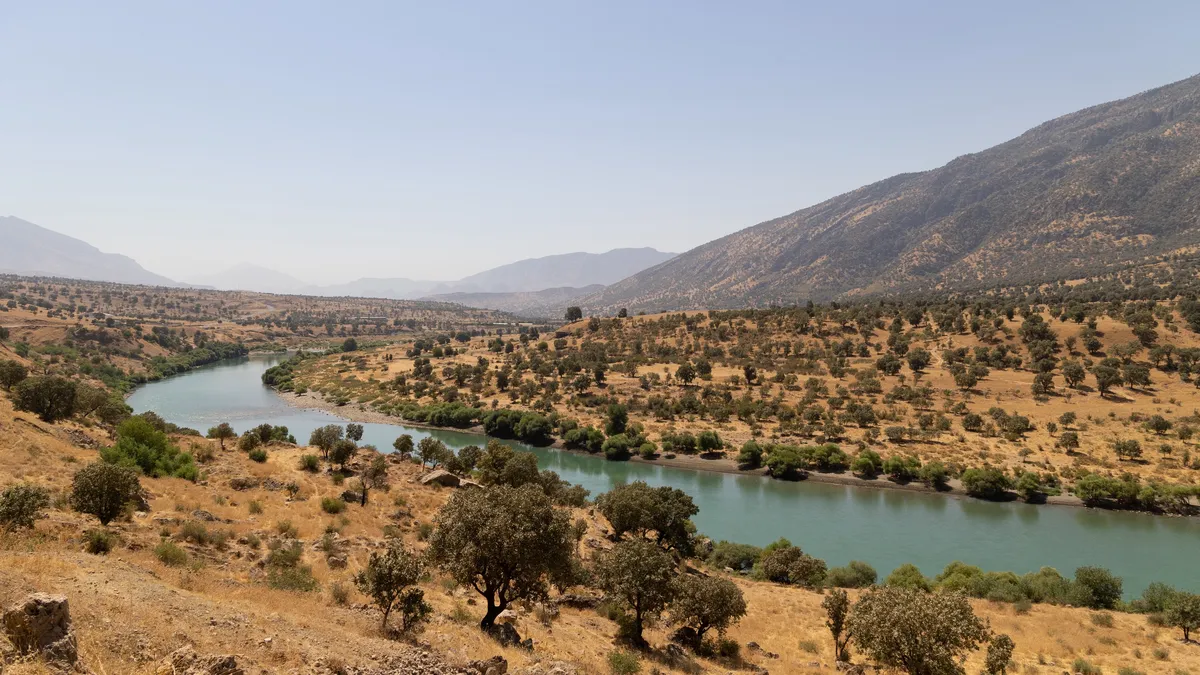
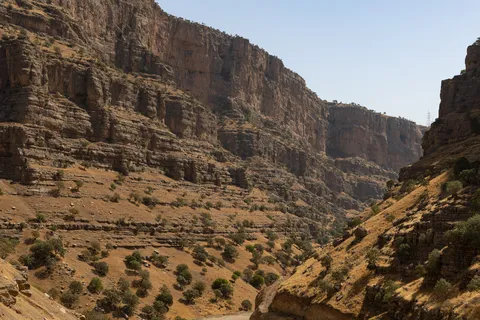
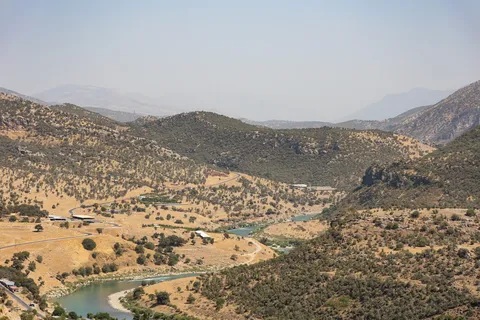
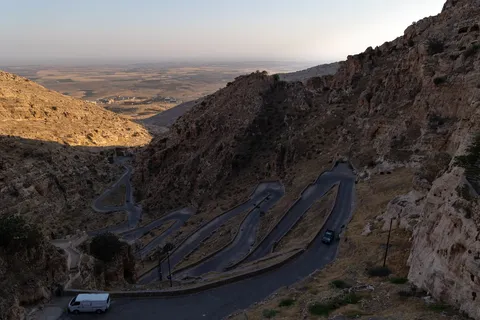
Heading north, the road plunges into the mountains. The Rawanduz canyon, a dizzying gash in the limestone, catches fire at sunset. The next day, above the valley of the Great Zab, Shanidar Cave, where Neanderthals buried tens of thousands of years ago were unearthed: from its shade we look out over the same valley they did.
By road↗ 107 km
Amadiya
Iraq (Kurdistan)
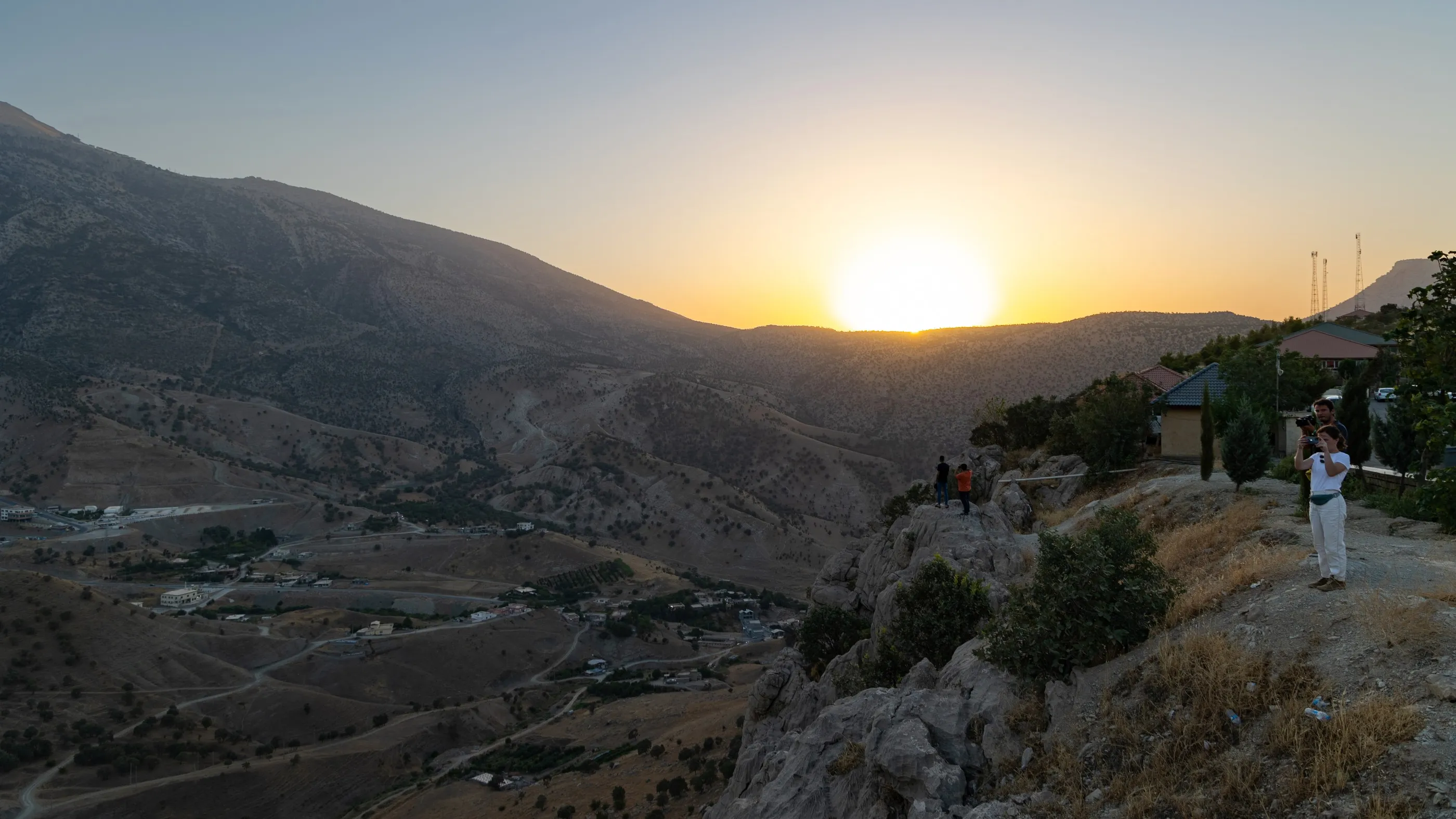
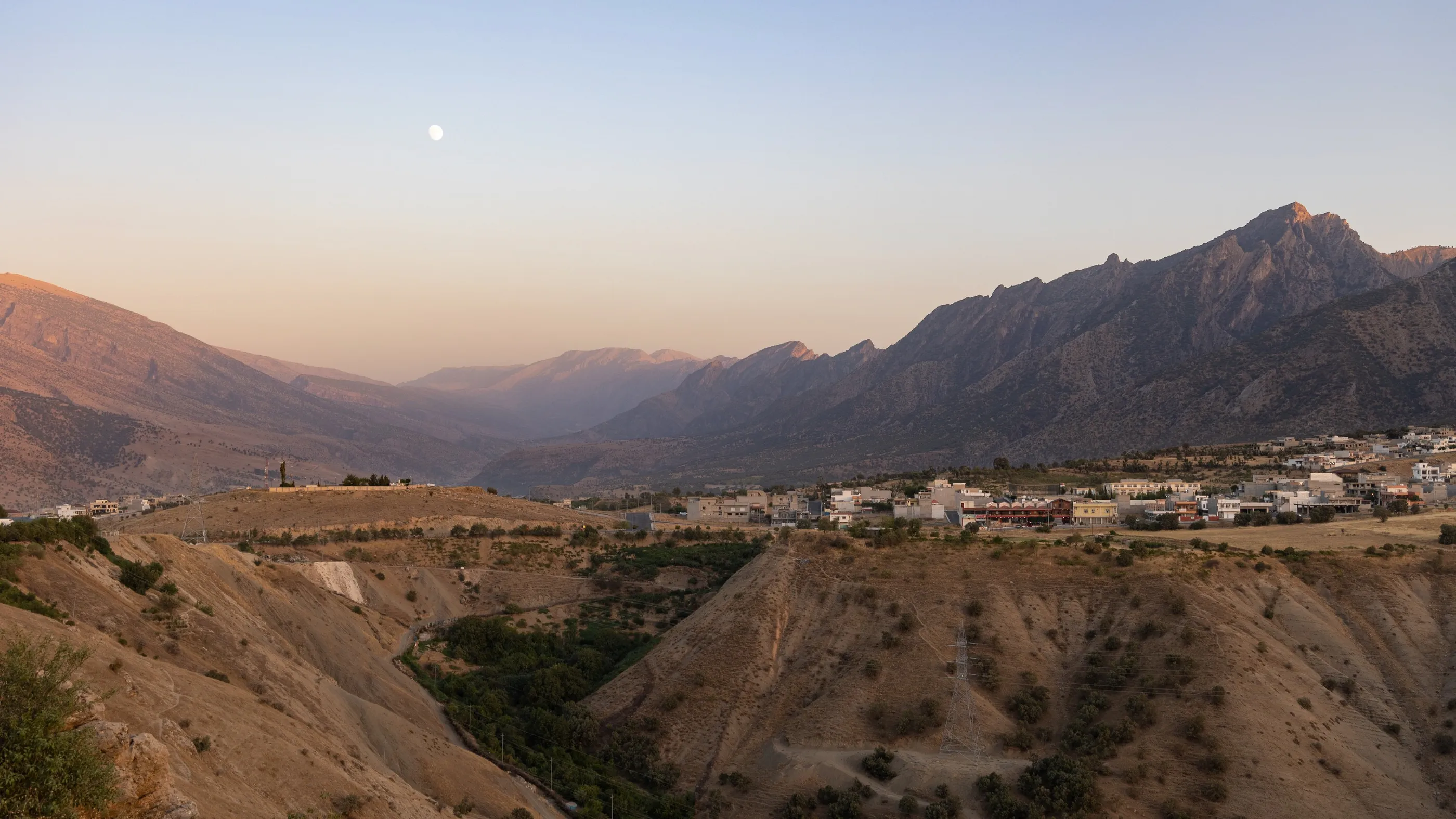
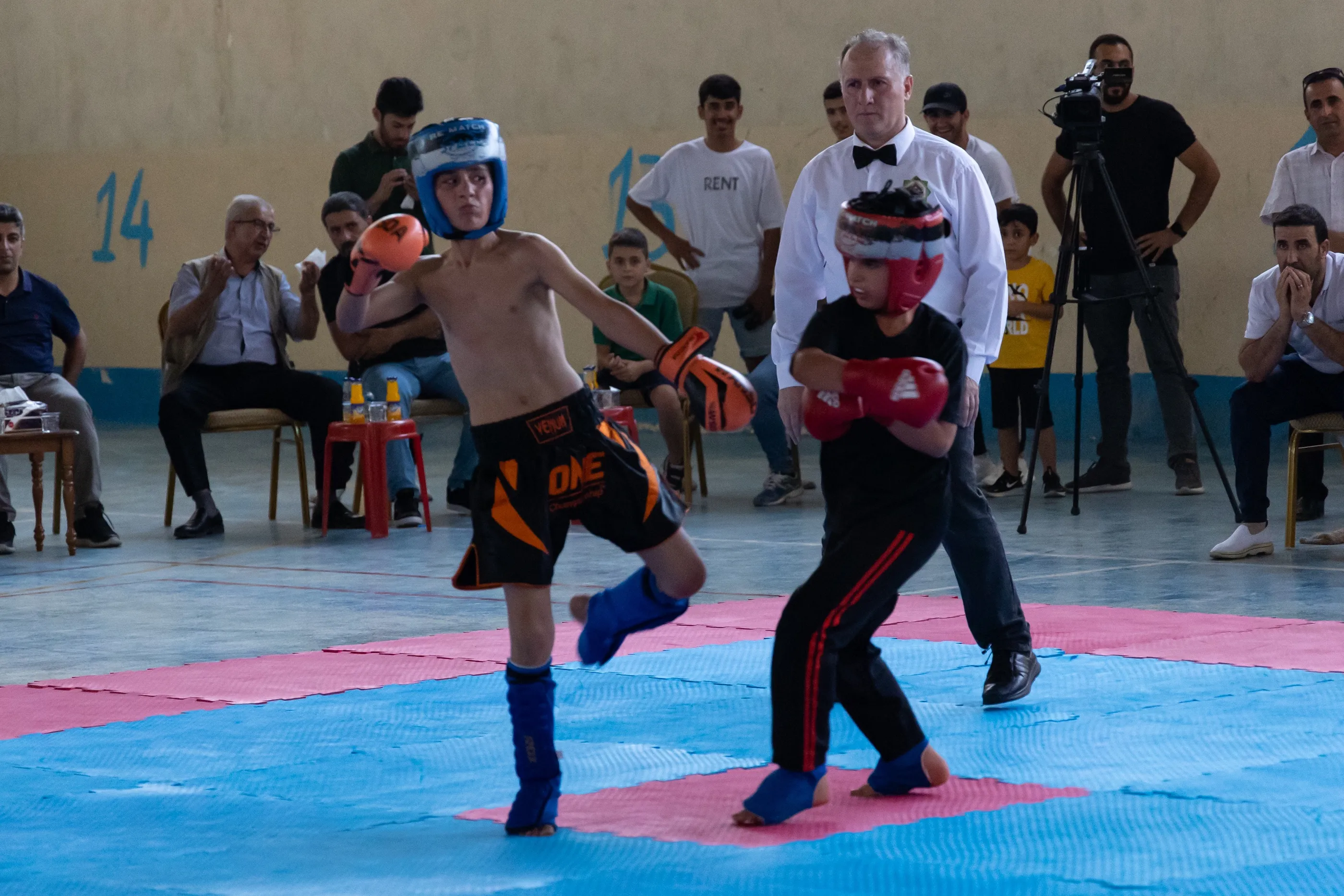
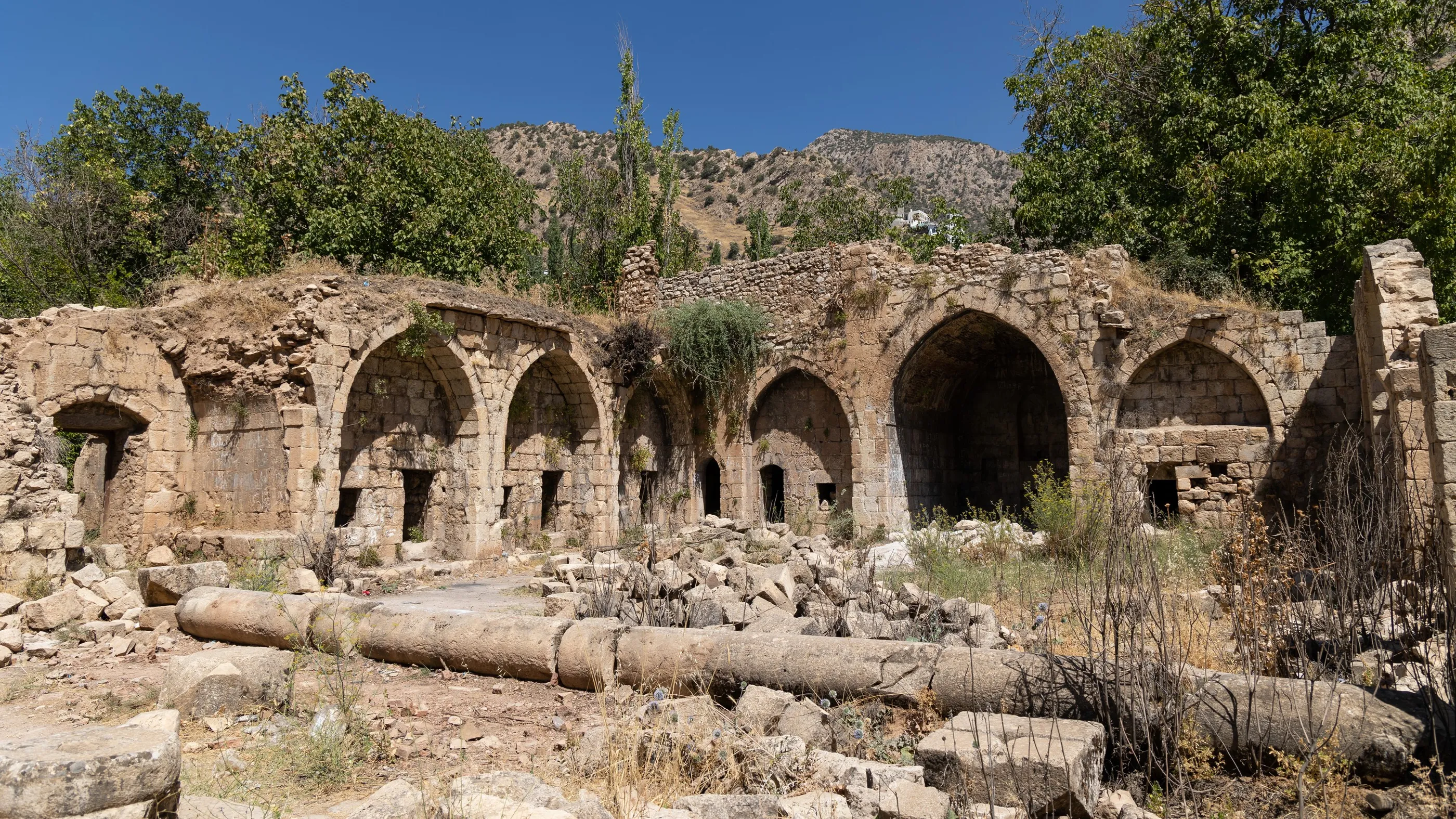
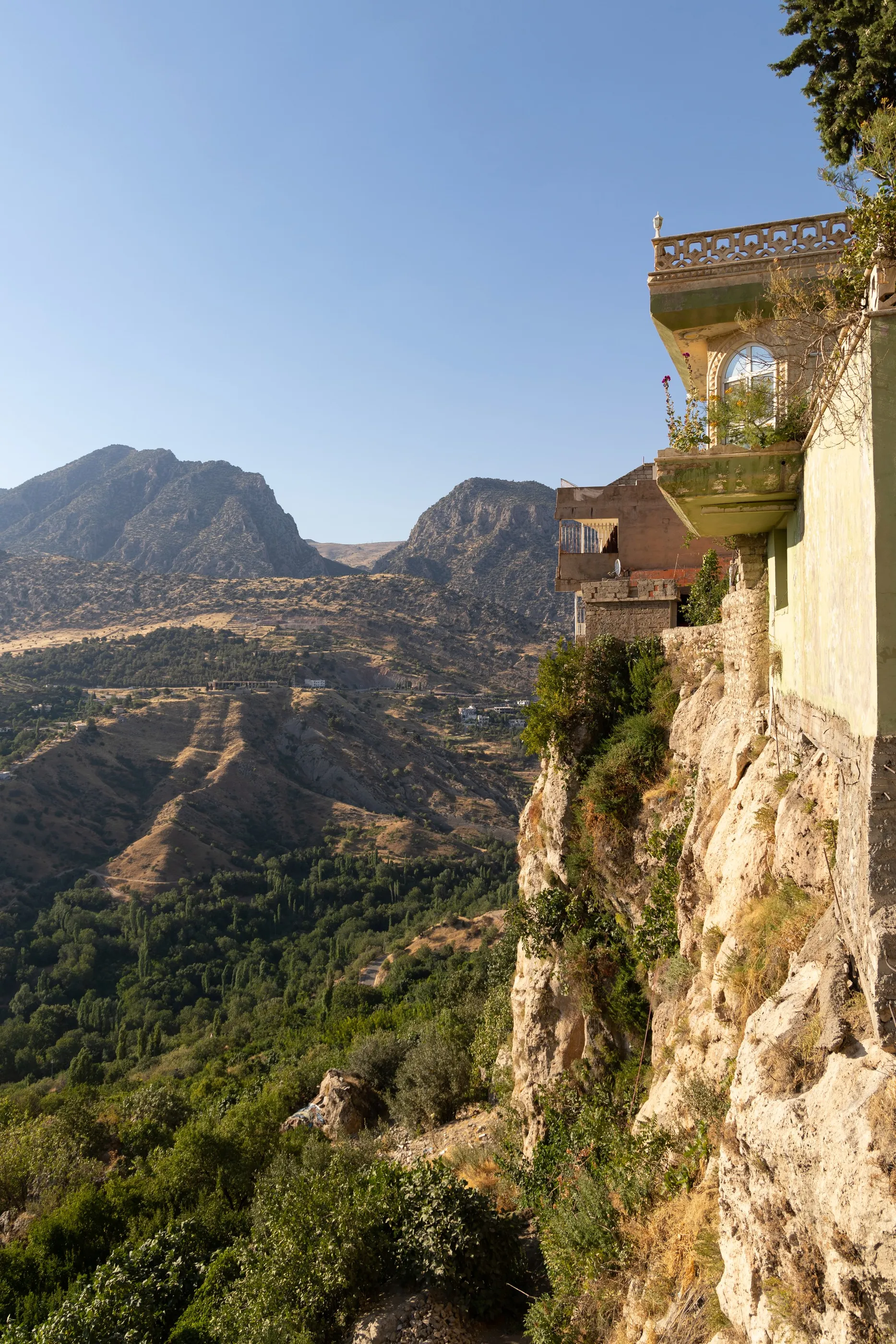
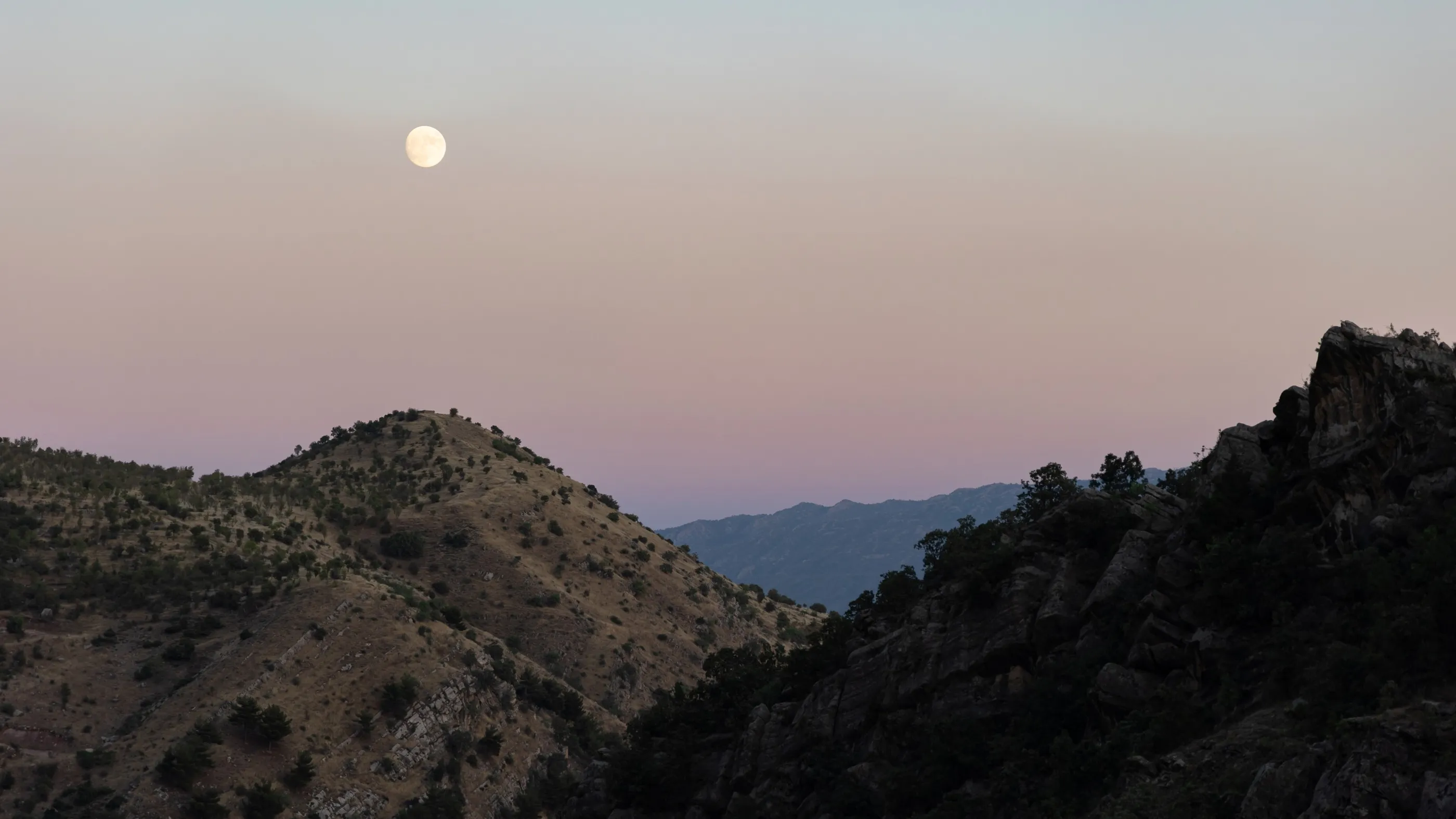
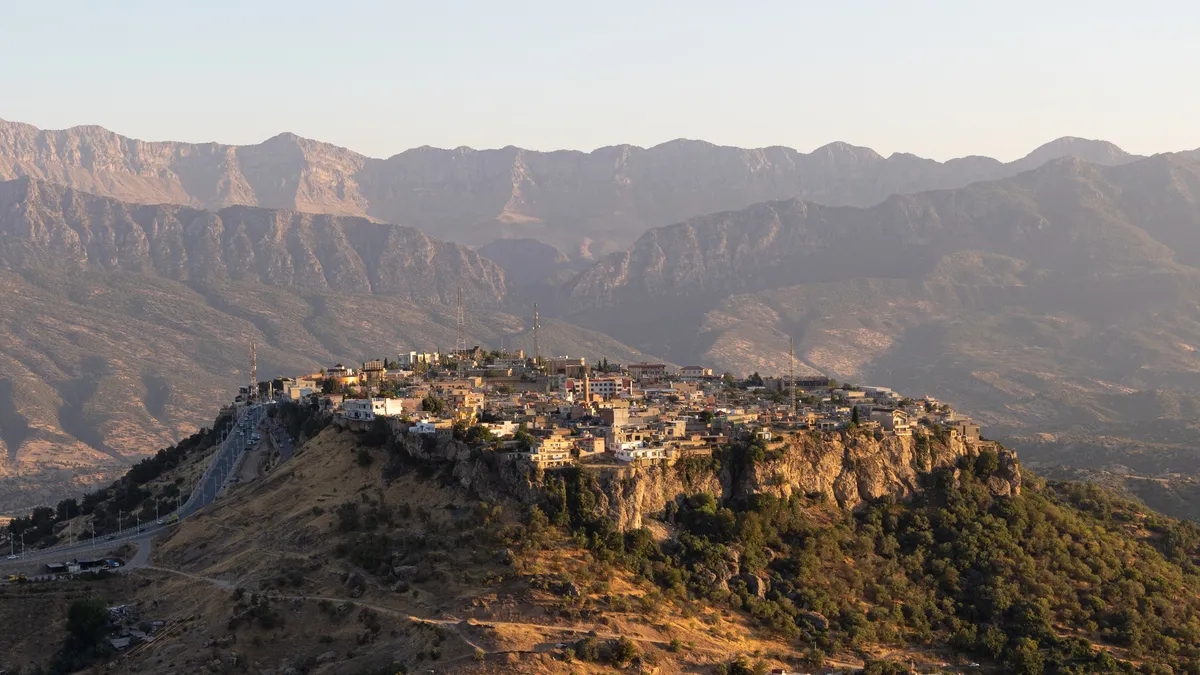
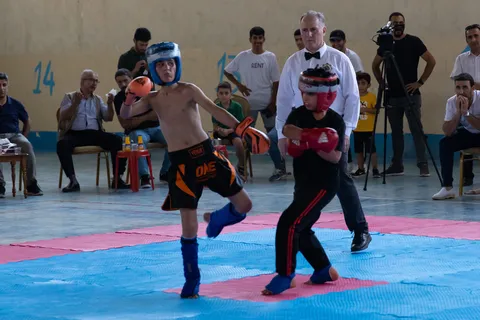
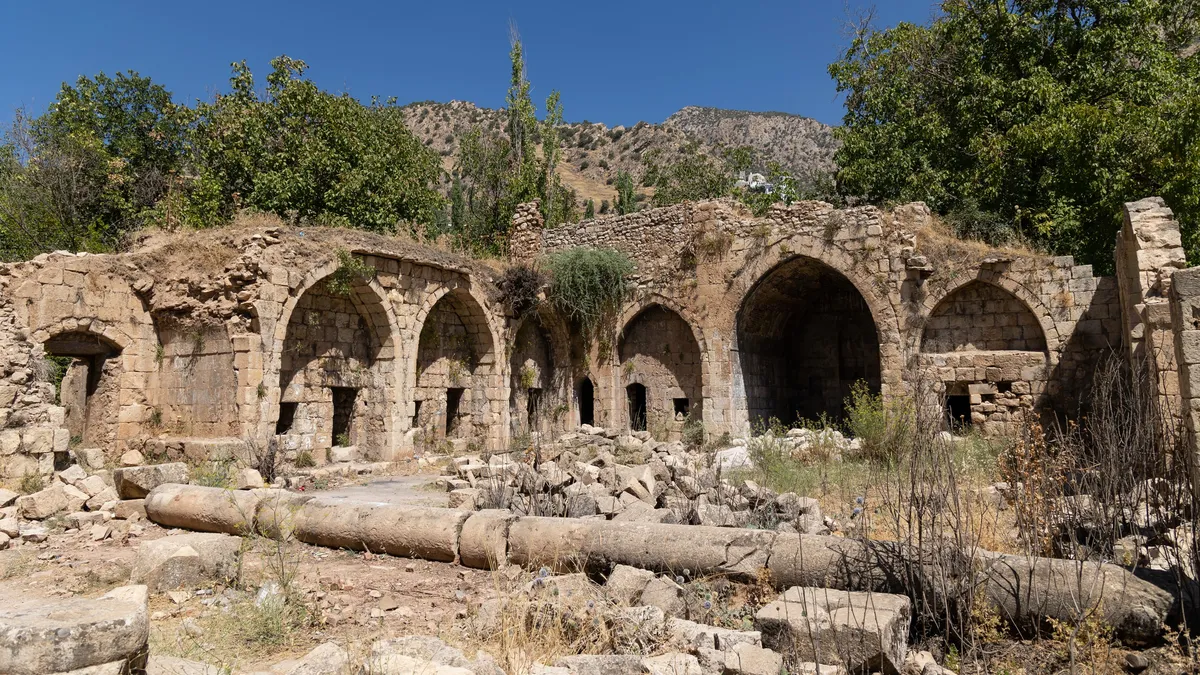
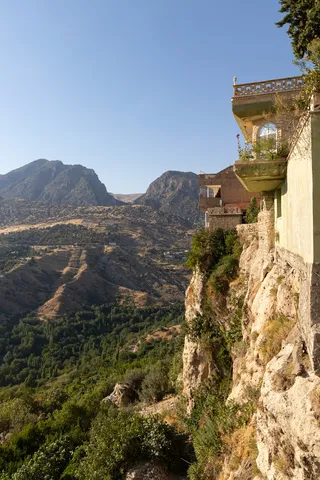
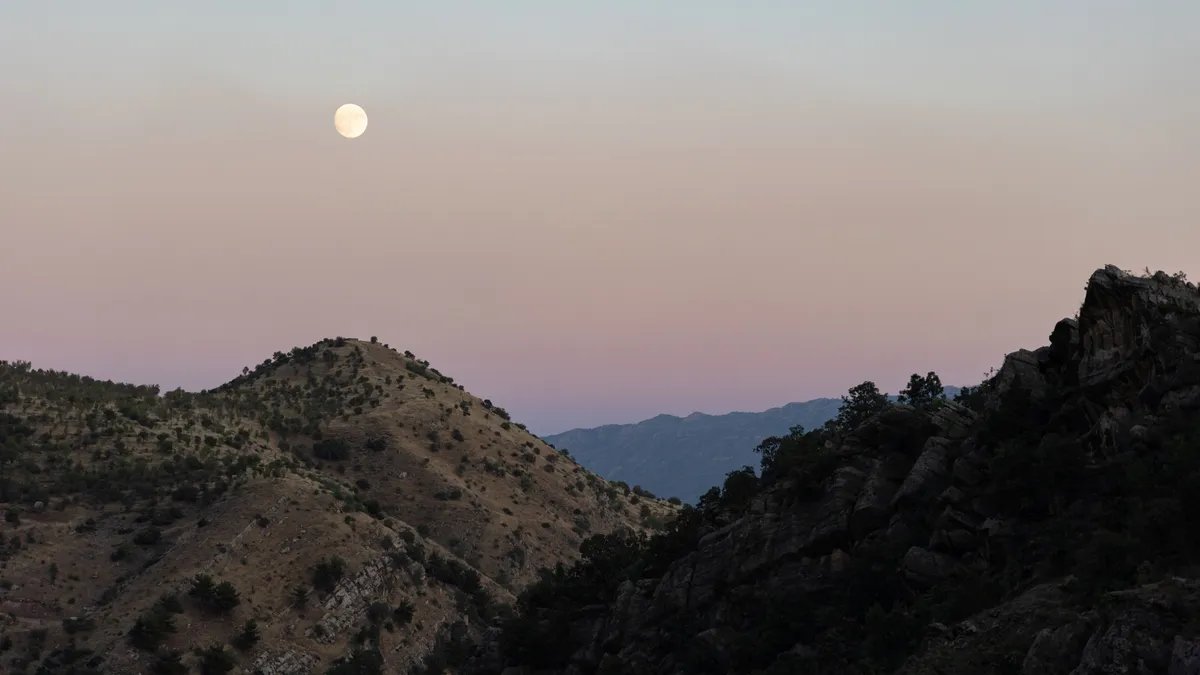
Further north, Amadiya sits on a rocky plateau, like an island above the valleys. Its houses cling to the cliff edge, and at night the moon rises over the mountains of the Turkish border. In the village, children face off in a kickboxing ring; in the morning we climb down to the ruins of the Qubahan madrasa, tucked against the rock face.
By road↗ 51 km
Duhok and Mosul Lake
Iraq (Kurdistan)
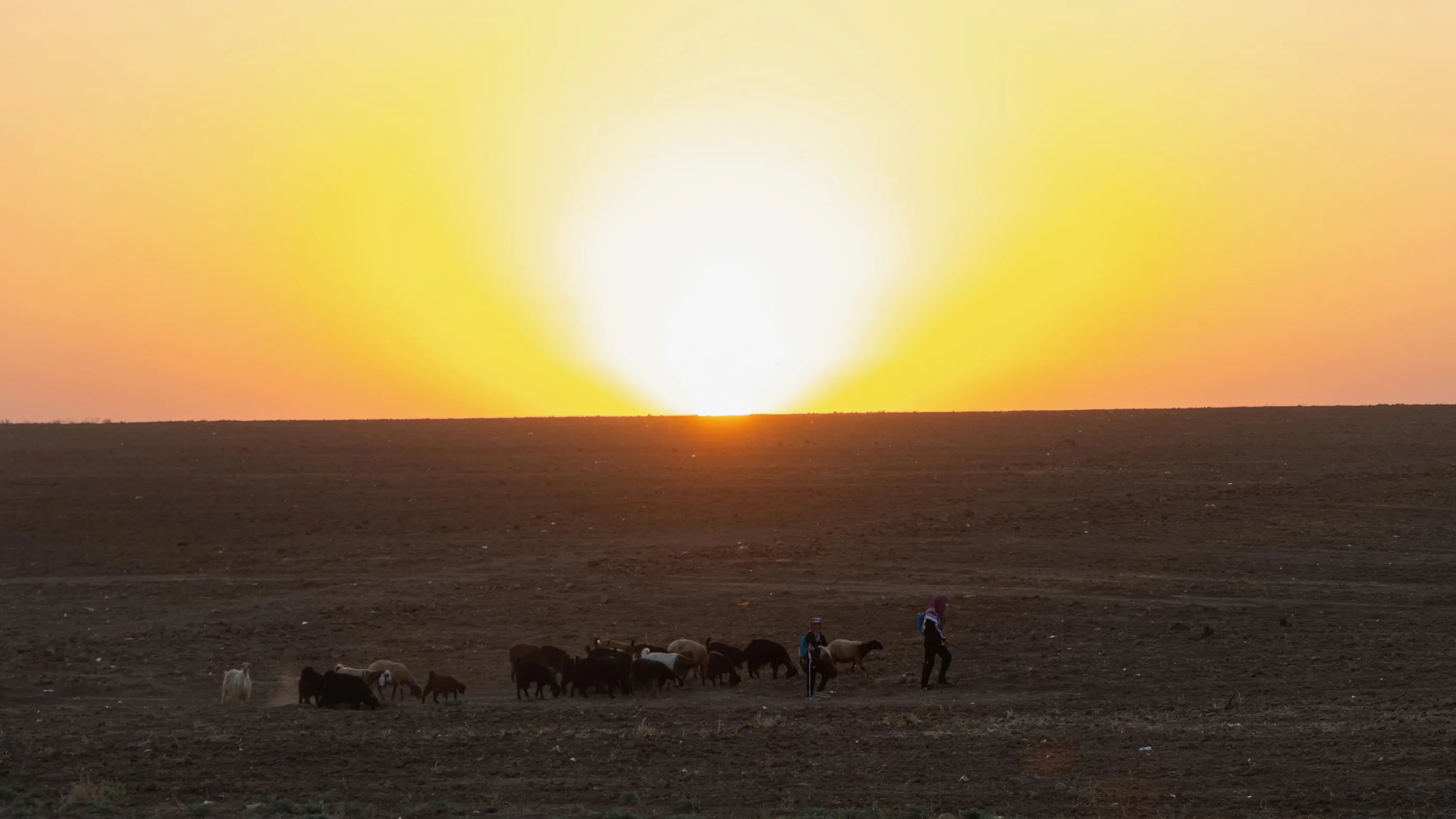
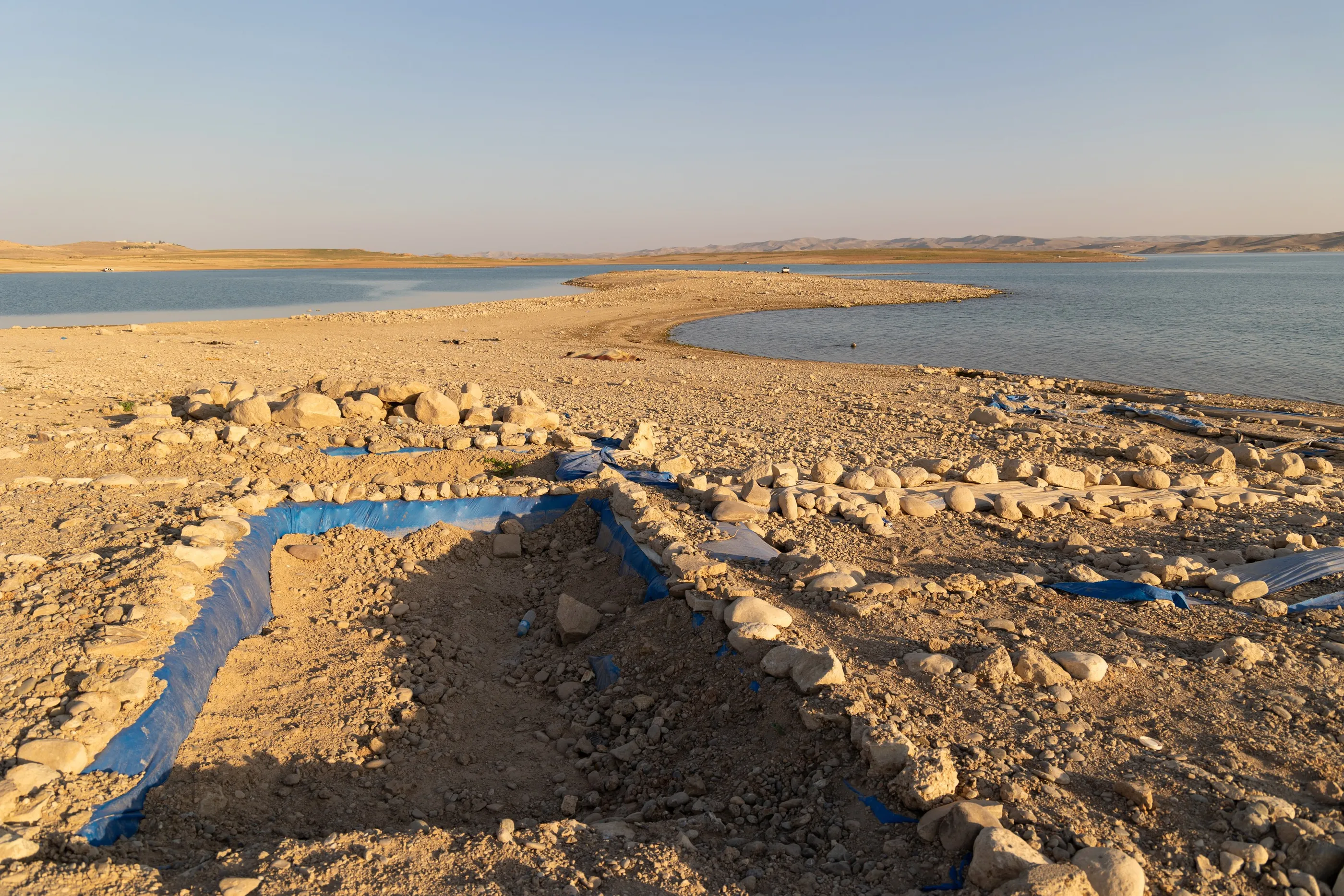
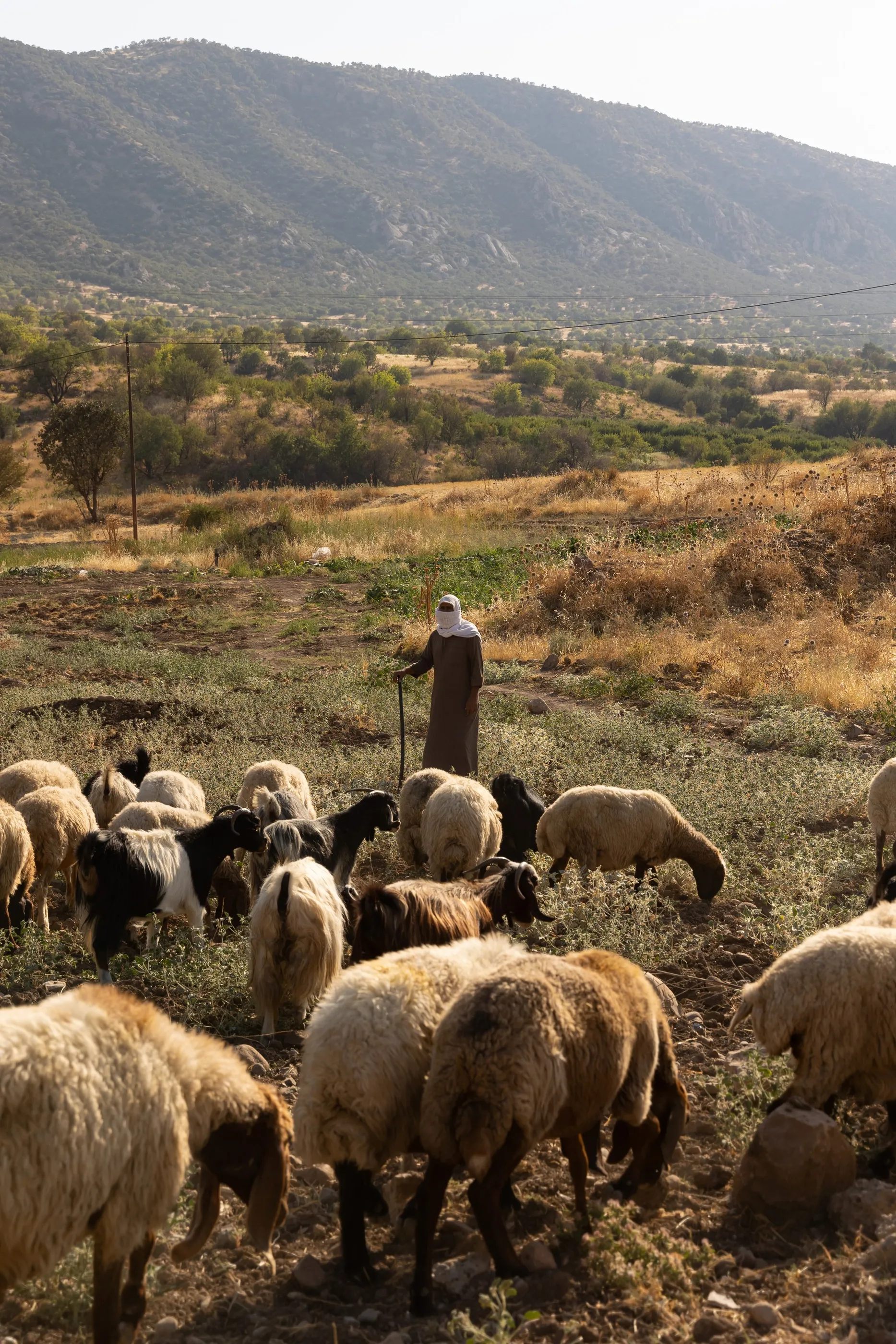
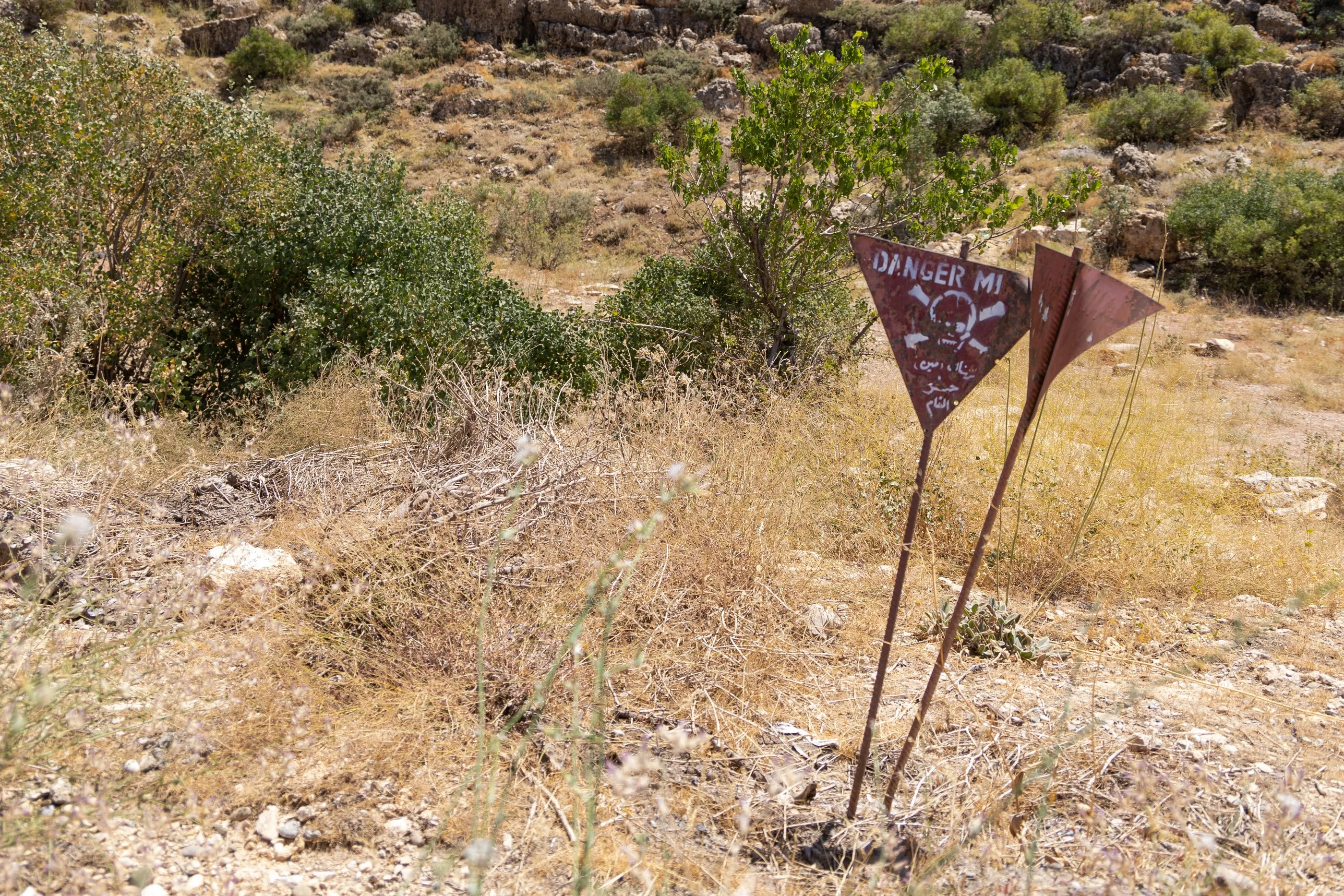
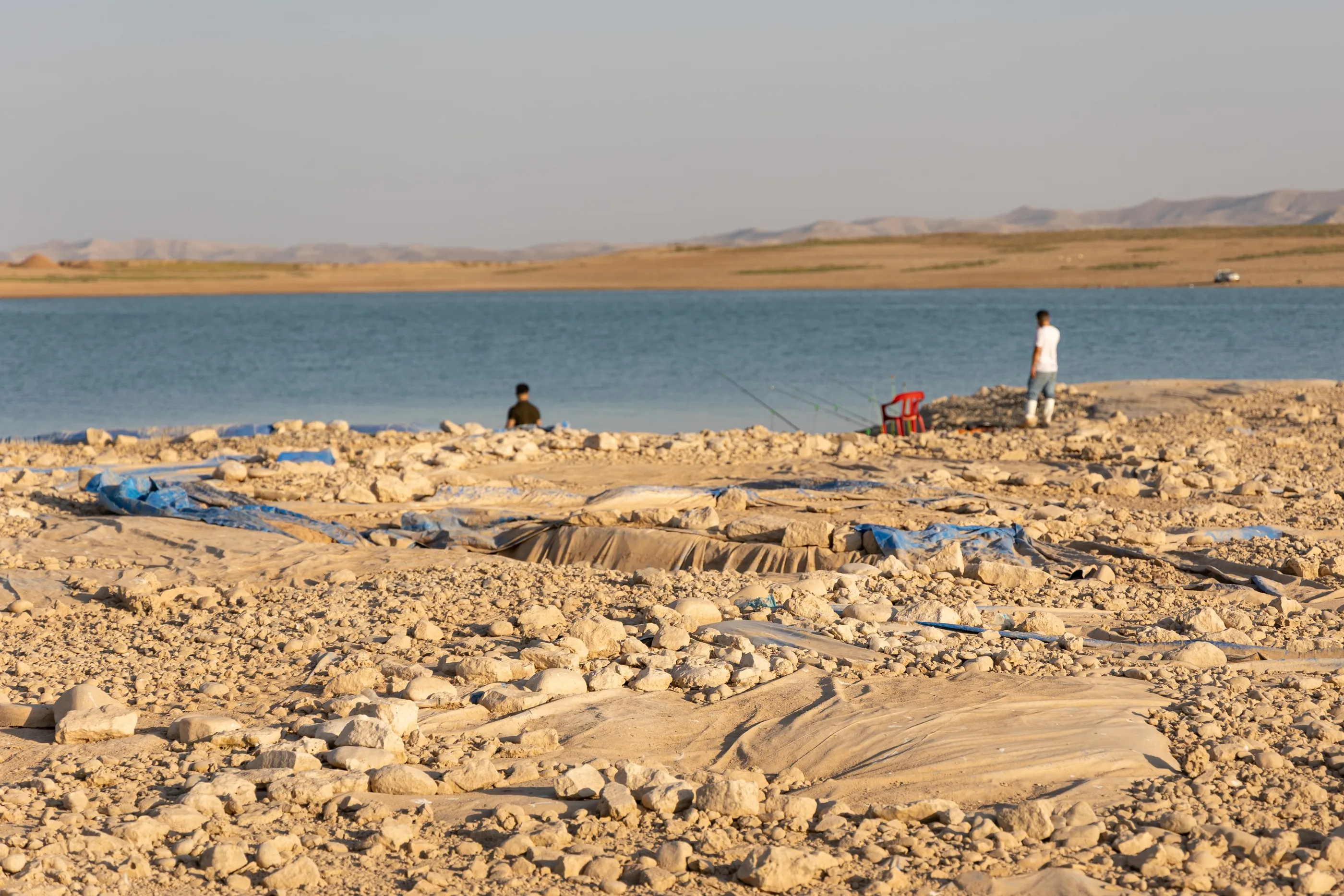
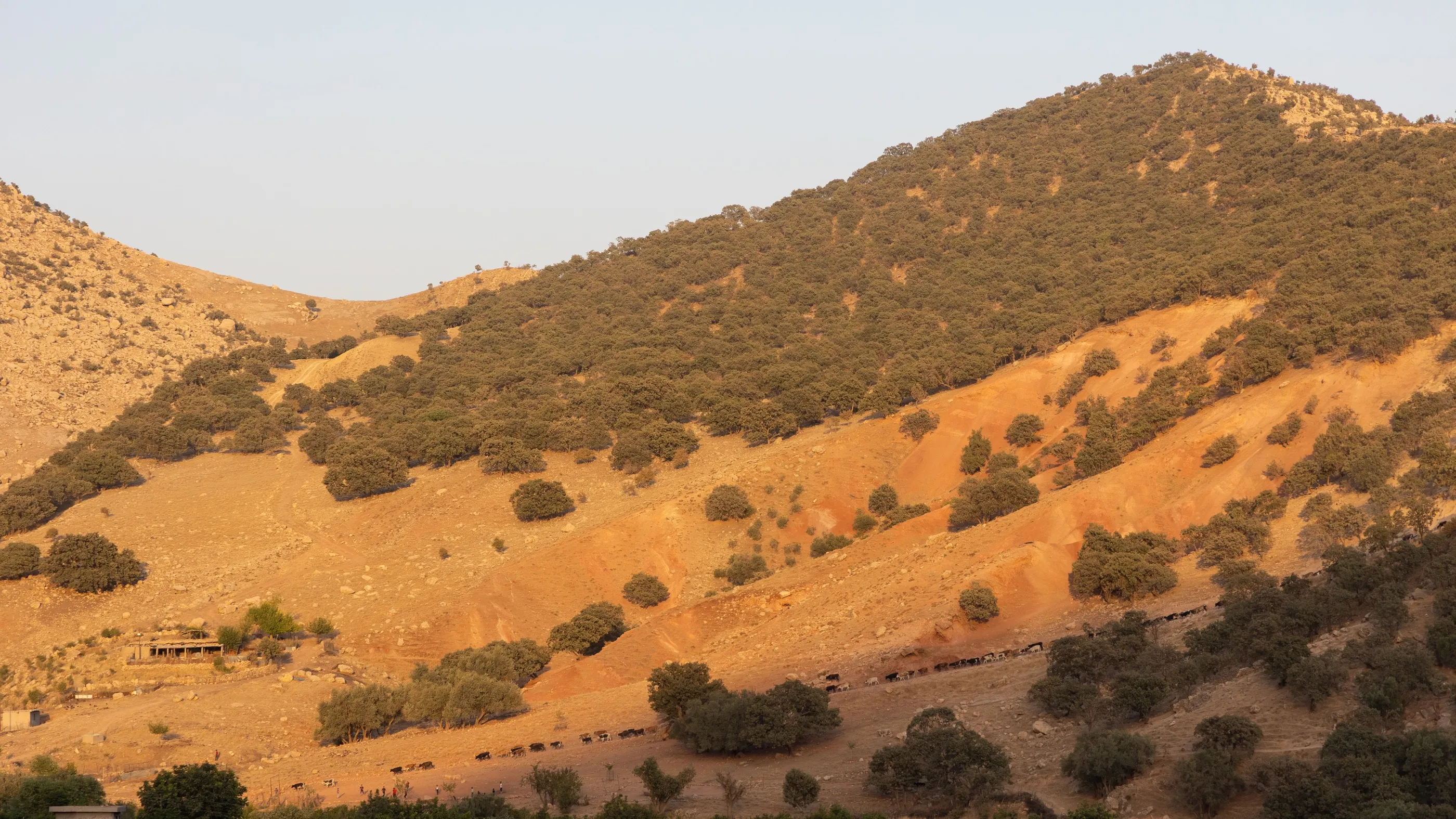
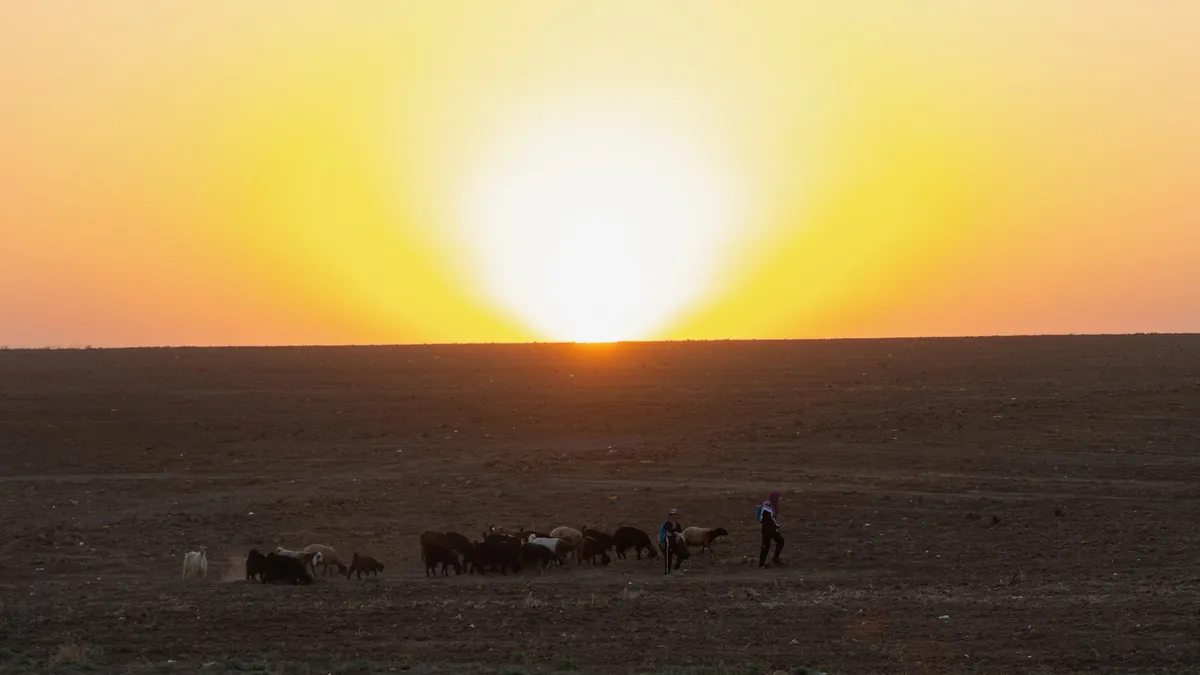
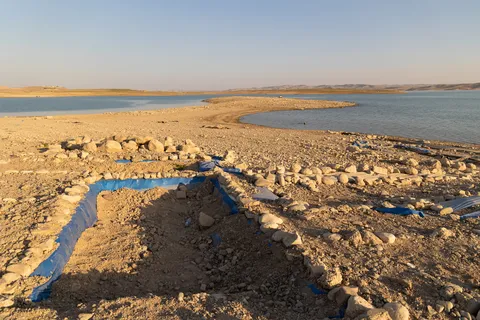
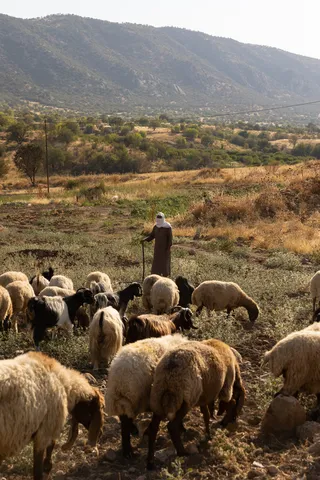
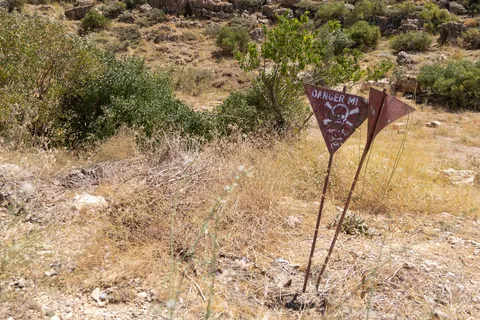
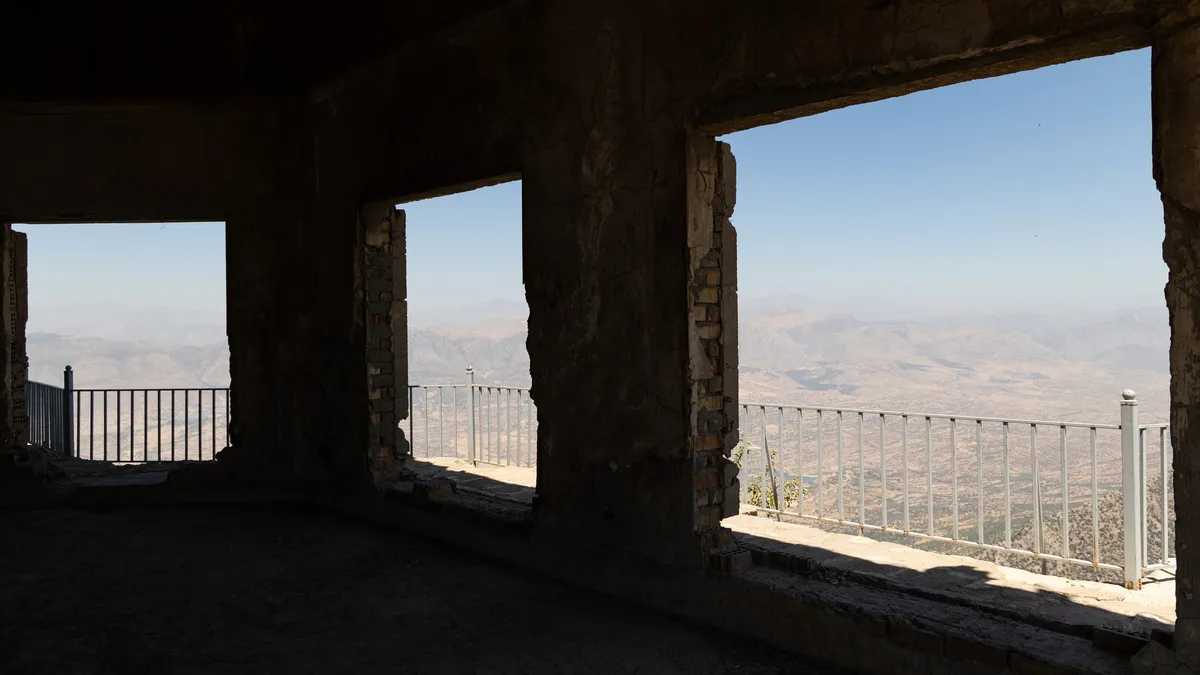
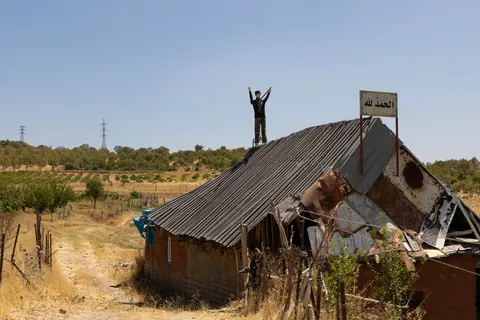
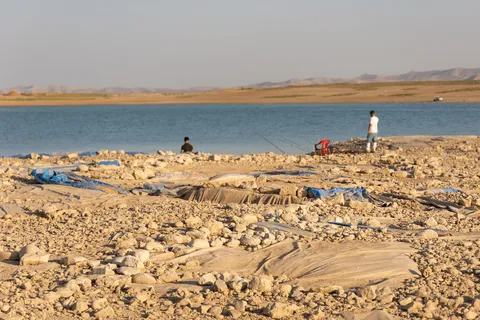
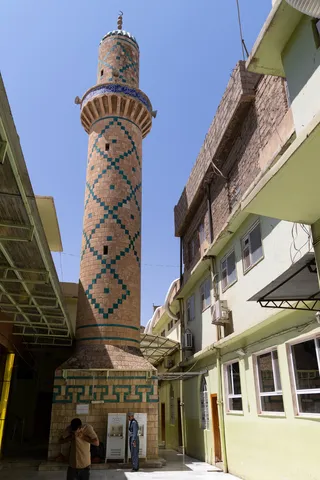
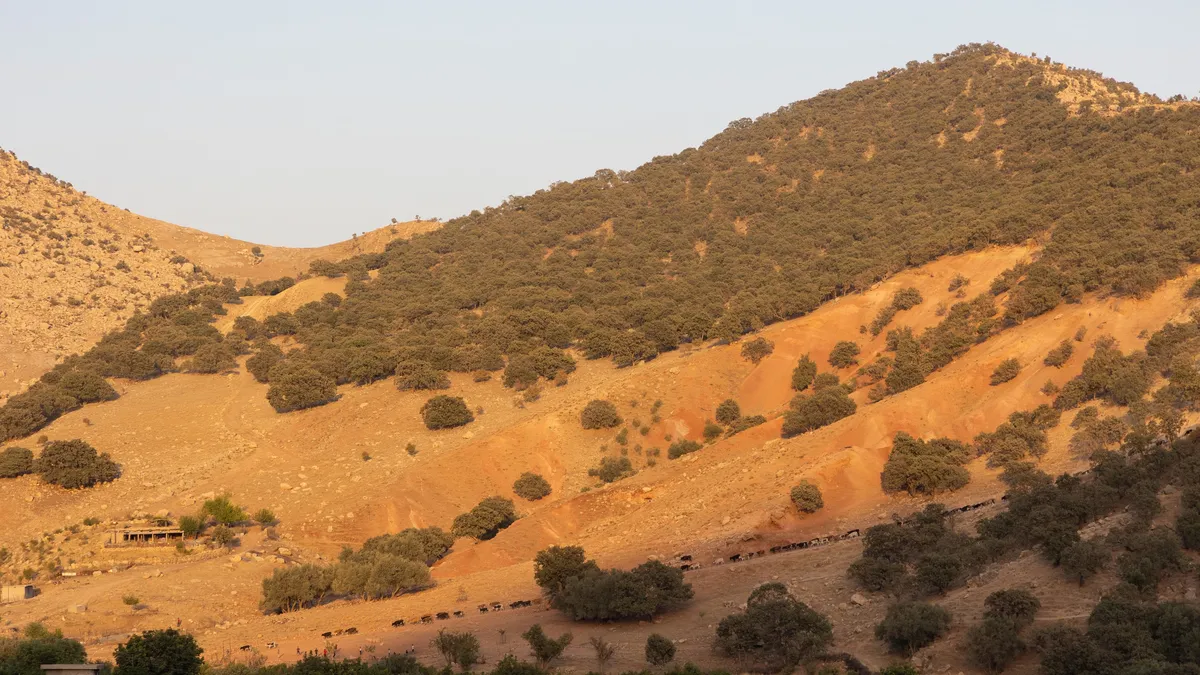
In the hills around Duhok, signs warning of landmines stand beside flocks of sheep, and camps for displaced people recall the fate of the Yazidis. At the Mosul Dam lake, the 2022 drought lowered the water so far that ancient ruins emerged. In the evening the sun sets over a cracked shore where shepherds pass by.
By road↗ 30 km
Lalish, Alqosh and Akre
Iraq (Kurdistan)
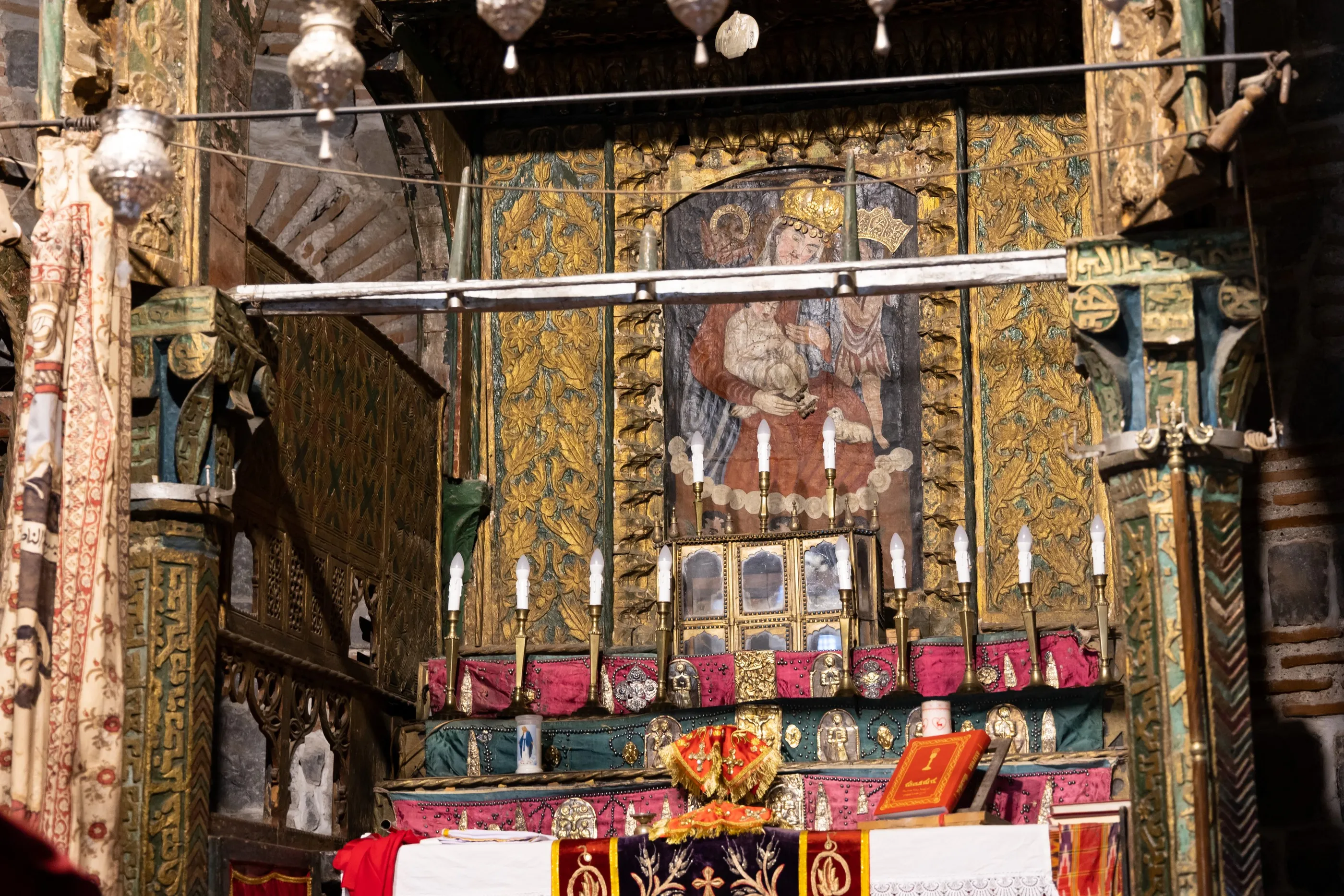
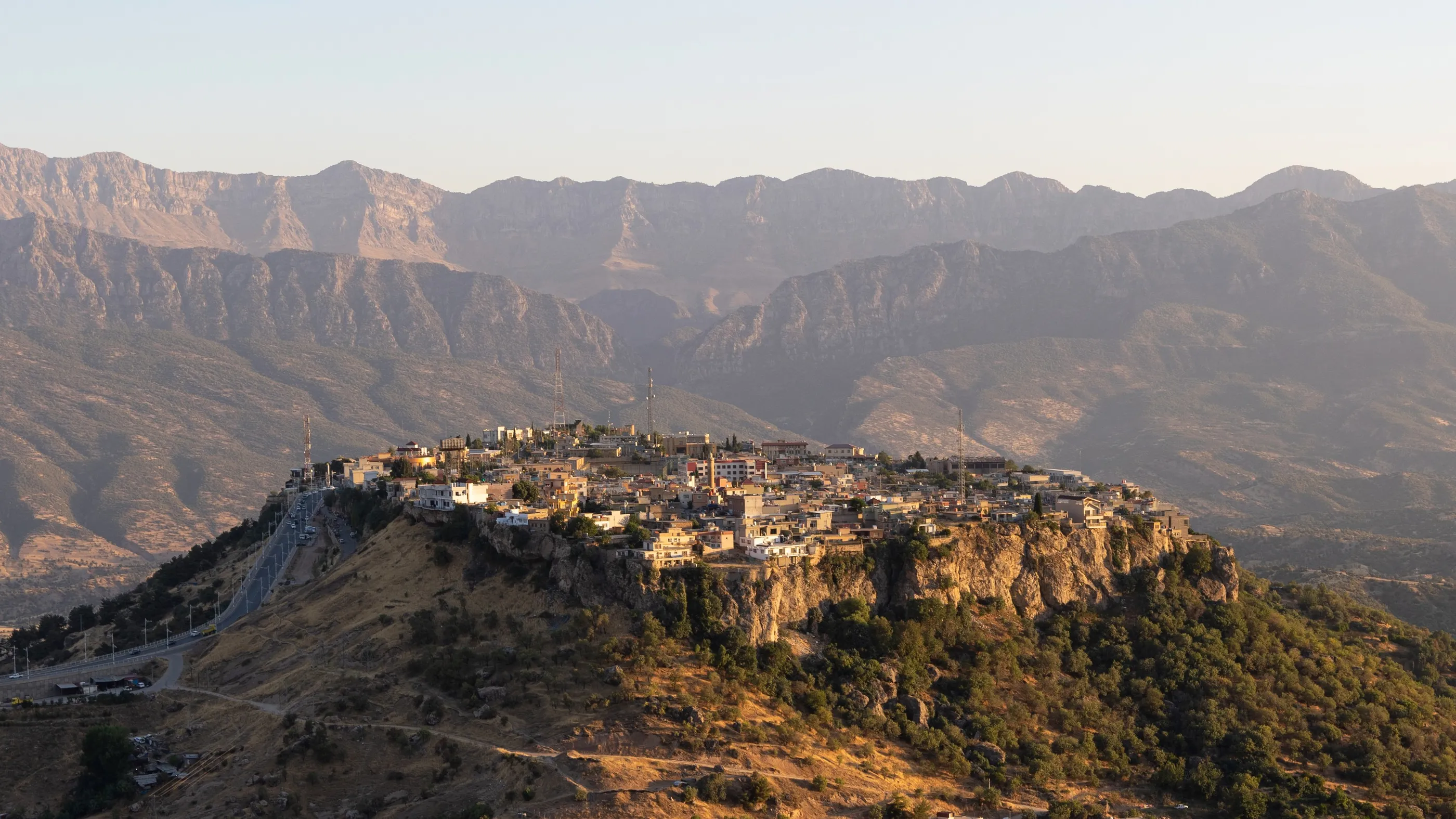
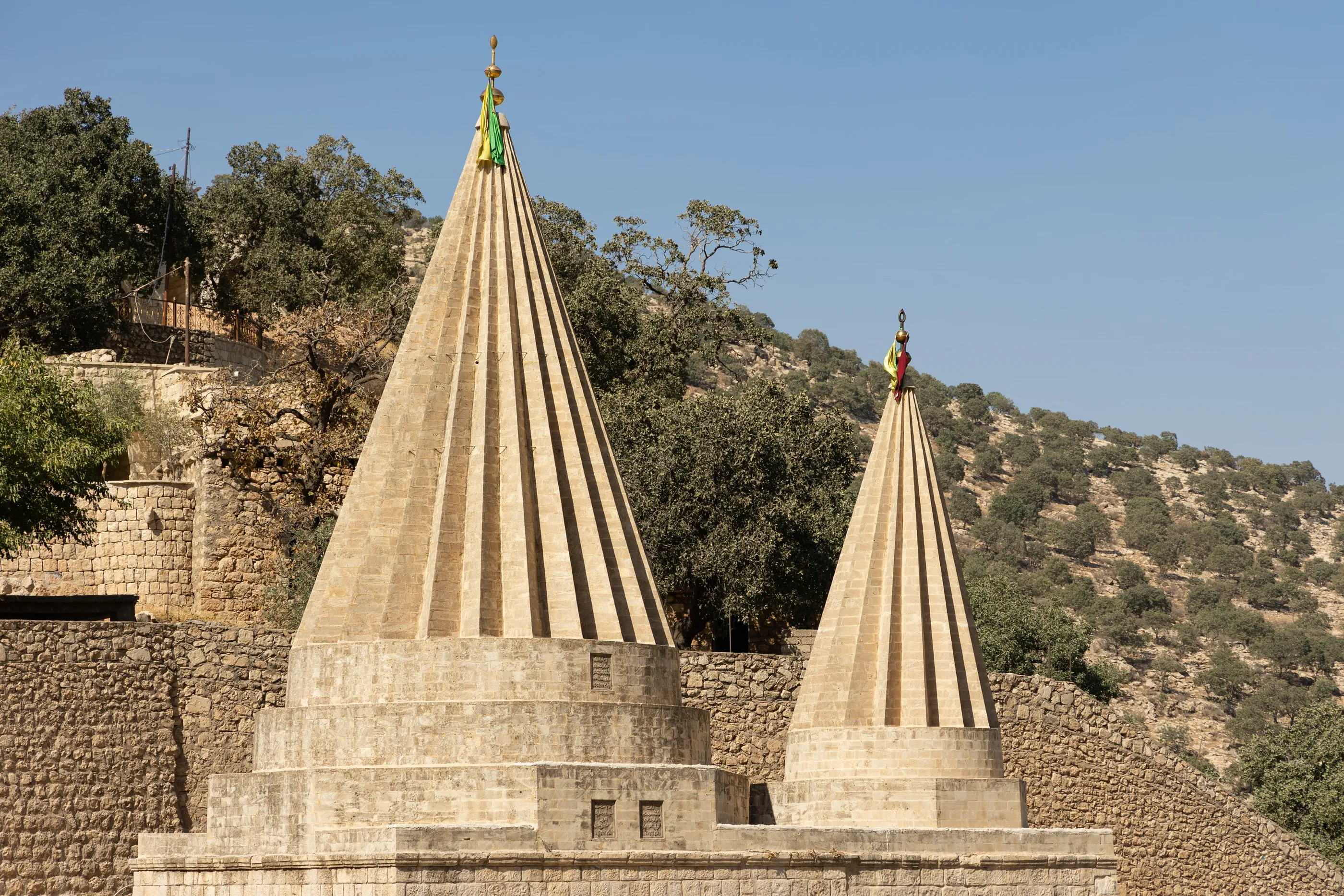
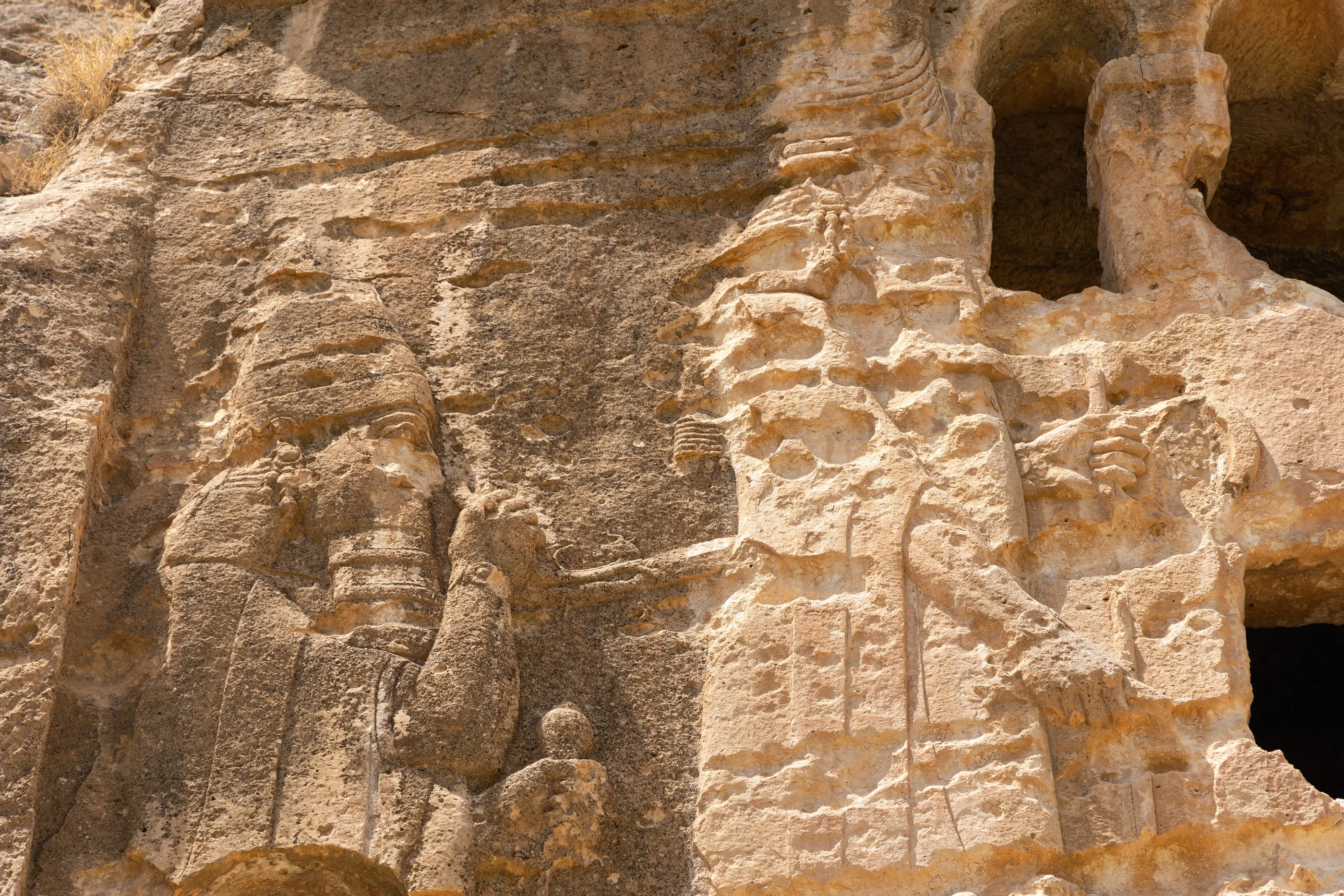
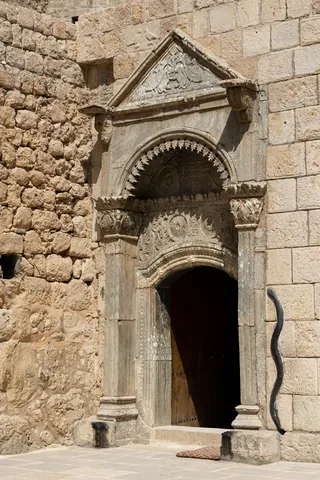
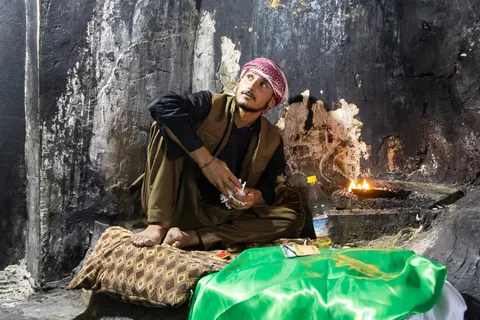
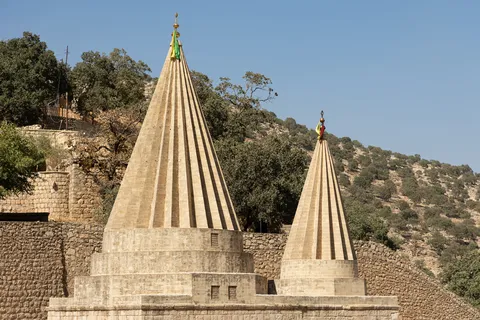
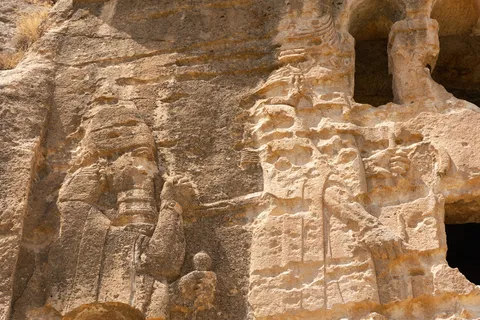
At Khinis, Sennacherib’s Assyrian reliefs are carved straight into the cliff, above the canal that once fed Nineveh. Then Lalish, the holiest Yazidi sanctuary: you enter barefoot, among blackened oil jars, knots of coloured silk and the fluted spires of Sheikh Adi’s tomb; nearby, the monastery of Rabban Hormizd clings to the mountain above Alqosh. On the last day, Akre and its houses stacked against the mountain, in golden light: a journey’s end close to the sacred.

Arrival
End of the journey
41 days · 5,604 km · 26 stops
Galleries of the countries crossed