Archaeology

The section

Four excavations, from Provence to the Petén, laid out like a trench section: the deeper you go, the older it gets.

Layer 1 · 13th – 14th century

Le Castelet

Allemagne-en-Provence (Alpes-de-Haute-Provence) · July 2010 and July 2011 · directed by Daniel Mouton (CNRS, LA3M)

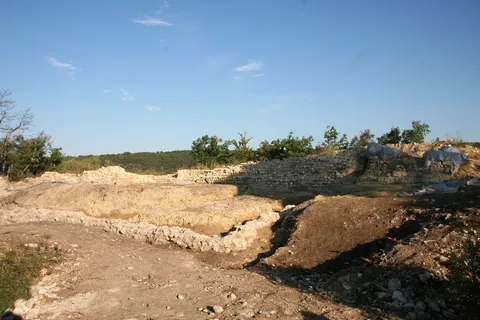
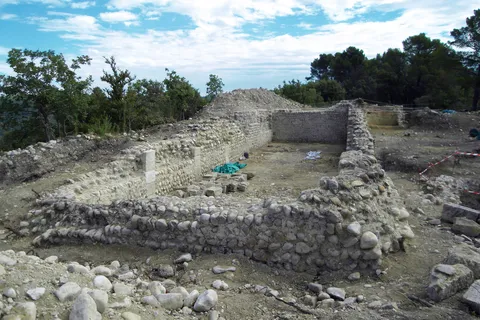
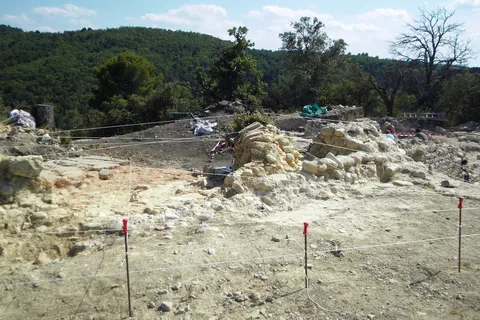
A small medieval fortress, a bastida seu turris, occupied from the mid-13th to the late 14th century. The dig uncovered its cobble walls, the cistern that collected rainwater from the roofs and, outside the walls, a bread oven; in the finds store, decorated pottery, keys and blades.
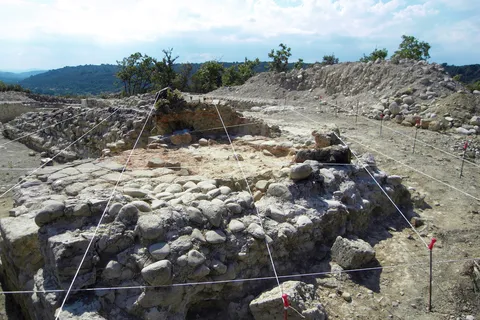
Cobble walls uncovered, under the grid strings
Overview of the site and its survey poles
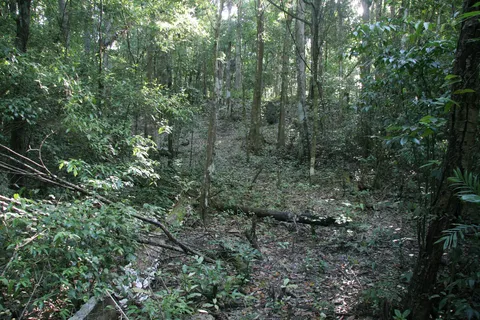
The site at the end of the season, in the scrubland
A building with its walls cleared
Open the notebook →

Layer 2 · 12th century · 5th century

San Parteo

Lucciana (Haute-Corse) · September 2012 · with Anne-Gaëlle Corbara (anthropologist, LA3M)

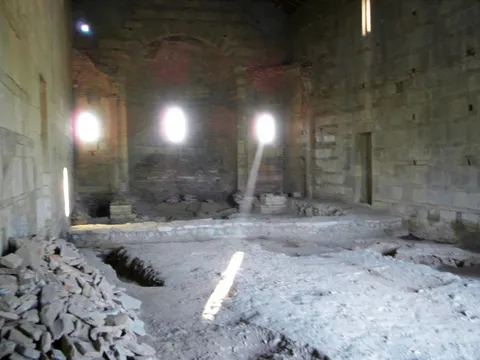
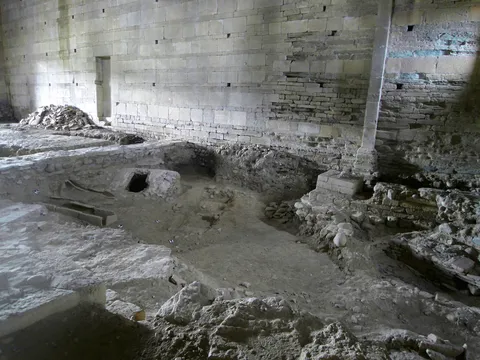
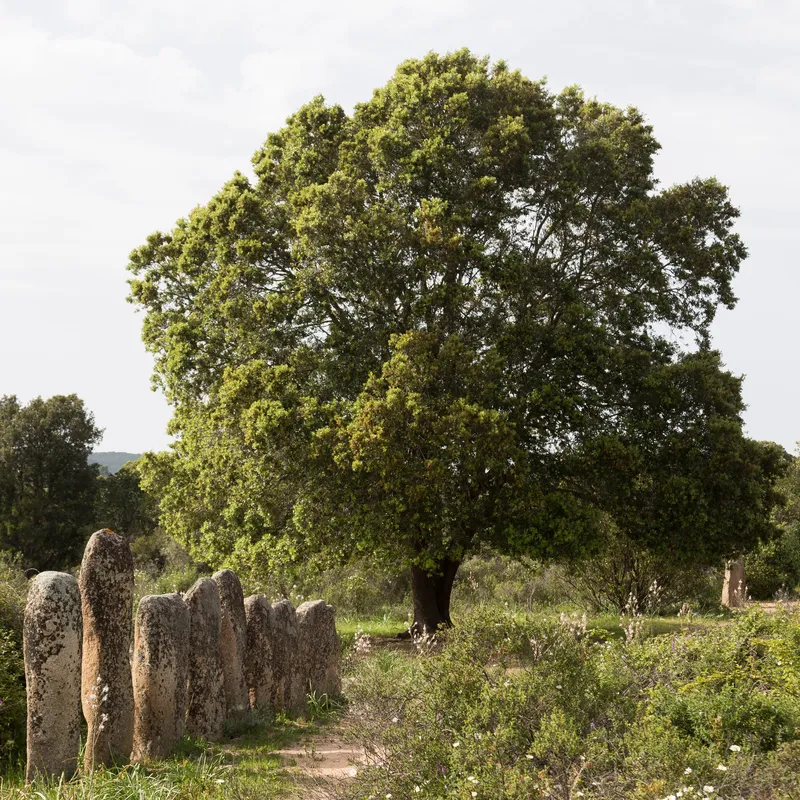
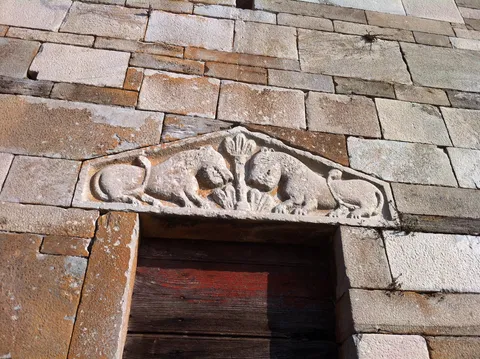
An early 12th-century Romanesque church, first mentioned in 1115, built over an early Christian basilica completed around the mid-5th century, near the ancient city of Mariana. Above the door, two facing lions; in the nave, the graves.
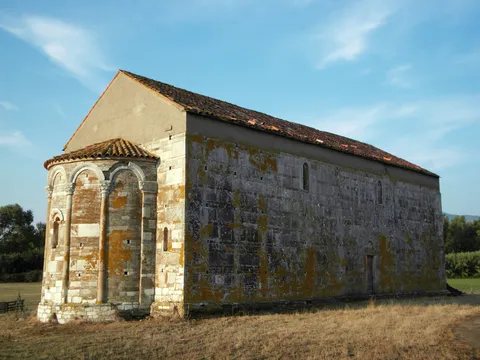
San Parteo church and its apse
The lintel with two facing lions
The nave being excavated
The nave floor, pits and earlier walls
Open the notebook →

Layer 3 · AD 150 – 950

Naachtun

Petén (Guatemala) · March 2013 · project directed by Philippe Nondédéo (CNRS, Paris 1)

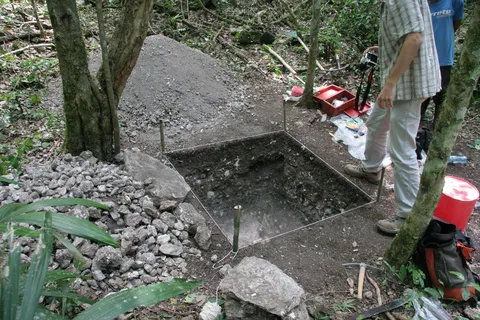
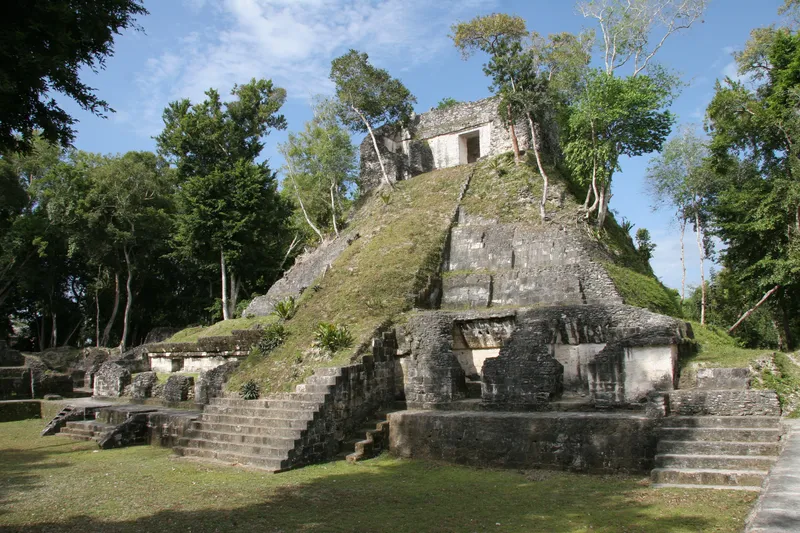
A Maya regional capital of the Classic period, c. AD 150–950, lost in the Petén forest. I studied the housing of its southern periphery — 359 mounds over 80 hectares — looking for the residences of noble lineages, rivals who could sometimes supplant the royal families; it was the subject of my master’s thesis.

Group 6M22 seen from its courtyard
The 6M22 plaza, seen from the top
Courtyard 2 of the neighbouring group 6N124, seen from 6M22
A test pit in a housing group
Open the notebook →

Layer 4 · ≈ 170,000 years

Lazaret Cave

Nice · July 2012 · directed by Henry de Lumley

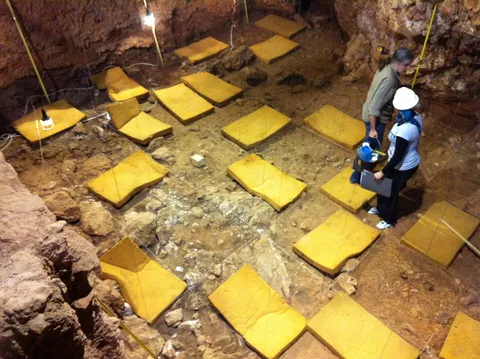
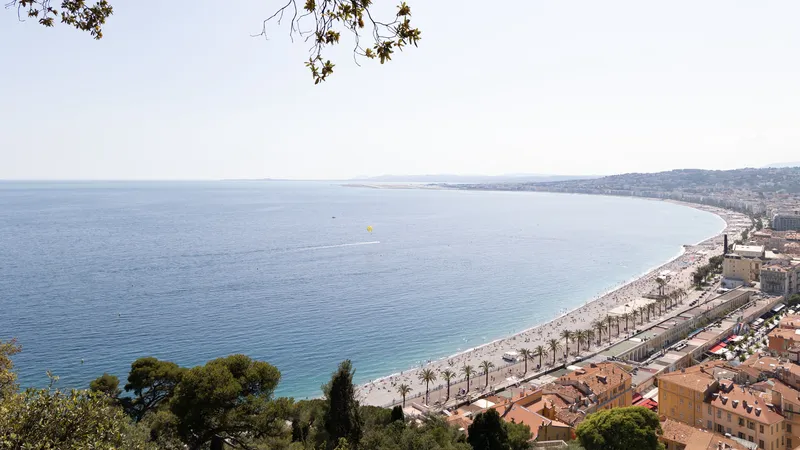
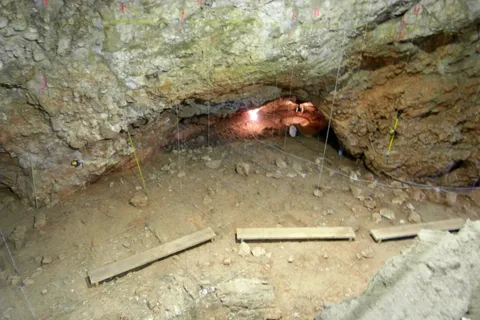
At the foot of Mont Boron, a cave lived in by Acheulean hunters during a glacial period. The floors excavated in those years are about 170,000 years old. The dig proceeds square by square, layer by layer, and every object is recorded in three dimensions before it is lifted.
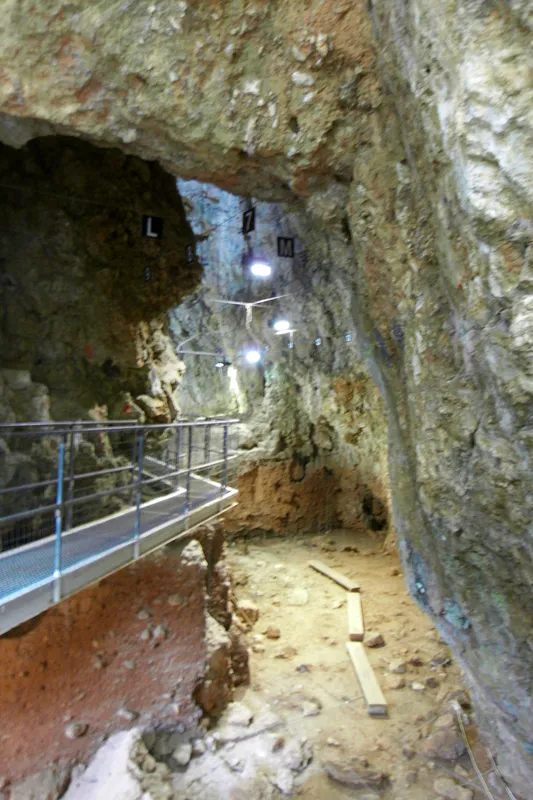
The walkway above the dig
The excavated chamber, under the lamps
At the back of the cave, the ladder
The dig, square by square
Open the notebook →